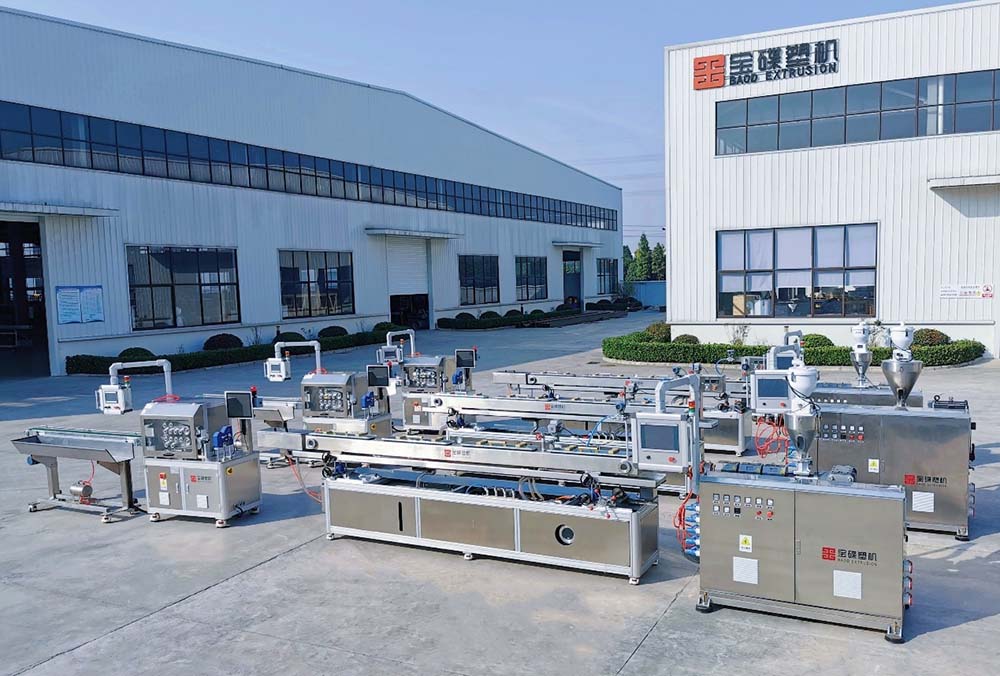
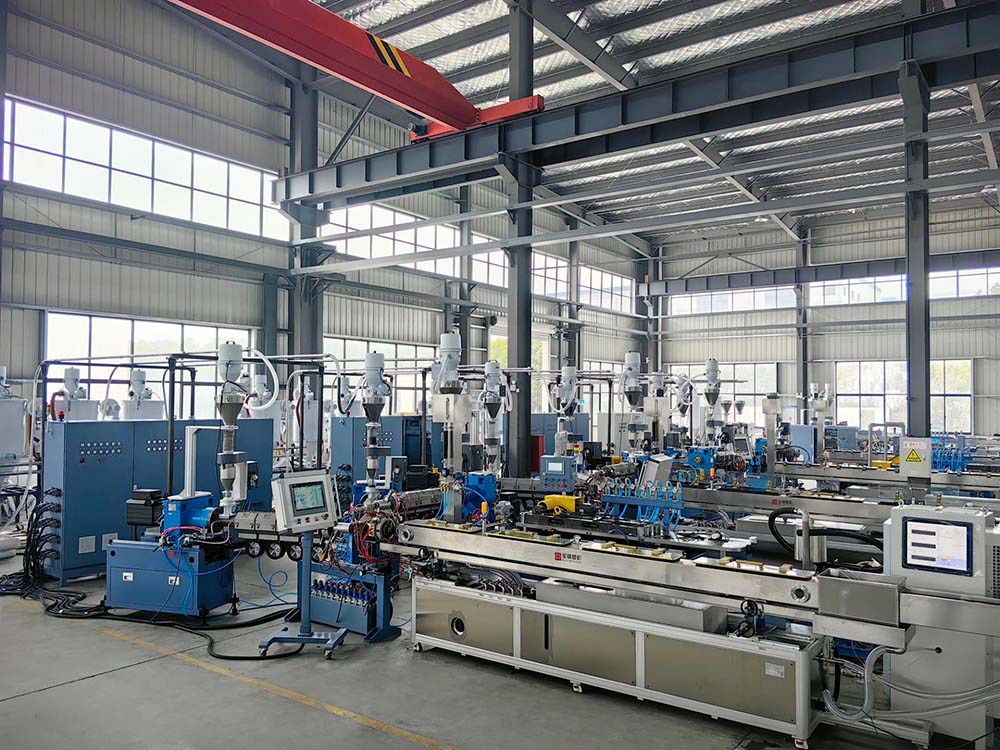
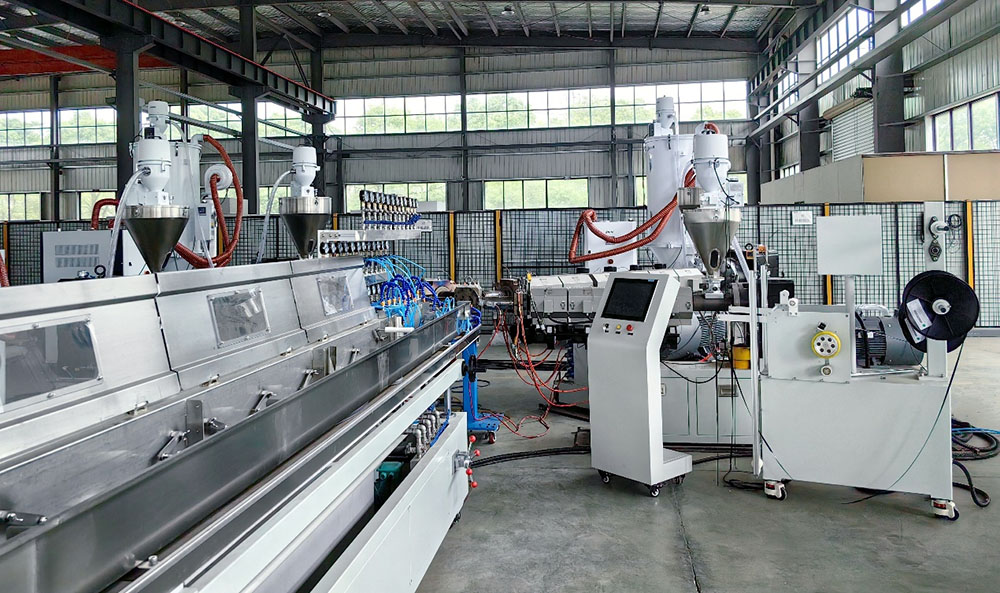
Explore our elite range of custom co-extrusion and high-speed tube extrusion lines, engineered to satisfy high-tolerance international specifications.
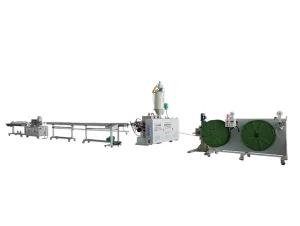
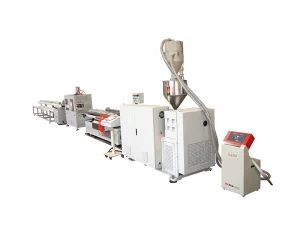
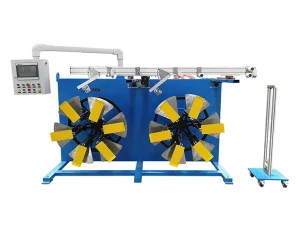
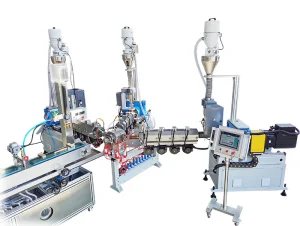
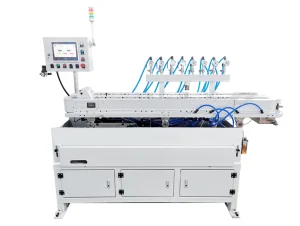
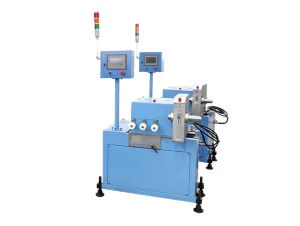
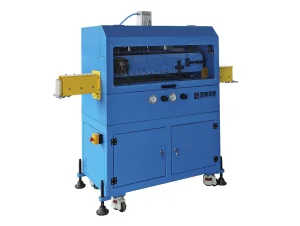
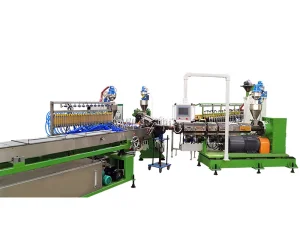
Thermoplastic Polyurethane (TPU) is widely preferred in modern engineering applications due to its exceptional elasticity, abrasion resistance, chemical inertia, and superior low-temperature flexibility. However, extruding TPU into precision tubing requires specialized control mechanisms that set it apart from standard polyolefins like PE or PP. High-quality PU tube extrusion lines must account for the unique viscoelastic properties of polyurethane melt, which displays a relatively narrow thermal processing window and high shear sensitivity.
TPU polymers are highly hygroscopic, absorbing ambient moisture rapidly. If raw materials are not pre-dried to a moisture content of less than 0.02%, hydrolysis occurs during the extrusion phase, leading to physical degradation, micro-bubbles, and severe variations in wall thickness. High-end custom PU extrusion systems integrate specialized dehumidifying dryers with a dew point below -40°C. Furthermore, the molecular chain structure of TPU demands a screw profile designed specifically for low shear and uniform mechanical melting. Standard single screws can cause localized overheating, resulting in chain scission, discoloration, and physical flaws in the final product.
| Extrusion Variable | Standard Extrusion Lines | BAOD Precision Custom Extrusion Lines | Operational Impact |
|---|---|---|---|
| Screw Profile / Geometry | General purpose barrier screw | Dedicated low-shear, high L/D (30:1 to 32:1) barrier screw | Prevents material degradation, ensures homogeneous melt quality |
| Diameter Control System | Manual gauging / standard calibers | Closed-loop dual-axis laser scan micrometer calibration | Ensures dimensional tolerance down to ±0.03mm |
| Vacuum Sizing Stability | Standard mechanical pressure valves | Proportional valve closed-loop digital vacuum regulation | Eliminates wall thickness warping and ovality anomalies |
| Cooling Configuration | Single chamber cooling trough | Precision multi-stage temp-regulated vacuum cooling baths | Maintains structured crystallization, prevents structural stress |
For high-volume production plants, mechanical downtime correlates directly to margin erosion. Precision PU extrusion lines require heavy-duty frame designs and stable extrusion heads. The die design must incorporate precise spiral flow channels that eliminate weld lines, which are common weak points in pneumatic tubes under pressure. Precision temperature controllers with solid-state relays ensure that each heat zone on the barrel stays within a strict ±1°C parameter limit.
Modern smart systems utilize PLC automation (such as Siemens S7-1500 architectures) to synchronize the extruder screw speed, melt pump pressure, caterpillar puller velocity, and dual-axis winder operations. High-speed, non-contact diameter feedback loops adjust parameters in real time, making micro-adjustments to the puller speed to keep the tube dimensions centered on target values. This level of automation is essential for manufacturing medical-grade multi-lumen tubes, micro-bore catheters, and reinforced industrial hoses.
Minimizes polymer residence time and eliminates stagnation zones, preventing the thermal degradation of custom TPU formulations.
Maintains absolute sync between puller tension and screw speed, crucial for avoiding internal stress deformation during cooling.
Offsets pressure pulsations from the extruder barrel, yielding a highly uniform and surge-free polymer stream to the die.
Features anti-slip precision belts with servo motors, preventing micro-chatter marks on flexible medical-grade tubes.
Over the last few decades, China has evolved from a regional assembly hub into an end-to-end manufacturing powerhouse for advanced industrial machinery. For global procurement teams, sourcing a custom PU tube extrusion line from established Chinese manufacturers offers a balanced mix of economic efficiency, robust engineering, and rapid production cycles. Factories in industrial zones such as Jiangsu benefit from a highly developed upstream and downstream component ecosystem.
This localized supply chain allows manufacturers like Jiangsu Baodie Automation Equipment Co., Ltd. (BAOD EXTRUSION) to source specialized tooling, premium alloy steels, heat-treatment processes, and electrical components with minimal lead times. This allows us to pass cost efficiencies directly on to the customer without compromising on key components. We configure our machines with premium international brands, including Siemens PLC systems, Omron temperature controls, ABB variable frequency drives, and Yaskawa servo systems, ensuring global parts availability and high equipment reliability.
Modern global procurement requires more than just high-performance equipment; it demands strict adherence to local regulatory frameworks, safety protocols, and operational standards. A European buyer requires strict compliance with the EU Machinery Directive, CE markings, and EN safety standards, which call for interlocked safety guards, redundant emergency stop circuits, and low-voltage control setups. Meanwhile, North American facilities require UL/CSA certifications for electrical panels and NFPA compliance for industrial machinery.
High-quality manufacturers now offer complete engineering packages that include pre-shipment FAT (Factory Acceptance Testing), detailed technical documentation, electrical schematics in the local language, and remote diagnostic capabilities. If an operational anomaly occurs at a plant in Germany, North America, or Japan, localized technical support and remote support connections allow engineers to access the PLC code, identify the issue, and push software fixes immediately, minimizing production interruptions.
Integrated electrical cabinetry configured to meet regional safety standards, featuring reliable components and redundant safety systems.
Worldwide deployment of field engineers for installation, calibration, and training, backed by comprehensive remote diagnostics.
In-house design of dies, calibrators, and cooling systems tailored for specific TPU grades (ether-based, ester-based, or medical-grade polymers).
As the manufacturing sector moves toward Industry 4.0, extrusion lines are evolving from isolated machinery into fully integrated, data-driven systems. Smart extrusion technology relies on real-time feedback loops. Modern lines use multi-axis laser measuring heads and ultrasonic wall-thickness monitors to continuously scan the extruded PU tube. This measurement data is processed by the PLC, which automatically adjusts parameters like melt pump speed, barrel zone temperature, and puller speed to keep the product within tight tolerances.
Co-extrusion technology is also advancing rapidly. Multi-layer PU tubes, which combine an chemical-resistant inner lining with a durable, UV-resistant outer cover, are increasingly used in complex automotive and industrial applications. Our co-extrusion technology uses advanced crosshead dies to control layer distribution precisely, ensuring consistent adhesion and thickness for each material. This allows manufacturers to optimize material usage and reduce cost without sacrificing tube performance.
A Legacy of High-Efficiency Engineering and Precision Plastic Extrusion Technology
BAOD EXTRUSION (Jiangsu Baodie Automation Equipment Co., Ltd.), founded in 2002, is dedicated to the design, manufacturing, and sales of high-performance plastic extrusion equipment. Our engineering foundation is built on 18 years of design and manufacturing experience in Taiwan. In 1999, our parent company (KINGSWEL GROUP) established our Shanghai manufacturing base, bringing advanced precision technologies directly to mainland China.
Over the last 25 years, BAOD EXTRUSION has focused on R&D in precision extrusion technology, high-efficiency output processes, advanced system automation, and comprehensive equipment safety systems. This combination of experience, continuous R&D, and access to premium global components allows BAOD to deliver reliable extrusion systems that help clients scale their production and maintain high product consistency.
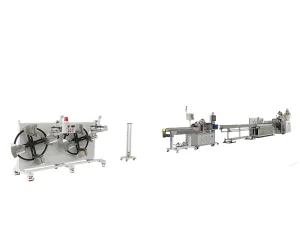
High-speed, multi-layer, and precision medical tubing lines designed to meet demanding production standards.
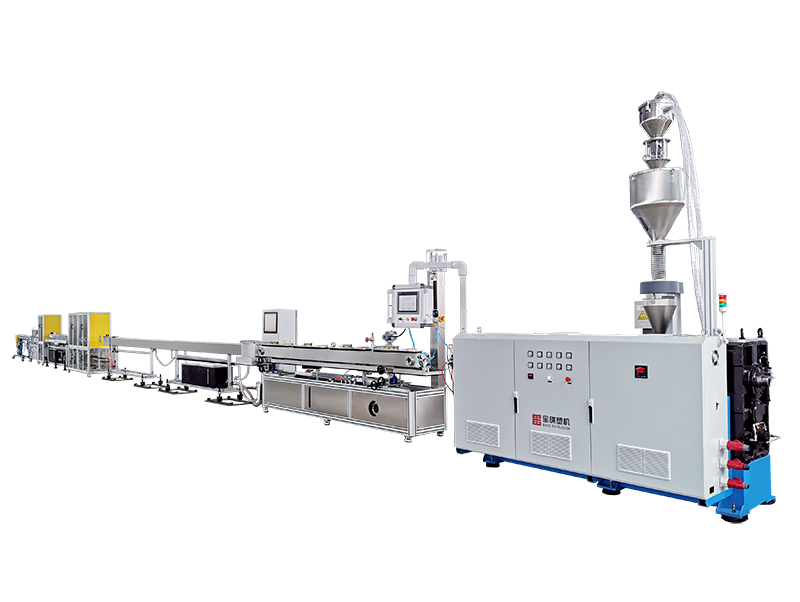
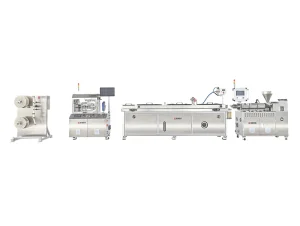
High-accuracy line optimized for micro-bore applications.
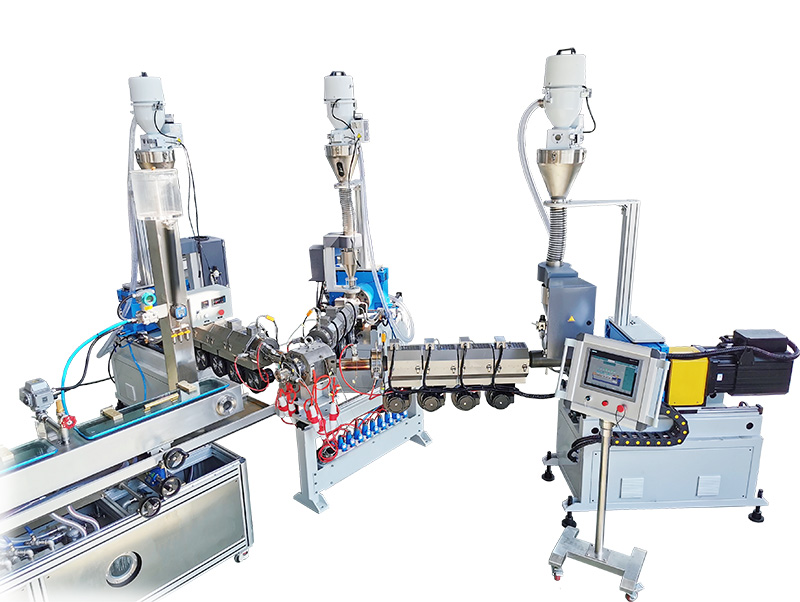
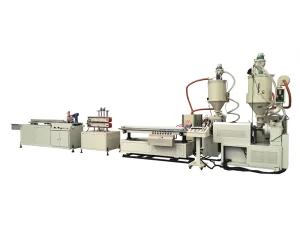
Advanced co-extrusion for automotive fluid systems.
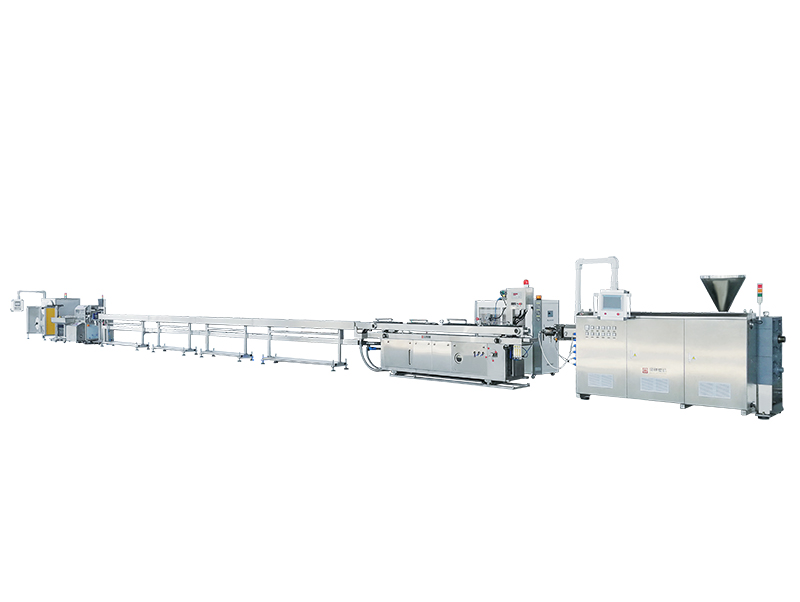
Medical-grade precision with clean-room compatibility.
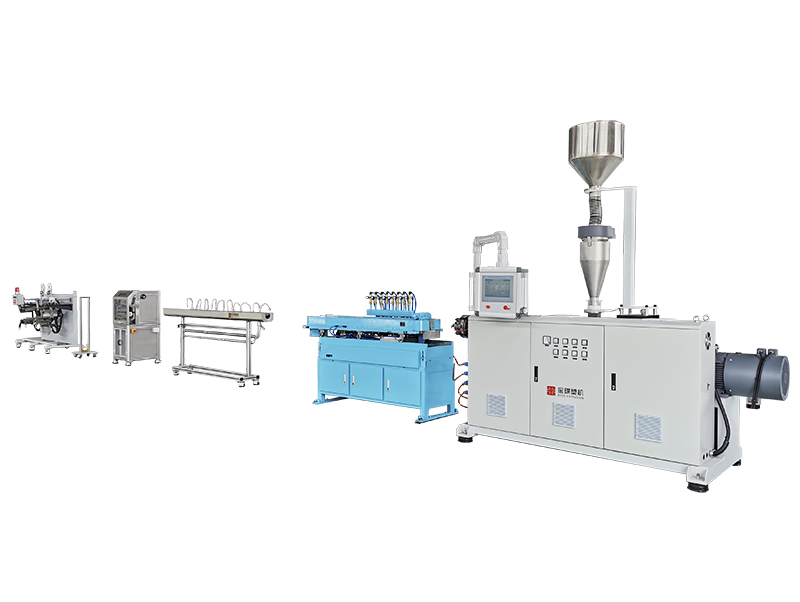
High-output forming systems for protective conduits.
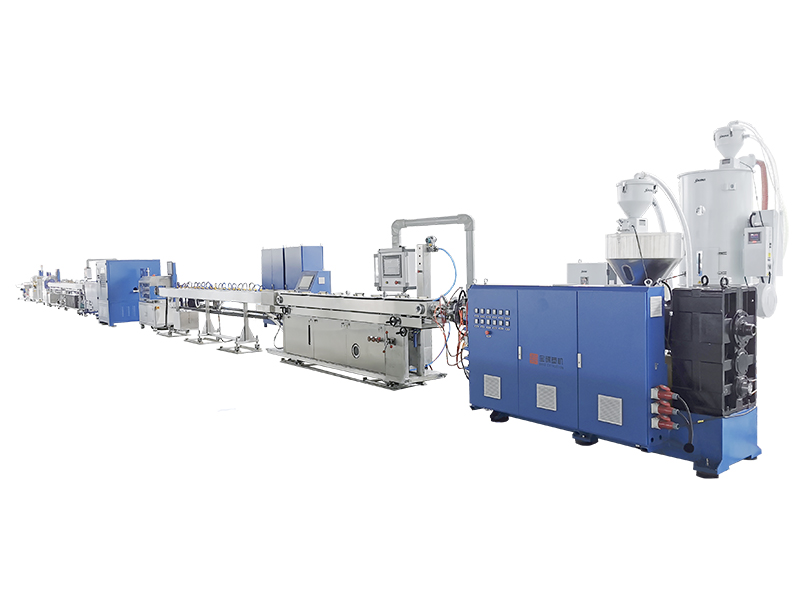
Reinforced flexible hoses for high-pressure applications.
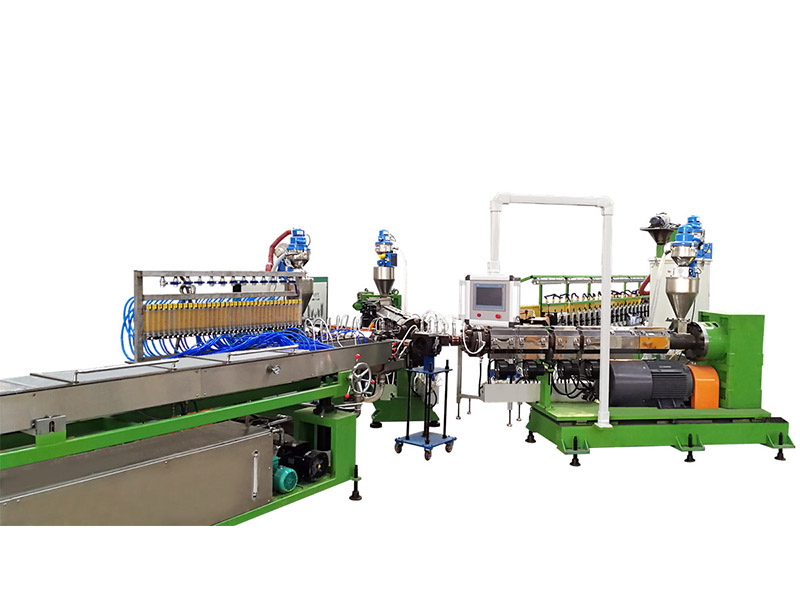
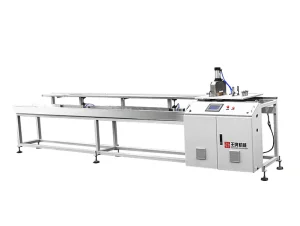
Precision automotive profiles with automated cross-cutting.
Stay informed with technical analyses, event coverage, and regulatory guides from our engineering team.
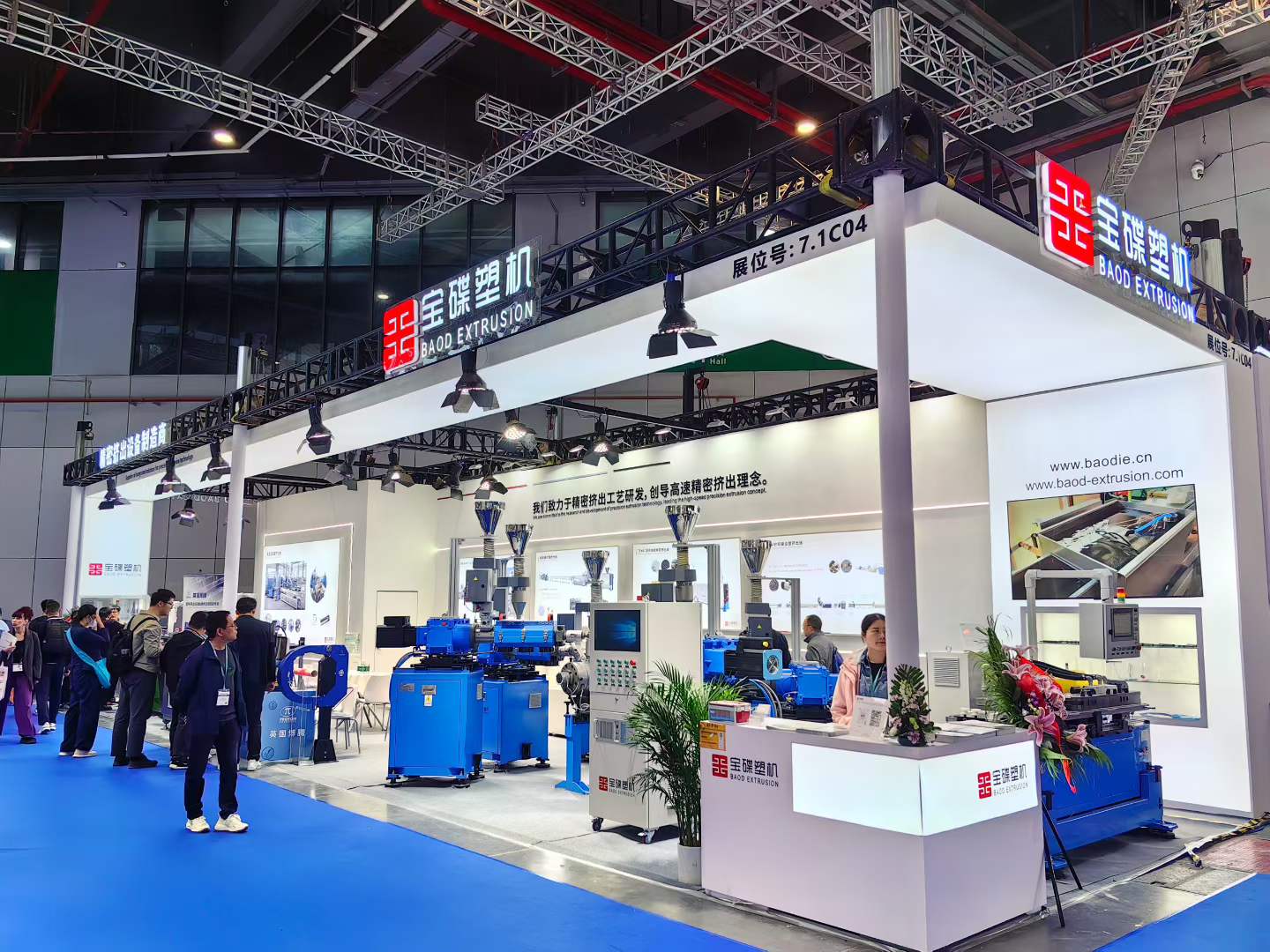
At Booth 7.1C04, BAOD EXTRUSION demonstrated its "Smart Extrusion · High-Efficiency Innovation" systems, highlighting new configurations designed to lower energy consumption and improve material throughput.
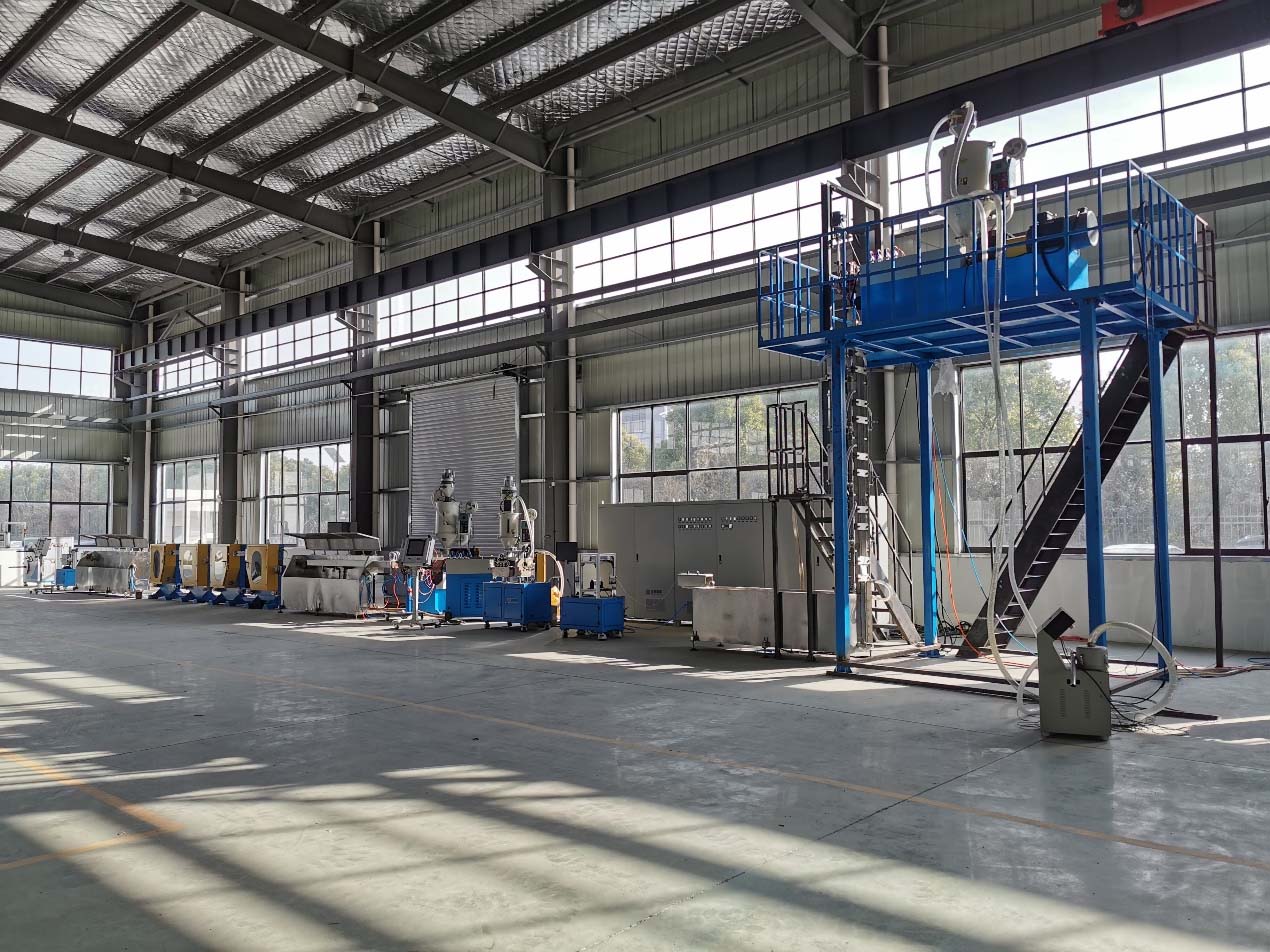
An in-depth look at our specialized, highly regulated extrusion setups engineered for producing shock tubes used in mining, quarrying, and demolition operations globally.
A technical comparison analyzing how Chinese-engineered extrusion systems balance cost and performance against European standards in high-tolerance medical manufacturing.
A detailed review of the quality management systems and testing protocols required to supply automotive clients with fuel, brake, and coolant lines that meet international standards.
Exploring the engineering shifts and automation trends in automotive sealing strip extrusion, driven by the growth of electric vehicles and the demand for quieter cabins.
Technical answers to key questions about custom PU tube extrusion machinery and operations.
Discover more of our specialized extrusion machinery and components designed for diverse industrial operations.
 Baodie