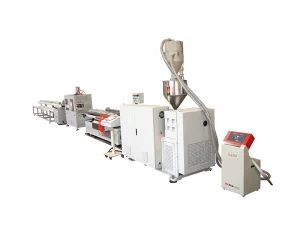
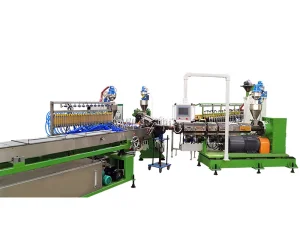
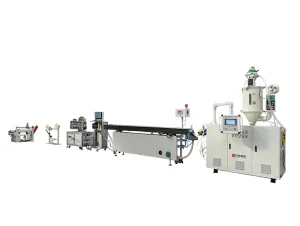
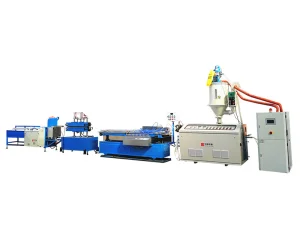
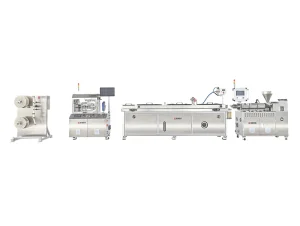
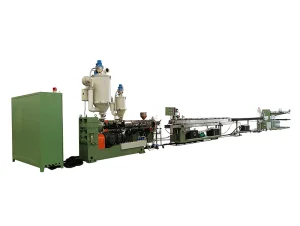
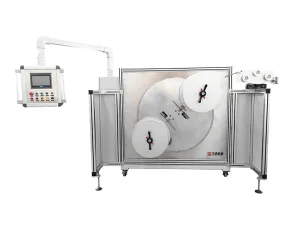
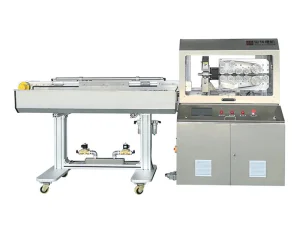
Polyvinyl Chloride (PVC) profile extrusion stands as a cornerstone of modern manufacturing, delivering critical components to infrastructure, automotive systems, aerospace, healthcare, and telecommunications sectors. Thanks to its remarkable versatility, chemical resistance, and physical robustness, customized PVC profiles have largely replaced traditional wooden, metallic, and simple elastomeric elements in high-performance environments. Across the globe, the industrial demand for customized profile geometries requires co-extrusion technologies capable of maintaining strict tolerances and ensuring material integrity.
In North America and Europe, the regulatory push for lead-free profile formulations (relying on Calcium-Zinc or organic stabilizers) has forced processing manufacturers to re-evaluate their screw configurations and heating systems. The rheological behavior of rigid PVC (U-PVC) versus plasticized flexible PVC (P-PVC) requires precise control over shear heat and residence times. Uncontrolled shear during the extrusion process leads to thermal degradation, releasing hydrochloric gas and reducing the mechanical integrity of the final profile. Designing and manufacturing machines that optimize thermal curves is essential for maintaining product safety and operational efficiency.
Extrusion is not merely melting and shaping; it is an active mechanical and thermal transformation. The polymer blend enters the barrel, where the screw geometry—specifically the ratio of Length-to-Diameter (L/D ratio)—defines the compression and shear rate. High-precision profiles demand an L/D ratio of 26:1 or greater, which ensures complete homogenization of additives, plasticizers, and stabilizers before the melt enters the die chamber. The die design must counteract the physical phenomenon of die swell, where the elastic memory of the polymer causes it to expand upon exiting the constriction. Precision-engineered calibration sleeves and vacuum cooling systems are critical to cooling the profile back to stable solid geometry with tolerance limits of +/-0.05 mm.
BAOD EXTRUSION (Jiangsu Baodie Automation Equipment Co., Ltd.) was founded in 2002, dedicating its operations to designing, manufacturing, and servicing industrial-grade plastic extrusion equipment. Leveraging over 25 years of engineering experience in Taiwan (originally under the parent entity KINGSWEL GROUP), the company established its core production base in Shanghai in 1999 before expanding to state-of-the-art facilities in Jiangsu.
Our long-term commitment revolves around precision technology, automated downstream systems, energy efficiency, and safety compliance. We focus on integrating manufacturing hardware with modern monitoring sensors, creating production environments designed to minimize waste and maximize output.
The field of PVC profile extrusion is evolving rapidly, driven by digital transformation and material science advancements. Historically, extrusion relied heavily on empirical operator adjustments. Today, the integration of Industry 4.0 standards enables closed-loop control architectures that monitor every phase of production—from material feeding to final cutting.
Ensuring consistency in raw materials, real-time dosing control prevents compound separation and maintains exact material ratios for multi-component blends.
Combining rigid PVC, flexible PVC, metal inserts, or alternative elastomers (like TPV) in a single step to build high-performance seal paths.
Inline laser measurement systems monitor profile cross-sections continuously. Automated feedback loops adjust puller speeds and extrusion rates dynamically.
Modern environmental goals require manufacturers to integrate high percentages of recycled PVC (R-PVC) without sacrificing mechanical strength or finish quality. Processing R-PVC introduces challenges, such as volatile degradation temperatures and variable melt viscosities. Advanced extrusion screws use customized barrier designs and degassing zones to vent moisture and volatile organic gases. This ensures that even when processing post-consumer or post-industrial waste, the extruded profiles remain free of structural defects and cosmetic blemishes.
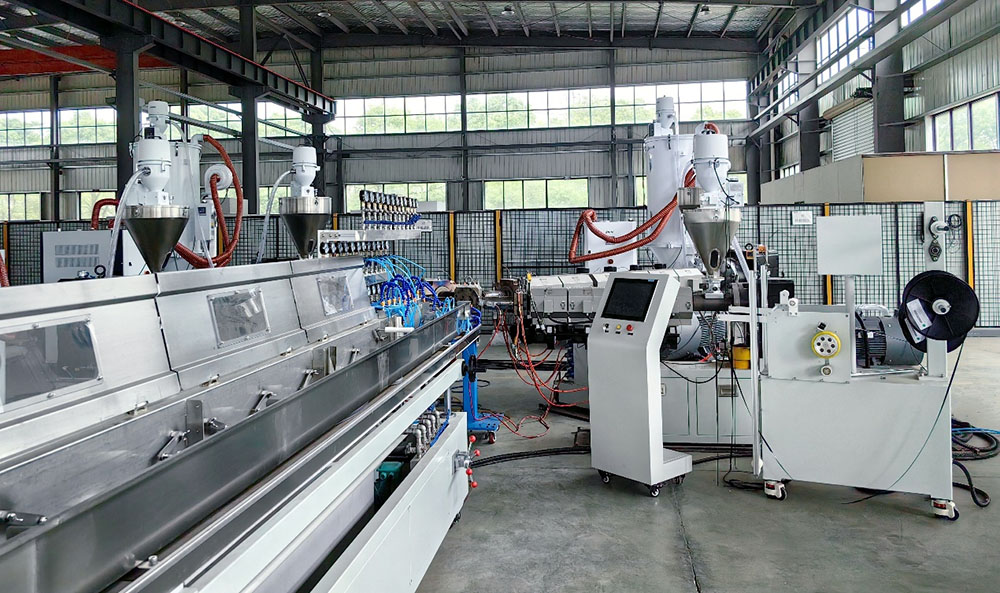
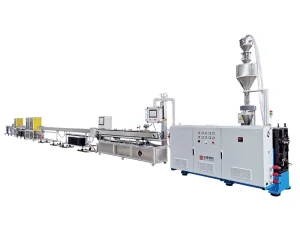
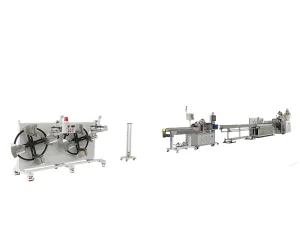
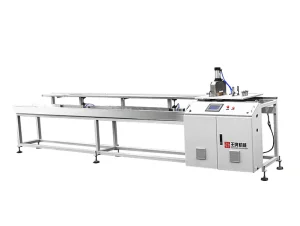
The quality of an extrusion line is often determined by the capability of its downstream equipment. Even with an optimized melt process, profile distortion can occur if the puller applies uneven tension or if the cutting tool induces mechanical stress. Crawler-type pullers (such as the TKC series) distribute clamping force over a large area, preventing thin-walled profiles from collapsing. High-speed fly-knife cutters and follow-up saw systems (like the SC series) synchronize with the profile speed to ensure clean, square cuts without burrs, eliminating the need for secondary post-processing.
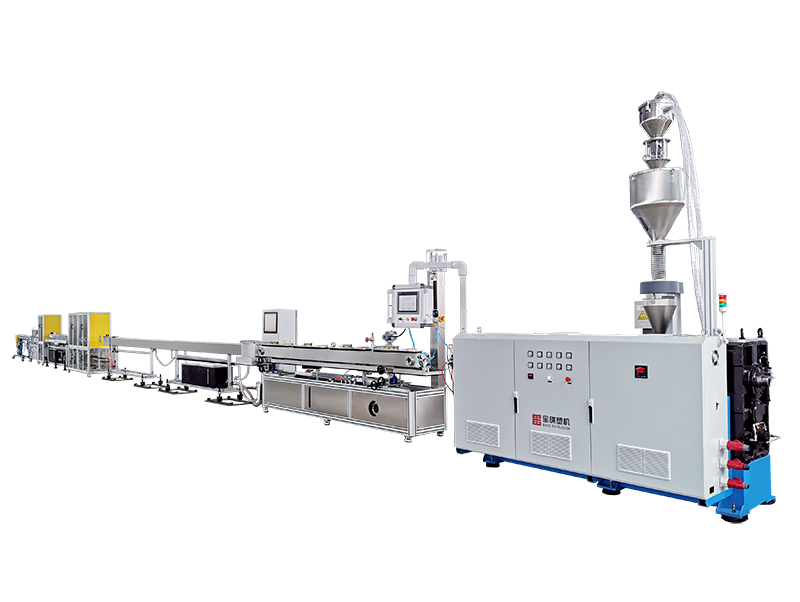
High-speed manufacturing systems optimized for small-scale technical tubes with tight geometric tolerances.
Learn More →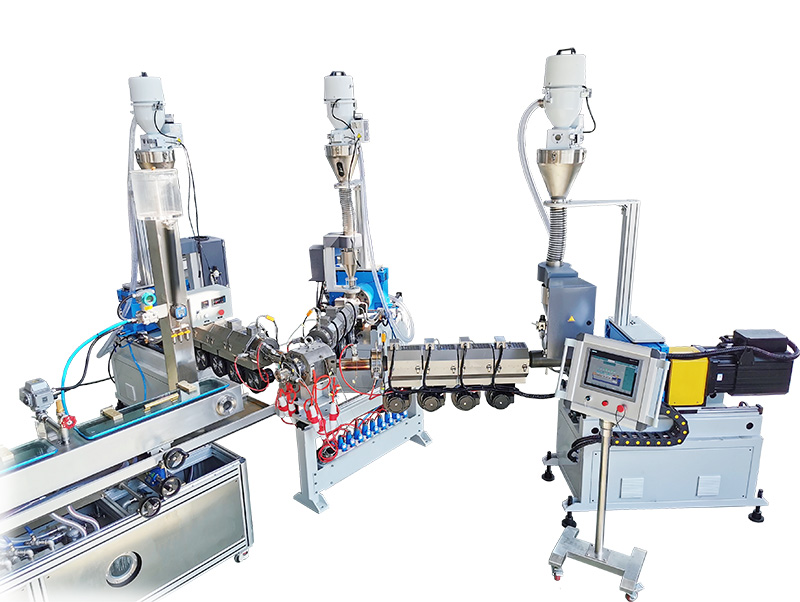
Advanced multi-layer technology offering chemical resistance and structural durability for fluid transport.
Learn More →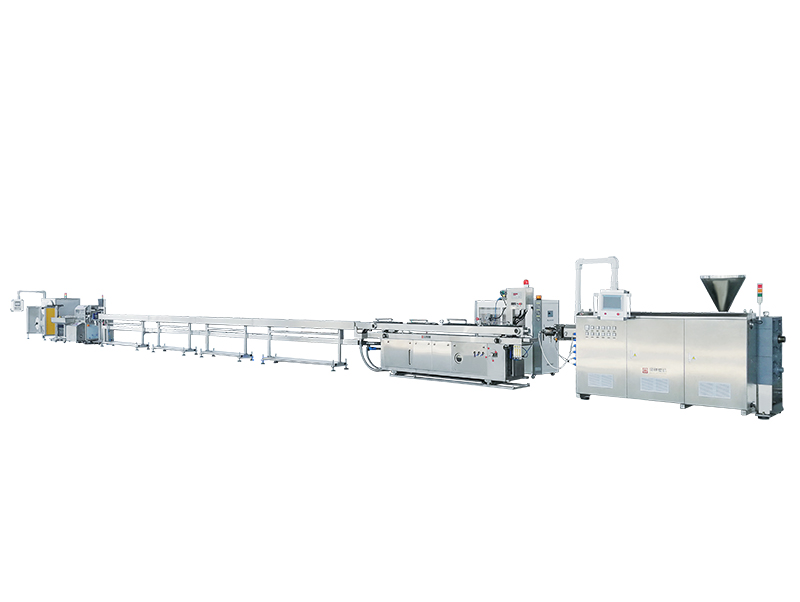
Designed for medical manufacturing compliance, producing high-purity single and multi-lumen tubing.
Learn More →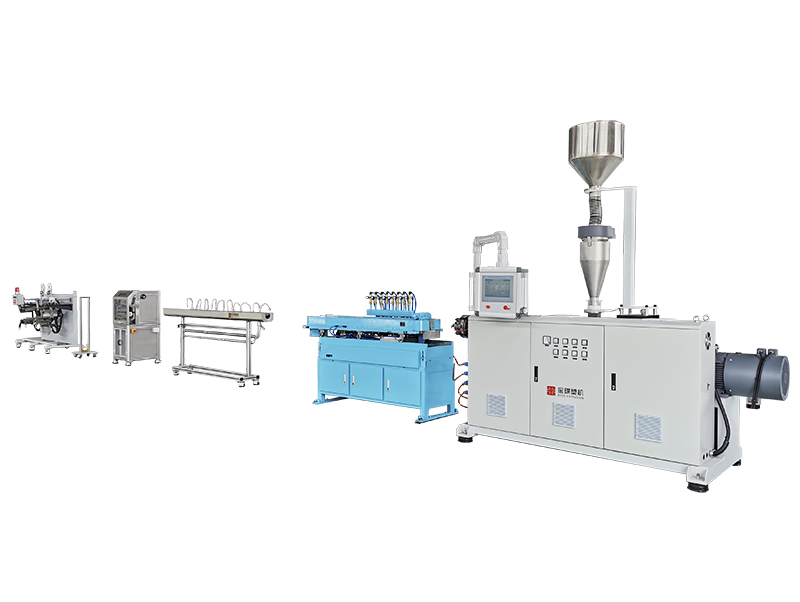
Continuous corrugated forming machinery for electrical conduits and automotive routing systems.
Learn More →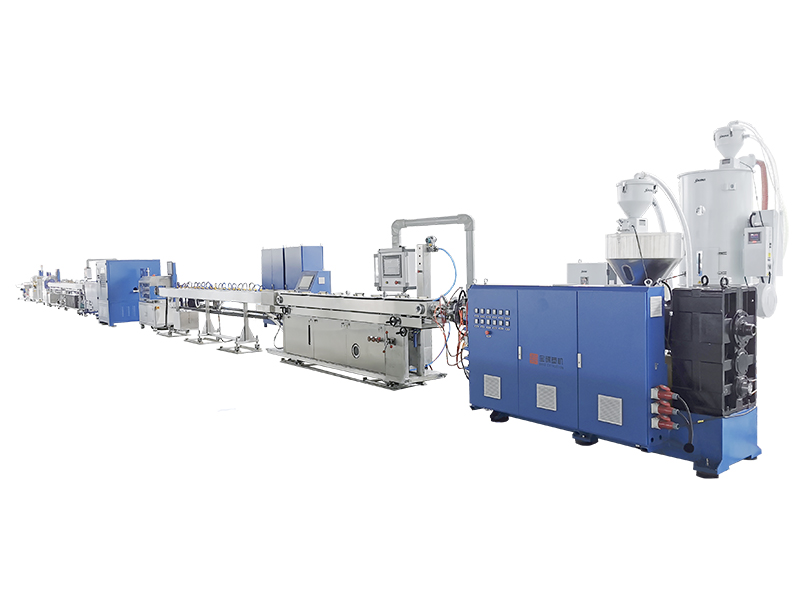
Combines elastomer co-extrusion with reinforcing fiber braids for high-pressure operations.
Learn More →
Specialized multi-material extrusion systems for automotive weather stripping and insulation profiles.
Learn More →Custom PVC profile extrusions are designed to meet demanding performance criteria in diverse applications:
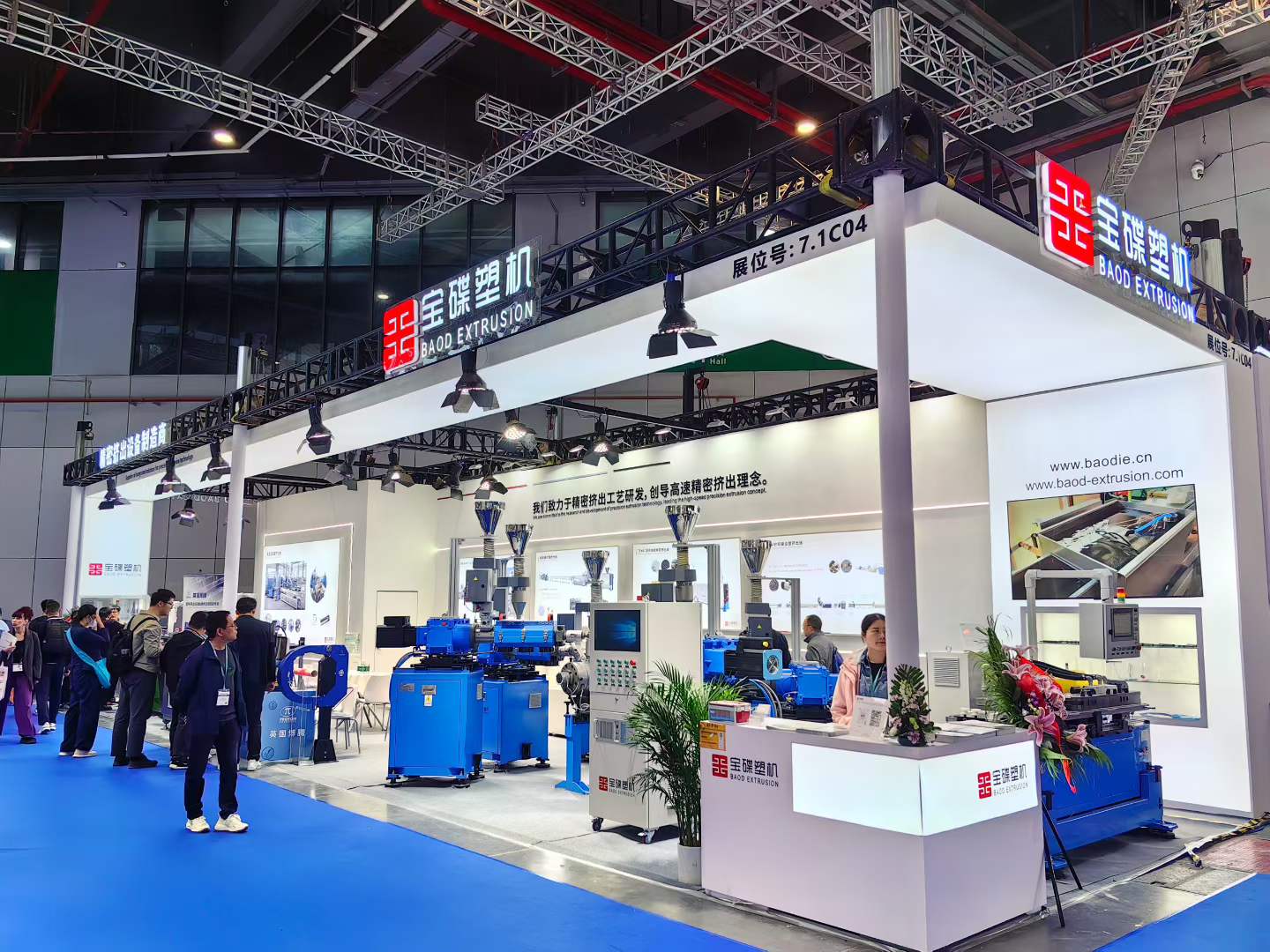
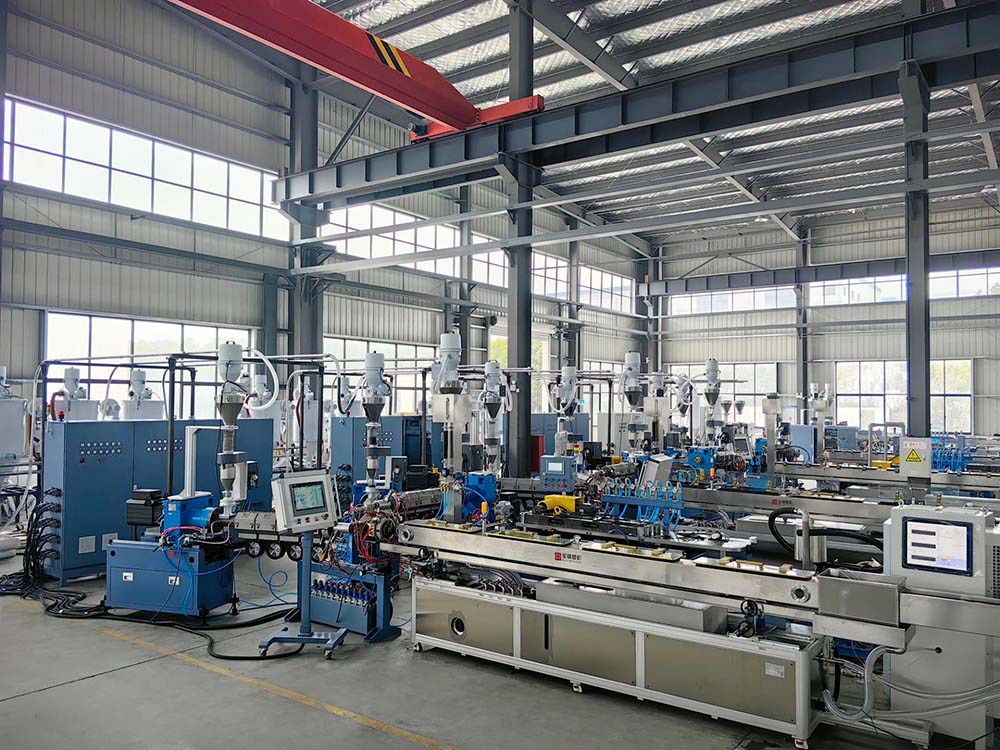
At CHINAPLAS 2026 in Shanghai, BAOD EXTRUSION displayed smart extrusion solutions designed to optimize material utilization and energy efficiency.
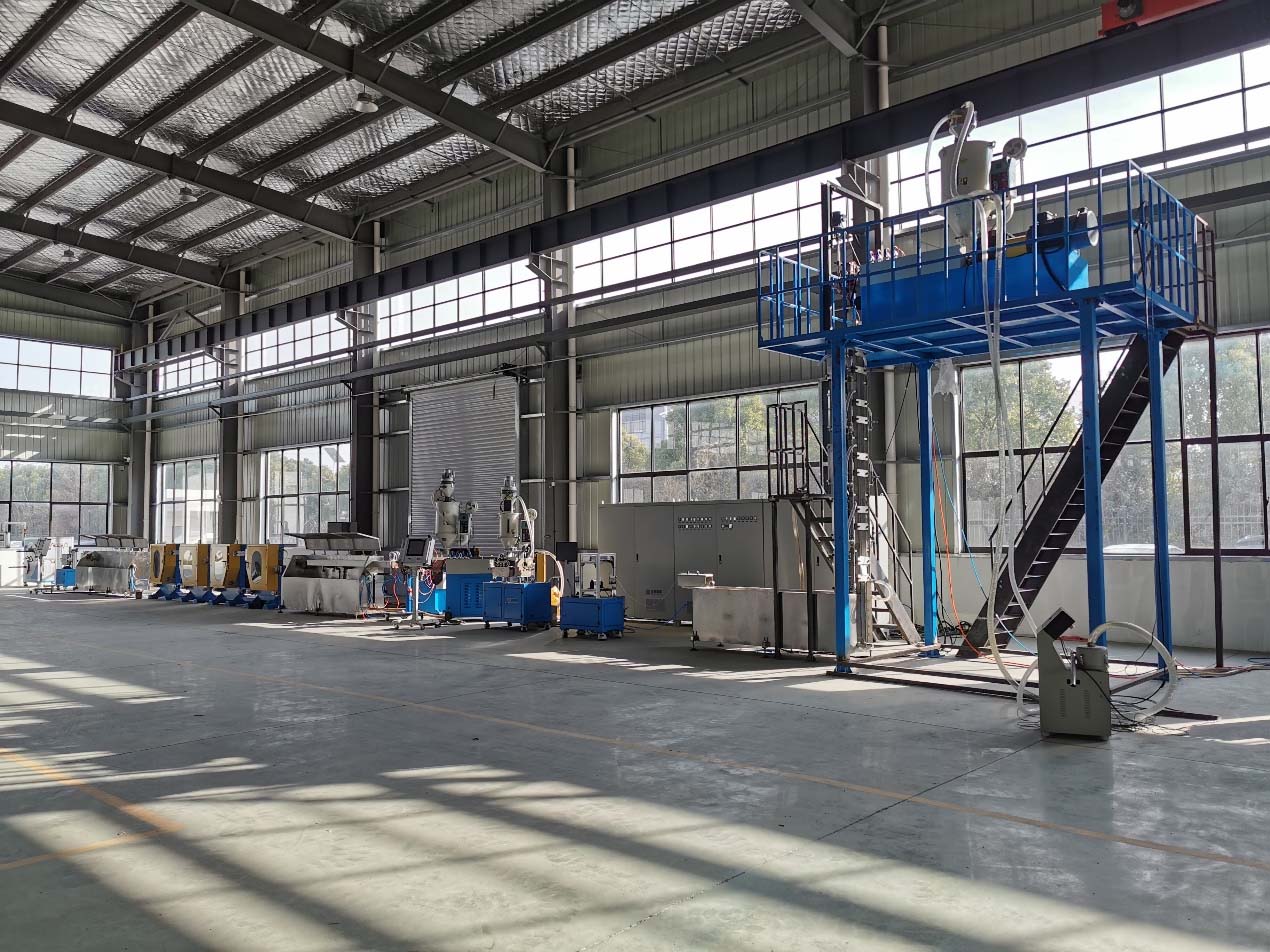
An in-depth look at precision extrusion lines designed for specialized mining, blasting, and infrastructure applications.
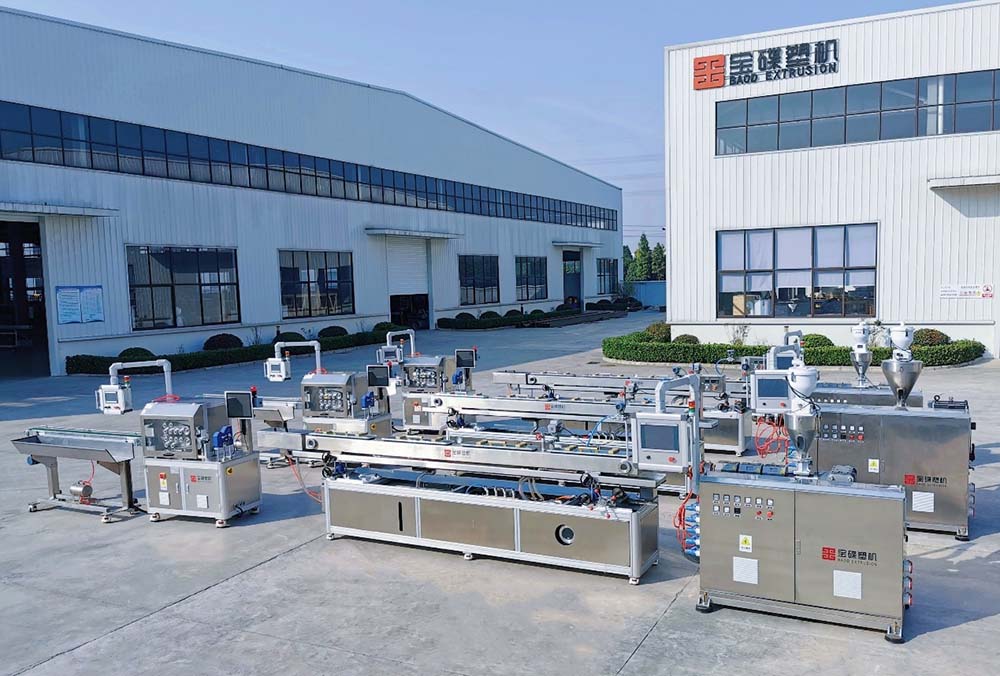
Comparing Chinese precision medical tubing production with European standards, focusing on dimensional stability and tolerance limits.
Explains how BAOD design structures comply with global automotive safety standards, ensuring reliable performance in safety-critical vehicle assemblies.
An analysis of the growing demand for lightweight, high-performance sealing strips in electric and autonomous vehicles.
 Baodie