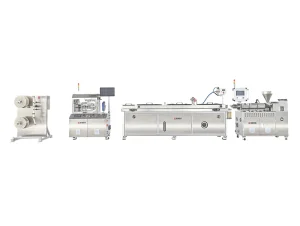
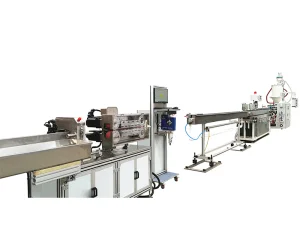
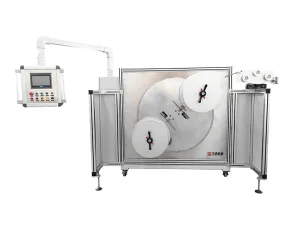
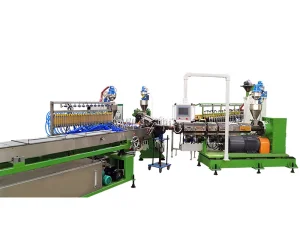
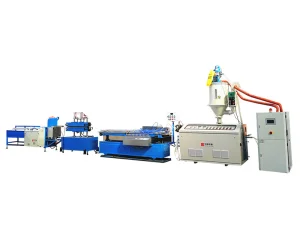
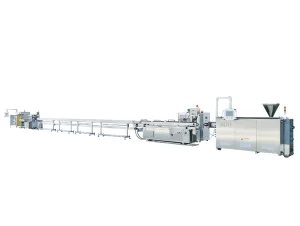
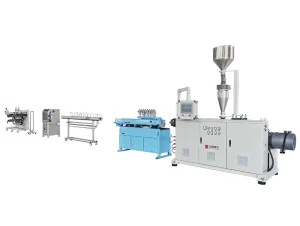
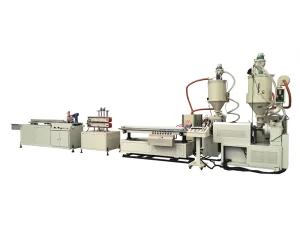
BAOD EXTRUSION (Jiangsu Baodie Automation Equipment Co., Ltd.) founded in 2002, dedicated to designing, manufacturing and sales of plastic extrusion equipment. Based on 18 years experience of designing and fabricating high quality machines in Taiwan, the original parent company (KINGSWEL GROUP) invested in establishing extrusion machines manufacturing base in Shanghai in 1999.
With our long-term focus on research and development, we specialize in high-efficiency engineering solutions designed for global medical compliance standards.
Years Manufacturing Experience
Factory Area
Dedicated Professionals
A comprehensive review of technical parameters, cleanroom compliance, global supply chain structures, and validation protocols in medical grade catheter and tubing extrusion.
Medical tubing extrusion requires a deep understanding of polymer rheology, thermodynamics, and fluid dynamics. Unlike standard industrial profile extrusion, medical tube manufacturing deals with complex polymers such as TPU (thermoplastic polyurethane), Pebax, FEP, PEEK, and medical-grade PVC. Each material exhibits distinct melt viscosity curves, shear sensitivity, and thermal degradation profiles. To achieve dimensional stabilities where Outer Diameter (OD) tolerances are held strictly within ±0.01 mm, precision control of the screw speed, barrel temperature zones, and melt pressure is critical.
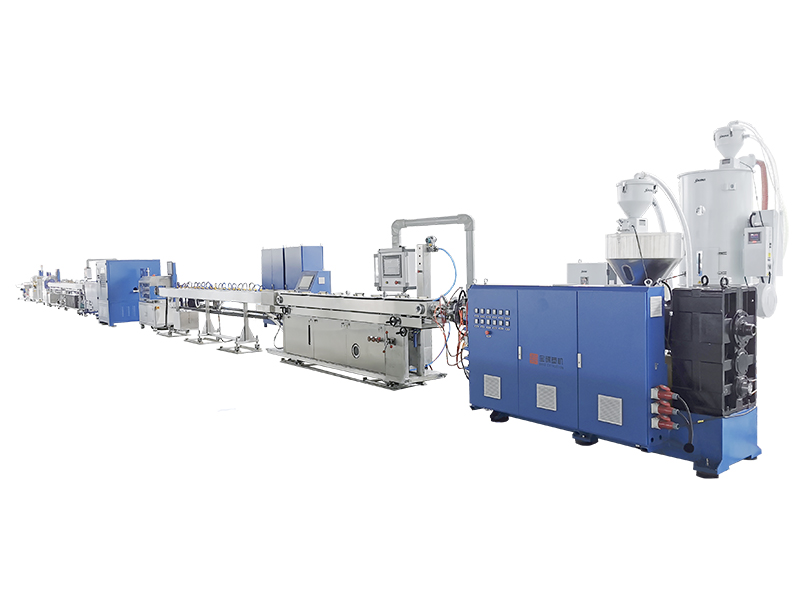
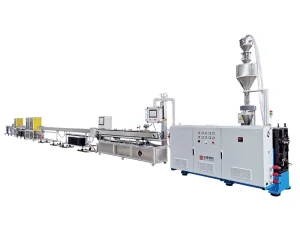
The core of BAOD's extrusion systems lies in optimized screw geometry. Using a barrier screw configuration with L/D ratios varying between 25:1 to 30:1, our systems prevent premature shear-heating of shear-sensitive polymers while ensuring complete melt homogenization. This high degree of thermal stability is what enables the consistent production of micro-bore catheters and multi-lumen tubing.
Provides volumetric metering of the polymer melt to smooth out pressure fluctuations from the extruder screw.
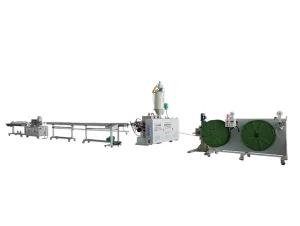
Utilizes laser micrometer data to automatically adjust puller speeds and maintain exact tubing dimensions.
Employs high-precision vacuum calibration tanks with micro-adjustable water temperatures and flow rates.
Medical manufacturing is highly regulated under strict regulatory frameworks. Extrusion equipment must be capable of operating within Class 10,000 (ISO Class 7) or Class 100,000 (ISO Class 8) cleanrooms. At BAOD Extrusion, our lines are engineered with smooth stainless steel surfaces, enclosed drive motors, vacuum water systems designed to avoid misting, and integrated exhaust filtration setups to prevent airborne particulates.
Furthermore, local validation support is essential. We assist global buyers by supplying detailed IQ/OQ/PQ (Installation Qualification, Operational Qualification, and Performance Qualification) documentation. Key parameters such as melt temperature uniformity, calibration tank vacuum consistency, and haul-off pulling pull stability are documented to conform directly with FDA 21 CFR Part 11 and GAMP 5 validation principles, making local regulatory audits straightforward.
Manufacturing precision medical equipment in China presents distinct competitive advantages. The proximity of machining shops, raw material suppliers, and specialized component manufacturers in the Jiangsu and Shanghai regions enables BAOD to optimize production costs while speeding up engineering cycles. This vertical integration allows us to build customized extrusion tooling—including co-extrusion crossheads, complex multi-lumen dies, and automatic downstream cutting systems—in a fraction of the time required by Western competitors.
While maintaining a highly competitive cost structure, we source key mechanical and electrical control components globally. Siemens PLC control packages, Omron temperature controls, Dynisco melt pressure transducers, and servo-driven pullers ensure the machinery meets international safety standards while outperforming expectations in long-term reliability.
Medical extruders operate in diverse environments. In regions with high ambient humidity, custom dehumidifying material dryers must be paired with the extruder to prevent hydrolytic degradation of hygroscopic polymers like Pebax or polyurethane. In localized micro-extrusion projects, such as neural-intervention micro-catheters, systems must incorporate micro-scale crossheads and high-frequency pullers with minimal mechanical vibration.
Global procurement teams prioritize OEE (Overall Equipment Effectiveness), ease of tool changeovers, and remote diagnostics. BAOD meets these demands by providing cloud-enabled connectivity interfaces where engineers in Europe or the Americas can access real-time system performance charts, download process logs, and perform diagnostic checks alongside our local support teams.
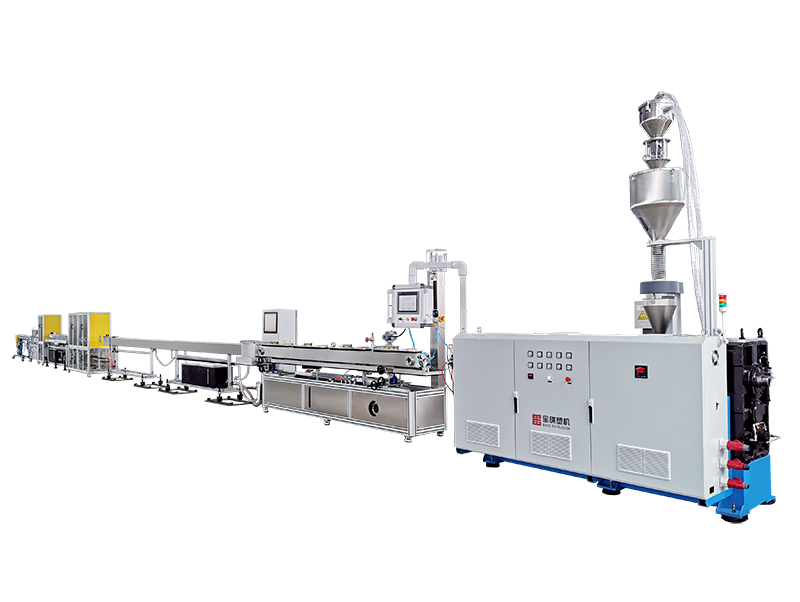
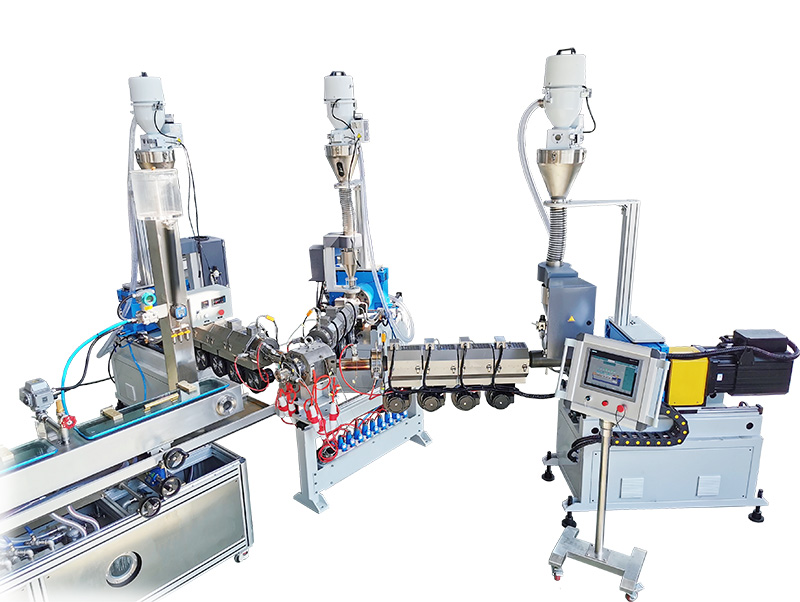
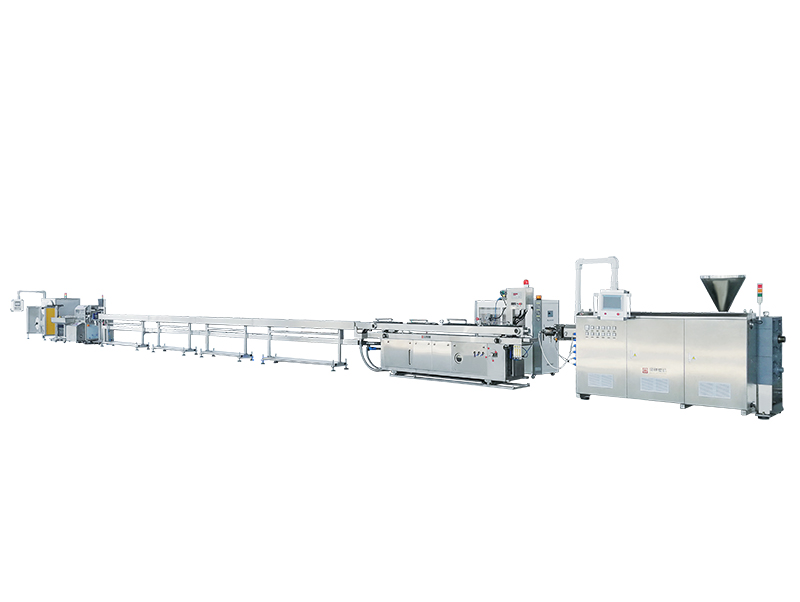
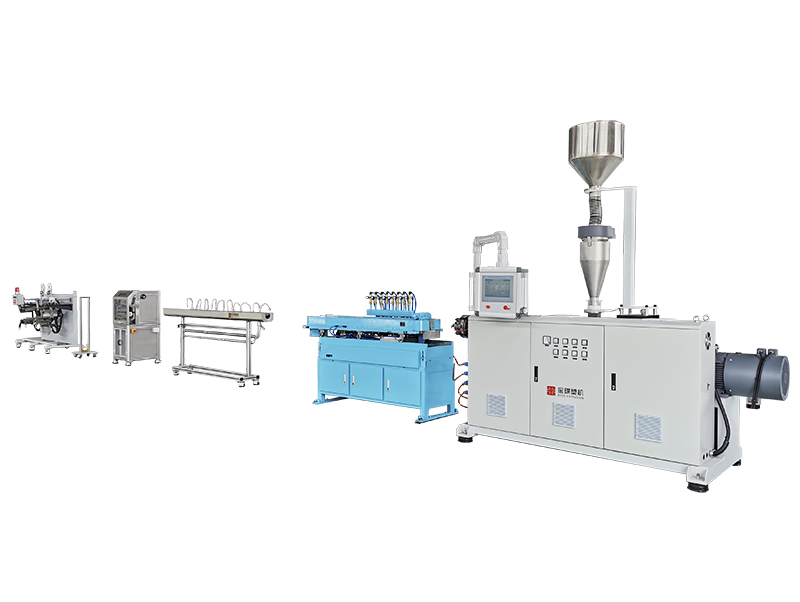

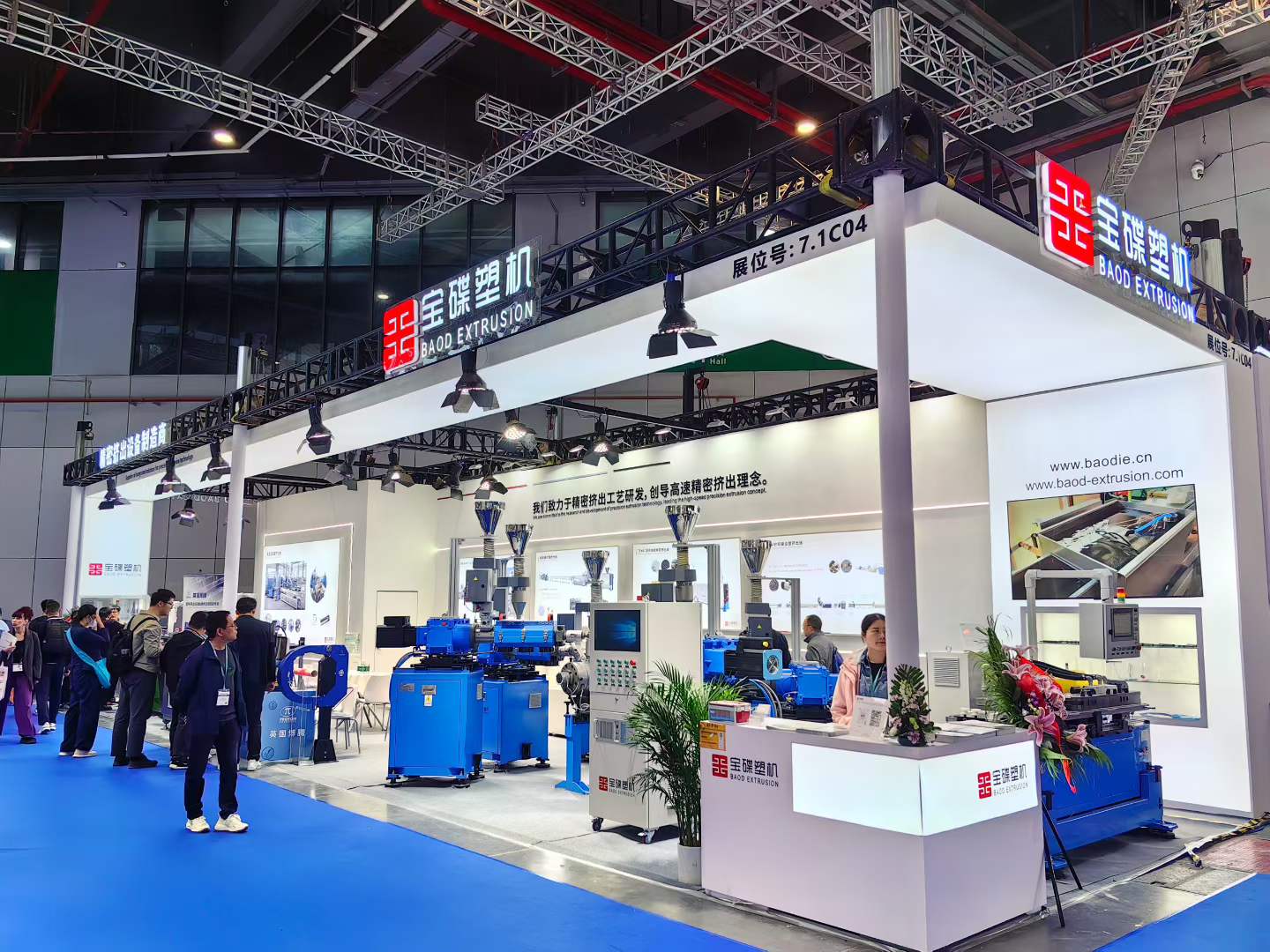
From April 21–24, CHINAPLAS 2026 was successfully held at the National Exhibition and Convention Center (Shanghai, Hongqiao). BAOD EXTRUSION showcased its latest R&D achievements at Booth 7.1C04, presenting “Smart Extrusion · High-Efficiency Innovation” solutions...
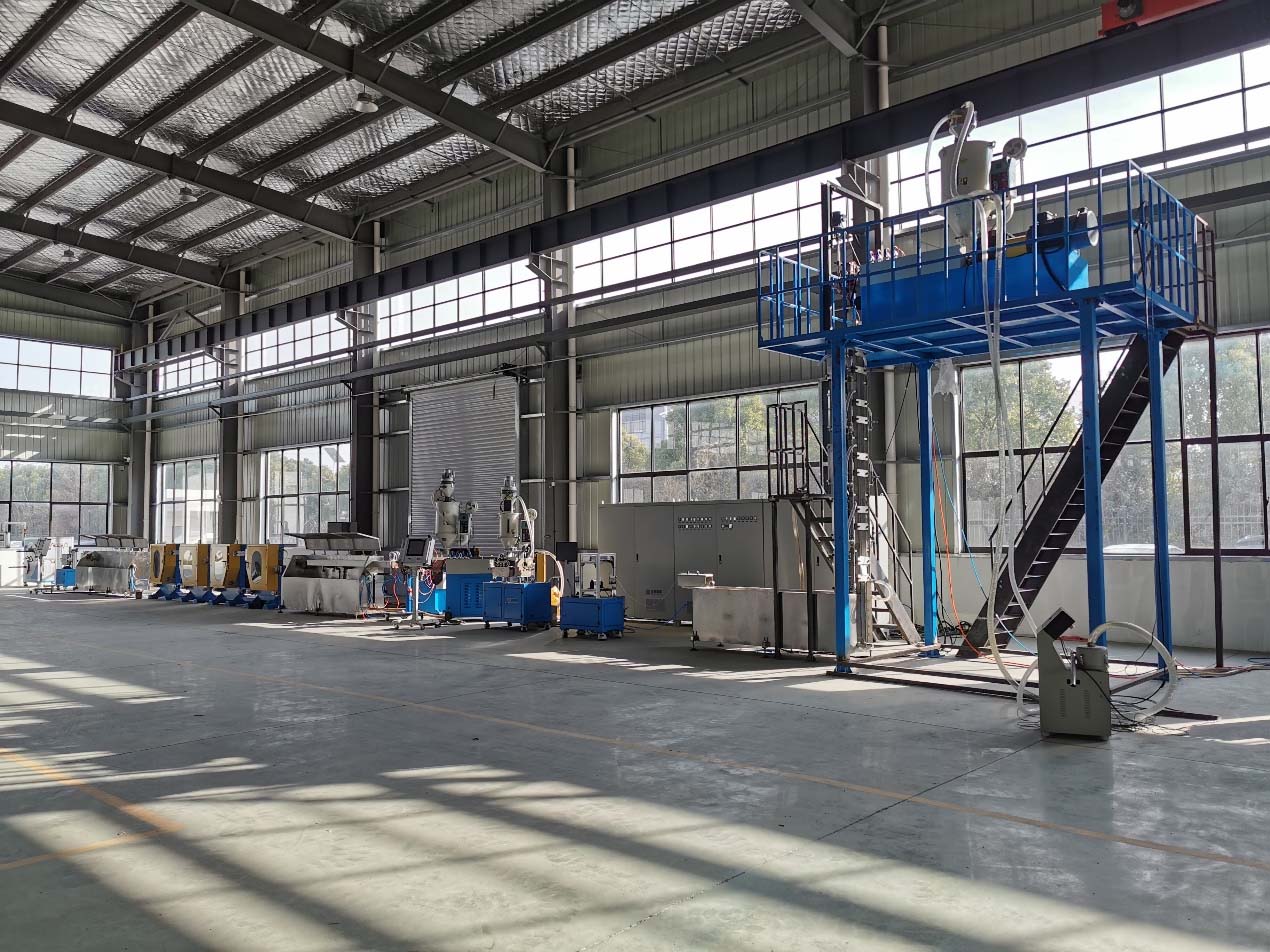
In the controlled environment of a modern industrial facility, a single, hair-thin plastic tube wound onto a reel might seem unremarkable to the untrained eye. However, in sectors ranging from mining and quarrying to large-scale infrastructure demolition, this tube—known...
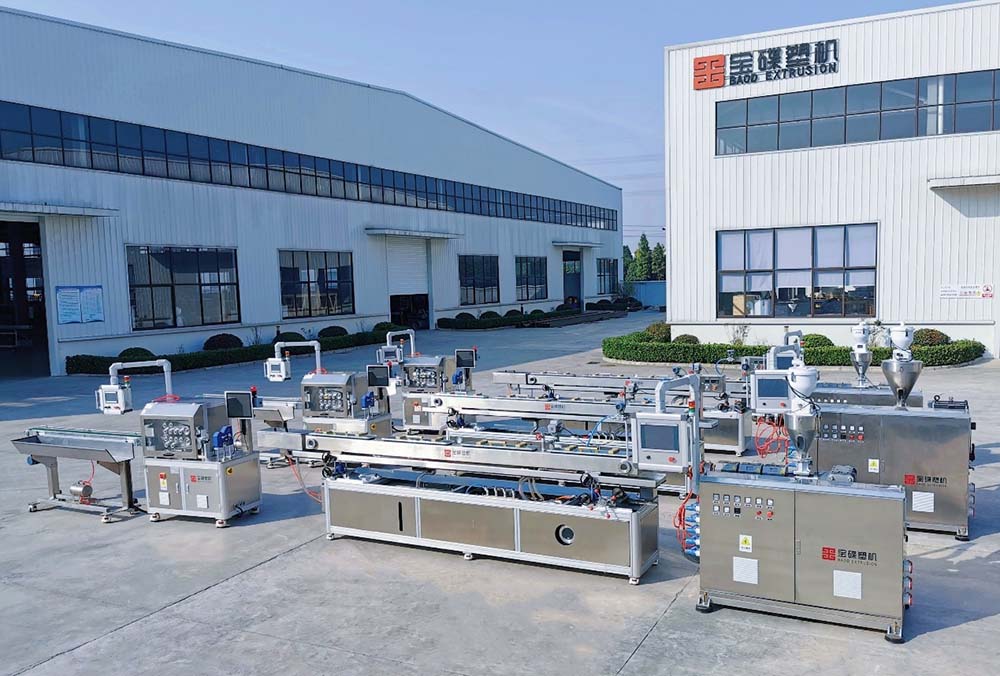
In the sterile, quiet environment of a modern medical facility, a clinician prepares a complex catheter for a critical procedure. This thin, flexible tube is far more than a simple conduit; internally, it is divided into several microscopic channels, or lumens, each desi...
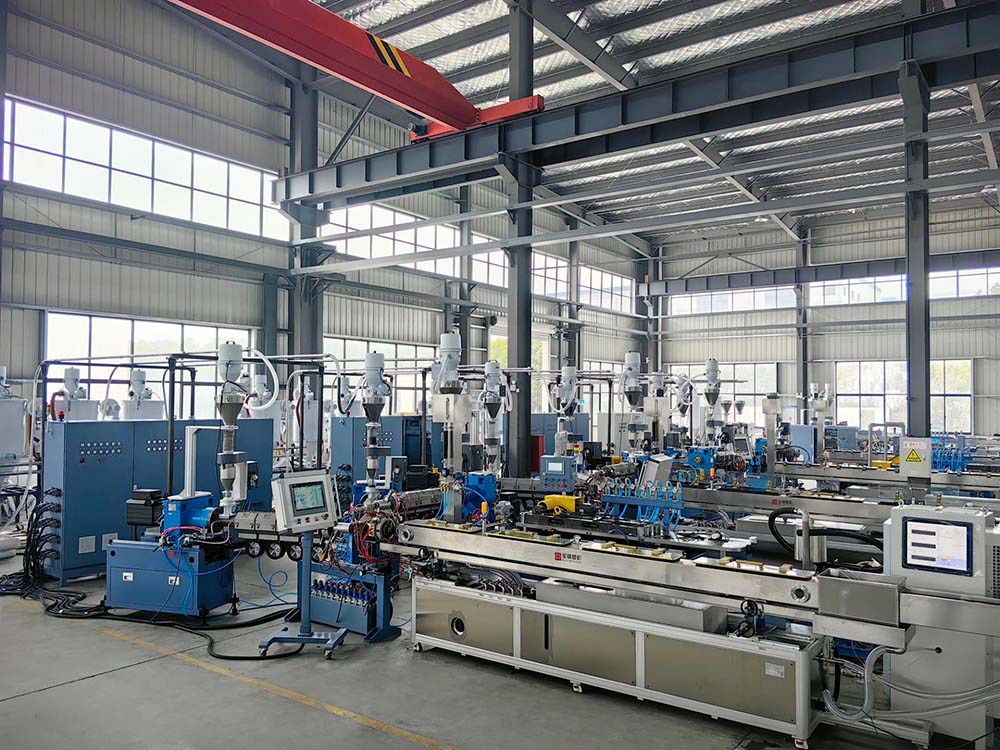
How do the world's most reputable vehicle manufacturers ensure the absolute integrity of every fuel line, brake hose, and cooling pipe buried deep within a vehicle’s chassis? Why has the shift toward electric and lightweight vehicles made the precision of these small-dia...
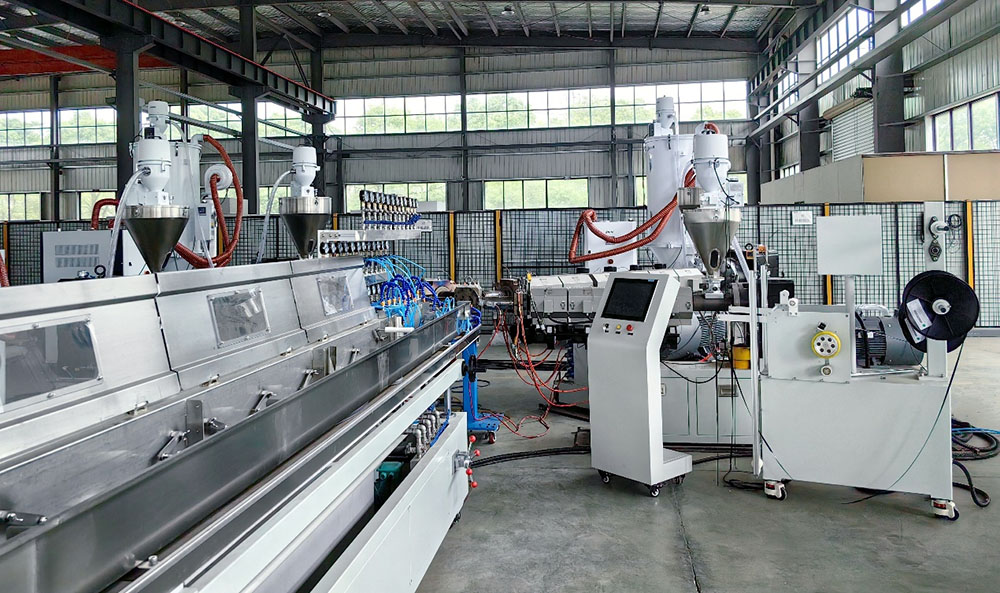
As the twilight sun reflects off the sleek, aerodynamic curves of a modern electric vehicle parked in a bustling metropolitan street, few observers notice the quiet, critical components ensuring the cabin remains a sanctuary of silence and temperature control. Behind the...
 Baodie