High-efficiency, automated extrusion machinery systems custom engineered to optimize output rate, linear speed, and dimensional tolerances.
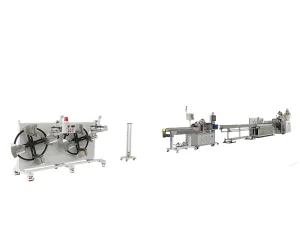
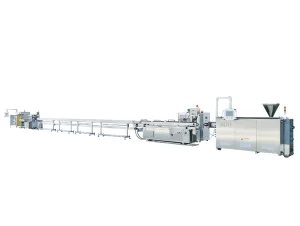
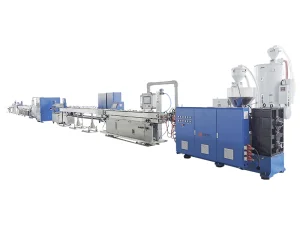
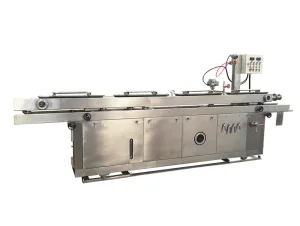
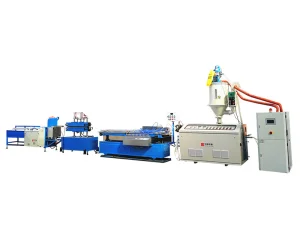
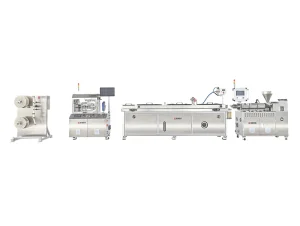
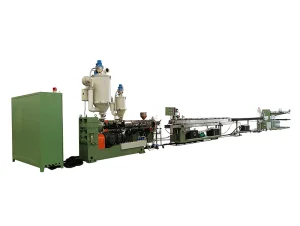
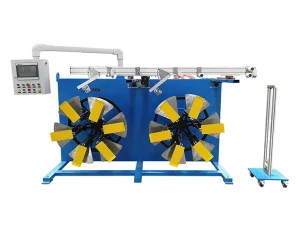
Modern industrial and medical systems rely heavily on plastic tubing that conforms to exceptionally precise dimensional tolerances and structural standards. Extruded polymers like Fluorinated Ethylene Propylene (FEP), Polyamides (PA11/PA12), Thermoplastic Polyurethanes (TPU), Polyvinyl Chloride (PVC), and Thermoplastic Vulcanizates (TPV) serve as the lifelines for critical fluids, gases, optical fibers, and electrical insulation. Within this ecosystem, the quality of the extrusion machinery dictates the physical integrity, reliability, and safety of the final product.
As a leading China plastic tubing extrusion factory, Jiangsu Baodie Automation Equipment Co., Ltd. (BAOD EXTRUSION) has spent over two decades engineering advanced extrusion lines that bridge the gap between high productivity and micrometer-level precision. Achieving concentricity, maintaining strict inner/outer diameter (ID/OD) configurations, and preventing internal thermal stress are critical concerns in polymer science. Addressing these requirements demands a holistic system architecture that controls heat, melt shear, vacuum calibration, tension, and cutting rates dynamically.
In typical B2B procurements, simply matching material specifications is insufficient. True procurement efficiency involves understanding the thermal dynamics of specific polymers, the design characteristics of the extruder screw (e.g., L/D ratios of 28:1 to 33:1), the calibration accuracy of vacuum chambers, and the integration of online closed-loop feedback systems. This whitepaper details the technical architecture, operational methodologies, and compliance networks that global enterprises leverage to scale up high-efficiency production lines.
A precision extrusion line is a multi-component system where error propagation must be kept close to zero. Each phase of the machinery line directly influences the crystalline structure and final tolerances of the extruded polymer profile.
We implement custom-designed single-screw and twin-screw extruders tailored to the specific rheological properties of polymers. High-barrier screws ensure excellent dispersion, balanced shear rates, and uniform melt temperatures, eliminating polymer degradation before die exit.
The vacuum sizing tank dictates outer diameter stability. Utilizing sub-atmospheric vacuum control and precision temperature-controlled water rings, the calibration tank freezes the outer dimensions of the hot melt, preserving the designed concentricity.
By integrating laser outer-diameter scanners and ultrasonic wall-thickness monitors, the system feeds continuous dimensional metrics back to the PLC. The line automatically adjusts screw RPM and puller speed to dynamically keep tolerances within ±0.02mm.
Different industry sectors impose radically distinct demands on extruded tubing. A one-size-fits-all approach is unable to satisfy regulatory standards or mechanical requirements. Below, we examine the micro-engineering adaptations implemented across major global sectors.
Precision medical catheters and surgical tubes demand absolute sterile processing, high dimensional precision, and material purity. BAOD custom medical tube extrusion lines are designed specifically to operate inside Class 10,000/100,000 cleanrooms. The machinery utilizes non-corrosive stainless steel surfaces, oil-free vacuum calibration systems, and dust-free air containment structures. Processing polymers like TPU, Pebax, and FEP requires specialized tooling design to construct multi-lumen (2, 3, or even 5 individual internal channels) and micro-bore tubings with wall thicknesses thinner than 0.1mm. High-speed laser gauging systems monitor the outer diameter and concentricity continuously to guarantee safe fluid delivery during critical clinical operations.
Modern combustion, hybrid, and electric vehicles require robust multilayer tubing to manage fluids, vapors, and thermal management systems under high-temperature, high-vibration conditions. Multilayer PA12 fuel lines, TPV corrugated air-intake ducts, and PVC automobile sealing strips require continuous extrusion systems capable of co-extruding up to five layers of materials. This process embeds barrier layers like EVOH (Ethylene Vinyl Alcohol) to prevent hydrocarbon permeation. High thermal resistance, structural adhesion, and precise profile shaping must be maintained at line speeds exceeding 80 meters per minute.
To support fiber-optic network expansion, microducts are manufactured with co-extruded layers: a rugged High-Density Polyethylene (HDPE) outer protective skin, and a low-friction internal silicone core lining. This configuration minimizes friction coefficients during optical fiber blow-in installation. Our specialized co-extrusion machinery establishes a seamless molecular bond between the HDPE and silicone layers, ensuring high tensile strength, structural circularity, and resistance to environmental stress cracking under long-term underground burials.
| Polymer Type | Common Application | Melt Temp Range (°C) | Extrusion Speed Range | Critical Sizing Control |
|---|---|---|---|---|
| PA (Nylon 11/12) | Automotive Brake & Fuel Lines | 210 - 245 | 15 - 50 m/min | High precision vacuum sizing & high-barrier screws |
| Medical Grade PVC | IV Tubing, Catheters | 160 - 180 | up to 120 m/min | High-speed rotary flying knife cut, dynamic cooling |
| FEP / Fluorine Plastics | Chemical Processing & Aerospace | 320 - 380 | 5 - 20 m/min | Hastelloy corrosion-resistant barrels and dies |
| TPV / TPE | Automotive Sealing Strips & Hoses | 180 - 215 | 10 - 40 m/min | Precise control of cooling shrinkage & pulling tension |
| HDPE / Silicone Core | Telecom Fiber Micro-Ducts | 190 - 230 | 30 - 80 m/min | Dual-layer co-extrusion cross-head die calibration |
The next era of plastic extrusion is defined by the convergence of advanced materials, automated process adjustment, and energy optimization. At BAOD EXTRUSION, our engineering division has designed a multi-phase technology roadmap to incorporate these capabilities directly into our future manufacturing lines.
Standard process controls rely on retrospective operator interventions or simple PID loops that respond slowly to deviations. Next-generation BAOD extrusion lines are engineered with AI-driven predictive control models. By analyzing real-time data from melt pressure sensors, ultrasonic scanners, and barrel heater zones, the system anticipates wall thickness deviations before they occur. The AI module automatically adjusts feed speeds and screw speeds, keeping the extrusion line in an optimized state and minimizing start-up scrap rates by up to 60%.
As industries seek to reduce weight while increasing physical strength, the addition of graphene, carbon nanotubes, or bio-compatible fillers into standard polymers is rising. Processing these nanocomposites requires specialized screw profiles with lower shear geometries to prevent material degradation while ensuring uniform dispersion. Our developmental cross-head dies enable high-precision distribution of layers, allowing manufacturers to combine structural polymers with specialized functional linings at minimum thickness profiles.
With global sustainability mandates expanding, reducing energy consumption is a core priority for global procurement. Our modern extruders utilize water-cooled permanent magnet synchronous motors (PMSM) and electromagnetic induction barrel heating systems, cutting electricity draw by 30% to 45% compared to traditional band heaters. Additionally, waste thermal energy from the cooling water baths is recovered and recycled back to preheat polymer pellets, improving thermal efficiency and lowering carbon footprints.
Manufacturing precision extrusion lines requires a highly integrated supply chain that ensures access to advanced steel treatments, top-tier components, and specialized assembly expertise. The industrial cluster in Jiangsu, China, provides unique advantages for global buyers seeking reliable machinery.
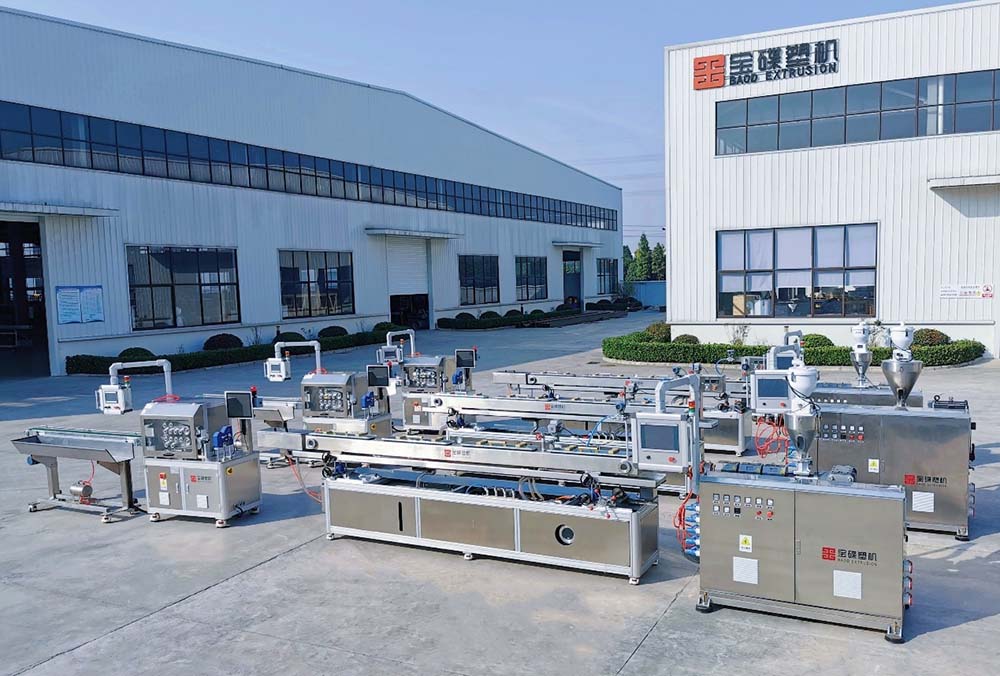
Founded in 2002, BAOD EXTRUSION (Jiangsu Baodie Automation Equipment Co., Ltd.) has dedicated 25 years to the research, development, and fabrication of precision plastic extrusion equipment. Our origin dates back to Taiwan, where the original parent company (KINGSWEL GROUP) built a foundation of precision machinery design. In 1999, the group invested in establishing a state-of-the-art manufacturing facility in Shanghai, eventually consolidating operations into our modern 16,000 m² production facility in Jiangsu. With a dedicated team of over 100 specialists, we focus on four core pillars: precision extrusion technology, high-efficiency output, high automation, and comprehensive equipment safety protection.
Our proximity to major metallurgy, electronics, and precision tooling hubs allows us to maintain a reliable manufacturing cadence. By integrating global standard parts (e.g., Siemens PLC processors, Omron temperature controllers, ABB frequency converters, and NSK bearings) with our proprietary CNC-machined screws and dies, we deliver systems that offer long-term reliability and easy local maintenance worldwide. Our vertical integration ensures that from raw steel casting to final assembly and testing, every stage of production is monitored under strict ISO 9001:2015 protocols.
Operating extrusion equipment globally requires comprehensive technical support and regulatory alignment. Our machinery complies with CE directives, and our electrical assemblies conform to UL and CSA standards, easing the integration process for European and North American facilities.
Our localized support structure includes remote diagnostic capabilities built directly into our PLC systems. If a field issue occurs, our engineers can access the machine configuration remotely, adjust settings, and diagnose mechanical or electrical components without delay. Additionally, we provide customized installation packages, including complete FAT (Factory Acceptance Testing) run documentation, detailed calibration certifications, and direct hands-on training for operations teams, reducing start-up times from weeks to days.
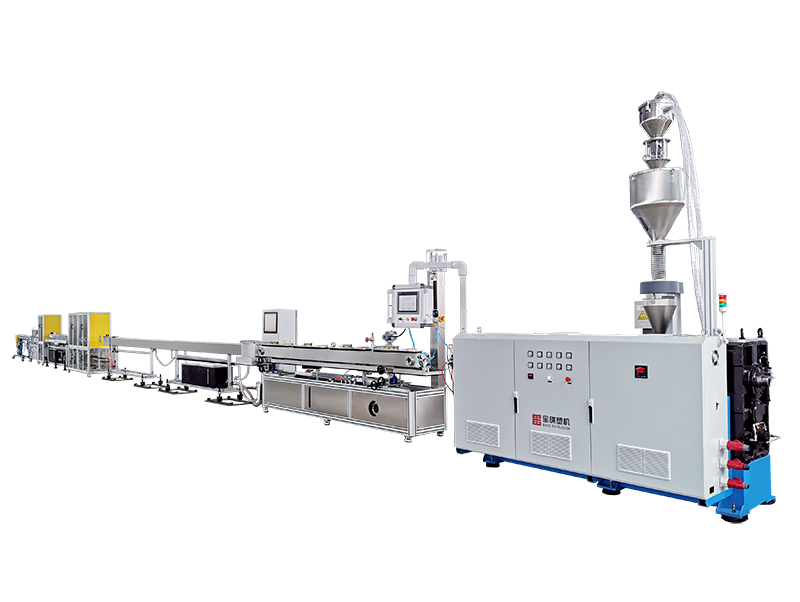
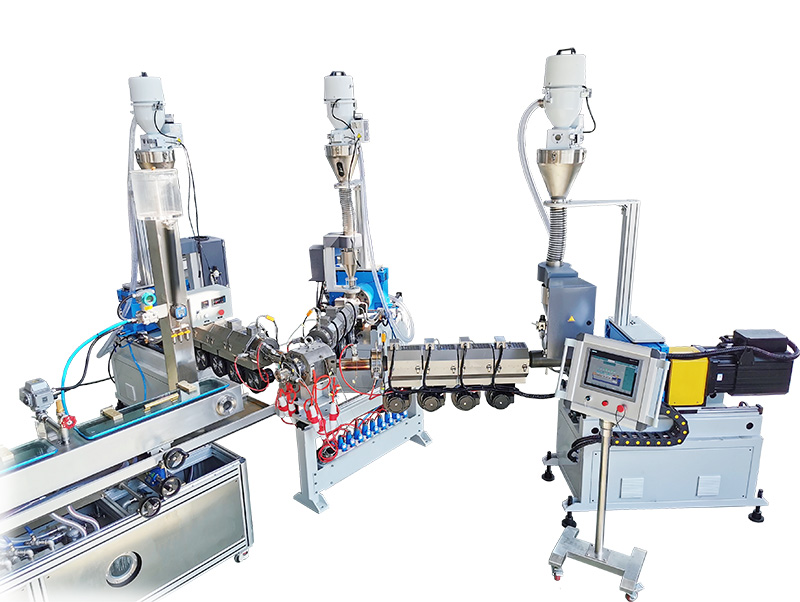
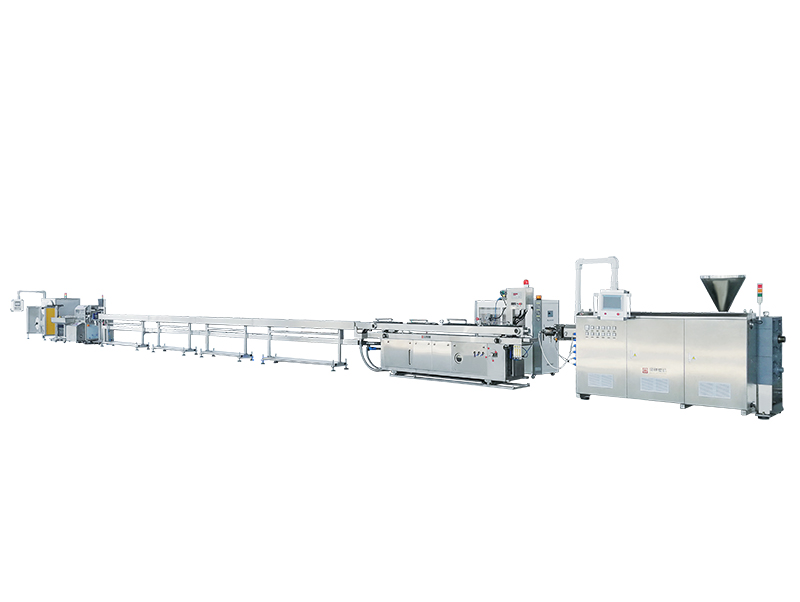
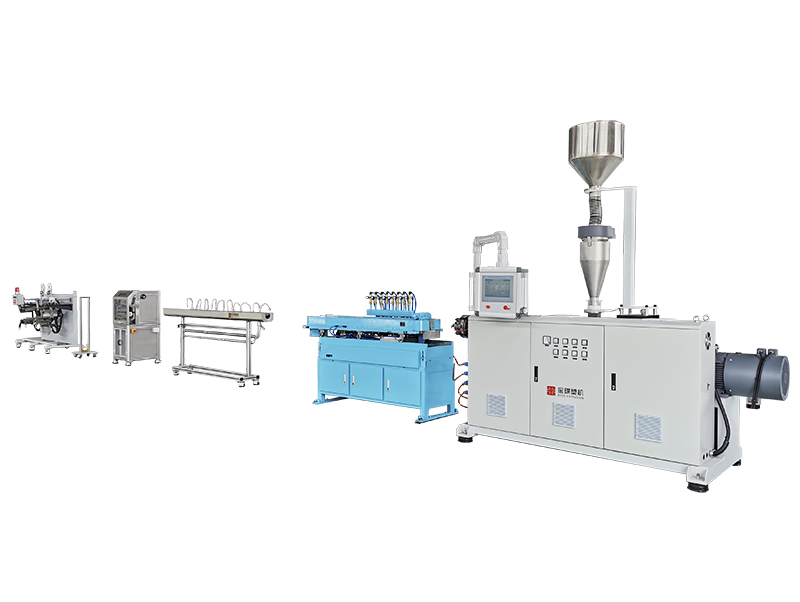
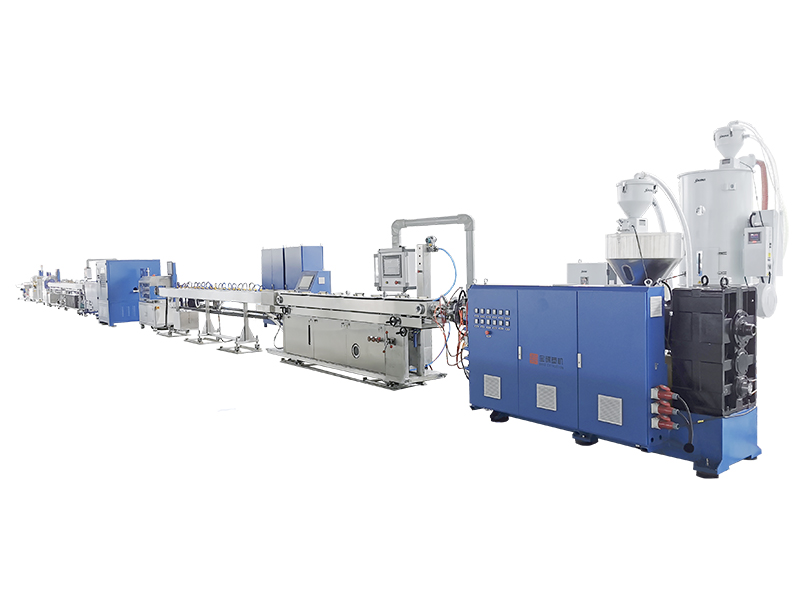
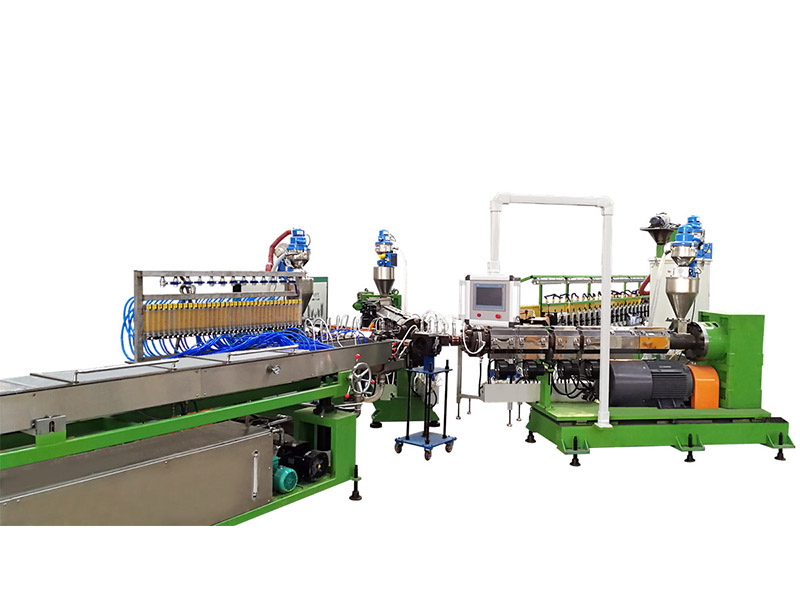
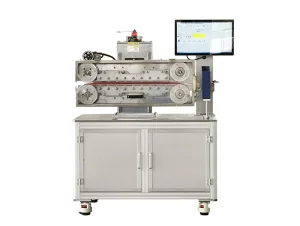
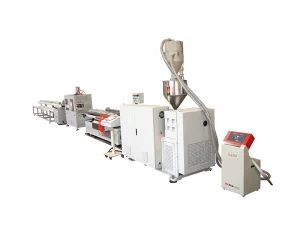
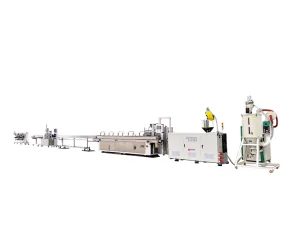
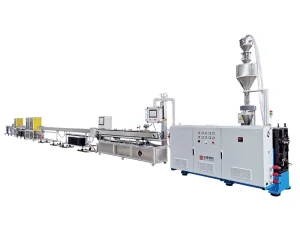
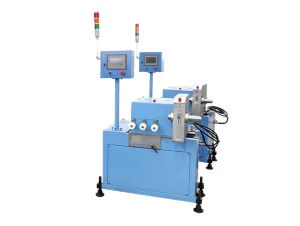
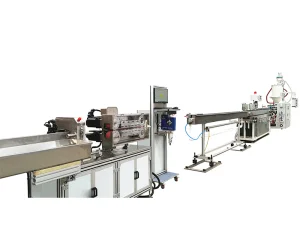
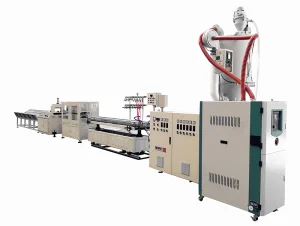
Review the structural configurations and specialized designs of our core product portfolio developed for global industrial and automotive suppliers.
Manufacturing & Design Experience
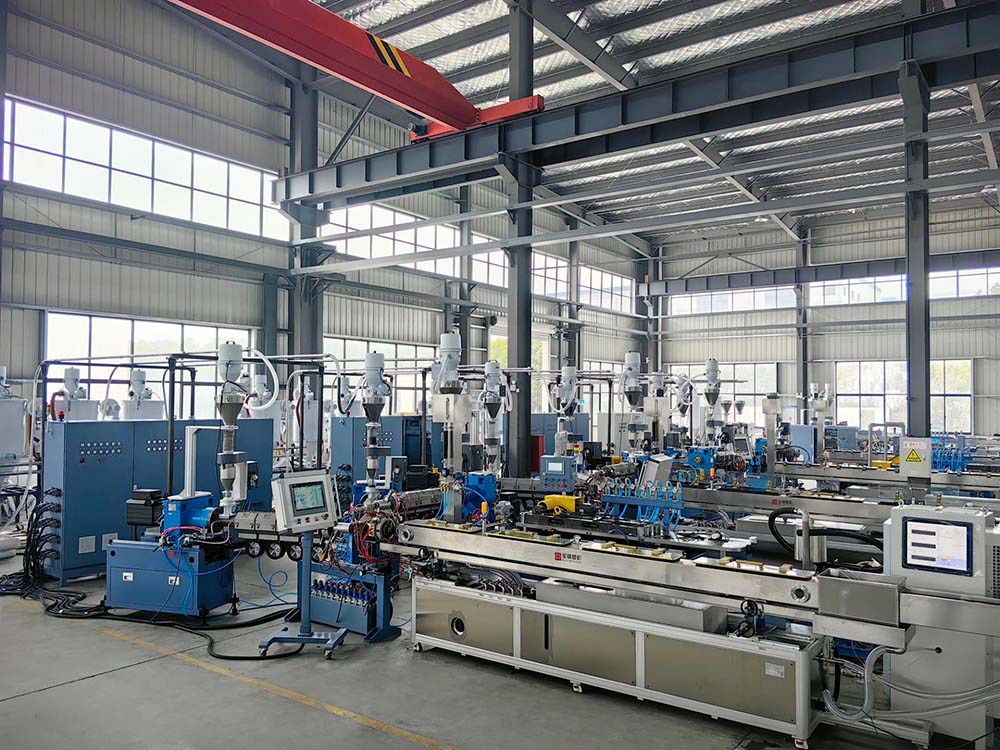
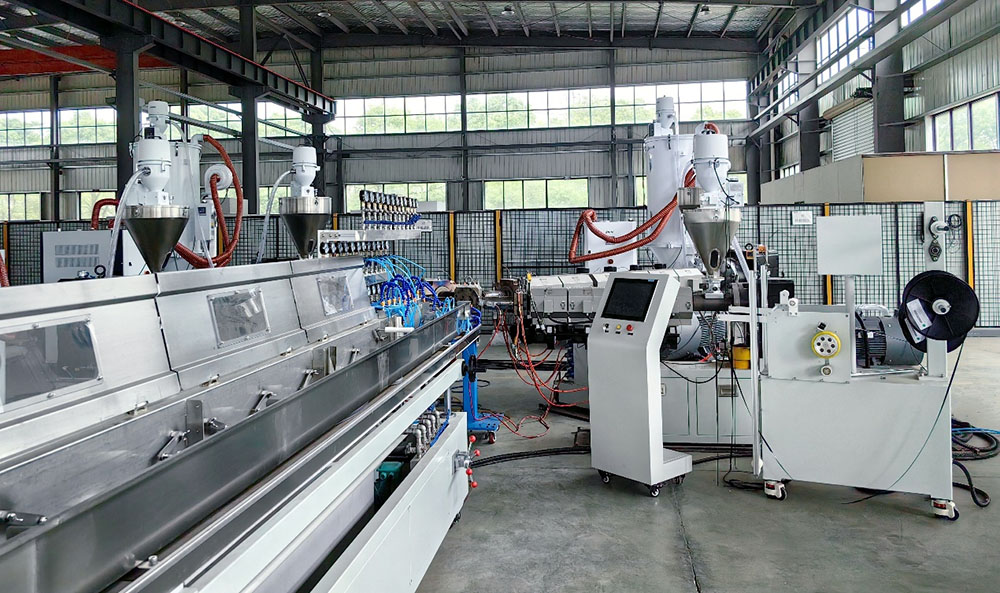
Modern Factory Production Area
Engineers, Technicians & Support Staff
Keep updated with our latest R&D achievements, trade exhibition highlights, and comparative manufacturing whitepapers.
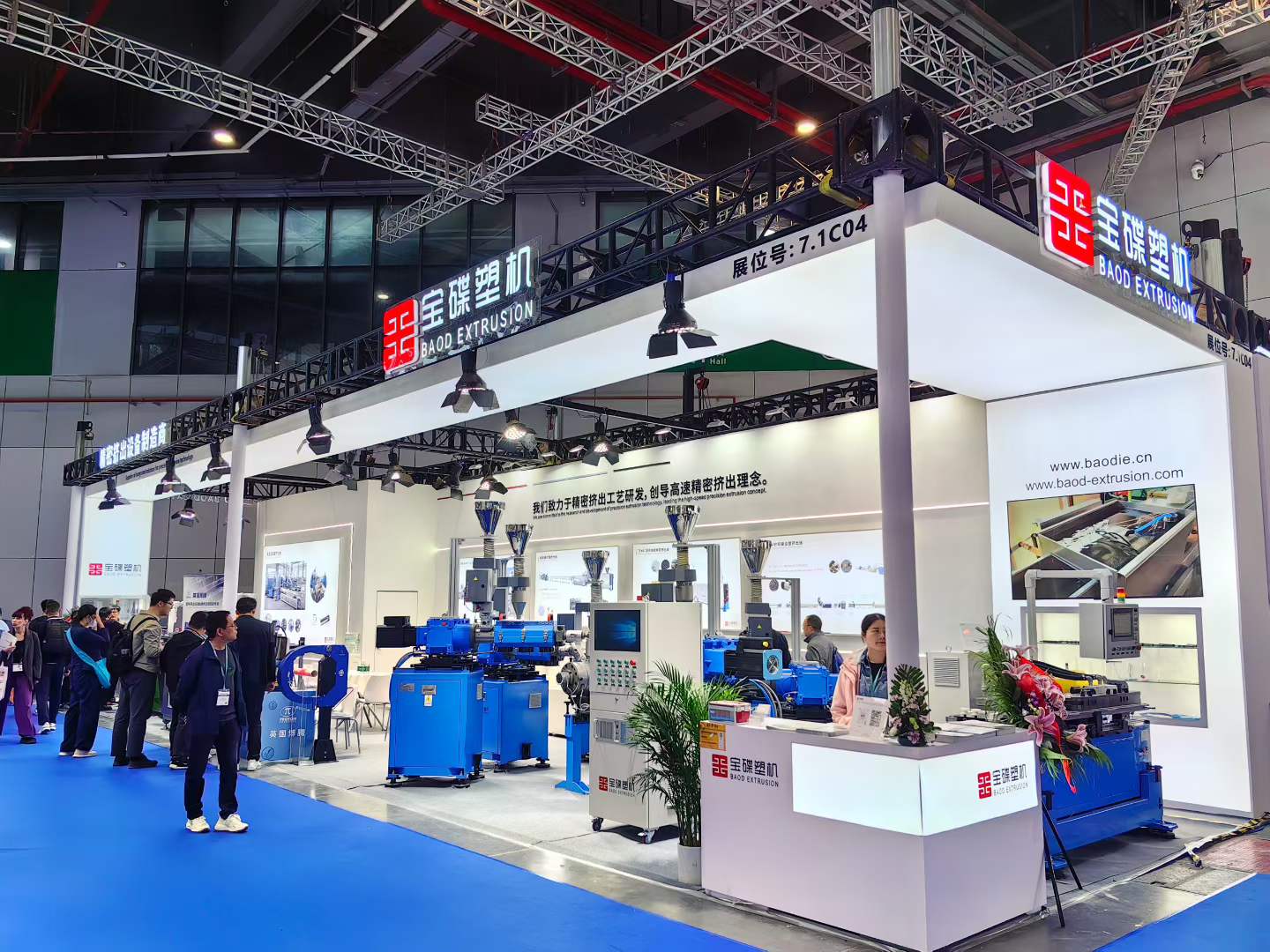
BAOD EXTRUSION presented its latest R&D achievements, featuring "Smart Extrusion & High-Efficiency Innovation" solutions designed for next-generation polymeric processing.
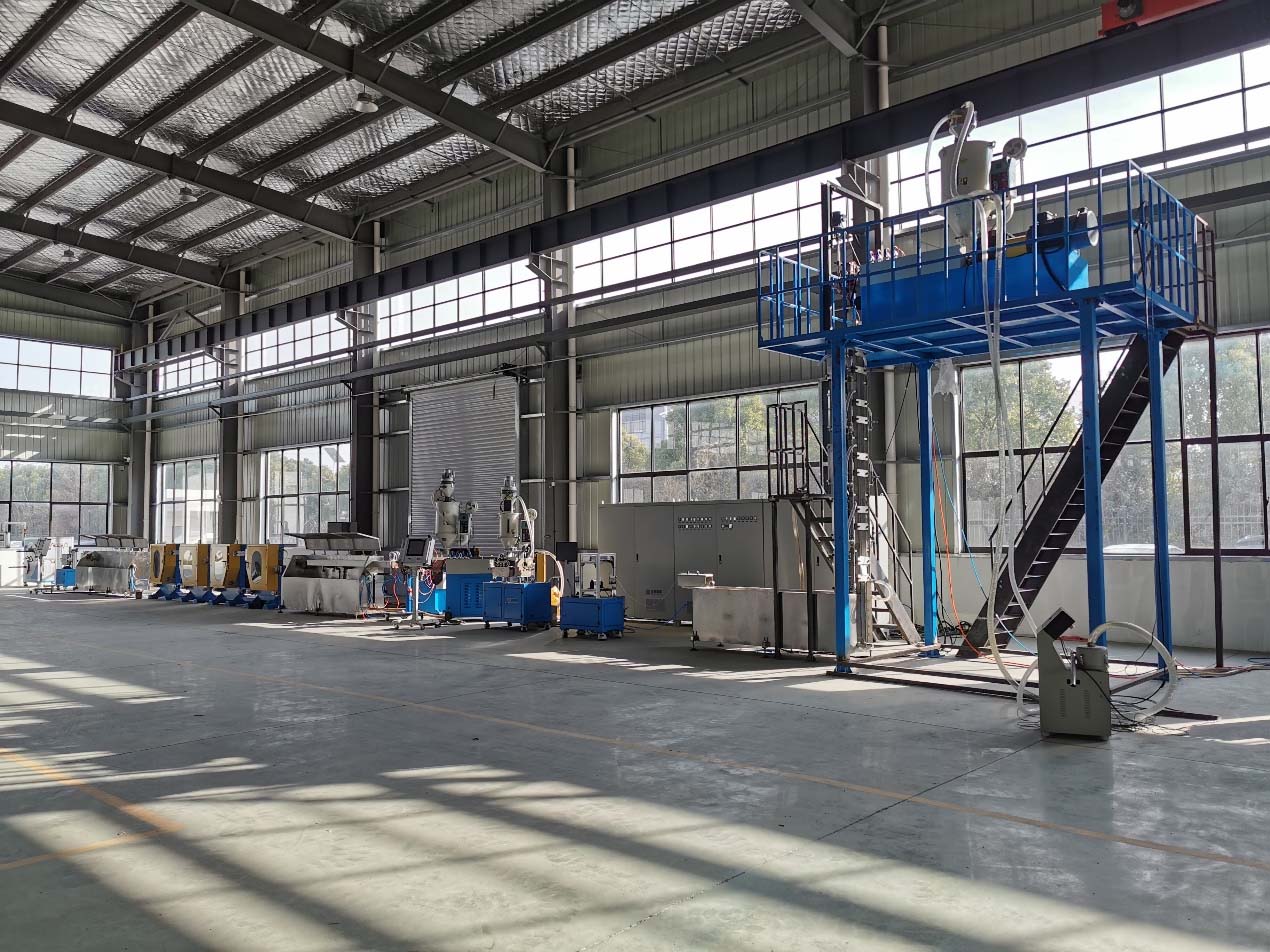
Delivering high-reliability, micro-diameter detonating tube systems for safety-critical mining and infrastructure operations globally.
An in-depth analysis of dimensional tolerance control, die designs, and cost efficiencies between Chinese and European manufacturers.
Discover the QA testing steps and regulatory certifications required to supply automotive fluid-handling extrusion lines globally.
Analyzing industry shifts towards lightweight materials, multi-durometer profiles, and automated inline metal insertions.
Find technical answers regarding plastic extrusion tolerances, material handling, line customization, and factory procurement.
Ancillary systems, downstream pullers, rotary cutters, and high-performance engineering lines for industrial profile and tubing manufacturing.
 Baodie