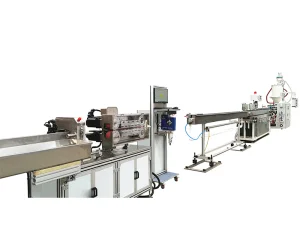
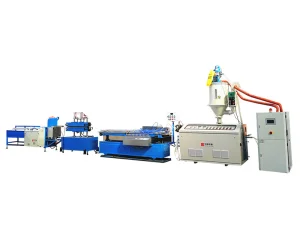
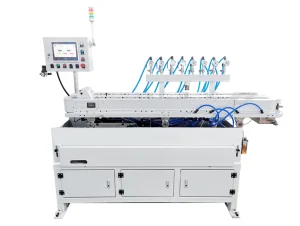
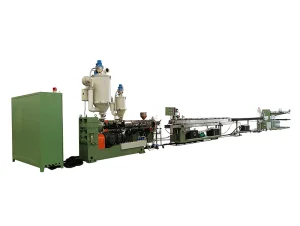
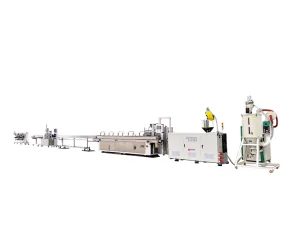
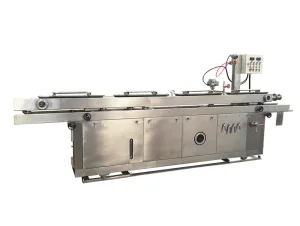
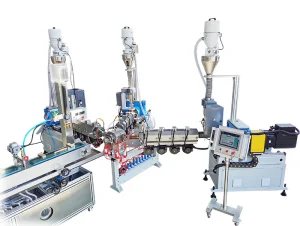
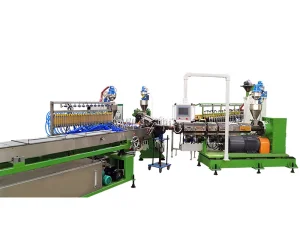
BAOD EXTRUSION (Jiangsu Baodie Automation Equipment Co., Ltd.) founded in 2002, dedicated to designing, manufacturing and sales of plastic extrusion equipment. Based on 18 years experience of designing and fabricating high quality machines in Taiwan, the original parent company (KINGSWEL GROUP) invested in establishing extrusion machines manufacturing base in Shanghai in 1999.
Our enterprise integrates core precision craftsmanship with high-level smart automation controls, enabling custom design capabilities suited for international standards. By integrating continuous quality loops, we consistently output production lines verified to handle high-complexity runs.
Learn More25 years experience of plastic extrusion designing and manufacturing. Long-term focus on research and development for:
The international market for PE (Polyethylene) and PP (Polypropylene) corrugated tubes is witnessing unprecedented expansion. Driven by investments in telecom infrastructure (FTTH microducts), automotive electric vehicle conversion, and urban stormwater management systems, demand for high-strength, flexible conduit systems is surging. Modern networks require conduits that offer structural resistance alongside superior chemical shielding, prompting factories to design extrusion equipment that processes diverse viscosity raw materials without sacrificing structural uniformity.
Single-wall corrugated pipes continue to dominate wire harness protection, but multi-layer co-extrusion technology represents the next industrial step. Engineers are configuring lines to run multiple polymers simultaneously. A common architecture features a smooth inner layer composed of friction-reducing modified PE, wrapped inside a corrugated structural outer layer engineered to withstand mechanical stress. This limits cable installation pulling friction while optimizing raw material consumption.
Chinese manufacturing centers like Jiangsu Baodie have evolved past simple assembly paradigms into highly integrated Factory 4.0 environments. Modern production systems leverage real-time continuous calibration feedback. By using close-loop servo systems in combination with optimized block cooling paths, BAOD Extrusion ensures that physical properties, including profile uniformity and dimensional tolerances, remain identical across production runs. Additionally, localization of secondary components provides supply chain protection, shielding international customers from delivery delays.
For global procurement managers, purchasing an extrusion line extends beyond upfront capital cost comparison. Comprehensive analysis shifts attention toward Overall Equipment Effectiveness (OEE) metrics, uptime availability, energy conservation profiles, and tool configuration modularity. High-quality single-screw extruders featuring L/D ratios of 30:1 or 33:1, combined with bimetallic screw linings, ensure that factories can handle recycled post-consumer resins (PCR) without experiencing catastrophic component wear or output loss.
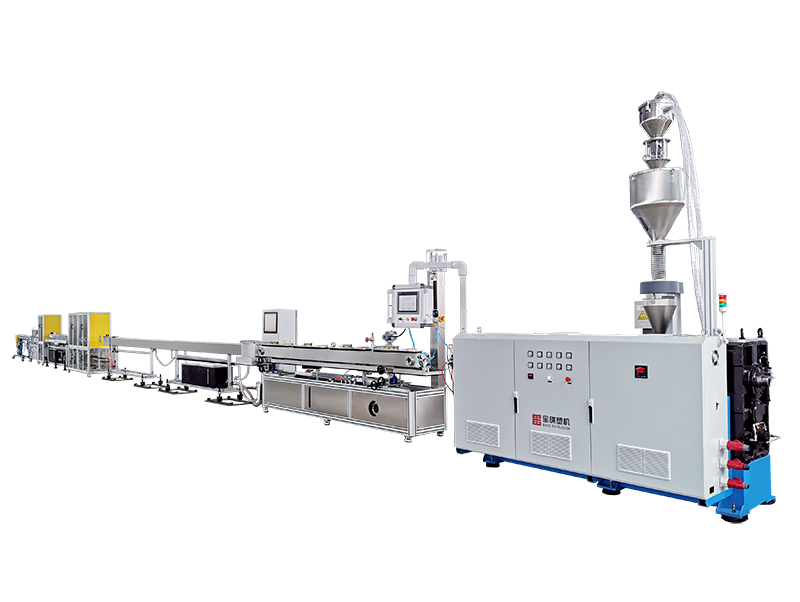
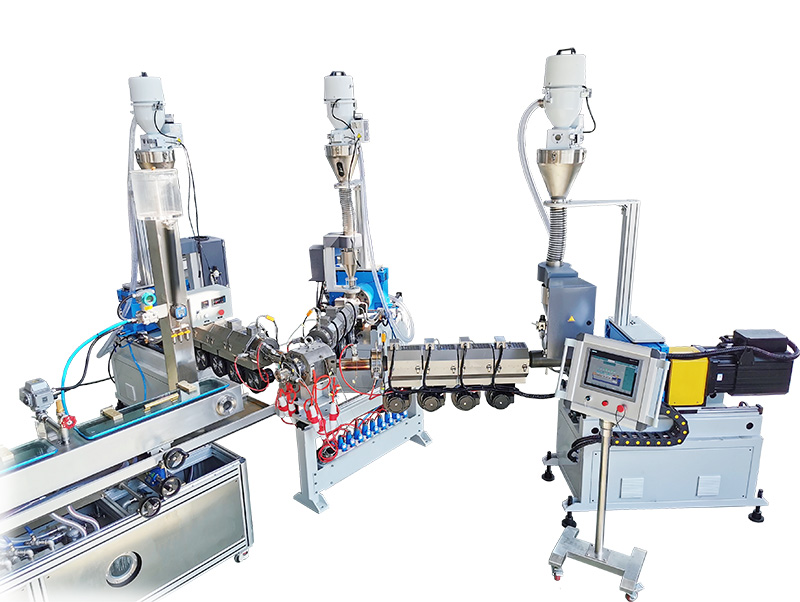
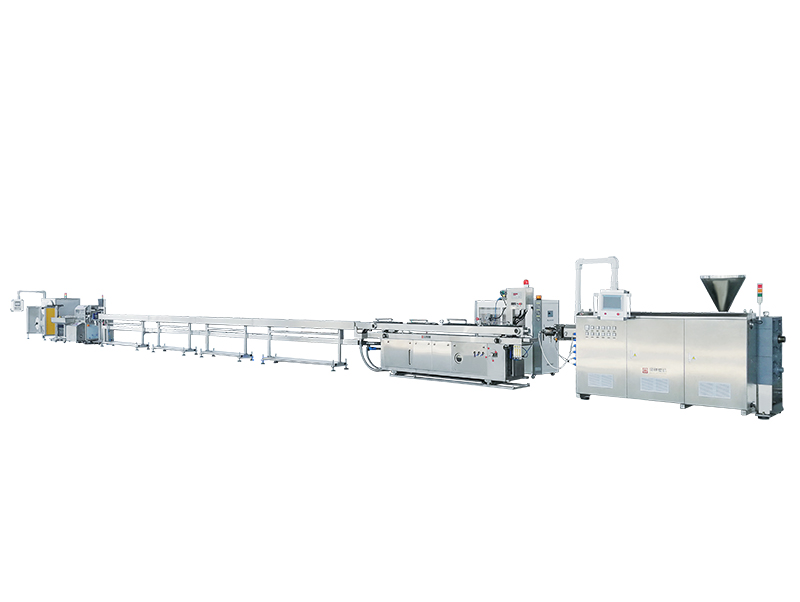
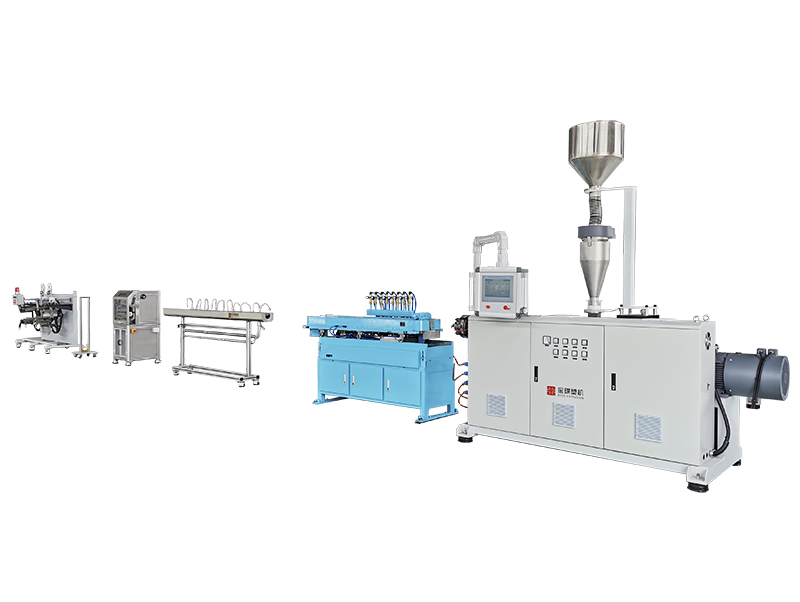
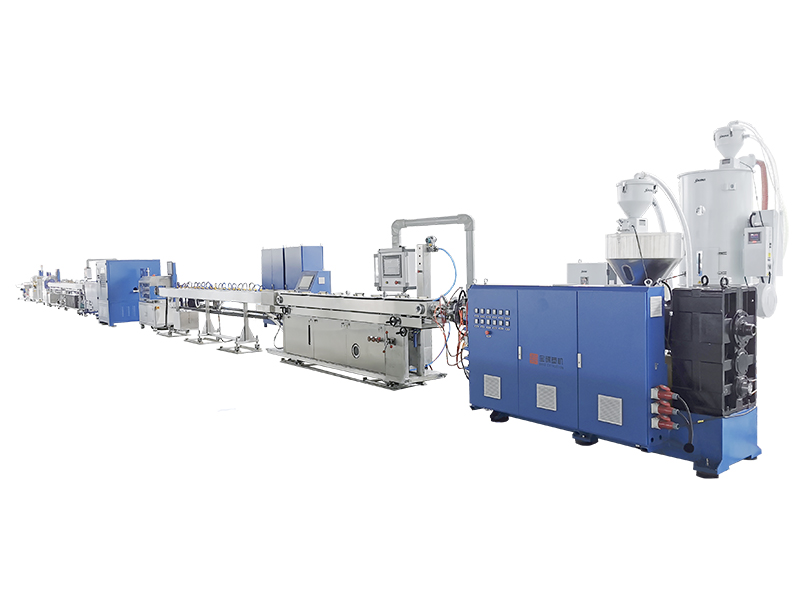
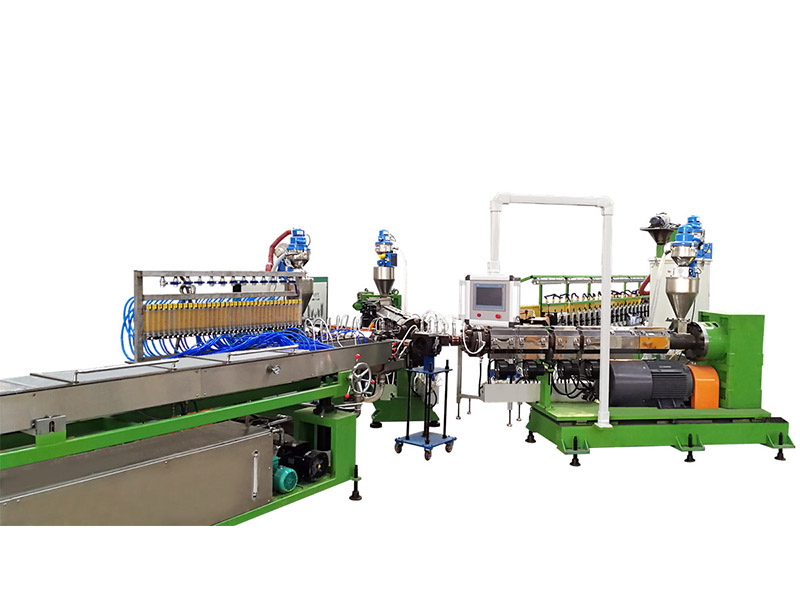
In modern combustion engine setups and electric vehicles, wiring systems face high temperatures, continuous vibrations, and chemical exposure. Corrugated tubes manufactured using BAOD's technology maintain physical stability under extreme heat. These single and multi-layer conduits shield cabling harnesses, preventing insulation wear and short-circuits.
For sub-surface fiber optic routes, high-density polyethylene (HDPE) lines with integrated inner silicone layers are utilized. The low friction coefficient of the inner wall facilitates seamless long-distance cable blowing. The outer corrugated structure provides reliable resistance to soil load deformation and shifting under high ground pressure.
Double-wall corrugated piping with larger diameters (typically manufactured from high-molecular PE) forms the backbone of municipal drainage lines. The corrugated outer skin provides high ring stiffness, allowing the pipe to support heavy backfill loads, while the smooth interior ensures high-velocity fluid flow and limits mineral deposit buildup.
Industrial robotic assemblies and heavy manufacturing equipment require highly flexible conduits that can handle millions of bending cycles. Polypropylene-based corrugated pipes are configured to prevent cracking or mechanical failure under dynamic stress, maintaining insulation protection for power cables and hydraulic control lines.
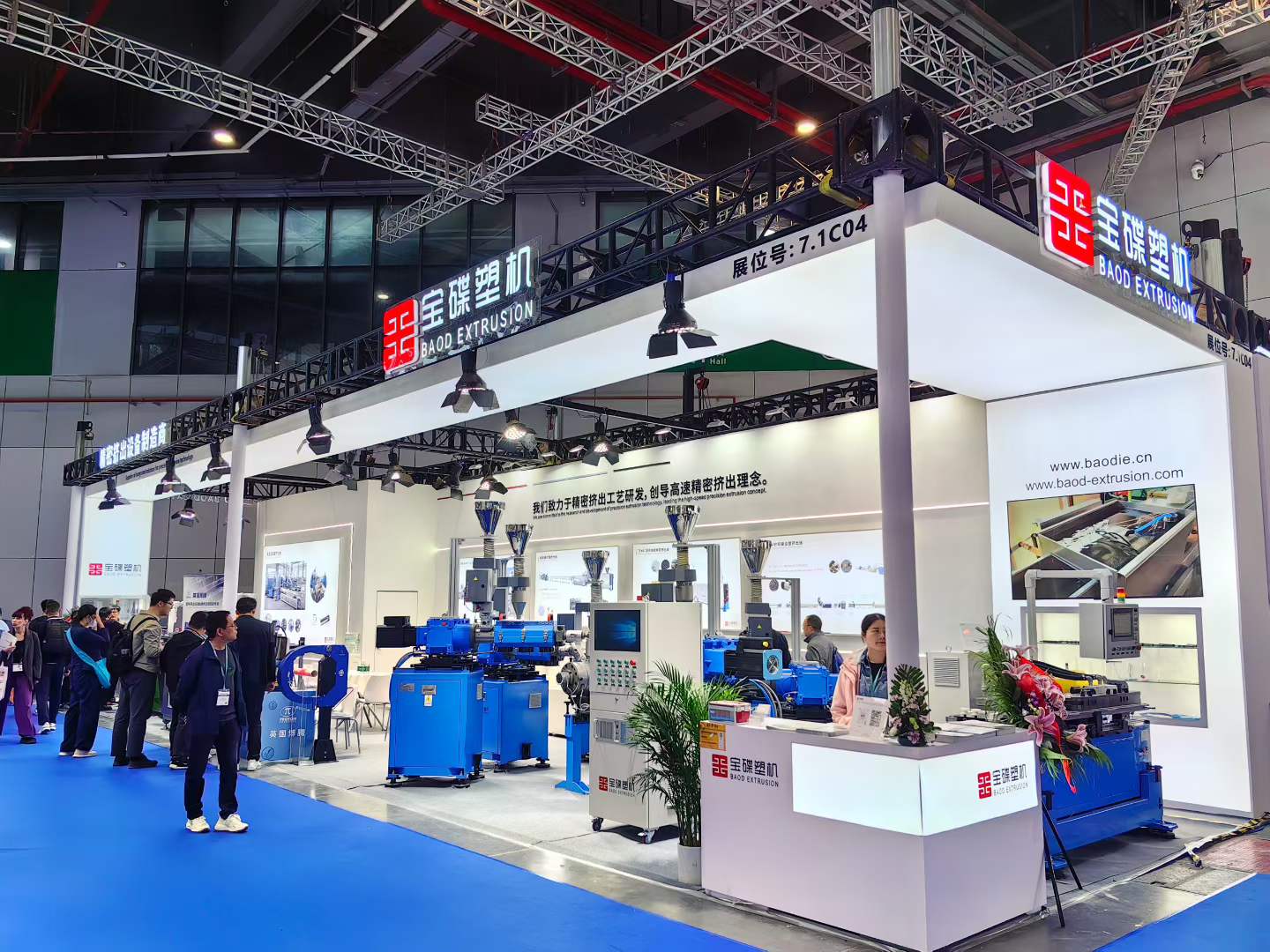
From April 21–24, CHINAPLAS 2026 was successfully held at the National Exhibition and Convention Center (Shanghai, Hongqiao). BAOD EXTRUSION showcased its latest R&D achievements at Booth 7.1C04, presenting “Smart Extrusion · High-Efficiency Innovation” solutions that...
In the controlled environment of a modern industrial facility, a single, hair-thin plastic tube wound onto a reel might seem unremarkable to the untrained eye. However, in sectors ranging from mining and quarrying to large-scale infrastructure demolition, this tube—known...
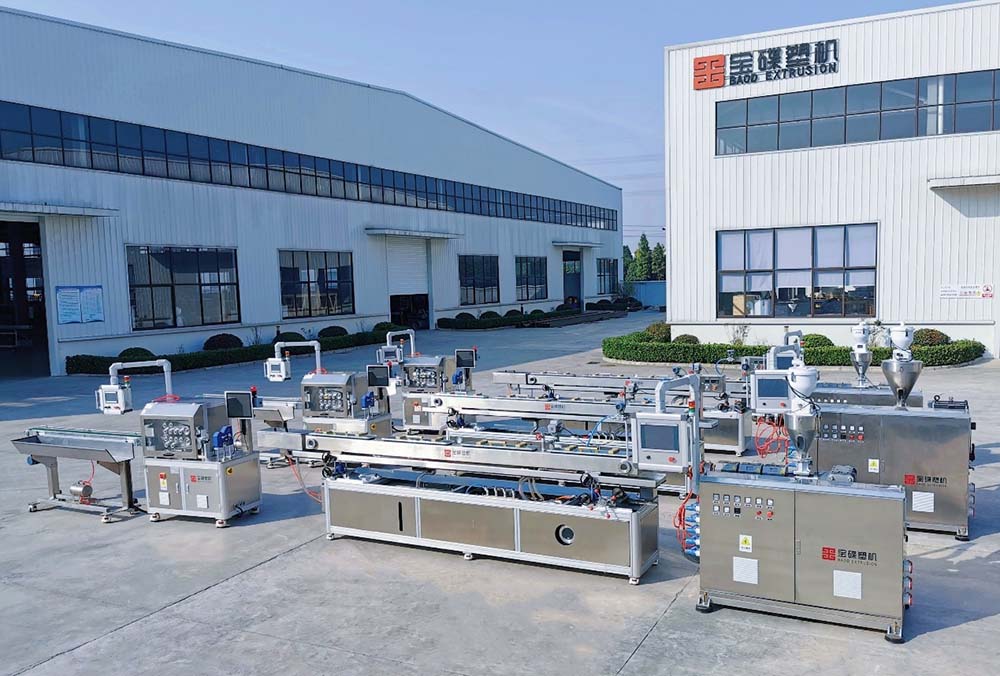
In the sterile, quiet environment of a modern medical facility, a clinician prepares a complex catheter for a critical procedure. This thin, flexible tube is far more than a simple conduit; internally, it is divided into several microscopic channels, or lumens, each desi...
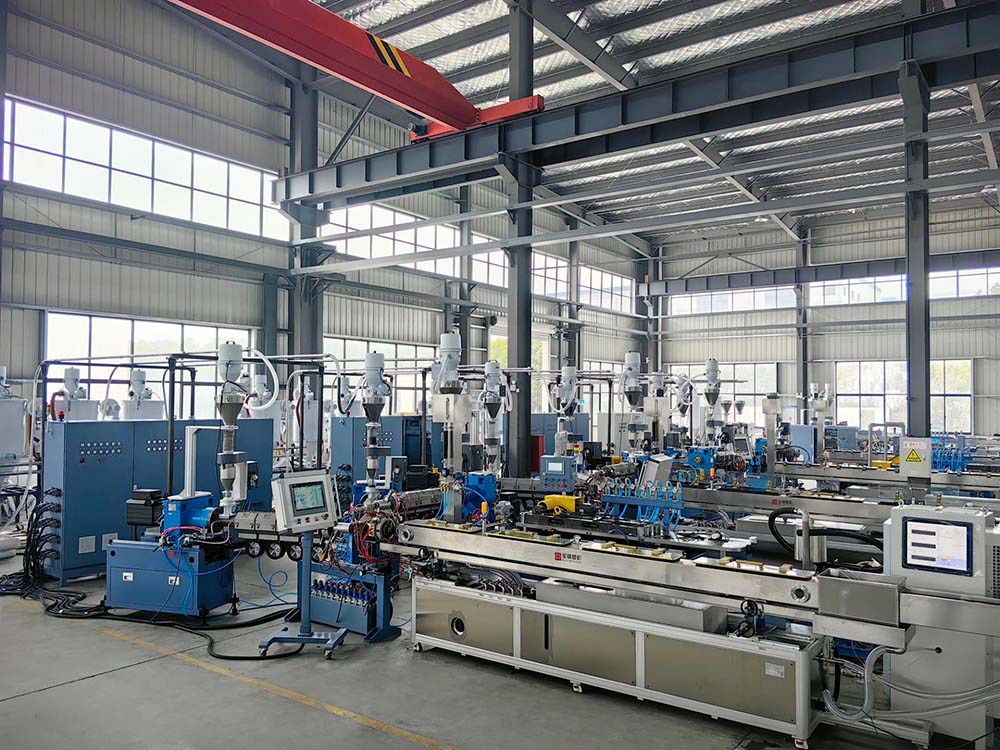
How do the world's most reputable vehicle manufacturers ensure the absolute integrity of every fuel line, brake hose, and cooling pipe buried deep within a vehicle’s chassis? Why has the shift toward electric and lightweight vehicles made the precision of these small-dia...
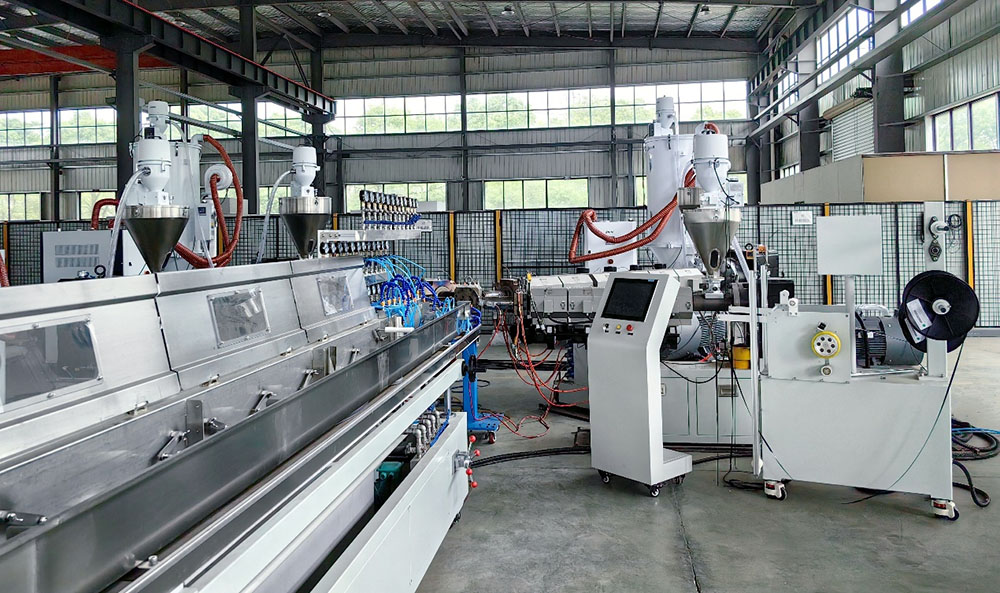
As the twilight sun reflects off the sleek, aerodynamic curves of a modern electric vehicle parked in a bustling metropolitan street, few observers notice the quiet, critical components ensuring the cabin remains a sanctuary of silence and temperature control. Behind the...
In the controlled environment of a modern industrial facility, a single, hair-thin plastic tube wound onto a reel might seem unremarkable to the untrained eye. However, in sectors ranging from mining and quarrying to large-scale infrastructure demolition, this tube—known...
We integrate high-frequency closed-loop PID control setups with pressure transducers positioned within the die block. This allows real-time melt adjustments to adapt to material temperature variations. By coordinating block temperature controls with precise vacuum calibration, we maintain outer diameter variance well within ±0.05mm even during high line speed runs.
Co-extrusion allows operators to combine materials with different physical properties. For example, a high-temperature resistant outer layer can be co-extruded with a low-friction, chemical-resistant inner lining. This approach optimizes raw material costs by placing specialized polymers only where they are functionally required.
Yes. Our specialized screw designs feature custom mixing sections and L/D ratios of 33:1, facilitating high-shear melt homogenization. This allows the line to process recycled resins with variable melt flow rates (MFR) while maintaining profile consistency and preventing pinholes or tears.
Extrusion lines often experience bottlenecks due to cooling capacity limitations. BAOD uses a continuous loop cooling flow path inside the aluminum mold blocks. Efficient heat dissipation speeds up polymer solidification, enabling faster line runs without sacrificing dimensional accuracy.
Our lines are controlled via industrial Siemens PLC setups communicating over EtherCAT or Profinet buses. This interface enables real-time monitoring of screw torque, temperatures, and puller speeds, allowing seamless integration with central factory ERP and SCADA platforms.
 Baodie