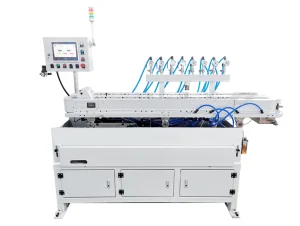
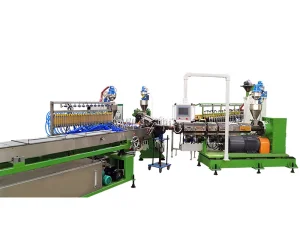
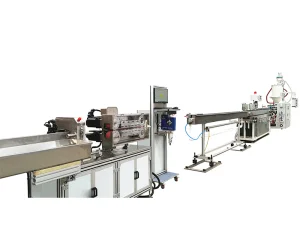
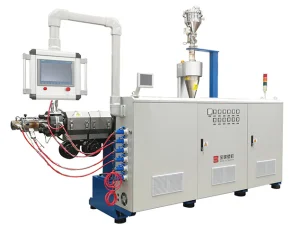
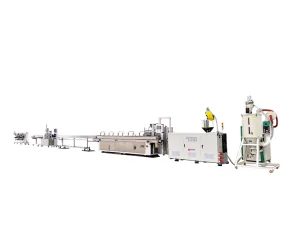
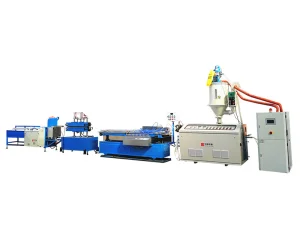
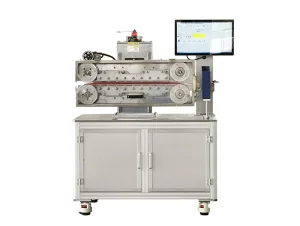
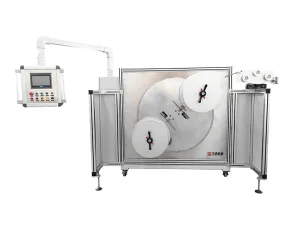
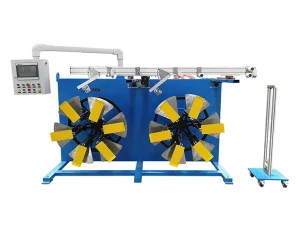
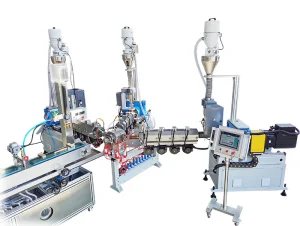
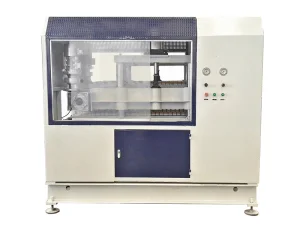
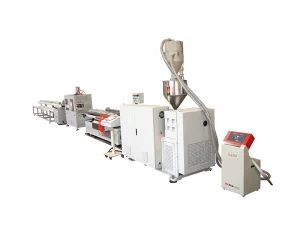
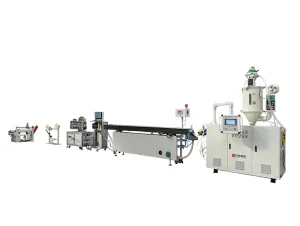
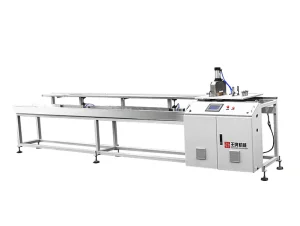
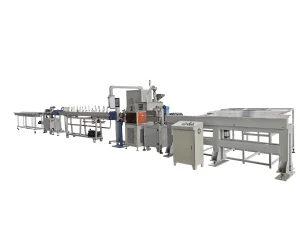
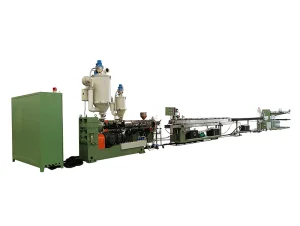
Explore our highly automated and customized plastic extrusion equipment, engineered for high-tolerance micro-tubes and multi-layer profiles.
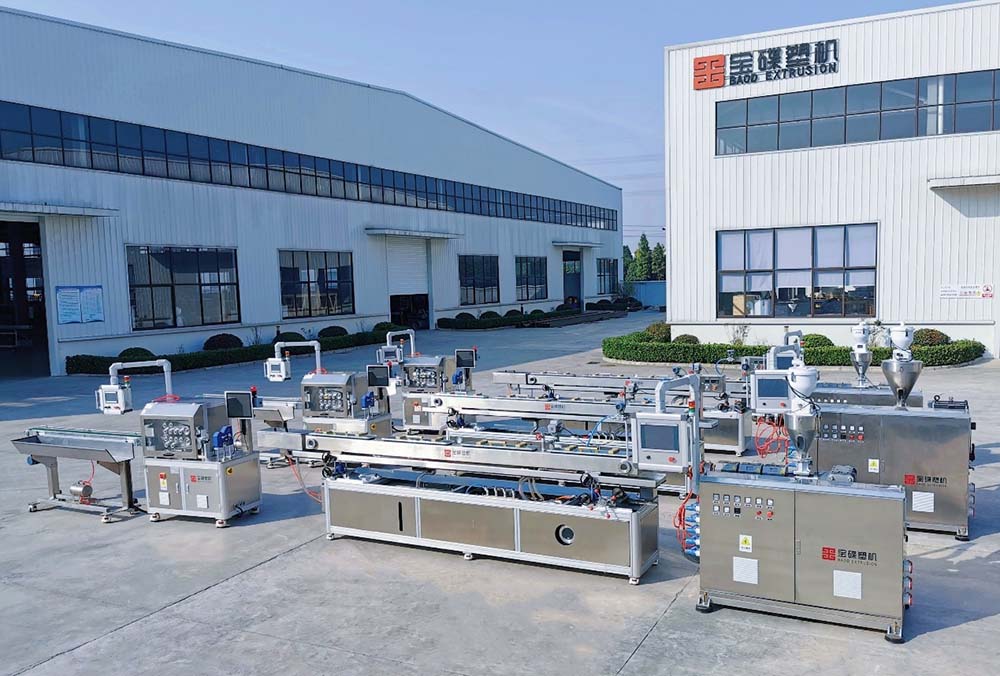
BAOD EXTRUSION (Jiangsu Baodie Automation Equipment Co., Ltd.), founded in 2002, is a globally recognized pioneer dedicated to the design, manufacturing, and technical sales of high-performance plastic extrusion equipment.
Built upon a strong foundation of 18 years of experience in engineering high-quality extrusion machinery in Taiwan under our original parent company, KINGSWEL GROUP (which established our primary production facility in Shanghai in 1999), BAOD has grown into an international benchmark for micro-extrusion lines and highly automated profile production systems.
For more than two decades, we have partnered with major medical, automotive, and consumer electronics brands to solve complex tubing challenges, guaranteeing dimensional stability and concentricity in every product line.
Years of Design & Manufacturing Experience
Modern Industrial Facility Area
High-Precision Extrusion Engineers & Personnel
Our core intellectual property is directed at maximizing material distribution accuracy in multi-lumen dies. Through constant fluid dynamic optimization and thermal control design, our machinery processes advanced engineering plastics, from flexible Pebax and TPU to high-temperature Fluoropolymers (FEP, PTFE), keeping deviations under ±0.02 mm.
A comprehensive review of technical evolution, high-precision engineering, and global procurement paradigms.
Multi-lumen tubing is characterized by its internal architecture: a single tube structure divided into multiple channels or "lumens." Historically, extrusion lines struggled to maintain the geometry, size, and location of these lumens without inner collapse or wall thinning. As medical minimally invasive surgeries (MIS) and sophisticated fluid dynamics in mechanical systems evolved, the demand for precision reached the micrometer scale.
The manufacturing process relies on sophisticated tooling design and precise control of internal air pressure (micro-air inflation) for each lumen. In modern systems, advanced vacuum calibration, coupled with high-speed multi-axis diameter monitoring, ensures the outer profile remains circular while keeping interior web walls uniform. The transition from manual tooling adjustments to dynamic, real-time closed-loop die-head adjustment has allowed manufacturers to run continuously without structural drift.
Key Takeaway: Modern extrusion systems must control wall thickness between lumens down to ±0.01mm. This level of control is essential for advanced steerable medical catheters, multi-core fiber optic routing, and miniature high-pressure hydraulic conduits.
Global procurement teams in the automotive, medical, and aerospace sectors evaluate extrusion equipment suppliers on more than just initial CAPEX. They look for compliance, reliability, and total cost of ownership (TCO). In the medical space, for instance, a multi-lumen tube line must conform to strict ISO 13485 cleanroom equipment regulations. Machinery must feature clean, dust-free components, non-contaminating lubrication systems, and comprehensive data-logging software for regulatory compliance.
In the automotive sector, supply chains require IATF 16949 compliance. An extrusion line producing multi-layer TPV sealing strips or fluid lines must run at high line speeds while outputting zero defects. Consequently, buyers seek manufacturers who integrate real-time quality screening directly into the extrusion line, utilizing automatic cutters and classification systems that reject out-of-tolerance tubes on the fly.
Ability to process TPU, Pebax, FEP, PVC, PEEK, and UHMWPE on a single customized screw configuration.
Integration with SCADA and industrial network protocols (OPC-UA) for real-time monitoring and traceability.
Use of bimetallic barrels and specialized hard-facing coatings for processing highly abrasive polymers.
As manufacturing shifts from simple automation to intelligent Industry 4.0 paradigms, BAOD EXTRUSION's facility in Jiangsu leverages China's advanced industrial ecosystem. This local integration allows us to build cost-effective, high-precision extrusion machinery. Our close relationships with upstream raw component suppliers and downstream processing facilities enable rapid turnarounds for customized extrusion projects.
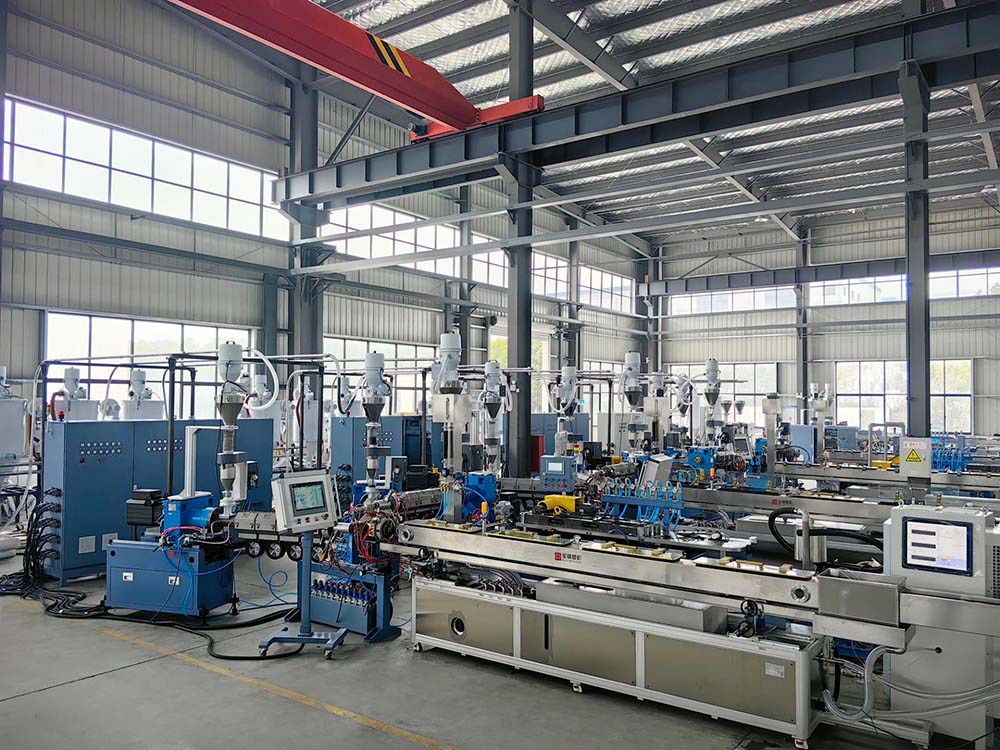
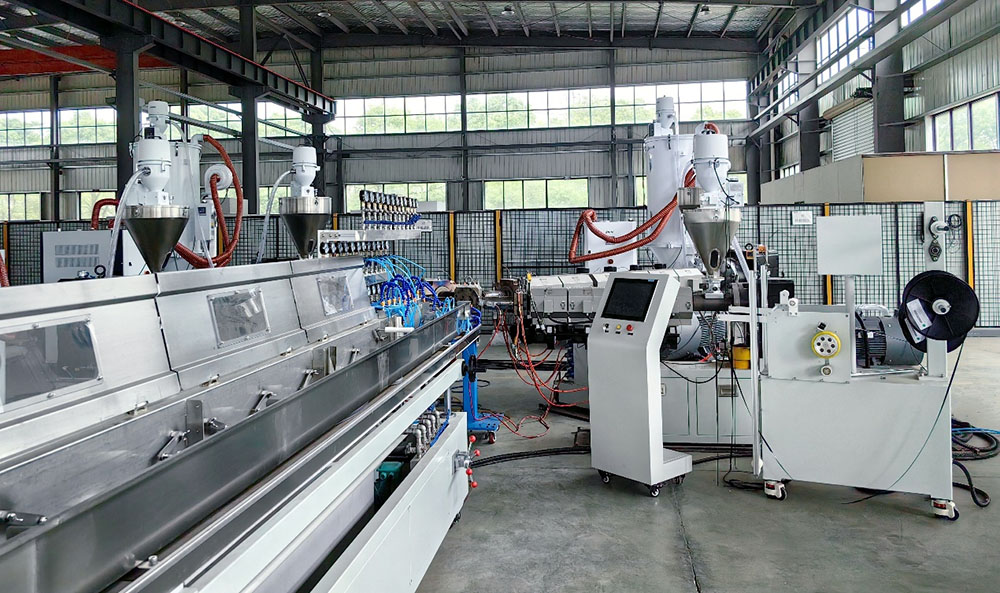
Our Factory 4.0 framework incorporates advanced CNC machining centers for proprietary screw and die manufacture, paired with smart testing benches. This ensures every component of the extrusion line—from the gravimetric feeder and the single screw extruder to the vacuum calibration tank, puller, and automatic cutting station—operates synchronously. By simulating melt flows digitally before machining the metal tooling, we cut testing times in half, providing international clients with faster deliveries and lower commissioning costs.
Multi-lumen extrusion technology is used across a variety of demanding fields:
Engineered for high outputs, continuous operation, and minimal material waste.
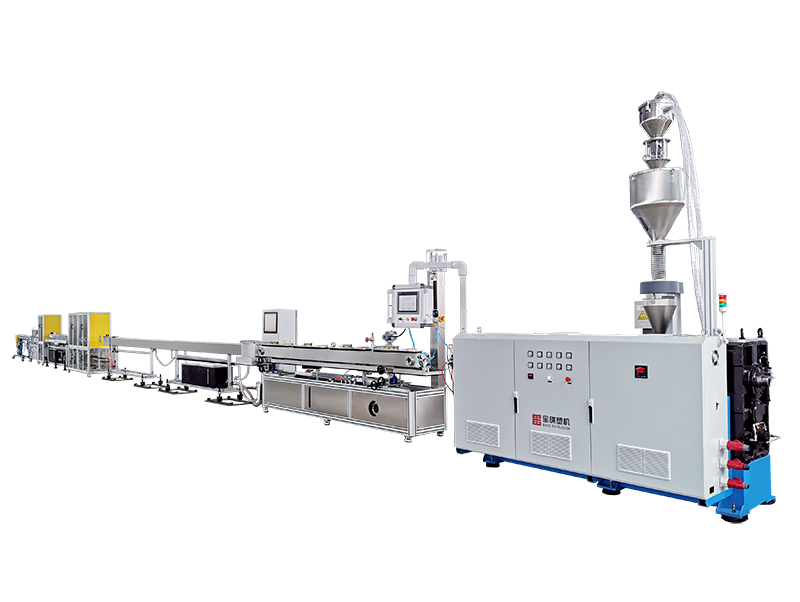
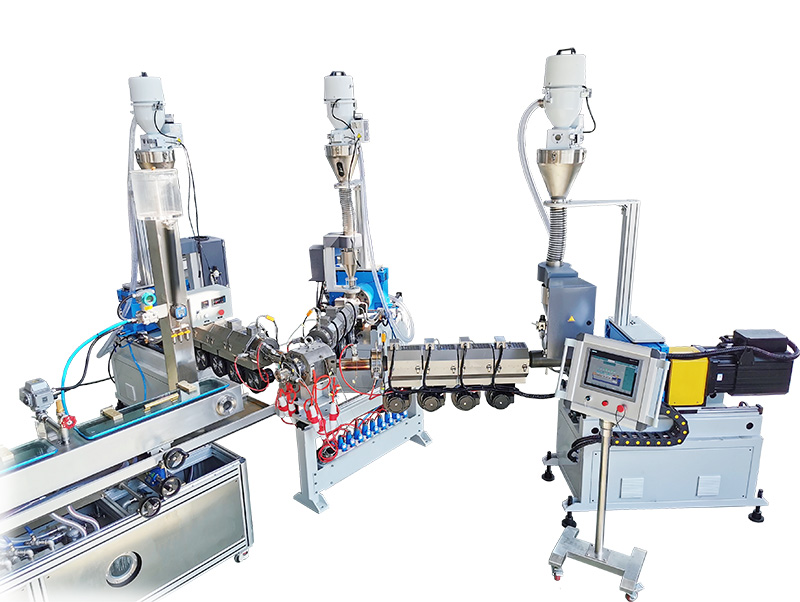
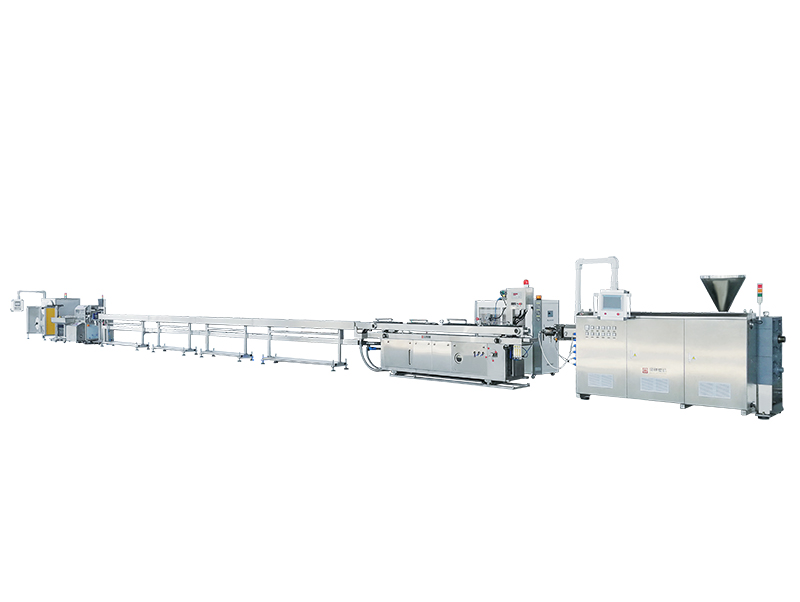
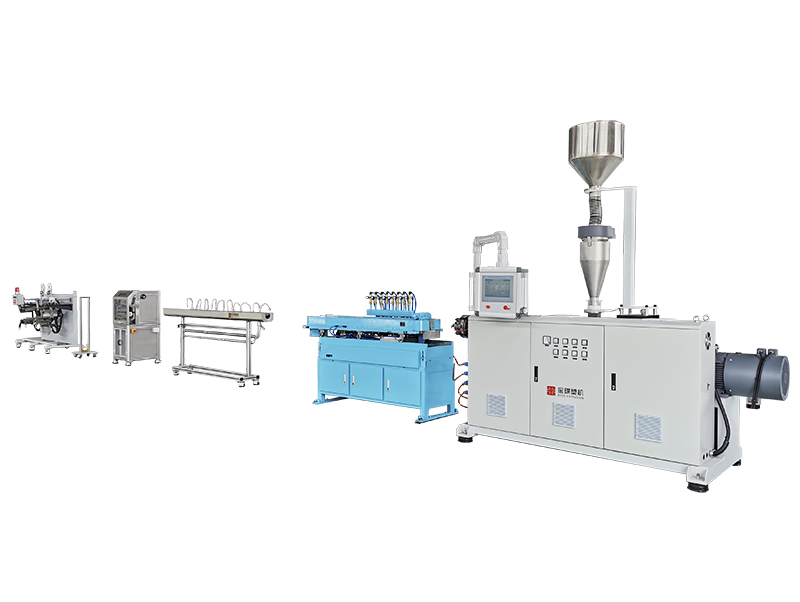
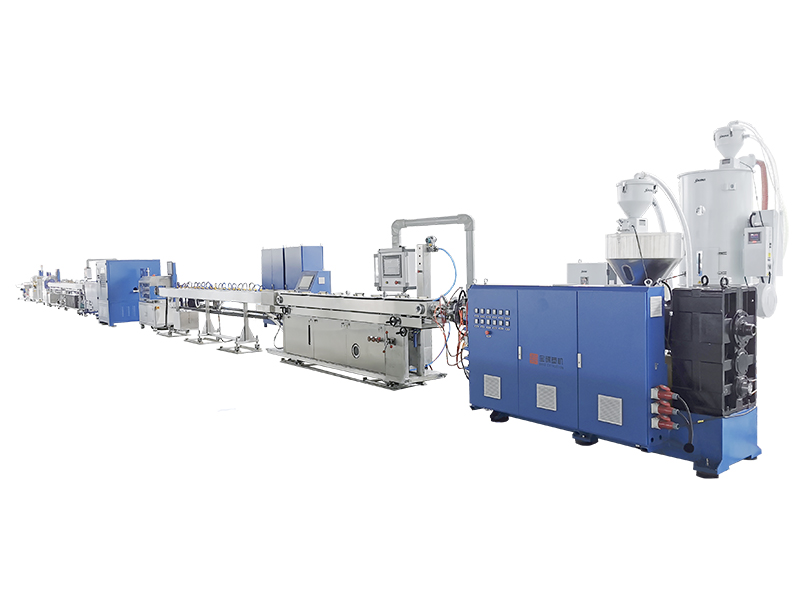
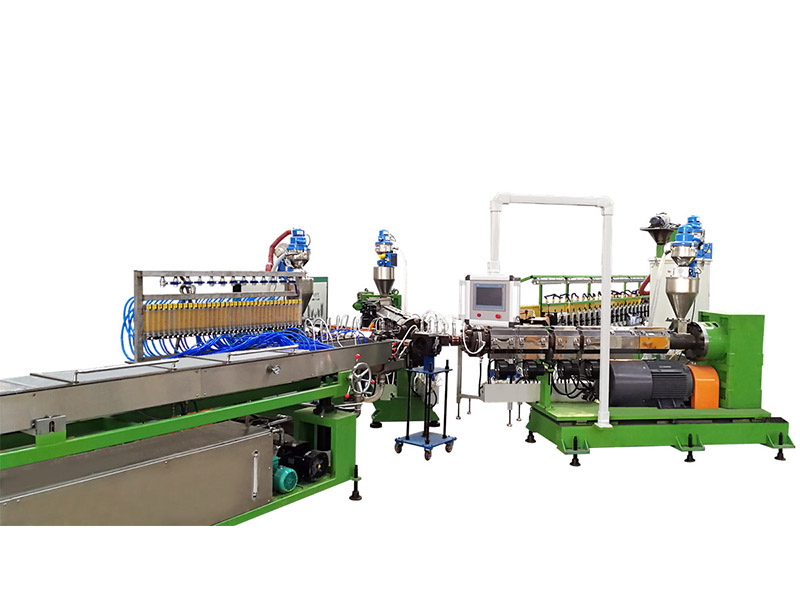
Industrial guidance for engineering teams, procurement managers, and production specialists.
A: Maintaining the structural integrity of internal lumens requires precise balance of micro-air injection. This system inputs controlled, low-pressure air into each individual lumen via the die mandrel. By coupling this micro-air system with vacuum sizing in a closed-loop calibration tank, the outer and inner walls are cooled and set simultaneously. Our system features high-resolution digital flow regulators to control this pressure dynamically, preventing collapses or wall-thinning.
A: For medical-grade materials like Pebax and Polyurethane (PU), our extrusion lines can achieve outer diameter (OD) and inner diameter (ID) tolerances of ±0.015 mm. For fluoropolymers (like FEP), tolerances are kept under ±0.02 mm. We ensure this level of precision through high-resolution laser measuring systems that provide feedback directly to the puller speed and extruder RPM control loops.
A: Fluoropolymers require specialized processing temperatures (often exceeding 350°C) and exhibit corrosive properties when molten. Consequently, standard screws and die-heads cannot be used. We construct our fluoropolymer systems using high-nickel alloys (such as Hastelloy or Inconel) to resist corrosion. In addition, the heating zones require ceramic bands with precise cooling fans to manage heat spikes and prevent polymer degradation.
A: Multi-layer extrusion uses multiple extruders feeding into a single co-extrusion crosshead. The primary challenge is ensuring proper adhesion between different polymer layers (such as PA to rubber, or tie-layers to barrier layers) while maintaining overall geometric consistency. This requires a flow channel design inside the die head that matches the viscosity profiles of each material stream to prevent delamination.
A: Our extrusion lines are equipped with integrated PLC control systems using Ethernet/IP or OPC-UA protocols. All parameters—including temperature, melt pressure, screw speed, pulling tension, and cooling water flow—are logged continuously. This allows operators to save production recipes, perform predictive maintenance, and export production run data for validation.
A: Yes, our automobile sealing strip lines support multi-component co-extrusion. This allows us to combine rigid carrier materials (like PP or metal inserts) with flexible sealing lips (like soft TPV or cellular rubber) and low-friction coatings in a single production run.
Stay informed on the latest innovations in high-efficiency extrusion technology, global compliance, and trade shows.
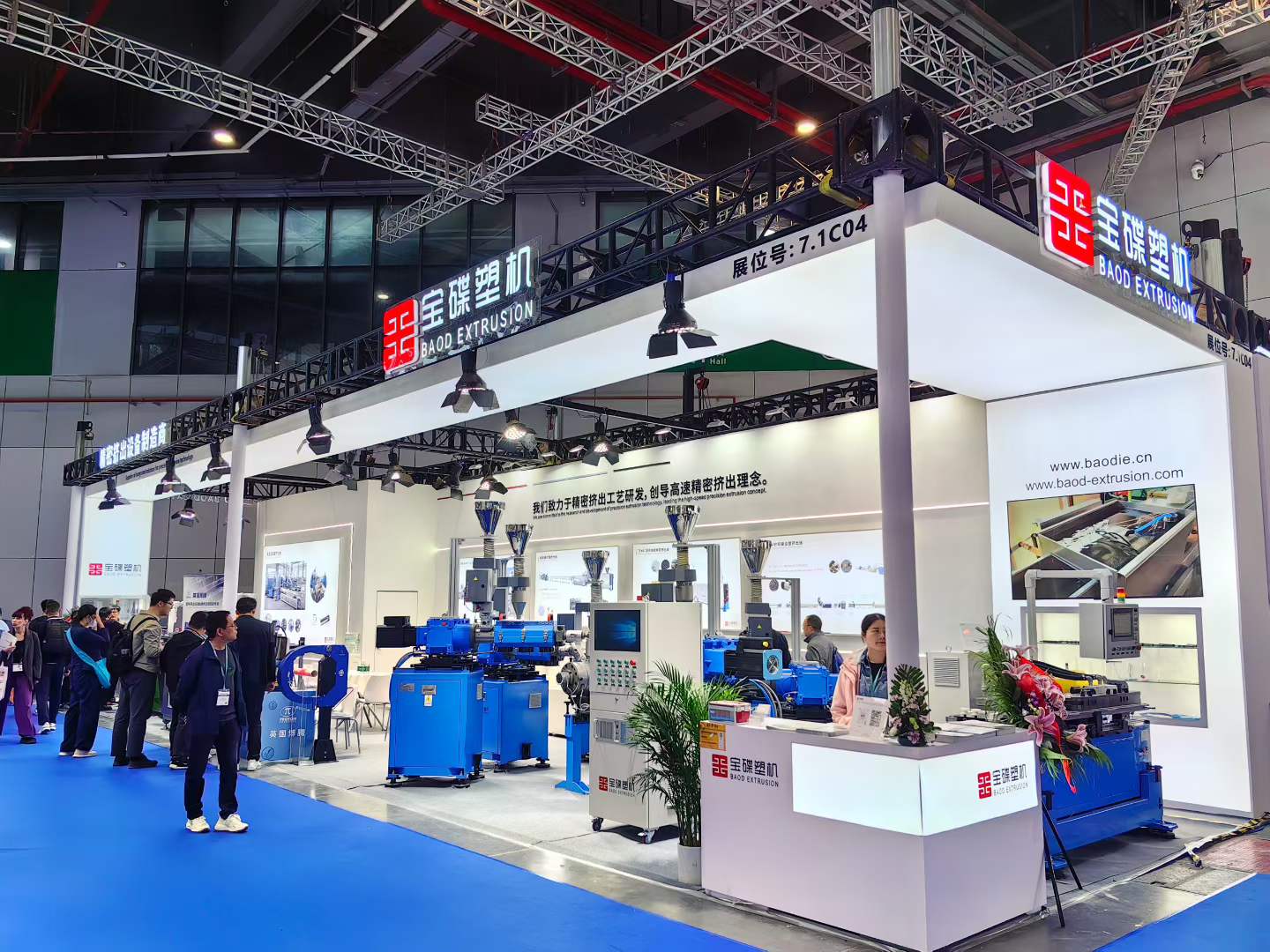
From April 21–24, CHINAPLAS 2026 was successfully held in Shanghai. BAOD showcased its latest R&D achievements at Booth 7.1C04, presenting “Smart Extrusion · High-Efficiency Innovation” solutions...
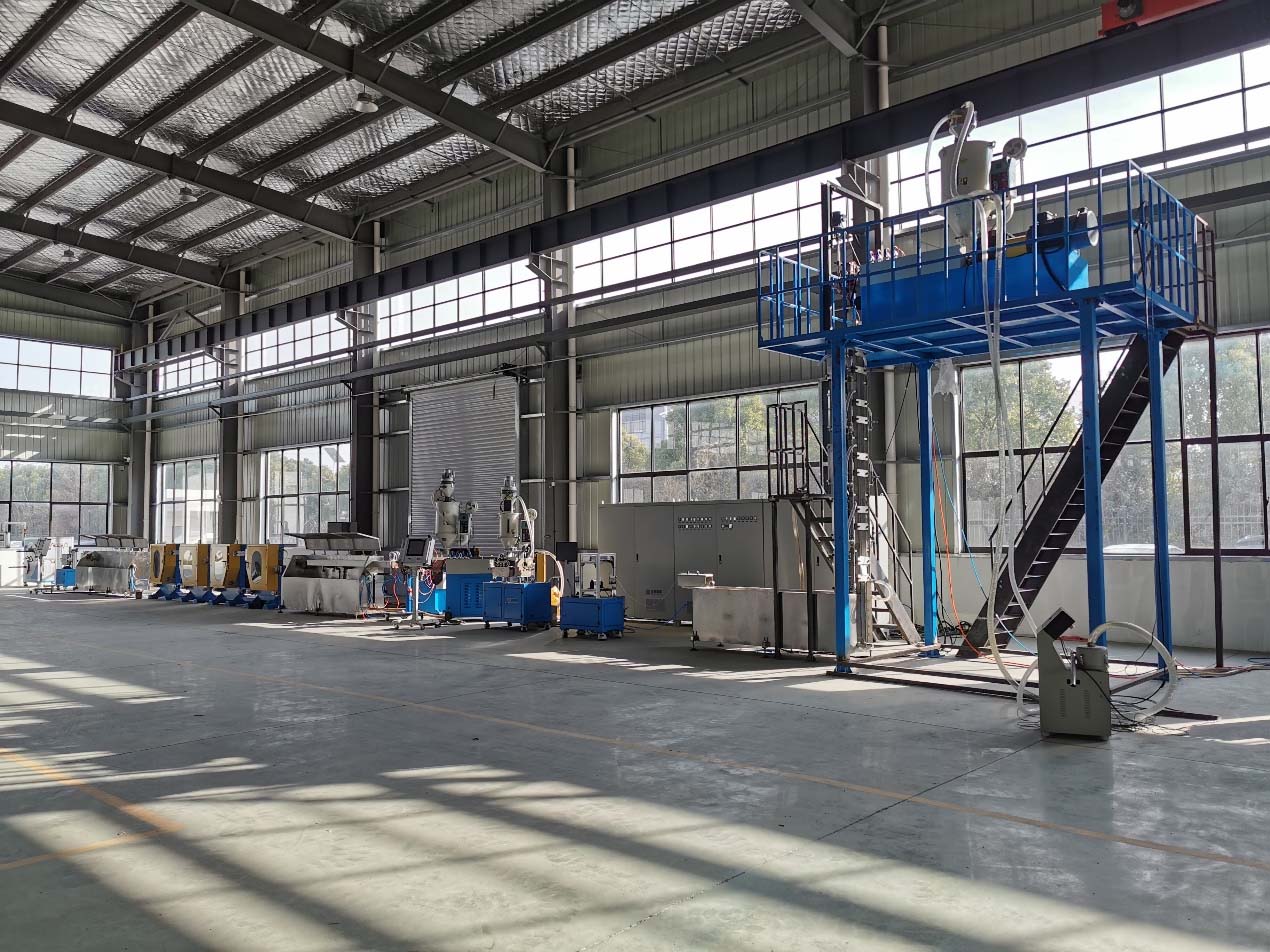
In modern industrial facilities, thin plastic tubes wound onto reels are critical for sectors ranging from mining to infrastructure demolition. This tube—known as a detonating tube—requires highly specialized extrusion setups...
In modern medical facilities, clinicians rely on complex catheters divided into several microscopic channels, or lumens. This guide explores how Chinese manufacturing practices now align with rigorous European design standards...
To guarantee the integrity of automotive fuel lines, brake hoses, and cooling lines, manufacturers must adhere to strict international standards. Learn how BAOD maintains international compliance...
Electric vehicle (EV) cabins require advanced acoustic isolation and thermal management. This article examines the latest TPV and PVC automotive sealing strip trends shaping 2026 automotive designs...
Complete your production setup with our high-speed pullers, automatic coilers, and custom multi-layer hose lines.
 Baodie