Northern Vietnam, anchored by the Greater Hanoi Metropolitan Area, Bac Ninh, and Hai Phong, has emerged as a premier global destination for high-tech manufacturing and complex supply chain relocations. Driven by massive FDI inflows from multinational technology titans, Hanoi's industrial corridors (such as the Thang Long and Quang Minh Industrial Zones) are transitioning rapidly from basic assembly operations to high-precision engineering and manufacturing.
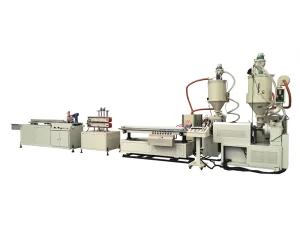
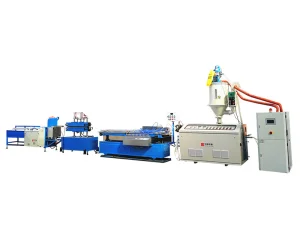
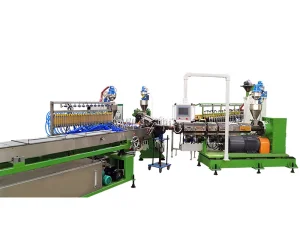
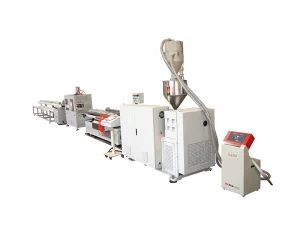
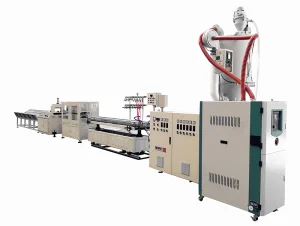
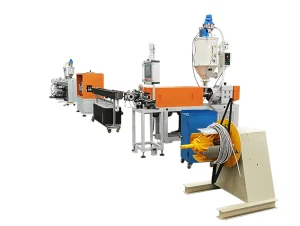
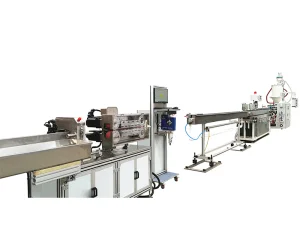
This industrial shift has triggered an unprecedented surge in demand for local production of advanced polymer profiles. Modern electronics packaging, micro-conduits for cleanrooms, automotive interior trims, high-performance weatherstripping, and functional building systems now mandate dimensional tolerances measured in fractions of a millimeter. To achieve such strict quality metrics, local processors are seeking high-precision profile extrusion lines that deliver absolute thermal stability, reliable material feeding, and high throughput.
By establishing localized technical and assembly partnerships, manufacturers in Hanoi can bypass the prolonged shipping times and service delays of imports. Integrating state-of-the-art Taiwanese and Chinese engineering standards directly into Hanoi’s local industrial network ensures that factories can secure prompt spare parts, rapid commissioning, and localized training to maximize line uptime.
Founded in 2002, dedicated to designing, manufacturing and sales of plastic extrusion equipment. Based on 18 years experience of designing and fabricating high quality machines in Taiwan, the original parent company (KINGSWEL GROUP) invested in establishing extrusion machines manufacturing base in Shanghai in 1999.
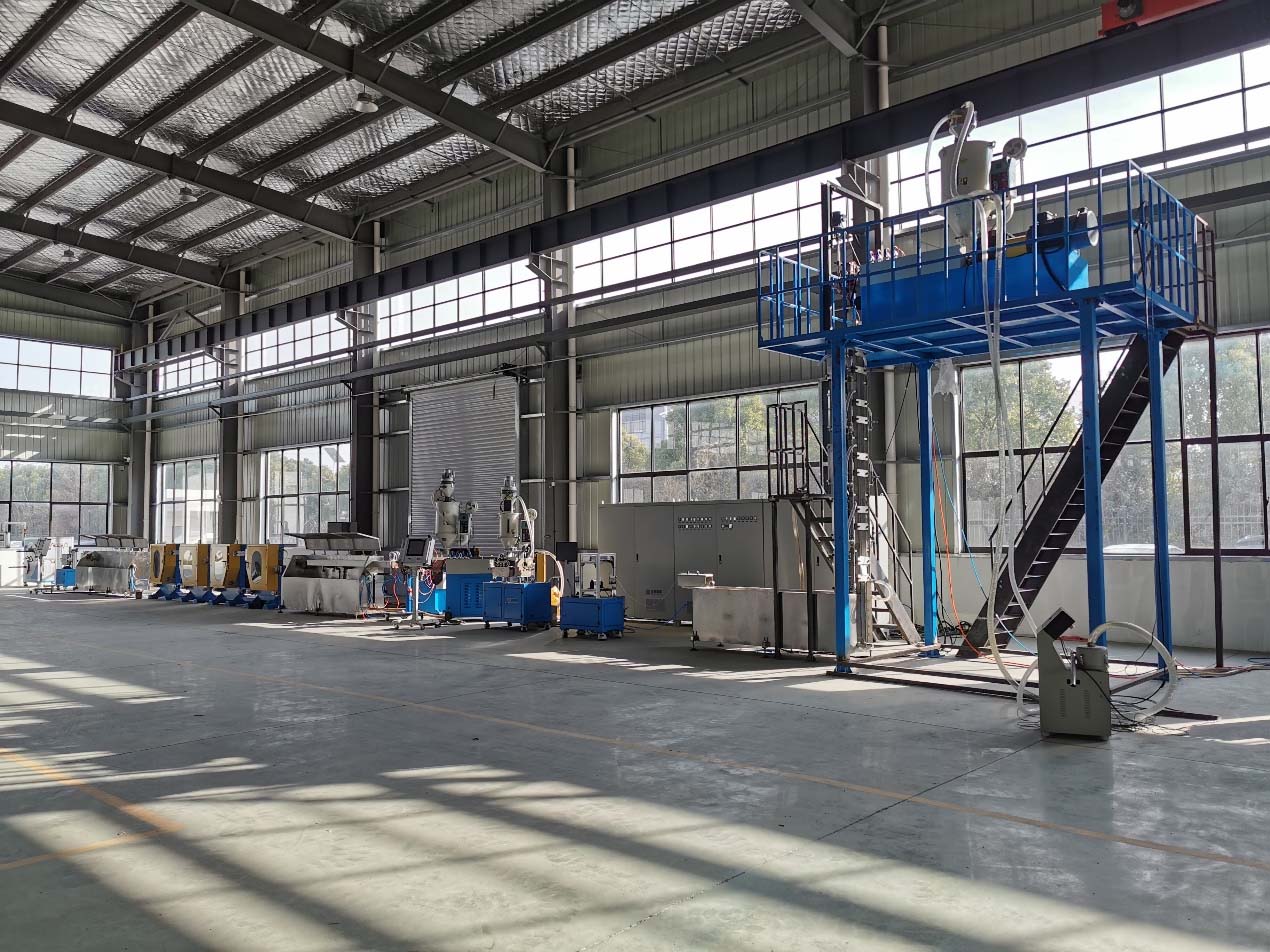
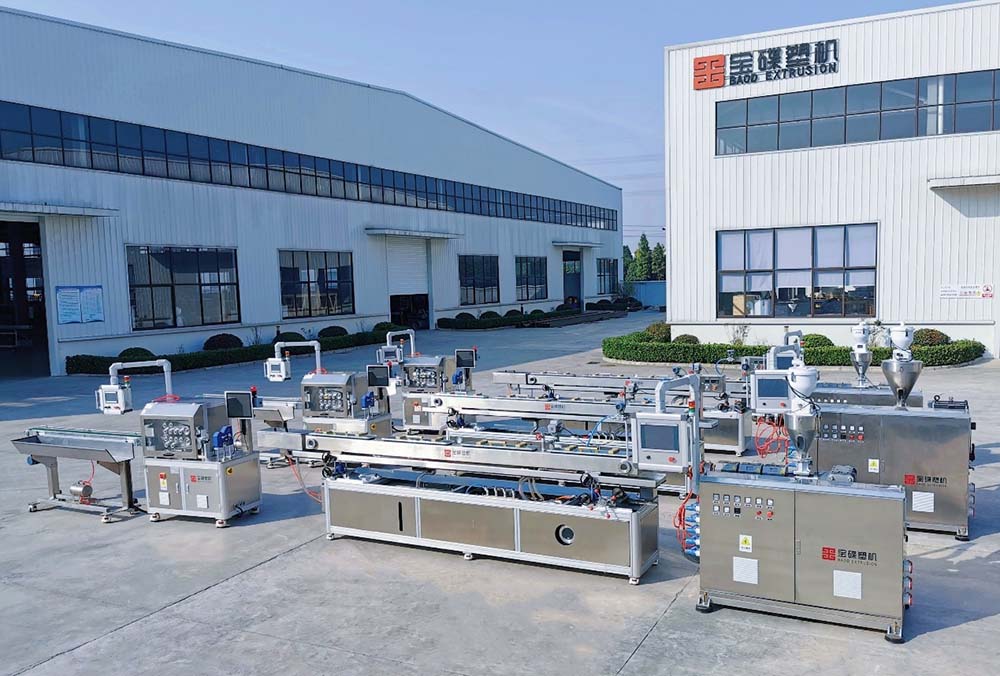
At BAOD Extrusion, our core manufacturing philosophy centers on integrating extreme automation with precision mechanical engineering. With a solid foundation originating from our Taiwan heritage and refined over decades of operation at our 16,000m² mainland manufacturing plant, we support modern factories worldwide as they modernize their production floors.
Our long-term R&D program focuses intensely on:
Years Experience
Factory Area
Dedicated Employees
The global plastic profile extrusion market is undergoing a profound paradigm shift driven by two primary forces: decarbonization and smart manufacturing. Modern plastic processors are no longer evaluating extrusion lines based solely on capital expenditure. Instead, Total Cost of Ownership (TCO), energy consumption per kilogram of processed material, and the scrap rate are the metrics defining factory competitiveness.
A prominent trend is the adoption of multi-layer co-extrusion. This technique enables factories to combine multiple polymers (such as rigid PVC with soft TPV, or engineering PMMA on a PC core for UV resistance) in a single run. These complex cross-sections require sophisticated die design and precise melt flow channel simulation. Without advanced CAD/CAE flow optimization, processors encounter delamination, uneven walls, and internal stresses that cause structural deformation after cooling.
Furthermore, the industry is witnessing the widespread adoption of IoT-enabled machinery. Modern extrusion lines integrate sensors at every critical point—monitoring melt temperature, melt pressure, screw torque, vacuum levels, cooling water temperature, and haul-off pulling force. By transmitting this telemetry to a centralized SCADA system or an AI-driven PLC, the system can automatically adjust parameters to compensate for variations in raw materials, virtually eliminating human operator error.
Integrated HMI controls with closed-loop adjustment of screw speed, melt pump pressure, and haul-off pull rates.
Improves energy efficiency by 30% to 50% compared to traditional ceramic band heaters, reducing operational costs.
Optimized internal polymer melt channels made from premium high-chrome steel for exceptional surface finish and durability.
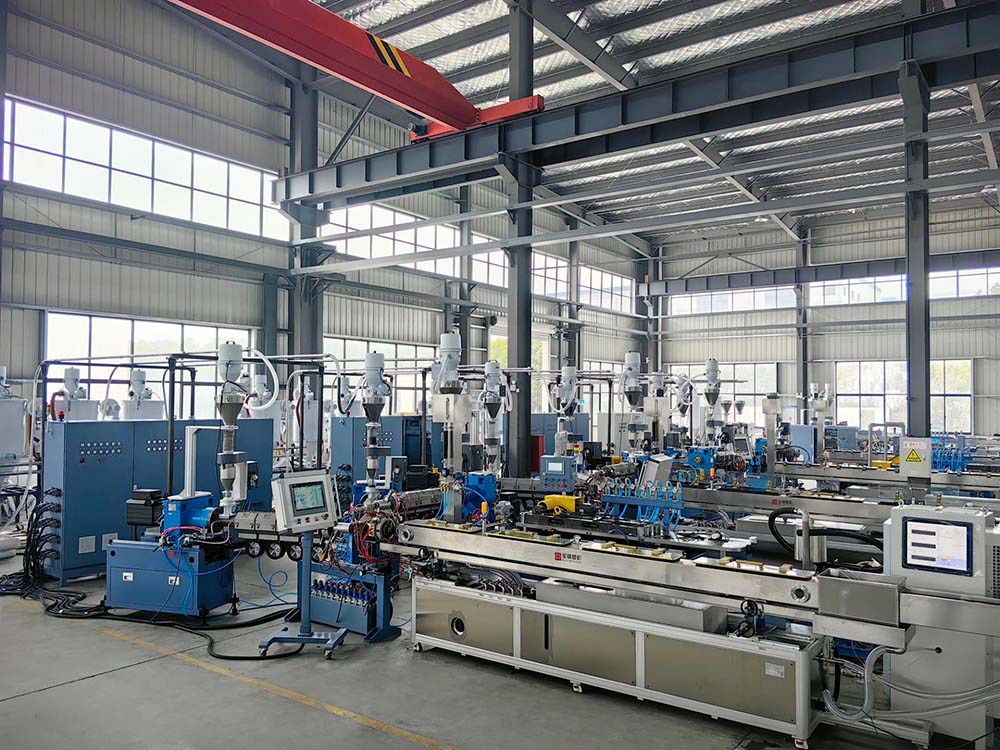
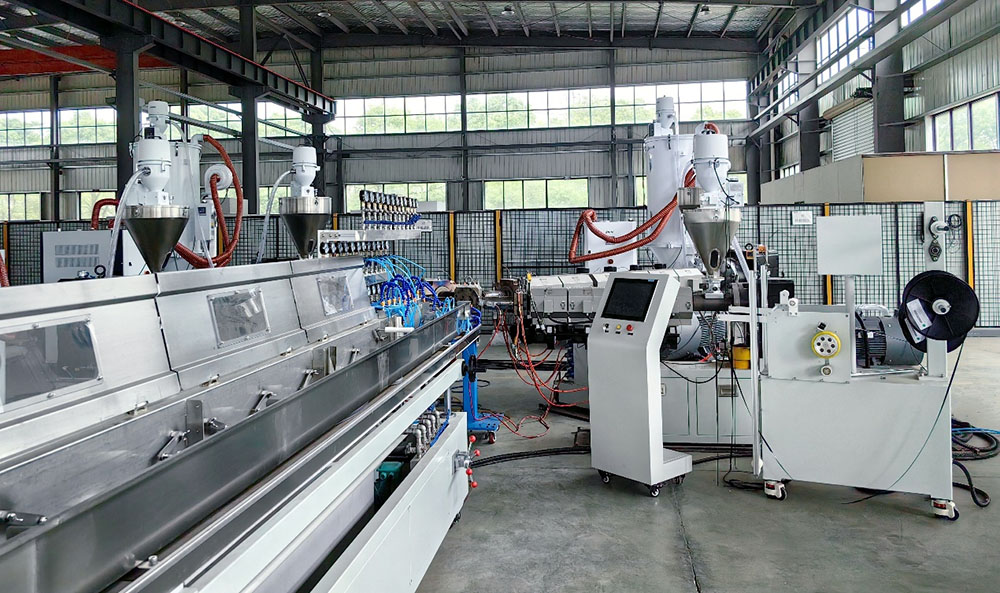
An elite-tier precision profile extrusion line requires meticulous optimization at every stage of the process to ensure dimensional stability and continuous production.
1. Feeding & Extrusion Stabilization: Processing engineering resins requires consistent bulk-density control. Our lines utilize gravimetric dosing systems that continuously measure material mass and adjust screw speed in real time. This is paired with specialized L/D screws (ranging from 28:1 to 32:1) that achieve complete polymer melting and homogenization without shearing the material.
2. Melt Pump Integration: Placed between the extruder and the die, the melt pump acts as a metering tool. It isolates the die from any pressure variations originating inside the extruder barrel, ensuring a highly consistent polymer flow into the tool.
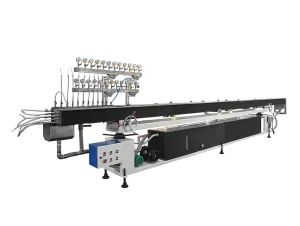
3. Vacuum Calibration & Intense Cooling: Profiles must be solidified into their exact shapes inside vacuum calibration tanks. These tanks maintain precise negative pressure alongside finely controlled water temperatures (within ±0.5°C) to prevent thermal warping or dimensional shrinkage.
4. Pulling & Cutting Sync: The haul-off unit must operate with absolute speed consistency to prevent stretching or compressing the warm profile. Servo-driven caterpillar tracks, synchronized with the cutter unit via optical encoders, ensure precise cut lengths with tolerances under ±0.5 mm.
| Parameter | Standard Line | BAOD Precision Line |
|---|---|---|
| Dimensional Tolerance | ±0.15 mm to ±0.30 mm | ±0.03 mm to ±0.05 mm |
| Pressure Fluctuation | ±1.5% to ±3.0% | < ±0.5% (with Melt Pump) |
| Energy Cons. Efficiency | 0.35 kWh/kg | 0.22 - 0.26 kWh/kg |
| Response Resolution | Analog controls | EtherCAT Digital Bus (1ms) |
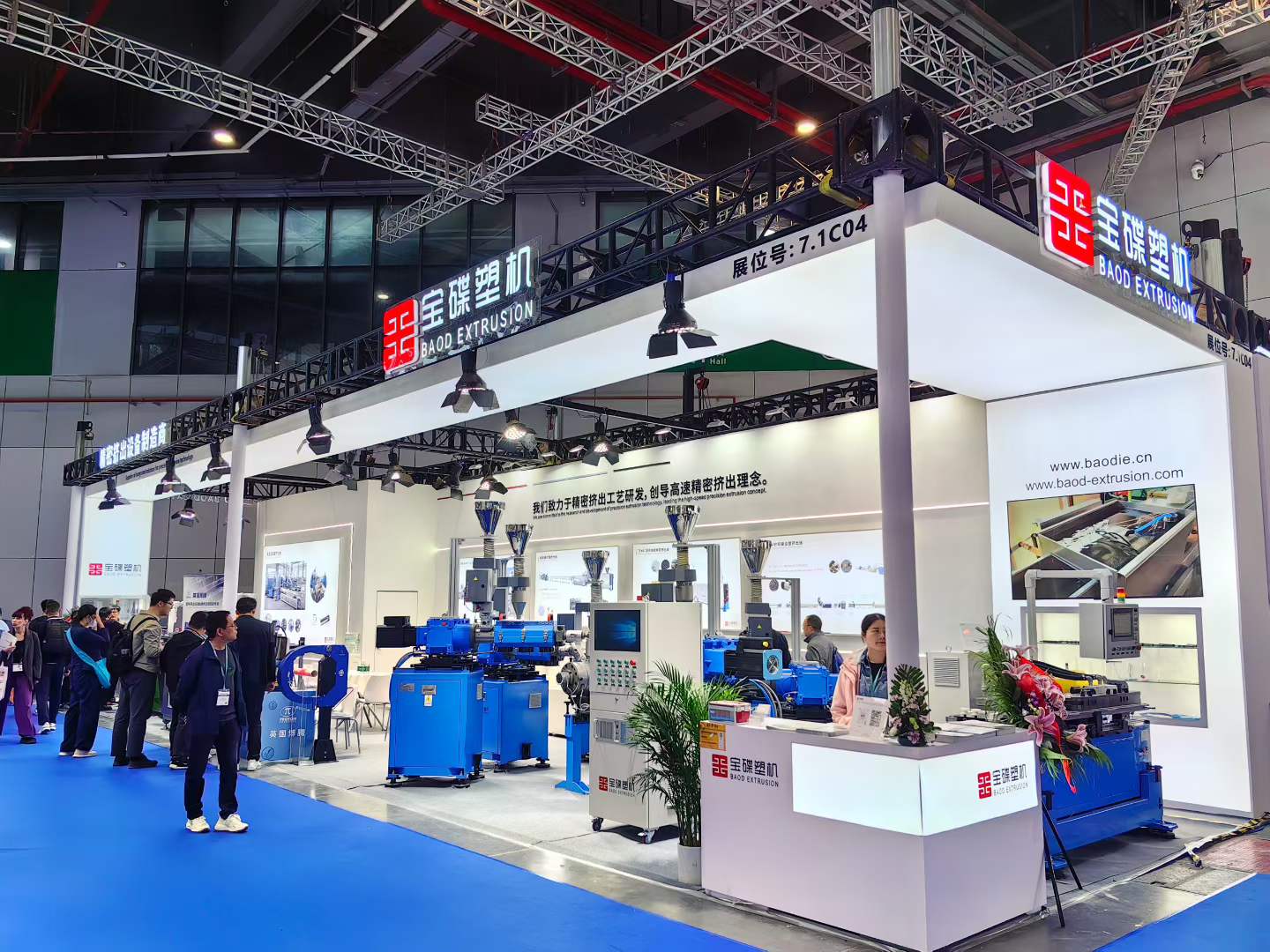
BAOD EXTRUSION showcased its latest R&D achievements, presenting "Smart Extrusion · High-Efficiency Innovation" solutions that optimize manufacturing workflows.
Delve into our specialized design capabilities for micro-bore high-pressure tubes used in safety and controlled detonation applications worldwide.
Analyzing tolerances, polymer rheology control, and multi-lumen tooling design comparisons between European standards and Chinese automation.
How do automotive component builders ensure absolute conformity for high-speed brake and fuel lines? Explore our compliance framework.
Electric vehicle thermal insulation and cabin noise levels require micro-profile co-extrusion technology. Discover the upcoming design trends.
An in-depth look at energy efficiency strategies, cooling water recycle loops, and clean energy optimization in modern Hanoi factories.
Optimize your factory floor layout and material throughput. Get in touch with our engineering team for customized, high-precision extrusion machinery blueprints tailored to Hanoi's growing industrial sector.
Send Inquiry NowAs Vietnam aligns with international sustainability benchmarks, plastic processing plants are adopting cleaner manufacturing methods. Here is how BAOD systems are preparing processors for future market requirements:
Integrating on-line trim scrap shredding and re-extrusion to achieve zero-waste manufacturing runs.
Bespoke screw geometries and multi-point cooling layouts optimized specifically for PLA, PHA, and bio-based elastomers.
The manufacturing sector in Northern Vietnam is growing rapidly. Simply keeping pace with today's standards is no longer sufficient for long-term competitiveness. Modern machinery investments must be forward-compatible with upcoming materials and digital frameworks.
Energy Efficiency Initiatives: Energy efficiency is now a critical operating requirement. Traditional extrusion systems dissipate significant heat energy directly into the shop floor. BAOD's newer lines incorporate multi-layer insulation jackets and direct-induction heating technology, which concentrate thermal energy inside the barrel to reduce energy waste.
Compatibility with Bio-Based Polymers: Driven by corporate environmental goals, major consumer electronics and automotive brands are shifting toward bio-derived plastics. Processing these materials is challenging due to their narrow processing temperature windows and sensitive shear behaviors. Our engineering team designs custom barrier screws that handle bio-polymers cleanly without thermal degradation.
By investing in modular, upgradable extrusion platforms, manufacturers in Hanoi can expand their capabilities as their product lines grow, keeping their operations competitive for years to come.
 Baodie