Explore our primary range of extrusion machinery, pullers, and calibration platforms engineered to meet international precision tolerances.
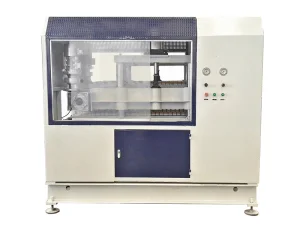
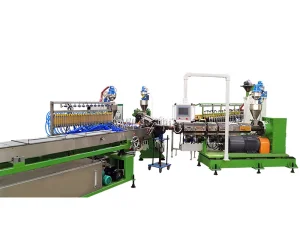
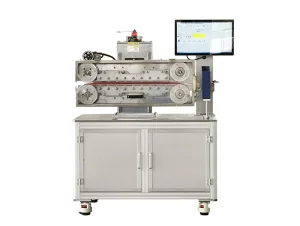
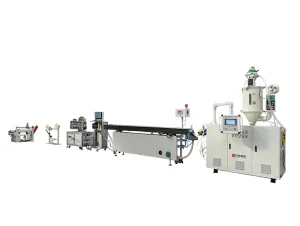
Established in 2002, BAOD EXTRUSION (Jiangsu Baodie Automation Equipment Co., Ltd.) represents the pinnacle of high-efficiency polymer processing engineering. Benefiting from 18 prior years of Taiwanese manufacturing design methodologies under the original parent company KINGSWEL GROUP, we shifted our primary extrusion machinery base to Shanghai in 1999, followed by major expansions into our modern, highly automated facility in Jiangsu.
With a strategic focus on R&D, BAOD specializes in solving the complex material flow challenges associated with Thermoplastic Vulcanizates (TPV), Plasticized PVC, and hybrid structural sealing profiles. Our equipment delivers extreme dimensional consistency, dynamic co-extrusion control (incorporating glass-fiber, metal carriers, and dual-durometer compounds), and unmatched energy efficiency.
An in-depth analysis of processing kinetics, system integration, and commercial considerations for global Tier-1 automotive and architectural supply chains.
Historically, EPDM (Ethylene Propylene Diene Monomer) dominated the global sealing and weatherstripping industry. However, the shift toward carbon neutrality, strict regulatory requirements (such as REACH and RoHS), and the rapid rise of Electric Vehicles (EVs) have transformed automotive design. Thermoplastic Vulcanizates (TPV) represent a compound class containing fully cured EPDM rubber particles dispersed dynamically within a continuous polypropylene (PP) matrix.
Unlike vulcanized thermoset rubbers, TPV can be re-melted and processed using standard thermoplastic machinery. This allows for 100% recyclability of scrap material and enables significant vehicle weight reduction (up to 30% lower density than conventional EPDM compounds). This weight savings directly improves battery range in next-generation electric vehicles.
Extruding TPV presents unique challenges due to the material's non-Newtonian flow properties, high melt viscosity at low shear rates, and rapid solidification behavior. Without precise thermo-mechanical controls, TPV profiles can suffer from surface roughness (sharkskin defects), interior voids, or inconsistent wall thicknesses.
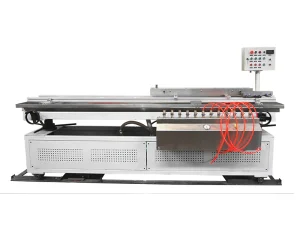
BAOD Extrusion addresses these challenges by optimizing screw geometries, melt pump integration, and calibration tables to maintain stable head pressures. This ensures consistent cross-sectional geometry, even at high line speeds.
| Performance Parameter | Thermoset EPDM Systems | TPV Co-Extrusion Systems (BAOD) | Strategic Advantage / Procurement Impact |
|---|---|---|---|
| Process Cycle & Speed | Slow vulcanization oven line (30-50m length) | High-speed thermoplastic cooling (under 15m) | Significantly reduced shop floor footprint & tooling costs |
| Recyclability | Zero direct recyclability (landfill or downcycling) | 100% in-line regrind reprocessing capabilities | Elimination of material waste; supports ESG directives |
| Weight Reduction | Specific Gravity 1.2 - 1.4 g/cm³ | Specific Gravity 0.9 - 0.98 g/cm³ | Up to 30% weight reduction for EV energy conservation |
| Co-Extrusion Options | Limited metal insert options; complex bonding | Easy multi-durometer & slip-coating integration | Allows multi-functional single-pass profiles |
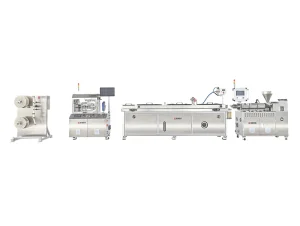
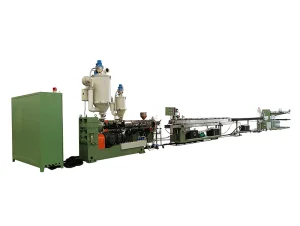
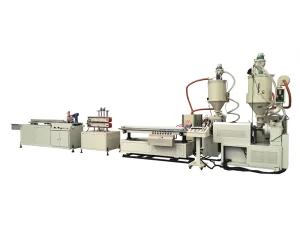
A standard BAOD TPV automobile sealing strip extrusion line is a complex, integrated system consisting of several key components:
We design tailored systems that address the strict quality standards of multiple high-demand industries worldwide.
Complete lines for producing glass run channels, outer waist seals, door seals, and engine compartment gaskets. Capable of handling EPDM/TPV co-extrusion with metal reinforcement and flocked surface finishes.
High-output systems for window glazing gaskets, structural expansion joints, and door weatherstripping. Engineered for long-term UV resistance, compression set resistance, and compliance with global building codes.
Integrated solutions for high-performance fluid transfer hoses, multi-lumen medical tubes, and protective wire sleeves. Designed for strict dimensional control and high-pressure performance.
How BAOD Automation is integrating IoT, real-time closed-loop controls, and sustainable processing technologies into our machinery.
The future of polymer extrusion lies in automated precision. Our technical roadmap focuses on integrating laser and ultrasonic dimension-measurement systems directly downstream from the vacuum calibration tables.
When a deviation in profile thickness is detected, the sensor transmits real-time data back to the primary Siemens PLC. The system then automatically adjusts extruder screw speeds and puller tension to correct the variance without operator intervention.
As manufacturers seek to reduce their scope 3 carbon emissions, bio-based and post-consumer recycled (PCR) TPVs are becoming more common. These sustainable resins have narrower processing windows and less predictable rheological behaviors.
BAOD is developing specialized screw designs with lower shear profiles and advanced venting systems. These designs protect the polymer chains from thermal degradation while maintaining high extrusion rates.
BAOD Extrusion supports manufacturers worldwide with certified machinery, local technical assistance, and robust spare parts supply chains.
Our electrical panels, safety guards, and mechanical systems are built to meet CE and UL regulations. Every line undergoes thorough testing before shipment to guarantee safe operation.
Equipped with secure industrial VPN routers, our engineers can connect to your extrusion line remotely. This allows us to troubleshoot program logic, adjust parameters, and minimize downtime.
Our experienced technicians provide complete on-site installation, system calibration, and operator training to ensure your staff can run the extrusion line efficiently from day one.
Detailed technical answers to common questions regarding TPV co-extrusion line setup, performance, and material handling.
TPV requires much tighter temperature control and higher shear rates for proper processing compared to PVC. PVC can degrade and release corrosive hydrochloric gas if overheated, requiring chrome-plated or stainless steel flow channels. TPV, on the other hand, is highly shear-thinning. It requires a dedicated screw design with mixing elements to homogenize the fully vulcanized rubber particles within the polypropylene matrix without overheating the material.
We combine high-precision co-extrusion crossheads with gravimetric dosing systems and downstream closed-loop controls. By continuously measuring output dimensionally and dynamically adjusting the puller and screw speeds, we can maintain dimensions within ±0.05 mm, even during continuous multi-shift production runs.
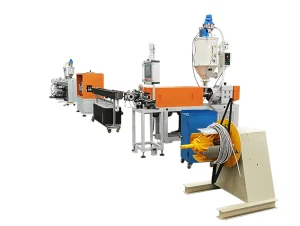
Yes. Our custom TPV automotive sealing lines can be equipped with an uncoiler, a metal pre-heating station, and a specialty crosshead. This allows a steel or aluminum carrier strip to be continuously fed into the crosshead, where it is encapsulated by the TPV melt to create reinforced automotive door seals.
TPV is hygroscopic and must be dried before extrusion to prevent surface defects and voids. We recommend drying the material in a desiccant dryer for 2 to 3 hours at 80°C to 90°C, targeting a moisture content below 0.08% before feeding it into the extruder hopper.
Yes. Since both TPV and SEBS are thermoplastic elastomers, they can be processed on the same basic line. However, screw designs and heating profiles may need adjustment to optimize output and surface finish for each material. Our quick-change die heads and adjustable cooling zones are designed to make these product transitions fast and simple.
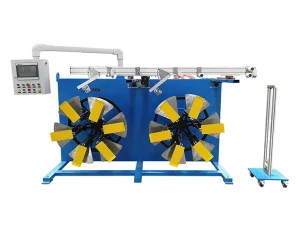
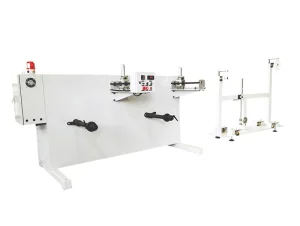
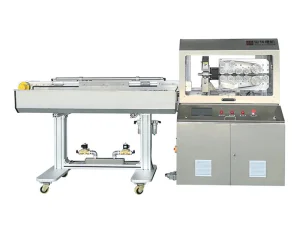
Our additional downstream equipment, coiling systems, and specialized cutting machinery designed for high-volume production.
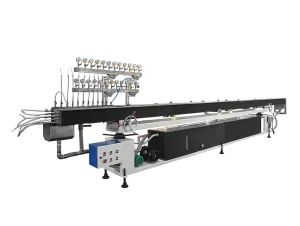
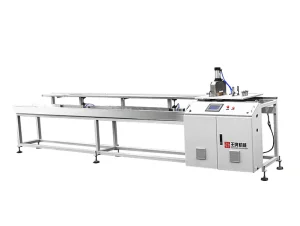
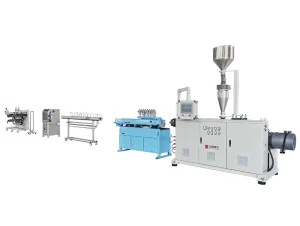
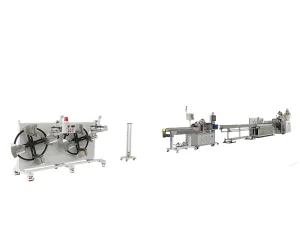
Read about our successful exhibition showcases and explore technical deep dives into modern extrusion compliance.
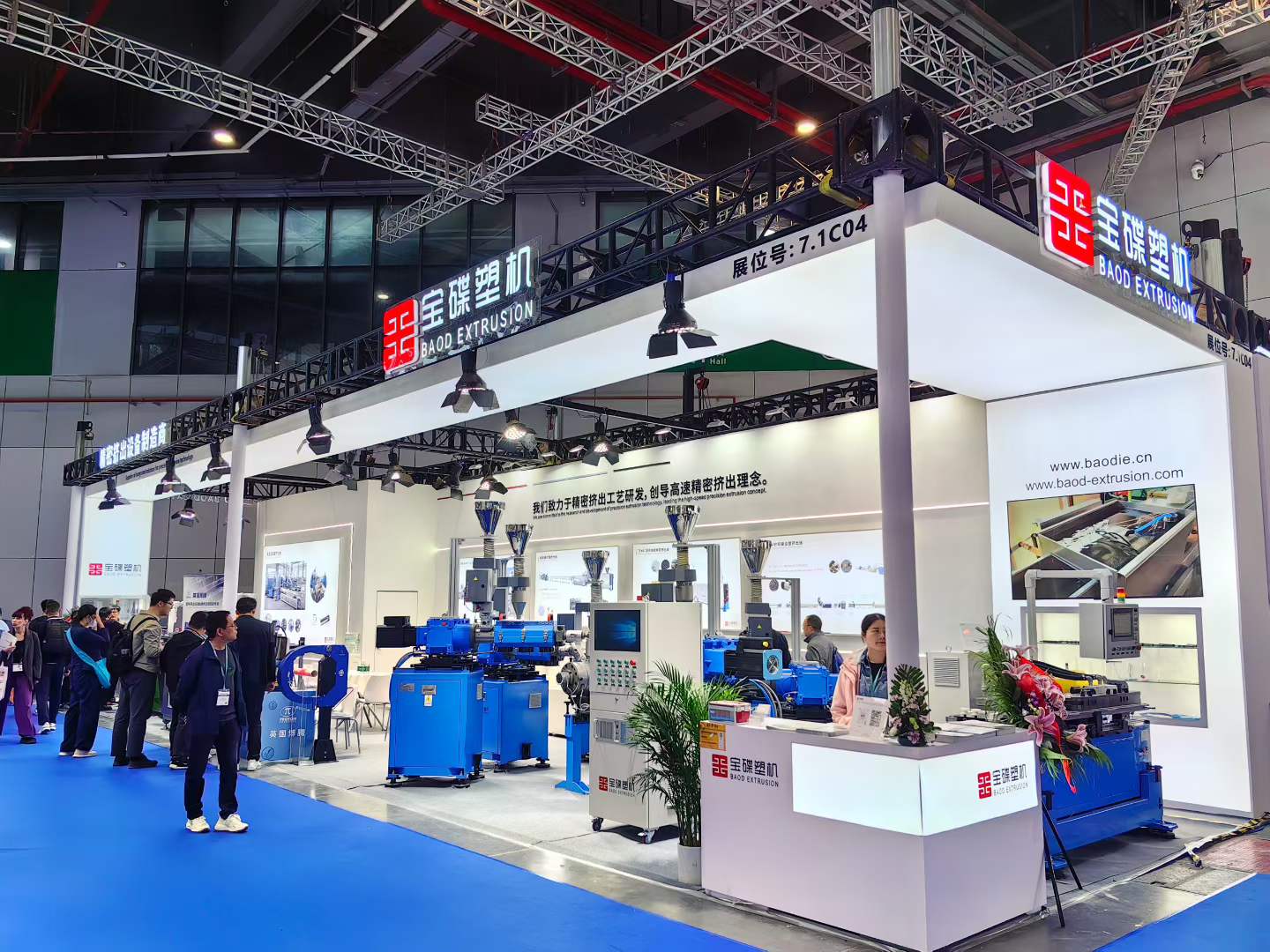
BAOD EXTRUSION presented its latest R&D achievements, showcasing "Smart Extrusion & High-Efficiency Innovation" solutions that address global manufacturing standards...
Read More +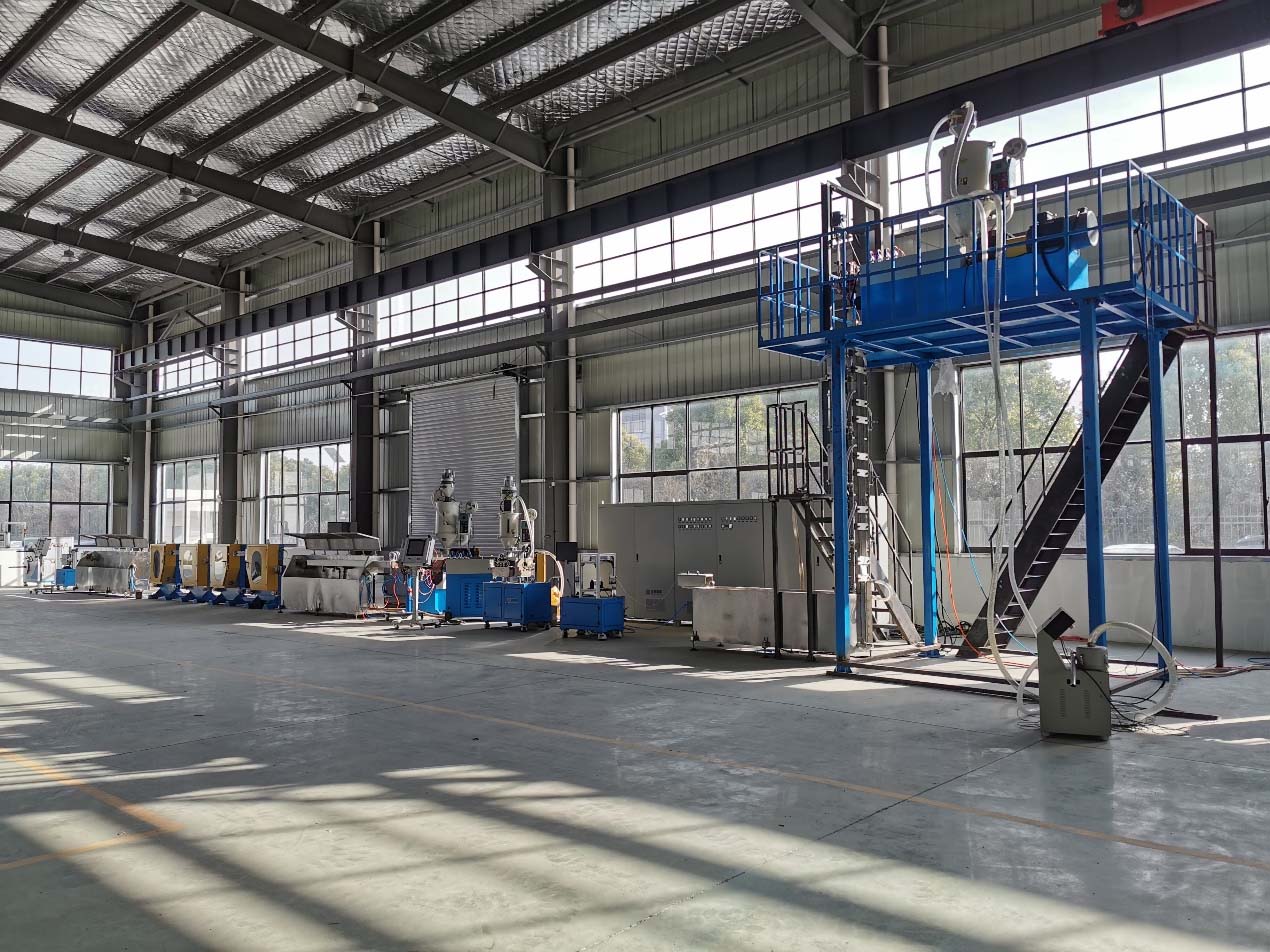
Exploring our specialized precision tube extrusion designs for critical mining and infrastructure demolition applications globally...
Read More +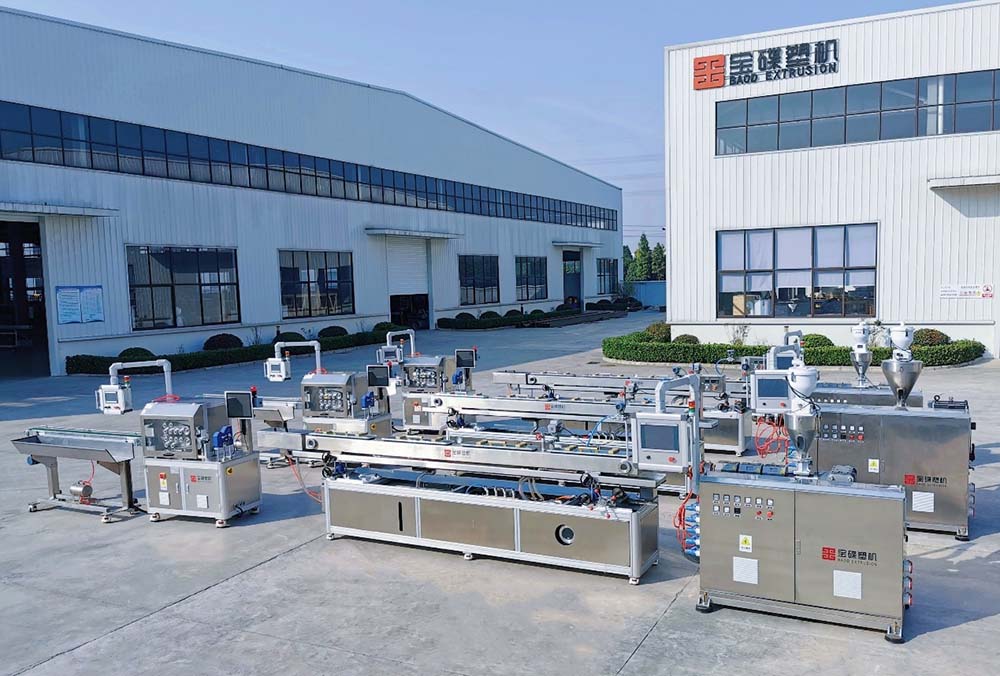
An analytical look at how China's leading medical tube extrusion lines compare directly to European manufacturing tolerances and standards...
Read More + Baodie