Explore our highly integrated plastic extrusion setups engineered for exceptional dimensional tolerance, speed, and continuous automation.
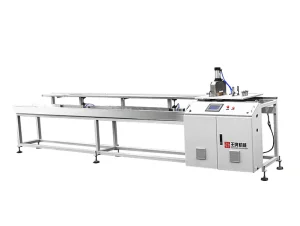
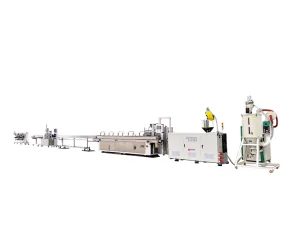
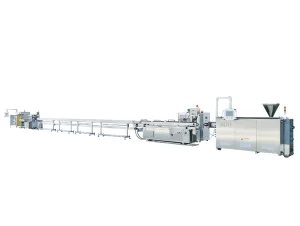
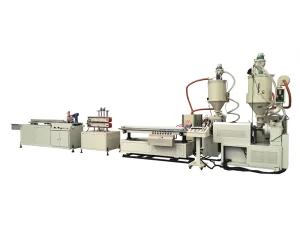
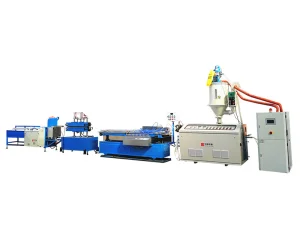
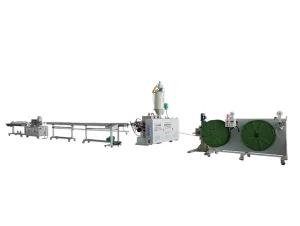
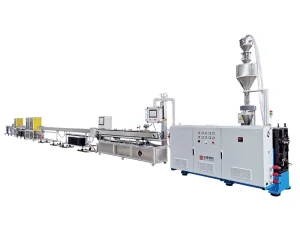
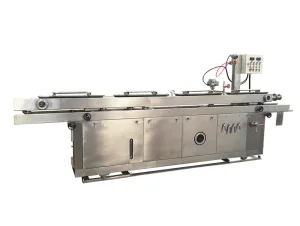
BAOD EXTRUSION (Jiangsu Baodie Automation Equipment Co., Ltd.), established in 2002, is a premier designer, manufacturer, and distributor of state-of-the-art plastic extrusion machinery. Rooted in 18 years of technical research and design heritage from Taiwan, our parent enterprise (KINGSWEL GROUP) laid our manufacturing foundation in Shanghai in 1999 to optimize local assembly dynamics without compromising strict Taiwanese quality protocols.
For more than 25 years, our engineering team has remained dedicated to custom thermoplastic extrusion innovation. Our core manufacturing ethos is focused on developing smart systems that combine precision, automation, speed, and safety.
Years of Engineering Expertise
Advanced Production Base
Extrusion Specialists & Crew
An in-depth analysis of polymer processing, manufacturing dynamics in China, and key technological shifts shaping modern extrusion systems.
Optimizing melt behavior across temperature-sensitive resins like TPV, PVC, PU, and Fluoroplastics via dynamic screw designs.
Closed-loop systems syncing vacuum calibration tanks with downstream pullers and cutting units for real-time dimension adjustments.
Ensuring compliance with international technical specifications (ISO 13485, IATF 16949, CE) to facilitate smooth integration in global facilities.
The global thermoplastic extrusion landscape is undergoing a significant transition. Historically, high-precision applications were dominated by Western European and North American machinery manufacturers. Today, Chinese manufacturers—led by engineering firms like BAOD EXTRUSION—have bridged this quality and technology gap by combining cost-efficiency with precision design standards from Taiwan.
Our facility in Jiangsu integrates precision tooling, automated CNC machining, and rigorous assembly protocols. This combination allows us to deliver high-performance extrusion lines at a highly competitive capital expense. By utilizing a localized supply chain for high-grade raw steels while importing key electronics and pneumatic parts from Germany, Japan, and Taiwan, we offer global procurement teams durable extrusion systems with a lower total cost of ownership (TCO).
Thermoplastics possess distinct rheological and thermal characteristics. Processing resins like PVC (polyvinyl chloride), PU (polyurethane), TPV (thermoplastic vulcanizate), and fluoroplastics (such as FEP, PFA, and PTFE) requires customized screw geometries and temperature profiles:
Modern extrusion lines are designed to address the specific needs of three primary high-performance sectors:
Medical Tubing Manufacturing: Catheters and multi-lumen tubes demand high dimensional accuracy. Our specialized high-speed PVC medical tube extrusion lines feature closed-loop vacuum calibration tanks that adjust puller speed dynamically based on laser-gauge dimension inputs. This keeps tolerance deviations within ±0.02 mm.
Automotive Profiles & Hoses: Automotive engines and HVAC systems depend on multi-layer PA smooth or corrugated hoses. These systems co-extrude multiple polymers simultaneously to provide fuel resistance, thermal stability, and mechanical flexibility. Our sealing strip extrusion lines also support the co-extrusion of TPV with metal inserts for structural reinforcment.
Optical and Lighting: Precision PMMA and PC lampshade extrusions require uniform cooling to avoid optical distortion. Special vacuum calibration plates help preserve surface clarity and consistent light transmission across long profile sections.
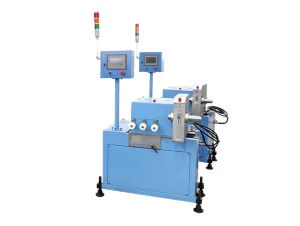
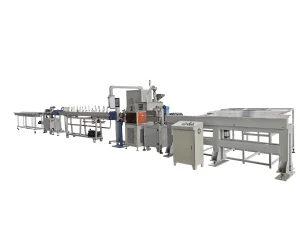
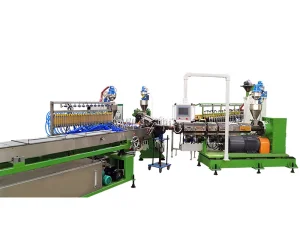
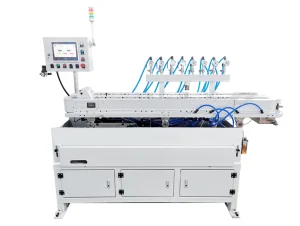
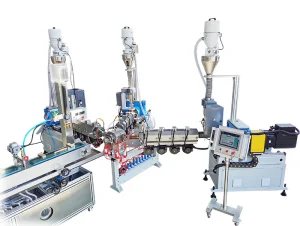
Explore our line of high-performance machinery designed for medical tubing, multi-layer automotive hoses, and customized profiles.
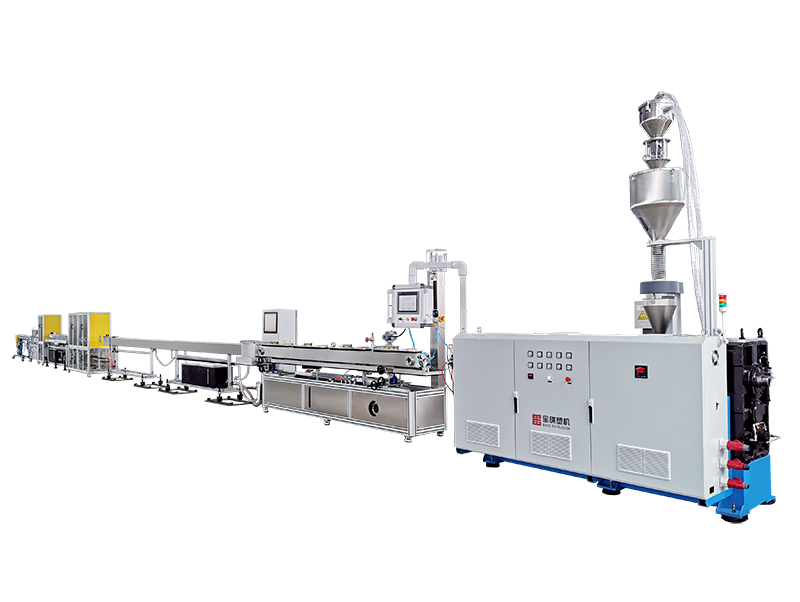
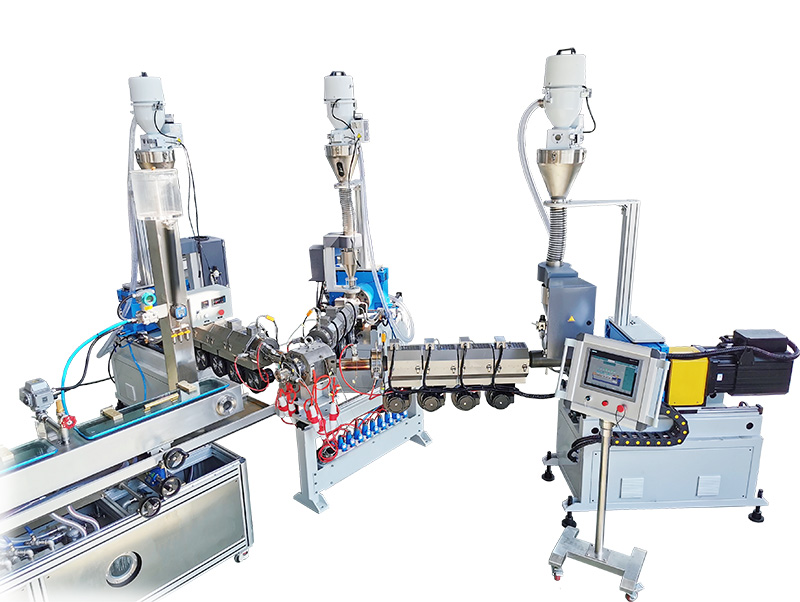
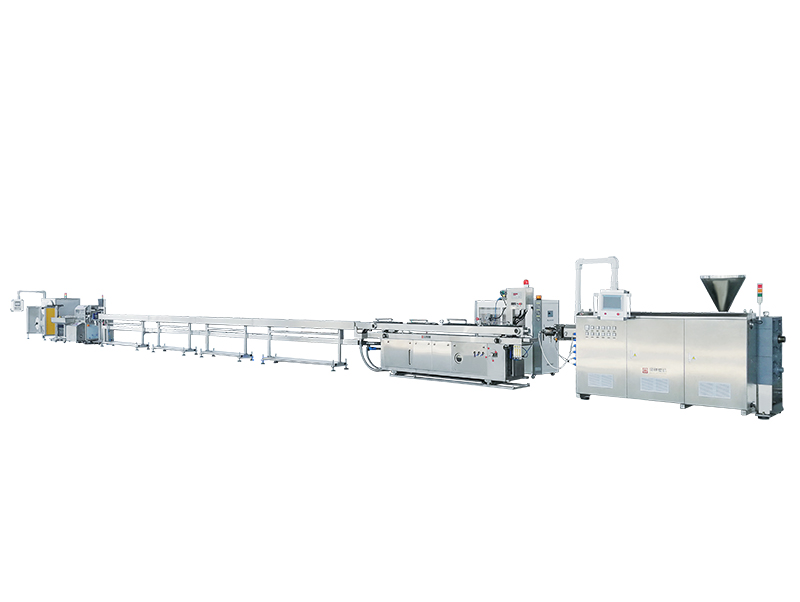
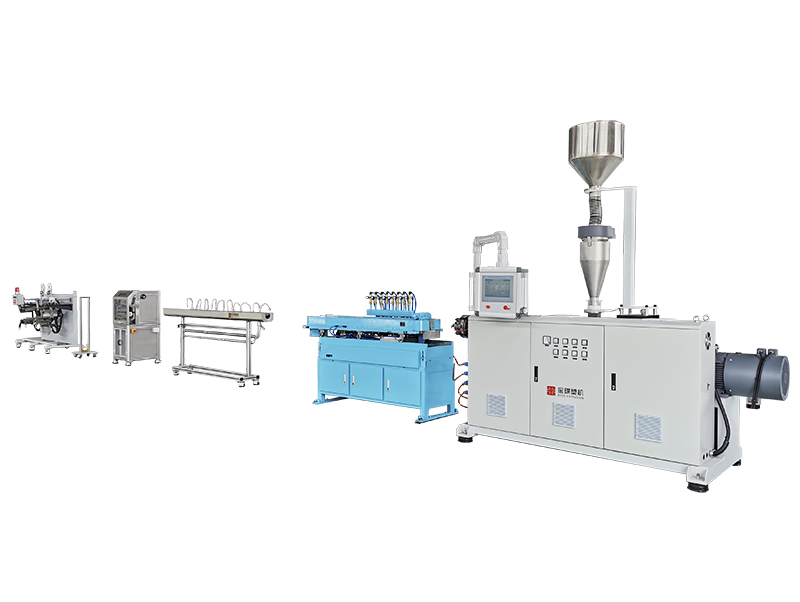
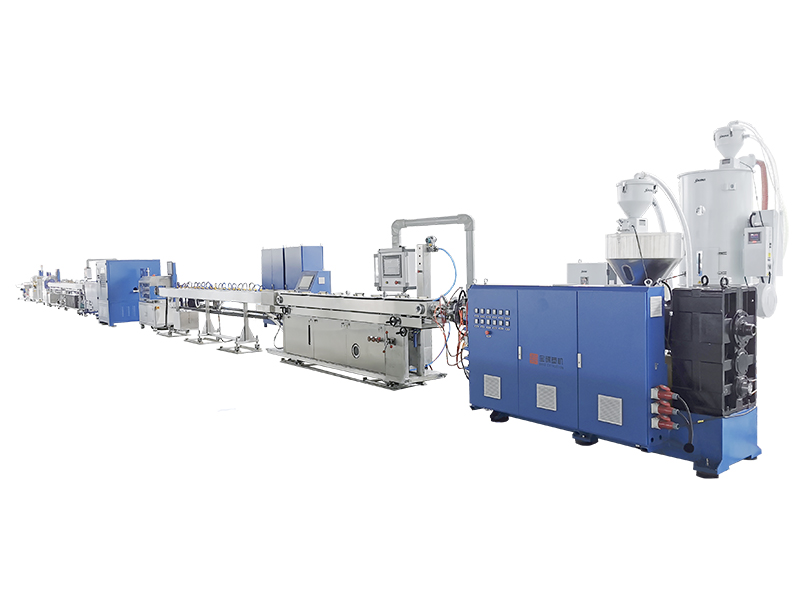

As manufacturing moves toward digital integration, the thermoplastic extrusion sector is evolving across three main tech trends:
Closed-Loop Smart Sizing: Using laser measurement downstream allows for real-time dimension monitoring. These sensors send diameter variance data back to the extruder and puller control systems, which adjust screw and pulling speeds automatically. This closed-loop calibration minimizes raw material waste and ensures consistent product quality.
High-Speed Multi-Layer Co-Extrusion: Advanced automotive and industrial designs require complex multi-layer configurations. Using a single die head to co-extrude up to five layers lets manufacturers combine distinct polymers—such as PVDF, adhesive tie-layers, and Polyamides (PA)—into a single high-strength tube designed for low fuel-vapor permeation.
Energy Recovery and Carbon Reduction: Rising energy costs and ESG mandates are driving the adoptation of highly efficient drivetrains. Modern lines utilize variable frequency drives (VFD) and energy-efficient barrel heating elements, reducing power consumption by up to 30% compared to legacy machinery designs.
Sourcing large-scale extrusion machinery from overseas requires thorough planning to ensure seamless installation and operation:
Technical Compliance: Ensure your vendor can build machinery that complies with local industrial standards, including UL electrical certifications for the United States or CE markings for the European Union. BAOD EXTRUSION coordinates compliance requirements directly with local testing bodies before machinery shipment.
Tooling Customization: Custom extrusion dies should be optimized around the buyer's exact resin choices. Our engineers recommend conducting Factory Acceptance Testing (FAT) using the exact raw materials supplied by the buyer to ensure performance under actual production conditions.
Read technical insights and updates on extrusion engineering, trade expos, compliance standards, and product development.
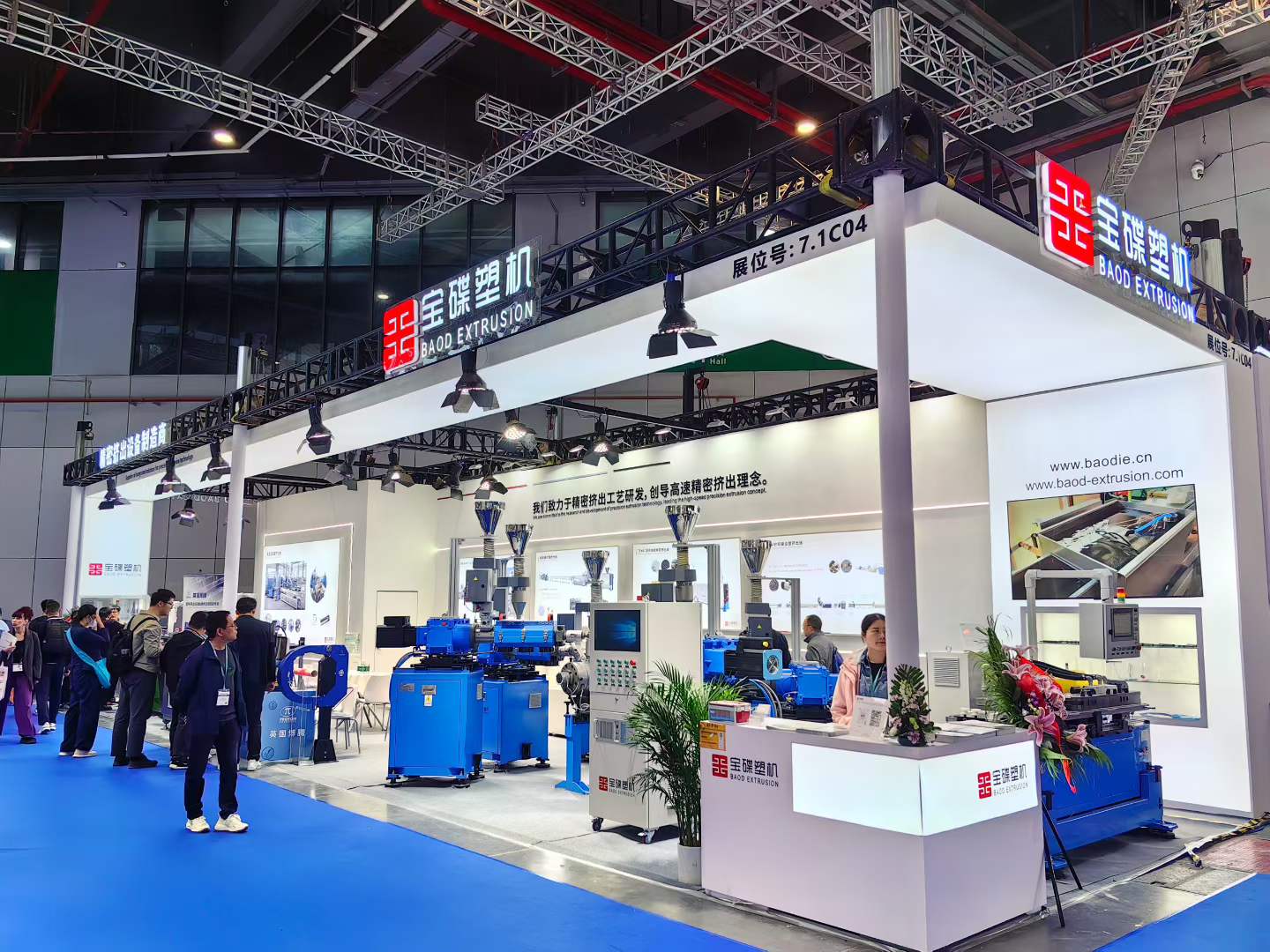
At the National Exhibition and Convention Center in Shanghai, BAOD EXTRUSION presented its latest "Smart Extrusion & High-Efficiency Innovation" configurations. Our live demonstrations highlighted real-time automated parameter control and eco-efficient power usage for new-energy vehicle cooling lines.
Read More +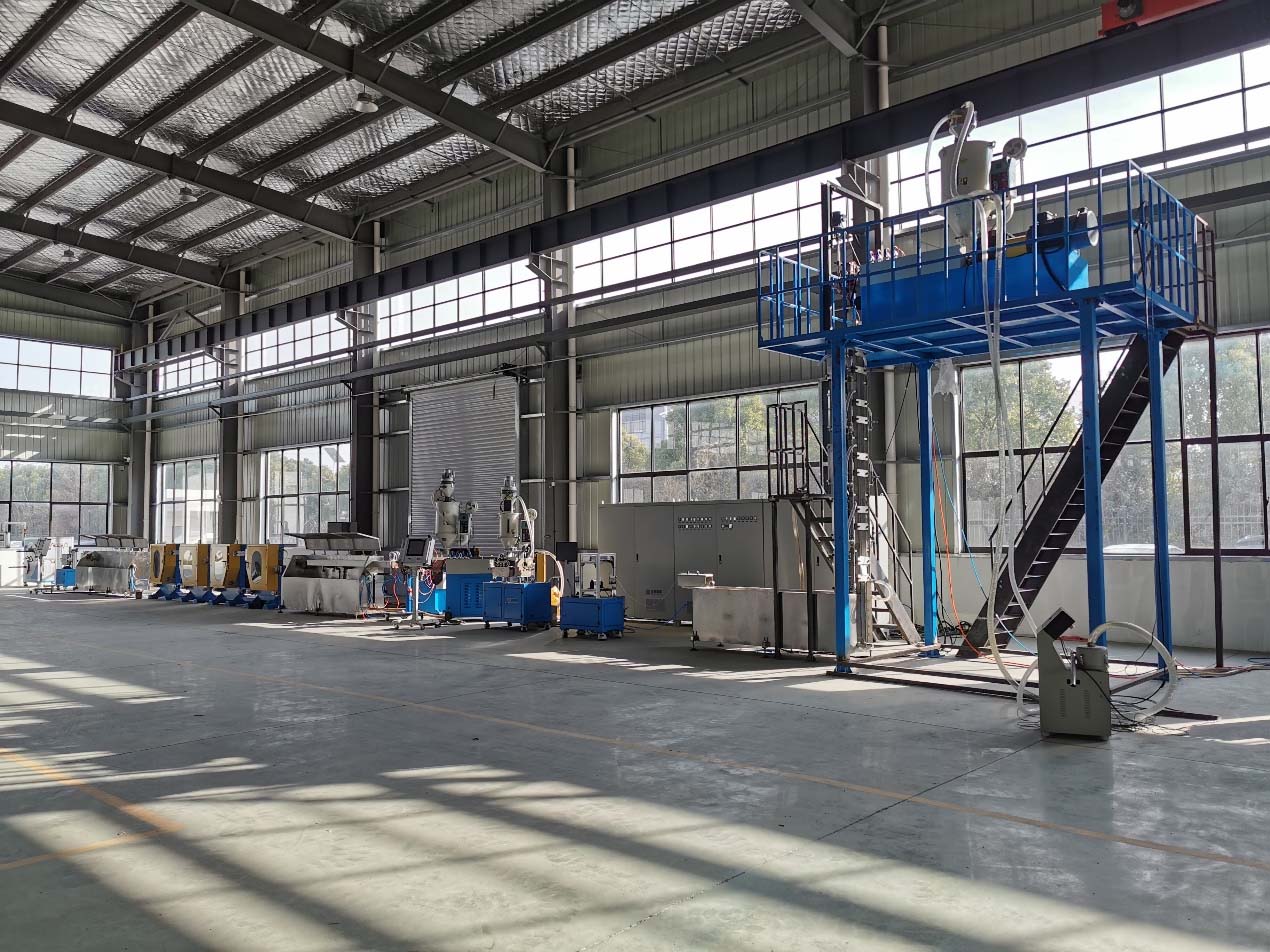
Safety and reliability are critical in mining and civil infrastructure projects. This technical breakdown explores how BAOD's shock tube and detonating tube extrusion lines maintain uniform internal geometry and consistent wall structures under demanding manufacturing conditions.
Read More +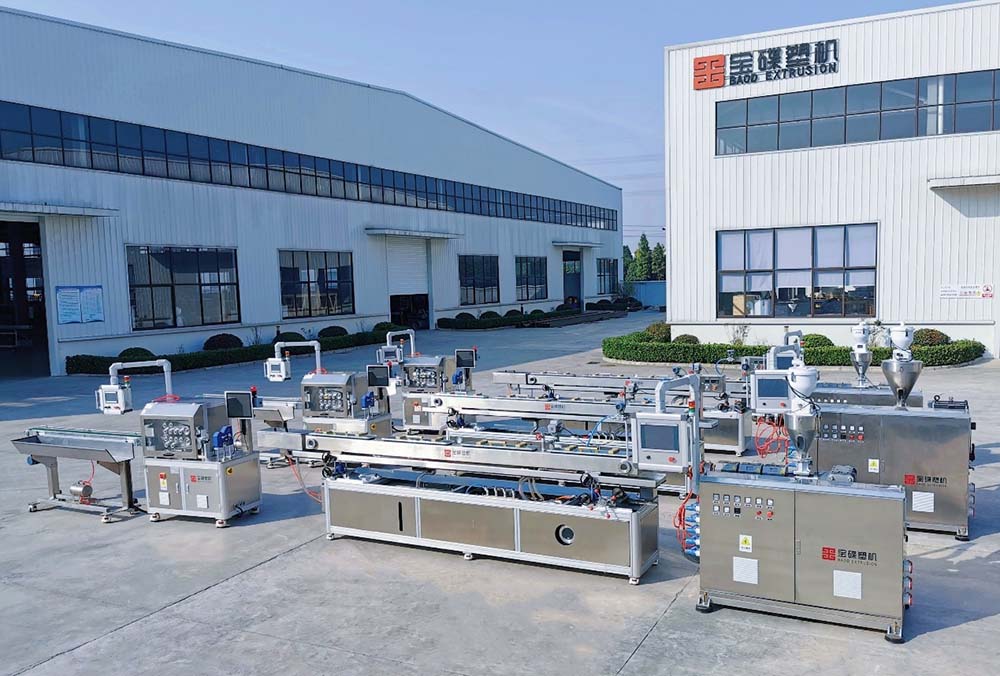
We analyze the technical trade-offs between Chinese and European extrusion systems for medical tubing. Learn how advanced calibration techniques and tooling design help Chinese equipment manufacturers deliver comparable performance for medical-grade catheters.
Read More +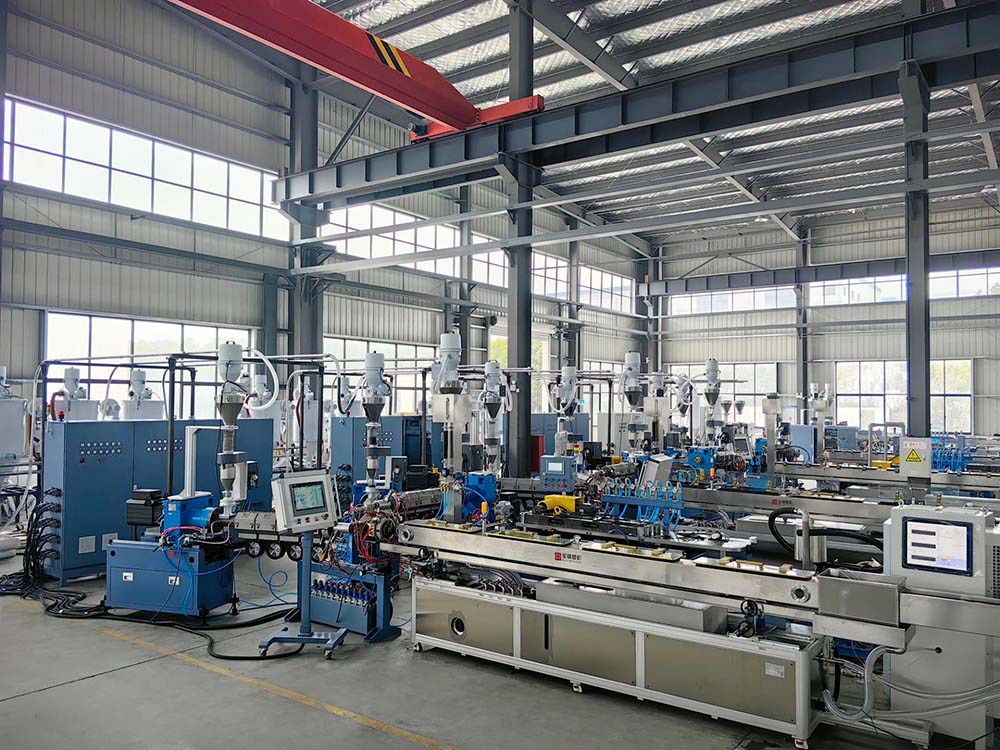
An in-depth look at the quality audits and certification protocols (including IATF 16949 standards) that BAOD uses to ensure every extruded fuel line and brake hose meets international automotive safety guidelines.
Read More +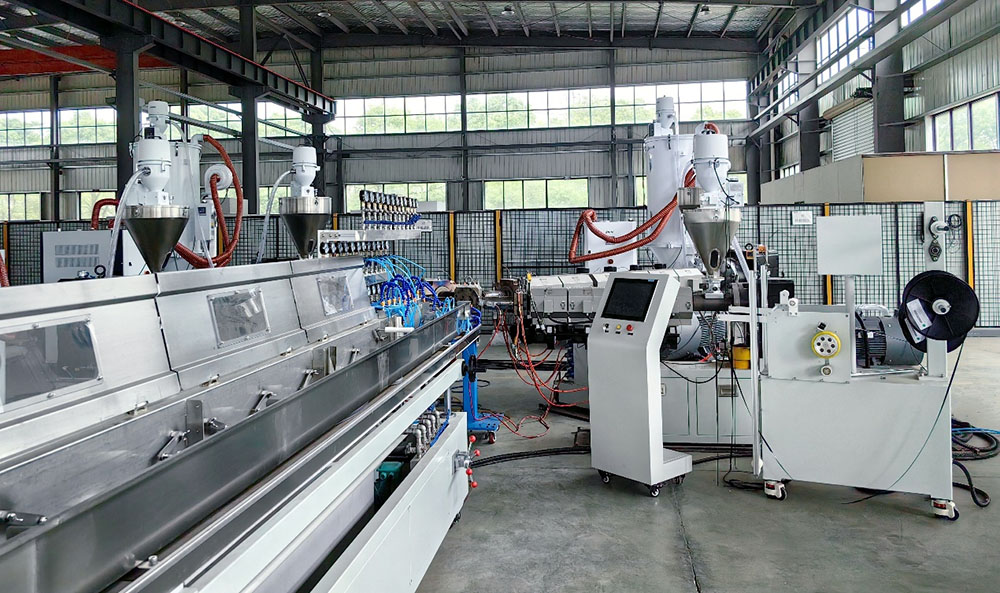
As electric vehicle manufacturers prioritize cabin noise reduction, sealing strip design has evolved. We explore co-extrusion innovations that integrate rigid inserts with flexible seals to deliver improved sealing performance.
Read More +
Explore the fluid dynamics and vacuum stability controls integrated into our custom sizing tanks, and learn how they prevent wall collapse and surface waviness in thin-walled high-speed tube runs.
Read More +Answers to common technical, material, and logistical questions regarding thermoplastic extrusion machinery.
For high-speed medical tube and thin-walled automotive hose lines, our systems achieve tolerances within ±0.02 mm to ±0.05 mm. This is enabled by closed-loop laser gauge feedback, stable vacuum sizing tanks, and precision melt-pump controls.
No, it is not recommended without changing the contact components. Fluoroplastics require high processing temperatures (up to 400°C) and corrosive-resistant alloy barrels and screws (such as Hastelloy). In contrast, PVC uses lower temperatures and chrome-plated or nitride-hardened steel to resist standard wear.
We offer pre-shipment Factory Acceptance Testing (FAT) at our facility. Upon delivery, our team provides on-site or remote installation support, PLC integration, operator training, and calibration assistance to ensure production starts smoothly.
Typical delivery times range from 60 to 90 days, depending on system complexity, number of co-extrusion layers, and custom tooling requirements. Full specifications and schedules are agreed upon during the project planning phase.
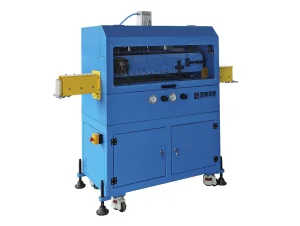
Complete your production configuration with specialized pulling, cutting, and shaping units designed for continuous operation.
 Baodie