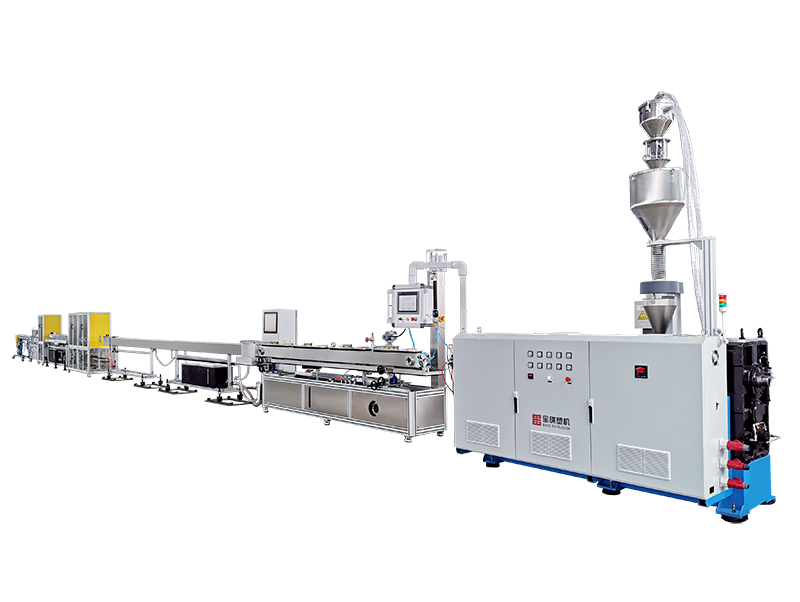
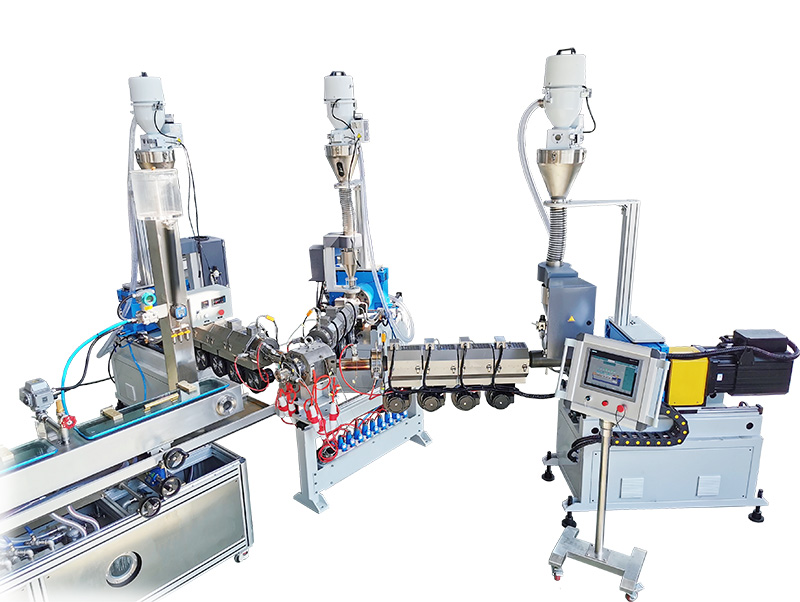
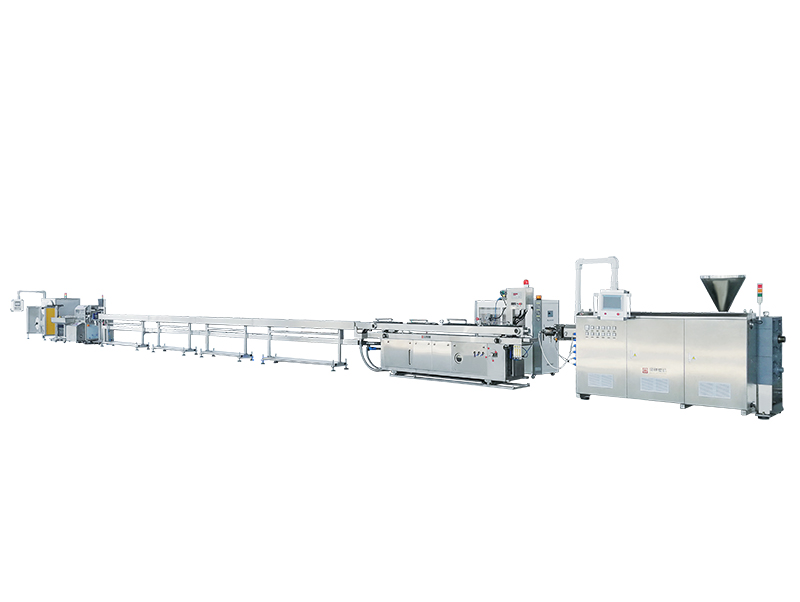
Explore our high-performance extrusion lines engineered for global standards, featuring modular designs, real-time feedback loops, and advanced thermal management.
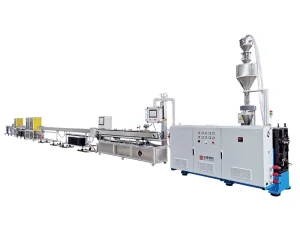
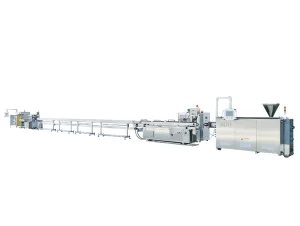
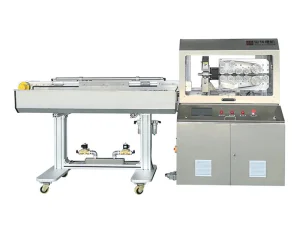
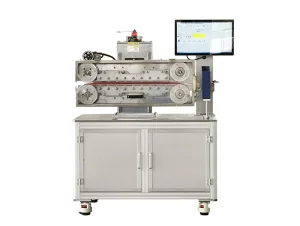
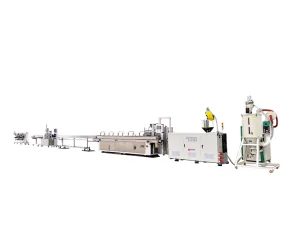
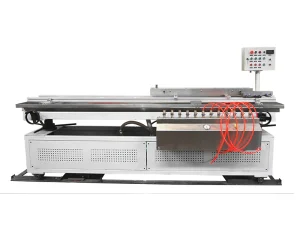
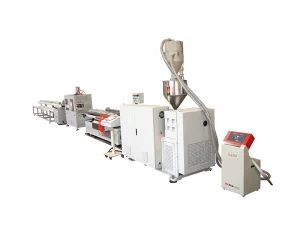
Founded in 2002, BAOD EXTRUSION (Jiangsu Baodie Automation Equipment Co., Ltd.) is dedicated to the core engineering, designing, and manufacturing of precision plastic extrusion equipment. Integrating over 18 years of advanced Taiwanese development pedigree inherited from our parent enterprise (KINGSWEL GROUP), we established our advanced manufacturing footprint in Mainland China in 1999 to cater directly to globally scaling B2B needs.
By developing structural synergy between high-precision design methodologies and state-of-the-art process automation, we specialize in high-efficiency, multi-layered, and reinforced plastic composite hose systems.
Our commitment focuses heavily on raw materials science (handling UHMWPE, TPV, PA, PVC, and TPU) and structural reinforcement (interlaced polyester yarn braiding, wire spiral winding, and multi-stage co-extrusion).
An Industry Whitepaper on Extrusion Engineering, Material Sciences, and Global B2B Procurement Optimization
The contemporary industrial landscape relies on fluid and gas transmission systems that operate under extreme pressure, severe chemical exposure, and volatile thermal conditions. Traditional single-wall, non-reinforced plastic tubes frequently suffer from radial expansion, micro-fracturing, and catastrophic kinking when subjected to dynamic mechanical stresses. To counteract these operational challenges, the international engineering community utilizes reinforced hose lines. These composite systems feature high-strength synthetic braids or spiral wraps embedded between polymer layers to handle extreme pressures.
Globally, the demand for custom reinforced hose lines has scaled dramatically. Industrial sectors such as automotive engineering (for cooling systems and high-pressure turbocharger conduits), aerospace, medical life sciences (where multi-lumen and fiber-reinforced PVC tubes transport life-sustaining fluids), and offshore energy transmission require highly specialized, custom-engineered extrusion solutions. General-purpose, off-the-shelf machinery is no longer sufficient to meet these modern standards. Today's manufacturing systems must dynamically extrusion-coat core substrates, control precision braiding tensions, and maintain precise wall thickness profiles down to a few microns.
"Information Gain in B2B Procurement: Modern buyers do not just source a mechanical extruder; they purchase a guaranteed extrusion capability characterized by scrap-rate minimization, automated raw material dosing, and real-time metric visualization."
For decades, European extrusion machinery makers set high precision standards, but their high initial capital costs and slow customization cycles often limited agile manufacturers. Chinese advanced equipment factories, led by pioneers like BAOD EXTRUSION, have bridge-built this capability gap. Integrating Taiwanese engineering precision (honed over 18 years under the Kingswel Group) with China's robust components supply chain has created a new standard in high-value extrusion technology.
The efficiency of a China-based factory goes beyond labor costs. It relies on deep supply chain integration, rapid iterative prototyping, and localized engineering expertise. At BAOD's 16,000m² Jiangsu facility, we manufacture components in-house—including our specialized screws, high-wear barrel components, calibration chambers, and puller systems. This localized control minimizes lead times, lowers shipping costs, and enables rapid engineering modifications. As a result, B2B procurement managers receive equipment designed for their specific material profiles (whether processing medical-grade PVC or high-temperature TPV) at a fraction of the cost of European alternatives.
Our rapid-change extrusion crossheads and modular calibration systems reduce setup times by up to 45% during product line transitions.
Our co-extrusion technology supports up to 5 concentric polymer layers, incorporating barrier materials like EVOH or PA seamlessly.
Utilizing high-efficiency electromagnetic barrel heating elements and energy-recovery servo drives, we cut power consumption by 20-30%.
The performance of a reinforced hose is determined by the processing parameters of its plastic components. Different engineering resins require specialized extrusion screw designs, heat management, and physical tooling to prevent polymer degradation and optimize melt homogeneity:
Custom reinforced hoses are critical components across various field operations. In automotive fluid management, multi-layer polyamide (PA) smooth or corrugated tubes handle fuel delivery, oil circulation, and selective catalytic reduction (SCR) urea dosing. These lines operate in high-temperature engine compartments and must resist fuel permeation and mechanical abrasion.
In municipal and telecommunication infrastructure, HDPE silicone core microduct lines are deployed to shield fiber optic networks. The inner silicone lining reduces friction coefficients, allowing fiber cables to be blown over long distances without snagging. This requires continuous co-extrusion lines capable of applying a high-uniformity inner lining without micro-voids.
In the manufacturing and industrial processing sector, braided reinforced composite hoses handle high-pressure hydraulic oils, pneumatic tools, and chemical transport. These hoses combine a flexible polymer inner core, a mid-layer structural braid (steel wire or polyester yarn), and a protective outer polymer sheath, all applied in a single, high-efficiency production line.
The extrusion industry is shifting rapidly toward automated, smart systems. Traditional manual adjustments are being replaced by closed-loop, sensor-driven controls. Modern extrusion lines feature gravimetric feeding units that continuously measure material flow, adjusting screw speeds dynamically to compensate for bulk density variations.
Additionally, laser outer-diameter gauges and ultrasonic wall-thickness monitors feed real-time dimensional data back to the line's PLC. When a deviation from set parameters is detected, the puller's speed (such as the TKB belt or TKC crawler systems) adjusts automatically to maintain the correct dimensions. This reduces starting scrap, optimizes material use, and ensures consistent quality.
B2B buyers sourcing custom extrusion lines from overseas should look for partners that offer full engineering documentation, compliance certifications (such as CE, UL, and ISO 9001), and field commissioning support. To ensure successful integration, key technical steps must be verified:
Explore our recent technical developments, exhibition reports, and comparative analysis from our production and engineering teams.
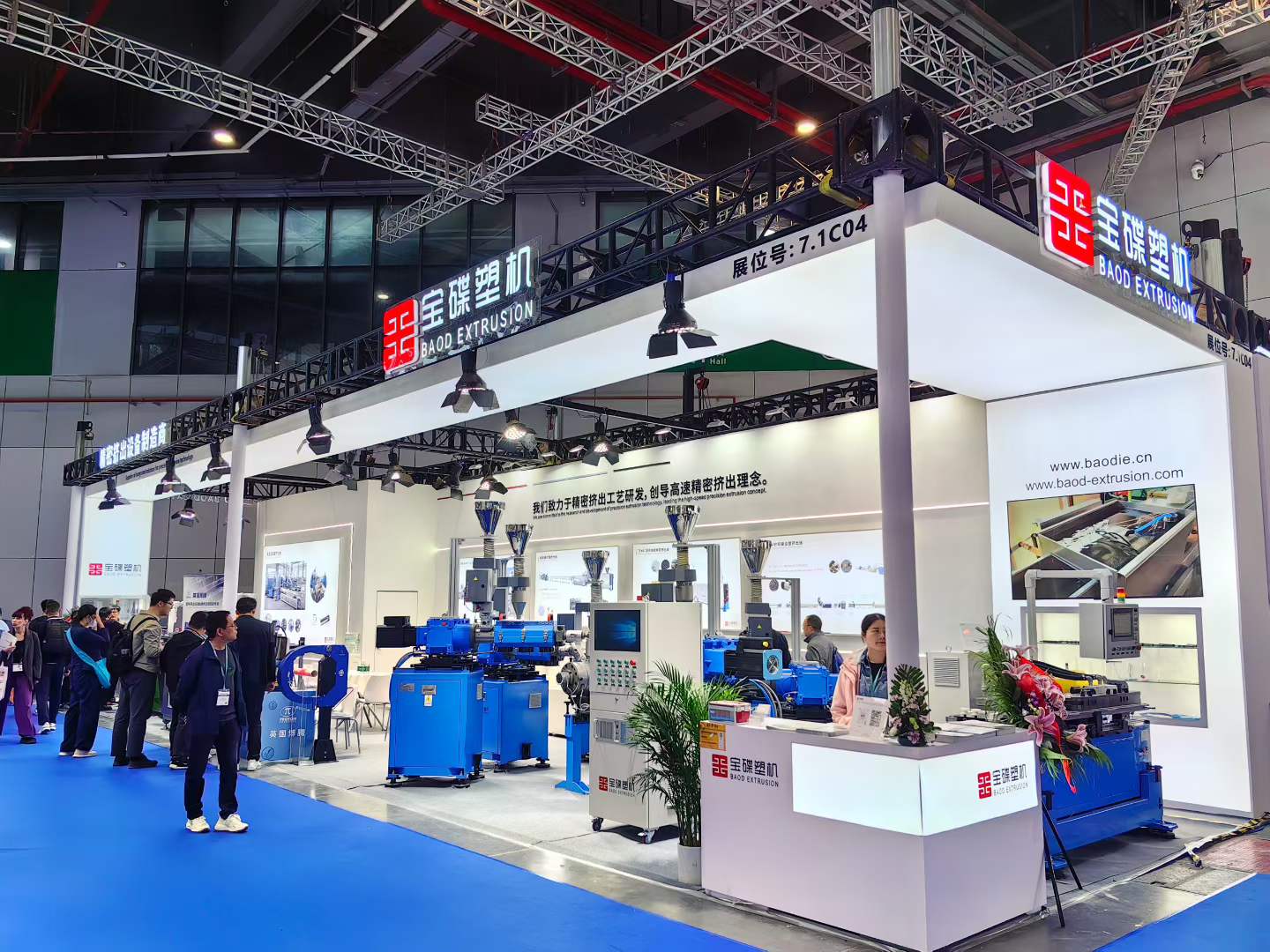
BAOD EXTRUSION presented "Smart Extrusion & High-Efficiency Innovation" solutions at booth 7.1C04, showcasing real-time feedback loops and automated cutting units.
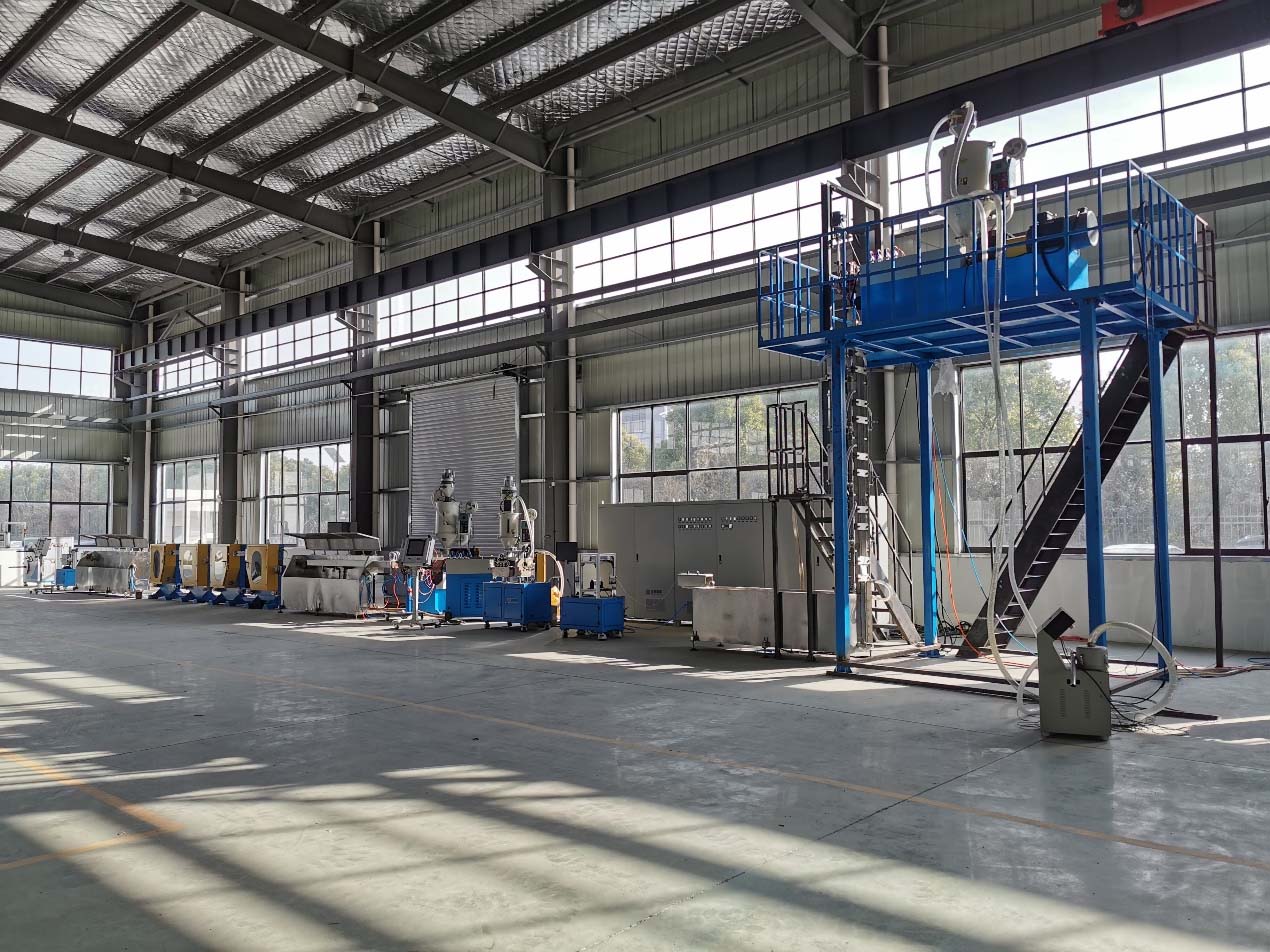
An in-depth look at the strict engineering specifications and quality control systems required to manufacture explosion-resistant blasting tubes.
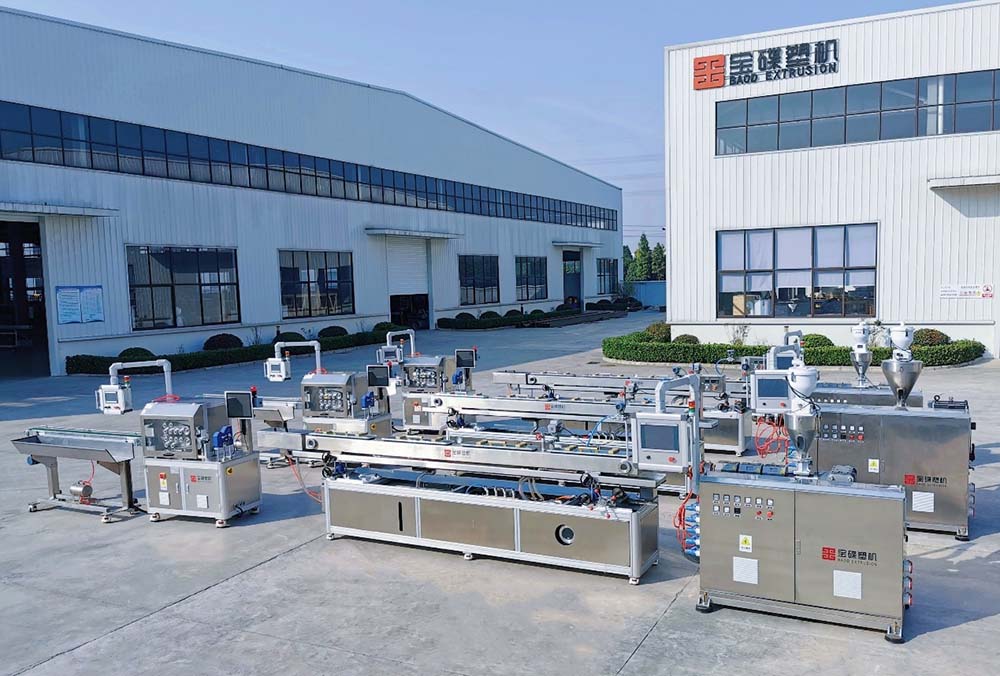
A comparative analysis detailing how Chinese medical-grade extruders achieve comparable precision metrics to European machines, while reducing capital expenses.
Automotive Extrusion Compliance
Explains the quality control requirements needed to meet automotive standards for high-temperature fluid lines.
TPV Sealing Technology
An overview of multi-material extrusion systems designed for complex weatherstripping profiles.
Expert answers to common technical and logistical questions about modern custom reinforced hose extrusion lines.
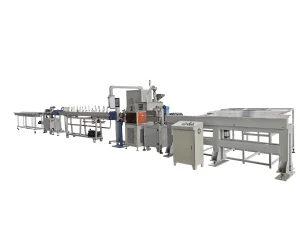
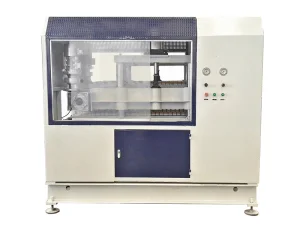
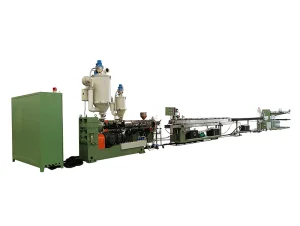
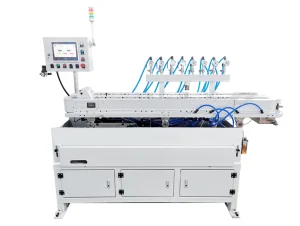
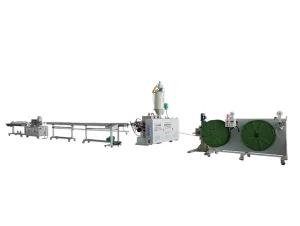
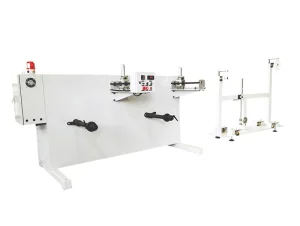
Complete your production setup with high-speed cutters, profile calibrators, and winding units designed for continuous, high-volume operations.
 Baodie