Understanding the Architecture of Custom PP Honeycomb Board Extrusion Lines
Polypropylene (PP) honeycomb board—often termed bubble guard or structural sandwich panel—represents a major paradigm shift in lightweight material packaging, automotive structural linings, and constructive hoarding technologies. At its core, the production of this material requires a specialized co-extrusion and laminating system capable of outputting a three-layer structured sheet. The center layer features a thermoformed, three-dimensional bubble or honeycomb matrix, which is inline thermally laminated with outer flat layers. This structural configuration delivers superior flexural modulus, high impact strength, and isotropic mechanical properties that are vastly superior to traditional 2D longitudinal corrugated fluted boards.
Building an efficient custom PP honeycomb board extrusion line requires precise thermodynamic coordination and deep mechanical optimization. The raw polypropylene feed must be extruded through flat-die systems under precise melt pressure controls. Achieving mechanical strength in the honeycomb core involves complex bubble shaping rollers equipped with vacuum internal distribution. The inline thermal lamination is critical: it bonds the core honeycomb profile to the cover sheets utilizing the residual heat of the extrudate. Because this process avoids secondary adhesive solvents, the resulting composite board retains absolute purity, enabling simple recycling and meeting the most stringent environmental regulations.
"The primary engineering objective of modern PP honeycomb sheet extrusion lines is to achieve a balanced strength-to-weight ratio. By managing structural thickness from 3mm to 15mm with precise temperature controls, manufacturers can reduce raw materials consumption by up to 45% compared to solid sheets, without compromising structural integrity."
Technical Specifications and Co-Extrusion Design
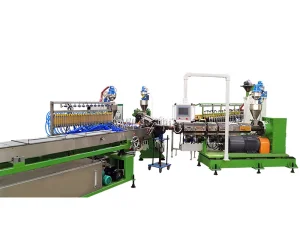
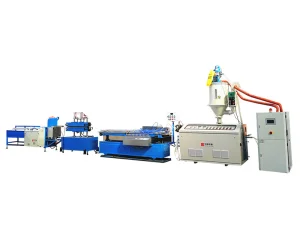
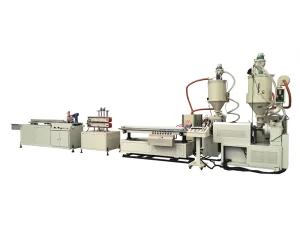
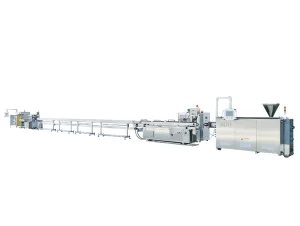
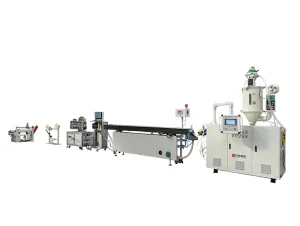
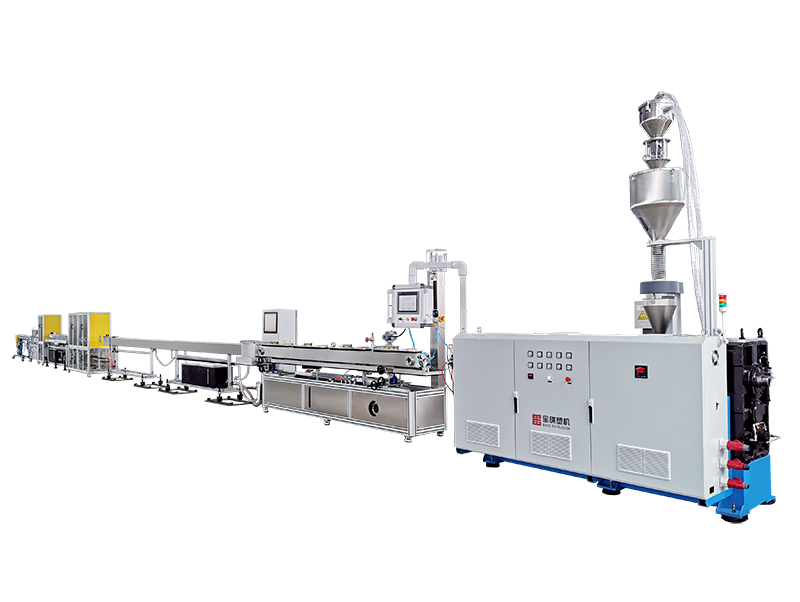
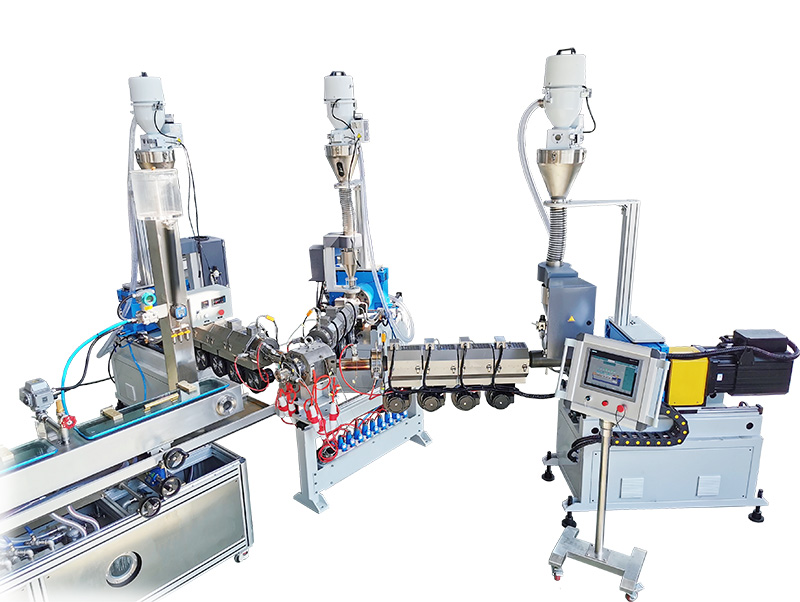
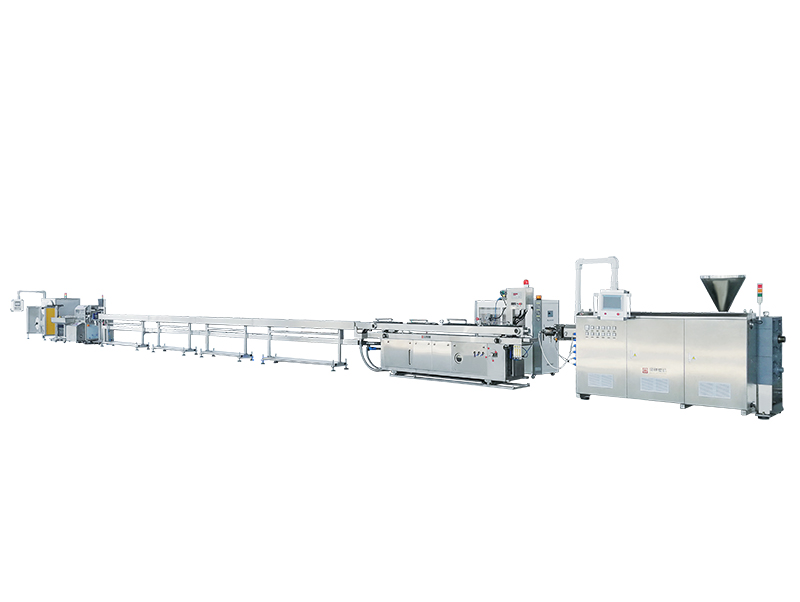
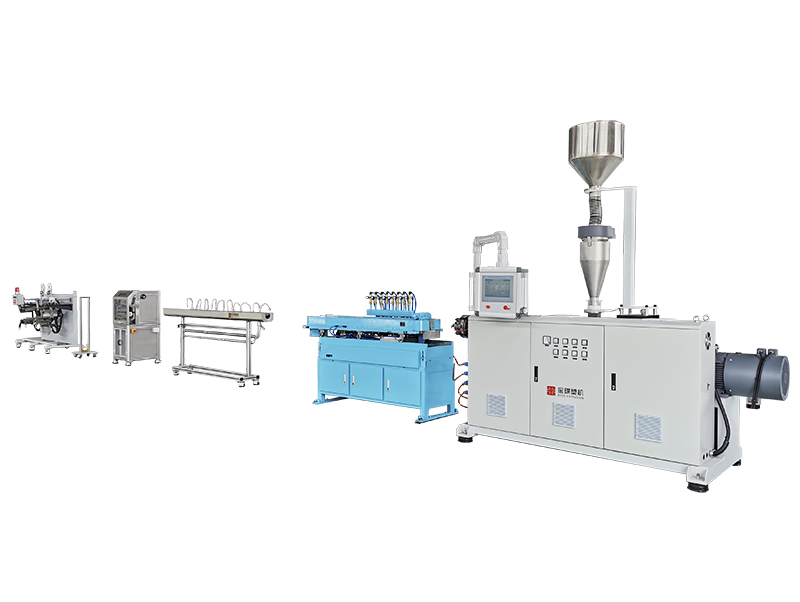
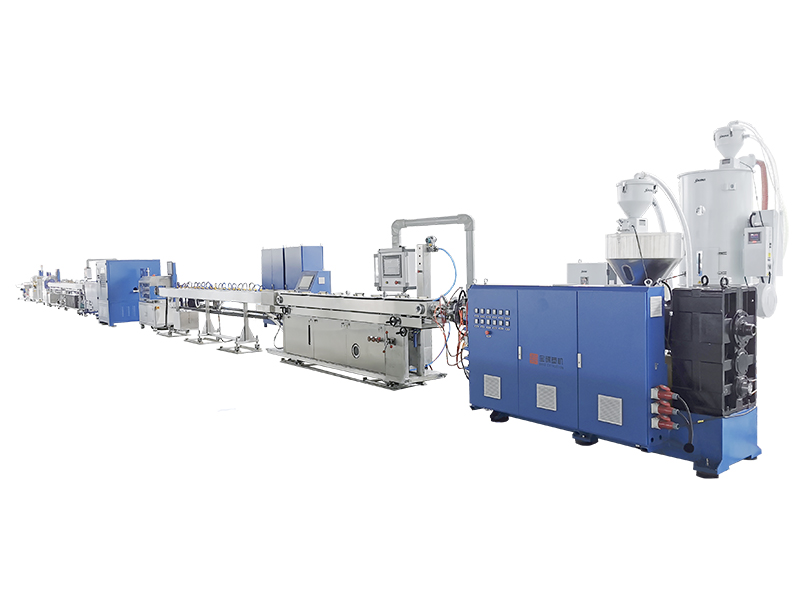
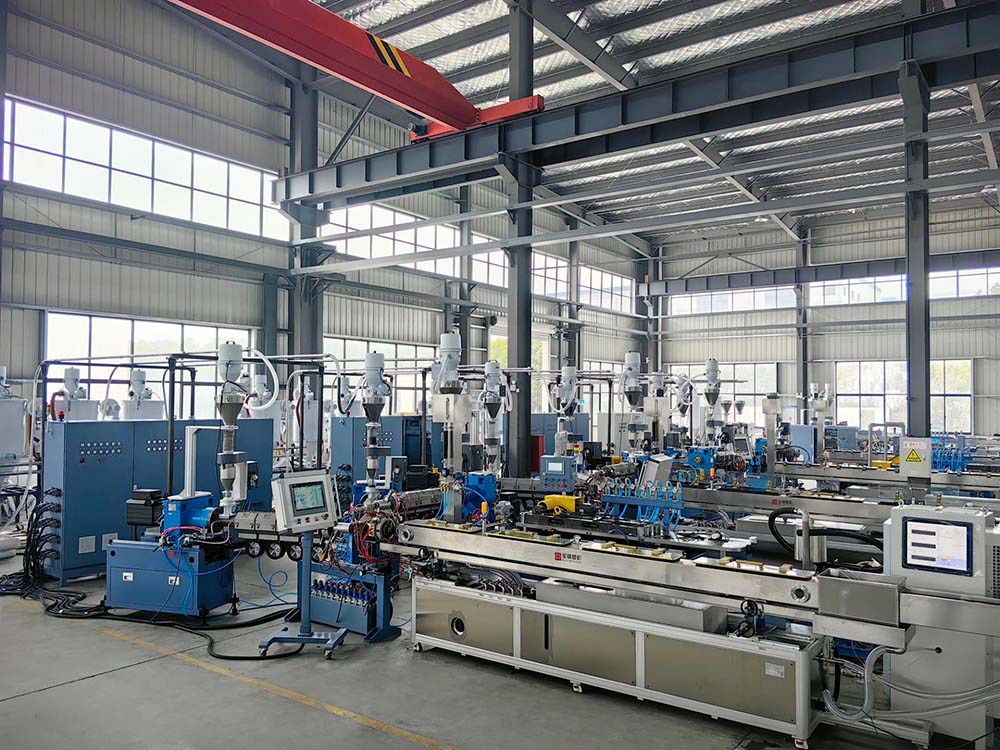
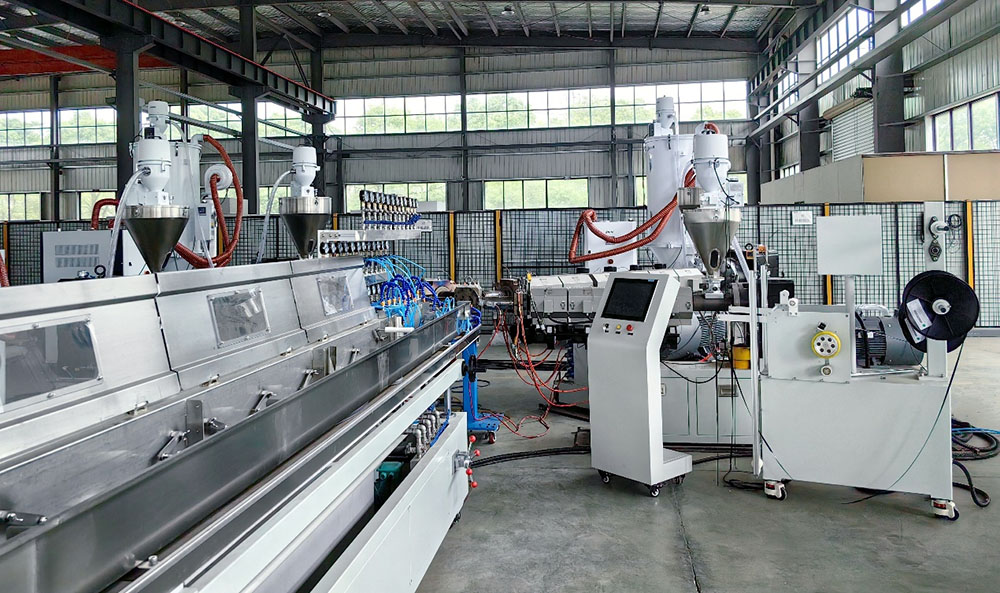
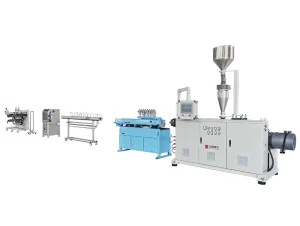
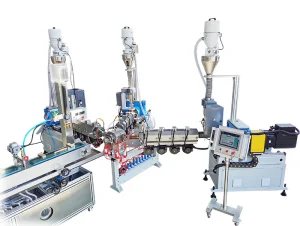
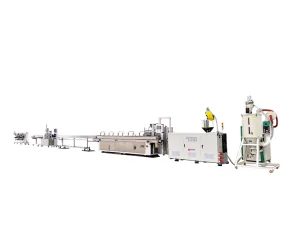
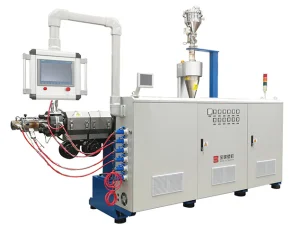
A premium extrusion line is divided into three distinct operational zones: Extrusion and Dosing, Core Thermoforming, and Calendering Lamination. Standard single-screw extruders often struggle with the complex rheology of polypropylene when blended with calcium carbonate (CaCO3) fillers. Therefore, customized extrusion lines typically use parallel twin-screw extruders with high torque capacities (L/D ratios of 33:1 to 38:1). This provides uniform plasticization, preventing polymer degradation while ensuring high output capacity.
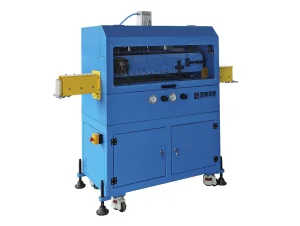
The forming mold utilizes custom coat-hanger type flow channels. It employs multi-layer feedblocks to distribute raw PP, ensuring absolute thickness uniformity across the entire die width. When the core sheet exits the die lip, it passes through a structured vacuum calibrator drum. Guided by controlled cooling systems, the hot plastic is shaped into a honeycomb or circular bubble matrix. Concurrently, the top and bottom cover sheets are fed into a 3-roll calender unit. Precise gap adjustment is crucial to prevent the structural collapse of the newly formed cells while ensuring optimal mechanical bonding.
About Jiangsu Baodie Automation Equipment Co., Ltd.
25 Years of Relentless Focus on Precision Plastic Extrusion Engineering
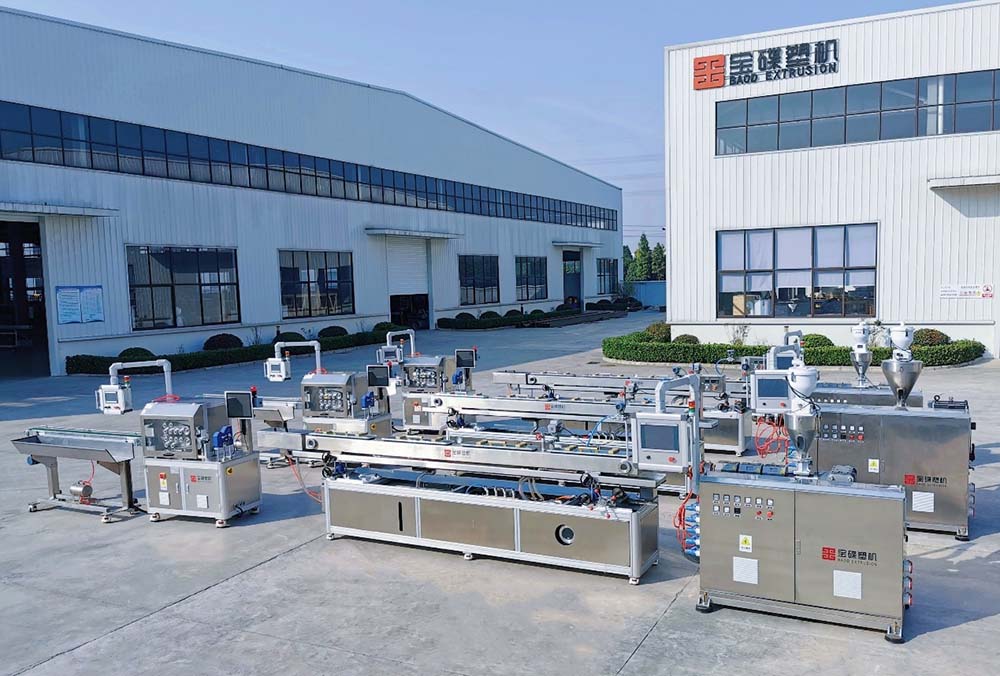
BAOD EXTRUSION (Jiangsu Baodie Automation Equipment Co., Ltd.), founded in 2002, is dedicated to the custom design, precise manufacturing, and global sales of advanced plastic extrusion equipment. Building on 18 years of design and fabrication experience in high-quality machinery in Taiwan, our parent company (KINGSWEL GROUP) established an extrusion manufacturing base in Shanghai in 1999 to support the expanding global industrial sector.
For over two decades, BAOD has focused on continuous research and development. We design robust extrusion systems optimized for efficiency, safety, and process automation. Our technologies help downstream production facilities lower raw material costs, speed up commissioning, and improve overall product quality.
High-Accuracy Extrusion Die & Downstream Processing
The Strategic Supply Chain Advantages of Sourcing from Chinese Factories
In the globalized industrial machinery market, procurement directors evaluate total cost of ownership (TCO), lead times, and engineering versatility. Sourcing a custom PP honeycomb board extrusion line from specialized Chinese manufacturers like BAOD EXTRUSION offers significant strategic advantages. Over several decades, China has developed robust industrial clusters for precision tooling, metallurgy, and control systems. This local network allows us to source high-grade steel, CNC-machined components, and advanced electronic systems quickly and cost-effectively, reducing overall assembly times.
Furthermore, Chinese extrusion machinery manufacturers provide rapid engineering customization. Unlike rigid European suppliers, BAOD can adapt downstream equipment, change calibration drum dimensions, and customize PLC systems to match your factory's specific layout and power constraints. This flexibility does not come at the expense of quality. By combining Taiwanese precision design principles with Shanghai's manufacturing capabilities, BAOD delivers high-speed extrusion lines that compete directly with Western manufacturers at a much lower capital investment.
Compliance, Regulatory Standards & Localized Support
Operating modern plastics machinery in regions like North America or the European Union requires strict compliance with local safety and environmental codes. BAOD EXTRUSION designs all machinery in accordance with CE certifications (under machinery directive 2006/42/EC) and coordinates electrical configurations to align with UL and CSA standards. From dust-suppressed trim cutters to dual-channel safety switches and enclosed gearboxes, our systems prioritize operator safety.
Recognizing that physical distance can be a concern for global buyers, BAOD has implemented a comprehensive localized support framework. This program includes:
Integrated IoT Remote Support: Our PLC units feature secure cloud gateways, allowing our engineering team in China to perform remote diagnostics, program updates, and parameter tuning in real-time.
Global Technician Deployment: We maintain field engineering networks to assist with on-site mechanical alignment, calibration, and personnel training.
Proactive Spare Parts Logistics: Critical components, including heating bands, vacuum valves, and custom knives, are stocked at regional logistics hubs to ensure quick delivery and minimize downtime.
Localized Application Scenarios: Where PP Honeycomb Panels Dominate
PP honeycomb sheets produced by our custom extrusion lines are highly versatile and widely used across several major industries:
1. Automotive Interior Systems: Global Tier-1 automotive suppliers use PP honeycomb panels for structural components like trunk floors, spare tire covers, headliners, and parcel shelves. The material's lightweight, structural rigidity, and thermal formability allow manufacturers to reduce vehicle weight, improving fuel efficiency and driving range for electric vehicles.
2. Logistics Packaging & Sleeve Packs: In industrial shipping, reusable plastic sleeve packs, pallets, and foldable container boxes rely heavily on tough, impact-resistant 10mm to 12mm PP honeycomb board. Unlike cardboard, these boxes resist moisture, oil, and dust, and can be reused for hundreds of cycles, lowering overall shipping costs.
3. Construction Shuttering & Panels: In the building sector, PP honeycomb board is used for lightweight, moisture-proof concrete formwork, scaffolding boards, and temporary protective partitions. It resists chemical corrosion, releases easily from set concrete, and is highly reusable compared to traditional plywood.
4. Advertising & Signs: The smooth flat surfaces of these co-extruded panels are ideal for direct UV printing and vinyl lamination, making them popular for high-end retail displays and outdoor signage.
BAOD Extrusion Core Machinery Catalog
High-efficiency plastic extrusion lines engineered for precision, automation, and long-term durability.
Future Industry Trends in Polypropylene Sheet Extrusion (2026-2030)
As the plastics industry moves toward a circular economy, the extrusion sector is evolving rapidly. We anticipate three major trends will shape the development of PP honeycomb and bubble guard extrusion technology over the next decade:
1. Processing Recycled Content: The primary trend is the demand for extrusion lines that can process high percentages of post-consumer recycled (PCR) and post-industrial recycled (PIR) PP resins without sacrificing mechanical properties. Achieving this requires advanced screw design, refined melt filtration systems, and precise vacuum degassing to handle contamination and maintain consistent output.
2. Co-Extrusion of Specialized Skins: The market is moving toward multi-layered structures where the honeycomb core is laminated with functional skins. This includes co-extruding glass-fiber reinforced PP skins (FRP) to boost impact strength, adding UV stabilizers to extend the lifespan of outdoor construction panels, or laminating non-slip surfaces for industrial flooring applications.
3. Industry 4.0 Smart Extrusion: Advanced manufacturing requires real-time data collection and automated control. Modern lines are adopting closed-loop controls, using non-contact beta or gamma sensors to monitor sheet thickness and automatically adjust the die lips. Collecting extrusion data allows operators to perform predictive maintenance, reducing unplanned downtime and optimizing energy consumption.
Our Latest News & Industrial Insights
Stay informed with technical analyses, event coverage, and regulatory compliance updates from the extrusion engineering field.
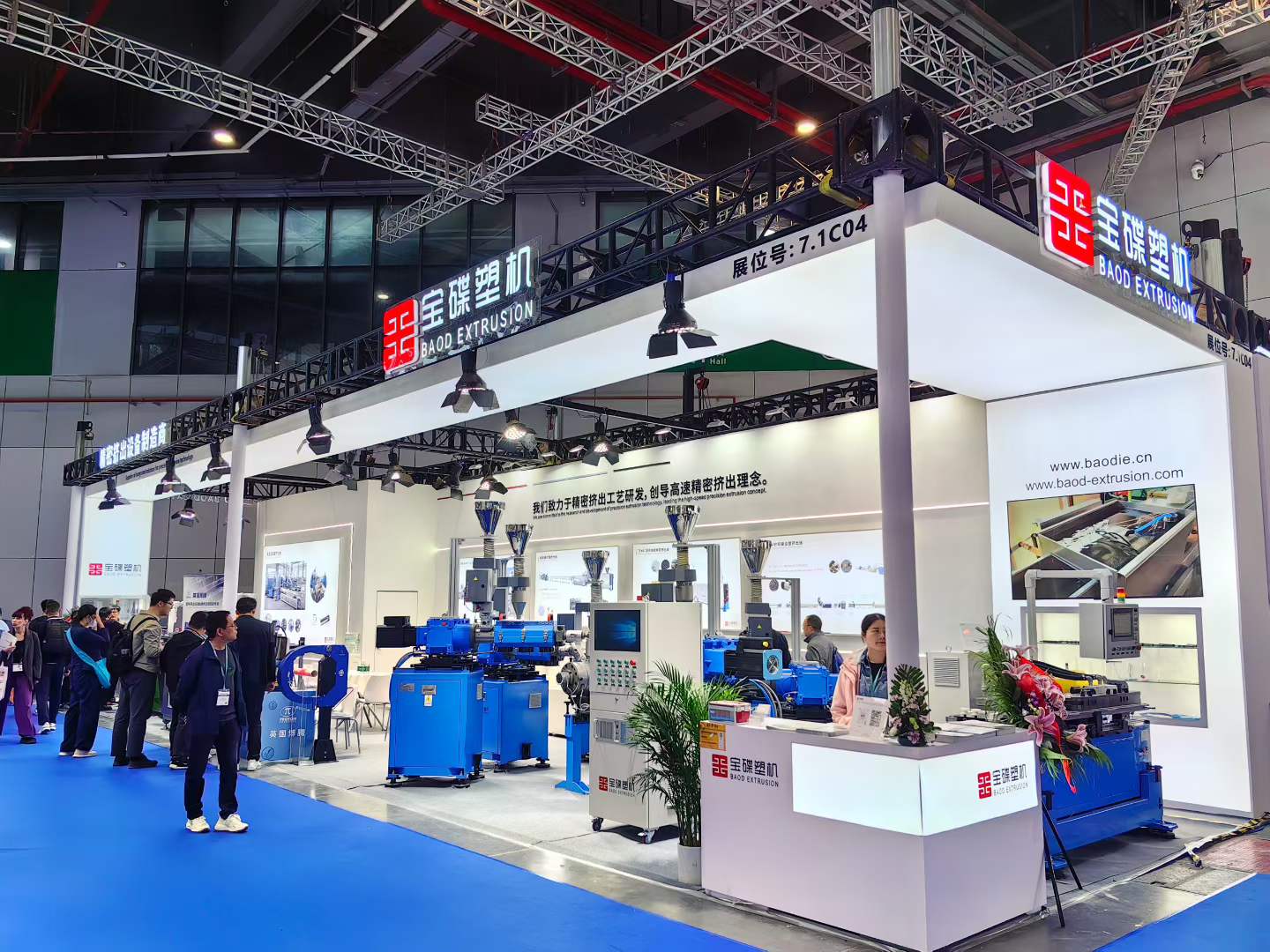
From April 21–24, CHINAPLAS 2026 was successfully held at the National Exhibition and Convention Center in Shanghai. BAOD EXTRUSION showcased its latest R&D achievements at Booth 7.1C04, presenting "Smart Extrusion & High-Efficiency Innovation" solutions.
Innovation and Reliability: BAOD EXTRUSION as Top 10 Customized Detonating Tube Extrusion Line Solution Provider
In the controlled environment of a modern industrial facility, a single, hair-thin plastic tube wound onto a reel might seem unremarkable, but it is a critical component for demolition, mining, and quarrying operations.
High Precision Multi-Lumen Tube Extrusion Line In China vs European Manufacturing Standards
In modern medical facilities, multi-lumen catheters require precise manufacturing. We compare local Chinese production capabilities against European standards to help buyers evaluate performance and quality.
How China Leading OEM Automotive Tube Extrusion Line Supplier BAOD Maintains International Compliance
With the transition toward electric and lightweight vehicles, automotive tube standards are changing. We look at how BAOD meets international compliance standards for critical fuel and cooling lines.
BAOD – Top Highly Automation TPV, PVC Automobile Sealing Strip Extrusion Line Supplier: Trends for 2026
Explore the technical developments and automated features in TPV and PVC automotive sealing strip lines designed to improve productivity and quality for modern EV sealing systems.
Technical Q&A: PP Honeycomb Extrusion
Direct answers to key technical questions from procurement managers and plant engineers.
Q1: What is the output range of a custom BAOD PP honeycomb board extrusion line?
Depending on the extruder configuration (typically a high-torque parallel twin-screw extruder) and sheet width (ranging from 1200mm to 2200mm), output capacities range from 350 kg/h to 800 kg/h. Running at these speeds requires precise vacuum cooling and synchronized downstream trimming.
Q2: Can this machinery process recycled PP flakes or regrind?
Yes. Our custom screw designs feature specialized shearing and mixing zones optimized for varying melt flows. When processing recycled PP or regrind, we recommend using dual-column back-flush screen changers and high-efficiency vacuum degassing systems to remove impurities and maintain sheet quality.
Q3: How does inline lamination avoid the use of external adhesives?
The lamination unit laminates the flat top and bottom cover sheets to the core honeycomb layer while the material is still hot. By using the residual thermal energy directly from the extrusion die and applying controlled pressure through the calender rolls, the layers bond molecularly, eliminating the need for expensive and environmentally harmful adhesives.
Q4: How does BAOD handle international power compatibility and local installation?
We customize all electrical components to match your local power supply (e.g., 480V 60Hz in North America, 400V 50Hz in Europe). The PLC software is provided in English and other requested languages. Our field technicians assist with installation, commissioning, and on-site staff training to ensure a smooth startup.
Q5: What range of sheet thicknesses can the line produce?
Our standard systems produce board thicknesses from 3mm to 15mm. The thickness is adjusted by swapping forming sleeves on the vacuum calibration drum and adjusting the calendar roll gaps via the automated PLC interface.
Additional High-Performance Extrusion Solutions
Explore our wider range of high-efficiency extrusion lines, pullers, and cutters for medical, industrial, and automotive applications.
 Baodie