 Baodie
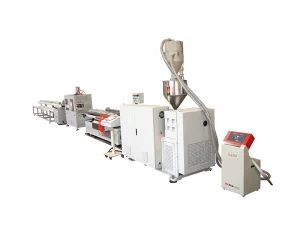
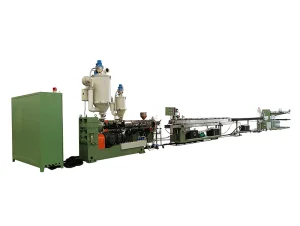
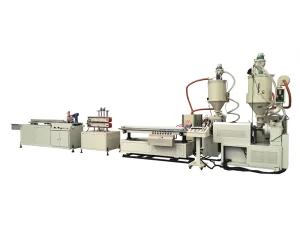
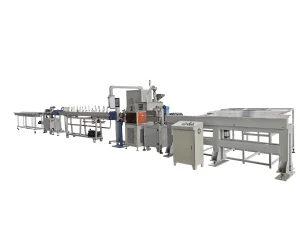
Global Landscape & Technical Analysis of Multi-Layer Pipe Extrusion Line Technology
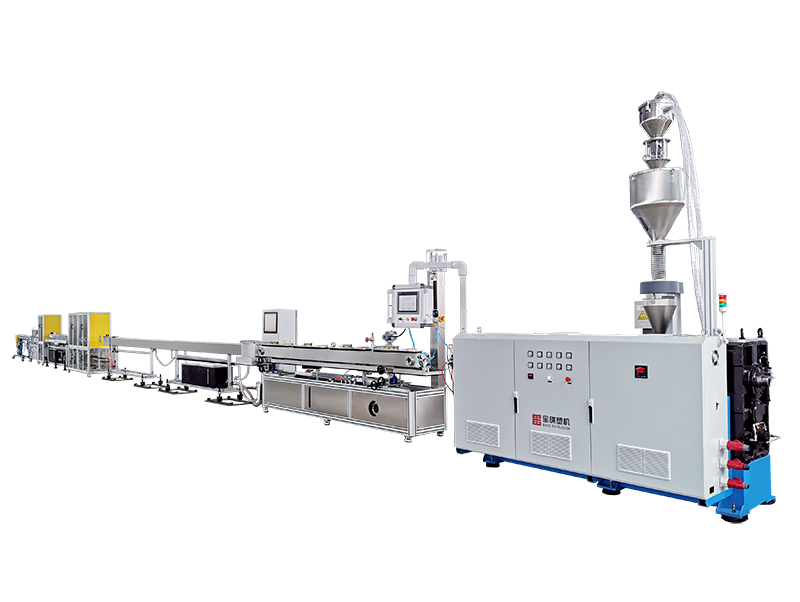
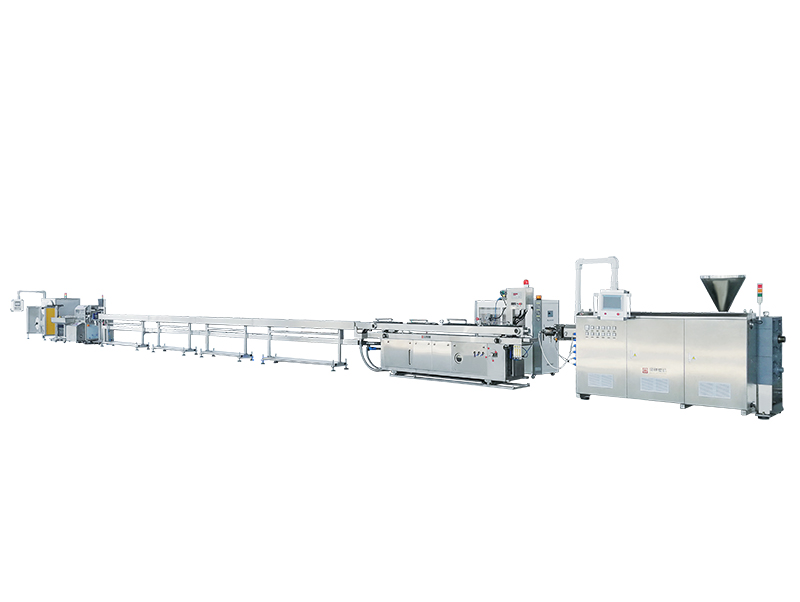
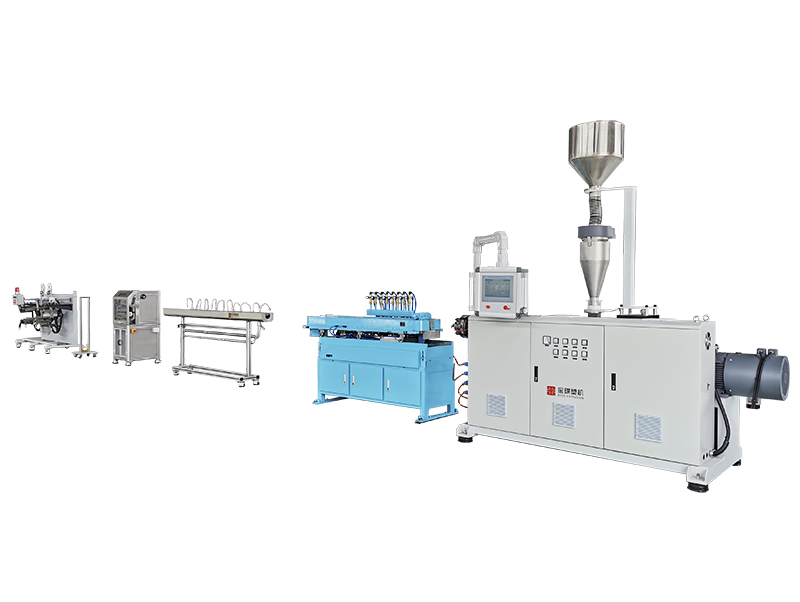
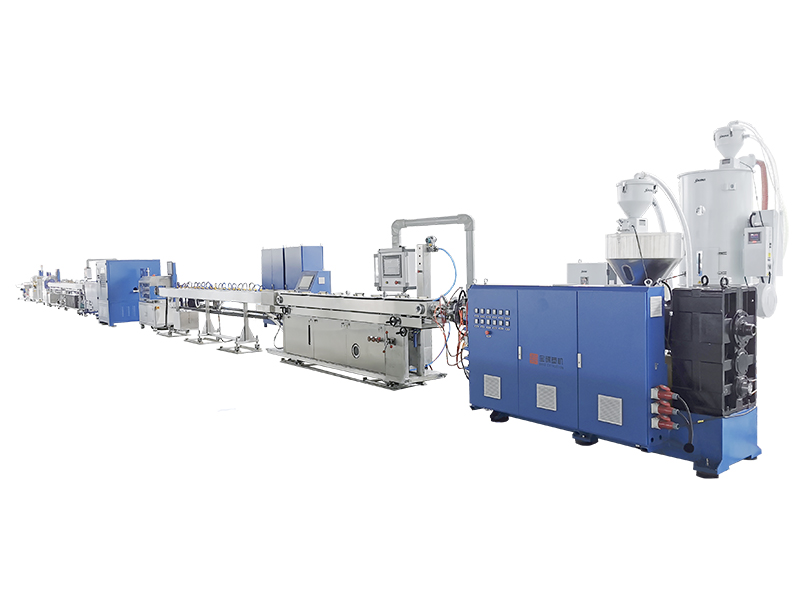
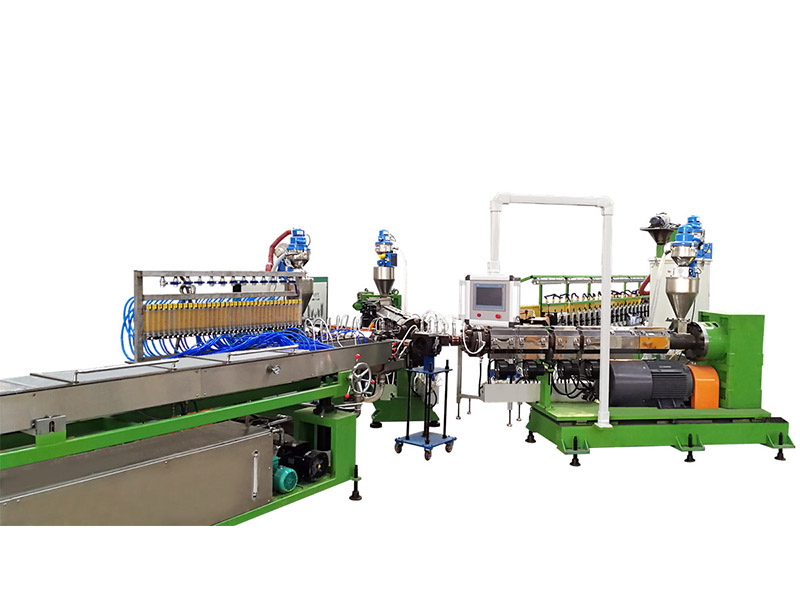
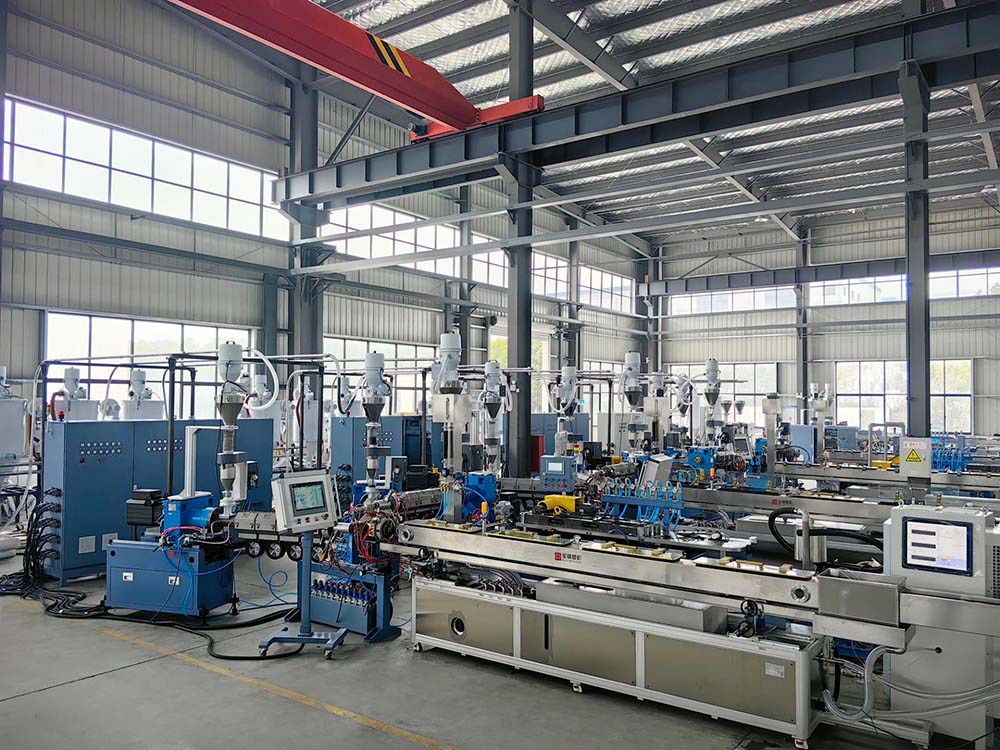
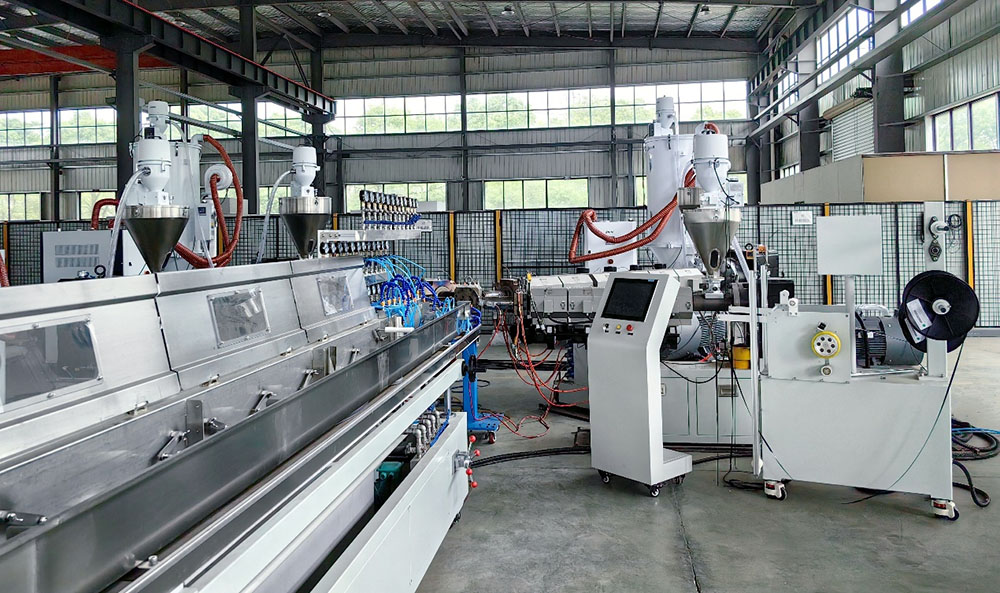
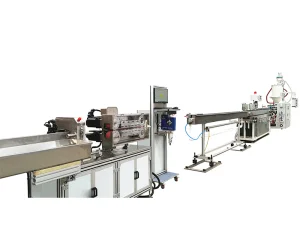
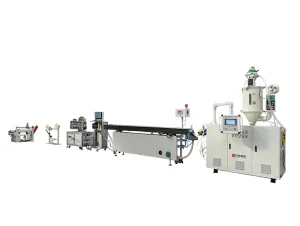
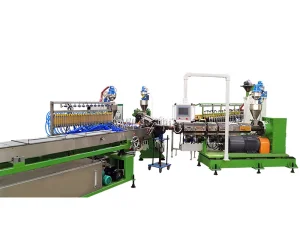
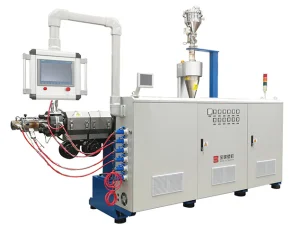
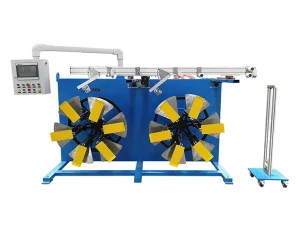
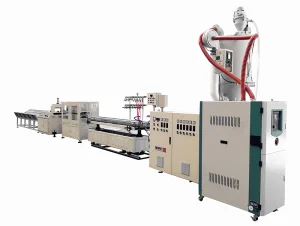
In the modern era of precision polymer engineering, mono-layer pipes are no longer sufficient to meet the rigorous physical and chemical performance metrics demanded by automotive, medical, aerospace, and municipal infrastructure. A Custom Multi Layer Pipe Extrusion Line acts as the manufacturing backbone for producing complex, multi-laminate polymer systems. These systems place functional resins exactly where they are needed—whether on the inner core to resist aggressive chemicals, the barrier layer to block hydrocarbons and oxygen penetration, or the outer skin to absorb impact, resist UV degradation, or display safety color-coding.
The Science of Co-Extrusion: Layers and Multi-Layer Configurations
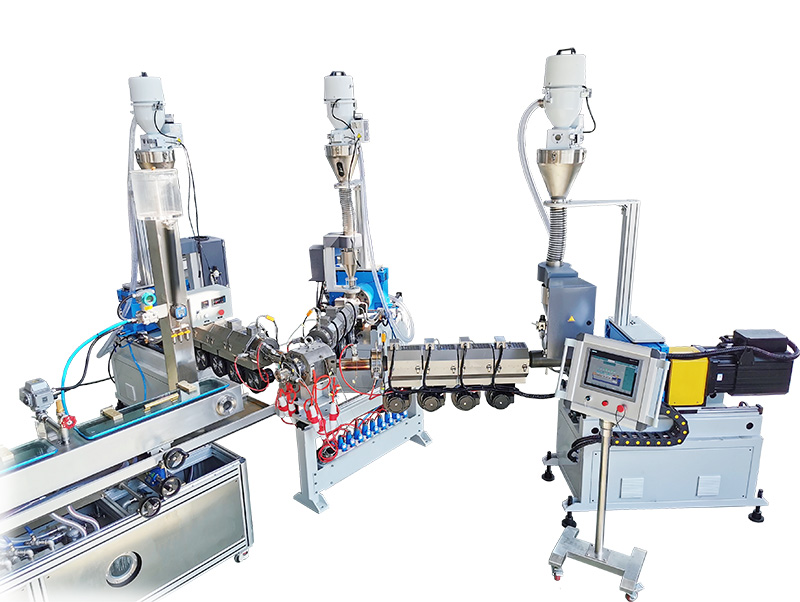
Multi-layer co-extrusion relies on the simultaneous flow of multiple polymer streams through a single, specialized extrusion die head. By matching viscoelastic parameters, shear stresses, and thermal behaviors of different materials inside the die, manufacturers can fuse disparate polymers into a highly cohesive, non-delaminating structure. Below are the standard configurations utilized across the globe:
- 3-Layer Configurations (A-B-A / A-B-C): Common in telecommunication microducts (HDPE/Silicone/HDPE) where an inner low-friction coating reduces cable-blowing friction, and in domestic water pipes where a sanitary inner liner is protected by a recycled or filled core and a UV-resistant outer shield.
- 5-Layer Configurations (PA-Tie-EVOH-Tie-PA / PE-Tie-EVOH-Tie-PE): Essential for automotive fuel lines and heating/plumbing pipes. The central EVOH layer serves as an absolute barrier to prevent fuel evaporation or oxygen migration, bonded securely by adhesive "tie" layers to the structural PA or PE structural skins.
- Custom 7-Layer and Specialized Micro-Lumen Geometries: Designed for advanced medical procedures or critical aerospace fuel delivery, incorporating multiple radiopaque stripe lines, co-extruded reinforcement meshes, and ultra-thin fluoroplastic coatings.
| Industry Sector | Common Material Stackup | Critical Performance Requirement | BAOD Extrusion Tech Solution |
|---|---|---|---|
| Automotive Cooling / Fuel | PA12 / Tie / EVOH / Tie / PA6 or TPV | Zero fuel permeation, high temperature resistance, flexibility | High-precision co-extrusion die with individual zone melt flow tuning |
| Medical Diagnostics | PU, Pebax®, FEP / Multi-Lumen / Braided | Sub-millimeter dimension tolerance, non-toxic, biocompatibility | Precision vacuum sizing with micro-lumen air supply & PLC control |
| Telecom Microducts | HDPE (Outer) / Permanent Silicone (Inner) | Low coefficient of friction for optical fiber blowing | Dual-layer co-extrusion die head, high-speed puller with tension control |
| Industrial Chemical Pipes | PVDF / Tie / Polyolefin / PP / Glass-Reinforced | Extreme corrosion and pressure resistance | Corrosion-resistant bimetallic screw & barrel treatment |
Why China's Factory Infrastructure Offers Superior Efficiency & Value
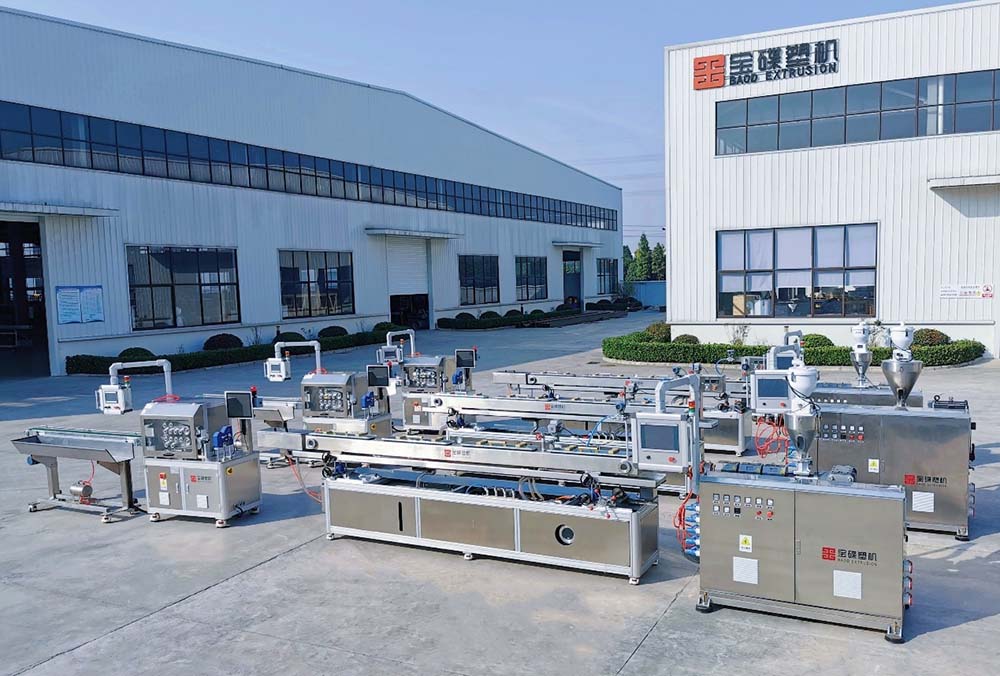
For global procurement teams, sourcing a Custom Multi Layer Pipe Extrusion Line from a Chinese factory like BAOD offers significant competitive advantages over traditional European or American OEM providers. This is not merely a question of low labor costs, but of integrated industrial cluster efficiency:
- Complete Supply Chain Integration: Based in Jiangsu, the manufacturing heartland of automated industrial equipment, BAOD Extrusion has immediate access to precision metallurgic processing, local high-grade electronic component inventory, and specialized heat treatment facilities. This keeps production cycles short and lead times minimal.
- Agile R&D Customization: Western OEMs often charge prohibitive customization fees for non-standard screw designs or proprietary die head configurations. BAOD thrives on custom engineering, designing custom multi-layer dies specifically tailored to customer-supplied polymer formulations.
- Unparalleled Cost-to-Performance Ratio: By sourcing high-end critical components globally (Siemens PLCs, ABB drives, Omron temperature controls, SKF bearings) and manufacturing the structural frames, screw geometries, and vacuum calibration tables in-house, BAOD delivers European-tier reliability at an accessible capital expenditure level.
Global Procurement Demands: What Strategic Buyers Must Evaluate
When selecting a multi-layer extrusion line manufacturer, global procurement teams (particularly in Europe, North America, and Southeast Asia) evaluate key performance parameters to ensure compliance with localized regulatory bodies (such as FDA for medical, DIN/ISO for construction, and IATF 16949 for automotive components):
1. Gravimetric Dosing Control
Buyers require closed-loop weight-per-meter control systems. Continuous monitoring of polymer weight entry to each extruder guarantees layer thickness remains consistent regardless of raw material bulk density variations, minimizing raw material waste by up to 5%.
2. Melt Pump Stabilization
To produce thin-walled tubes with high dimensional stability, melt pumps (gear pumps) are integrated between the extruder and the co-extrusion die. The pump regulates output pressure, filtering out screw-induced pressure pulsations down to a negligible ±0.2 bar.
3. Co-extrusion Die Flow Simulation
Advanced CAD/CAE software is used to simulate rheological flow behavior within the spiral die head channels. This ensures that shear rates, flow velocities, and temperatures are completely balanced, preventing weld lines and internal delamination stresses.
The Crucial Application Scenarios for Multi-Layer Extrusion
Understanding where these advanced multi-layer systems are deployed clarifies why quality engineering is a necessity:
- Automotive EV Cooling Lines: The transition to Electric Vehicles (EVs) demands lightweight, highly flexible, multi-layered polyamide pipes capable of circulating glycol-based coolant throughout battery arrays. These pipes must endure high heat exposure, impact, and chemical attack without leaking, requiring state-of-the-art co-extrusion lines.
- Medical Catheters & Multi-Lumen Tubing: Surgical procedures require highly specialized multi-lumen tubing where separate channels (lumens) are co-extruded in a single micro-catheter. These lumens are used for drug delivery, guide wires, and optical fiber lighting, needing precision tolerances under ±0.01mm.
- High-Speed Telecommunications Microducts: In the fiber-optic sector, multiple microducts are bundled inside protective sheaths. Co-extruded inner layers of silicone or other low-friction compounds allow cables to be blown via high-pressure air over distances exceeding two kilometers.