Explore our high-performance systems designed for custom industrial profiles, high-speed drawing, and absolute structural consistency.
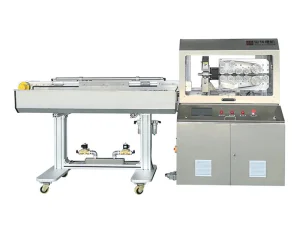
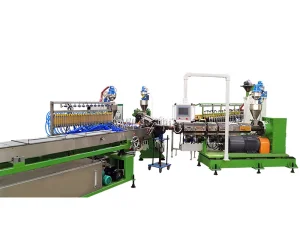
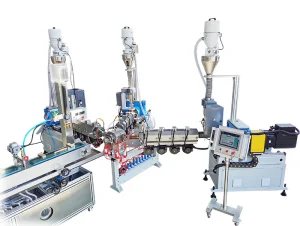
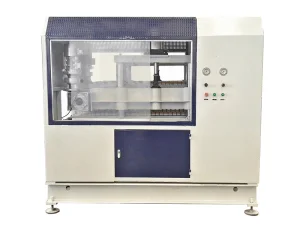
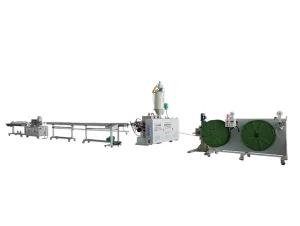
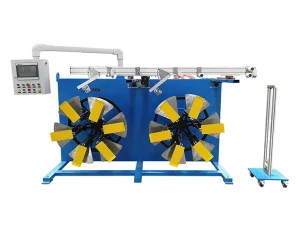
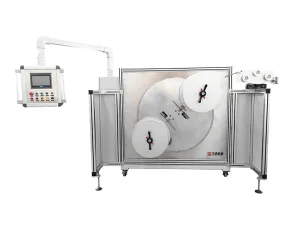
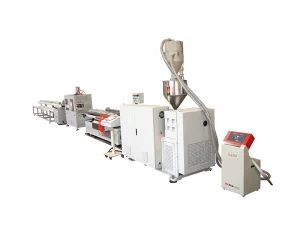
BAOD EXTRUSION (Jiangsu Baodie Automation Equipment Co., Ltd.), founded in 2002, is a premier high-tech enterprise dedicated to the design, manufacturing, and global sales of high-performance plastic extrusion equipment. Our engineering lineage is rooted in 18 years of high-quality machinery design and fabrication expertise from Taiwan under our parent group, KINGSWEL GROUP, which initiated manufacturing on the mainland in Shanghai back in 1999.
With a core focus on structural integrity, high energy efficiency, and operational safety, we continuously push the boundaries of modern polymer engineering. Today, we specialize in high-end medical-grade tubing lines, automotive multi-layer hose systems, high-speed corrugated pipe extruders, and customized monofilament extrusion lines designed for demanding engineering applications.
In modern industrial manufacturing, monofilament extrusion is not merely a process of melting and shaping plastics; it is a highly controlled science requiring precise thermodynamic stability, molecular orientation, and high-speed mechanical synchronization. Custom monofilament extruders process a broad spectrum of polymers—ranging from standard Polypropylene (PP) and Polyethylene (PE) to engineering grades like Nylon (PA6, PA66), Polyethylene Terephthalate (PET), Polyvinylidene Fluoride (PVDF), and Thermoplastic Elastomers (TPV). The ultimate structural performance of the monofilament—whether it is used for high-tensile agricultural nets, high-speed 3D printing filaments, specialized medical sutures, or automotive components—is directly dictated by the design of the extrusion screw, the cooling calibration systems, and the subsequent drawing and tempering stages.
"The optimization of draw ratios and molecular relaxation times during the extrusion process represents the critical threshold where raw polymer chemistry transitions into high-strength, structural industrial materials."
The performance of any monofilament extruder depends heavily on the design of the screw and barrel. For instance, processing Polyamide (Nylon) requires a barrier screw design with a precise length-to-diameter (L/D) ratio (typically 28:1 to 32:1) to ensure complete melting without thermal degradation. Shear rates must be carefully balanced with melt residence times. If the polymer melt is subjected to excessive shear, the molecular chain length will break down, compromising the tensile strength of the extruded monofilament.
Furthermore, custom extruders utilize specialized gear pumps (melt pumps) situated between the extruder and the die head. These pumps generate a consistent, pulsation-free melt pressure. This eliminates any output fluctuations caused by raw material variations, screw rotation inconsistencies, or feed throat temperature swings. The output tolerance must be maintained within ±0.5% to ensure a uniform diameter along kilometers of extruded filament, which is vital for automated winding and downstream processing.
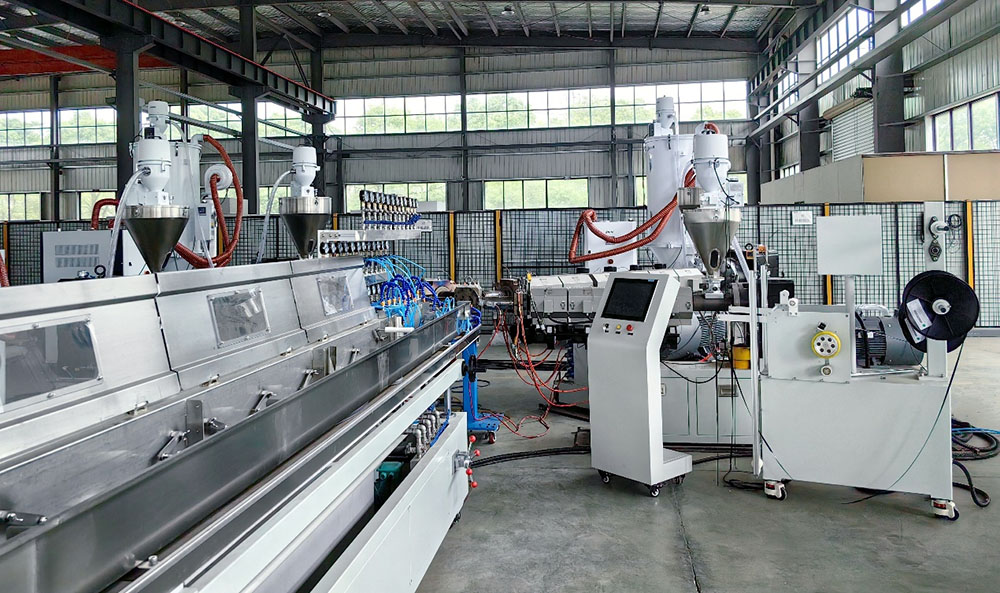
To deliver a truly robust production solution, a custom monofilament extrusion line must integrate several high-performance modules:
Gravimetric dosing systems ensure that raw polymer resins, color masterbatches, and functional additives (such as UV stabilizers or flame retardants) are blended with extreme precision, maintaining consistent physical properties throughout long production runs.
The temperature profile of the water bath is critical. Slow cooling can lead to high crystallinity and brittle filaments, whereas excessive cooling can lock in internal stresses. Multi-zone water temp regulation resolves this issue.
Hot-water or hot-air drawing ovens stretch the filaments to orient the molecular chains along the longitudinal axis. This process increases the tensile strength of the filament by up to 400% compared to unstretched polymers.
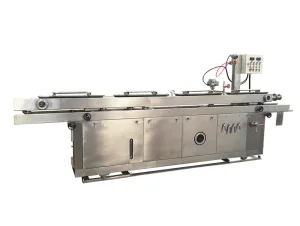
To prevent shrinkage during subsequent thermal exposure, the monofilament must pass through a heating tunnel under tension to lock the oriented crystal structure into place permanently.
Global procurement teams are increasingly focusing their investments on specialized manufacturers based in China, particularly in advanced industrial manufacturing hubs like Jiangsu. The competitive edge of these facilities extends far beyond traditional cost dynamics, encompassing technology integration, supply-chain localization, and agile customization.
In regions such as Jiangsu, where BAOD EXTRUSION operates, the machinery ecosystem integrates raw steel supply, high-precision CNC tooling, sensor technology, and motor drive manufacturing within a tight geographical radius. This concentration reduces the time required for engineering prototyping and raw material procurement, allowing factories to build custom extrusion systems much faster than their European or North American counterparts.
Modern Chinese manufacturers do not rely on low-cost manual operation. High-tier lines feature advanced Siemens, Beckhoff, or Omron programmable logic controllers (PLCs), combined with closed-loop laser diameter measuring gauges and gravimetric dosing units. By integrating these systems, manufacturers can maintain dimensional tolerances within microns. This high level of precision makes these lines suitable for critical applications in the automotive, aerospace, and medical device sectors.
European machine builders often charge high premiums for customized designs, whereas Chinese factories can tailor screw geometries, die head designs, and cooling setups to specific polymer compounds at competitive prices. This flexibility allows buyers to optimize their production lines for unique materials, such as bio-based PLA, recycled PET, or highly filled compounds, without exceeding their capital expenditure budgets.
As the plastic extrusion industry evolves, several macro trends are reshaping how companies select and operate their extrusion equipment. The focus has transitioned from raw output volume to digital control, material versatility, and energy efficiency.
Environmental regulations and consumer demand are driving the adoption of recycled plastics (rPET, rPP, rHDPE) and bio-based resins (PLA, PHA) in monofilament production. Processing recycled material is challenging due to variable melt flow indices and the presence of micro-impurities. Modern extrusion lines solve this problem by incorporating advanced dual-piston screen changers and custom barrier screws. These features maintain stable melt pressures even when processing highly variable recycled feedstocks.
State-of-the-art extrusion lines now come equipped with IoT gateways that transmit real-time operating metrics—such as melt temperature, motor torque, head pressure, and cooling rate—to cloud-based monitoring platforms. This allows production managers to track energy consumption per kilogram of output and implement predictive maintenance schedules before component failures occur. As a result, downtime is minimized and overall equipment effectiveness (OEE) is optimized.
Our custom extrusion technology is applied across a wide range of critical industries:
Keep track of BAOD EXTRUSION's global exhibitions, technology updates, and whitepaper releases.
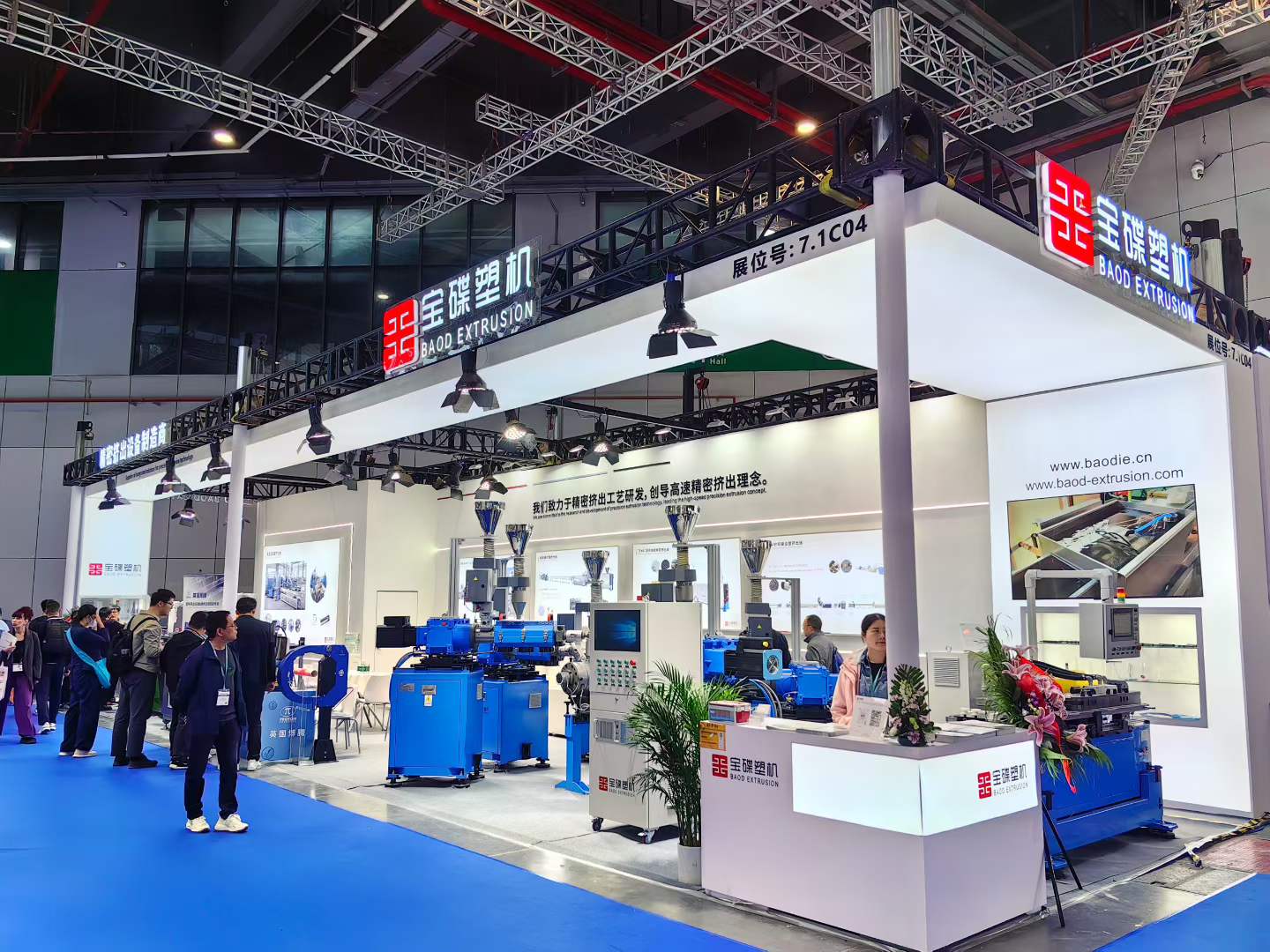
BAOD EXTRUSION showcased its latest R&D achievements at Booth 7.1C04, presenting “Smart Extrusion · High-Efficiency Innovation” solutions for global partners...
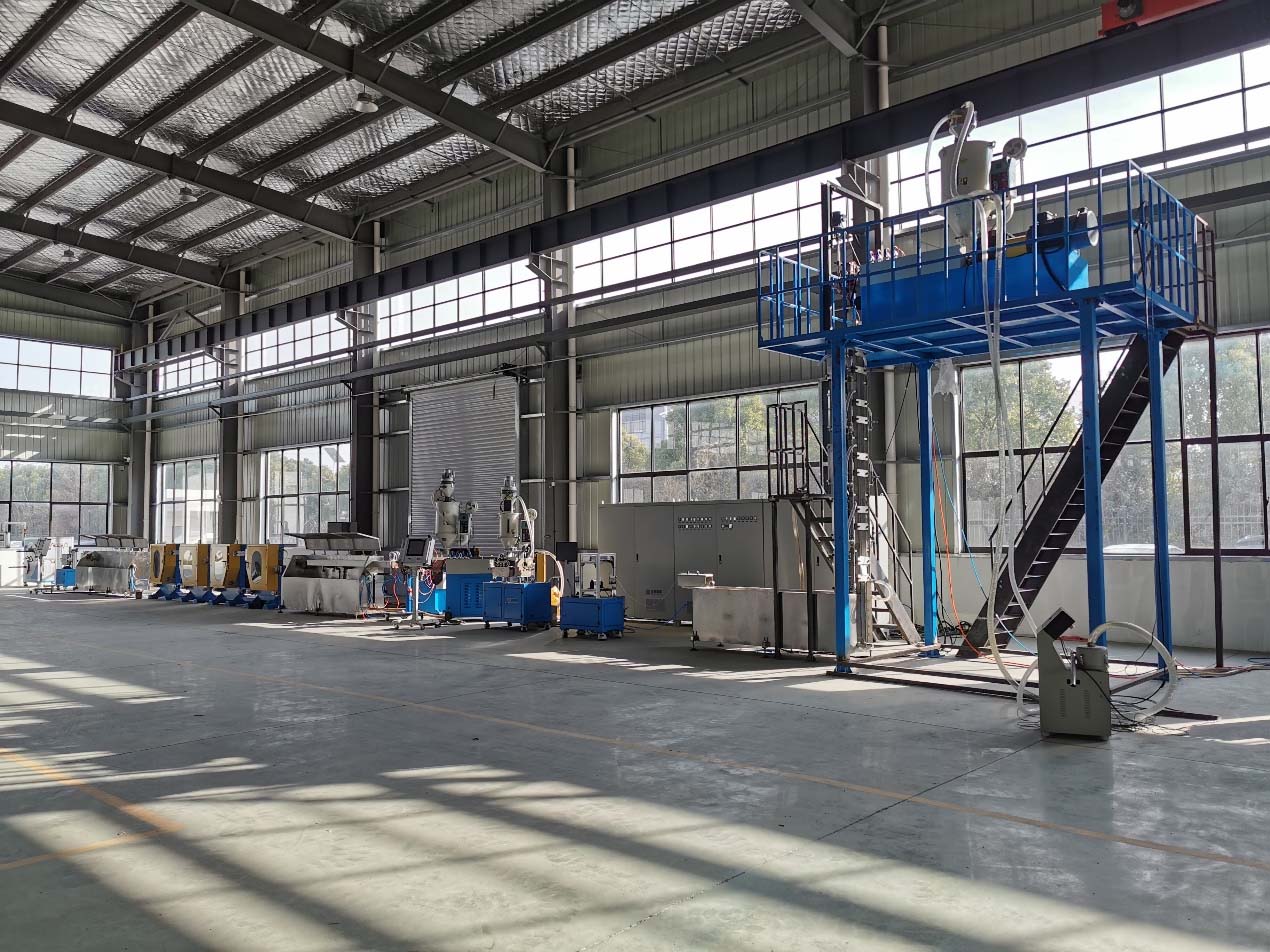
In sectors ranging from mining to infrastructure demolition, the detonating tube requires extreme precision. Learn how BAOD delivers maximum line safety...
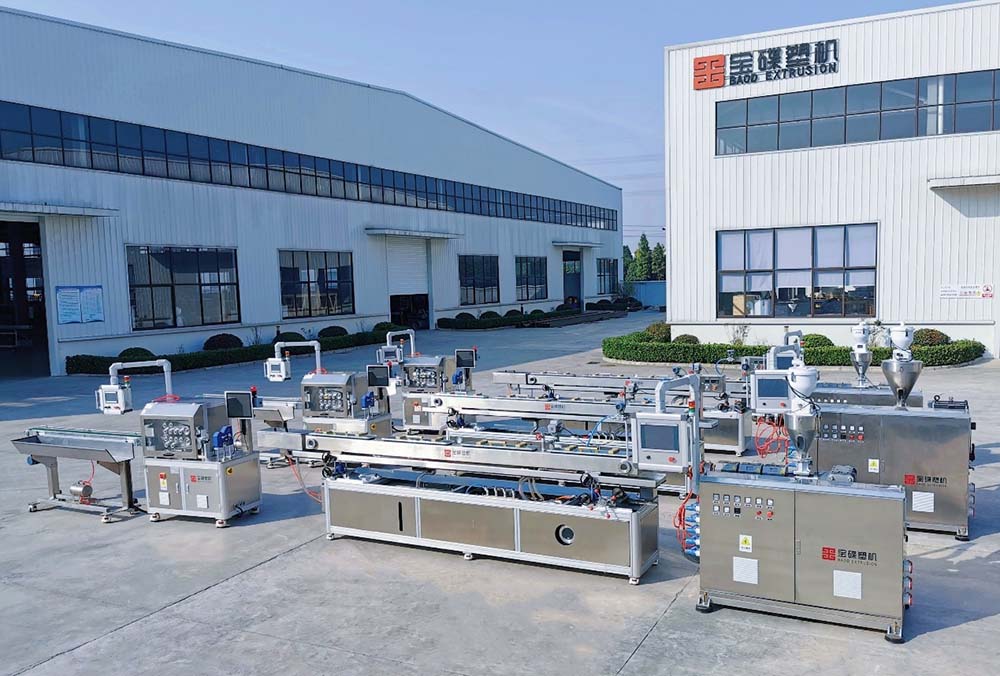
We compare internal chamber accuracy, raw material melt-zones, and cost efficiency metrics between leading EU machinery and BAOD's latest medical designs...
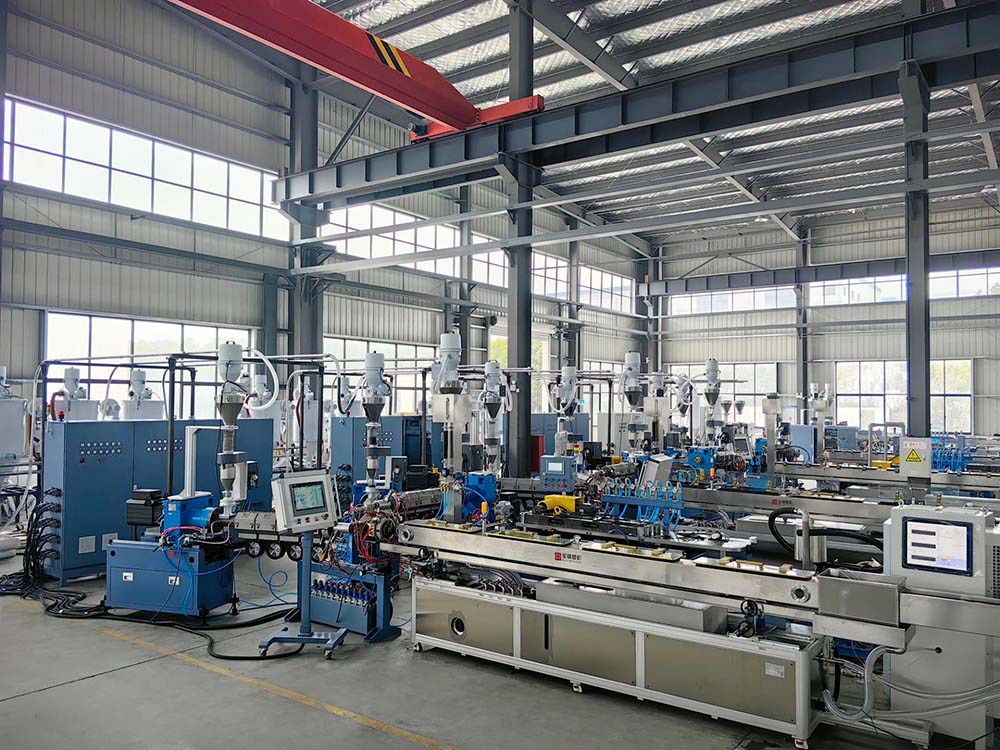
Explore our quality assurance pathways, dynamic testing rigs, and verification checklists designed to meet international automotive manufacturing regulations...
A deep look into sealing dynamics, inline metal-clip insert systems, and high-efficiency cooling setups that are shaping next-generation EV cabin seals...
Get professional answers regarding monofilament extrusion lines, customization capabilities, and global procurement logistics.
For high-precision applications like 3D printing filaments, medical sutures, or precision industrial mesh, our systems utilize closed-loop feedback control integrated with multi-axis laser measuring systems. This allows the line to maintain filament diameter tolerances of less than ±0.01mm (or 10 microns) dynamically, adjusting haul-off speed or screw rotation in real-time to counteract any pressure changes in the die head.
We custom design screw profiles based on the specific rheology of the polymer. For Nylon (PA), we employ a high L/D ratio (typically 30:1 or 32:1) barrier screw with a mixing section to ensure uniform melt temperature and shear distribution. For corrosive materials like PVDF, all contact components—such as the screw, barrel, and die head—are fabricated from specialized, corrosion-resistant tool steels (like bimetallic alloys or Hastelloy) to ensure long-term durability.
Drawing (or stretching) orientates the polymer's crystalline chains in the direction of the filament. Unstretched polymer strands are weak and brittle. By passing the warm filament through precise ratio godets (drawing rollers) in hot-air ovens or hot-water baths, we stretch the material up to 4 to 8 times its original length. This molecular alignment significantly increases the filament's tensile strength, elongation limits, and elastic modulus.
Every extrusion line undergoes a strict Factory Acceptance Testing (FAT) protocol. We commission the line at our facility in Jiangsu, using the customer's specified polymer resins. We run the equipment at full production speeds to verify mechanical safety, thermal stability, sensor calibration, and dimensional consistency. Clients can witness the FAT in person or receive comprehensive operational video logs and measurement data reports before approving final shipment.
We provide comprehensive post-sales engineering support. Our engineers can travel to the client's production facility to handle installation, set up the PID loop controls, and train local operators. Additionally, we provide real-time remote support via video and IoT connectivity, which allows our technical experts to diagnose and troubleshoot operational issues directly.
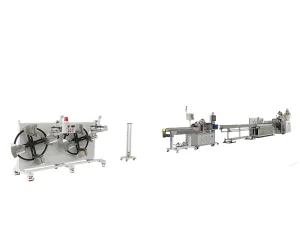
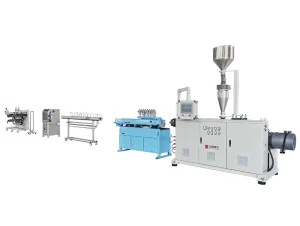
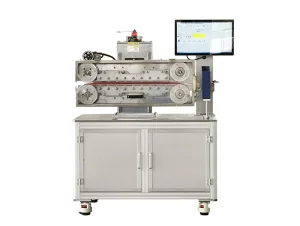
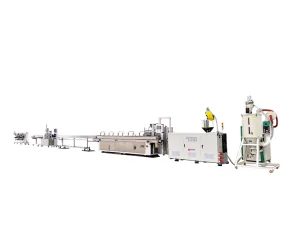
Explore our secondary lineup of precision pullers, sizing tanks, and specialized coating and extrusion systems designed for demanding industrial operations.
 Baodie