Explore our world-class, high-efficiency plastic extrusion lines engineered for micro-diameter tubing, medical-grade profiles, multi-layer corrugated hoses, and composite piping systems.
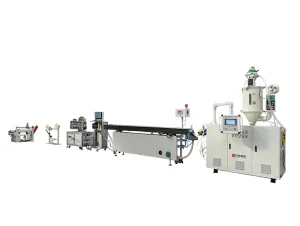
High-temperature system processing PTFE, FEP, PFA fluoropolymers with exceptional tolerance controls.
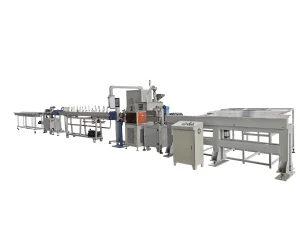
Optimized outer coating technology applying protective polymers over steel and copper tubes.
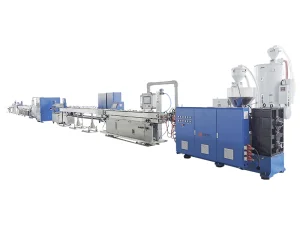
Advanced multi-layer reinforcement lines integrating high-strength fabric yarn knitting for automotive and industrial fluids.
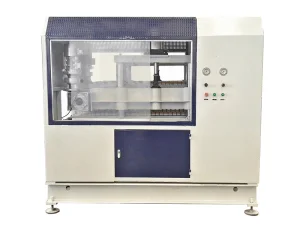
Ultra-stable take-off unit ensuring tension-free extrusion speed synchronization for precise wall-thickness controls.
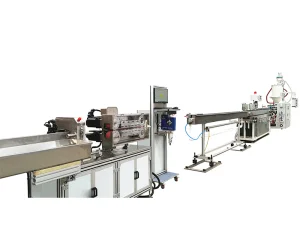
Engineered for high-output, tight-tolerance polyolefin tube manufacturing for cosmetic and medical devices.
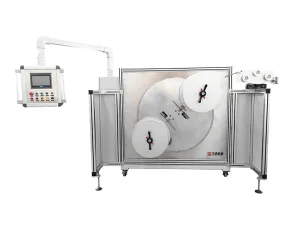
Automatic spool-switching coilers for uninterrupted winding operations of flexible micro-tubing.
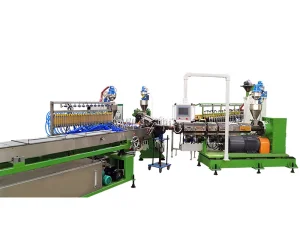
Co-extrusion solutions for high-performance automotive weather stripping and profile designs.
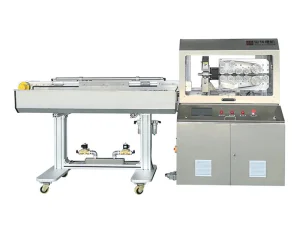
Integrated high-speed puller-cutter with micro-second response time for burr-free perpendicular cuts.
In modern critical care and clinical therapy, the infusion tube acts as a direct lifeline, delivering sterile fluids, blood components, nutrients, and precise medication dosages directly into the patient's cardiovascular system. Consequently, the global procurement of custom medical-grade infusion tube extrusion lines demands a rigorous assessment of technical performance, raw material compatibility, and regulatory safety compliance.
Global procurement teams must source extrusion lines compatible with dynamic medical polymers. These include conventional medical plasticized PVC, plasticizer-free alternatives (such as polyurethane (TPU) and thermoplastic elastomers (TPE)), and multi-layer fluoropolymers preventing drug adsorption. High-precision tooling must mitigate thermal degradation risks associated with heat-sensitive polymers.
The flow-rate accuracy of gravity-fed and pump-driven infusion systems depends heavily on keeping tight inner diameter (ID) and wall thickness dimensions. Advanced medical extrusion machinery utilizes real-time laser measurement and ultrasonic wall-thickness monitors integrated directly into the PLC feedback loop to hold tolerances of less than ±0.02 mm at production speeds up to 100 meters per minute.
Unlike standard industrial tube production, medical-grade extrusion must operate within Class 10,000 (ISO 7) or Class 100,000 (ISO 8) cleanrooms. This requires stainless steel enclosures, zero-emission vacuum sizing systems, oil-free vacuum pumps, non-polluting water recirculation cooling systems, and specialized laminar flow hoods over the die head and water tanks to prevent contamination.
BAOD EXTRUSION (Jiangsu Baodie Automation Equipment Co., Ltd.), founded in 2002, is a premier high-tech enterprise dedicated to the design, research, development, and manufacturing of state-of-the-art plastic extrusion machinery. Leveraging over 25 years of specialized experience in high-quality mechanical engineering and design originating from Taiwan, our group has established a highly reputable manufacturing footprint in Shanghai since 1999 under the parent banner KINGSWEL GROUP.
With an unwavering focus on technological innovation, BAOD EXTRUSION specializes in pushing the boundaries of precision plastic extrusion. We offer optimized machinery systems for global medical device manufacturers, automotive tubing suppliers, and high-performance industrial polymer processors. Our engineering principles prioritize automation, process reliability, high energy efficiency, and total operator safety.
Our technical center continuously develops solutions in ultra-high-speed vacuum calibration, co-extrusion technology for multi-layer medical catheters, advanced cutting systems, and high-precision closed-loop puller controls.
To compete effectively in the global medical market, device manufacturers must transition from standard single-layer extrusion systems to highly specialized, multi-functional, and intelligent production cells. BAOD EXTRUSION offers systemic configurations tailored to these advanced clinical needs:
Many clinical therapeutics degrade rapidly when exposed to ultraviolet radiation. To address this, BAOD designs advanced co-extrusion systems that produce multi-layer tubes: a clear, biocompatible inner layer (often TPU or PE to prevent drug adsorption) combined with an amber or black UV-blocking outer layer. This ensures the fluid remains protected while allowing clinical monitoring.
For complex clinical procedures involving simultaneous drug infusion, blood pressure monitoring, and fluid extraction, multi-lumen (2, 3, or multi-channel) catheters are required. Our customized die-heads and high-accuracy air control systems ensure each lumen is perfectly formed, with minimal wall deviation and zero risk of cross-channel leakage.
Pediatric and neonatal intensive care units (NICUs) require ultra-low volume, micro-bore tubing (e.g., ID 1.0mm, OD 2.0mm) to ensure extremely low infusion flow rates. Our high-precision vacuum sizing and melt pump stabilization technologies maintain continuous, flawless production of these delicate dimensions at high speeds.
In alignment with Google's search intent analysis for manufacturing operations, traceabilty and process control are critical priorities. Our extrusion lines integrate laser measurement systems that send real-time signals back to the main control system. If the outer diameter deviates from preset tolerances by even 0.005mm, the PLC instantly adjusts either the extruder screw RPM or the puller haul-off speed. This closed-loop calibration ensures zero-defect manufacturing and drastically reduces start-up scrap rates.
Reduces polymer pressure fluctuations to below ±0.5 bar, delivering an ultra-consistent melt stream.
Continuous 4-point wall thickness measurement ensures perfect concentricity and structural integrity.
Zero tension winding units swap finished spools at full line speeds without causing deformation.
The next generation of medical tubing manufacturing is defined by material changes and intelligent systems. The shift from plasticized PVC (containing DEHP) to environmentally friendly and bio-inert alternatives such as Thermoplastic Polyurethane (TPU) and Thermoplastic Elastomers (TPE) is accelerating. BAOD EXTRUSION is leading this transition with a forward-looking technological roadmap:
Polymers like TPU and TPE are highly shear-sensitive and prone to degradation if subjected to excessive frictional heat inside the extruder. Our engineering team has developed specialized barrier-type screw designs with low-shear mixing zones. This ensures optimal color distribution, complete melt homogenization, and precise temperature control throughout the process.
Medical tubing requires rapid cooling to lock in its dimensional structure immediately after leaving the die. Our high-precision vacuum calibration tanks utilize specialized, micro-adjustable sizing discs and multi-chamber water zones. This setup controls the rate of solidification, preventing ovality and ensuring excellent roundness of the inner lumen.
As medical device factories migrate toward full automation, our systems feature integrated vibration sensors, melt temperature transducers, and power monitoring. This data is processed by the Beckhoff or Siemens control system to predict mechanical wear, optimize thermal zones, and notify operators of maintenance requirements before defects occur.
Operating in the medical supply chain requires strict compliance with international manufacturing guidelines. Medical tubes produced on our extrusion systems are engineered to meet key global standards, including the European Union Medical Device Regulation (EU MDR) and the United States Food and Drug Administration (FDA) requirements for class II medical accessories.
Our machinery structure is designed to support medical cleanrooms. All components in contact with water or raw materials are manufactured from high-grade SS304/SS316 stainless steel. The system is designed to allow simple, chemical-resistant wipe-downs for sterile wash cycles.
To streamline the customer's validation process, BAOD provides comprehensive Design Qualification (DQ), Installation Qualification (IQ), and Operational Qualification (OQ) protocols. We assist our clients in running factory acceptance tests (FAT) and site acceptance tests (SAT).
With machines running in Asia, Europe, and the Americas, our service engineers can log into your PLC system remotely via secure VPN connections. This allows us to instantly update software configurations, run diagnostics, and troubleshoot operations without delay.
Based on our engineering heritage, BAOD designs and manufactures complete, high-efficiency systems for diverse industrial fields. These range from precise automotive fuel lines to multi-layer corrugated structures.
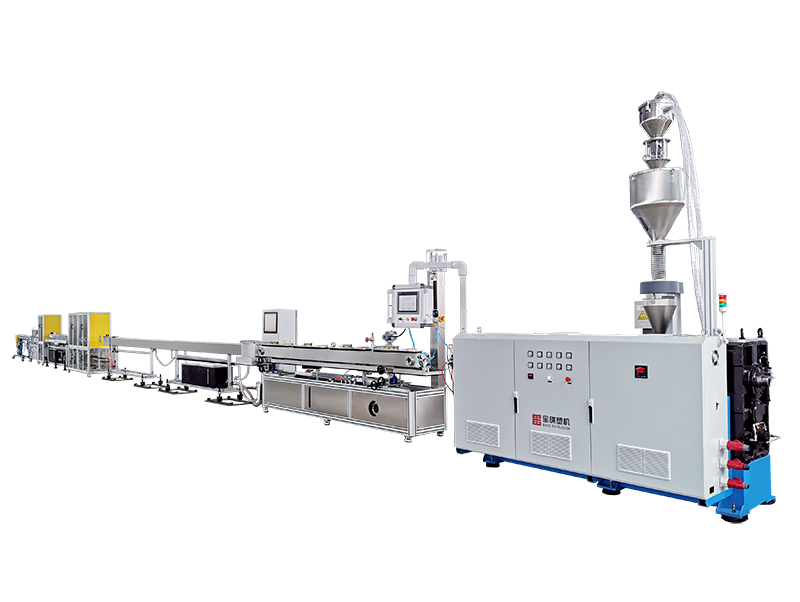
Designed for ultra-precise micro-tubing. Operates with tight tolerances and integrates advanced vacuum calibration for polyolefins, PVC, and TPU.
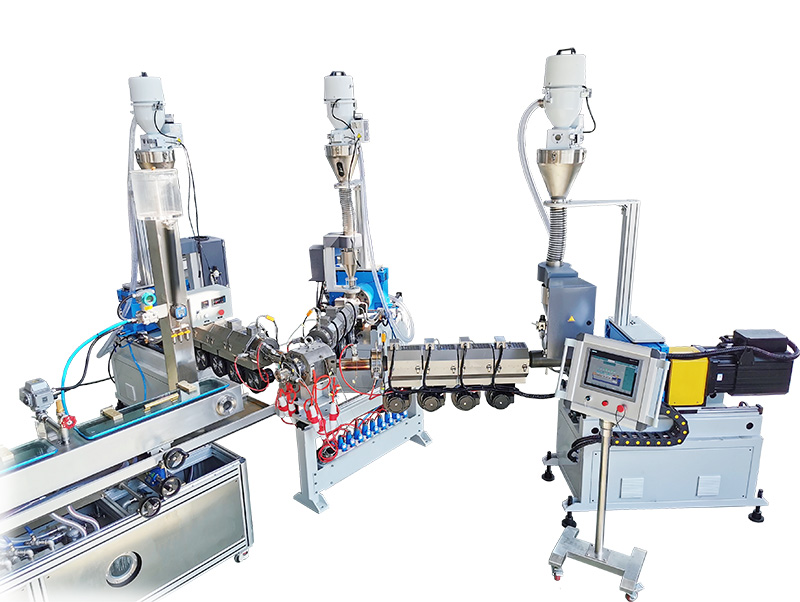
Multi-layer co-extrusion technology for polyamide (Nylon) tubes. Ideal for automotive fuel lines and vacuum lines requiring high barrier properties.
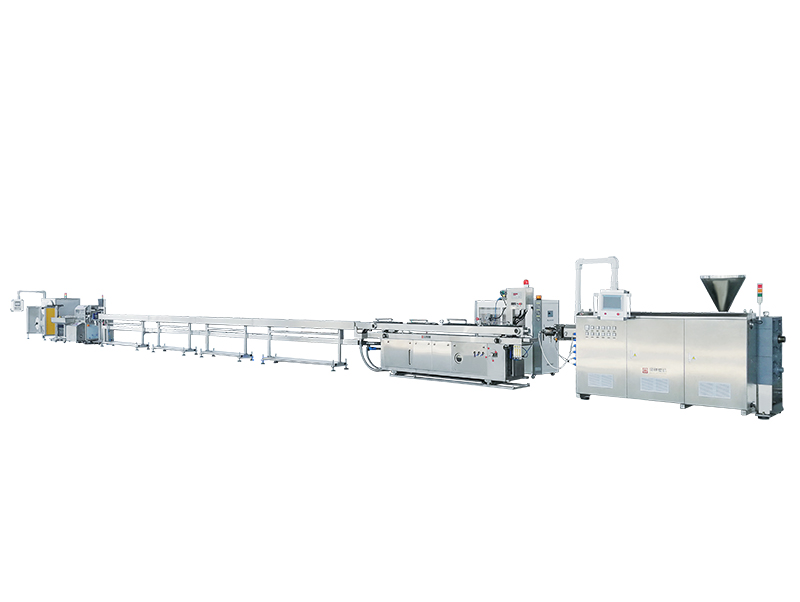
Our flagship medical-grade extrusion platform. Configured with a cleanroom layout, precision sizing, and high-speed cutting units.
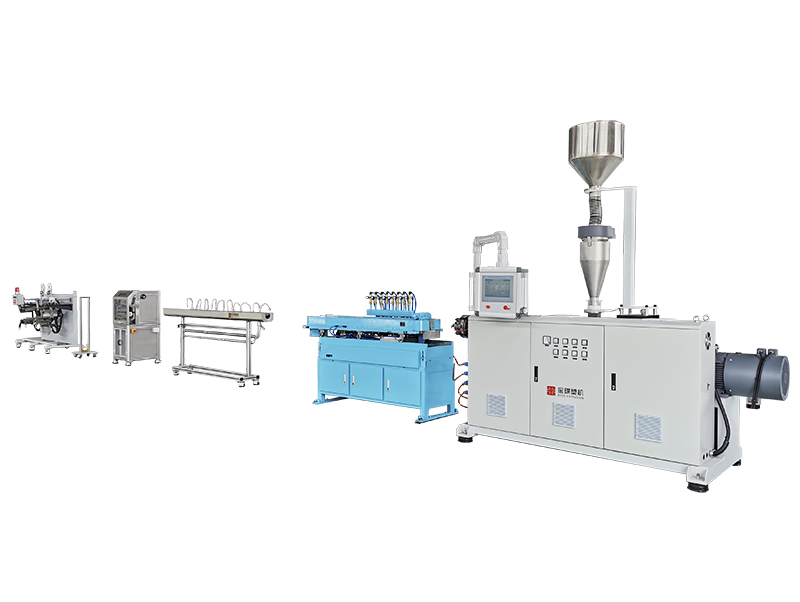
Features high-efficiency forming blocks and optimized cooling air channels for high-speed corrugated tube production.
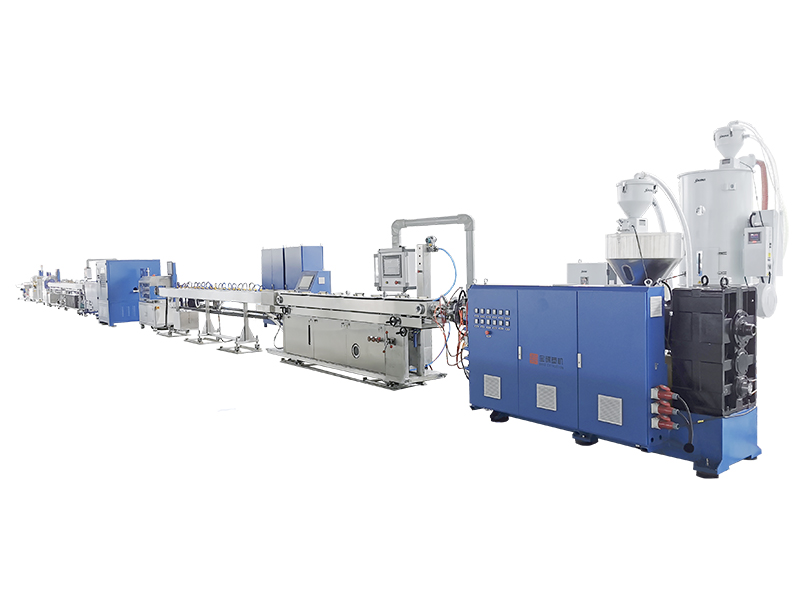
Applies integrated braiding over inner TPV tubes, followed by outer protective jacket coating. High pressure resistance.

Designed for automotive weather seals. Features co-extrusion with metal inserts, online flocking, and punching configurations.
Stay updated with our latest technology showcases, industrial trends, international exhibitions, and critical compliance guidelines for medical and automotive manufacturing.
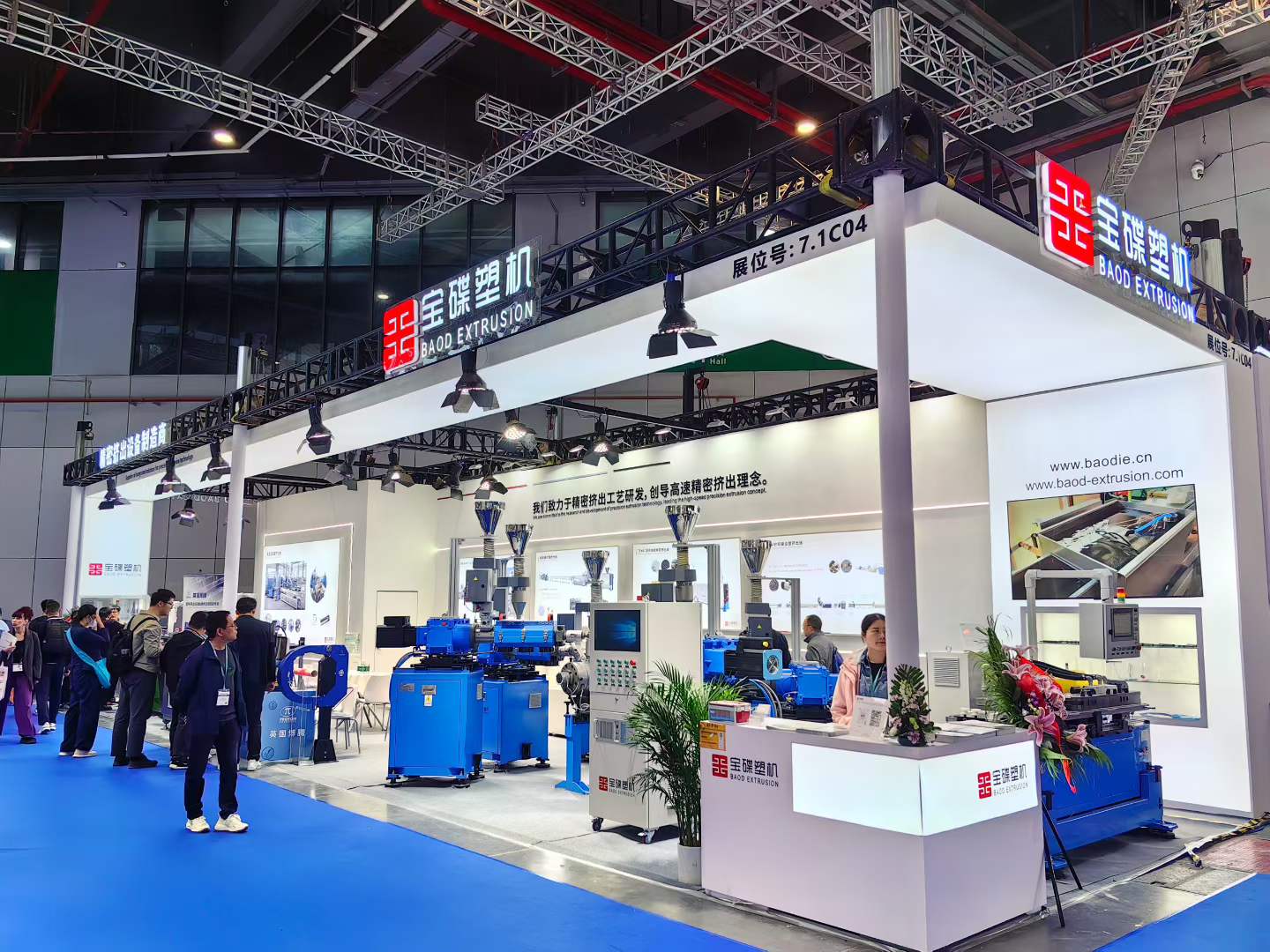
BAOD EXTRUSION presented its latest R&D achievements at Booth 7.1C04, showcasing "Smart Extrusion · High-Efficiency Innovation" solutions for modern plastics processing.
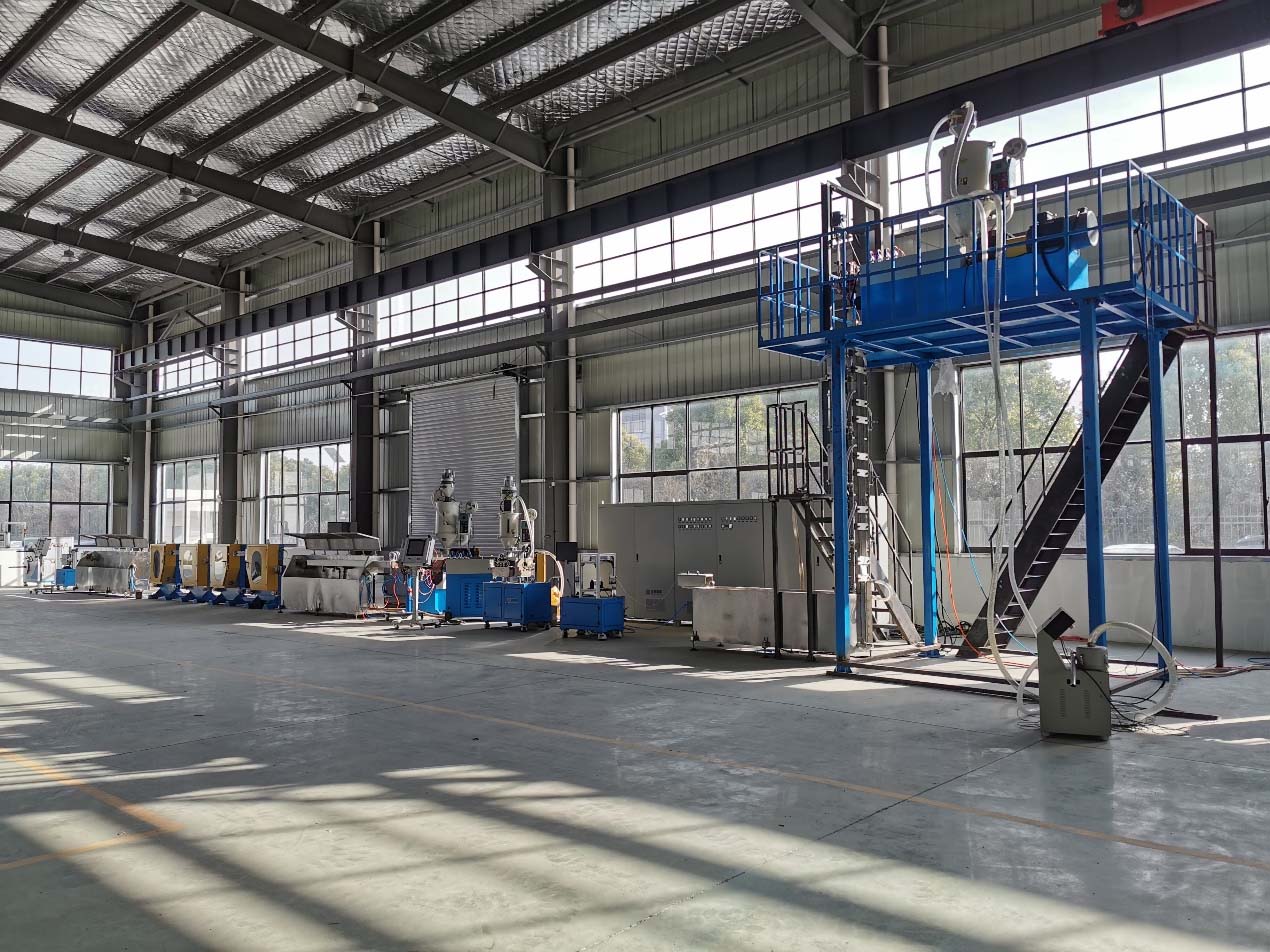
In modern mining and infrastructure demolition, precision shock-tubes require zero-defect extrusion. BAOD has established itself as a leading provider of these customized solutions.
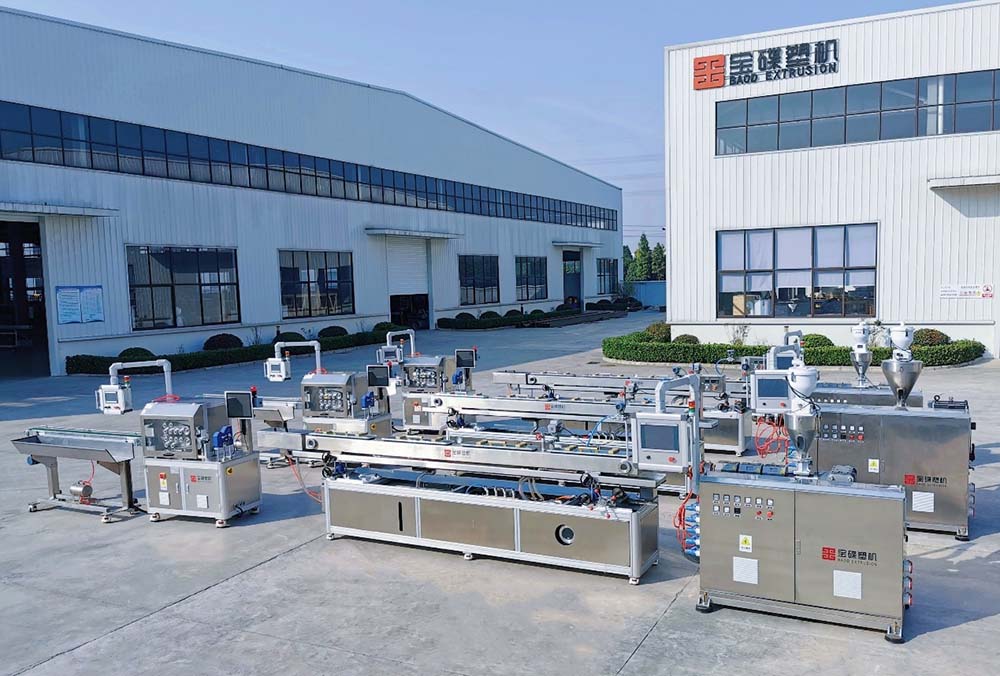
A comparison of dimensional stability, die-head designs, and calibration techniques between Chinese precision manufacturing and traditional European mechanical engineering standards.
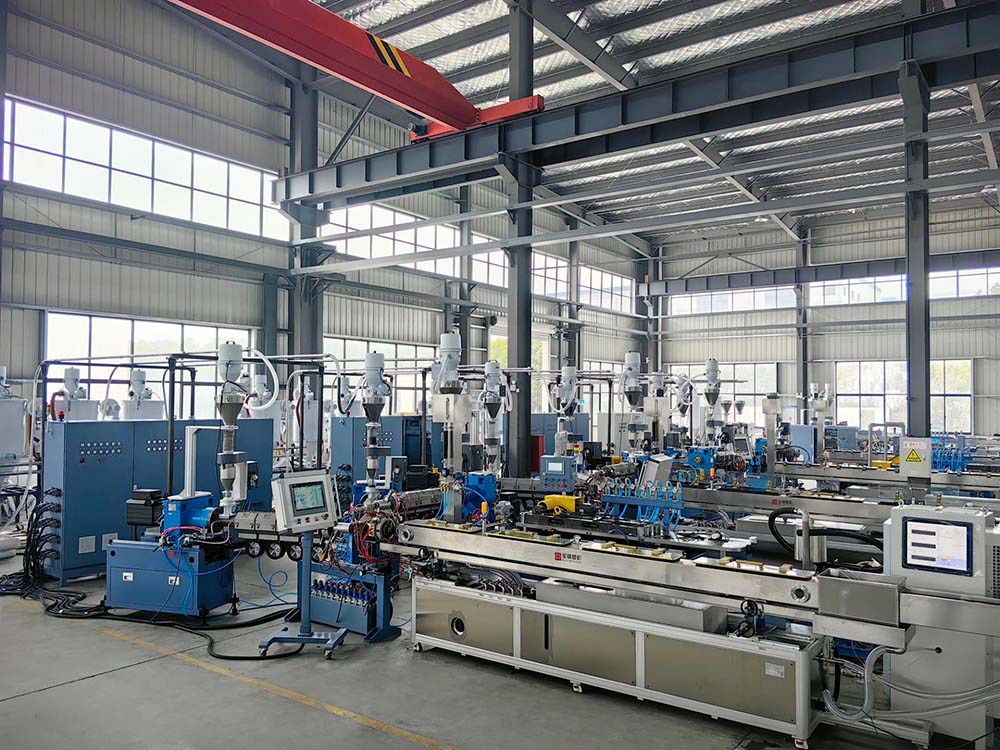
Explore the quality management, process control systems, and material traceability frameworks that BAOD implements to meet global automotive engineering specifications.
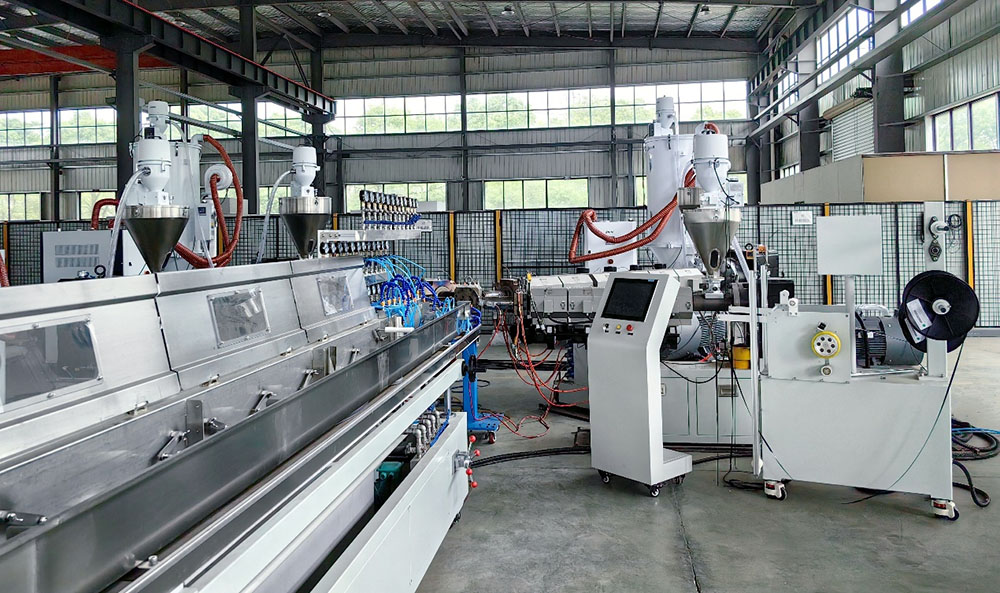
Analyzing the impact of electric vehicle light-weighting trends on the design and production requirements of multi-component co-extruded sealing strips.
Deep dive technical responses addressing critical operational challenges, material processing, and engineering specifications for medical device manufacturing.
We achieve this through a closed-loop control system. This system integrates high-precision gravimetric feeding units, a melt gear pump positioned between the screw and the die, and an online outer diameter (OD) and inner diameter (ID) laser gauge. The PLC feedback loop dynamically adjusts the take-up speed of the crawler puller and the RPM of the extruder screw in real time. This compensates for material viscosity changes, keeping the outer diameter variation below ±0.02mm.
Yes. TPE and TPU are highly shear-sensitive and hygroscopic. We use specially designed barrier-type screws with a low L/D ratio and deep feed channels to minimize mechanical shear. Additionally, our screw and barrel are coated with wear-resistant and corrosion-resistant alloys. We recommend integrating a specialized dehumidifying dryer before extrusion to reduce moisture levels below 0.02%, preventing hydrolysis during production.
Our medical extrusion lines feature stainless steel structures, oil-free vacuum pumps, closed-loop water circulation, and sealed electrical cabinets. The physical layout is optimized to match cleanroom airflows. Heat generated by the barrels is dissipated through customized exhaust systems, preventing contamination in Class 10,000 (ISO 7) or Class 100,000 (ISO 8) facilities.
We supply complete validation protocols (IQ/OQ/PQ) and design documentation (DQ). Our engineering team performs factory acceptance testing (FAT) with the customer's raw materials, compiling a complete process data report. This report acts as baseline validation data for the customer's clinical compliance submissions.
For standard single-lumen medical PVC infusion tubing, our high-speed extrusion lines operate efficiently at speeds of up to 100-120 meters per minute. The production speed is optimized to balance cooling capacity, cutting frequency, and dimensional tolerance control.
Discover our complementary systems, including silicon core duct lines, automated high-performance cutters, lampshade profile machinery, and single screw extruders.
Co-extrudes a low-friction silicone inner layer inside HDPE microducts for telecom fiber cable blown installations.
Heavy-duty tracking saw cutting systems for rigid large-diameter pipes and complex profiles.
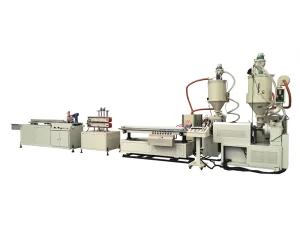
Co-extruding transparent and frosted polymers for high-quality linear LED lighting diffusion covers.
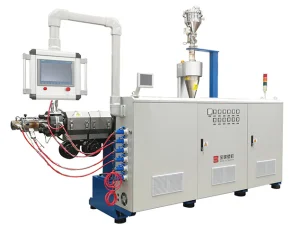
High-efficiency extruders equipped with custom screw geometries and precise heating elements.
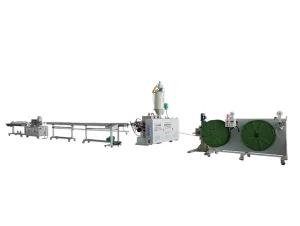
Engineered for high-pressure fluid transfer, combining layers of polymer with cross-knitted fabric reinforcement.
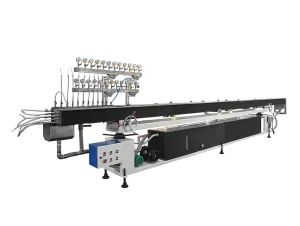
Corrosion-resistant stainless steel cooling tank with multi-directional spray nozzles for uniform cooling.
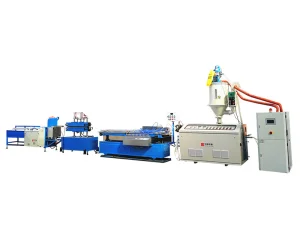
Designed to manufacture complex structural trim, weather strips, and exterior decorative parts for OEMs.
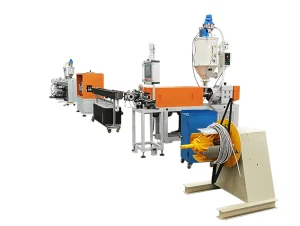
Applies corrosion-resistant polymer jackets over heavy steel strands, chains, and corrugated pipes.
 Baodie