Explore our core engineering capabilities designed for advanced polymer tubing and specialized industrial coatings.
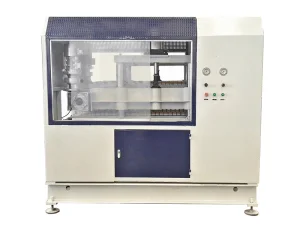
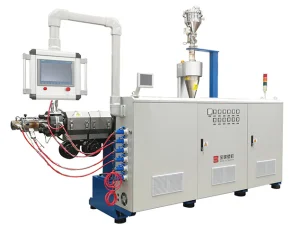
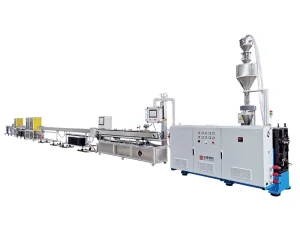
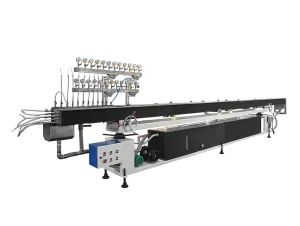
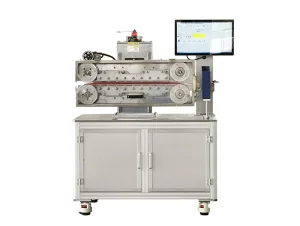
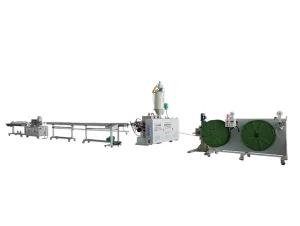
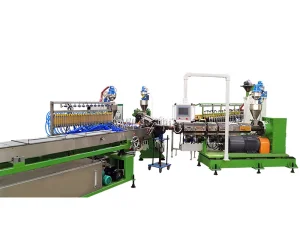
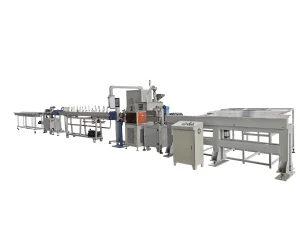
High-Density Polyethylene (HDPE) has transitioned from a standard structural polymer to the cornerstone of modern infrastructural connectivity. In the wake of global 5G network expansion, Fiber-to-the-Home (FTTH) mandates, and smart city developments, the demand for highly specialized HDPE silicone core tubes (microducts) has surged exponentially. The global commercial market requires extrusion systems that do not merely melt and shape plastic, but consistently yield microtubes capable of resisting extreme geological stresses while maintaining internal sub-micron friction coefficients.
Throughout Europe, the Americas, and Southeast Asia, underground utility infrastructure is undergoing a massive transformation. Older municipal piping networks are being systematically replaced with co-extruded multi-layer HDPE conduits. These configurations ensure long-term durability against environmental stress cracking (ESCR) and soil shift pressures. For procurement directors, sourcing a custom HDPE extrusion line has shifted from a transaction of standard machinery to a meticulous evaluation of thermodynamic control, line speed stability, and raw material versatility.
"The standard extrusion methodologies of the past decade are no longer viable for high-performance networks. Today's HDPE microduct lines must deliver continuous, deviation-free geometries at speeds exceeding 60-80 meters per minute while keeping wall-thickness tolerances under ±0.05 mm."
BAOD EXTRUSION (Jiangsu Baodie Automation Equipment Co., Ltd.) has dedicated over two decades to the engineering, manufacturing, and global distribution of ultra-precision plastic extrusion systems. Inheriting a foundation established in 1999 by our parent group (KINGSWEL GROUP) with rigorous engineering standards developed in Taiwan, BAOD has specialized in delivering reliable, high-output production lines to demanding international markets.
Operating from our 16,000m² state-of-the-art facility in Jiangsu, our workforce of over 100 dedicated engineers, technicians, and support staff continuously refines the boundaries of automated polymer extrusion.
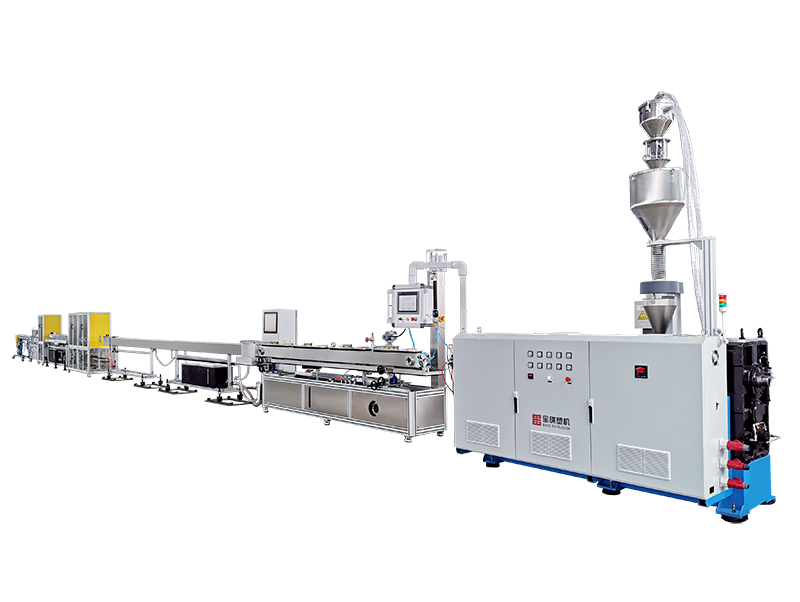
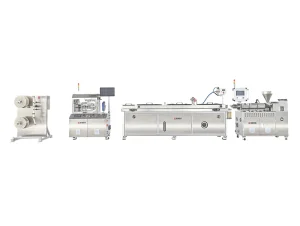
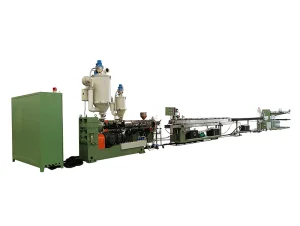
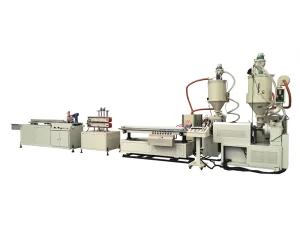
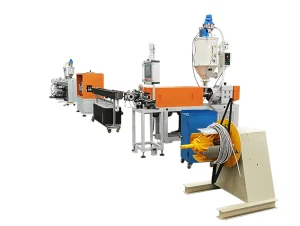
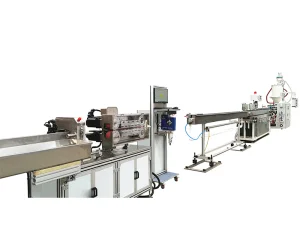
Achieving high precision in HDPE tube extrusion requires strict control over every stage of the process. From the initial resin melting to the final spool wrapping, every subsystem must operate with perfect synchronization. Here is how BAOD Extrusion optimizes this workflow:
Our SJ Series single-screw extruders are equipped with high L/D ratios (up to 38:1) and specialized barrier screw geometries. This ensures complete polymer melting and homogeneous temperature control without degrading the resin structure.
Our multi-chamber vacuum calibration and spraying tanks use high-precision water temperature control. This setup rapidly stabilizes the extruded pipe shape, ensuring excellent roundness even during high-speed production runs.
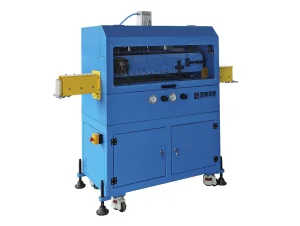
Equipped with TKC Series crawler-type and TKB belt pullers, our haul-offs feature digital speed synchronization. This prevents deformation by adapting pull speeds to the cooling rate of the tube.
The processing of HDPE silicone core pipes requires a co-extrusion setup. The outer layer is made of structural HDPE, while the inner layer is a co-extruded, solid-state silicone lubricant. The friction coefficient of the inner layer must remain consistently below 0.15 to allow fiber optic cables to be blown in smoothly over distances of up to 2,000 meters. To achieve this, the extrusion head must feature highly balanced flow channels that prevent the materials from bleeding into each other during co-extrusion.
| Machine Subsystem | Standard Configuration | BAOD Premium Custom Configuration | Performance Advantages |
|---|---|---|---|
| Extruder Drive | AC Motor + Simple Gearbox | Permanent Magnet Servo + High-Torque Hardened Gearbox | Reduces energy consumption by up to 25%; maintains stable output torque even at low speeds. |
| Gravimetric Dosing | Manual Volume Control | Multi-component Gravimetric System (Siemens Control) | Maintains weight-per-meter variation within ±0.3%, significantly reducing raw material waste. |
| Vacuum Calibration | Single Chamber Manual Valve | Multi-Section Automatic Vacuum & Pressure Closed-Loop | Ensures outer diameter tolerances are held within ±0.03mm, preventing ovality issues. |
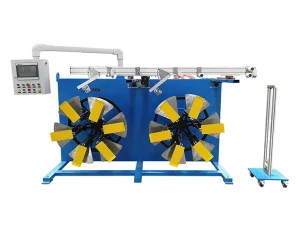
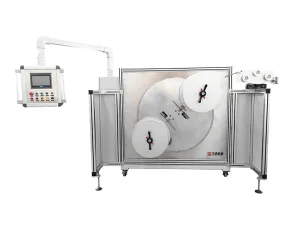
| Winding Automation | Manual Spool Tension Reel | SPS-Dh Auto Precision Traverse Displacement Coiler | Ensures clean, tension-controlled spooling, preventing tube deformation over long storage periods. |
In the competitive landscape of industrial equipment manufacturing, the term "efficiency" refers to a factory's ability to consistently deliver high-quality, customized systems with short lead times. China has built an incredibly comprehensive industrial manufacturing ecosystem. In regions like Jiangsu, where BAOD is based, the supply chain for precision parts—such as specialized nitrided screws, high-grade heating bands, and high-tolerance vacuum pumps—is highly integrated and geographically concentrated.
This concentration allows BAOD Extrusion to quickly source high-quality components, complete engineering adjustments, and conduct thorough wet-testing on our assembly floors before shipment. In contrast to many Western OEMs that rely heavily on outsourced sub-assemblies across different continents, our local vertical integration enables us to complete the manufacturing, wiring, program integration, and testing of a custom multi-layer microduct line in just 60 to 75 days.
Additionally, this manufacturing efficiency translates into a clear cost-to-performance advantage. Without sacrificing component quality (utilizing global brands like Siemens, ABB, Omron, and Schneider), BAOD provides extrusion solutions that are financially accessible, allowing infrastructure developers to scale their production capacities within budget.
Custom HDPE tubes serve a wide range of industrial applications, each requiring specific design adjustments. Standard, one-size-fits-all extrusion lines often struggle to meet these distinct requirements. Below, we examine the typical configurations designed for specific end-use environments:
Required Features: Co-extruded silicone inner lining, precise colored tracing ribs, and high-capacity spooling.
Design Implementation: Dedicated co-extrusion dies, precise temperature zones, and automatic traversers designed for long-length spools.
Required Features: Heavy-wall pipes capable of handling high working pressures and corrosive liquids.
Design Implementation: Large-diameter single-screw extruders with long cooling zones to ensure complete polymer crystallization and prevent wall slump.
Required Features: High dimensional precision for tight engine bay installations.
Design Implementation: Laser diameter controllers linked with puller speeds to adjust and maintain dimensions on the fly.
Keep up with the latest industry news, technology updates, and developments from BAOD Extrusion.
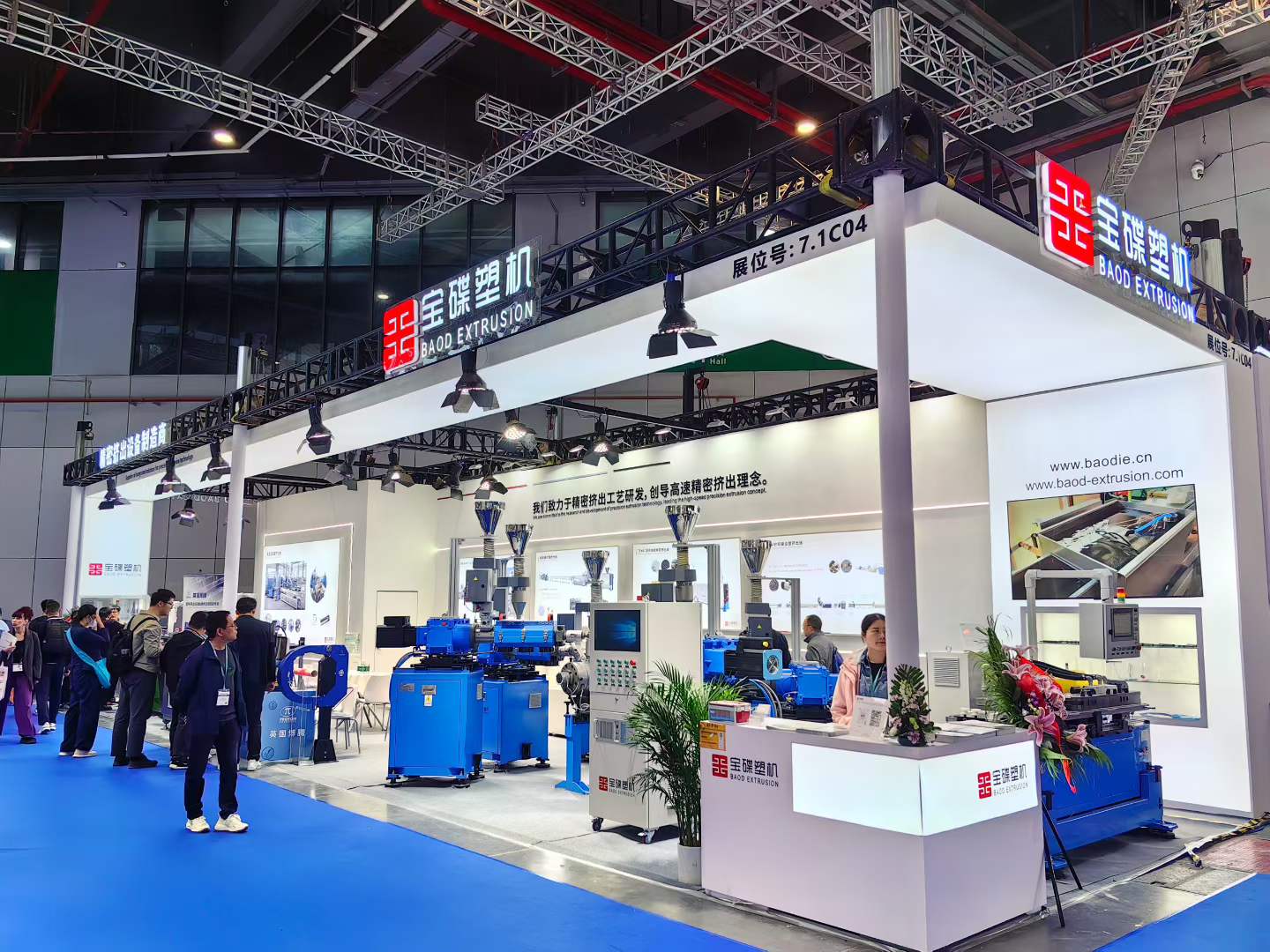
BAOD EXTRUSION showcased its latest R&D achievements at Booth 7.1C04, presenting "Smart Extrusion & High-Efficiency Innovation" solutions that drew praise from global buyers.
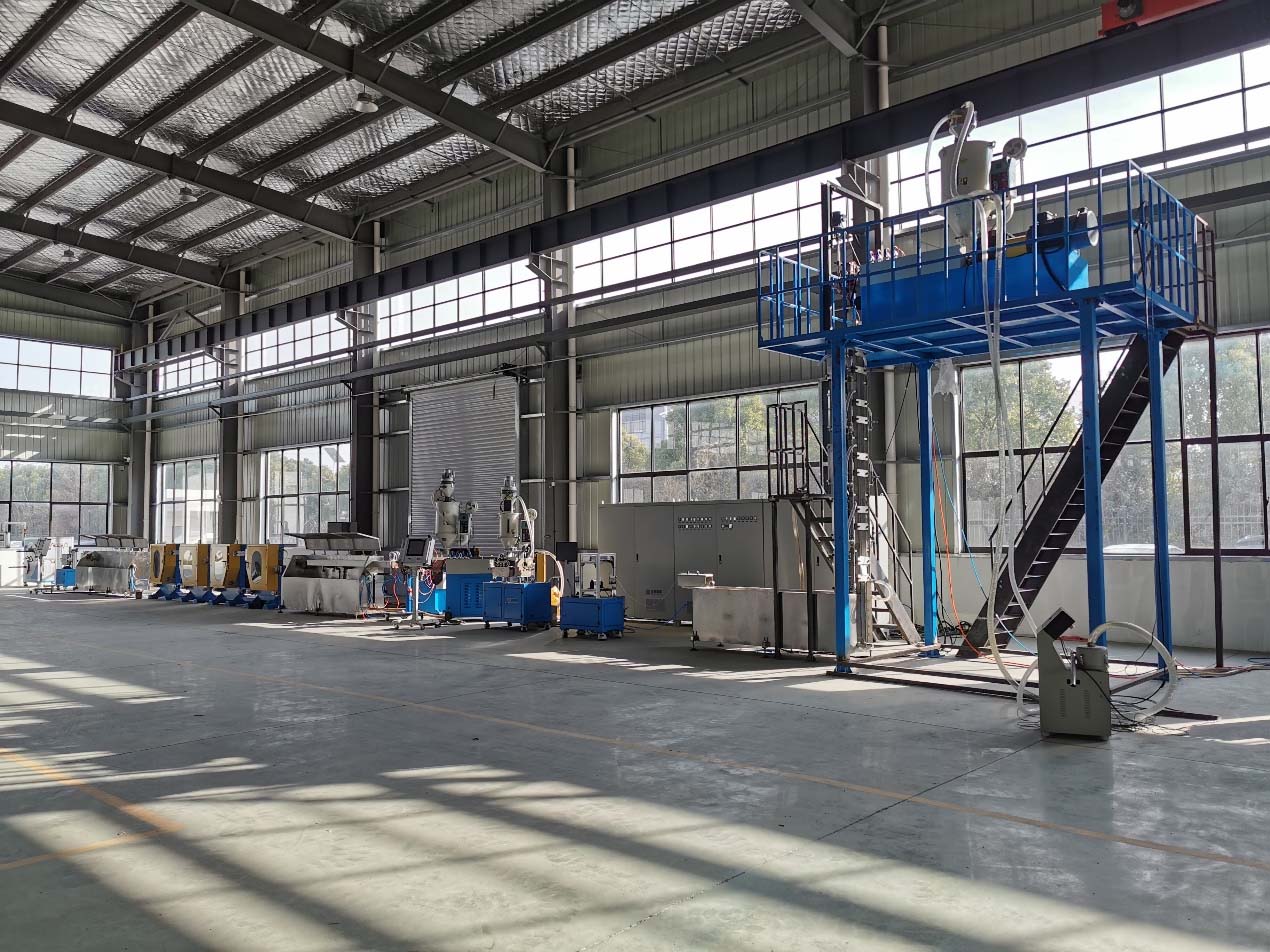
In quarrying and demolition, specialized detonating tubes require extreme manufacturing precision. Learn how BAOD's custom lines ensure safe, consistent wall thickness.
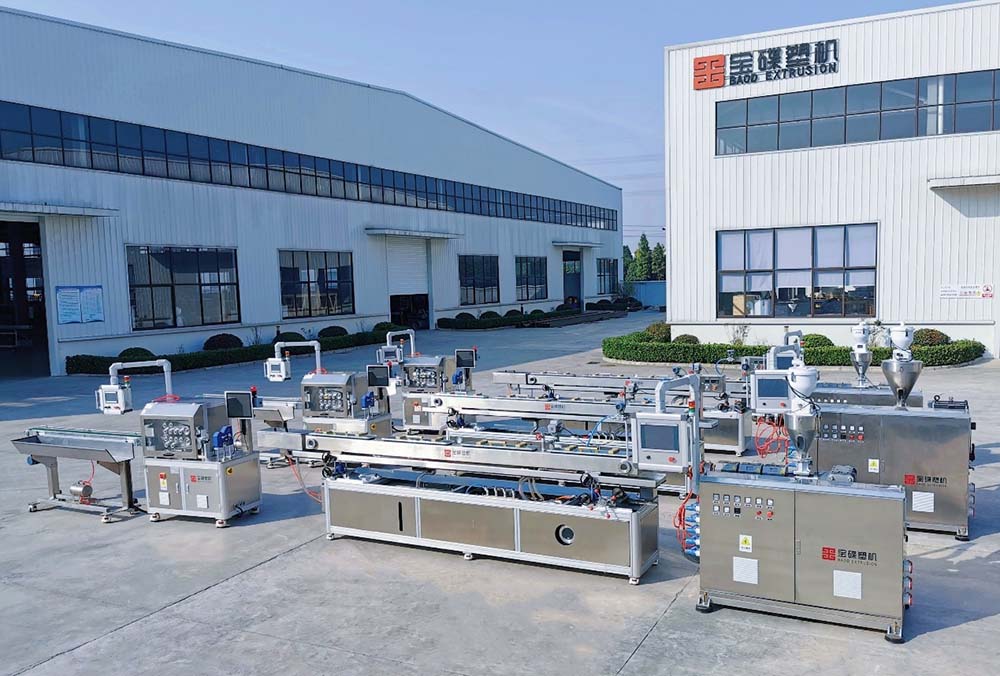
An in-depth look at how BAOD integrates European engineering standards with high-efficiency Chinese manufacturing to produce multi-lumen tubing.
The plastic extrusion industry is moving away from manual adjustments in favor of fully automated, data-driven production. Today, smart sensors track every detail of the extrusion process. By integrating real-time wall thickness measurement systems directly with the extruder's PLC, the line can automatically adjust pull speeds or screw output to correct any dimensional drift.
In addition, energy efficiency has become a key design priority for manufacturing plants worldwide. Traditional band heaters are increasingly replaced by induction heating coils, which heat the extruder barrel faster and reduce heat loss to the surrounding environment. This change can lower overall energy consumption by up to 30%, helping factories meet sustainability goals while reducing operational costs.
Finally, modern systems are designed to handle recycled materials. With growing environmental requirements, many extrusion lines are built with specialized venting systems and wear-resistant bimetallic barrels. This allows them to process high percentages of post-consumer recycled (PCR) HDPE without causing line stoppages or reducing the mechanical strength of the finished pipe.
Answers to common technical, design, and purchasing questions from international buyers.
Explore our complete range of co-extruders, automated haul-offs, and high-speed spool winding systems.
 Baodie