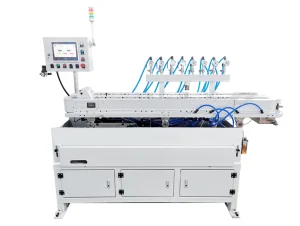
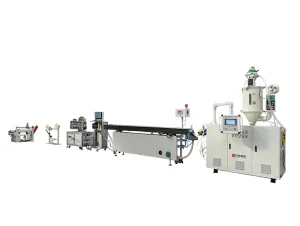
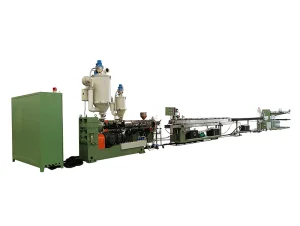
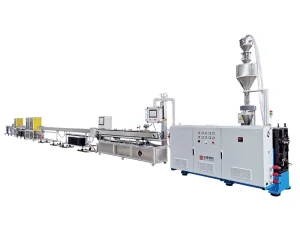
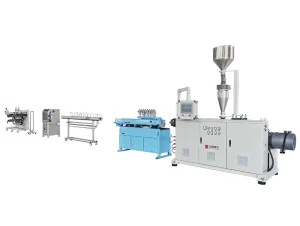
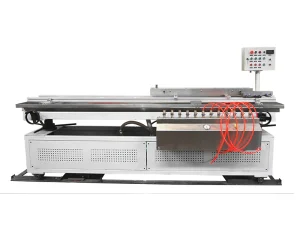
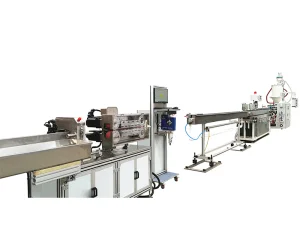
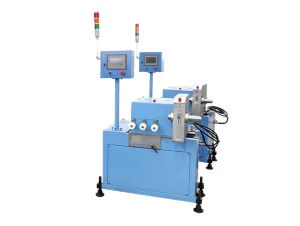
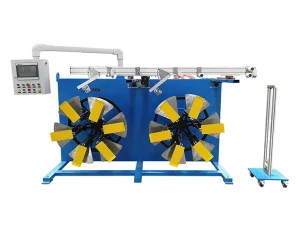
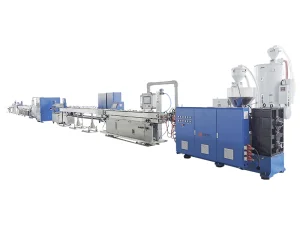
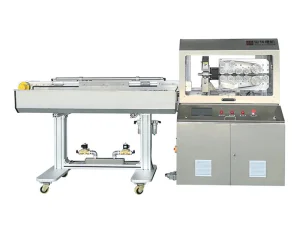
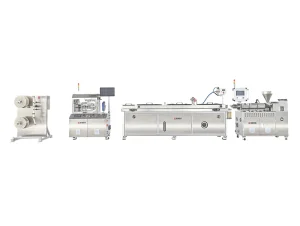
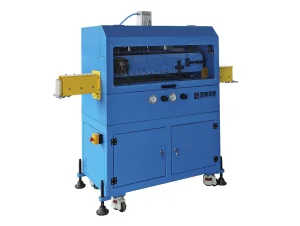
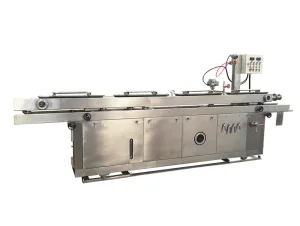
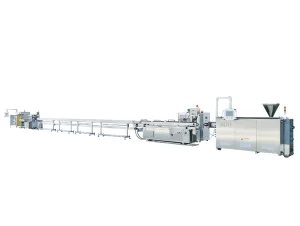
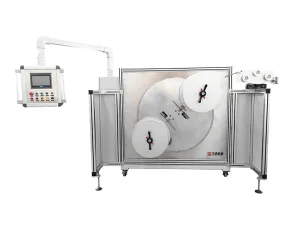
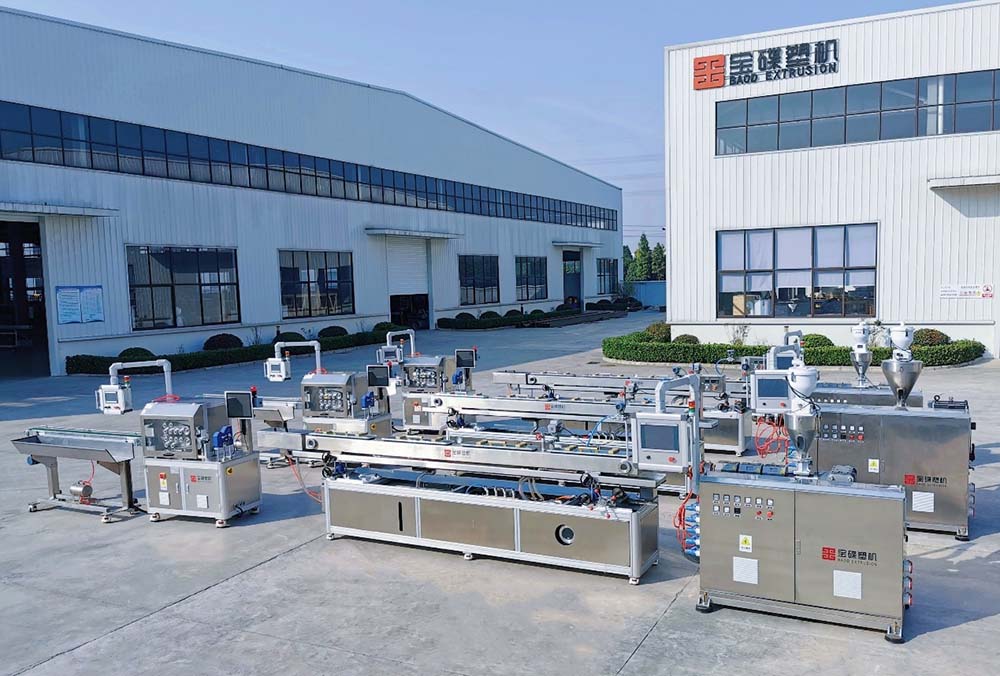
BAOD EXTRUSION (Jiangsu Baodie Automation Equipment Co., Ltd.) founded in 2002, is dedicated to the professional design, manufacturing, and international sales of high-performance plastic extrusion equipment. Based on 18 years of comprehensive experience in designing and fabricating high-quality machinery in Taiwan, the original parent company (KINGSWEL GROUP) invested in establishing our modern extrusion machines manufacturing base in Shanghai in 1999.
We maintain a long-term focus on intensive research and development for:
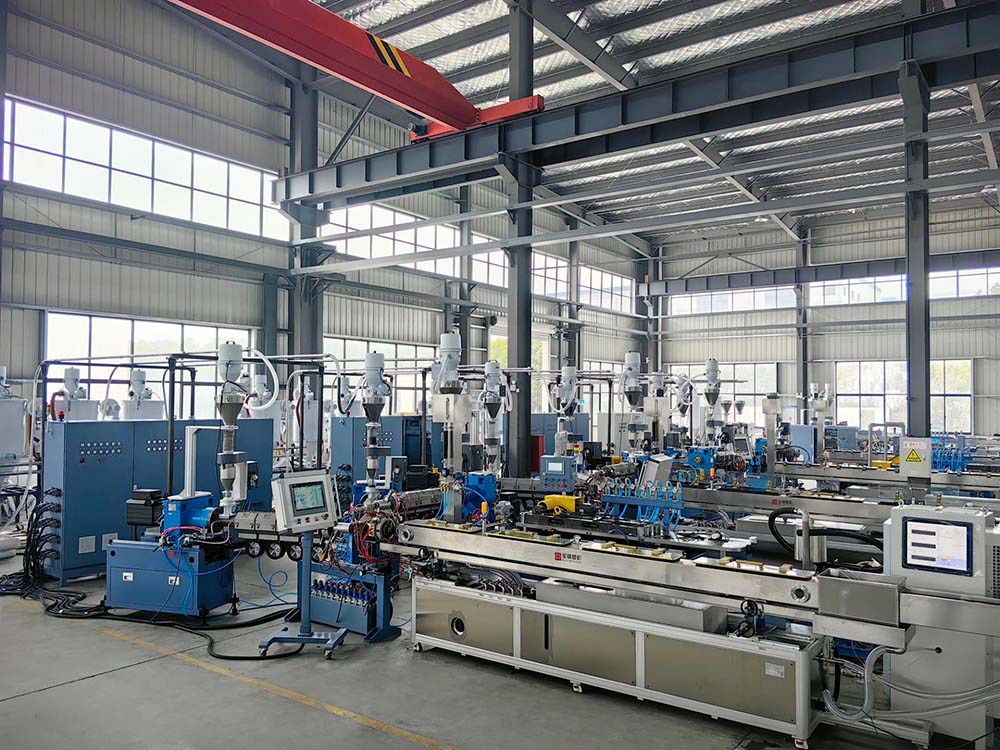
In the globalized industrial landscaping, the manufacturing efficiency of plastic extrusion machinery has shifted from simple mechanical assembly to complex, cyber-physical automation systems. At BAOD EXTRUSION, our production base within the Jiangsu-Shanghai industrial cluster enables us to implement state-of-the-art China Industry 4.0 standards. By integrating smart manufacturing workflows, predictive quality control, and rigorous parts traceability, our factories optimize the entire manufacturing chain from raw material intake to final system validation.
This strong geographic positioning ensures an uninterrupted supply of high-grade raw components, specialized metallurgy, and electrical drives. Rather than relying on fragmented sub-vendors, BAOD consolidates precision screw machining, thermal heat treatment, and automated frame welding under strict in-house protocols. The result is a resilient production schedule that mitigates geopolitical logistical delays, yielding up to a 30-40% lead time reduction compared to European counterparts, without compromising mechanical integrity.
Full integration of European-certified electrical components (Siemens, Schneider, Omron) with high-strength, wear-resistant Chinese alloy screw steel (38CrMoAlA), delivering both competitive pricing and global component availability.
The automotive landscape is undergoing a massive paradigm shift toward Electric Vehicles (EVs). Traditional internal combustion engines (ICE) rely heavily on simple EPDM rubber hoses. However, EVs demand far more advanced thermal management systems. Battery thermal management, power electronics, and electric motors operate within tight, optimal temperature bands. Consequently, this requires cooling loops made of multi-layer engineered thermoplastic polymers (such as PA11, PA12, TPV, and PVDF) to handle glycol-water mixtures under sustained pressures and temperatures.
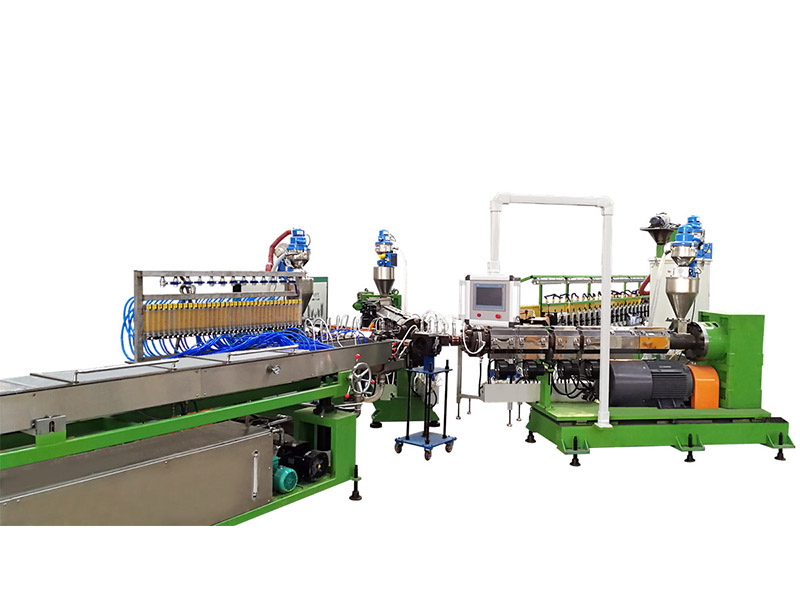
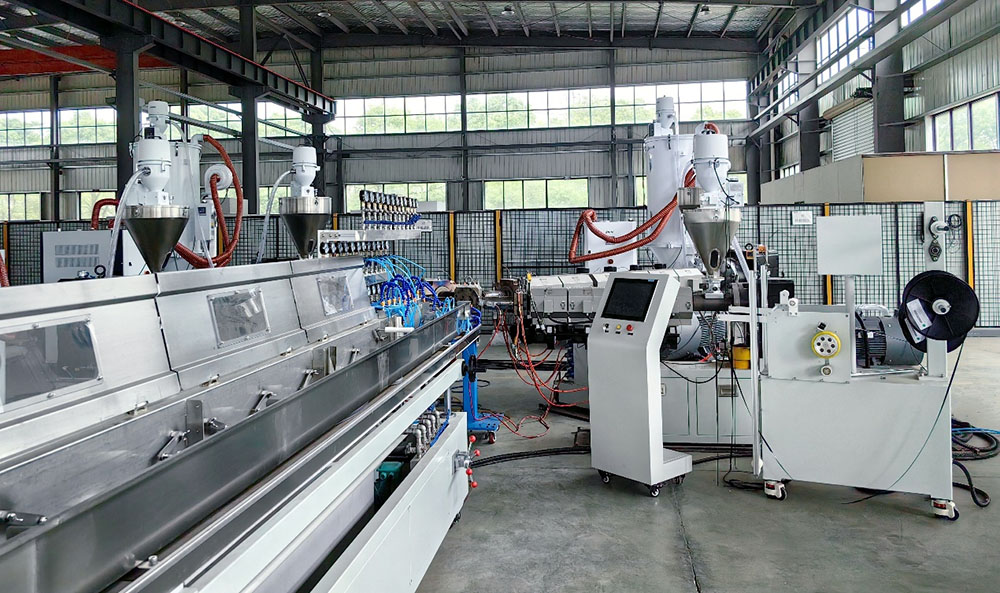
BAOD’s technology roadmap actively addresses this evolutionary trend. Our custom extrusion lines feature advanced multi-layer co-extrusion technology (up to 5 or 7 distinct layers). These multilayer hoses integrate barrier layers that limit fluid permeation, structural reinforcement layers for mechanical resistance, and chemically resistant inner linings. By controlling die head rheology and pressure dynamics, our co-extrusion technology prevents inner layer thinning, ensuring high concentricity and uniform wall thickness down to ±0.03 mm.
Closed-loop vacuum sizing systems stabilize outer diameters automatically, compensating for raw material batch fluctuations instantly.
Controlled water temperature gradient zones relieve inner material stresses, preventing hose deformation and shrinkage during post-cure phases.
Gravimetric dosing units deliver precise color masterbatch and additive concentrations for guaranteed thermal and UV stability.
From a macro-environmental perspective, global automotive OEMs are aggressively targeting carbon neutrality. Heavy, non-recyclable vulcanized EPDM rubber systems are increasingly being replaced by recyclable Thermoplastic Vulcanizates (TPVs) and lightweight nylon formulations. This switch not only simplifies recycling but also reduces total fluid-system weight by up to 40%.
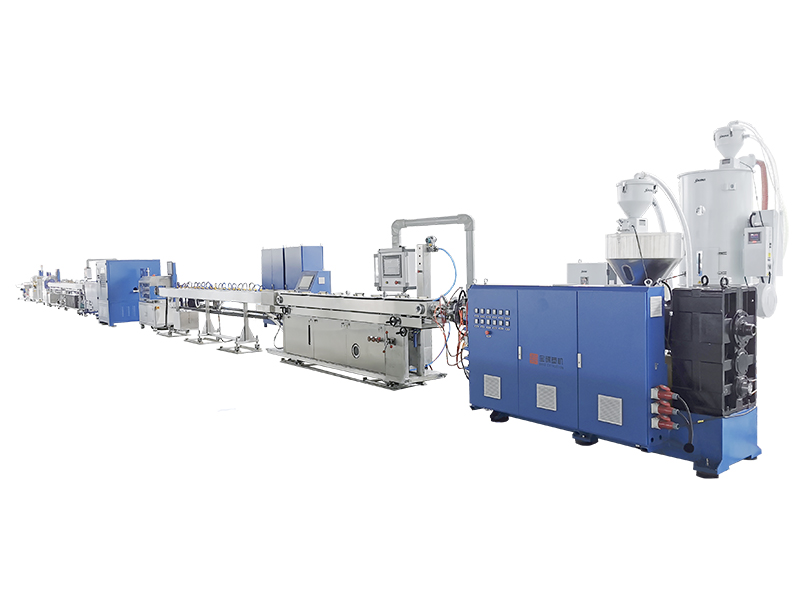
BAOD supports this shift with dedicated TPV/PA extrusion lines. These systems are configured with custom screw geometries (L/D ratio of 30:1 or 36:1) optimized for high shear resistance and precise heat control. Additionally, our knitting and reinforcement modules integrate perfectly with primary and secondary extruders, forming solid composite structures capable of handling extreme pressures in EV HVAC systems.
Procuring industrial extrusion equipment requires a thorough evaluation of long-term Return on Investment (ROI) and Overall Equipment Effectiveness (OEE). High-volume manufacturers demand consistent processing speeds (often up to 30 meters per minute) with minimum scrap rates. Our extrusion lines meet these rigorous standards through real-time laser gauge monitoring and automated feedbacks, continuously measuring outer diameters and wall thicknesses.
Furthermore, BAOD maintains full alignment with international automotive quality standards, including IATF 16949 guidelines for components, alongside CE and UL electrical specifications. Before shipment, every machine undergoes intensive factory acceptance testing (FAT), using the client's actual production raw materials to ensure seamless field start-ups.
Operating high-speed production systems overseas demands rapid, competent field support. BAOD bridges this gap through localized technical service agents in North America, Europe, and Southeast Asia. Our extruders are equipped with secure remote-access industrial VPN router options. This allows our design engineers in Shanghai and Jiangsu to perform diagnostic checks, adjust PLC parameters, and push software updates remotely, minimizing unplanned downtime.
We provide full documentation, including comprehensive CAD layout drawings, pneumatic and electrical schematics, and detailed calibration guides. This ensures smooth safety audits during factory installations. By working closely with local engineering compliance authorities, we verify that every panel layout and safety interlock meets local regulatory standards (like OSHA or European machinery directives).
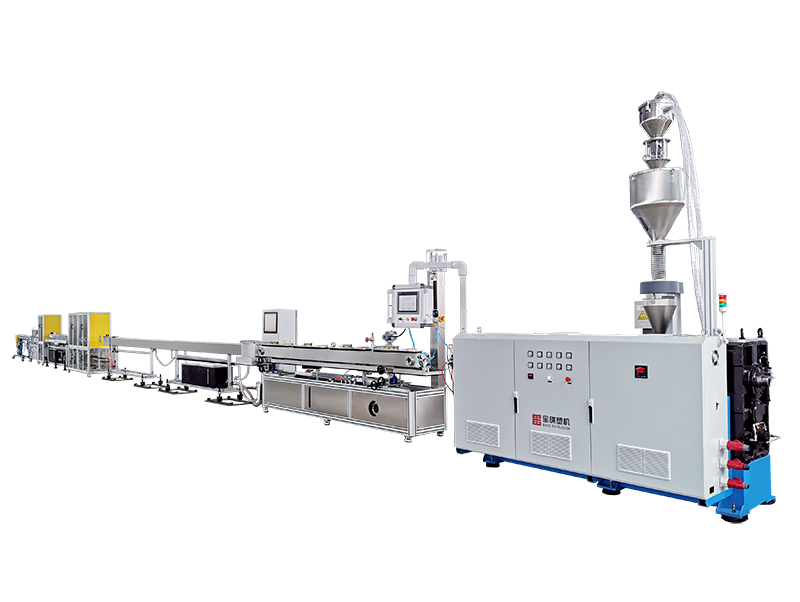
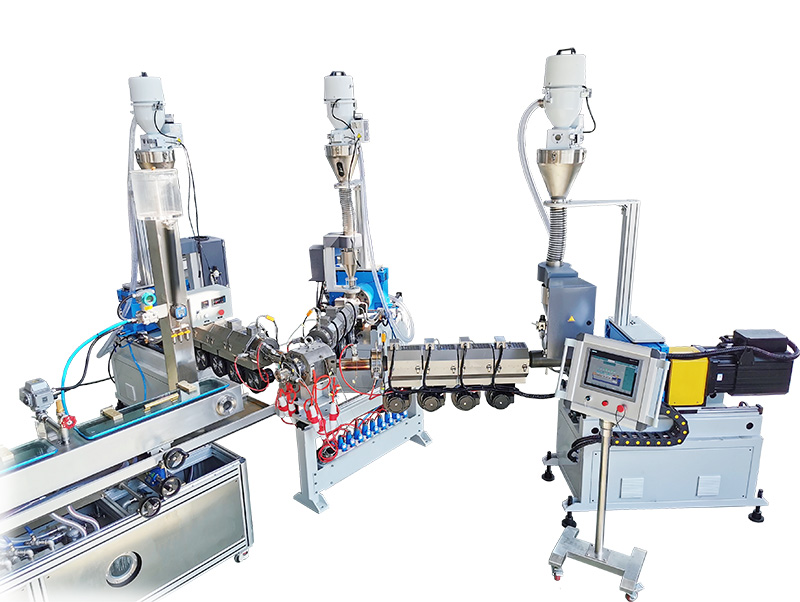
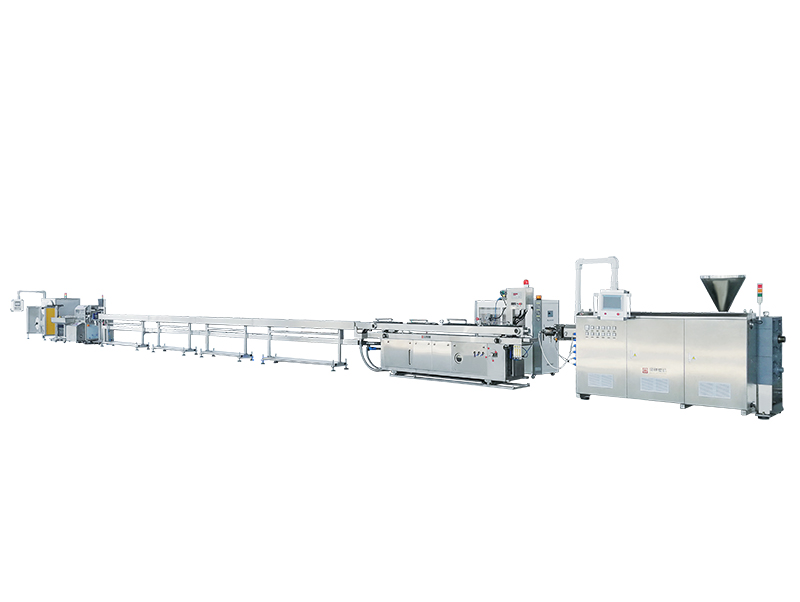
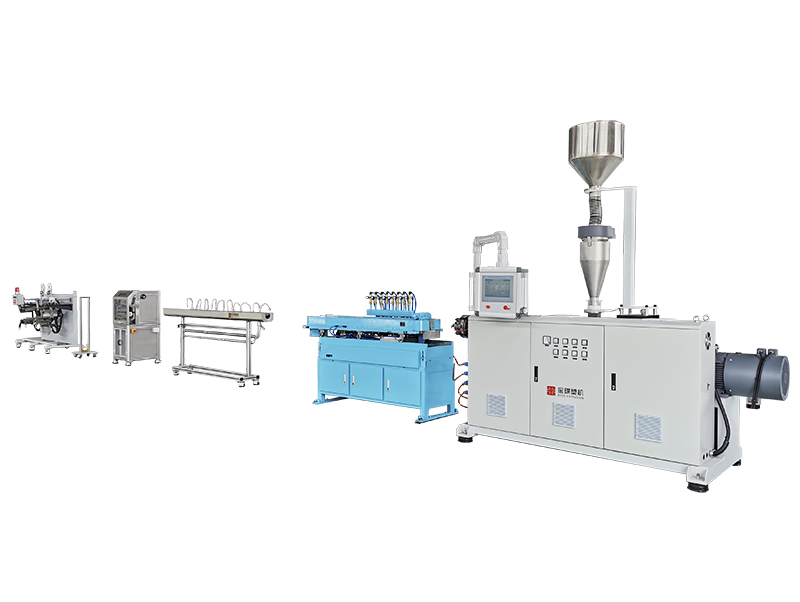
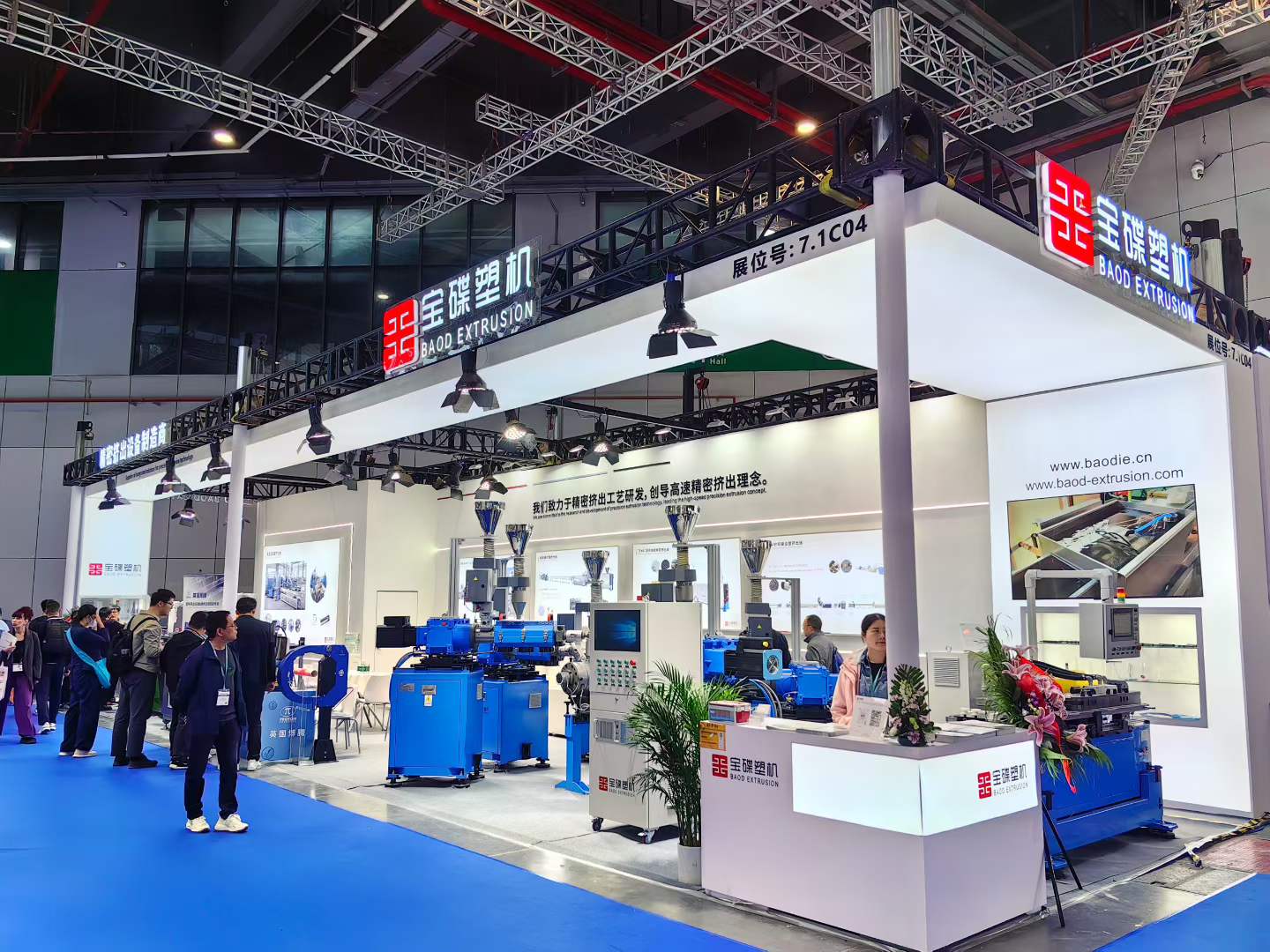
From April 21–24, CHINAPLAS 2026 was successfully held at the National Exhibition and Convention Center (Shanghai, Hongqiao). BAOD EXTRUSION showcased its latest R&D achievements at Booth 7.1C04, presenting “Smart Extrusion · High-Efficiency Innovation” solutions that attracted clients globally.
In the controlled environment of a modern industrial facility, a single, hair-thin plastic tube wound onto a reel might seem unremarkable to the untrained eye. However, in sectors ranging from mining to infrastructure demolition, this tube—known as a detonating tube—plays a critical role.
In the sterile, quiet environment of a modern medical facility, a clinician prepares a complex catheter for a critical procedure. This thin, flexible tube is far more than a simple conduit; internally, it is divided into several microscopic channels, or lumens, each designed to perform distinct roles.
How do the world's most reputable vehicle manufacturers ensure the absolute integrity of every fuel line, brake hose, and cooling pipe buried deep within a vehicle's chassis? Why has the shift toward electric and lightweight vehicles made the precision of these small-diameter tubes critical?
As the twilight sun reflects off the sleek, aerodynamic curves of a modern electric vehicle parked in a bustling metropolitan street, few observers notice the quiet, critical components ensuring the cabin remains a sanctuary of silence and temperature control. Behind these seals is advanced extrusion machinery.
During the key presentation sessions, BAOD's engineering team detailed the performance benefits of our latest generation of automotive cooling line extruders, showing how high integration lowers overall operation costs and energy requirements.
 Baodie