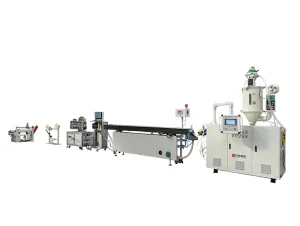
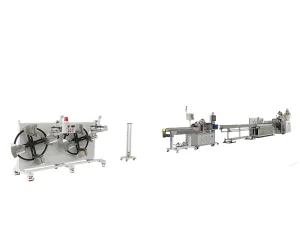
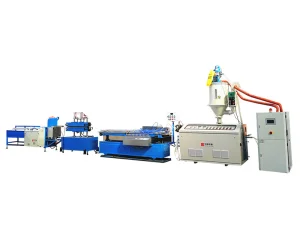
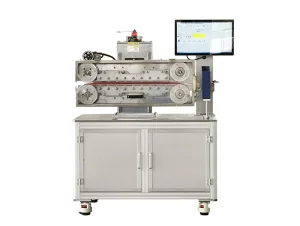
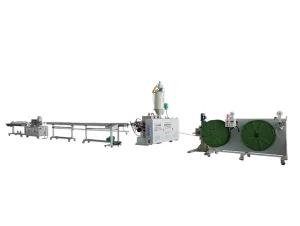
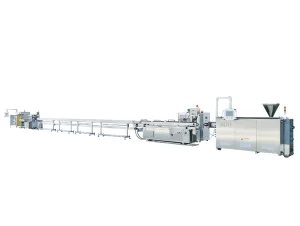
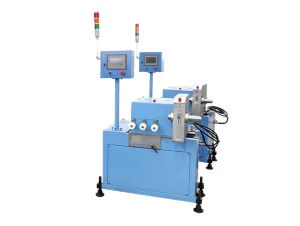
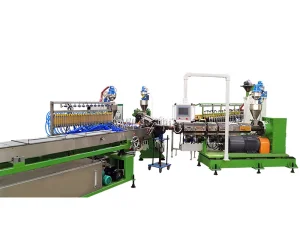
BAOD EXTRUSION (Jiangsu Baodie Automation Equipment Co., Ltd.) founded in 2002, dedicated to designing, manufacturing and sales of plastic extrusion equipment. Based on 18 years experience of designing and fabricating high quality machines in Taiwan, the original parent company (KINGSWEL GROUP) invested in establishing extrusion machines manufacturing base in Shanghai in 1999. Today, we bring 25 years experience of plastic extrusion designing and manufacturing to global industries.
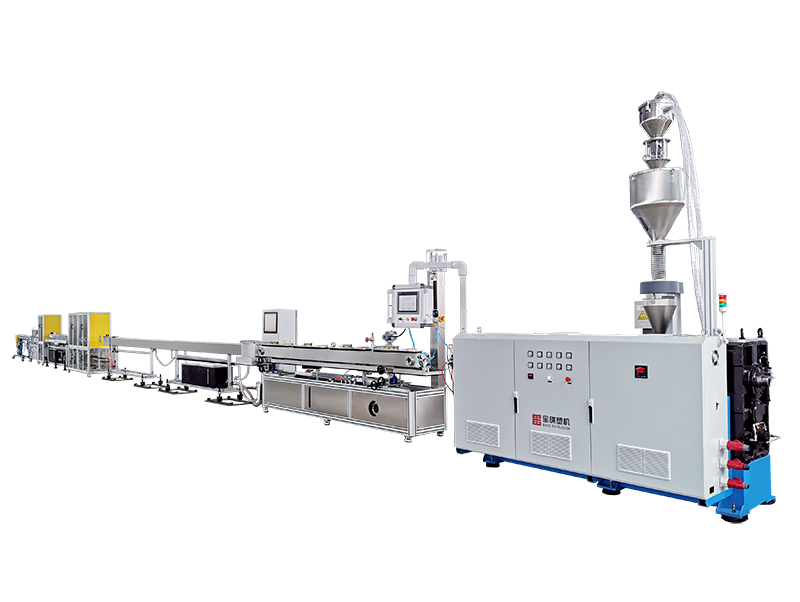
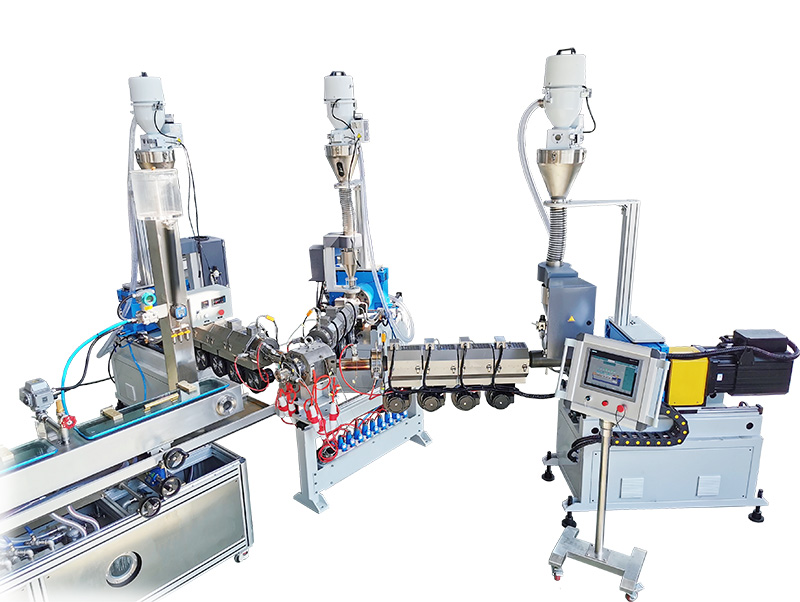
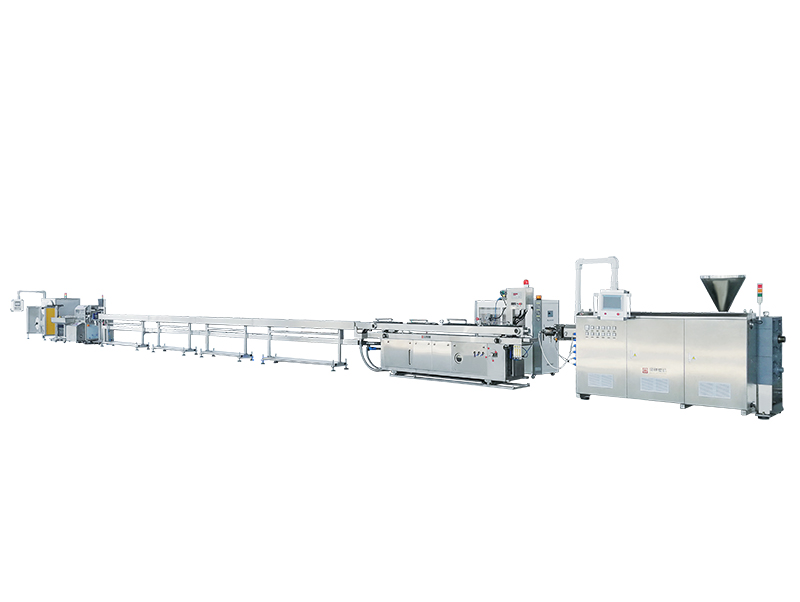
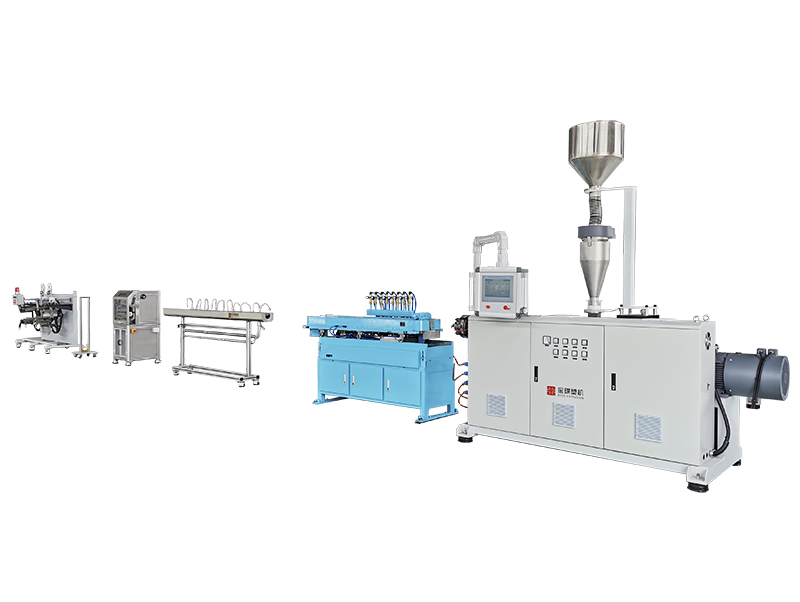
Braided reinforced PVC hoses—widely recognized for their flexible properties, chemical resistance, and capability to withstand high pressures—are vital conduits in industrial machinery, agricultural irrigation, food processing, oxygen supply, and fire safety systems. Designing an extrusion line capable of consistently outputting high-quality braided hoses requires a deep understanding of polymer melt behavior, precision tension control in braiding, and robust adhesion chemistry between co-extruded layers.
To achieve high burst pressure capabilities, braided PVC hoses utilize a three-layer structure. Understanding this structure is essential for configuring the extrusion line:
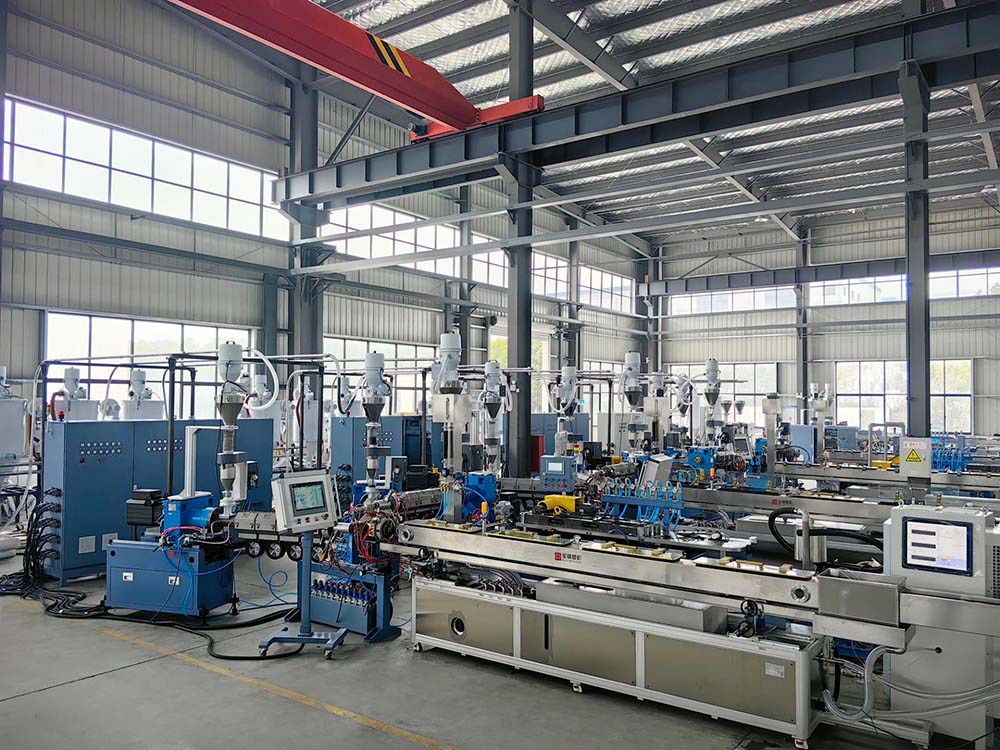
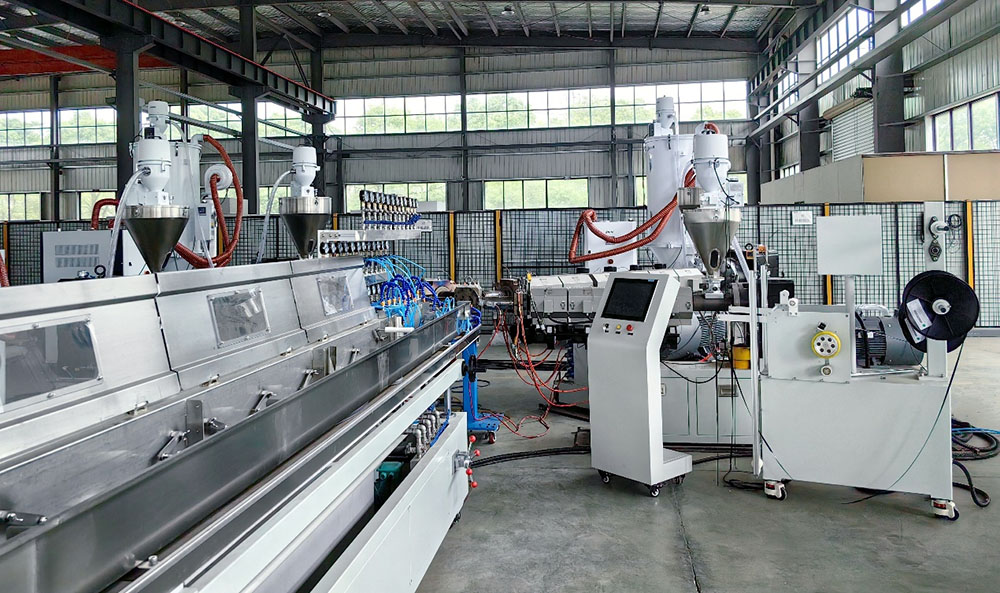
A professional Custom Braided Reinforced PVC Hose Extrusion Line runs a continuous, multi-stage production sequence. Speed and tension synchronization across these zones are critical:
High-efficiency single-screw extruder processes plasticized PVC under precise temperature settings (140°C - 170°C). The melt passes through a specialized tubular extrusion die to form the inner hose core.
The soft PVC profile enters the vacuum sizing and spray cooling tank. Precise vacuum regulation ensures consistent outer diameter (OD) control with micro-level deviation limits.
A specialized high-speed yarn braiding machine interlaces the reinforcing fibers over the chilled inner tube. Tension-controlled bobbins prevent distortion or localized thinning of the tube.
To avoid interlayer separation under flexing or pressure, the braided core undergoes thermal conditioning. An infrared or hot-air tunnel heats the surface to enhance bonding with the outer melt.
The heated braided core moves through a crosshead die of the secondary extruder. Here, the outer protective sheath is applied over the yarn network, encasing the fibers completely.
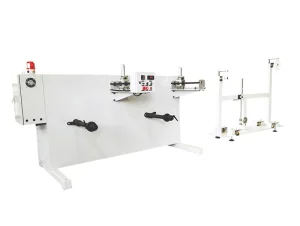
The composite hose is cooled inside a water spraying trough, monitored via non-contact diameter gauges, pulled at a steady speed, and coiled into finished rolls by an automatic winding machine.
Extruder Melt Homogeneity: PVC is thermally sensitive. The screw geometry must feature low-shear, high-dispersion mixing configurations (like barrier screws with Maddock mixing heads) to prevent thermal degradation while ensuring a uniform melt temperature.
Crosshead Die Flow Distribution: The outer coating extruder crosshead must be designed with streamlined flow channels to avoid stagnation zones. Balanced flow distribution ensures uniform wall thickness around the braided reinforcing mesh.
Tension Synchronization: Any speed mismatch between the first haul-off (pulling the inner core) and the second haul-off (pulling the braided hose) leads to stretching or buckling. Precision closed-loop loop-sensors or tension transducers feed back to the central PLC to adjust motor speeds dynamically.
Historically, braided hoses were generic garden or light-industrial utilities. Current global procurement demands show a clear shift toward specialized, high-grade materials. In Europe and North America, buyers prioritize phthalate-free, non-toxic PVC formulations that meet REACH, FDA, and RoHS regulations.
For medical-grade and food-handling lines, machinery must support cleanroom environments. This demands stainless steel water tanks, closed-loop sanitizing systems, and extrusion screws with wear-resistant coatings to prevent contamination.
With rising raw material and energy costs, procurement teams focus heavily on the Life Cycle Cost (LCC) of machinery. Industrial users require extrusion lines that reduce material waste, save energy, and support fast tool changeovers.
Modern smart co-extrusion technology enables manufacturers to run thin outer skins using costly high-performance additives, while using standard-grade recycled PVC compounds in the core layers without compromising structural limits.
Centralized pneumatic conveying, vacuum dryers, and precise loss-in-weight gravimetric dosing units ensure compound formulations are blended accurately, preventing inconsistencies in extrusion density.
High-precision vacuum calibration troughs coupled with automated cooling water temperature controllers keep dimensions stable even during variations in cooling water supply.
Equipped with dual-position shaft winding units, automatic length counting, and tension tapering systems to prevent compression deformation of the fresh hose wrap.
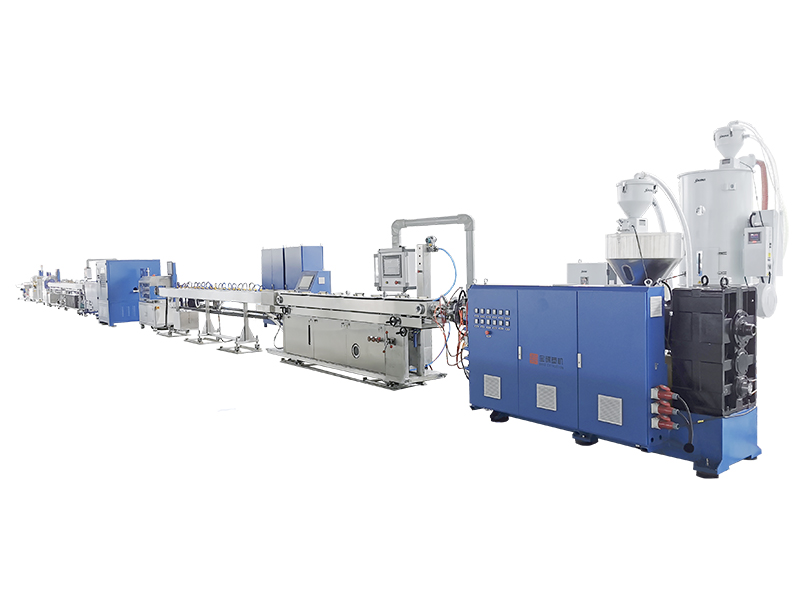
Operating manufacturing plants across North America, Europe, and Asia requires machinery that complies with local electric, physical, and ecological standards. BAOD EXTRUSION builds all lines in compliance with CE, UL, and CSA standards.
We offer global technical support, remote troubleshooting, and on-site engineering services to minimize downtime. With localized spare part hubs and cloud-connected PLC telemetry, our technicians can diagnose and optimize machine performance remotely.
The plastics extrusion industry is moving rapidly toward fully integrated cyber-physical manufacturing systems. BAOD EXTRUSION is actively developing the next generation of smart extrusion equipment. Our technology roadmap focuses on three main developments:
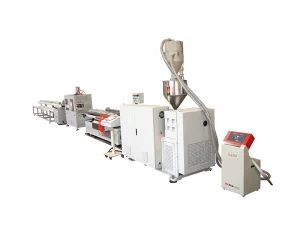
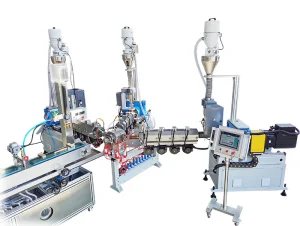
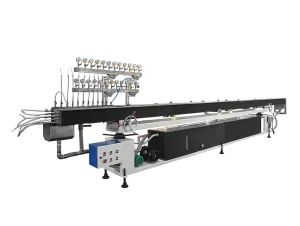
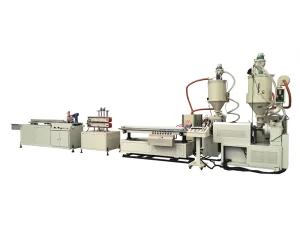
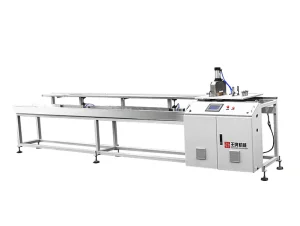
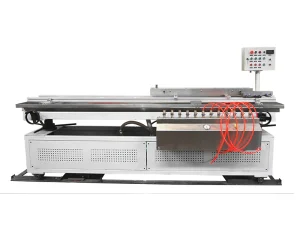
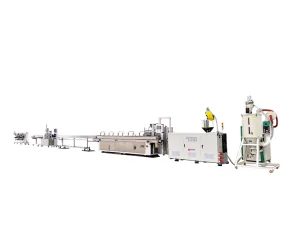
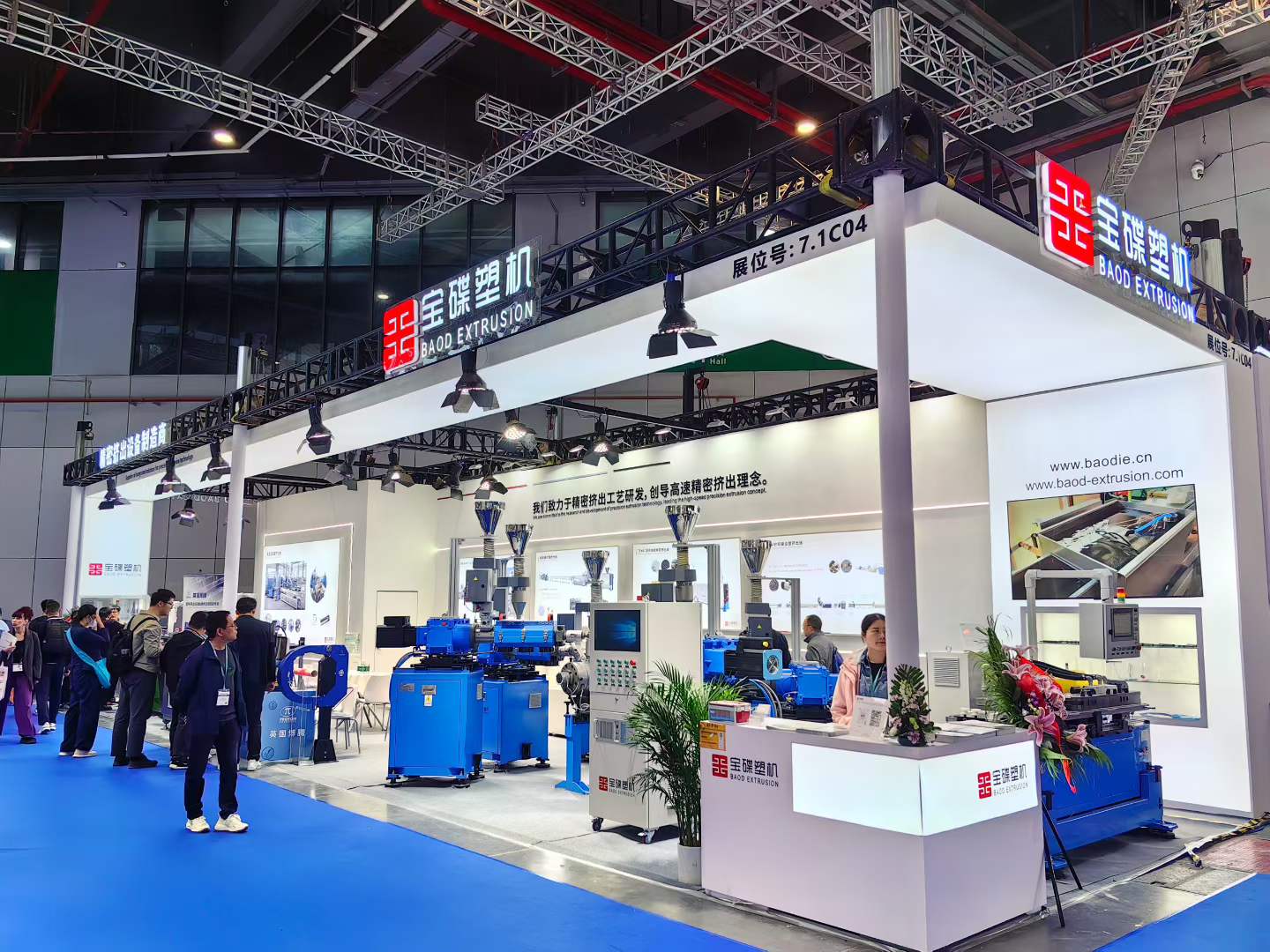
From April 21–24, CHINAPLAS 2026 was successfully held at the National Exhibition and Convention Center (Shanghai, Hongqiao). BAOD EXTRUSION showcased its latest R&D achievements at Booth 7.1C04...
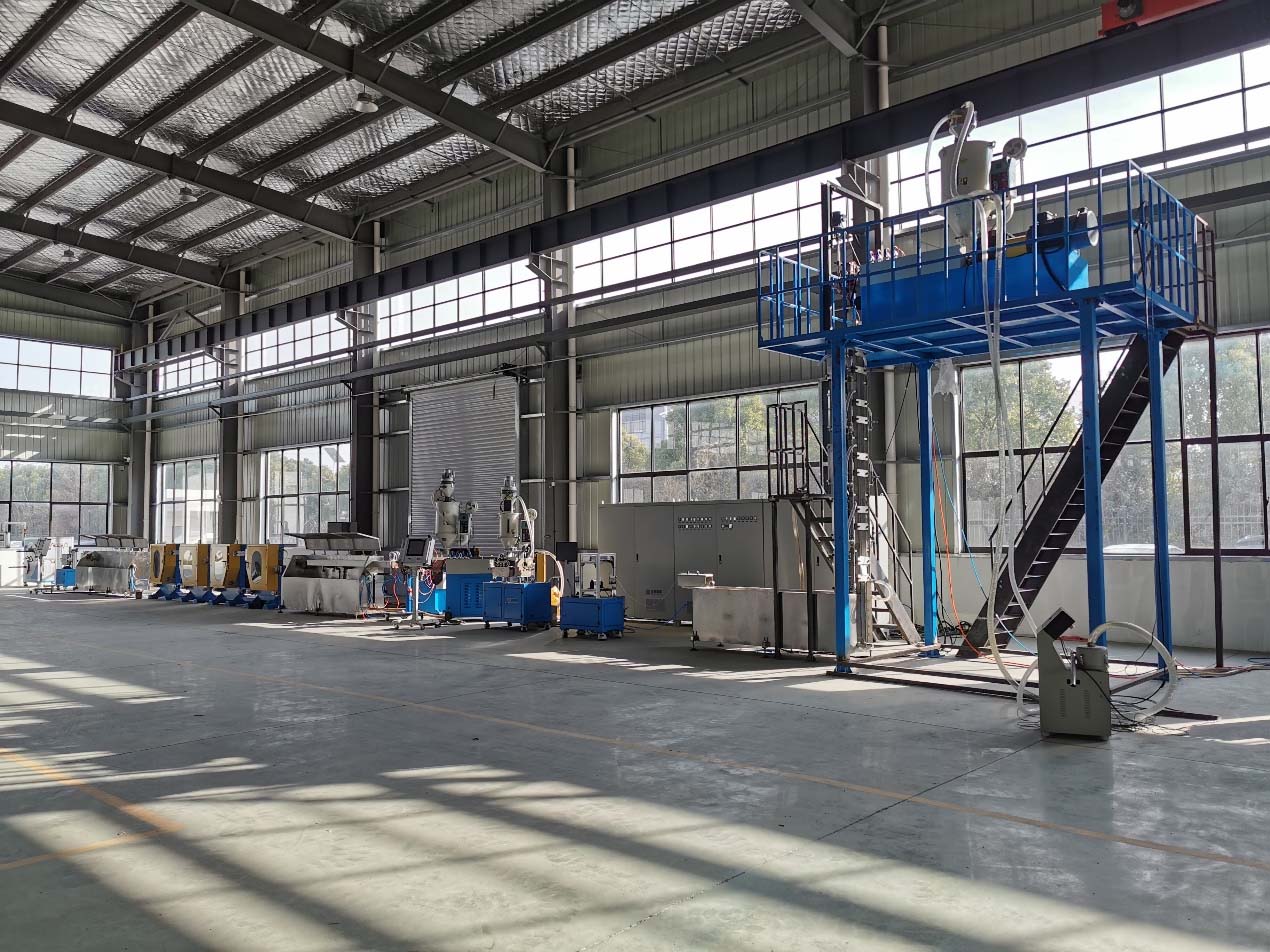
In sectors ranging from mining and quarrying to large-scale infrastructure demolition, this tube—known as a shock tube—demands precision safety and processing integrity...
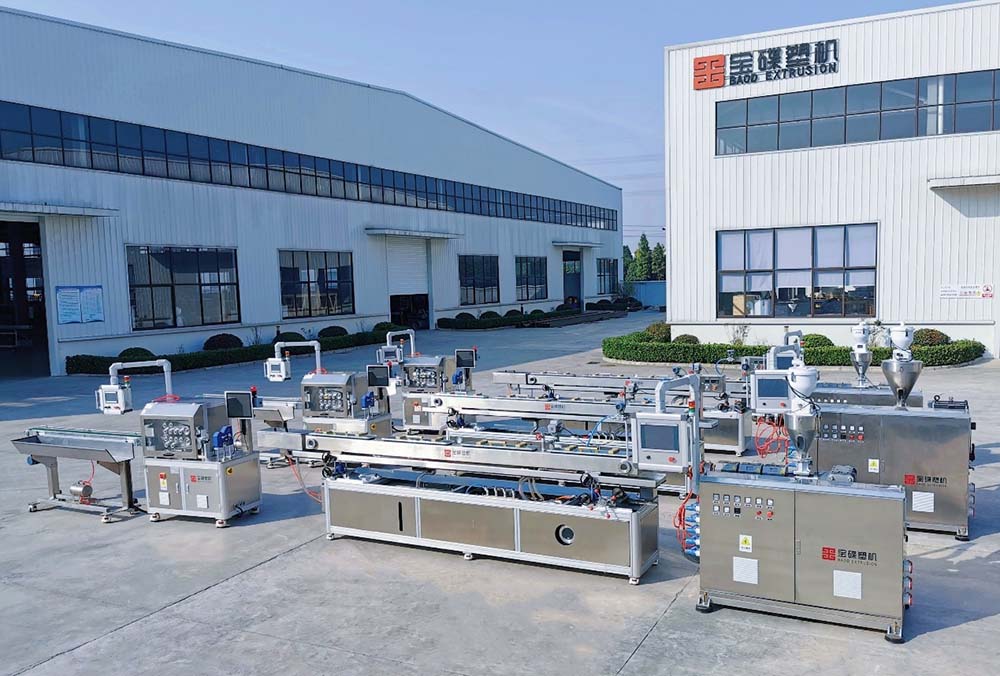
In the sterile, quiet environment of a modern medical facility, a clinician prepares a complex catheter. Learn how Chinese and European manufacturing standards match up in high precision medical tube lines...
How do the world's most reputable vehicle manufacturers ensure the absolute integrity of every fuel line, brake hose, and cooling pipe? BAOD ensures top international automotive compliance standards...
Behind the aerodynamic curves of modern electric vehicles, critical components ensure the cabin remains quiet and temperature-controlled. Explore the 2026 TPV/PVC co-extrusion technology trends...
Explore how BAOD Extrusion combines precision engineering with smart automation loops to assist processing plants in achieving high-throughput and minimal energy costs...
 Baodie