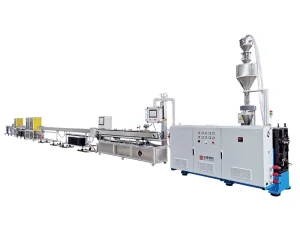
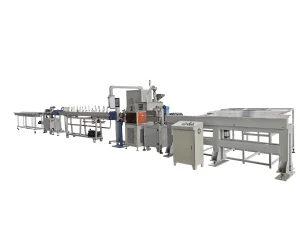
Explore our high-efficiency manufacturing solutions engineered for tight automotive tolerances and long-term durability.
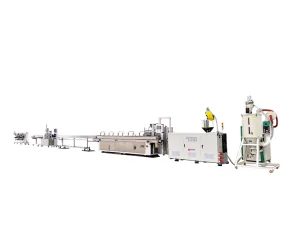
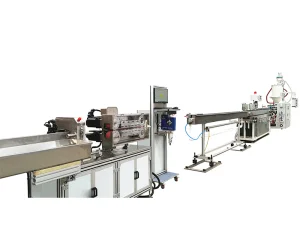
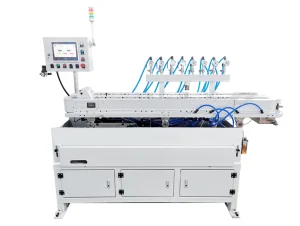
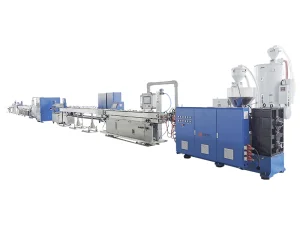
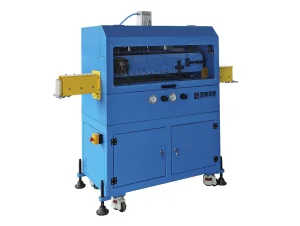
In modern automotive engineering, the fuel distribution architecture is subjected to extreme thermal, mechanical, and chemical challenges. Polyamide (PA)—specifically PA11, PA12, and PA612—has emerged as the definitive material standard for fuel lines. The transition from heavy, corrosion-prone metallic pipes to lightweight, highly flexible polyamide multi-layer lines represents a massive leap in fuel system design. For global Tier-1 suppliers and OEMs, sourcing high-integrity PA fuel hoses requires an intimate understanding of polymer degradation, permeation dynamics, and processing mechanics.
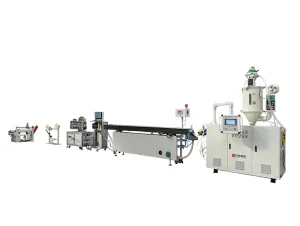
As regulatory frameworks like Euro 6d and EPA Tier 3 enforce stringent limits on hydrocarbon emissions, evaporative fuel loss through hose walls must be minimized to near-zero levels. This has necessitated the development of complex multilayer co-extrusion technology. A typical high-performance automotive PA fuel line incorporates an inner layer of conductive PA12 (to prevent electrostatic build-up), an intermediate bonding layer, an EVOH or fluoropolymer barrier layer to block fuel vapor transmission, and an outer protective layer of structural PA12 or PA612. Achieving absolute adhesion and precise thickness control at each layer during high-speed extrusion demands state-of-the-art automation.
Global procurement specialists in automotive manufacturing operate under intense cost-to-performance pressures. Sourcing PA fuel lines involves evaluating complex geopolitical risks, trade compliance certificates, and production capacities of machinery and component manufacturers. High-performance PA lines require specialized raw polymer formulations that are often dominated by a few global chemical giants (e.g., Evonik, Arkema, EMS-Grivory). Therefore, working with an extrusion equipment manufacturer like BAOD EXTRUSION, who possesses deep engineering insights into polymer processing behavior, allows component manufacturers to optimize their compounding ratios, significantly lowering material waste and operational costs.
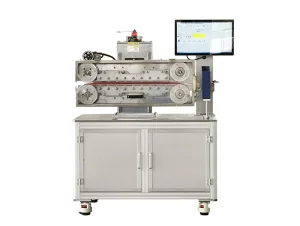
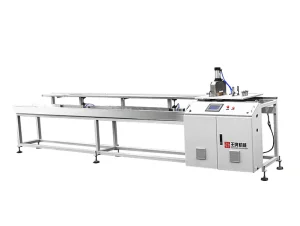
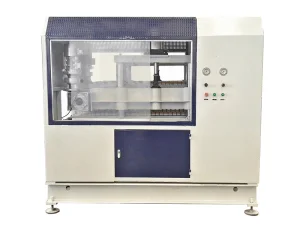
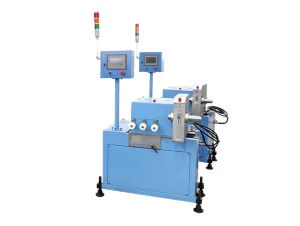
Moreover, localizing support and securing compliance (such as IATF 16949 for automotive components and CE certifications for production lines) is no longer optional. Supply chains must ensure that the machinery producing these fuel lines can maintain Cpk (Process Capability Index) values greater than 1.67 under continuous 24/7 run conditions. Downstream precision equipment, including high-speed belt pullers and follow-up cutters, must synchronize perfectly with the extrusion speed to eliminate any tension-induced tube deformation.
| Material Class | Common Layer Configurations | Permeation Resistance (g/m²/day) | Temperature Range (°C) | Primary Industrial Applications |
|---|---|---|---|---|
| PA12 (Single Layer) | Mono-extrusion structural tube | < 2.0 (standard fuels) | -40 to +115 | Return lines, venting systems, vacuum lines |
| PA12 / EVOH / PA12 | 3-Layer barrier co-extrusion | < 0.1 (low-emission fuels) | -40 to +125 | Underbody delivery lines, EPA compliance lines |
| PA11 / PVDF / PA12 (Conductive) | 5-Layer multi-phase system | < 0.05 (aggressive biofuels) | -40 to +135 | High-pressure main fuel feed, premium bio-diesel lines |
| PA612 / Adhesive / Elastomer | Hybrid structural composite | < 1.5 (coolant/oil/vapors) | -40 to +140 | Engine compartment bay lines, turbocharger oil supply |
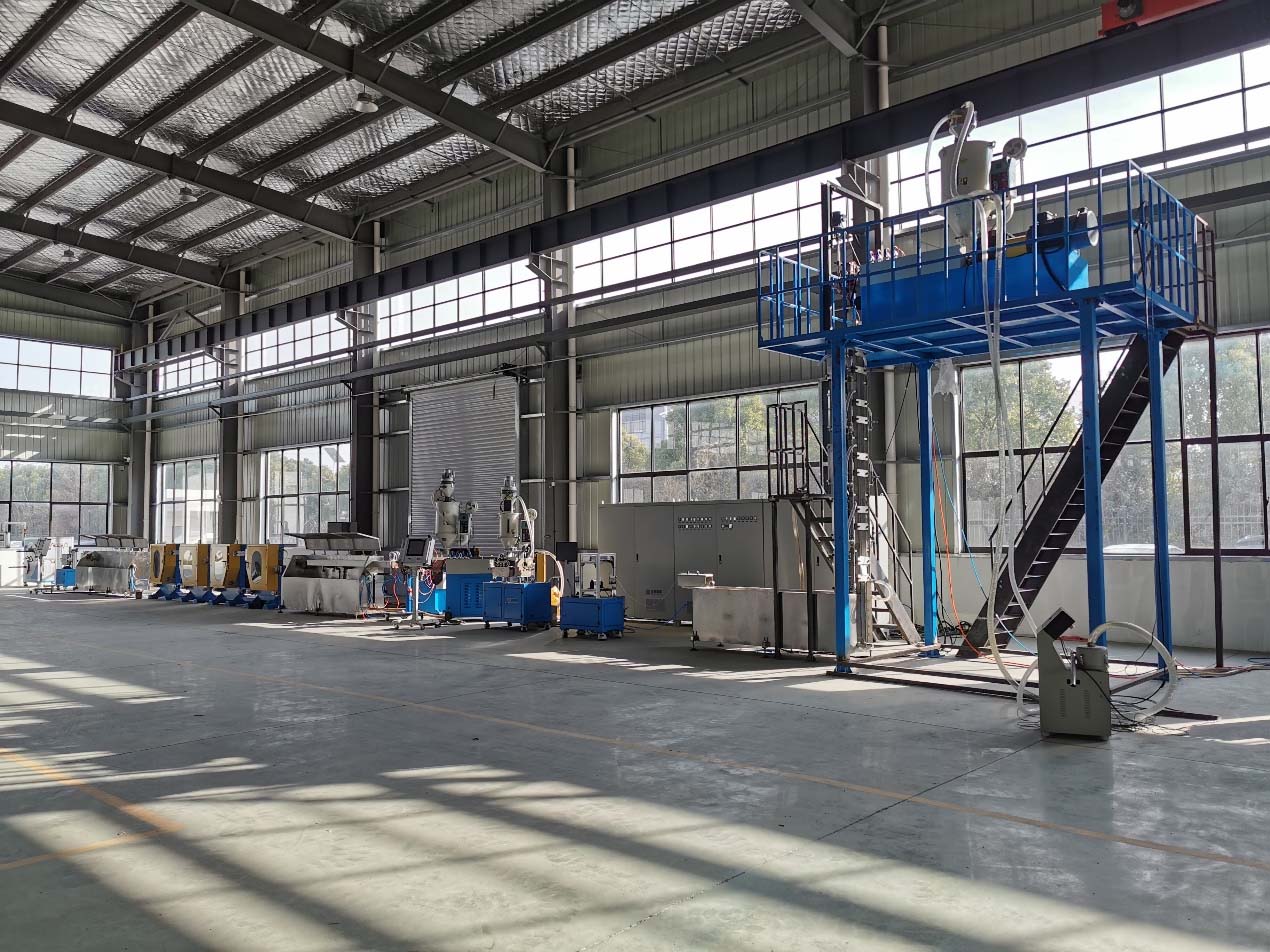
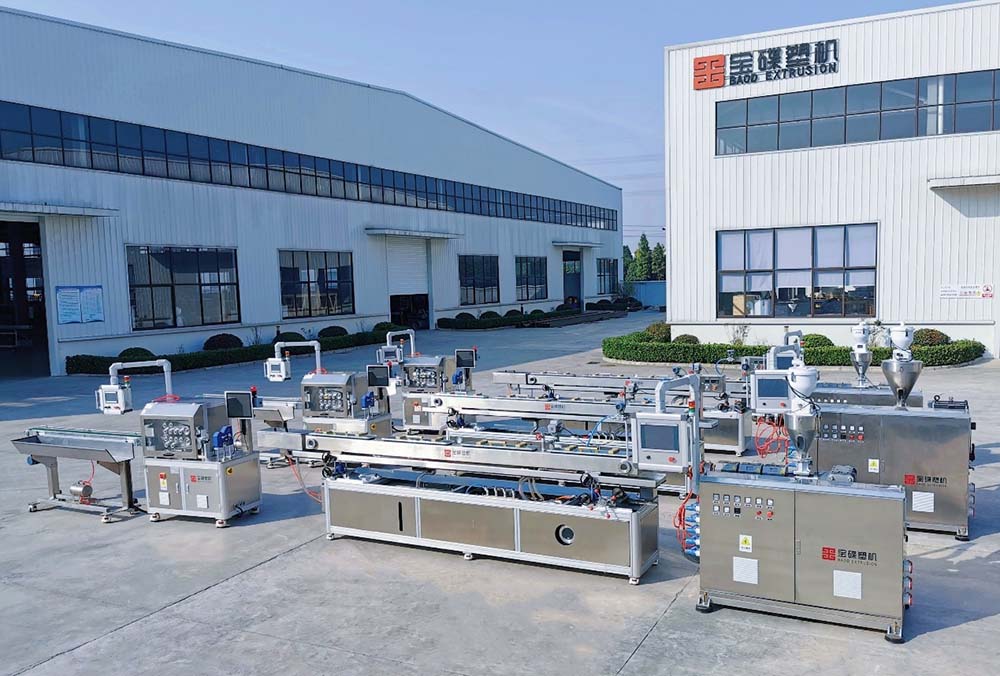
Combining decades of precision engineering with a massive production facility, we deliver state-of-the-art extrusion lines globally.
BAOD EXTRUSION (Jiangsu Baodie Automation Equipment Co., Ltd.) founded in 2002, dedicated to designing, manufacturing and sales of plastic extrusion equipment. Based on 18 years experience of designing and fabricating high quality machines in Taiwan, the original parent company (KINGSWEL GROUP) invested in establishing extrusion machines manufacturing base in Shanghai in 1999.
With 25 years experience of plastic extrusion designing and manufacturing, our team has a long-term focus on research and development for:
The global automotive landscape is shifting rapidly toward electrification and alternative powertrains. This transition does not diminish the need for precision tubing; rather, it elevates it. In Battery Electric Vehicles (BEVs), multi-channel coolant loops made from polyamide compounds are vital to regulating the thermal envelope of battery packs and power electronics. These systems operate under lower pressure than fuel lines but require exceptionally long-term hydrolytic stability and resistance to ethylene glycol mixtures at elevated temperatures.
Furthermore, the development of Fuel Cell Electric Vehicles (FCEVs) introducing hydrogen fuel loops presents a new frontier. Hydrogen molecules are incredibly small and diffuse rapidly through standard polymers. The industry roadmap points to the development of multi-layer hybrid lines utilizing specialized PA materials combined with ultra-thin metallic foils or advanced liquid crystal polymers (LCP). Precision extrusion lines will require dynamic wall-thickness monitors, integrated laser measurement loops, and high-response control loops to manage micro-layer co-extrusion with zero defects.
Multi-manifold die heads designed by BAOD enable perfect thickness distribution of co-extruded layers down to 0.05 mm without inter-layer bleeding.
Precision belt pullers utilizing closed-loop digital synchronization prevent micro-stretching and dynamic ovality variations in the final hose structure.
Designed to help Tier-1 components meet global safety specifications such as SAE J2260, DIN 73379-3, and ISO 2578 parameters seamlessly.
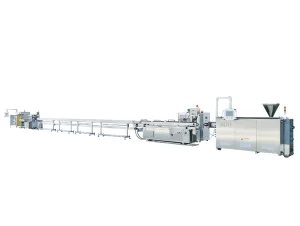
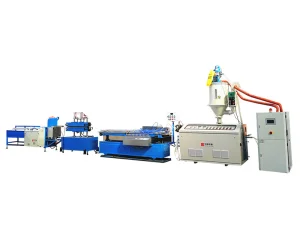
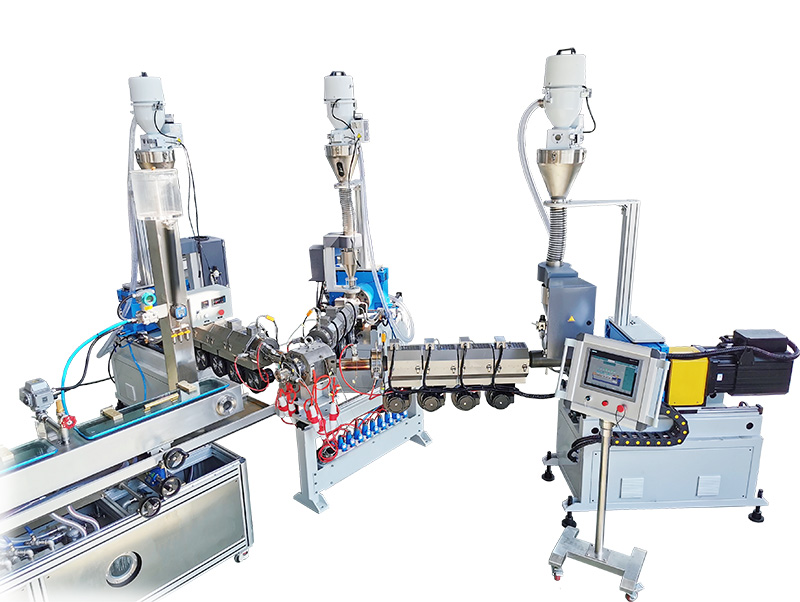
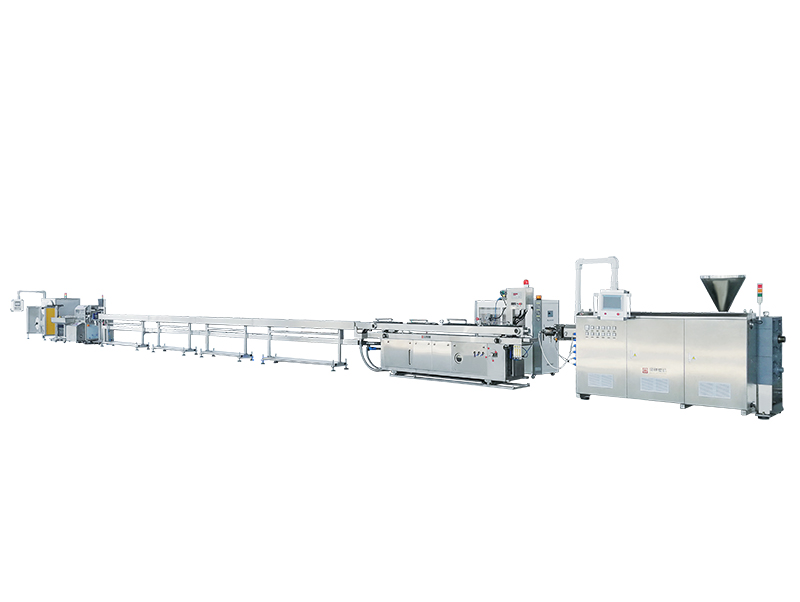
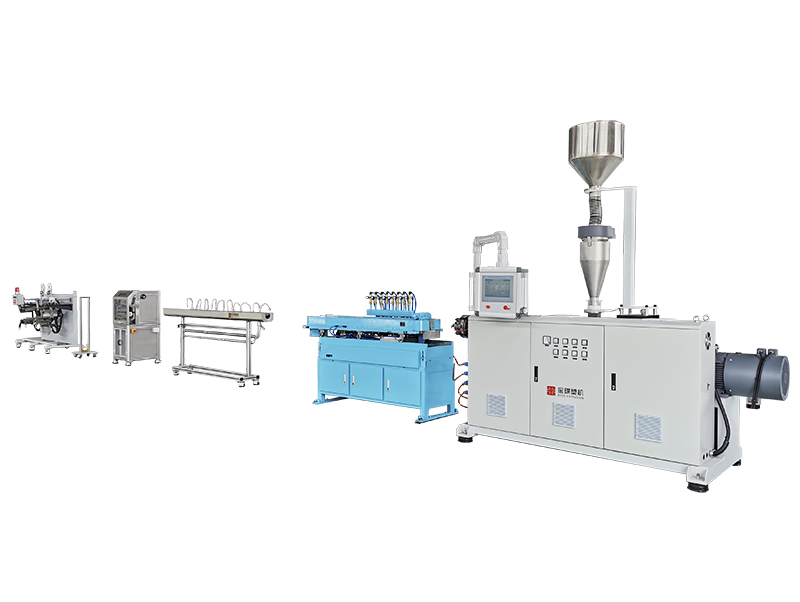
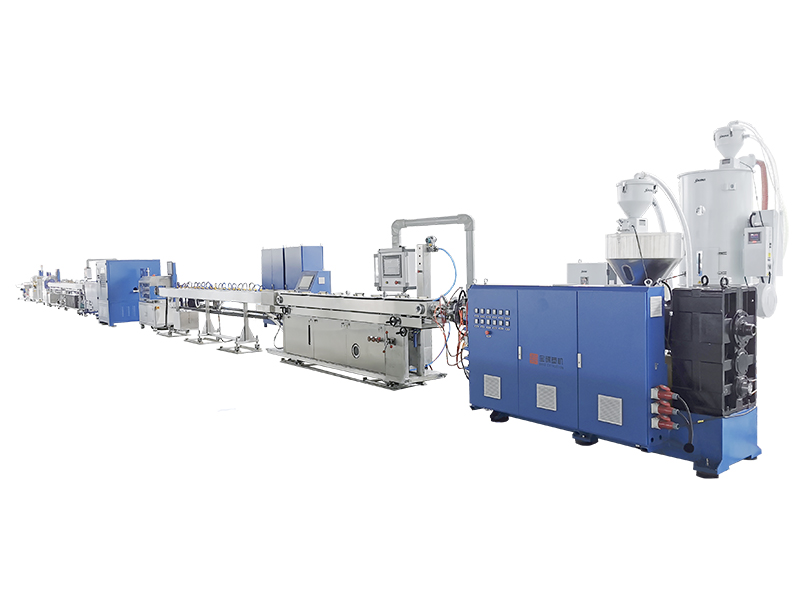
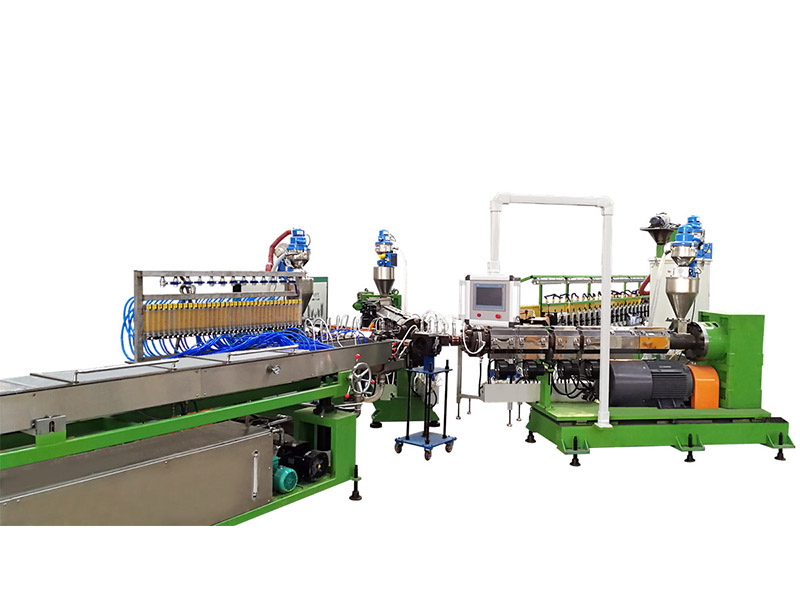
Original BAOD Extrusion line configurations developed for diverse industrial tubing, sealing, and medical piping needs.
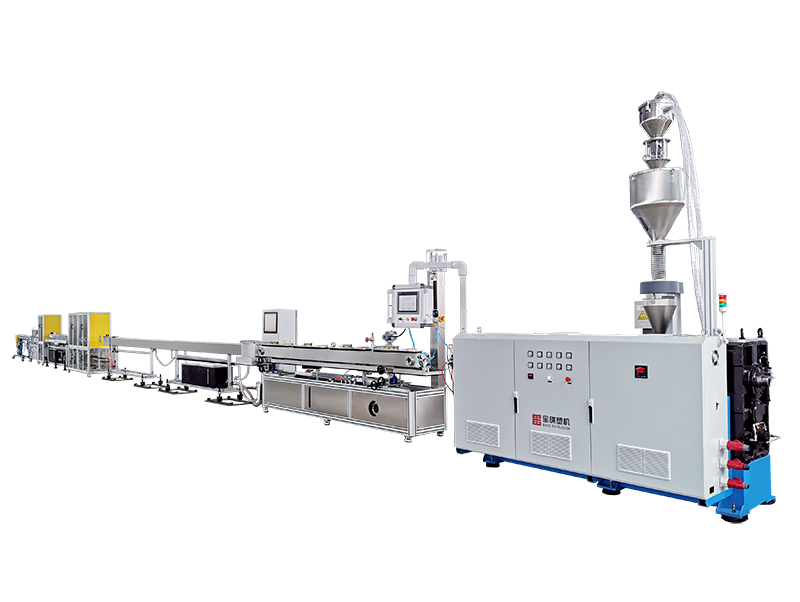
Stay updated with our latest technology showcases, industrial exhibitions, and extrusion breakthroughs worldwide.
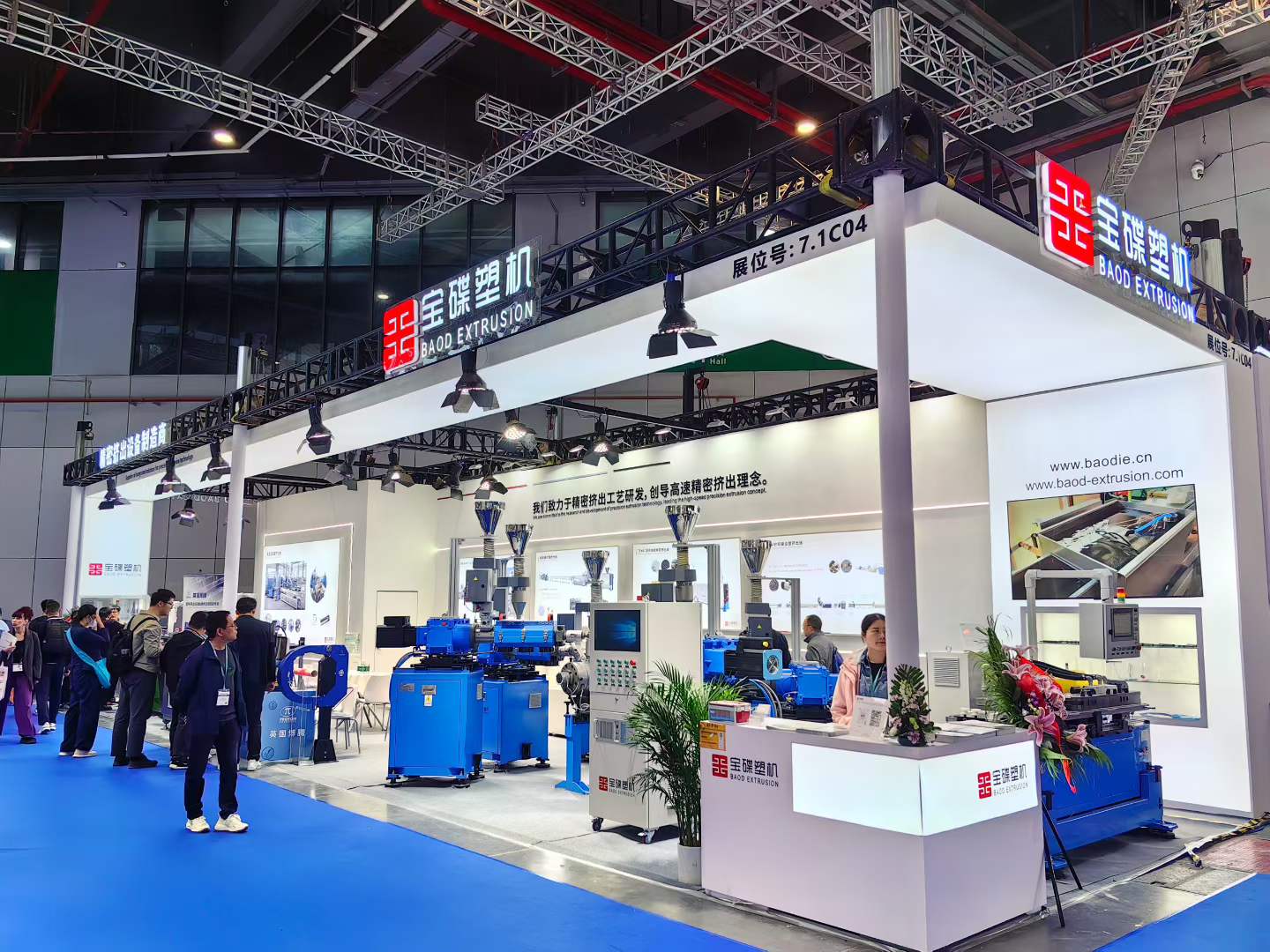
From April 21–24, CHINAPLAS 2026 was successfully held at the National Exhibition and Convention Center (Shanghai, Hongqiao). BAOD EXTRUSION showcased its latest R&D achievements at Booth 7.1C04, presenting "Smart Extrusion · High-Efficiency Innovation" solutions...
In the controlled environment of a modern industrial facility, a single, hair-thin plastic tube wound onto a reel might seem unremarkable to the untrained eye. However, in sectors ranging from mining and quarrying to large-scale infrastructure demolition, this tube—known...
In the sterile, quiet environment of a modern medical facility, a clinician prepares a complex catheter for a critical procedure. This thin, flexible tube is far more than a simple conduit; internally, it is divided into several microscopic channels, or lumens, each desi...
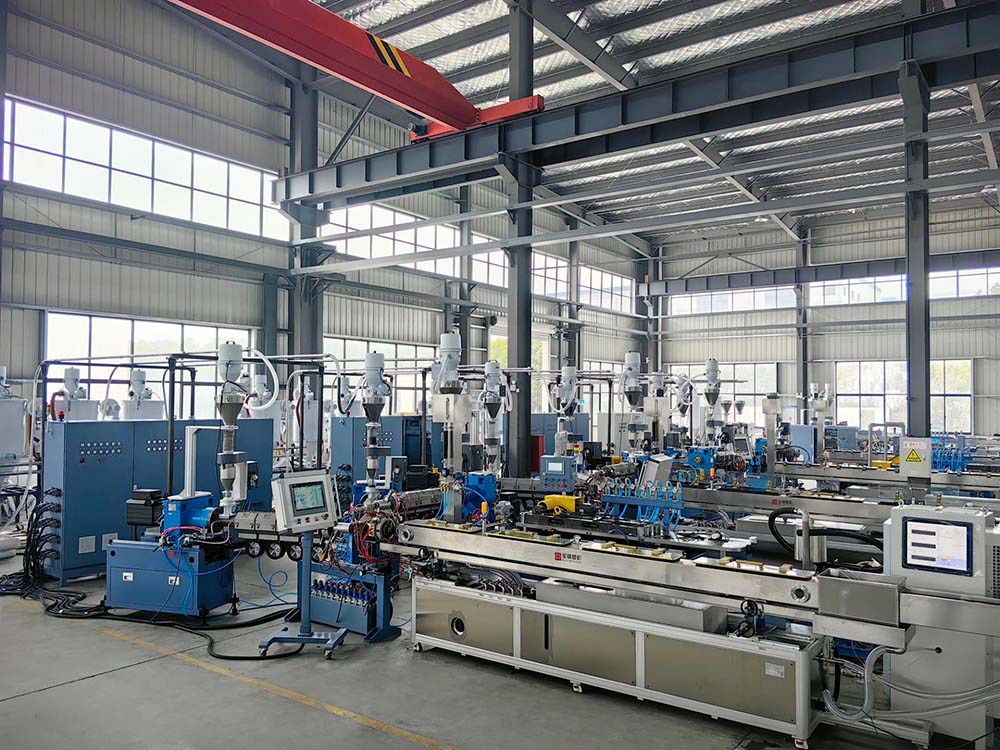
How do the world's most reputable vehicle manufacturers ensure the absolute integrity of every fuel line, brake hose, and cooling pipe buried deep within a vehicle’s chassis? Why has the shift toward electric and lightweight vehicles made the precision of these small-dia...
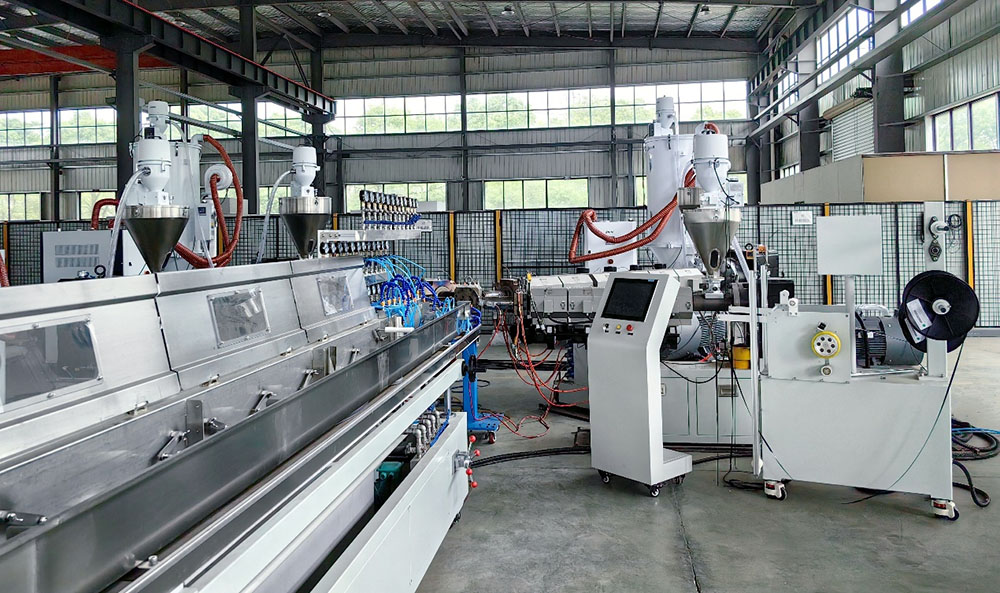
As the twilight sun reflects off the sleek, aerodynamic curves of a modern electric vehicle parked in a bustling metropolitan street, few observers notice the quiet, critical components ensuring the cabin remains a sanctuary of silence and temperature control. Behind the...
Expert engineering insights into material processing, tolerances, quality assurance, and mechanical performance specifications.
Explore the downstream processing systems, crawlers, and profile extruders that make up a complete, high-efficiency production unit.
 Baodie