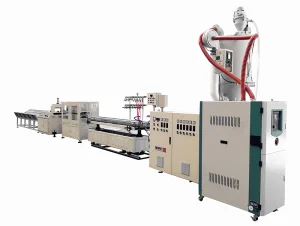
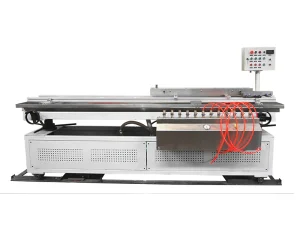
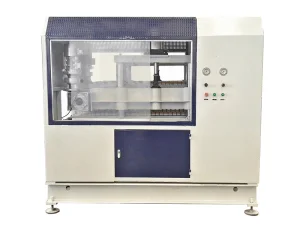
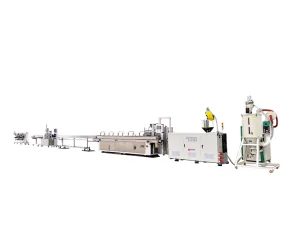
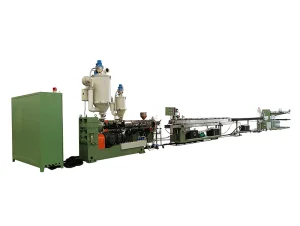
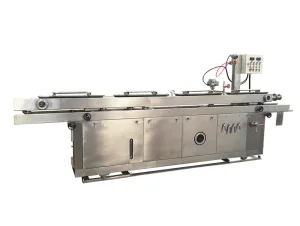
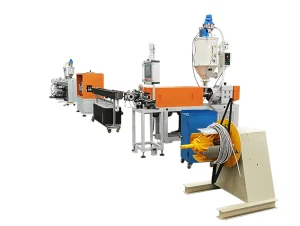
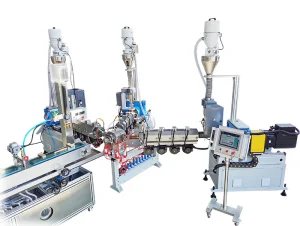
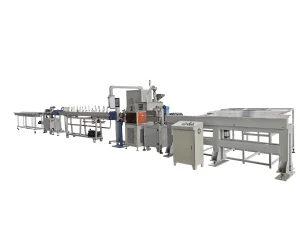
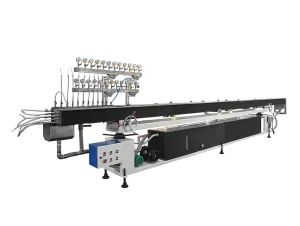
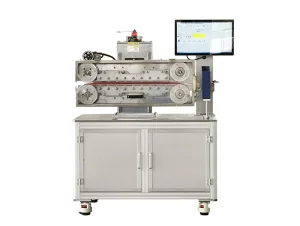
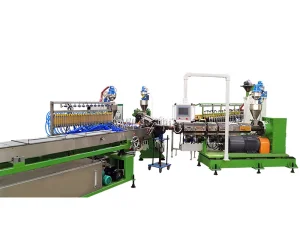
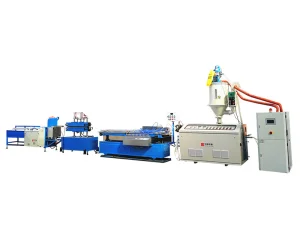
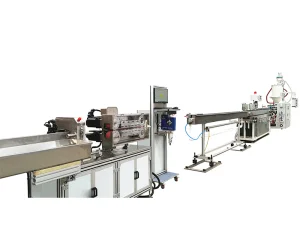
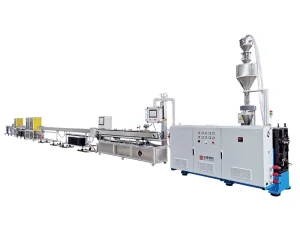
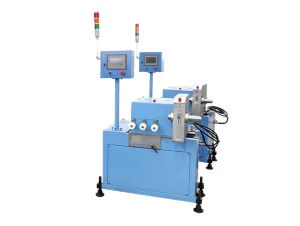
Explore our industrial-grade, highly automated machinery designed to fabricate structural automotive tubes, profile trims, and high-performance multi-layer polymer lines.
Modern automotive engineering is undergoing a tectonic paradigm shift. As electric vehicles (EVs) transition from early adoption to market dominance and Internal Combustion Engines (ICE) push the boundaries of thermal efficiency, the demand on vehicle fluid transport lines has magnified exponentially. Among these components, custom automotive polyamide (PA) cooling hose lines are emerging as the golden standard. Previously dominated by heavy, bulky rubber formulations, thermal management networks now require ultra-lightweight, chemically inert, and structurally resilient thermoplastic configurations.
Polyamide materials (specifically PA6, PA11, PA12, and PA612) offer a stellar weight reduction of up to 50% compared to traditional rubber cooling hoses. Furthermore, their superior resistance to aggressive glycol-water solutions, synthetic refrigerants, and oil spray makes them indispensable for long-term vehicle durability. Crucially, engineering these hoses requires extreme precision, as wall thickness, concentricity, and multi-layer structural integrity dictate a tube’s performance under extreme high-temperature and pressurized environments.
Unlike standard plastics, engineering-grade Polyamide exhibits high mechanical strength, chemical stability, low permeability, and remarkable fatigue resistance. Under the strict requirements of international automotive tier-1 systems, these hoses must sustain operational pressures exceeding 10 bar while exposed to temperatures ranging from -40°C up to 135°C (continuous) and 150°C (peak).
The electrification of passenger and commercial transport is driving the adoption of complex liquid heating and cooling loops. In an electric vehicle, the battery pack, power electronics, and drive unit (electric motor) each operate optimally within distinct temperature zones. Controlling these zones requires dozens of meters of lightweight coolant plumbing, creating complex architectures of smooth and corrugated PA tubes.
Globally, automotive OEMs are consolidating their supply chains, seeking reliable machine factories capable of producing co-extruded multi-layer systems. For example, a standard 3-layer PA cooling tube comprises an outer layer of impact-modified PA12 (for environmental resistance against zinc chloride and stone impacts), a middle layer of structural bonding adhesive, and an inner layer of PA612 or specialized PA6 (offering outstanding hydrolysis resistance against hot glycol mixtures).
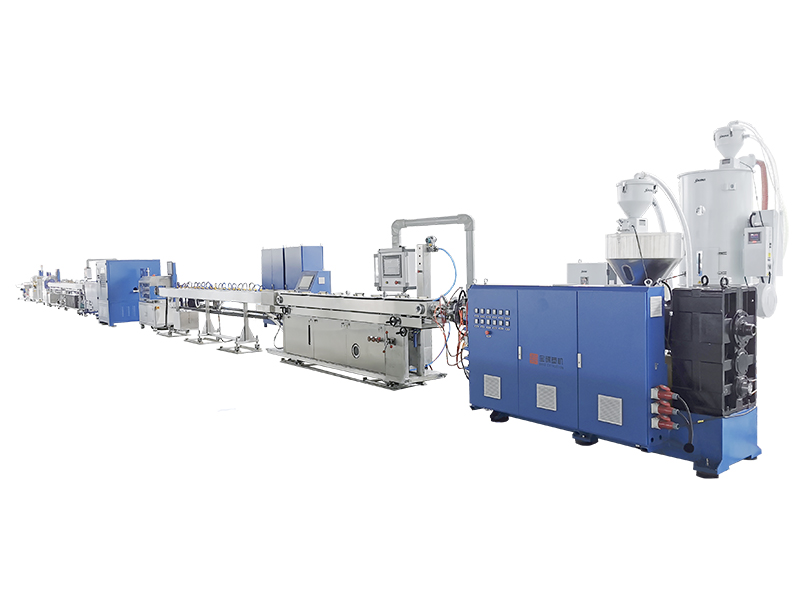
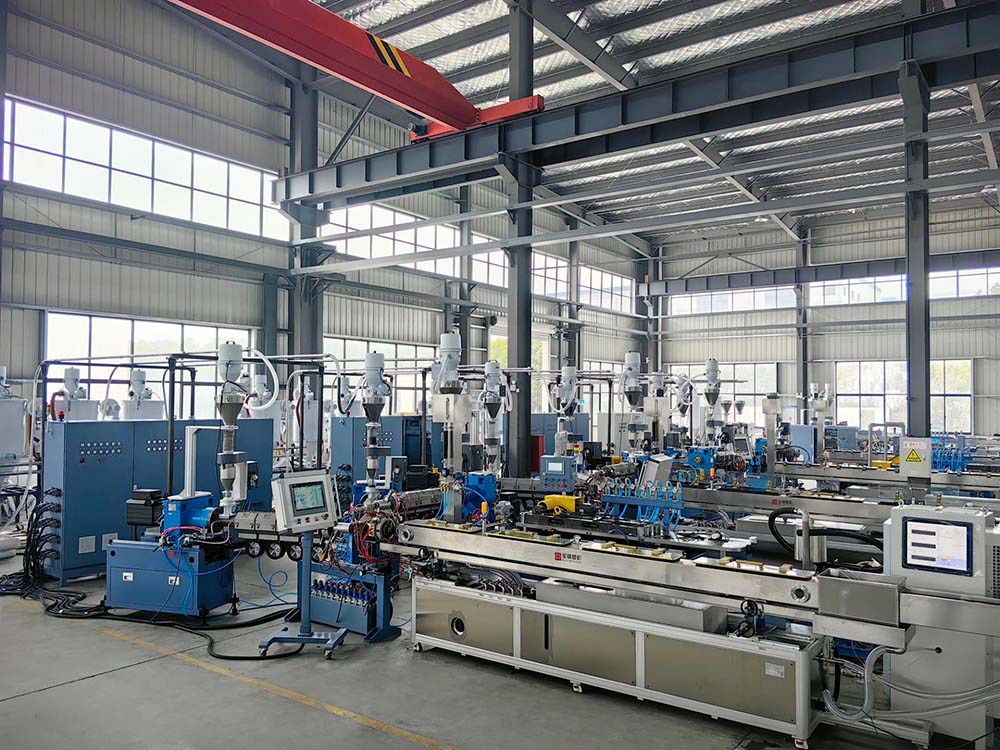
At BAOD EXTRUSION (Jiangsu Baodie Automation Equipment Co., Ltd.), we address this industrial demand by offering complete turnkey extrusion solutions. Our automated extrusion lines integrate the physical extruders, co-extrusion tooling, vacuum tanks, high-precision belt pullers, and inline cutter systems into one interconnected, PLC-controlled nervous system. This ensures that manufacturing facilities worldwide can run continuous, high-efficiency operations with minimal waste and maximum uptime.
The manufacturing of custom PA cooling hoses relies on precision melt flow control. Polyamides have low melt strength and a narrow processing window. This demands exceptional performance from the plasticizing screw and thermal control zones.
Utilizing high-efficiency single screw extruders with L/D ratios of 30:1 or 33:1. Outfitted with bimetallic barrels and specialized barrier screws, our machines maintain optimal polymer shear rates, preventing thermal degradation of high-cost PA12/PA11 materials.
Equipped with spiral mandrel distribution systems, the co-extrusion crosshead permits ultra-precise flow-channel distribution. It enables stable wall thickness down to fractions of a millimeter on each layer (PA/Tie/PA) with minimum friction and shear stress.
Precision sizing is critical for connector assembly interfaces. Utilizing double-chamber vacuum control and advanced automated water level/temperature control loops, our vacuum tanks achieve structural outer diameter stability of ±0.03 mm.
Our TKB and TKC pullers utilize servo-driven caterpillar or belt tracks to eliminate slippage. In coordination with online ultrasonic measurement tools, pulling speed dynamic adjustments occur automatically, matching the output of the rotary fly cutters.
A global authority in high-performance plastic extrusion solutions, carrying forward 25 years of engineering refinement.
Founded in 2002, BAOD EXTRUSION (Jiangsu Baodie Automation Equipment Co., Ltd.) is dedicated to the comprehensive engineering, fabrication, and sales of premium plastic extrusion equipment. Our history stretches back even further; based on 18 years of pioneering Taiwan-based design experience from our parent group, KINGSWEL GROUP, the manufacturing base was set up in Shanghai in 1999 to support rapid growth across mainland China and overseas markets.
With a permanent manufacturing and R&D hub spanning over 16,000 square meters and employing a highly skilled workforce of over 100 specialists, BAOD EXTRUSION remains a key innovation partner for global tier-1 automotive suppliers, medical device corporations, and industrial manufacturers. Over our long-term trajectory, we have maintained four pillars of engineering excellence:
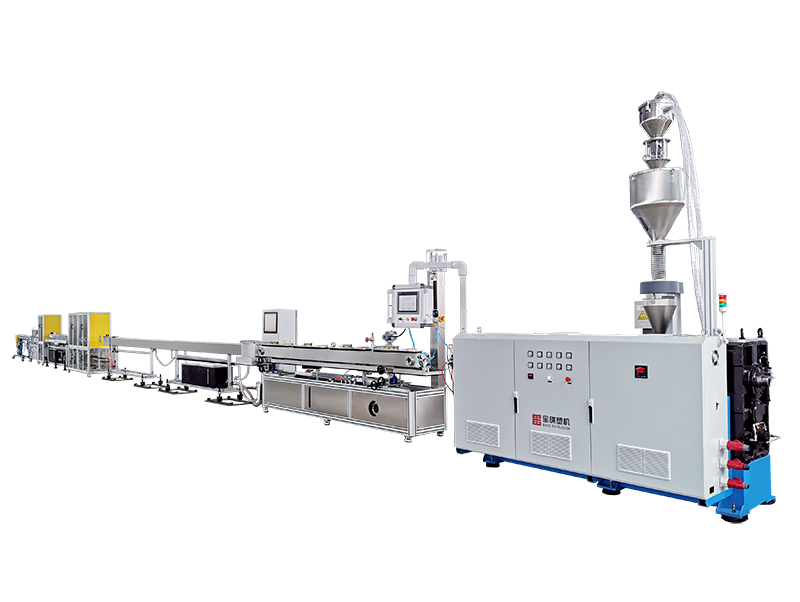
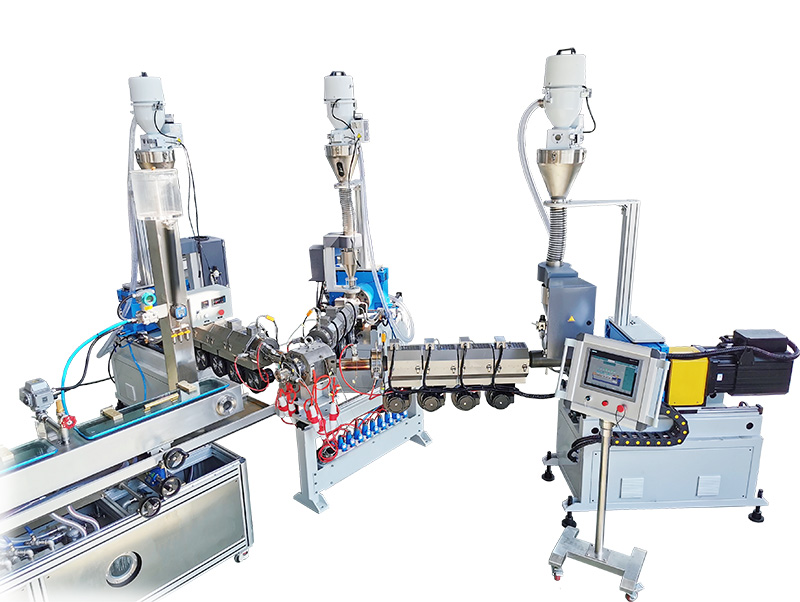
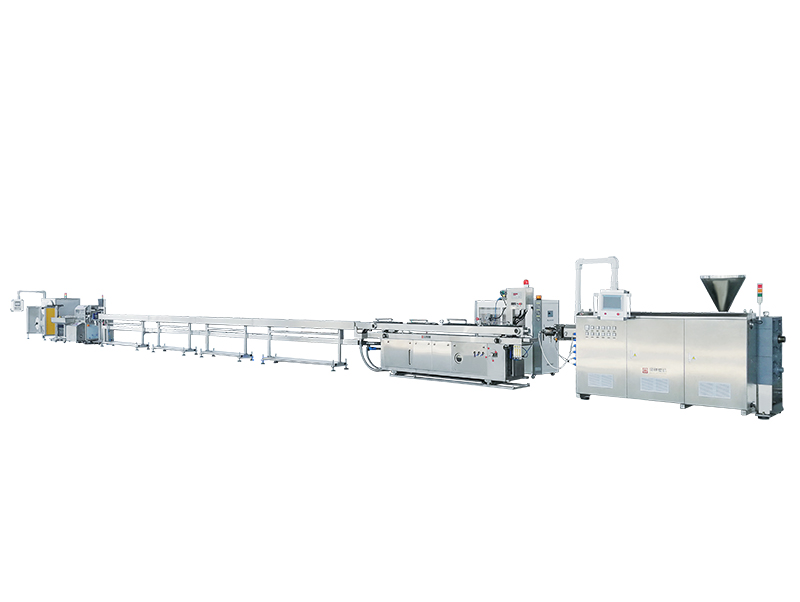
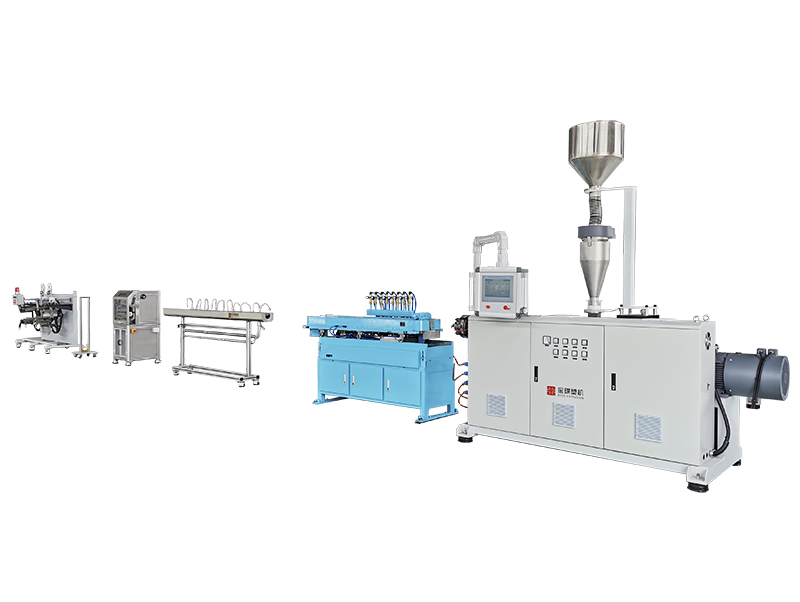

Operating within the global automotive tier structure requires adherence to strict quality guidelines. Automotive liquid loops are subject to stringent regional regulatory compliance, including European Union REACH regulations and United States Federal Motor Vehicle Safety Standards (FMVSS).
BAOD EXTRUSION builds all equipment under strict CE machine safety directives and assists manufacturers in meeting IATF 16949 certification workflows. By incorporating automated traceability functions into our PLC and SCADA interfaces, plants can capture, record, and export vital manufacturing telemetry parameters—such as melt temperature, screw RPM, vacuum pressure, and wall concentricity—for every production run.
As vehicles integrate more sensors and operate under higher battery voltages (800V platforms), cooling media demands will transition towards higher chemical resistance and dielectric safety. BAOD Extrusion's development team is targeting several milestone improvements over our 2026-2030 design roadmap:
Real-time ultrasonic measurement arrays connected directly to the puller and extruder motors. Any wall thickness drift is instantly corrected within milliseconds without manual operator intervention.
Developing specialized screw geometrics capable of processing next-generation bio-based PA11 and circular polymers without losing structural mechanical strength.
Comprehensive engineering insights regarding PA cooling hose manufacturing systems.
Insights, achievements, and innovations directly from the BAOD Extrusion research labs.
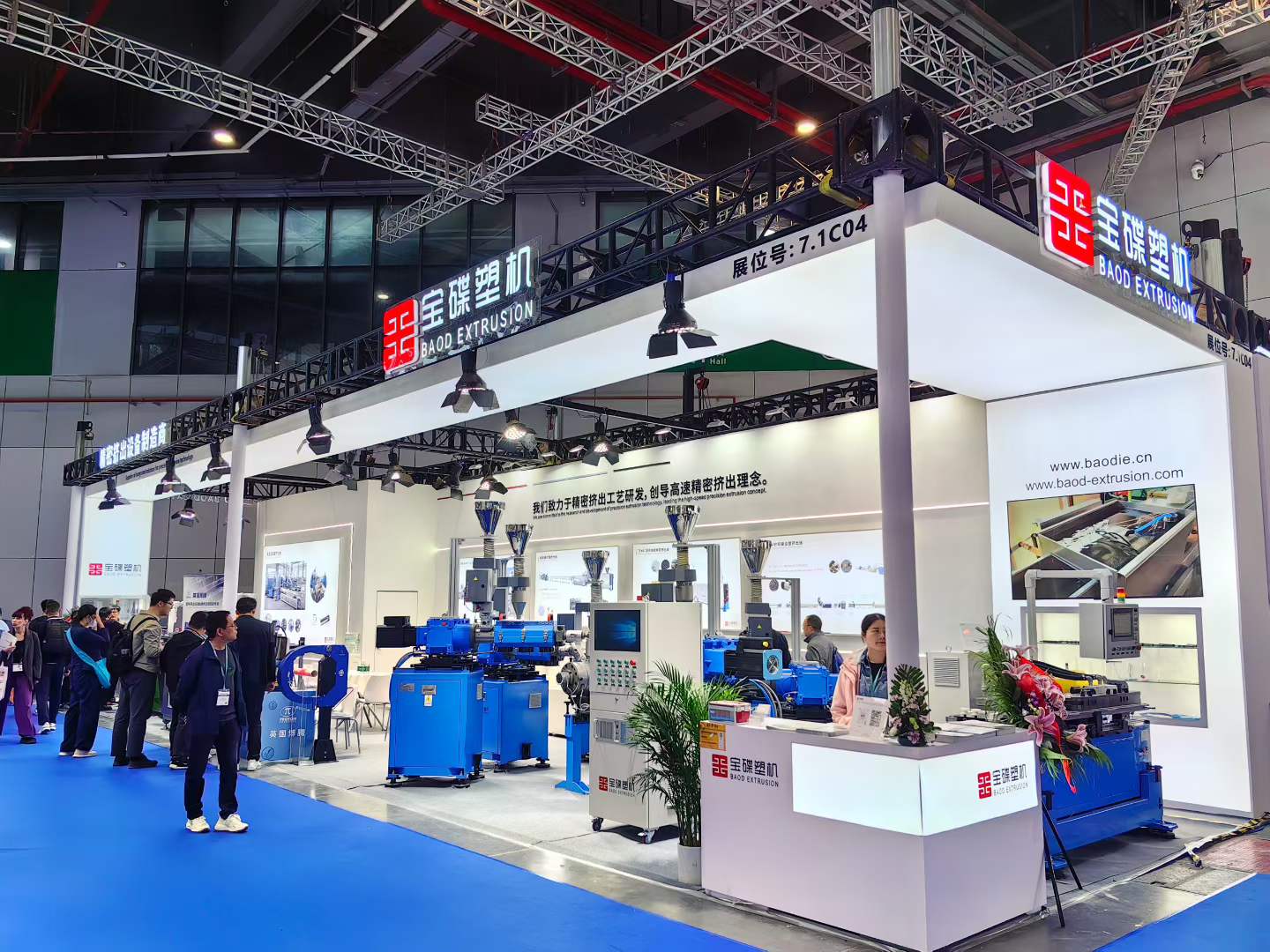
From April 21–24, CHINAPLAS 2026 was successfully held at the National Exhibition and Convention Center in Shanghai. BAOD EXTRUSION showcased its latest R&D achievements at Booth 7.1C04, presenting "Smart Extrusion · High-Efficiency Innovation" solutions that address modern manufacturing needs.
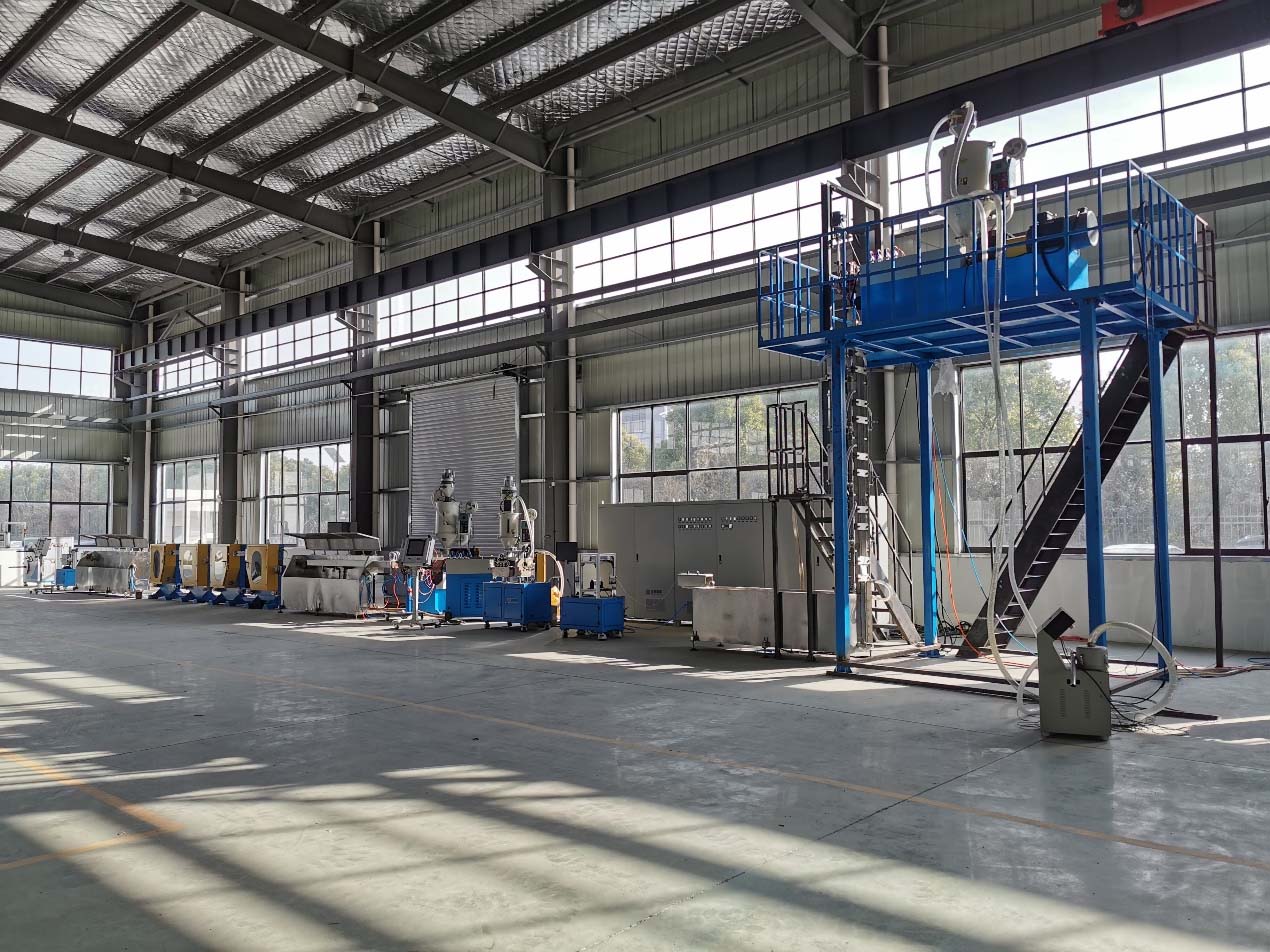
In modern industrial facilities, micro-extrusion lines require immense precision. In sectors ranging from mining to infrastructure demolition, the detonating tube remains a critical safety element, which BAOD supports with high-accuracy forming systems.
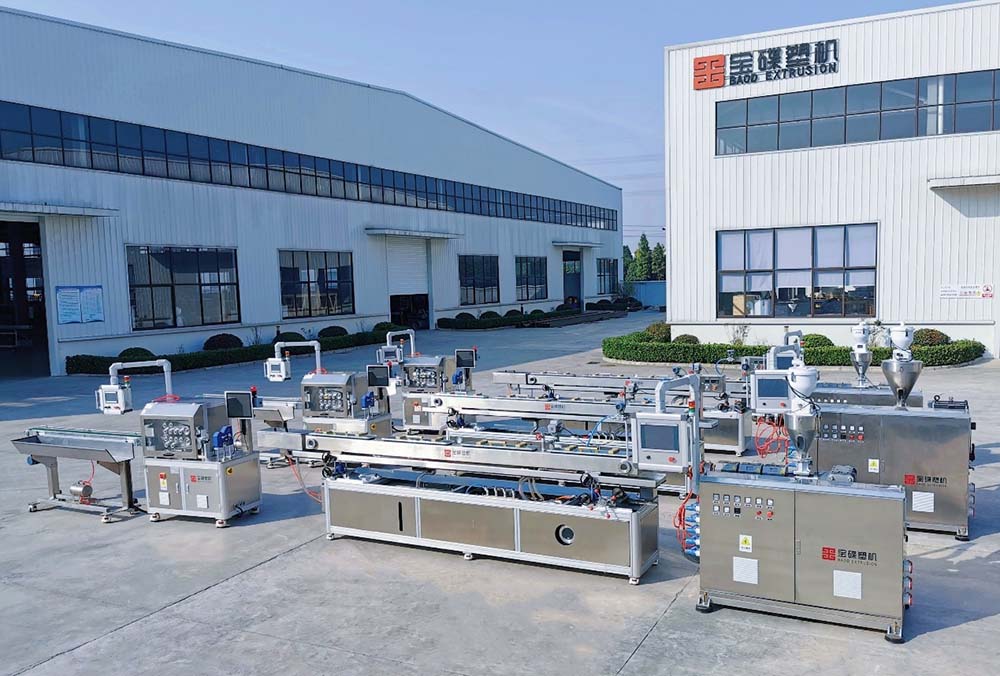
Evaluating the design differences between Asian and European extrusion platforms, highlighting how BAOD meets European safety, concentricity, and quality standards while providing competitive structural efficiencies.
Exploring the detailed compliance pathways, documentation, and quality validation processes required by leading automotive brand manufacturers when designing fluid, fuel, and brake line networks.
Explore auxiliary equipment, calibration components, and custom polymer coating machinery to optimize your production lines.
 Baodie