Explore our premium custom plastic extrusion lines, designed for strict dimensional tolerances, high-speed output, and optimal operational economy.
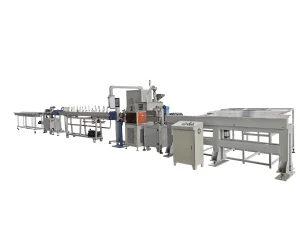
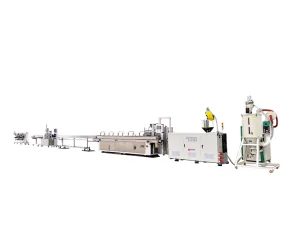
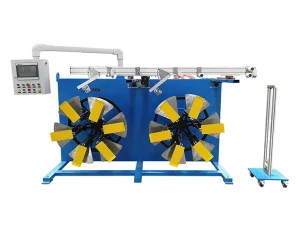
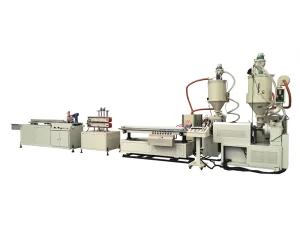
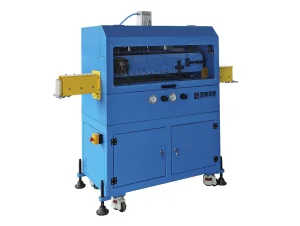
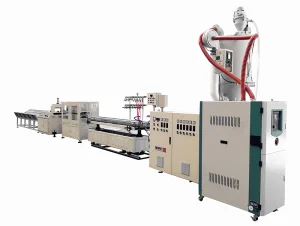
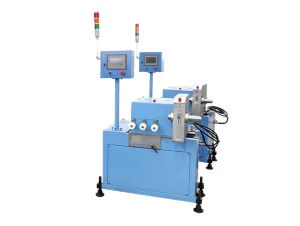
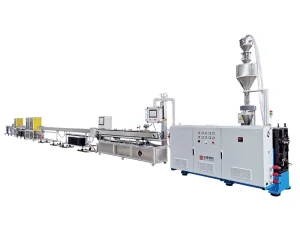
In the contemporary landscape of high-performance polymer processing, evaluating the China Plastic Extrusion Cost structure is not merely a matter of comparing unit machinery prices. True procurement excellence requires analyzing the **Total Cost of Ownership (TCO)**, which balances capital expenditure (CAPEX) with long-term operational efficiency (OPEX), scrap rate reduction, energy profiles, and continuous production reliability.
Modern industrial sectors—such as automotive, precision medical tubing, aerospace, and civil infrastructure—rely on advanced profile and pipe extrusion. Historically, Western European machinery manufacturers commanded a premium due to strict tolerance control. However, Chinese tier-1 engineering companies, exemplified by BAOD EXTRUSION, have bridge-gapped this performance threshold. By integrating Taiwanese engineering roots and premium Western European standards, these facilities produce high-accuracy, automated systems that reduce initial capital requirements by 40% to 60% compared to traditional German or Italian suppliers, without compromising output consistency.
Understanding the micro-elements of pricing helps procurement managers justify machinery investments. The cost of a plastic extrusion line is typically driven by:
| Evaluation Parameter | European Machinery Standard | BAOD Extrusion Standard (China) | Strategic Advantage |
|---|---|---|---|
| Initial Capital Expenditure (CAPEX) | Premium Base ($250k - $600k+) | Highly Competitive ($80k - $220k+) | Saves 50-70% CAPEX for reinvestment |
| Dimensional Tolerance Control | ±0.015 mm to ±0.03 mm | ±0.02 mm to ±0.03 mm | Matching precision for critical applications |
| Lead Times (Design to Delivery) | 8 to 12 Months | 3 to 5 Months | Accelerates time-to-market for new projects |
| Automation & Industry 4.0 | Full Integration | Fully Customizable PLC/SCADA | Integrates easily with existing ERP lines |
Founded in 2002, BAOD EXTRUSION (Jiangsu Baodie Automation Equipment Co., Ltd.) has dedicated itself to designing, engineering, and manufacturing world-class plastic extrusion systems. With over **25 years of experience** in Taiwan and mainland China, our roots extend back to 1999, when our parent company (KINGSWEL GROUP) invested in Shanghai after 18 years of precision fabrication experience in Taiwan.
Over the past quarter-century, our research and development teams have targeted the frontier of extrusion performance:
Designed with rigid standards inherited from Taiwan's precision machining sector.
Saves up to 30% of energy usage relative to older generation domestic extruder systems.
Highly customized solutions matching automotive IATF 16949 & ISO 13485 medical certifications.
Support for instant PLC adjustments and sensor analysis anywhere in the world.
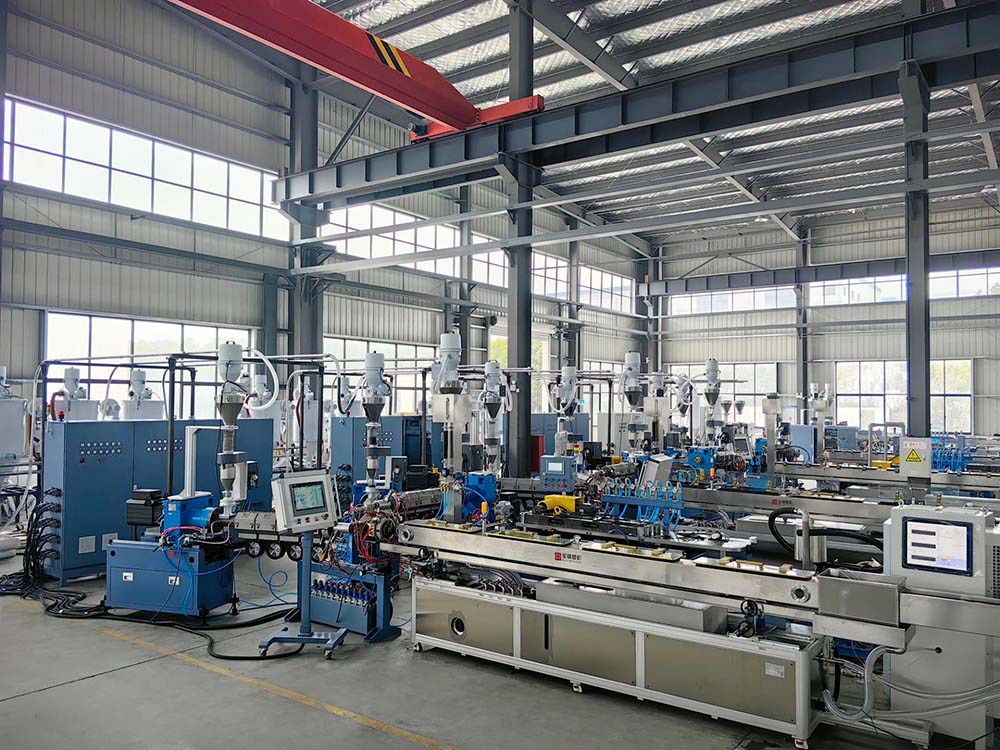
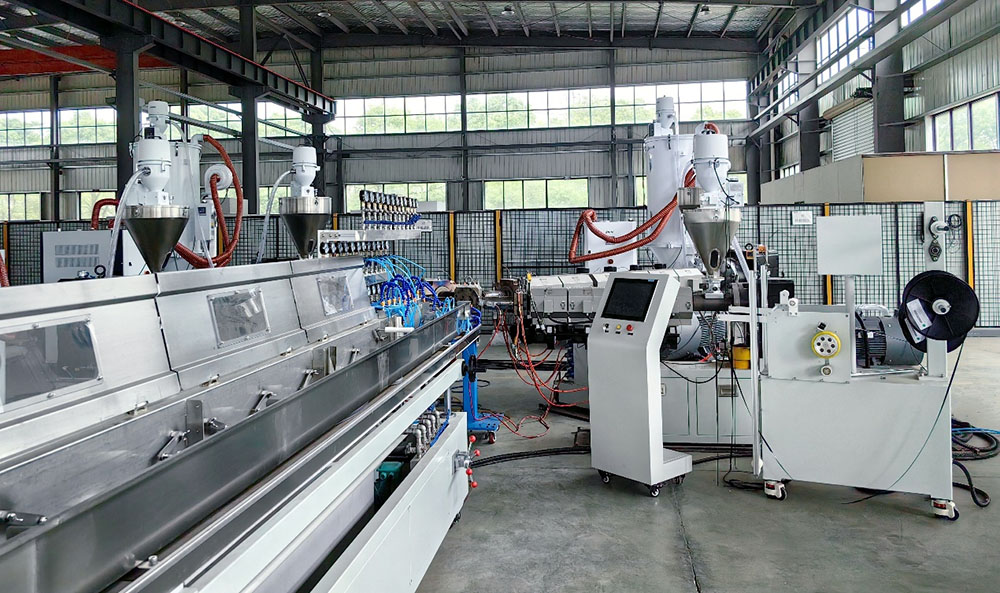
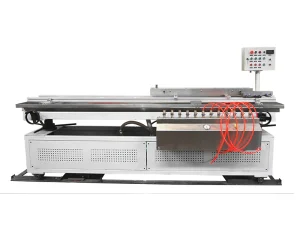
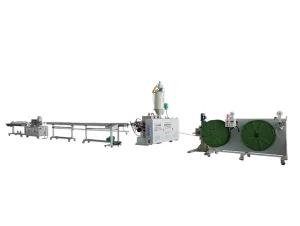
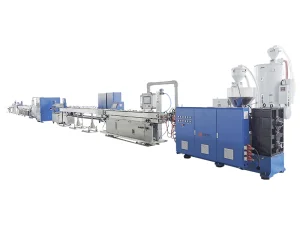
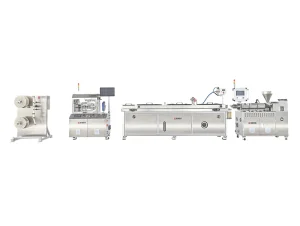
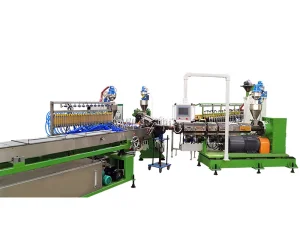
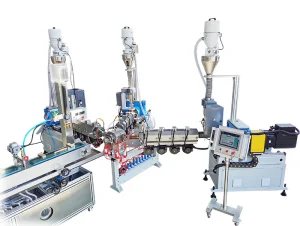
A closer look at the advanced design capabilities and system configurations produced by BAOD Extrusion.
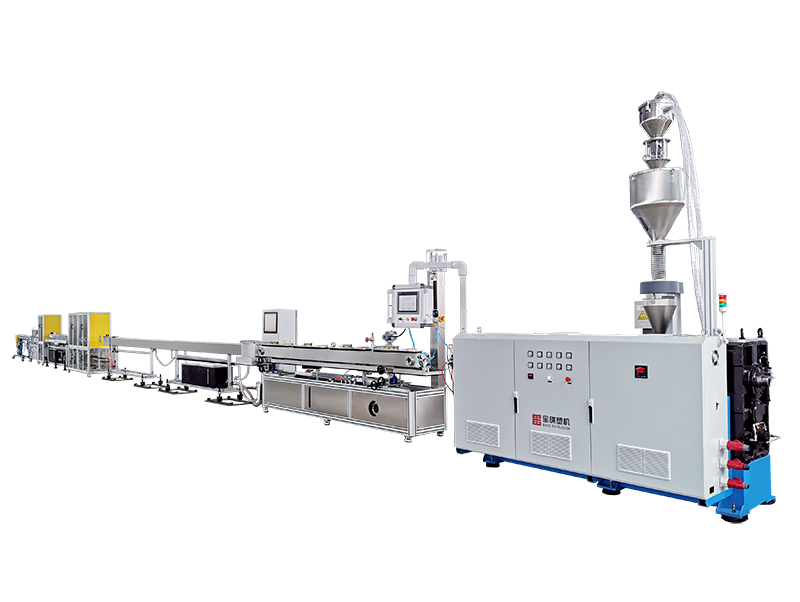
Engineered for minimal error margins and consistent micro-diameters using high-response vacuum calibration.
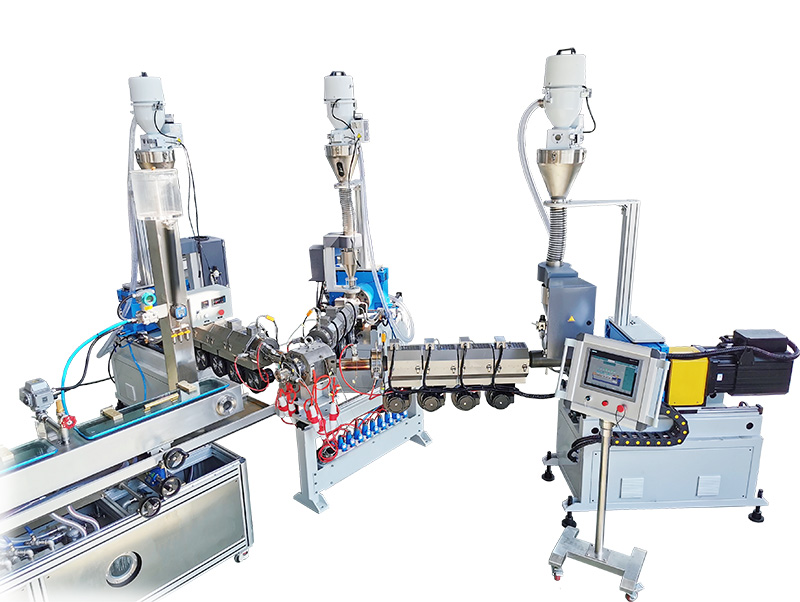
Accommodates complex layering requirements (5-layer, 3-layer) for specialized fuel transportation lines.
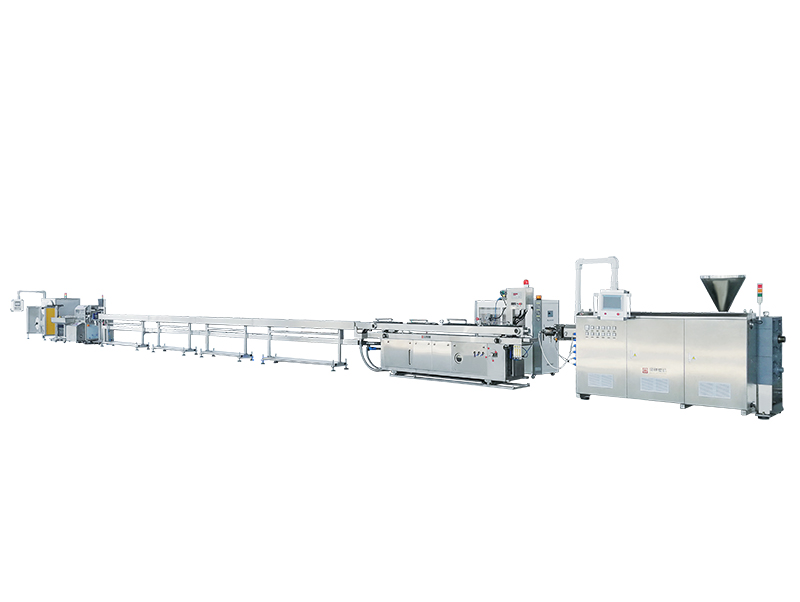
Tailored to dust-free cleanroom specifications, achieving surgical/medical grade tolerances.
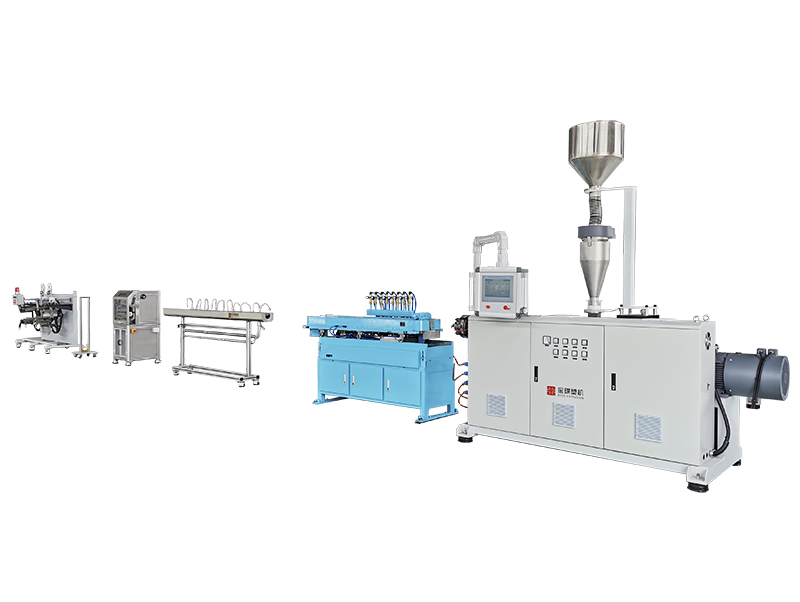
Utilizes precision forming blocks to handle high line speeds and maintain consistent wall thickness.
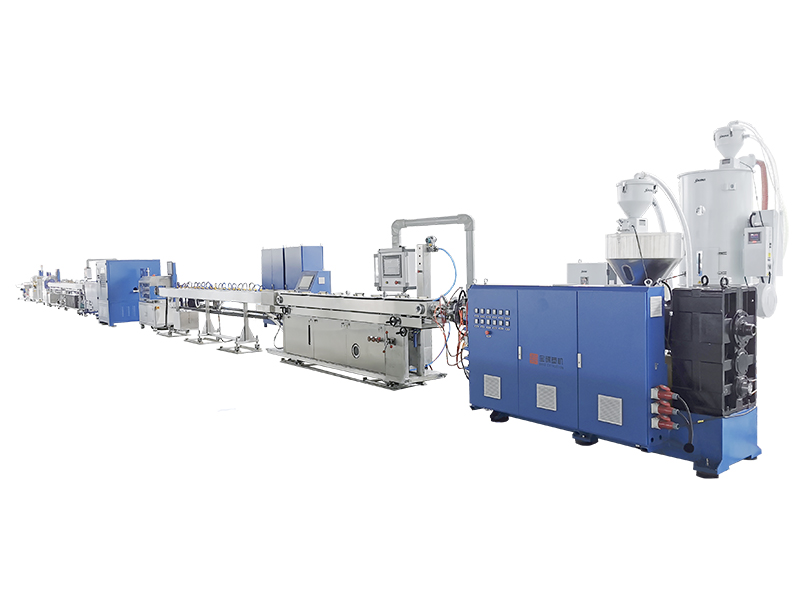
Features cross-head knitting technology designed for high-pressure industrial fluid hoses.

Co-extrusion solutions for multi-material profiles (sponge rubber, rigid PVC, and steel inserts).
As the international manufacturing sector transitions toward decarbonization, high automation, and zero-defect quality programs, the technology behind plastic co-extrusion machinery must evolve accordingly. The roadmap for 2026 and beyond focuses on three core domains: Advanced Polymer Co-Extrusion, Closed-loop Metrology, and Energy Recovery Systems.
Modern applications require complex multilayer geometries. For instance, automotive fuel lines are no longer single-material tubes. They feature multi-layered structures consisting of a PA12 protective skin, an EVOH barrier layer to halt hydrocarbon permeation, and an inner conductive layer to prevent static discharge. Producing these tubes requires a multi-extruder configuration (often 3 to 5 extruders feeding a single co-extrusion die head) with absolute flow rate control. BAOD has optimized this process by building custom cross-head dies with low-residence-time flow channels, preventing melt degradation at the polymer interfaces.
By implementing a gravimetric feeding system at the input phase, extrusion lines can automatically adapt extruder screw speeds and puller line speeds to counter changes in polymer melt density. Furthermore, real-time ultrasonic wall thickness scanners monitor thickness at 4 to 8 coordinates around the tube circumference. Feedback loops immediately adjust the die centering bolts, keeping dimensions stable. This level of automation reduces dependence on operators and ensures high consistency across long manufacturing runs.
Energy costs represent a major share of OPEX in plastic extrusion. Traditional ceramic band heaters are increasingly replaced by high-efficiency induction heating coils. Induction coils heat the steel barrel directly via electromagnetic fields, minimizing ambient heat loss and accelerating start-up times by up to 50%. Combined with energy-efficient permanent magnet synchronous motors (PMSM) driving the screw, modern lines lower energy usage (measured in kWh/kg of processed material) by 25% to 35%.
Insights from international exhibitions, technical comparison studies, and compliance audits.
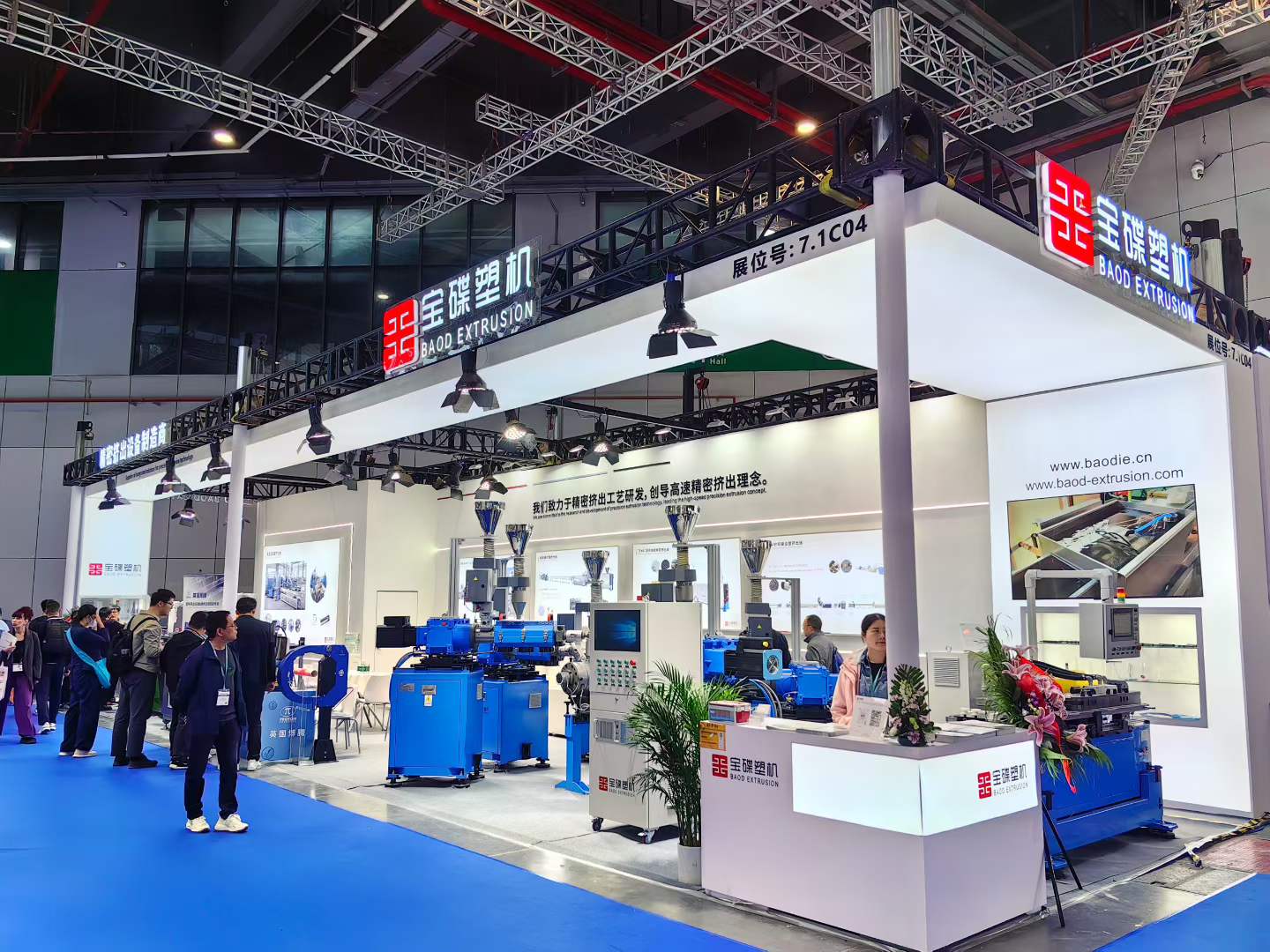
BAOD EXTRUSION showcased its latest R&D achievements at Booth 7.1C04 at the National Exhibition and Convention Center, presenting "Smart Extrusion & High-Efficiency Innovation" solutions that address global energy and speed needs.
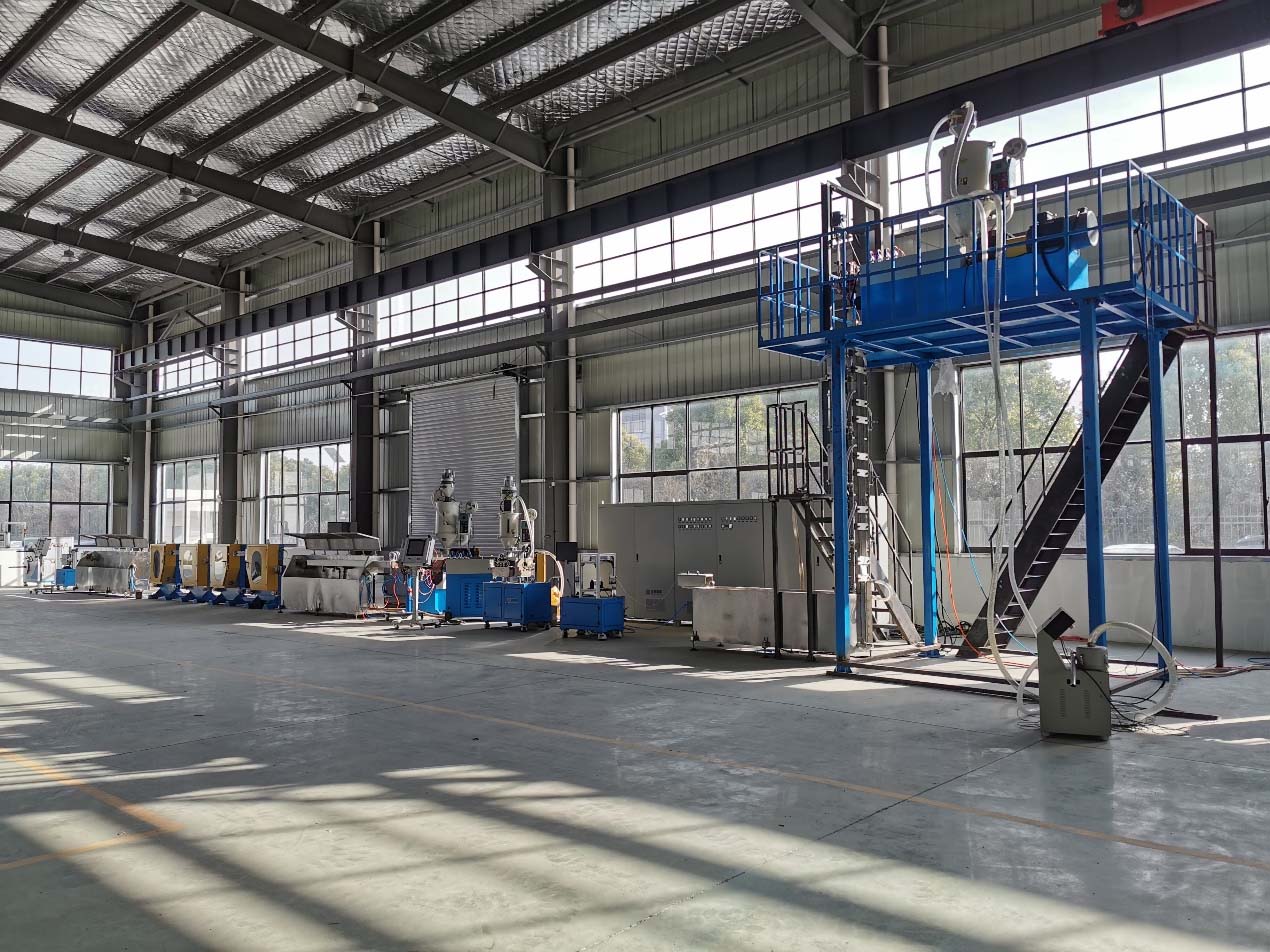
Mining, quarrying, and demolition operations require high-reliability shock tubes. BAOD provides specialized extrusion lines engineered to meet exact safety tolerances for detonator components.
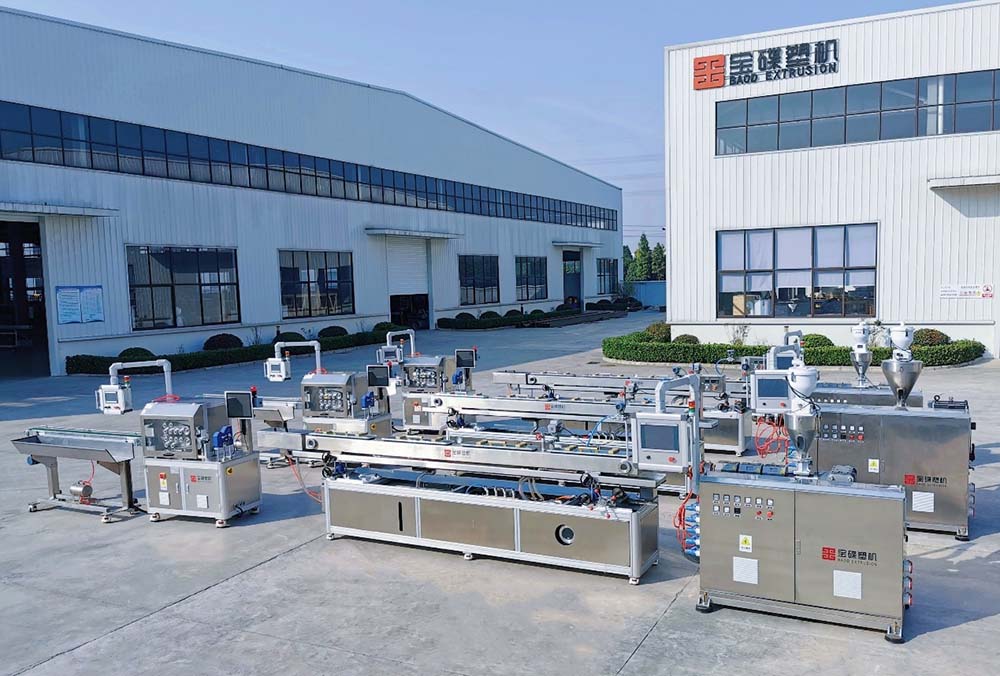
A detailed comparison focusing on multi-channel catheter production. This review covers the mechanical tolerance profiles and cost-benefit ratios of BAOD medical lines relative to European alternatives.
An analysis of compliance frameworks for Tier-1 automotive fuel and coolant hose suppliers. The document explores how BAOD meets international IATF quality and traceability demands.
Exploring the rising demand for lightweight electric vehicle weatherstrip sealing. The study outlines how co-extruded TPV strips improve acoustic damping and reduce cabin noise.
Purchasing an extrusion line is a multi-year partnership. Operating machinery across different regions—from Western Europe and North America to Southeast Asia—requires conforming to regional industrial safety standards. Industrial equipment shipped from China must comply with several key regulatory frameworks:
To support international customers, BAOD EXTRUSION provides remote diagnostic portals on all new machines. If an anomaly occurs in the vacuum pressure sensors or the puller's drive loop, BAOD’s engineers in China can connect to the system, analyze sensor logs, and update PLC parameters. Furthermore, regional technicians are deployed for on-site commissioning, operator training, and calibration, ensuring a smooth transition into production.
Expert answers addressing the key technical and financial aspects of plastic extrusion systems.
Explore our complex co-extrusion and braided hose systems designed for demanding industrial, automotive, and medical applications.
 Baodie