Explore our premium extrusion lines, calibrated sizing tanks, pullers, and customized downstream equipment designed for international manufacturing standards.
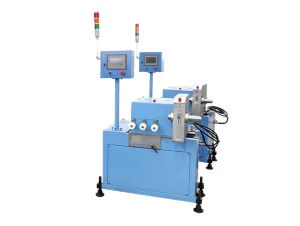
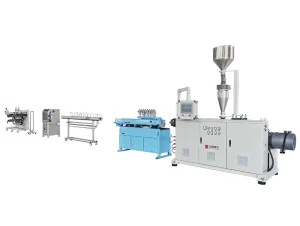
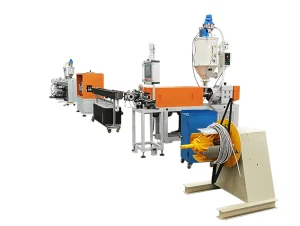
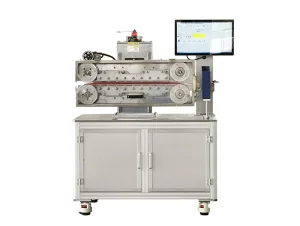
BAOD EXTRUSION (Jiangsu Baodie Automation Equipment Co., Ltd.) founded in 2002, is dedicated to the design, manufacturing, and sales of premium plastic extrusion equipment. Based on 18 years of experience designing and fabricating high-quality machinery in Taiwan, our original parent company (KINGSWEL GROUP) established our strategic manufacturing base in Shanghai in 1999.
Today, BAOD Extrusion stands at the absolute vanguard of precision polymer extrusion technology. We systematically deploy advanced mechanical engineering paradigms to satisfy the hyper-critical requirements of international manufacturers in automotive, aerospace, and medical sectors.
Polyamides (commonly referred to as Nylon, including PA6, PA66, PA11, and PA12) are semi-crystalline engineering thermoplastics characterized by their high mechanical strength, thermal stability, low permeability to hydrocarbons, and exceptional chemical resistance. However, extruding these polymers into precise, thin-walled tubing represents a monumental engineering challenge. Due to their sharp melting points and low melt strength, polyamides transition rapidly from a solid to a highly fluid state. This thermodynamic behavior mandates exact temperature zoning, customized screw geometries, and state-of-the-art closed-loop vacuum calibration systems.
To process these materials without inducing polymer degradation or structural voids, the screw design must feature an optimized Length-to-Diameter (L/D) ratio—typically between 28:1 and 33:1. Furthermore, barrier screw configurations with flight designs that systematically segregate the solid bed from the melt pool are utilized to achieve uniform shear heating. This ensures that the extruded melt has reached a completely homogeneous thermal state before entering the die head, effectively eliminating any variations in viscosity that could lead to dimensional fluctuations in the finished nylon tube.
Polyamide resins are highly hygroscopic. If the moisture content exceeds 0.1% prior to extrusion, hydrolytic degradation occurs within the barrel. This leads to molecular chain scission, reduced mechanical strength, bubbles, and surface imperfections. BAOD EXTRUSION incorporates integrated desiccant dehumidifying dryers capable of maintaining dew points below -40°C to guarantee raw material integrity before it enters the feed section.
In the nylon tube extrusion process, the transition from the die exit to the cooling bath is a critical phase. Polyamides possess a high crystallization rate, requiring precise control over cooling kinetics to prevent internal stress concentration and out-of-roundness. BAOD's Precision Auto Vacuum Sizing Tanks and calibration systems utilize high-resolution vacuum controllers that adjust differential pressure dynamically. By maintaining a vacuum stability of ±0.01 bar within the sizing chamber, the tube's outer diameter is consistently locked to tolerances below ±0.05 mm, even at linear extrusion speeds exceeding 30 meters per minute.
Furthermore, our TKB and TKC puller series employ synchronized multi-axis servo drives. This configuration provides a continuous, vibration-free pulling force. Without this precise mechanical synchronization, any tensile variation introduced by the puller would propagate back to the semi-molten tube at the calibration sleeve, causing periodic wall-thickness variation (known as draw-resonance). The integration of continuous laser outer-diameter monitors forms a closed-loop control network, feeding live dimensional data directly back to the extruder and puller controllers to make sub-millisecond adjustments.
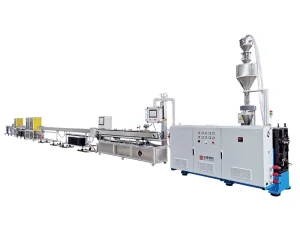
A breakdown of the electromechanical systems and control architectures that define modern nylon tube production lines.
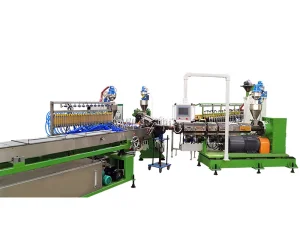
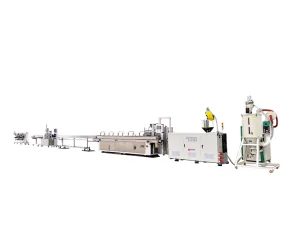
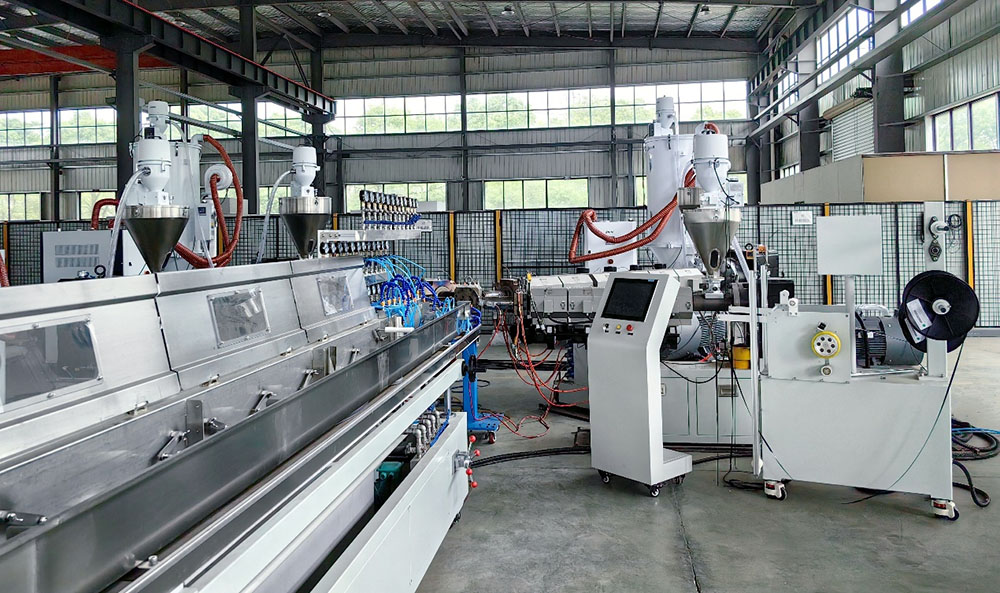
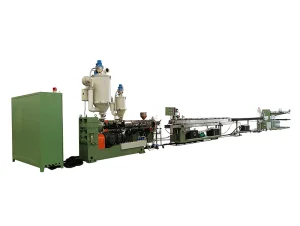
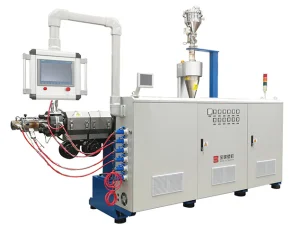
Equipped with highly wear-resistant bimetallic barrels and nitrided screws. The integration of high-torque helical gearboxes and energy-efficient AC permanent magnet motors ensures stable melt pressure output under continuous load.
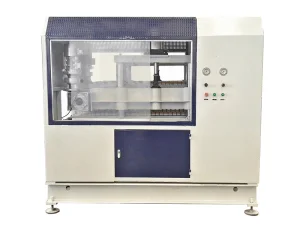
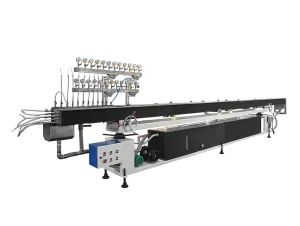
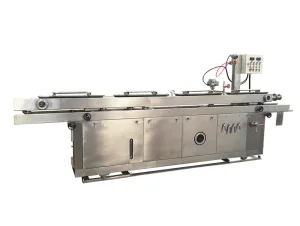
Manufactured entirely from SUS304 stainless steel. Features multi-directional water spray cooling rings and automated water level and temperature control to optimize polymer crystallization rates and tube aesthetics.
Enables the production of multi-layer automotive tubes (such as PA/TIE/EVOH/TIE/PA). Designed with specialized spiral mandrel distribution heads to maintain uniform layer thickness around the entire tube circumference.
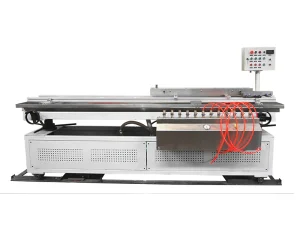
TKB belt and TKC crawler pullers utilize high-grip, wear-resistant pneumatic belts designed for thin-walled tubes. Features digital tension control to prevent oval deformation during pulling.
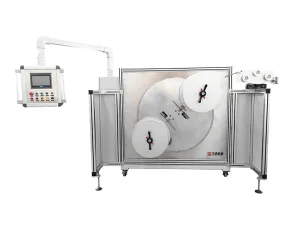
Incorporates computerized tension control and servo traverse systems. Delivers uniform, neat winding layout onto spools and automates spool changes without halting the production line.
Built-in industrial Ethernet communication link connecting all downstream equipment to a centralized SCADA system. Enables real-time recipe loading, batch tracking, and predictive maintenance alerts.
When procurement teams from Western Europe and North America evaluate potential factory partners in China for nylon tube extrusion machinery, their focus goes far beyond the initial capital expenditure. Modern manufacturers emphasize Total Cost of Ownership (TCO), process reliability, compliance with global safety standards, and long-term availability of wear-and-tear components. Over the past two decades, Chinese manufacturers—anchored by pioneers like BAOD EXTRUSION—have evolved from simple equipment copyists into innovators in polymer processing.
The primary advantage of partnering with a Chinese supplier lies in the deep supply chain clustering found in industrial hubs like Jiangsu and Shanghai. This allows for rapid prototyping, agile engineering customizations, and the integration of top-tier global subcomponents (such as Siemens PLC systems, ABB inverters, Omron temperature controllers, and SKF bearings) at a significantly lower cost structure. Consequently, global buyers receive equipment that meets European safety compliance (CE directives) and matches the performance of traditional European brands, but at a capital layout that is 30% to 40% more efficient.
By maintaining localized machining capabilities and high-volume assembly lines, BAOD Extrusion guarantees rapid delivery cycles. Standard configuration SJ Series extrusion lines can be assembled, tested, and shipped in under 60 days, drastically reducing the time-to-market for Tier-1 automotive and medical device manufacturers.
Nylon tubing forms the circulatory system of modern machines. Depending on the specific monomer configuration, these tubes serve diverse industrial purposes. For instance, **Polyamide 12 (PA12)** is widely utilized in automotive brake lines, fuel distribution systems, and pneumatic air suspension systems due to its high impact resistance at sub-zero temperatures and resistance to zinc chloride. On the other hand, **Polyamide 6 (PA6)** and **Polyamide 66 (PA66)** are standard choices for industrial air lines and protective corrugated electrical conduits, offering excellent rigidity and flame-retardant capabilities.
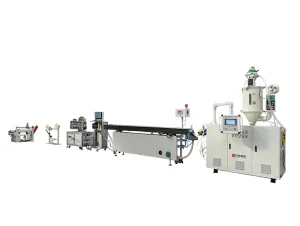
To meet these specific application demands, BAOD offers complete turnkey macro solutions:
Each of these application scenarios requires custom engineering at the die head. For multi-layer structures, we employ advanced crosshead flow modeling software to guarantee that polymer streams of differing viscoelastic properties merge smoothly without interfacial instability, ensuring perfect adhesion between the layers.
Stay updated with our latest news, technology presentations, and industry convention recaps from the BAOD Extrusion engineering division.
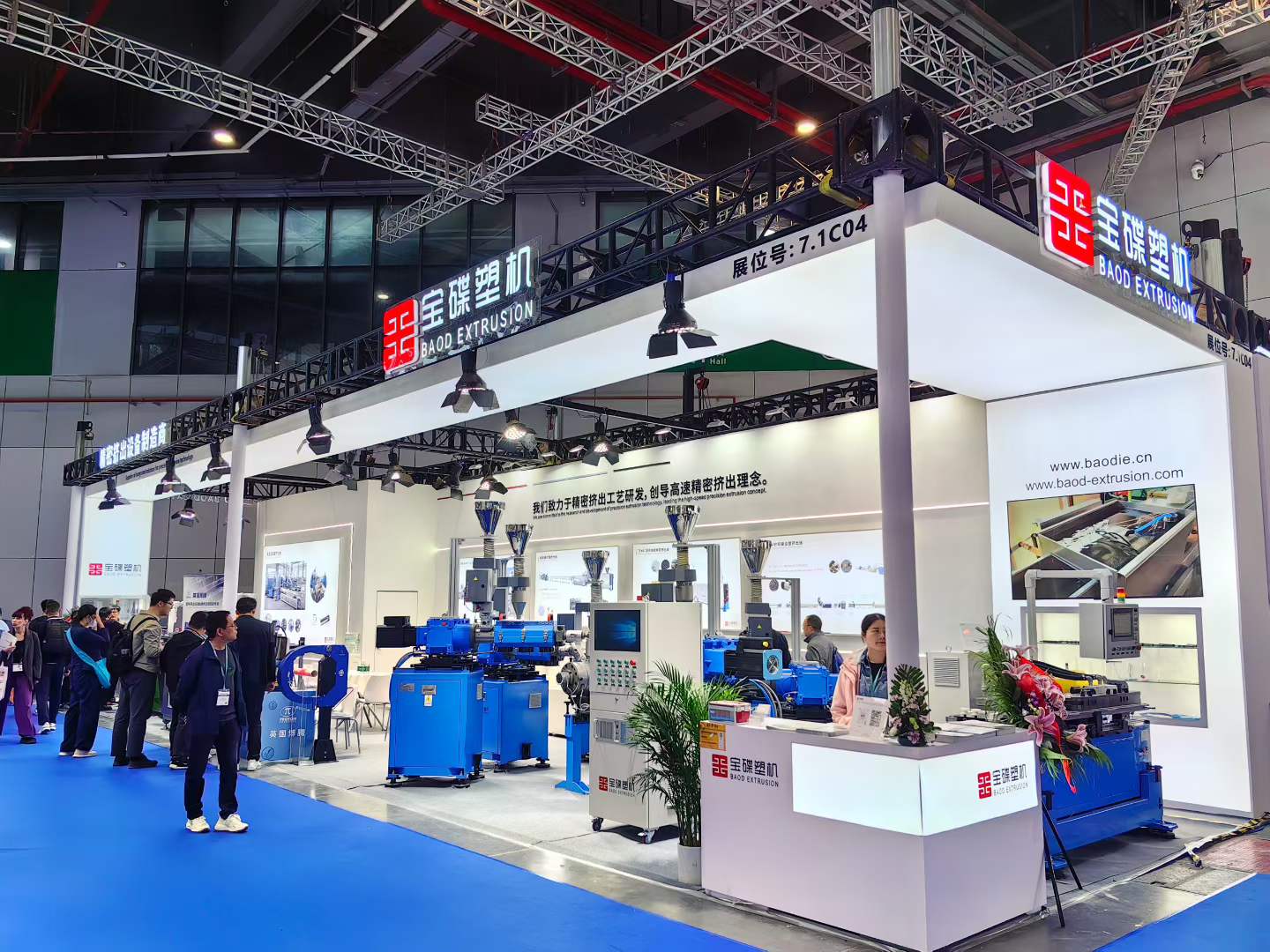
BAOD EXTRUSION showcased its latest R&D achievements, presenting "Smart Extrusion & High-Efficiency Innovation" solutions that address the growing demand for green and smart manufacturing.
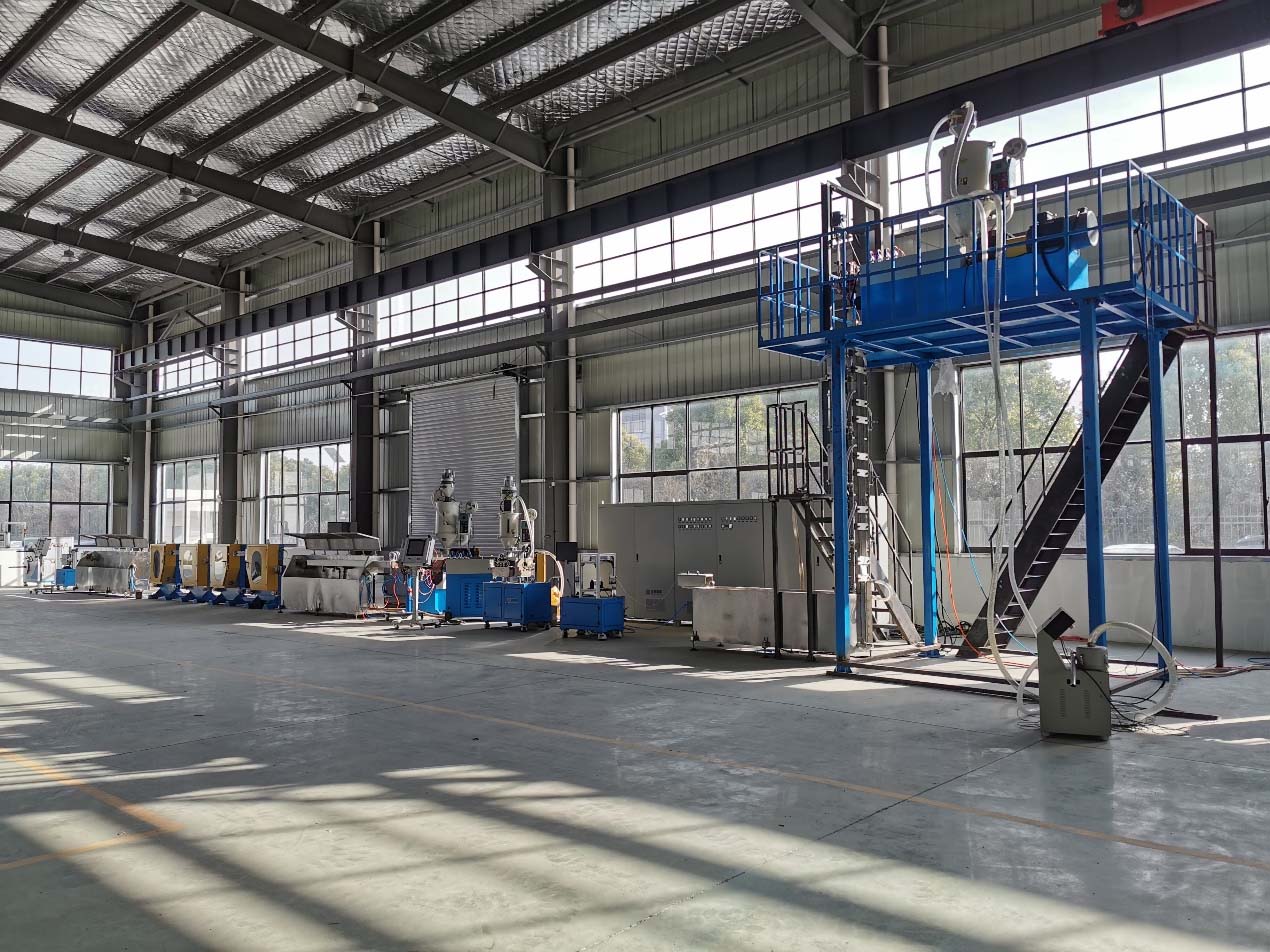
From mining to demolition, learn how BAOD’s high-precision detonating tube lines maintain absolute dimensional uniformity and reliable safety performance in harsh environments.
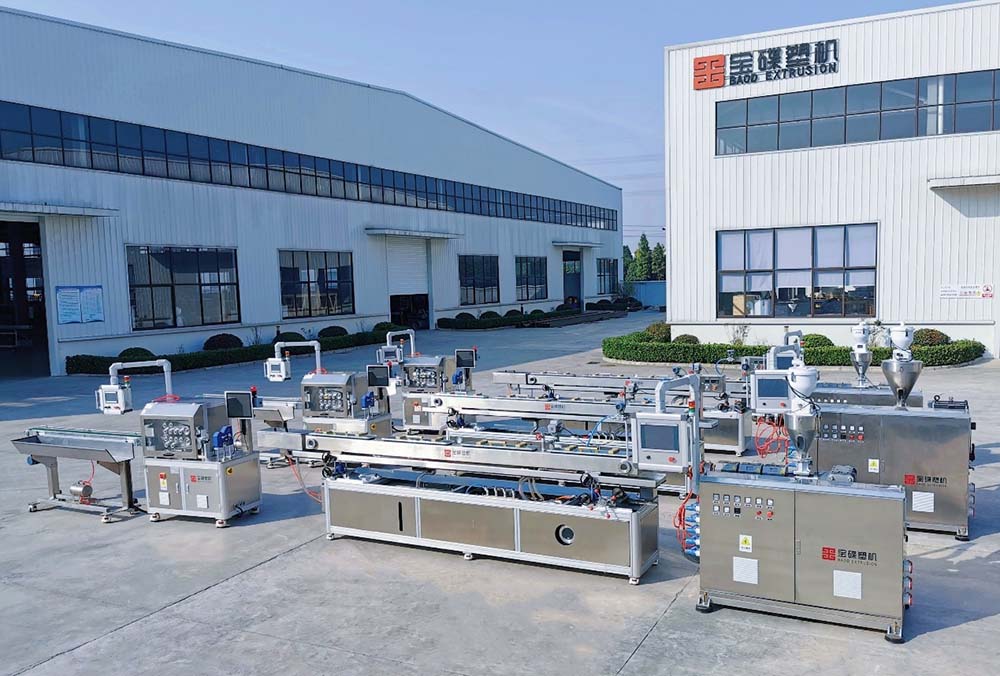
A detailed technical comparison of multi-lumen extrusion tolerances, thermal management, and pricing between Asian precision builders and European legacy brands.
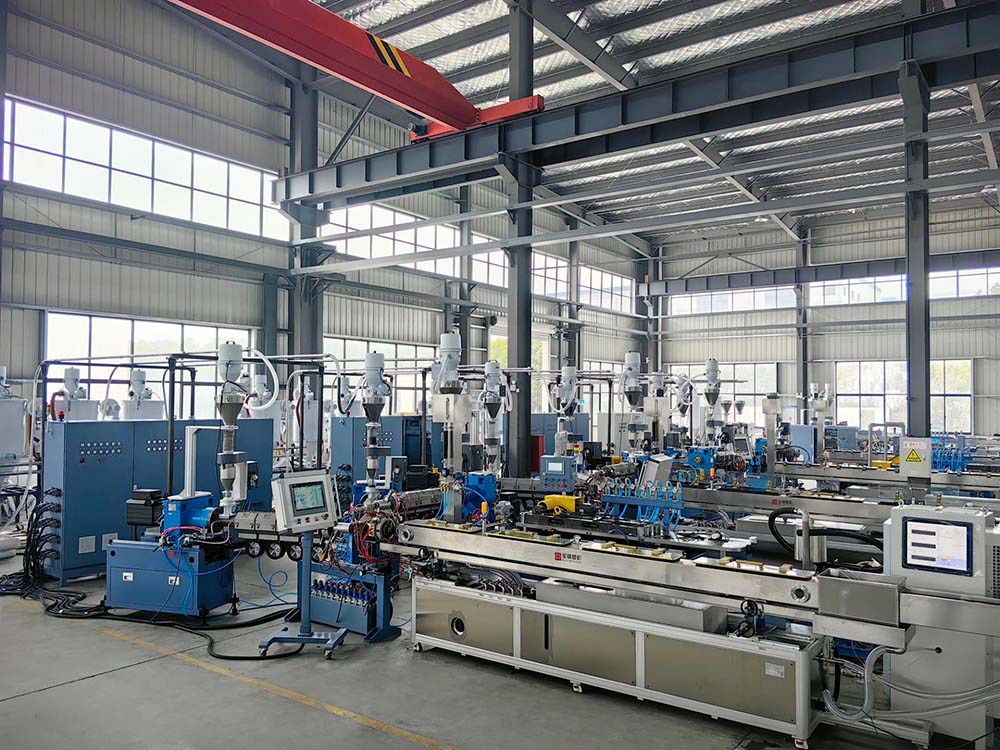
An in-depth look at our quality assurance protocols, material tracking, and compliance frameworks that meet German and American Tier-1 automotive specifications.
Exploring the 2026 technical trends for automobile door and window co-extrusion strips, focusing on co-extrusion technology and inline metal reinforcement insertion.
Direct technical answers to the most common engineering and sourcing questions regarding nylon extrusion lines.
Discover our range of single-screw extruders, calibration tanks, cutting stations, and specialty fluoroplastic extrusion equipment.
 Baodie