Established as a global benchmark in plastic extrusion engineering, BAOD EXTRUSION integrates Taiwanese innovation roots with advanced mainland manufacturing structures to yield premium-grade solutions.
BAOD EXTRUSION (Jiangsu Baodie Automation Equipment Co., Ltd.) founded in 2002, dedicated to designing, manufacturing and sales of plastic extrusion equipment. Based on 18 years experience of designing and fabricating high quality machines in Taiwan, the original parent company (KINGSWEL GROUP) invested in establishing extrusion machines manufacturing base in Shanghai in 1999.
Long-term focus on research and development for:
Manufacturing Experiences
Factory Area
Highly Skilled Employees
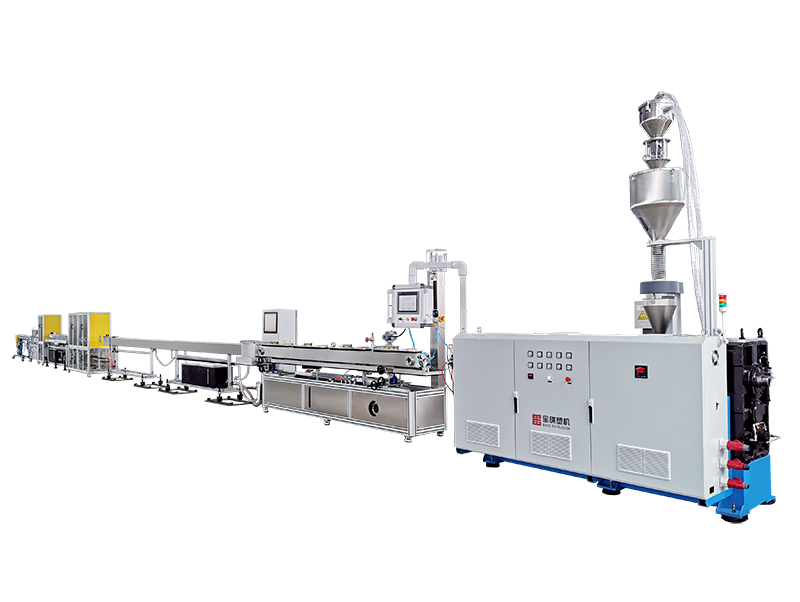
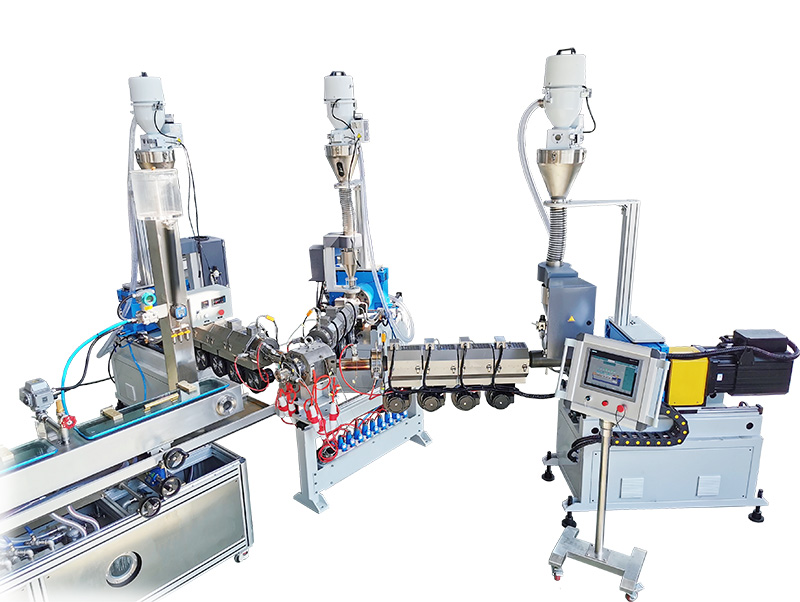
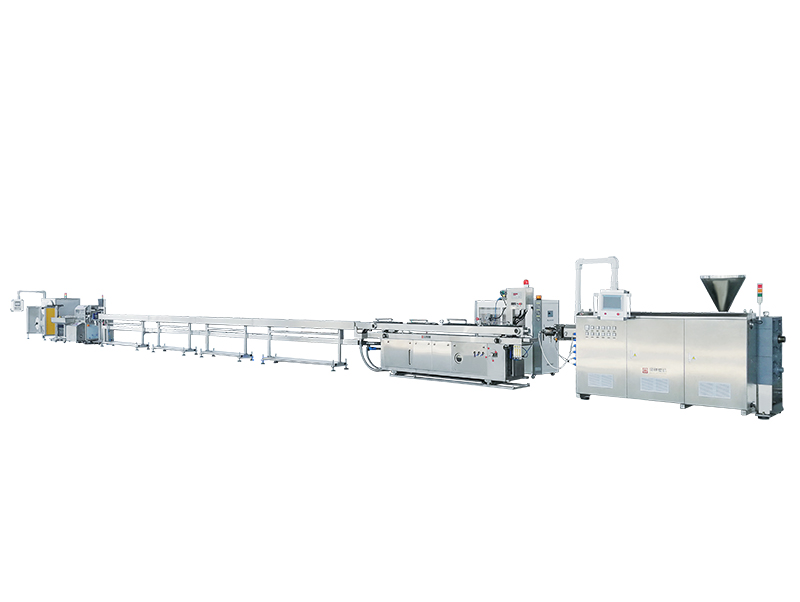
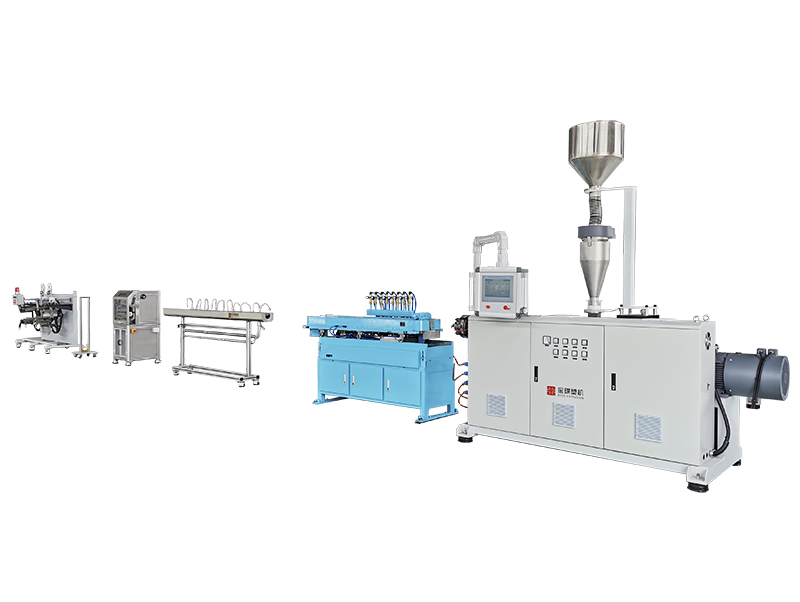
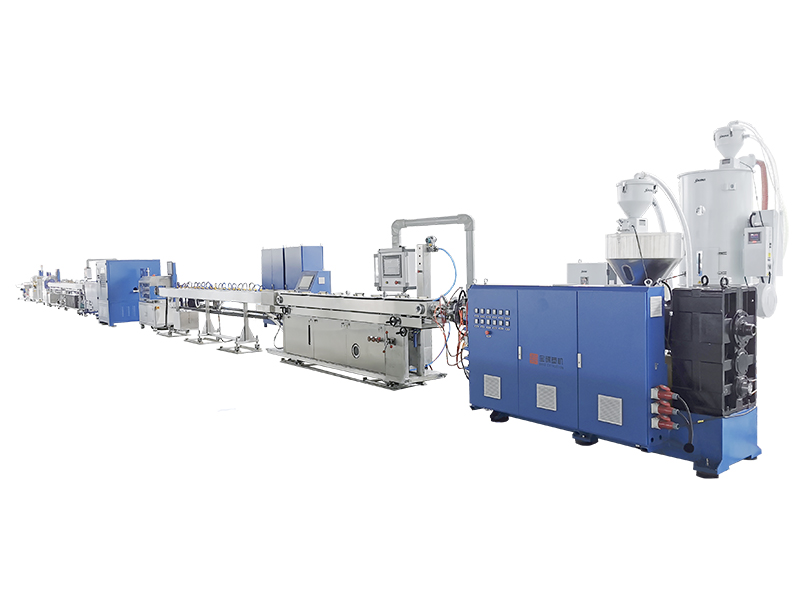

Multi-lumen tubing is an engineering marvel that integrates multiple independent passages (lumens) within a single outer diameter (OD). This allows a single structural conduit to concurrently transport fluids, gas, guide-wires, optic fibers, or electrical cabling. Designing these parts is complex; the geometry requires strict dimensional stability, thin-wall integrity, and high concentricity.
The physical behavior of polymers during high-shear micro-extrusion dictates the performance limits of the final tube. Polymers like fluorinated ethylene propylene (FEP), thermoplastic polyurethanes (TPU), Pebax® (polyether block amide), and medical-grade PVC behave differently under thermal and pressure gradients. Managing wall thickness down to ±0.01 mm requires a deep understanding of die swell, melt flow indices (MFI), and draw-down ratios. For instance, catheter tubes must balance rigidity for pushability and torque transmission while maintaining flexibility to navigate winding vascular paths without kinking.
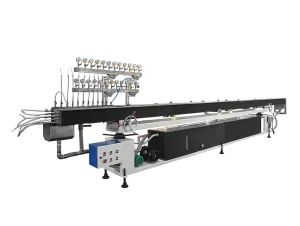
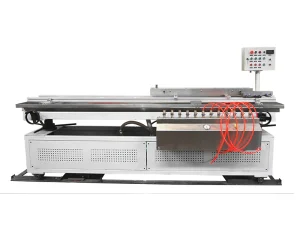
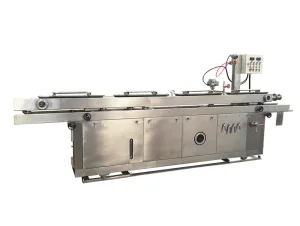
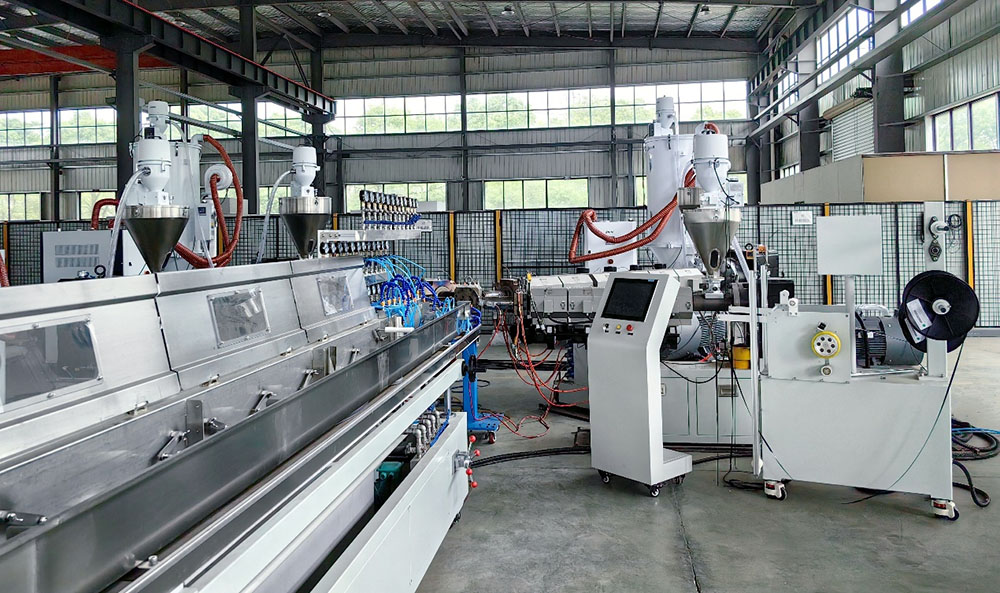
During the cooling process, differential cooling rates across varying wall sections can cause the tube to deform. BAOD’s high-precision vacuum calibration spraying cooling tanks solve this. By dynamically balancing vacuum pressures and water flow rates, they prevent internal walls from collapsing and keep external dimensions perfectly round.
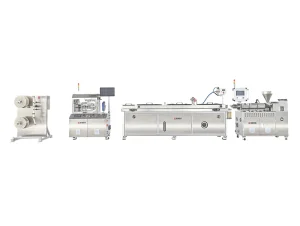
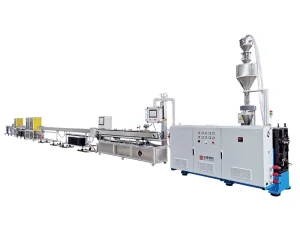
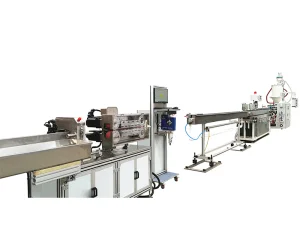
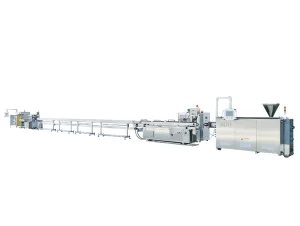
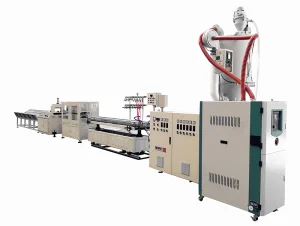
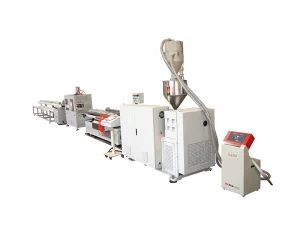
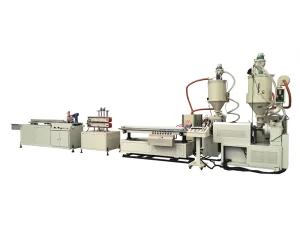
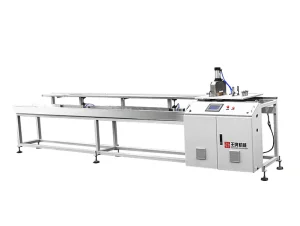
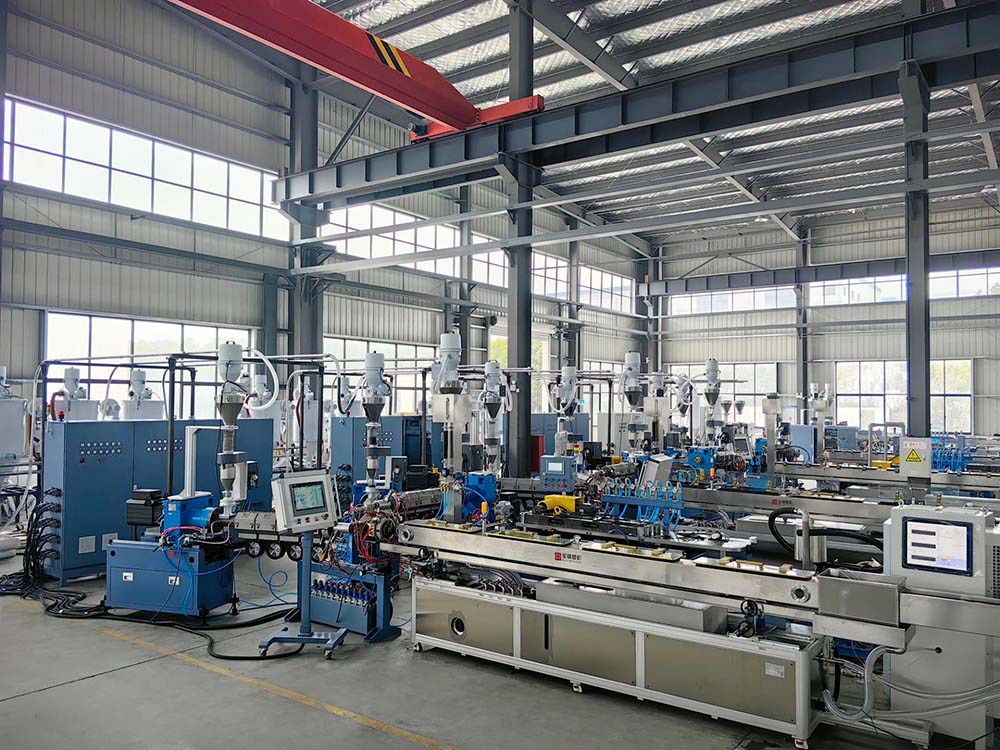
Building high-tolerance multi-lumen tubing requires a highly coordinated, integrated extrusion line. The technical roadmap starts at the extruder screw, moves to the micro-mandrel die head, goes through vacuum sizing, and ends at precision cutting.
A high-efficiency, medical-grade single-screw extruder must deliver a uniform melt with zero pressure fluctuation. A fluctuation of just 1 bar can alter thin-walled multi-lumen dimensions. This requires gravimetric dosing systems to feed raw materials at highly consistent rates, combined with closed-loop pressure feedback loops that dynamically adjust screw speeds.
The die head is the core component. For a 5-lumen catheter tube, the tooling needs five micro-mandrels positioned around a central axis. Clean, pressurized air is fed through each mandrel to keep the inner channels open until the polymer sets.
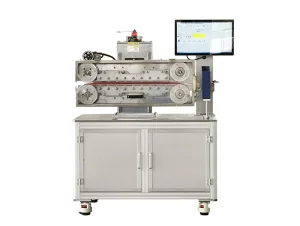
Further down the line, pulling tension is critical. Tension changes can cause the hot polymer to stretch unevenly. BAOD’s TKB Series Precision High Speed Belt Puller uses dual-servo drive technology to prevent slipping and micro-stretching, keeping dimensions consistent across long production runs.
Multi-lumen tubing is widely used in specialized applications, each with its own strict engineering demands. Let's look at four main application environments:
In structural heart and neurovascular therapies, catheters need up to nine lumens. These carry guidewires, balloon inflation fluids, self-expanding stents, saline flush, and sensor wiring. Concentricity must be close to 100% to prevent thin walls from bursting under high balloon pressures.
Electric vehicle battery cooling lines use multi-layer, multi-channel nylon (PA) and TPV profiles. Extruding these multi-lumen systems requires handling co-extruded barriers that prevent fluid permeation and withstand hot, glycol-based coolants under high pressure.
In telecommunications and downhole industrial sensing, multi-lumen tubes protect sensitive glass fibers and high-voltage power lines. The tubes must resist extreme temperatures, high pull tensions, and corrosive chemicals.
Laboratory equipment and dialysis machines use multi-lumen peristaltic pump tubes to handle multiple chemicals at once. Wall thickness must be highly consistent to ensure precise, repeatable fluid dosage rates.
Global OEMs need both technical precision and cost-efficiency. China’s manufacturing sector, and specifically BAOD Extrusion in Jiangsu, offers unique advantages that combine precision engineering with a highly integrated supply chain.
The Yangtze River Delta region is home to a complete precision engineering and polymer tooling ecosystem. Raw materials, specialized vacuum pumps, high-resolution laser gauges, and specialty tool steel are all sourced locally. This proximity reduces development cycles for custom multi-lumen die designs from months to weeks.
Furthermore, BAOD Extrusion’s vertical integration—where we design and build our own extruders, vacuum sizing systems, pullers, and cutters—ensures that every part of the line works together seamlessly. This integrated approach reduces overhead costs compared to sourcing parts from multiple European or American vendors, saving global buyers significant capital expense.
The global demand for multi-lumen extrusion technology is growing, driven by the expansion of minimally invasive medical procedures and the shift toward electric vehicles. In North America and Europe, strict regulatory standards mean manufacturers require systems with reliable documentation, software compliance (such as CFR Part 11), and high mechanical reliability.
In emerging markets across the Asia-Pacific region, the focus is on rapid manufacturing setup and cost-effective scalability. BAOD meets these varied needs by offering customizable machinery platforms. We provide options ranging from simple PLC controls for quick setup to advanced, fully integrated SCADA systems. This flexibility allows us to serve both high-end medical OEMs in mature markets and fast-growing industrial operations in developing regions.
For medical device components, maintaining high quality is essential. Every production run must be traceable and consistent. Our equipment design supports ISO 13485 quality systems and helps buyers comply with FDA and CE guidelines.
BAOD systems integrate real-time inspection technologies directly into the production line. A multi-axis laser gauge measuring system at the cooling tank exit continuously tracks the tube's outer diameter. Ultrasonic wall thickness monitors measure internal wall dimensions without touching the material.
If any parameter falls outside of specified tolerances, the closed-loop system automatically adjusts the puller speed or the extruder pressure. This level of control minimizes scrap, ensures batch-to-batch consistency, and provides the documentation needed for strict medical validation processes.
The next generation of extrusion equipment relies on smart connectivity and automated control. Future lines will feature self-tuning dies that adjust internal mandrels dynamically using piezo-actuators in response to real-time sensor data.
Cloud integration and predictive maintenance algorithms are also becoming standard. By analyzing motor load currents, melt pressure curves, and cooling water flow rates, these systems can predict component wear and schedule maintenance before defects occur. This reduces unscheduled downtime and keeps production running efficiently.
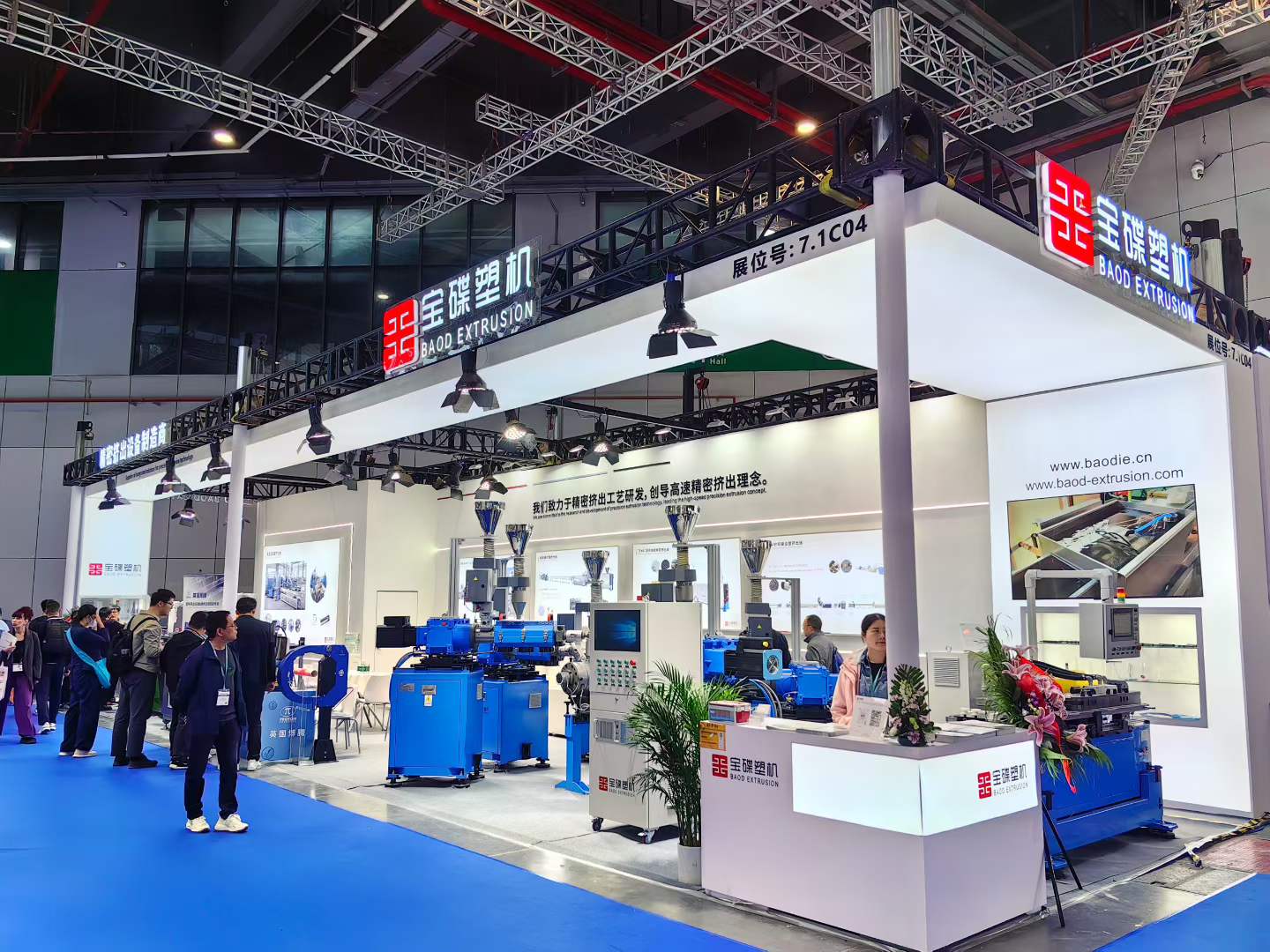
From April 21–24, CHINAPLAS 2026 was successfully held at the National Exhibition and Convention Center (Shanghai, Hongqiao). BAOD EXTRUSION showcased its latest R&D achievements at Booth 7.1C04, presenting "Smart Extrusion · High-Efficiency Innovation" solutions...
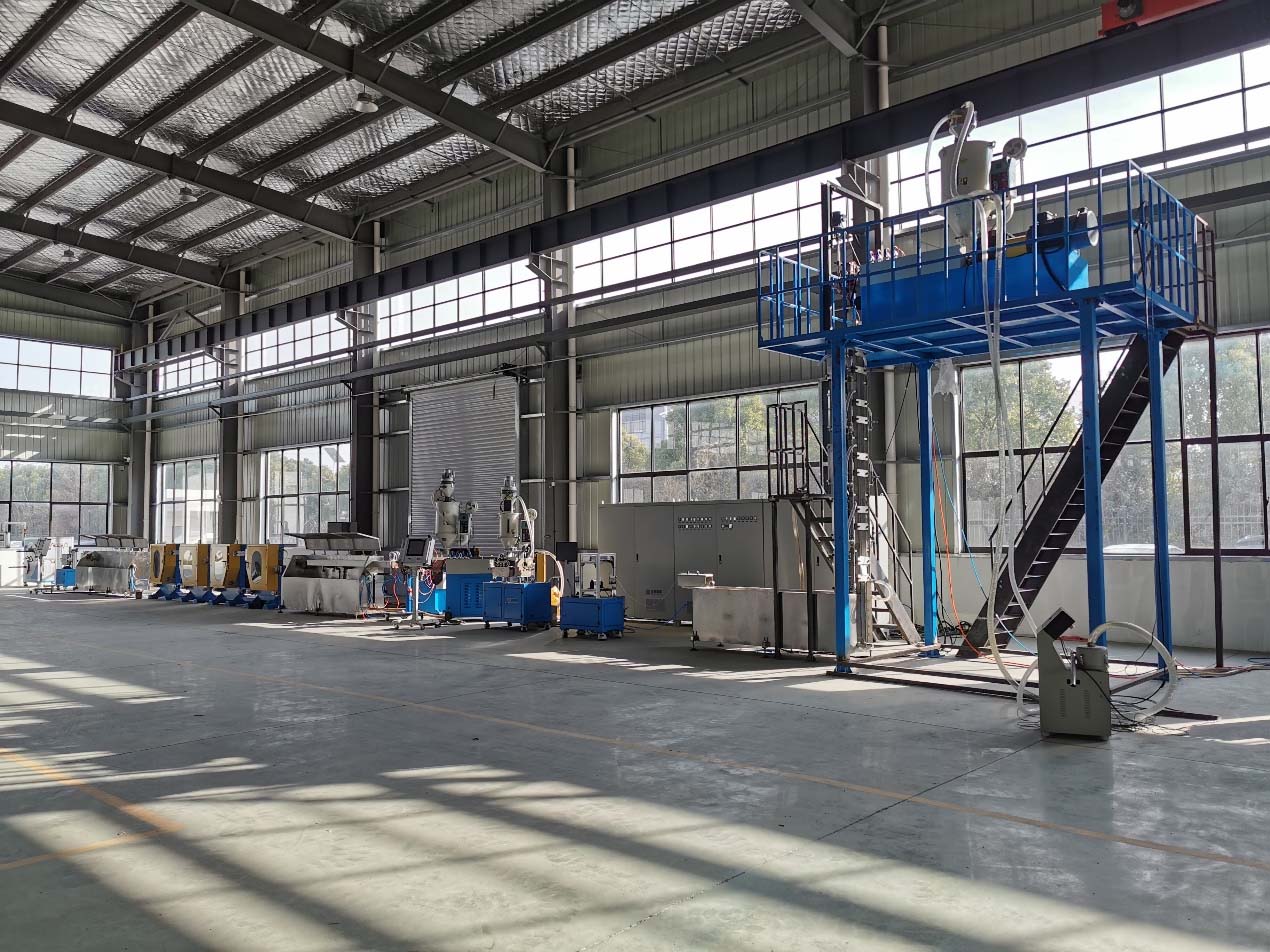
In the controlled environment of a modern industrial facility, a single, hair-thin plastic tube wound onto a reel might seem unremarkable to the untrained eye. However, in sectors ranging from mining to infrastructure demolition, this detonating tube is critical...
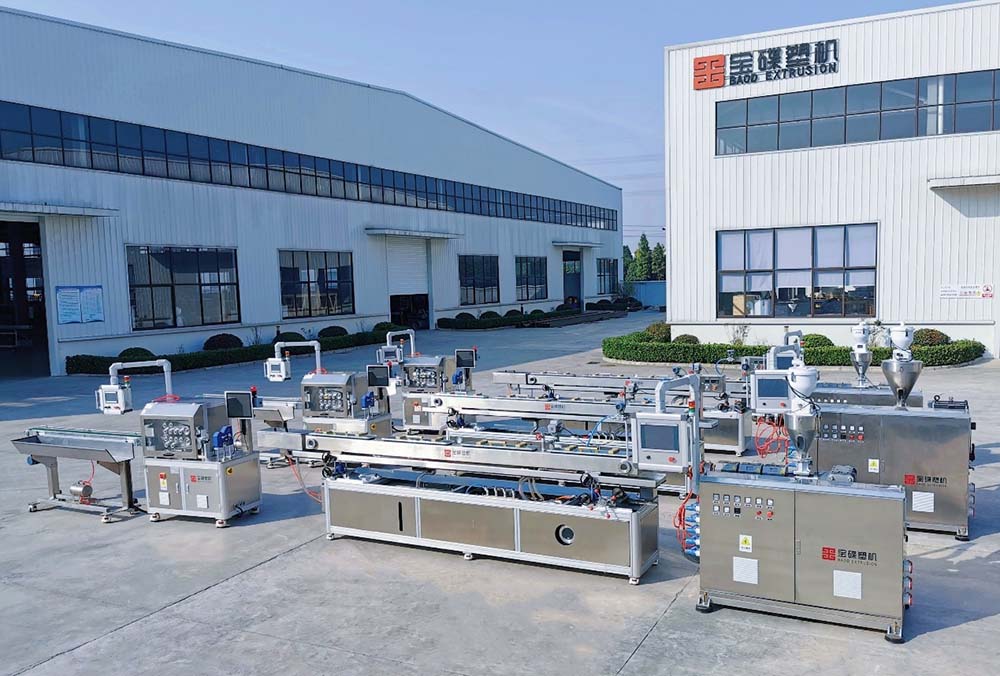
In the sterile, quiet environment of a modern medical facility, a clinician prepares a complex catheter. This thin, flexible tube is far more than a simple conduit; internally, it is divided into several microscopic channels, or lumens, each designed for a specific task...
How do the world's most reputable vehicle manufacturers ensure the absolute integrity of every fuel line, brake hose, and cooling pipe buried deep within a vehicle’s chassis? Why has the shift toward electric and lightweight vehicles made the precision of these small-dia...
As the twilight sun reflects off the sleek, aerodynamic curves of a modern electric vehicle, few observers notice the quiet, critical components ensuring the cabin remains a sanctuary of silence. Behind the scenes, automated sealing strip extrusion lines play a key role...
 Baodie