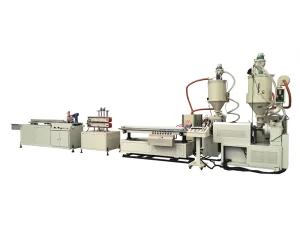
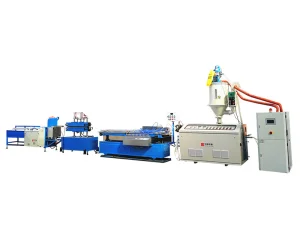
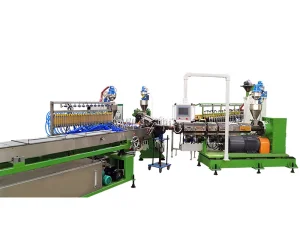
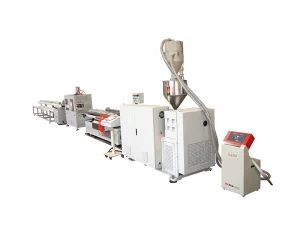
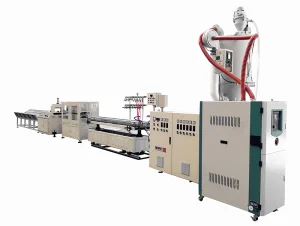
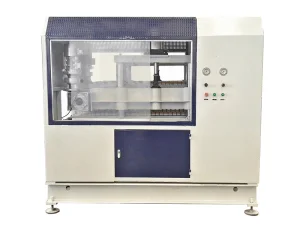
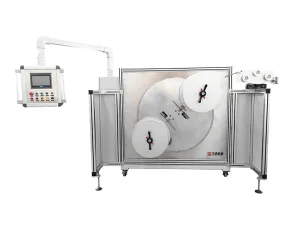
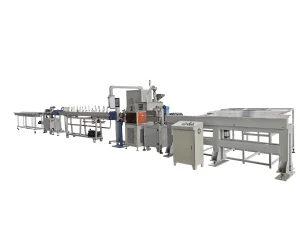
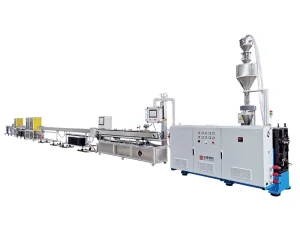
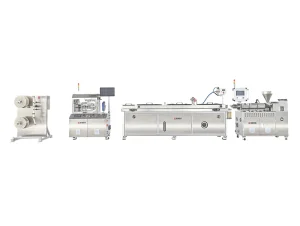
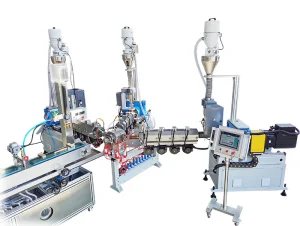
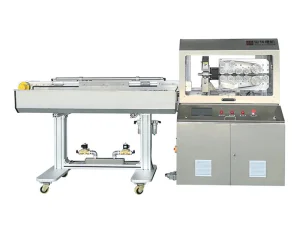
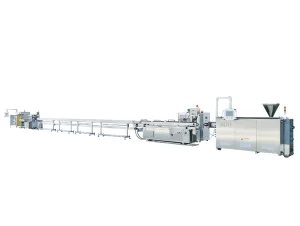
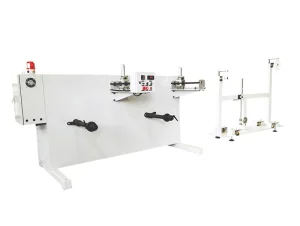
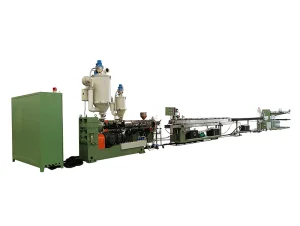
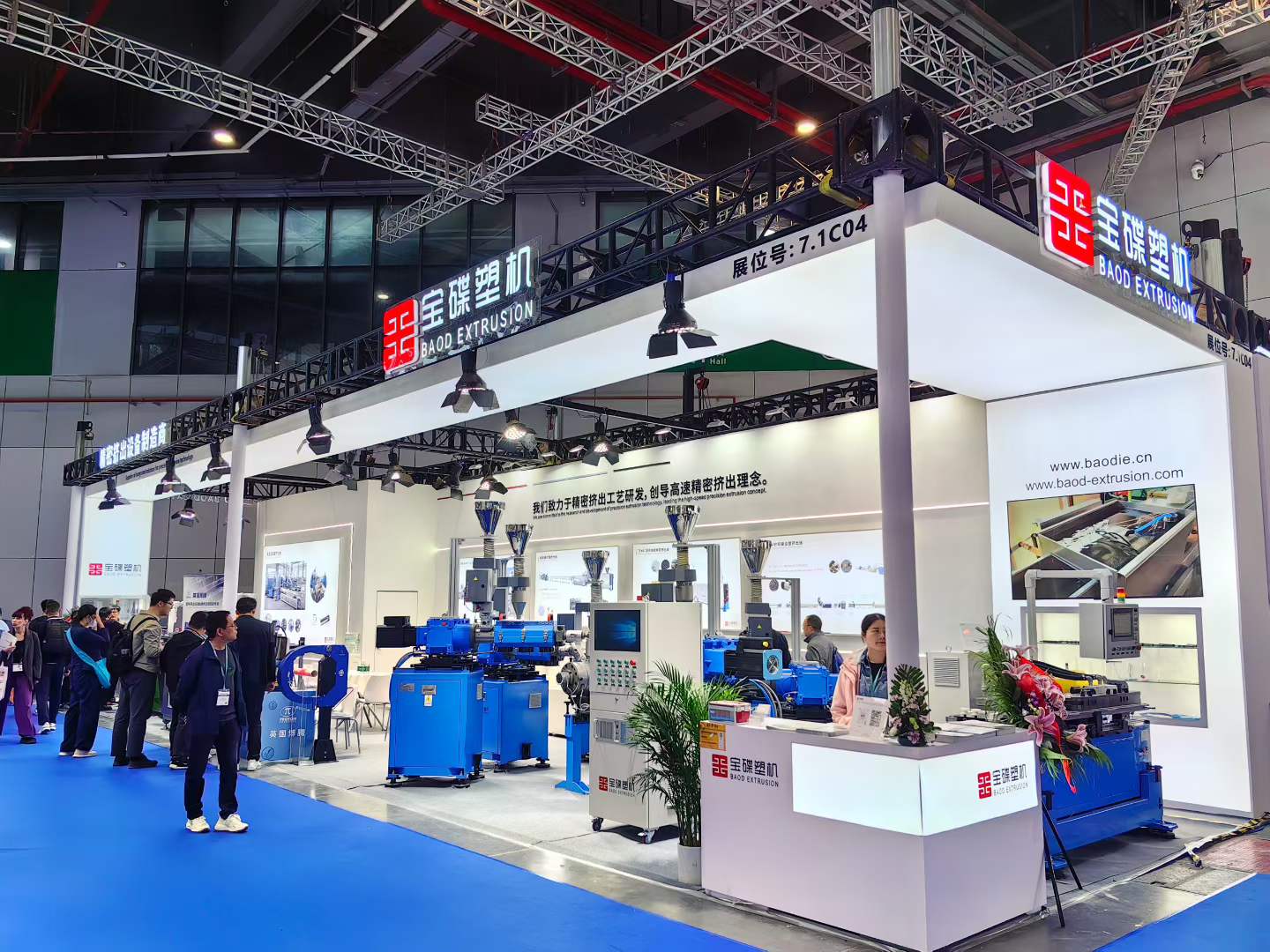
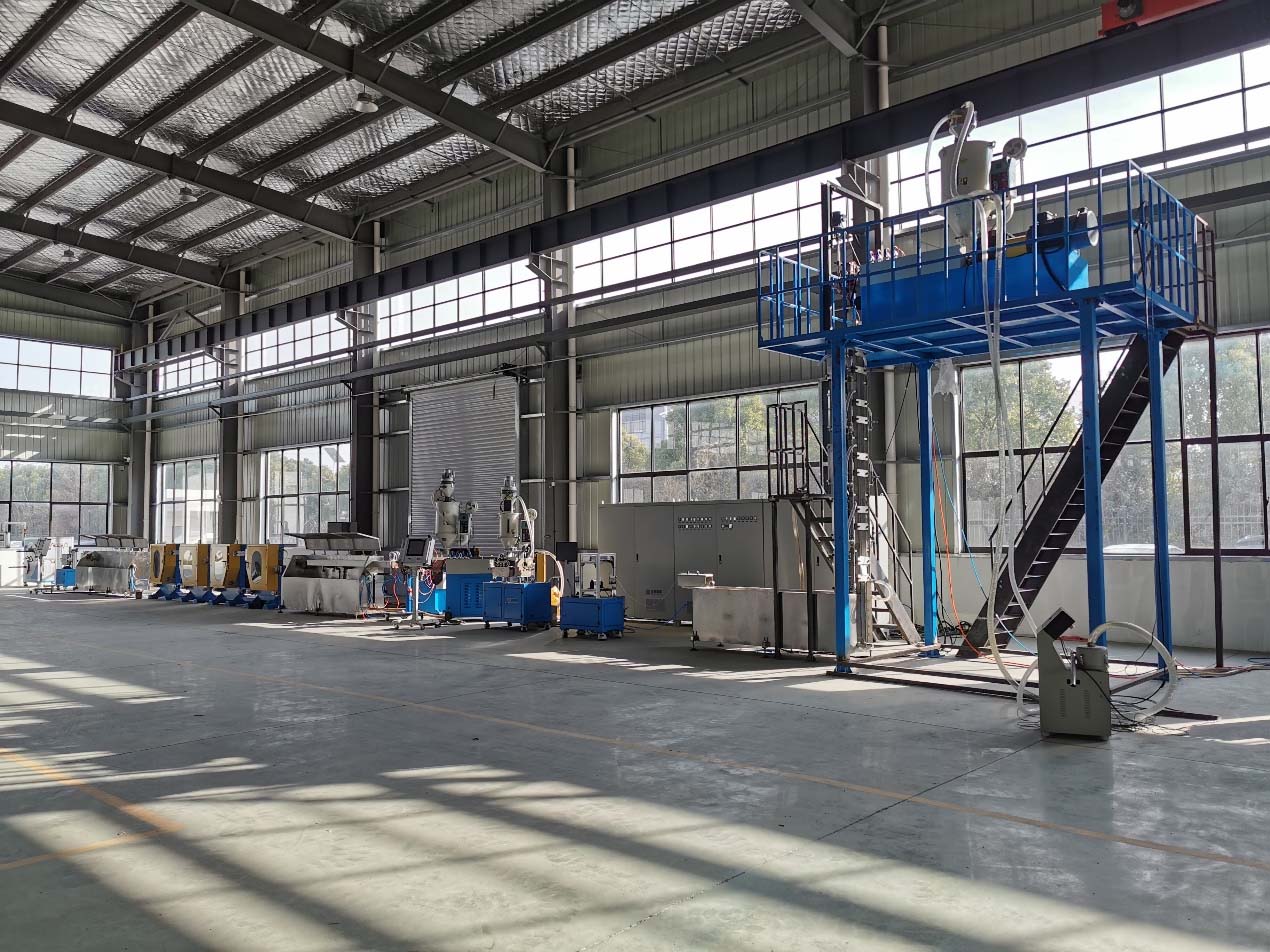
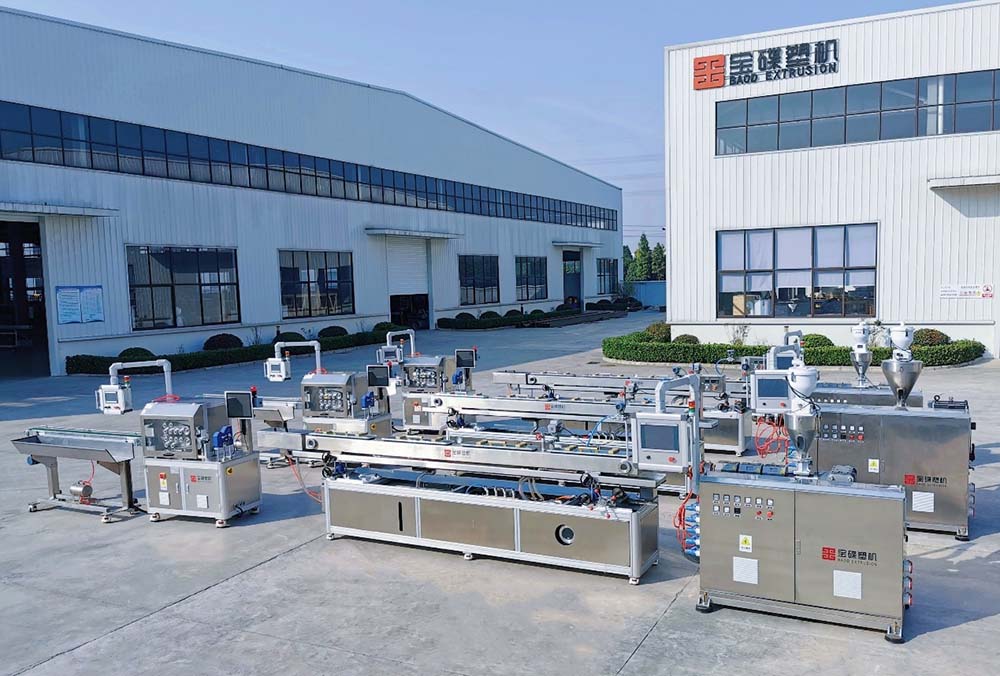
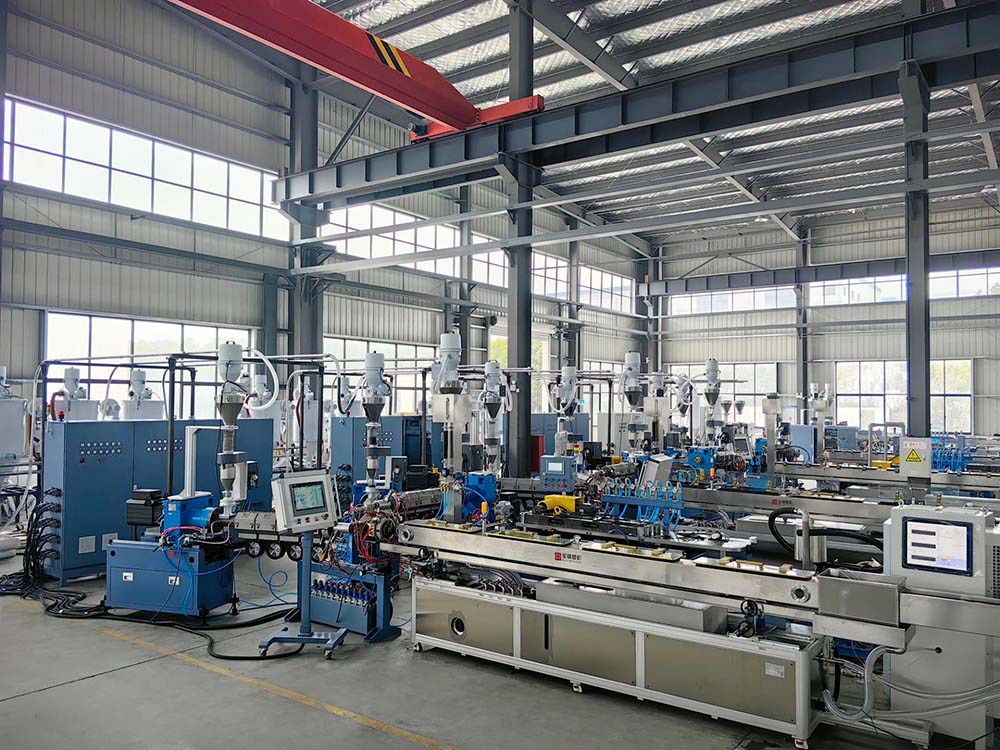
The Chubu region, centered around Nagoya (Aichi Prefecture), represents the beating heart of Japan’s manufacturing and industrial output. Hosting global giants in automotive engineering, aerospace development, and electronics, the Nagoya market has consistently set the benchmark for mechanical precision, environmental stewardship, and process automation. In this hyper-competitive space, the demand for custom precision profile extrusion has evolved from standard polymer processing to high-end materials engineering.
Modern vehicle electrification (EV), advanced medical systems, and architectural smart-glazing demand extruded components that offer more than mere structural form. Today's components must deliver thermal resistance, acoustical dampening, chemical inertness, and precise tolerances within the micron range. This whitepaper details how BAOD Extrusion leverages its 25-year history of technological iteration to engineer custom precision profile extrusion lines. Designed specifically to meet the high standards of Nagoya’s OEMs, these lines ensure seamless compliance with Japan's Industrial Standards (JIS) and lean manufacturing practices.
Nagoya’s automotive ecosystem, pioneered by industry giants, operates under a zero-defect paradigm. This strict quality target directly affects suppliers of plastic extrusions. Traditional extrusion lines, which suffer from thermal instability and uneven melt pressure, can no longer meet these requirements. For components like weatherstrips, glass run channels, and multi-lumen fuel conduits, cross-sectional dimensions must be held within tolerances as tight as ±0.03 mm.
"In the automotive capital of Japan, quality control is not a post-production check. It is integrated directly into the process. Extrusion lines must operate with closed-loop systems that adjust to material variations, ambient temperature shifts, and melt pressure fluctuations in real time."
Furthermore, Japan's commitment to Carbon Neutrality by 2050 has pushed plastic processors to run post-consumer recycled (PCR) resins, bio-based polymers, and complex thermoplastic elastomers (TPE/TPV). Processing these materials requires precise temperature control and specialized screw designs to prevent shear degradation while ensuring consistent output.
25+
Years of Precision Extrusion R&D
16k+ m²
State-of-the-Art Factory Space
100+
Specialized Technical Engineers
3. Technical Innovation in Precision Extrusion Machinery
To consistently produce precision profiles under challenging manufacturing conditions, BAOD Extrusion has introduced several core technologies to our machinery lines:
Closed-Loop Servo Pullers
Features ultra-responsive, twin-axis servo motors synchronized with optical sizing systems to eliminate speed variation, maintaining stable dimensions during long production runs.
Smart Melt Control
Melt pump integration stabilizes polymer delivery to the die, shielding the profile from screw surging and improving weight accuracy in complex multi-lumen profiles.
Industry 4.0 Connectivity
Fully compliant with OPC UA communication protocols, enabling real-time remote monitoring, data collection, and integration with local MES platforms used across Japanese plants.
4. Global Procurement & TCO Optimization
For international businesses sourcing machinery, calculating the Total Cost of Ownership (TCO) is a critical step. While the initial capital expenditure (CAPEX) is important, operational costs (OPEX)—including energy consumption, downtime, and wear-and-tear replacement parts—represent the majority of life-cycle costs.
BAOD Extrusion customizes extrusion lines with energy-efficient barrel heating elements and direct-drive AC motors, reducing power usage by up to 25% compared to standard systems. In addition, the modular design of our dies and calibration units allows operators to switch products quickly, minimizing downtime and optimizing production efficiency.
5. Localized Support and Regulatory Compliance for Japan
Entering the Japanese market requires strict compliance with domestic safety regulations, utility frequencies (specifically 60Hz power supply in Nagoya/Western Japan), and technical documentation. BAOD Extrusion guarantees complete compatibility for all installations in Japan:
Electrical Engineering Standards: Design and construction conform to JIS, PSE, and CE standards, featuring high-quality components from brands like Omron, Mitsubishi, and Yaskawa.
On-Site Technical Support: Fast response and on-site support from skilled engineers to assist during installation and maintenance.
Bilingual Documentation: Full technical manuals, schematics, and HMI control screens provided in English and Japanese.
6. About Jiangsu Baodie Automation Equipment Co., Ltd. (BAOD EXTRUSION)
Founded in 2002, BAOD EXTRUSION (Jiangsu Baodie Automation Equipment Co., Ltd.) is dedicated to the design, manufacturing, and distribution of high-quality plastic extrusion machinery. Building on over 18 years of design and manufacturing experience in Taiwan, our original parent company, KINGSWEL GROUP, invested in establishing a state-of-the-art extrusion manufacturing base in Shanghai in 1999. Today, with over 25 years of engineering experience and a 16,000 m² production facility, BAOD remains a trusted partner for precision extrusion solutions worldwide.
Our continuous research and development focuses on four main pillars:
Precision extrusion technology with tight tolerance control
High-efficiency, low-energy output processes
Advanced automation and full integration with digital MES platforms
Industrial safety features to protect plant operators
Answers to common questions regarding logistics, engineering capabilities, and localized support for the Japanese and global markets.
How does BAOD maintain cross-sectional tolerances below ±0.03 mm on custom profiles?
Our lines integrate closed-loop feedback systems that combine online laser scan diameter gauges, melt-pressure regulation gear pumps, and high-resolution servo pullers. This setup dynamically compensates for any minor material or thermal changes during extrusion.
Are BAOD’s control cabinets and electrical configurations compliant with Japan’s PSE and JIS requirements?
Yes, all systems designed for the Japanese market utilize PSE-certified components and conform to JIS electrical codes. We configure the motors and heating elements specifically for Nagoya’s 60Hz grid frequency to prevent motor overheating and ensure stable operation.
What support is available for commissioning and maintenance in the Aichi/Nagoya area?
We offer direct technical support, including installation assistance and operator training. Additionally, remote diagnostics via IP-connected PLCs allow our central support team to troubleshoot and optimize processes in real time.
Can these extrusion lines process high-temperature engineered thermoplastics like UHMWPE or Fluoropolymers?
Yes, our custom extrusion lines can be outfitted with specialized screw geometries, wear-resistant bimetallic barrels, and high-temperature heating systems capable of processing advanced materials like UHMWPE, PVDF, and medical-grade PVC/TPU.
Connect with Our Engineering Department
Looking to optimize your profile extrusion output, reduce energy consumption, or deploy a specialized system for the Nagoya market?
 Baodie