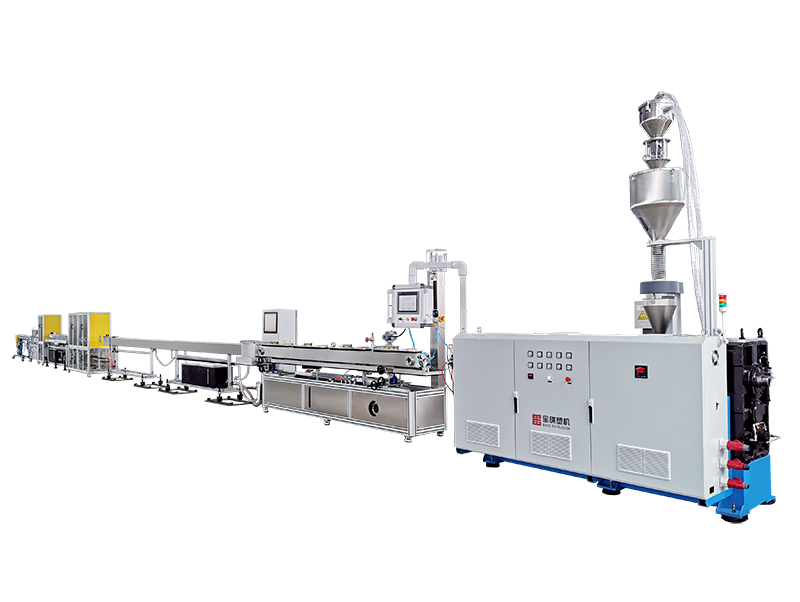
Engineered for high dimensional stability, ultra-fine tolerance control, and high-throughput production rates matching the quality expectations of Japanese engineering standards.
Ultra-precise optical profile co-extrusion technology designed for high-end LED diffusion, internal reflection controls, and architectural lighting configurations across the Tokyo metropolitan area.
View Specifications
High-speed, multi-component co-extrusion lines tailored for automotive trim, weatherstrips, structural components, and interior panels requiring strict compliance standards.
View Specifications
Advanced vacuum calibration and servo-puller integration for manufacturing multi-durometer sealing profiles with steel/mesh wire reinforcements.
View Specifications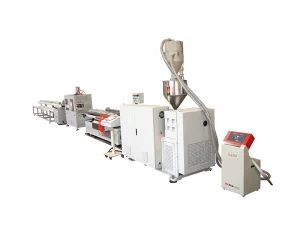
Optimized twin-screw configurations engineered to process ultra-high molecular weight polyethylene, providing high abrasion-resistant guides and slides.
View SpecificationsFounded in 2002, BAOD EXTRUSION (Jiangsu Baodie Automation Equipment Co., Ltd.) is dedicated to the custom design, precise engineering, and international distribution of high-capacity plastic extrusion machinery. Leveraging over 25 years of engineering experience originating from Taiwan's high-tech manufacturing frameworks, we established our world-class Shanghai base in 1999, followed by expanding into a highly automated facility in Jiangsu.
A comprehensive analysis of material science development, process control, and China's Factory 4.0 cost-efficiency advantages serving Japan's automotive, medical, and electronics sectors.
Tokyo and the surrounding Kanto metropolitan area remain the global epicenters for precision engineering, high-value electronics, medical device research, and advanced automotive designs. Unlike standard consumer goods manufacturing, Tokyo's industrial demands favor extreme material performance, strict geometrical tolerances, and minimized waste. In medical device clusters located within Ota Ward and Bunkyo Ward, manufacturers require micro-lumen tubing and co-extruded fluoropolymer profiles where deviations of even 10 microns can compromise structural integrity. Precision profile extrusion lines designed for this market must feature highly stable gravimetric dosing, closed-loop melt temperature control, and precision vacuum calibration systems to guarantee repeatability across production batches.
Additionally, the transition toward electrified transport systems within Tokyo's automotive companies (like Toyota, Honda, and Nissan engineering divisions in Kanagawa) has accelerated the need for multi-component sealing strips made of TPV (Thermoplastic Vulcanizates) and EPDM/PP compounds. These profiles require embedded metal or mesh reinforcements, low friction coating surfaces, and lightweight structural configurations. This level of specialization has forced machinery suppliers to abandon the "one-size-fits-all" extruder configuration in favor of customized screw geometries and advanced downstream pullers.
The global plastics extrusion market is undergoing a rapid transition toward digital twins, real-time process monitoring, and bio-polymer compatibility. Key technological developments include:
| Technology Parameter | Standard Extrusion Systems | BAOD Precision Tokyo-Spec Lines |
|---|---|---|
| Dimensional Tolerance | ±0.10mm to ±0.20mm | ±0.02mm to ±0.05mm (Laser Closed-Loop) |
| Melt Temp Deviation | ±2.0°C | ±0.5°C via PID Auto-tuning |
| Co-Extrusion Capability | Single or Dual Layer | Up to 5 Layers (Multi-Material / Multi-Durometer) |
| Energy Consumption | 0.32 - 0.45 kWh/kg | 0.18 - 0.26 kWh/kg (Electromagnetic Heating) |
Global procurement teams in Japan, North America, and Europe are shifting away from cheap initial capital expenses (CAPEX) toward total cost of ownership (TCO) evaluations. An extrusion line operating in Tokyo must account for local industrial space constraints, high electricity costs, and strict labor laws. A downtime event on a high-speed automotive weatherstrip line can cost thousands of USD per hour. Consequently, procurement criteria have evolved to prioritize machines equipped with high-end, globally serviceable electrical components (such as Siemens PLC systems, ABB inverters, and Omron temperature controllers) alongside wear-resistant bimetallic screw/barrel alloys that resist corrosive polymers like fluorinated plastics and rigid PVC compounds.
The manufacturing capabilities of Chinese extrusion machinery plants have transitioned from simple mechanical assembly to advanced "Factory 4.0" smart manufacturing. At BAOD Extrusion's Jiangsu facility, we utilize CAD/CAM digital manufacturing, precision CNC machining centers for extruder barrels, and systematic assembly lines that emulate German and Japanese workshop standards. Our manufacturing processes include complete material traceability, stress-relief heat treatments for critical mechanical components, and comprehensive pre-shipment dry and wet run testing. This ensures that when a system arrives in Tokyo, installation, commission, and integration into the customer's MES (Manufacturing Execution System) occur seamlessly. Our hybrid model—combining Taiwanese engineering precision, mainland China's supply chain advantages, and direct regional support—offers Japanese enterprises an unparalleled value proposition: robust European-standard equipment at competitive capital rates, with rapid delivery times.
Within the Kanto industrial belt, BAOD's custom profile extrusion systems are deployed in several critical applications:
Stay informed with BAOD Extrusion's updates regarding global industrial exhibitions, technical comparisons, and regulatory compliance standards.
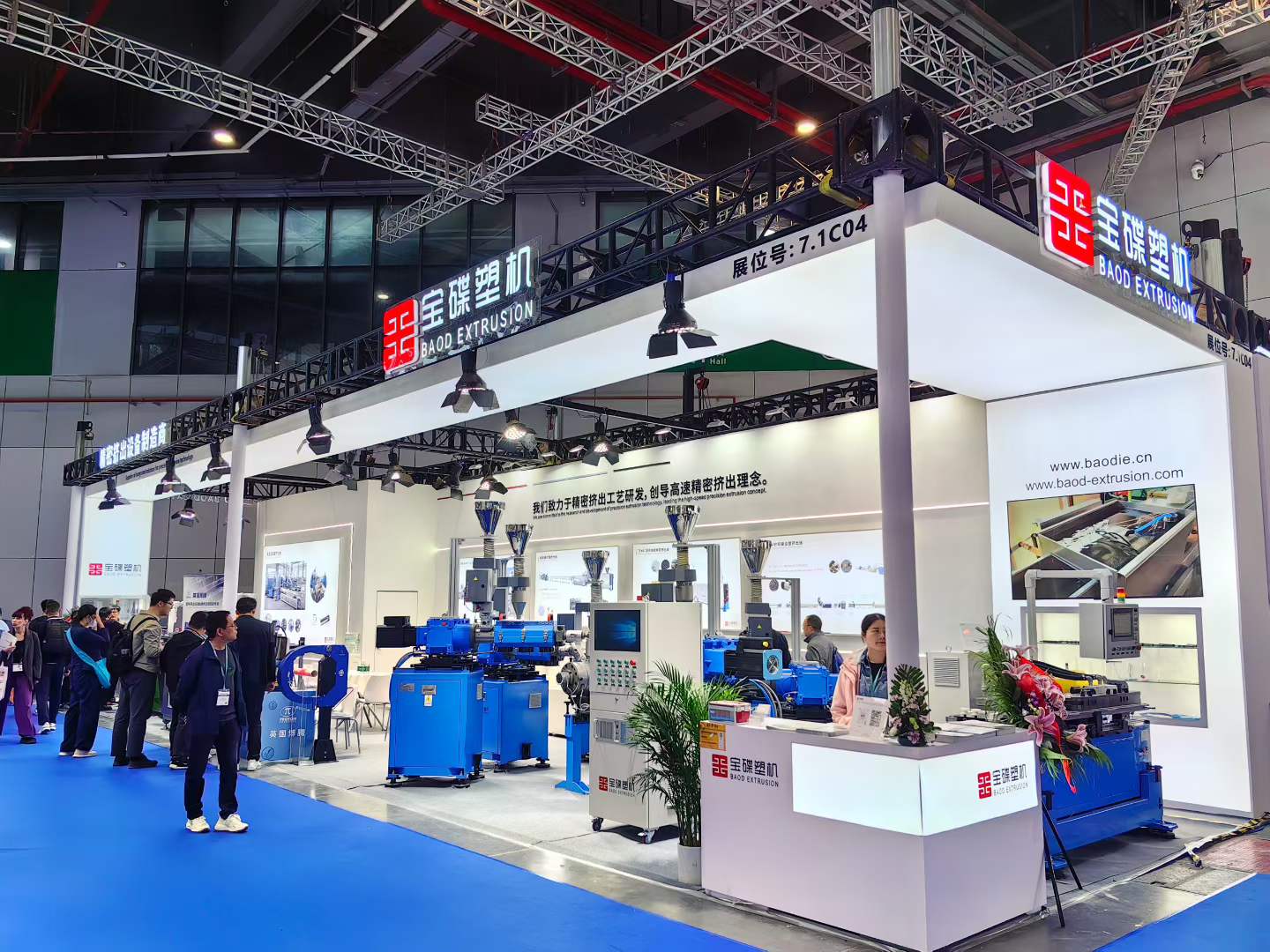
Presented "Smart Extrusion · High-Efficiency Innovation" solutions highlighting smart closed-loop control to the global processing market.
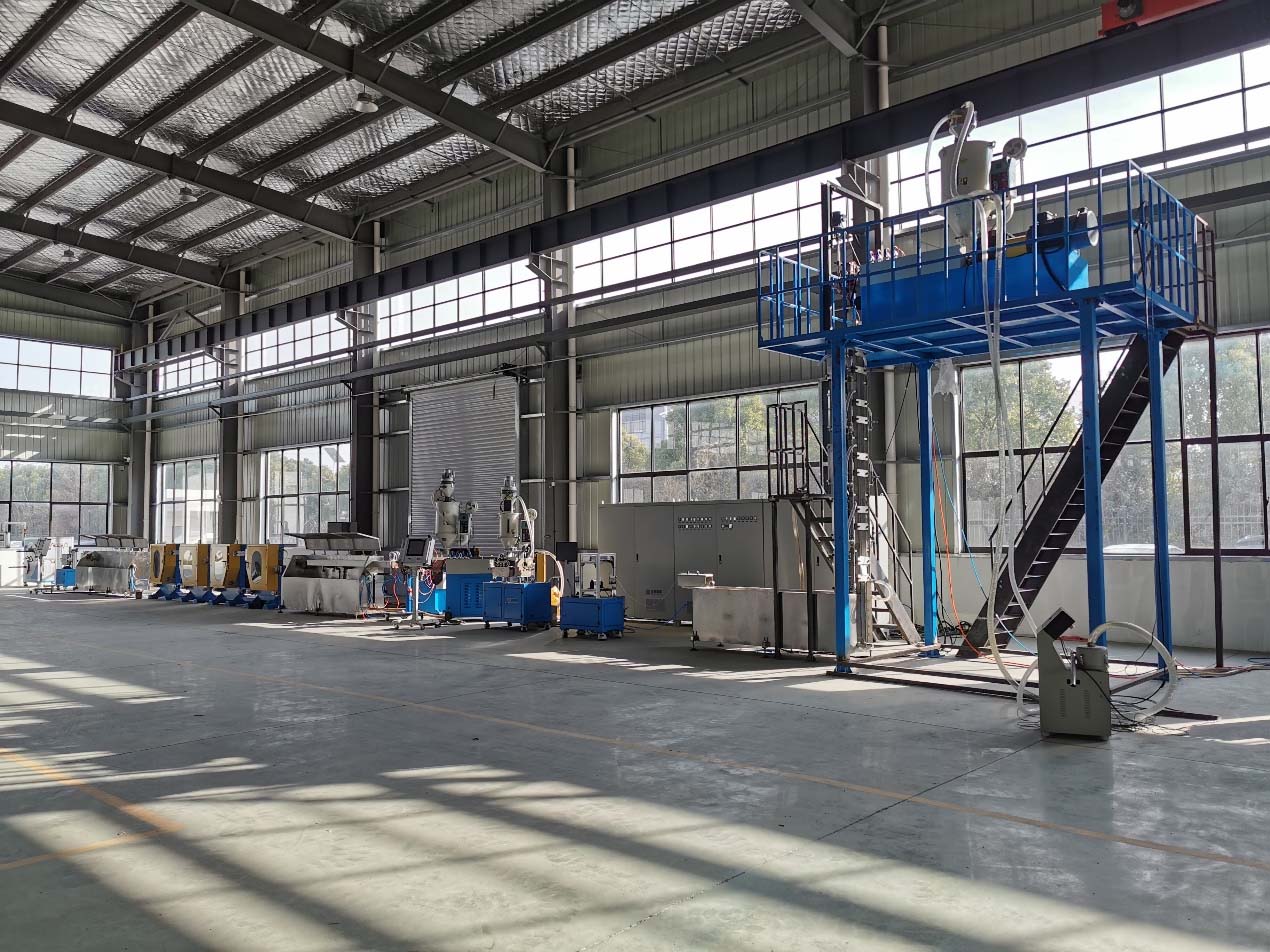
Analyzing precision polymer requirements for structural, high-durability tubes utilized in mining, infrastructure projects, and demolition.
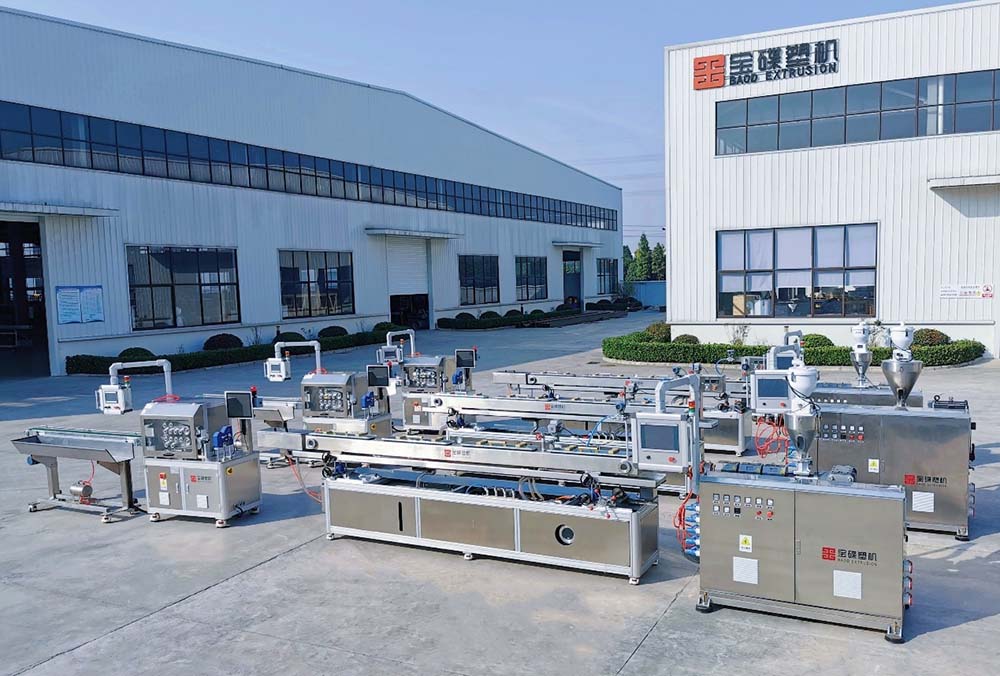
A detailed comparison highlighting dimensional stability, vacuum control tolerance, and mechanical compliance requirements in medical production.
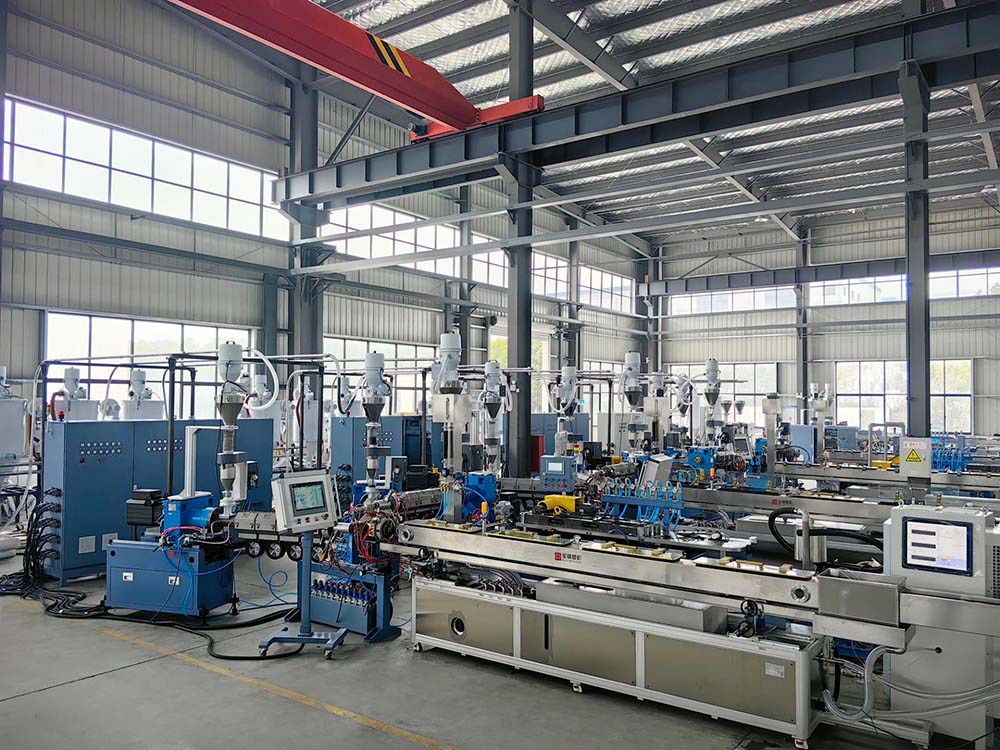
How BAOD ensures compliance with IATF 16949 standards for critical fluid delivery systems, fuel lines, and EV cooling tubes.
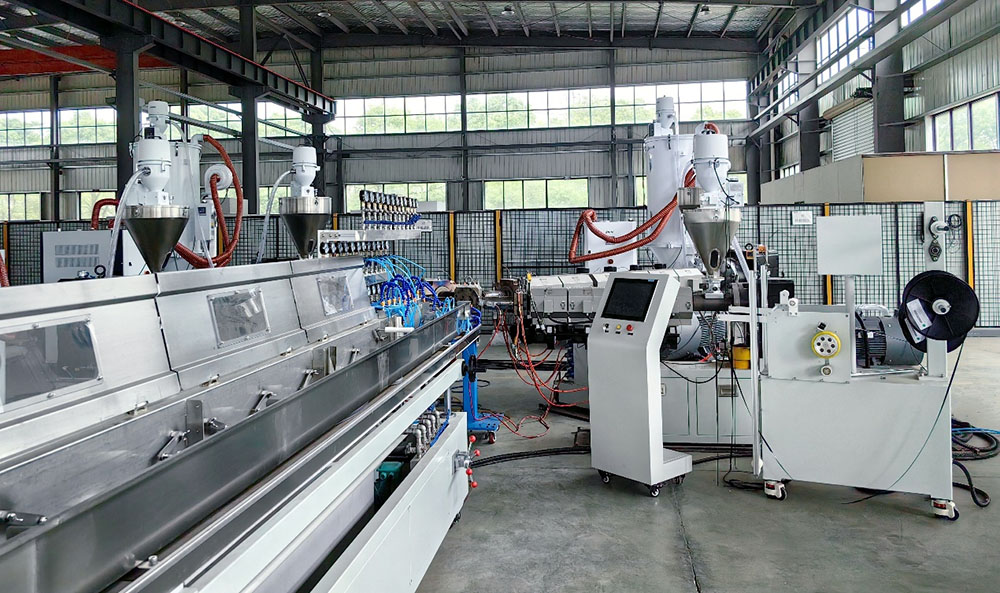
Exploring multi-layer co-extrusion advancements, online insertion, and high-precision downstream cutting mechanisms for automotive seal profiles.
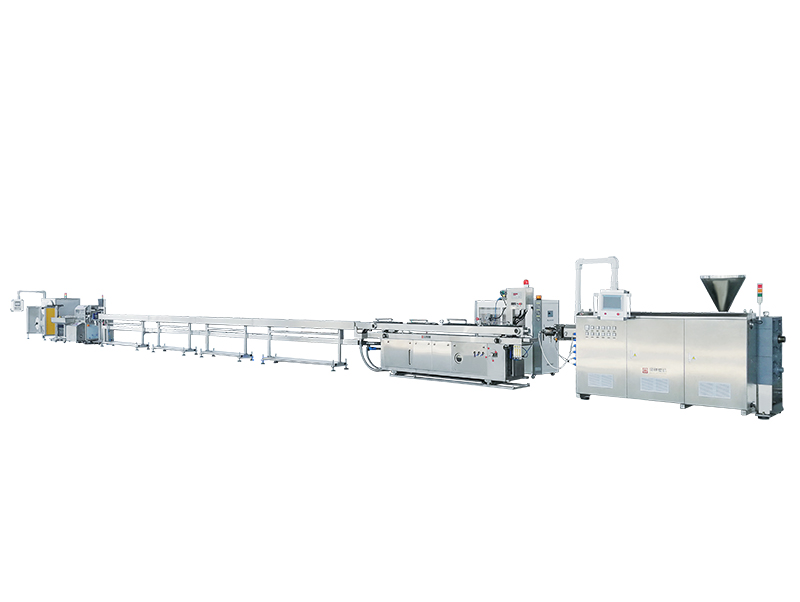
Exploring advanced machinery design with oil-free vacuum pumps, stainless steel frames, and dust-resistant enclosures for Class 100,000 cleanrooms.
Comprehensive high-accuracy co-extrusion and auxiliary machinery systems engineered for consistent performance under intense industrial schedules.
Fully customizable profile extrusion platforms suited for multi-industry needs, incorporating complex cross-section dies and precise calibrators.
View Specifications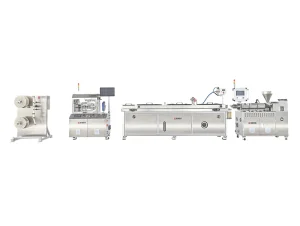
Optimized for single/multi-lumen catheter tubes. Built under strict hygienic guidelines with high-grade bimetallic structures.
View Specifications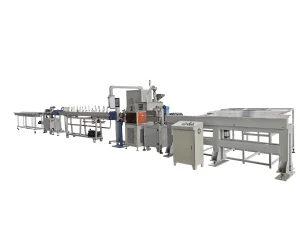
Applies clean external plastic protection over copper, steel, and aluminum pipes for corrosion-resistant plumbing and industrial networks.
View Specifications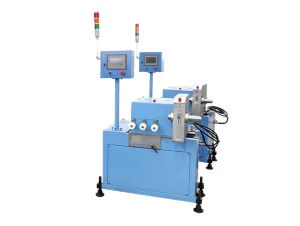
High-precision downstream rotary cutting unit designed to deliver clean, burr-free cuts on micro-bore tubing and soft profiles at high linear speeds.
View Specifications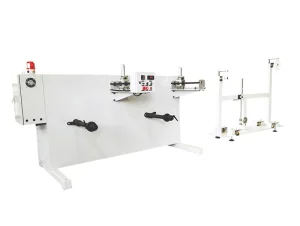
Automated dual-shaft tension control spoolers designed to smoothly reel extruded tubes, hoses, and profiles without micro-deformation.
View Specifications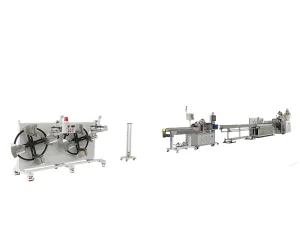
High-pressure diesel, hydraulic, and pneumatic nylon tube extrusion configurations equipped with laser outer diameter monitoring.
View Specifications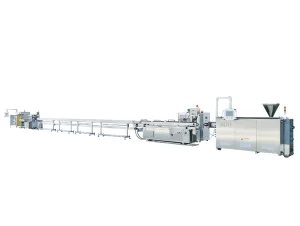
Optimized cooling and vacuum calibration systems ensuring ultra-consistent medical-grade PVC tube profiles at up to 80m/min.
View Specifications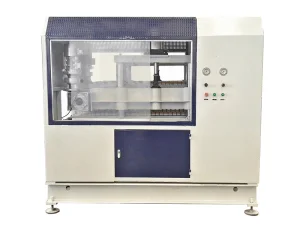
Robust, slippage-free haul-off units designed for precise speed synchronization during extrusion of larger profiles and composite pipes.
View SpecificationsExpert answers addressing process calibration, material capabilities, shipping logistics, and aftermarket service inquiries for Tokyo businesses.
 Baodie