Engineered for extreme sub-zero Siberian temperatures, industrial stability, and strict mechanical standards.
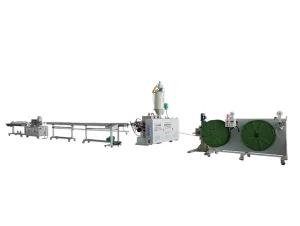
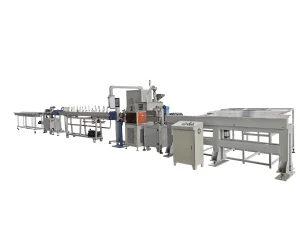
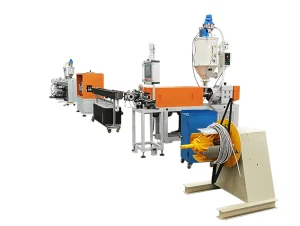
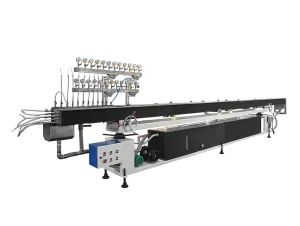
The Russian manufacturing sector is undergoing an intensive modernization wave, particularly within infrastructure development, telecommunications, and heavy industrial machinery. Following macroeconomic shifts, Russian enterprises are aggressively upgrading their aging polymer processing setups to ensure local production self-sufficiency. Coating extrusion lines—essential for applying polymer layers (such as Polyethylene, Polypropylene, PVC, Fluoroplastics, and Thermoplastic Elastomers/TPV) onto metal pipes, steel wires, compensation chains, and complex multi-layer tubes—are at the very center of this transformation.
Industrial centers spanning Moscow, the Urals (Yekaterinburg, Chelyabinsk), and Siberian hubs (Novosibirsk, Krasnoyarsk) require machinery capable of processing high-viscosity resins while maintaining tight geometric tolerances. Furthermore, with the rapid rollout of high-speed optical fiber links (FTTH) across vast Eurasian territories, local telecom cable manufacturers have experienced an unprecedented spike in demand for silicone core microducts and protective sheathing lines.
Installing extrusion machinery in Russia demands unique engineering modifications that Western European equipment manufacturers often neglect. The foremost challenge is temperature resilience. Coating systems must process polymers designed for operations down to -50°C (Siberian Arctic Grade) without inducing thermal stress or crystallization defects in the extrudate.
To address this, BAOD EXTRUSION incorporates advanced closed-loop temperature control technologies and highly tailored screw profiles. The differential shrinkage rates between steel strand cores and protective polymer coatings are carefully compensated by dynamic tension control systems and high-stability, multi-stage vacuum cooling tanks.
Precise ceramic heating elements coupled with intensive air cooling zones ensure melt temperature deviations remain below ±1°C.
Multi-stage spraying cooling tanks prevent premature crystallization in thick-walled composite profiles.
Electrical cabinets are optimized for Russian industrial grids (380V/50Hz) and integrated with localized Siemens/Omron PLC interfaces.
Importing heavy machinery into the Eurasian Economic Union (EAEU) requires meticulous alignment with technical regulations. Industrial systems must comply with TR CU 010/2011 (Safety of Machinery and Equipment), TR CU 004/2011 (Safety of Low Voltage Equipment), and TR CU 020/2011 (Electromagnetic Compatibility of Technical Devices).
BAOD EXTRUSION provides pre-certified systems accompanied by complete operational documentation in Russian. This streamlines the technical approval process for Russian customs clearing and ensures safety inspectors can quickly verify the line's operational integrity.
Global procurement directors look beyond purchase prices; they evaluate total ownership costs over a 15-to-20-year operational lifecycle. Key factors include energy consumption rates, raw material yield optimizations, scrap reduction during start-up, and accessibility to quick-wear replacement components (screws, barrels, die plates, heater bands).
BAOD addresses these criteria through:
BAOD EXTRUSION (Jiangsu Baodie Automation Equipment Co., Ltd.), founded in 2002, is dedicated to designing, manufacturing, and supporting high-efficiency plastic extrusion lines globally. Based on 25 years of experience designing and fabricating high-quality machinery originally established through the KINGSWEL GROUP, we operate out of a modern manufacturing center in China.
Our core focus remains locked on high-precision extrusion technologies, intelligent automation processes, and mechanical safety interfaces. By combining Taiwan-based design expertise with Mainland China's manufacturing speed, we serve leading industrial giants across the Russian Federation and worldwide.
High-precision systems built to streamline industrial output, decrease downtime, and maximize throughput rates.
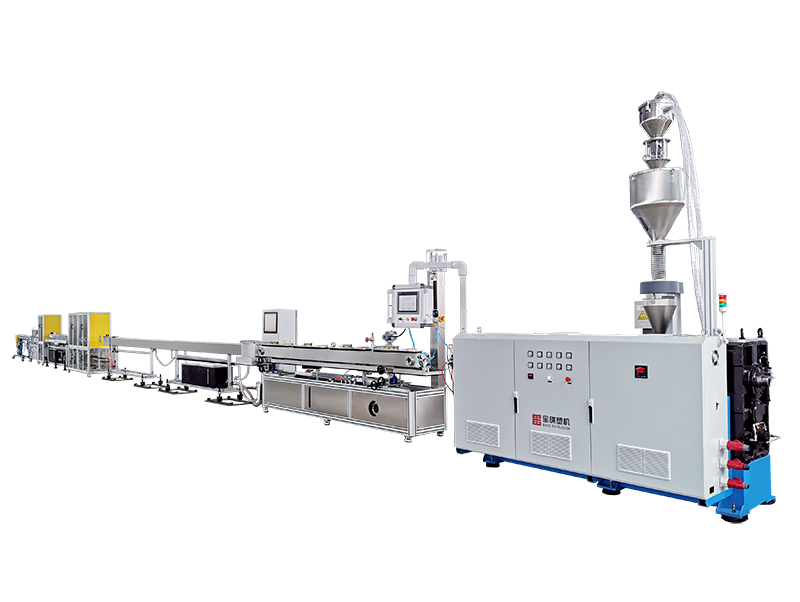
Delivers exceptional dimensional accuracy for microducts and technical polymer tubes under strict tolerance constraints.
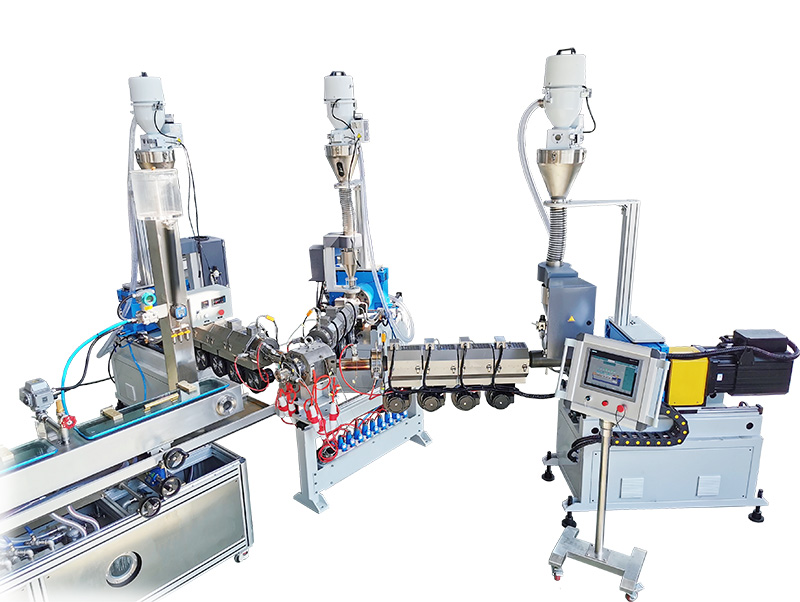
Engineered for modern automotive fuel lines and vacuum lines requiring high chemical and mechanical barrier resistances.
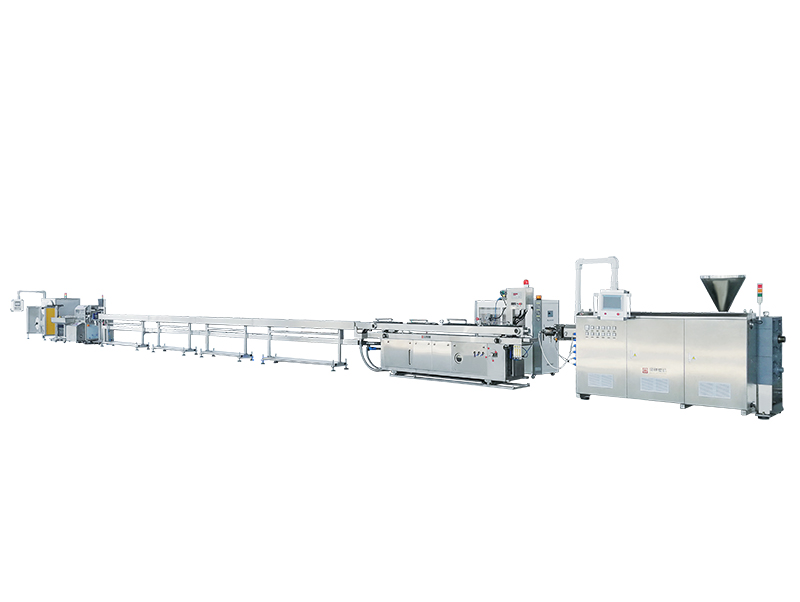
Optimized for cleanroom medical device productions, featuring precise diameter control and high output rates.
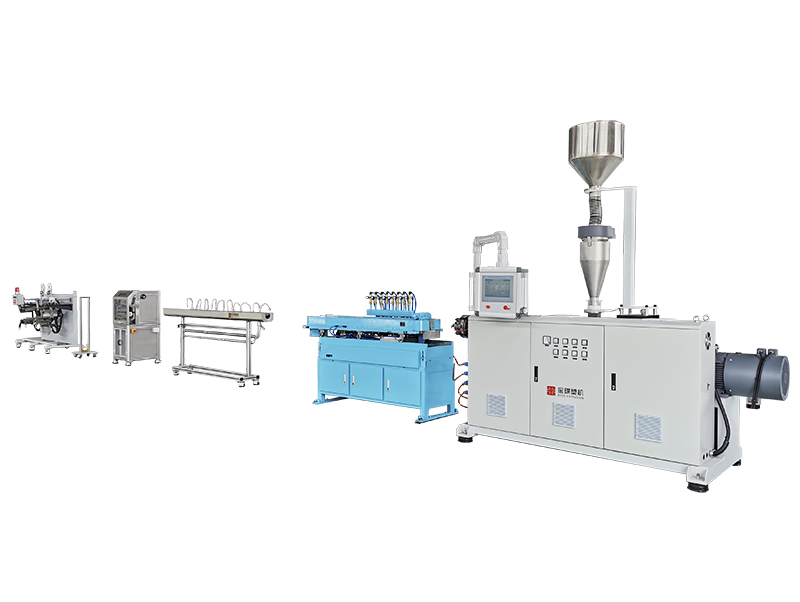
A high-speed forming line designed for wire routing protections, electrical conduits, and industrial hose assemblies.
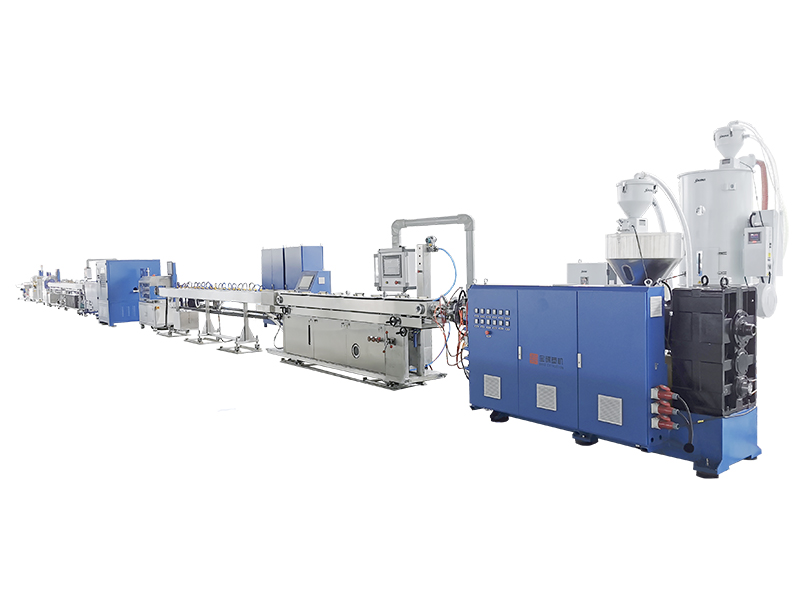
Integrates inline reinforcement knitting systems for manufacturing robust industrial hoses with high pressure ratings.

Delivers complex multi-material co-extrusion profiles with high elastic recovery properties for vehicle cabins.
Deep technical insights, compliance reviews, and industrial application cases curated by BAOD's R&D department.
At recent international showcases including CHINAPLAS, the shift toward smart manufacturing was clear. BAOD showcased its "Smart Extrusion & High-Efficiency Innovation" platform. The platform demonstrates how closed-loop control systems, integrated with gravimetric weight-per-meter control, prevent raw material wastage and stabilize the final dimensions of complex profiles. In Russian industrial plants where raw polymer costs represent a major share of operational expenses, upgrading to intelligent dosing and dynamic thickness adjustments provides a clear return on investment.
In mining, blasting, and infrastructure demolition, detonating tubes demand strict manufacturing precision. A micro-void, uneven wall thickness, or incorrect polymer crystallization in a detonating tube (shock tube) can result in a misfire, creating safety risks on-site. BAOD's custom detonating tube extrusion lines utilize high-precision vacuum calibration systems and specialized die geometries to guarantee uniform inner dimensions and explosive chemical coating adherence. This level of reliability is critical for mining companies operating in the harsh Siberian permafrost.
Medical device manufacturers operating inside the EAEU face strict compliance audits. Traditionally, medical-grade multi-lumen tubing extrusion lines were sourced exclusively from Western Europe at premium costs. BAOD's high-precision medical lines have bridged this gap, offering comparable mechanical engineering standards and cleanroom compatibility. With advanced tooling design and high-accuracy puller-cutter combinations, BAOD lines deliver tolerance control down to ±0.02 mm, demonstrating that Chinese equipment manufacturers can meet or exceed international standards at a competitive total cost.
Modern electric and internal combustion engines demand complex multi-layer nylon (PA) tubing to handle aggressive fuel mixtures and high-pressure vapors without leakage. Meeting automotive quality standards requires precise temperature control and uniform layer adhesion. BAOD's automotive extrusion systems feature specialized co-extrusion crossheads, providing consistent layer distribution (PA/EVOH/PA or PA/TPE). This high level of control ensures compliance with Russian and global automotive standards, helping manufacturers secure OEM supply agreements.
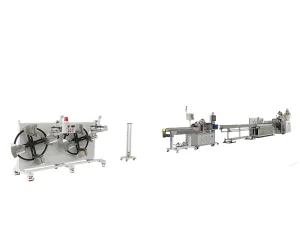
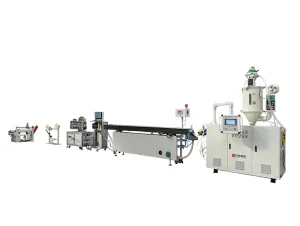
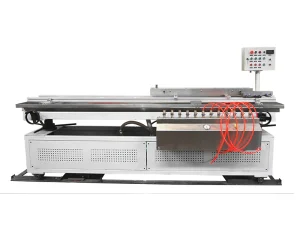
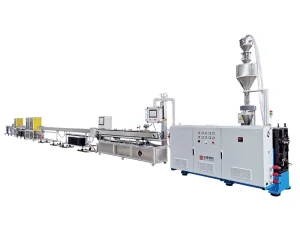
Complete plant setups and auxiliary equipment engineered for modern production facilities.
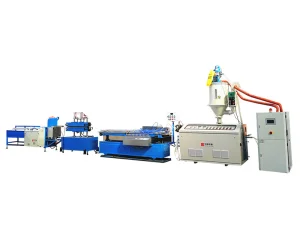
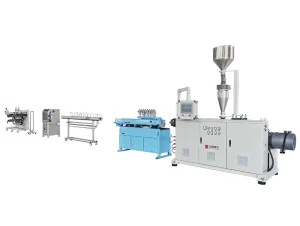
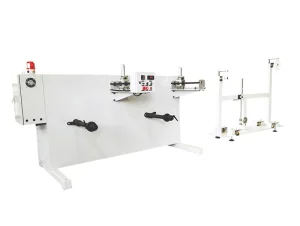
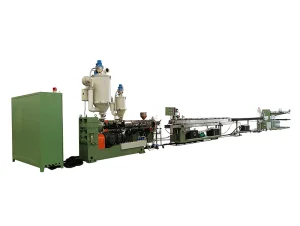
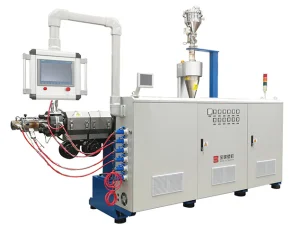
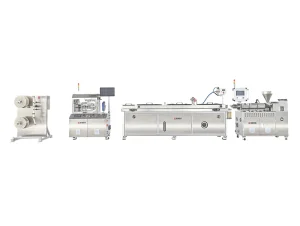
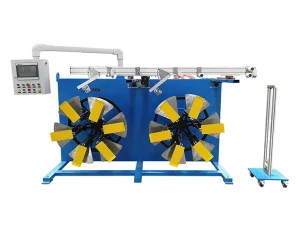
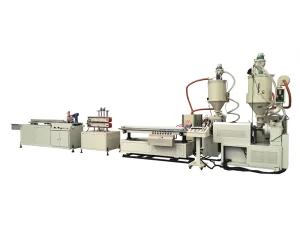
Technical clarifications for engineers and procurement managers investing in coating extrusion systems.
Connect with BAOD's engineering team to design a custom, high-precision, EAC-compliant coating extrusion line tailored to your specific materials, tolerances, and throughput requirements.
 Baodie