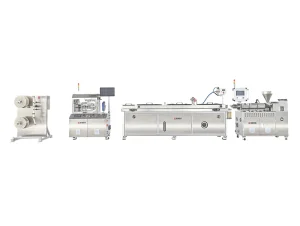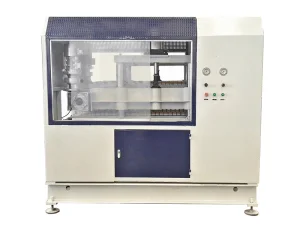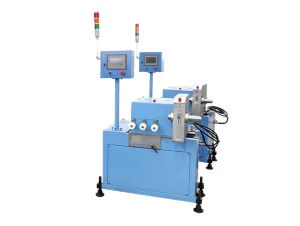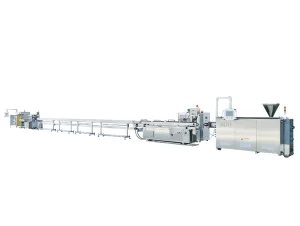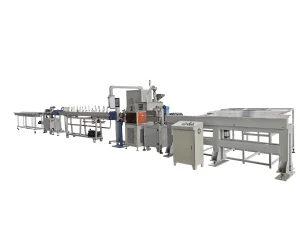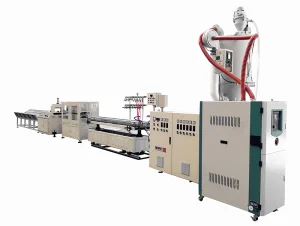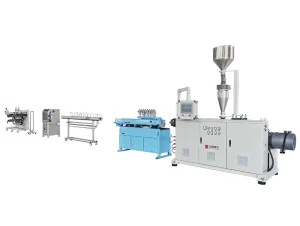
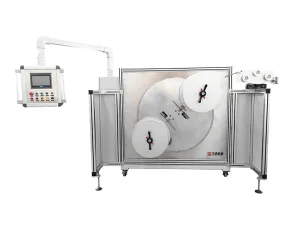
Thermoplastic Polyurethane (TPU) sits at the intersection of rubbery elasticity and processable thermoplastics. For design engineers seeking high physical toughness, chemical resistance, and biostability, TPU represents the premium candidate material. However, due to its molecular structure—alternating hard segments (diisocyanates and chain extenders) and soft segments (polyester or polyether polyols)—extruding TPU demands strict rheological and thermal control.
As a specialized Custom TPU Extrusion Manufacturer & Factory, we engineering-design downstream and upstream components to bypass traditional processing limitations. Polyurethane polymers exhibit high shear sensitivity and a narrow processing temperature window. If temperatures deviate by even 2°C, the polymer chains risk thermal degradation, or the melt viscosity collapses, resulting in severe wall thickness variance or outer profile deformity.
Polyether TPUs provide superior hydrolytic stability and low-temperature flexibility, making them essential for medical catheters and fluid lines. Polyester TPUs deliver outstanding abrasion resistance and fuel/oil shielding for automotive and oil-and-gas conduits.
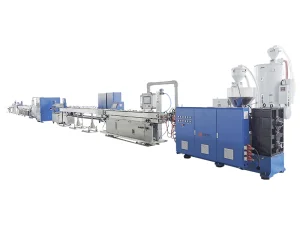
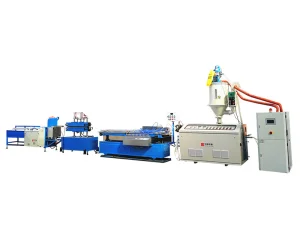
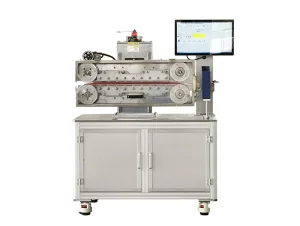
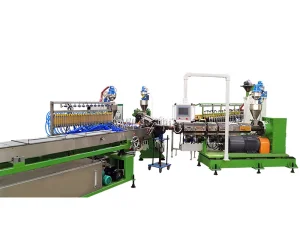
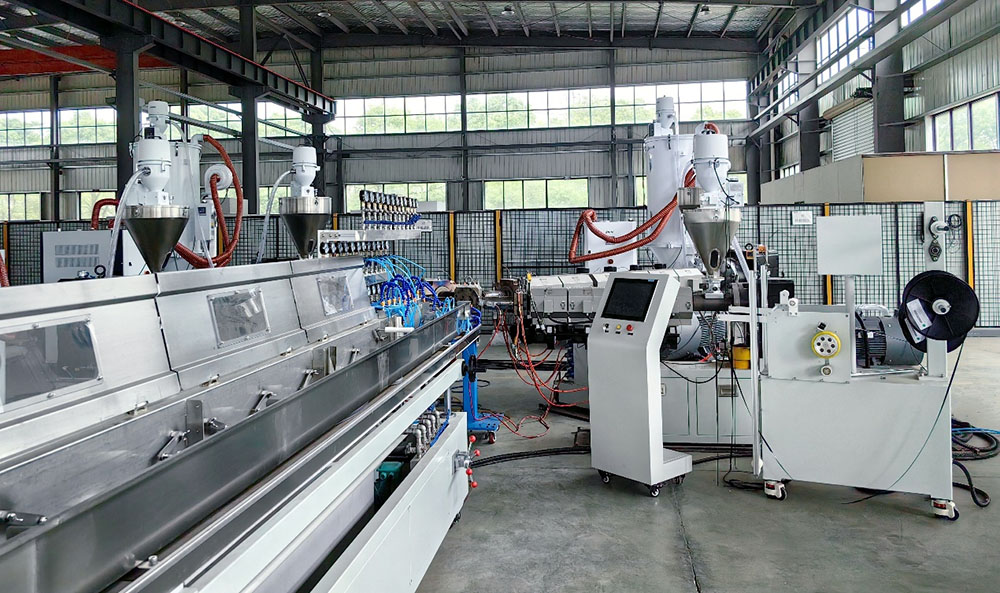
Integrating a high-efficiency melt pump downstream of our single-screw extruder eliminates output surging. This guarantees pressure stabilization within ±0.1 MPa, maintaining consistent profile dimensions even at speeds exceeding 50 m/min.
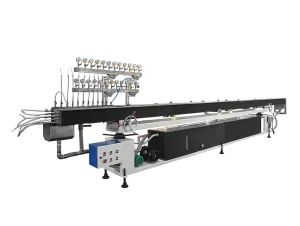
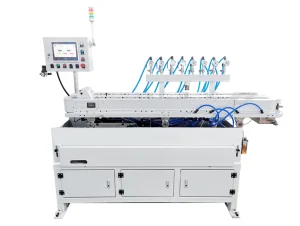
By utilizing advanced vacuum calibration and specialized multi-stage water temperature controls, our extrusion machinery prevents internal stresses in the TPU profiles, averting post-extrusion shrinkage and warp defects.
The future of thermoplastic polyurethane extrusion focuses on three core pillars: micro-bore precision, multi-durometer co-extrusion, and sustainable, bio-based raw materials. Over the next decade, industrial requirements will demand tighter tolerances and thinner walls, especially for medical catheterization and high-frequency communication cable shielding.
| Extrusion Variable / Phase | Legacy Technology Standards | BAOD Industry 4.0 Standard | Next-Gen Engineering Roadmap |
|---|---|---|---|
| Outer Diameter (OD) Tolerance | ± 0.10 mm to ± 0.05 mm | ± 0.02 mm to ± 0.01 mm | ± 0.005 mm (Laser-Feedback Closed Loop) |
| Screw Configuration | General Purpose Compression Screws | Low-shear, high L/D (30:1) Barrier Screws | Dynamic mixing screws with smart torque sensing |
| Co-Extrusion Layers | Single to Double Layer Co-extrusion | 3 to 5 Multi-Layer Co-extrusion | Micro-layering technology (up to 9 layers) |
| Material Optimization | Petroleum-based High Durometer TPU | FDA compliant, Medical Class VI TPU | Bio-based, 100% recyclable, shape-memory TPU |
Modern medical systems are shifting toward biodegradable and bio-compatible grades of TPU. Extruding these materials requires specialized screw geometries and low melt temperatures to prevent degradation. BAOD's engineering team is developing optimized tooling to run bio-TPU alloys without compromising line speeds or mechanical properties.
Custom TPU profiles and tubing serve critical roles across primary industrial sectors, providing durable alternatives to silicone, PVC, and specialized rubbers.
For medical device suppliers, TPU is the industry standard for vascular catheters, peristaltic pump tubing, and anatomical fluid delivery. Its high biocompatibility, combined with our precision medical tube extrusion technology, ensures our products meet strict FDA and USP Class VI requirements.
In modern vehicles, TPU extrusion profiles house sensor wires and channel brake lines, cooling fluids, and pneumatic systems. The material's resilience to road debris, grease, and high operating temperatures makes it ideal for under-hood wiring layouts.
In industrial automation, subsea umbilical hoses, and aerospace systems, TPU provides lightweight, high-performance fluid delivery. The material's resistance to ozone, UV radiation, and high pressures makes it highly reliable in harsh environments.
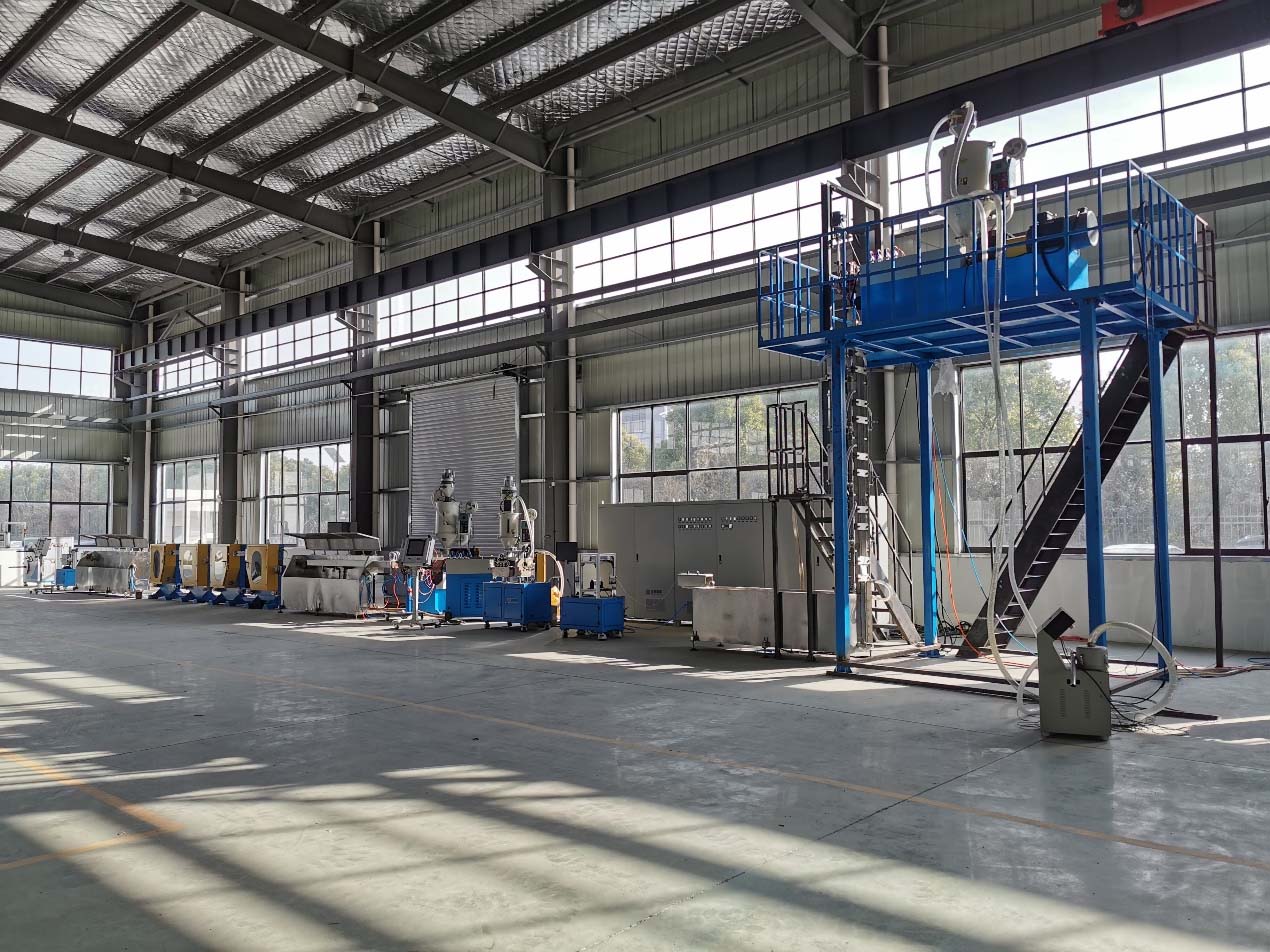
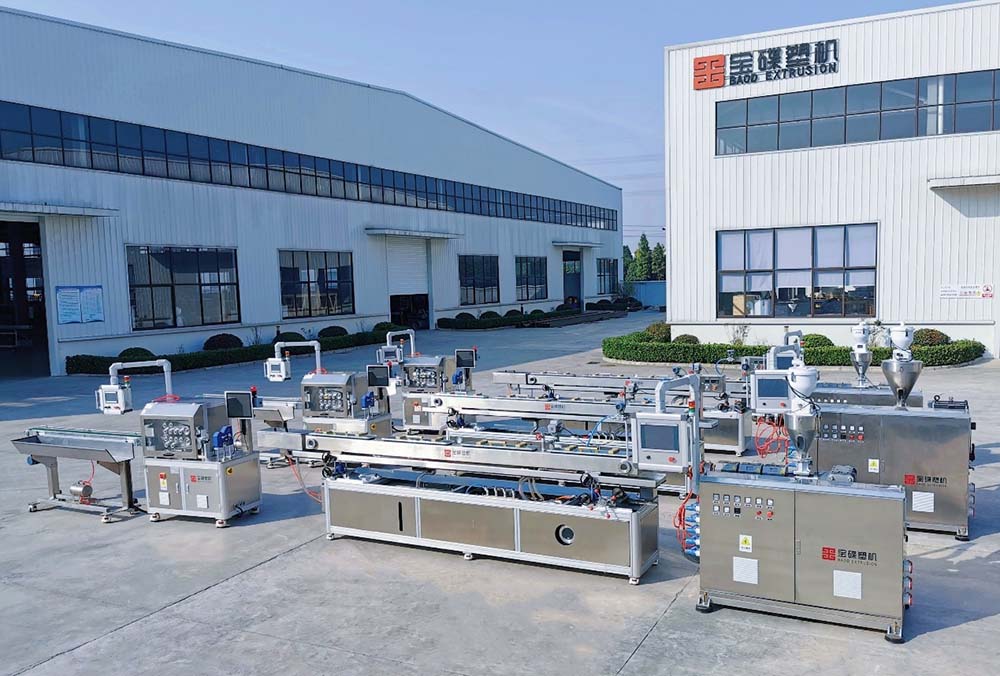
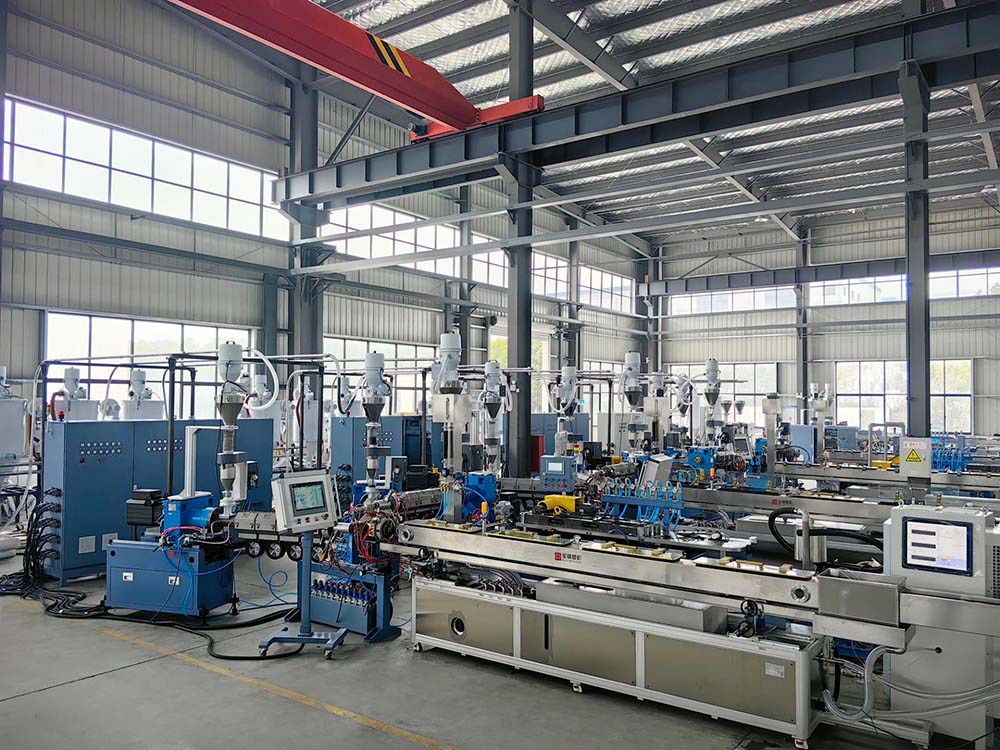
Jiangsu Baodie Automation Equipment Co., Ltd. (BAOD EXTRUSION) leverages advanced automation technologies to optimize production speed, quality control, and supply chain management. Our modern 16,000m² manufacturing facility integrates CNC machining centers, automated parts warehousing, and closed-loop performance testing labs.
Our extrusion lines feature advanced PLC control systems that collect and analyze thermal, mechanical, and pressure telemetry throughout the extrusion process. If variables deviate from baseline parameters, the system dynamically adjusts screw speed, vacuum puller speed, and water bath temperatures.
This level of automation ensures consistent manufacturing quality across production runs, minimizing material waste and maximizing efficiency. For global buyers, this translates to high product reliability and cost-effective pricing.
We combine advanced engineering design with vertical integration to deliver high-performance extrusion machinery.
BAOD EXTRUSION (Jiangsu Baodie Automation Equipment Co., Ltd.) founded in 2002, dedicated to designing, manufacturing and sales of plastic extrusion equipment. Based on 18 years experience of designing and fabricating high quality machines in Taiwan, the original parent company (KINGSWEL GROUP) invested in establishing extrusion machines manufacturing base in Shanghai in 1999.
Our comprehensive selection of precision plastic and composite extrusion machinery built to meet strict global specifications.
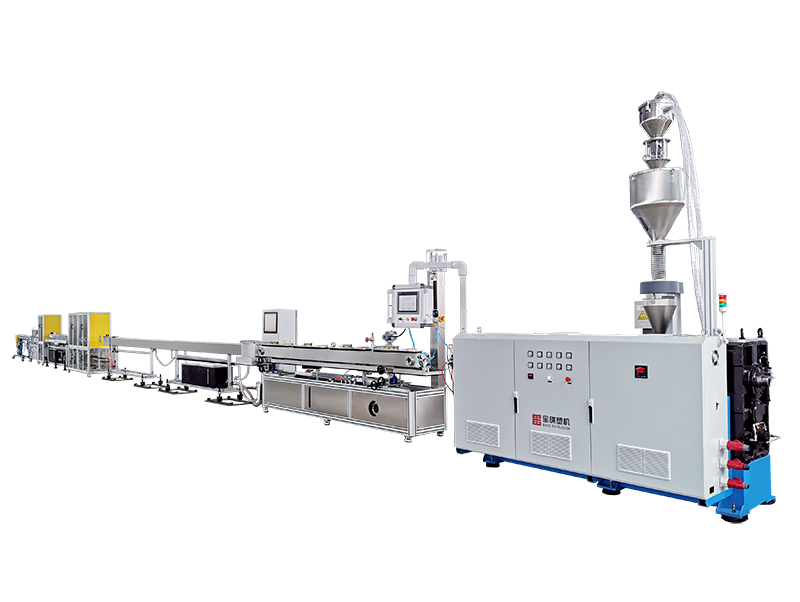
High tolerance line optimized for custom micro-tubes.
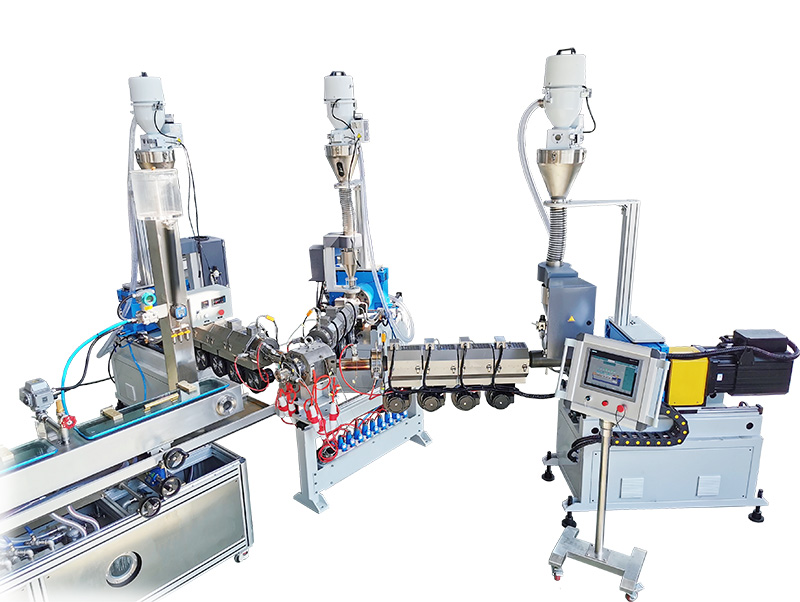
Advanced multi-layer technology for high-pressure applications.
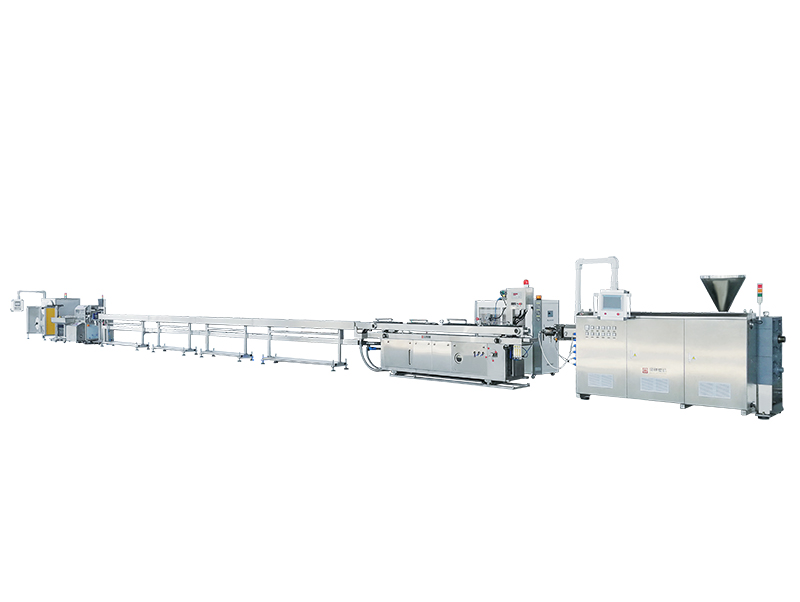
Cleanroom-ready design for medical grade tube manufacturing.
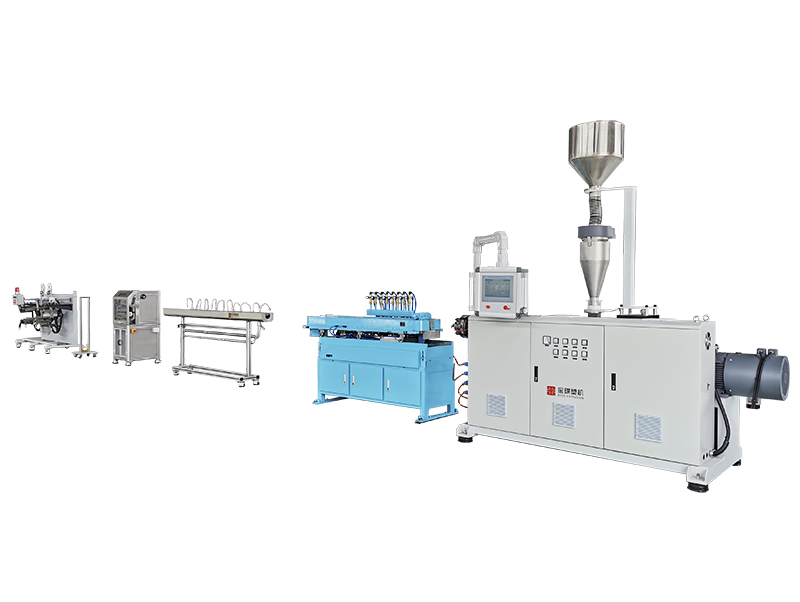
Optimized for automotive wiring harness sheath production.
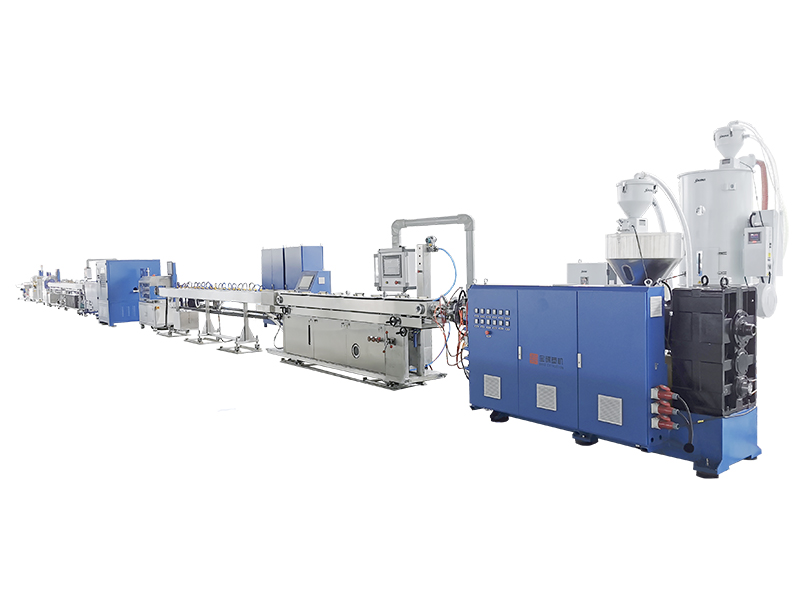
Excellent knitting reinforcement integration for composite tubing.
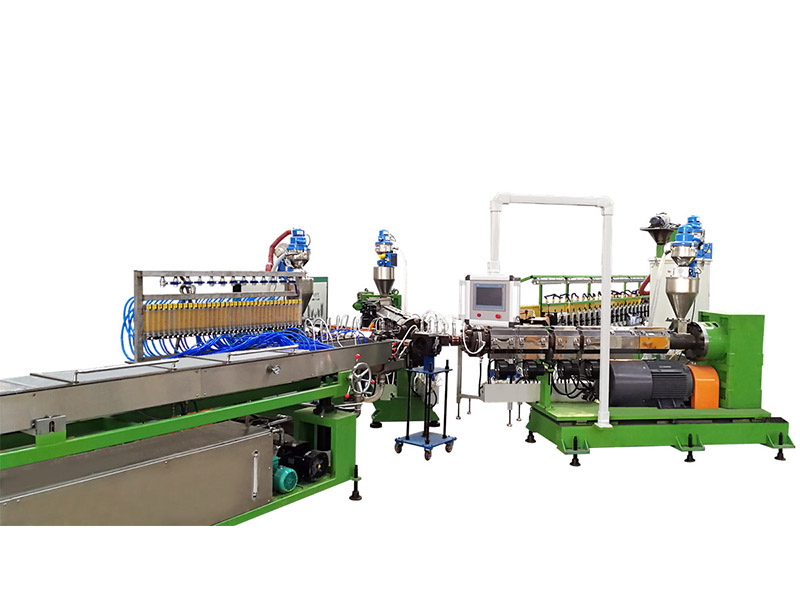
High throughput sealing profile systems for automotive OEMs.
Procurement directors and design engineers must evaluate several technical criteria when sourcing custom TPU extrusion lines or profiles to ensure line performance matches expectations.
Ensure the equipment and extrusion screw configuration match the durometer range of your raw materials (typically from soft 60A Shore up to rigid 85D Shore). Very soft grades require dedicated water-cooling adjustments.
TPU is highly hygroscopic. Extruding material with excessive moisture leads to bubbles and surface defects. Integrating a desiccant drying hopper that achieves a moisture level below 0.02% is critical.
When exporting to Europe or the Americas, verify certifications including REACH, RoHS, USP Class VI, and ISO 10993 compatibility. BAOD extrusion machinery operates in compliance with strict international regulations.
Stay updated with our latest industry exhibitions, engineering breakthroughs, and technology comparisons.
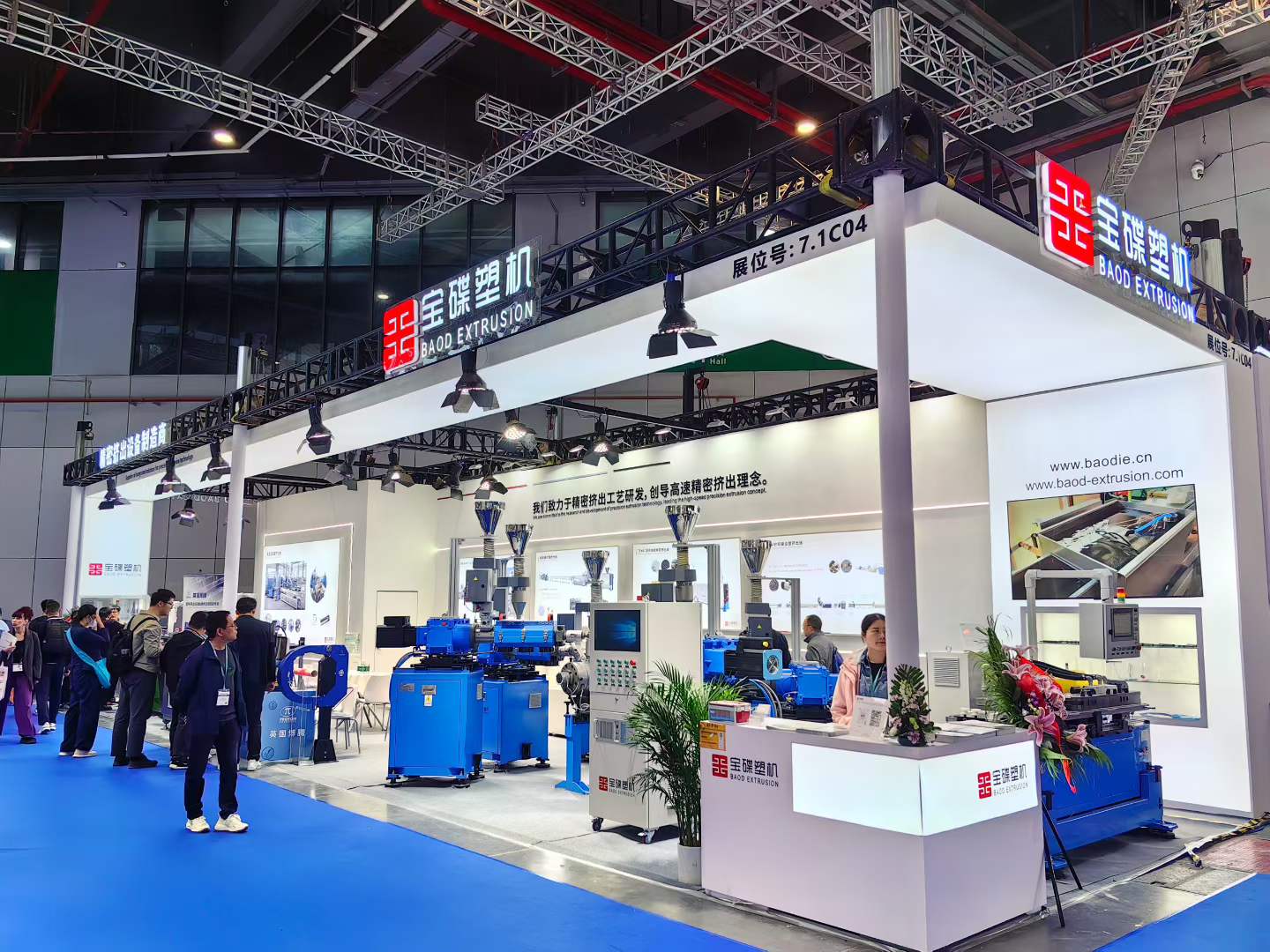
From April 21–24, CHINAPLAS 2026 was successfully held at the National Exhibition and Convention Center (Shanghai, Hongqiao). BAOD EXTRUSION showcased its latest R&D achievements at Booth 7.1C04, presenting “Smart Extrusion · High-Efficiency Innovation” solutions that...
In the controlled environment of a modern industrial facility, a single, hair-thin plastic tube wound onto a reel might seem unremarkable to the untrained eye. However, in sectors ranging from mining and quarrying to large-scale infrastructure demolition, this tube—known...
In the sterile, quiet environment of a modern medical facility, a clinician prepares a complex catheter for a critical procedure. This thin, flexible tube is far more than a simple conduit; internally, it is divided into several microscopic channels, or lumens, each desi...
How do the world's most reputable vehicle manufacturers ensure the absolute integrity of every fuel line, brake hose, and cooling pipe buried deep within a vehicle’s chassis? Why has the shift toward electric and lightweight vehicles made the precision of these small-dia...
As the twilight sun reflects off the sleek, aerodynamic curves of a modern electric vehicle parked in a bustling metropolitan street, few observers notice the quiet, critical components ensuring the cabin remains a sanctuary of silence and temperature control. Behind the...
 Baodie