Engineered to deliver exceptional dimensional stability, high throughput rates, and seamless operational automation.
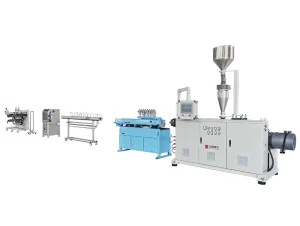
The manufacturing sectors of modern infrastructure, medical technology, aerospace, and automotive assembly rely profoundly on rigid plastic extrutions. Unlike flexible configurations, rigid extrusions demand precise molecular orientation and tight dimensional controls to endure structural, thermal, and chemical stress over extended lifecycles. High-performance engineering polymers such as rigid Polyvinyl Chloride (uPVC), Acrylonitrile Butadiene Styrene (ABS), Polycarbonate (PC), and Ultra-High-Molecular-Weight Polyethylene (UHMWPE) have emerged as highly efficient metal-replacement options due to their superior strength-to-weight ratios, intrinsic chemical resistance, and design flexibility.
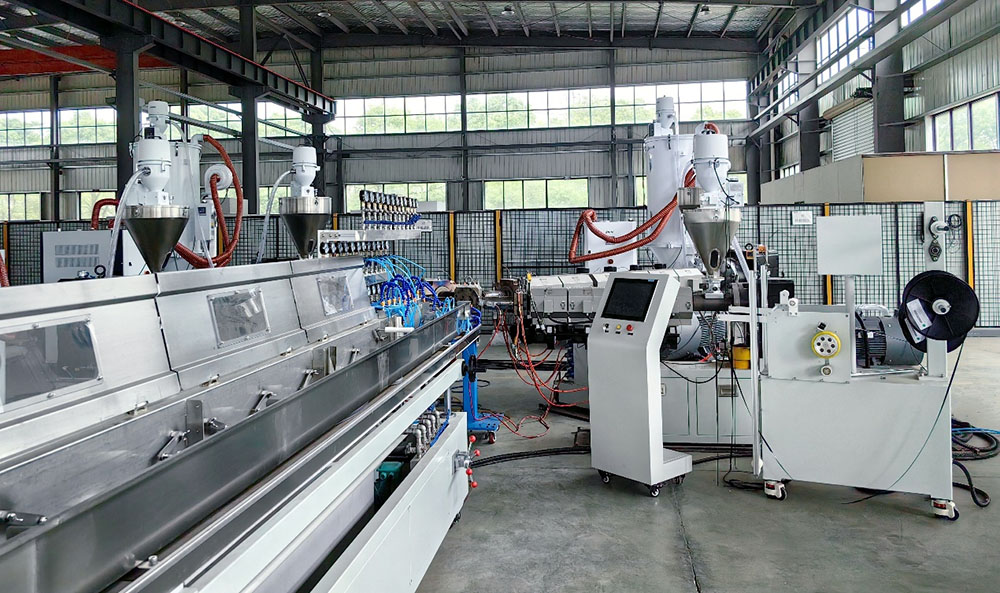
In rigid plastic extrusion processes, maintaining cross-sectional uniformity requires precise thermal profiling within the extruder barrel and specialized sizing templates. Controlling shear stresses prevents polymer degradation, ensuring the extruded profile achieves optimum mechanical properties. The integration of high-precision vacuum sizing and structured calibration systems prevents warping and sink marks, keeping tolerances within micron levels.
Globally, demand is shifting towards co-extruded and multi-layer structural configurations. This method fuses two or more different polymers into a single continuous profile. For example, combining a rigid core layer for mechanical stability with a soft, weathering-resistant external layer for sealing applications. Adapting to these complex requirements requires deep expertise in polymer rheology, precision tool and die engineering, and responsive downstream calibration technology.
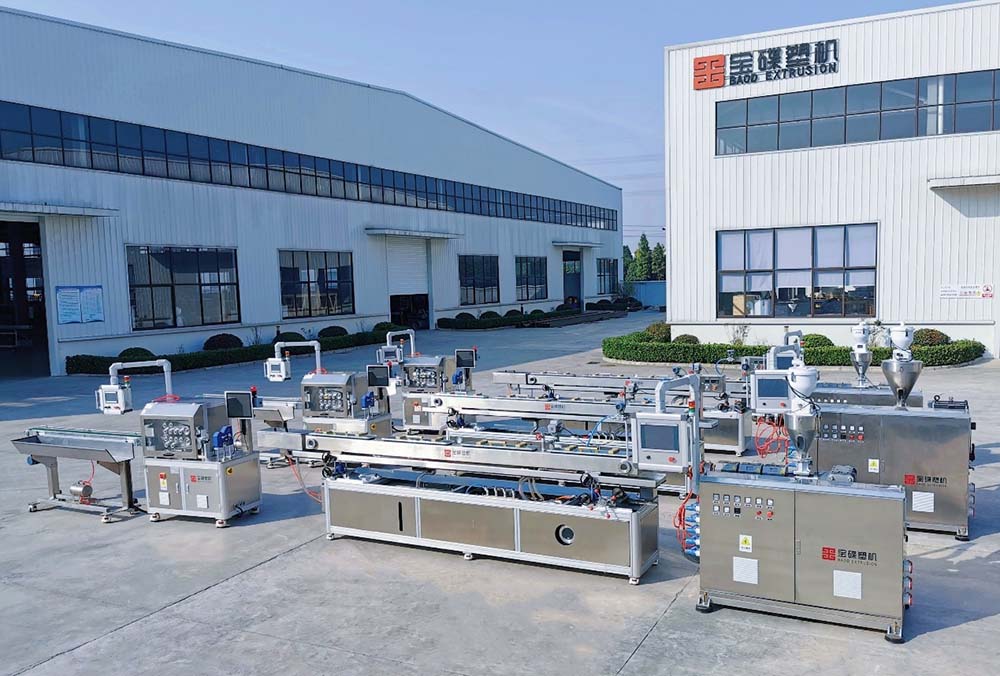
BAOD EXTRUSION (Jiangsu Baodie Automation Equipment Co., Ltd.), founded in 2002, is dedicated to the design, manufacturing, and global distribution of high-performance plastic extrusion equipment. Leveraging over 25 years of engineering experience in designing and fabricating high-quality machinery in Taiwan, our original parent company (KINGSWEL GROUP) established a specialized manufacturing base in Shanghai in 1999, which has since evolved into our state-of-the-art facility in Jiangsu.
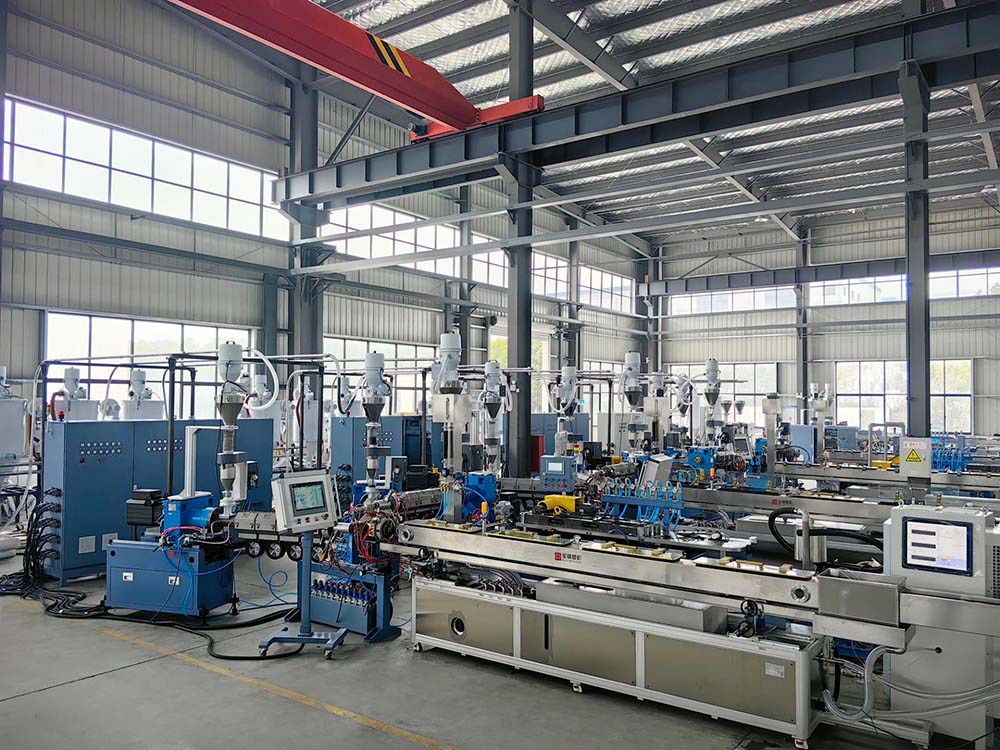
Our long-term R&D investments focus on precision extrusion technology, high-efficiency extrusion systems, process automation, and equipment safety systems. By integrating advanced PLC controls and high-durability mechanical designs, we ensure our extrusion lines provide unmatched stability for industrial customers worldwide.
Learn More About UsAs global supply chains adapt to changing market conditions, Chinese manufacturing centers like BAOD EXTRUSION provide a strategic balance of cost efficiency, rapid scaling, and technological sophistication. The efficiency of a modern China-based extrusion machinery factory is driven by complete industrial integration. We manufacture our tooling, calibration devices, and automated downstream machinery internally, which shortens development times and ensures consistent build quality.
Immediate access to high-grade steel alloys, precision electronic components, and advanced metallurgy services drastically reduces assembly lead times.
Using advanced simulation software, our design team tests plastic melt flows within complex extrusion dies before machining begins, minimizing production trials.
Every machinery platform undergoes a continuous 72-hour test run under full load conditions to verify thermal stability and mechanical tolerances before shipment.
For international buyers, this operational efficiency lowers capital expenditure (CAPEX) without sacrificing build quality. BAOD's extrusion platforms utilize premium components (such as Siemens motors, Omron temperature controllers, and ABB frequency inverters) configured with local raw material processing setups. This configuration results in lower maintenance costs and longer equipment lifespans.
Custom rigid plastic profiles are critical components in various high-performance applications. Depending on the installation environment, each profile requires specific material selections and manufacturing processes:
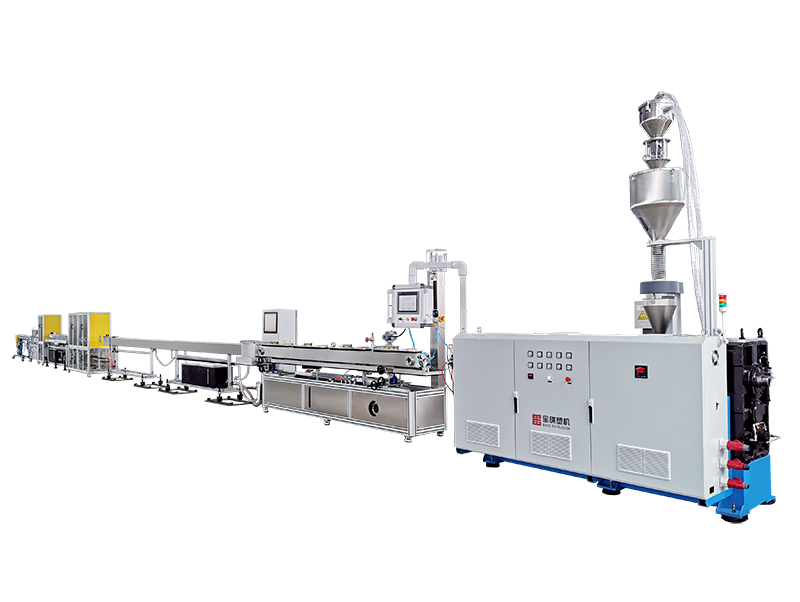
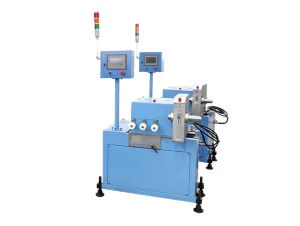
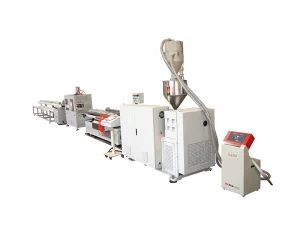
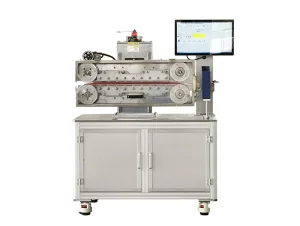
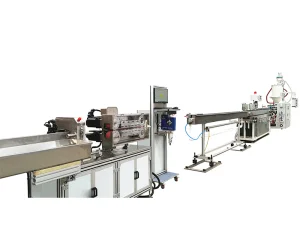
High-speed manufacturing line designed for medical, automotive, and specialized industrial tubing applications.
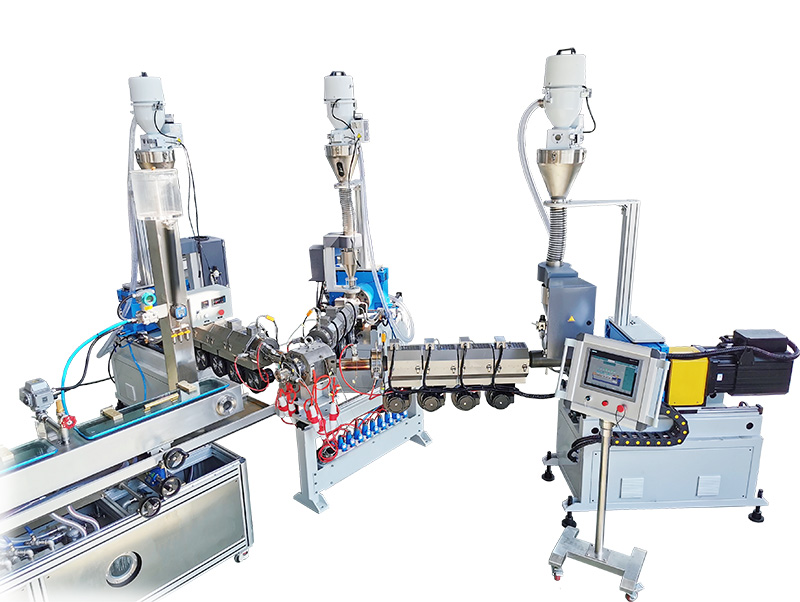
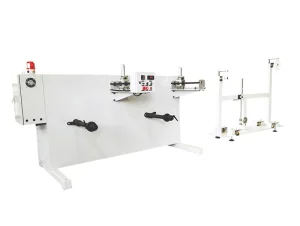
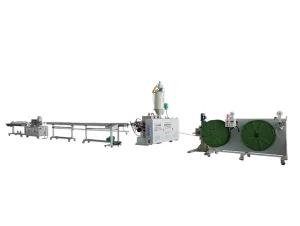
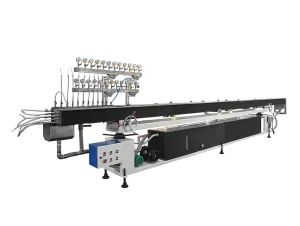
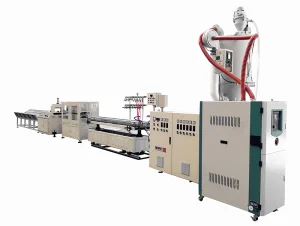
Advanced multi-layer engineering setup for fuel and vapor line systems with high chemical resistance.
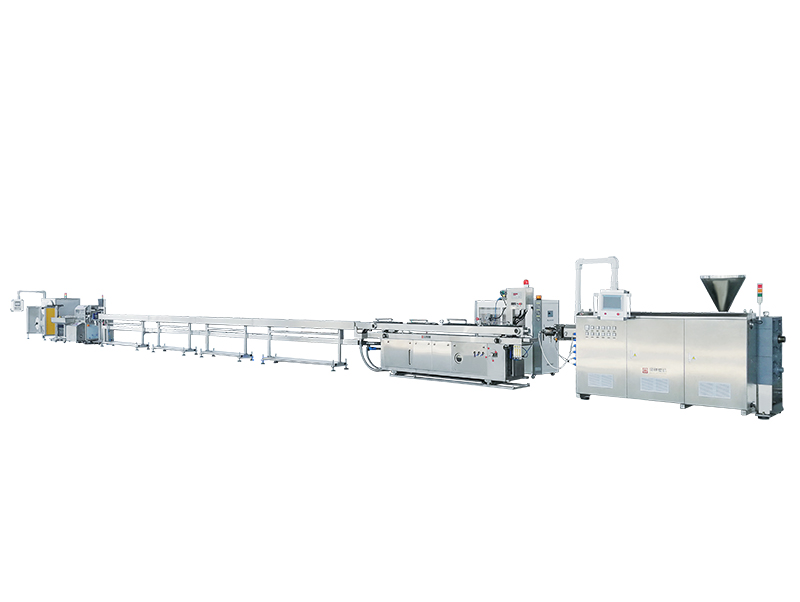
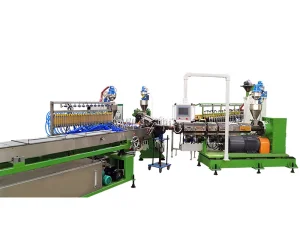
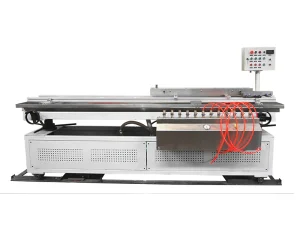
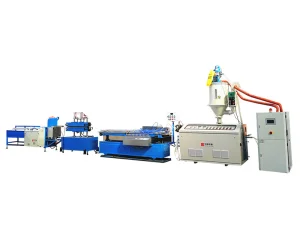
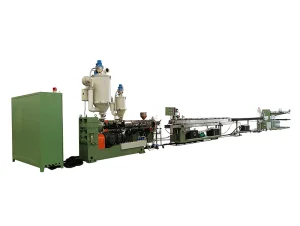
High-throughput extrusion technology built for precise, sterile medical fluid delivery systems.
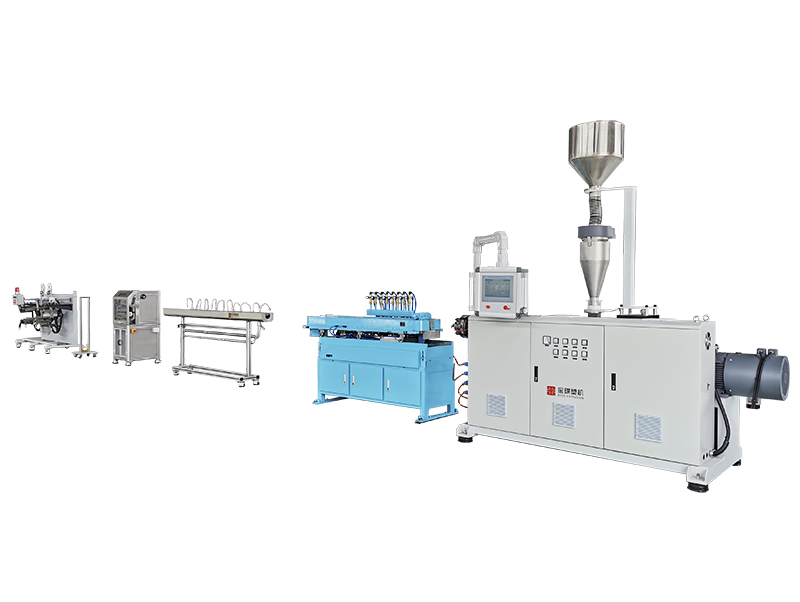
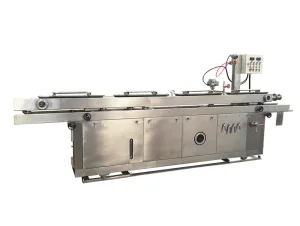
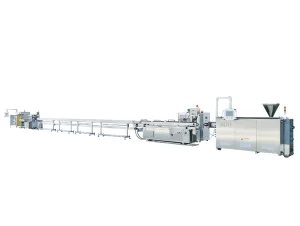
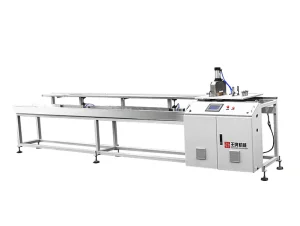
Reliable manufacturing setup for protective conduits, drainage tubing, and flexible duct systems.
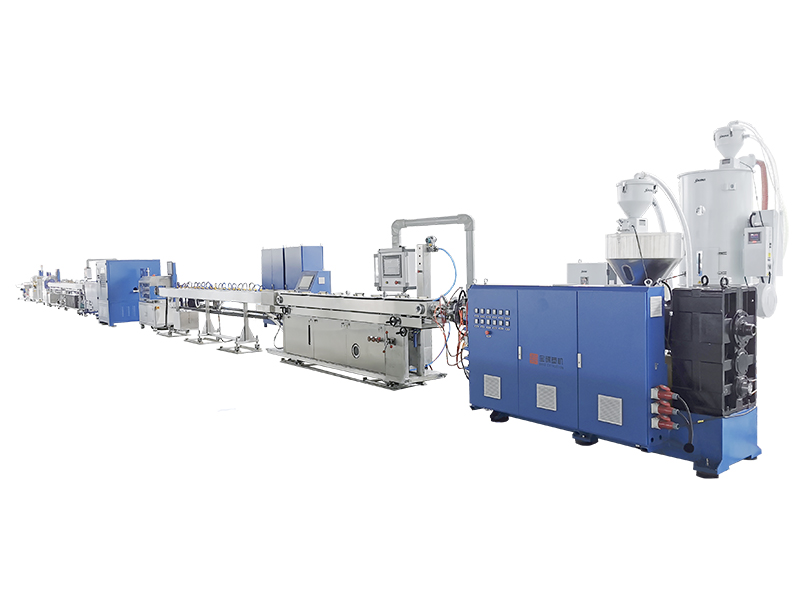
Specialized co-extrusion system with inline fabric reinforcing for high-pressure hose applications.
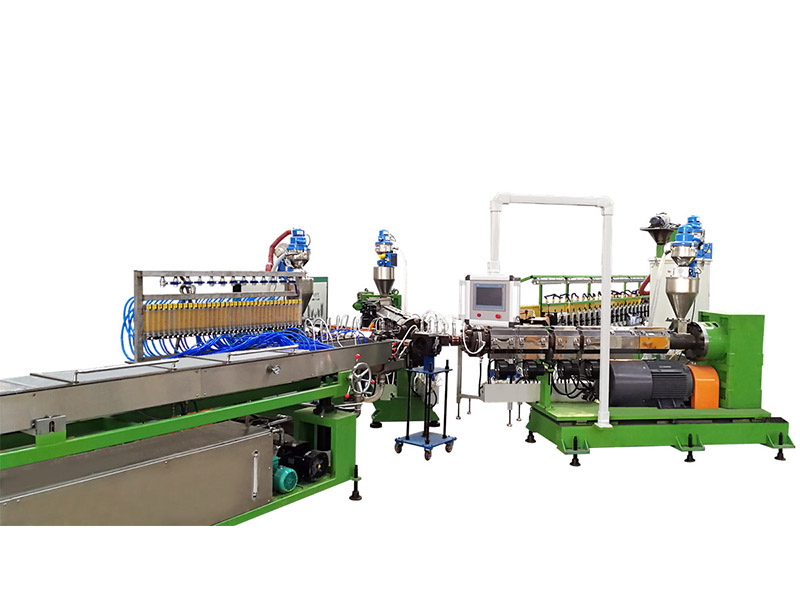
High-automation extrusion system designed for multi-material automotive weather seals.
For procurement directors and supply chain managers, importing plastic extrusion lines or ordering custom profiles involves verifying compliance with international quality standards. The key challenges involve tool engineering, material consistency, and long-term stability.
1. L/D Ratio of the Screw: Extruding rigid PVC typically requires a 26:1 or 28:1 L/D ratio to ensure uniform melt flow without overheating. In contrast, polyolefins may require 30:1 or higher for optimal color blending.
2. Tooling Calibrator Material: Look for chrome-plated or high-grade stainless steel tooling dies to prevent corrosion, especially when processing materials like PVC that release chlorine gas at high temperatures.
3. Vacuum Tank Automation: Closed-loop water temperature and vacuum controls prevent micro-deformations, ensuring cross-sectional dimensions remain stable throughout the extrusion run.
Working with an ISO 9001:2015 certified manufacturer like BAOD ensures that raw materials are fully traceable, machinery components are standardized, and post-assembly testing is completed and documented before shipment.
The plastic extrusion industry is evolving rapidly, driven by sustainability goals, automation, and smart control systems. These primary innovations are shaping the next generation of plastic extrusion lines:
As regulatory requirements for carbon footprint reductions increase, extrusion systems must adapt to process high percentages of recycled plastics (such as post-consumer r-PET or r-PVC) and bio-based plastics (like PLA or PHA). Processing these materials requires customized screw profiles and advanced degassing systems to manage varying melt flow indexes and volatile compounds.
Modern extrusion lines increasingly integrate real-time laser measurement systems at the sizing tank output. These sensors send continuous dimension data back to the PLC, which automatically adjusts screw speeds or puller rates to correct deviations instantly. This closed-loop control minimizes material waste and ensures consistent dimensions.
Using three, four, or five extruders in a single production line allows manufacturers to create highly complex cross-sections. This method optimizes material costs by using recycled plastics for the core layer while applying high-performance virgin polymers on the exterior to resist weather, wear, or chemicals.
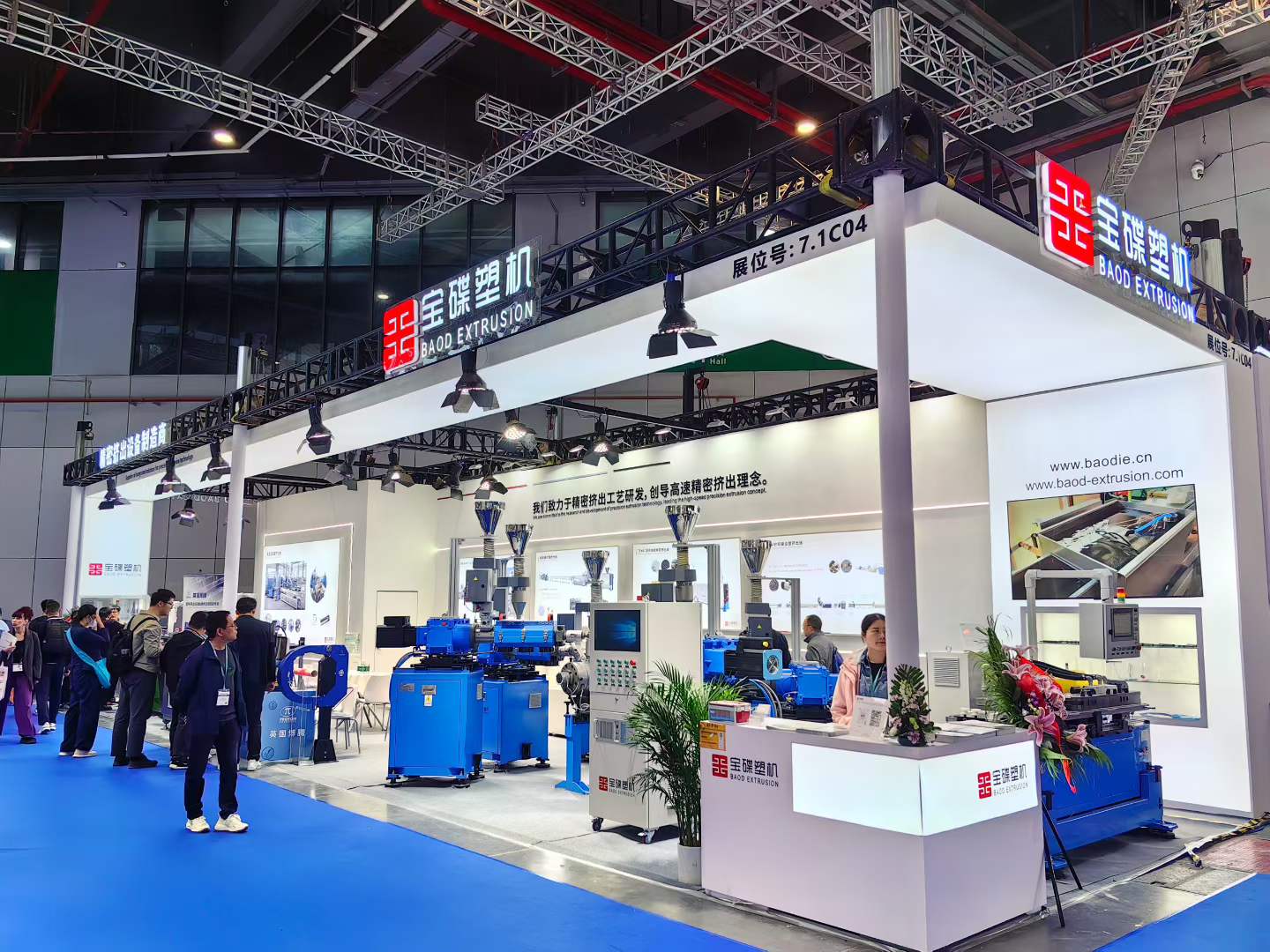
From April 21–24, CHINAPLAS 2026 was successfully held at the National Exhibition and Convention Center (Shanghai, Hongqiao). BAOD EXTRUSION showcased its latest R&D achievements at Booth 7.1C04, presenting “Smart Extrusion & High-Efficiency Innovation” solutions...
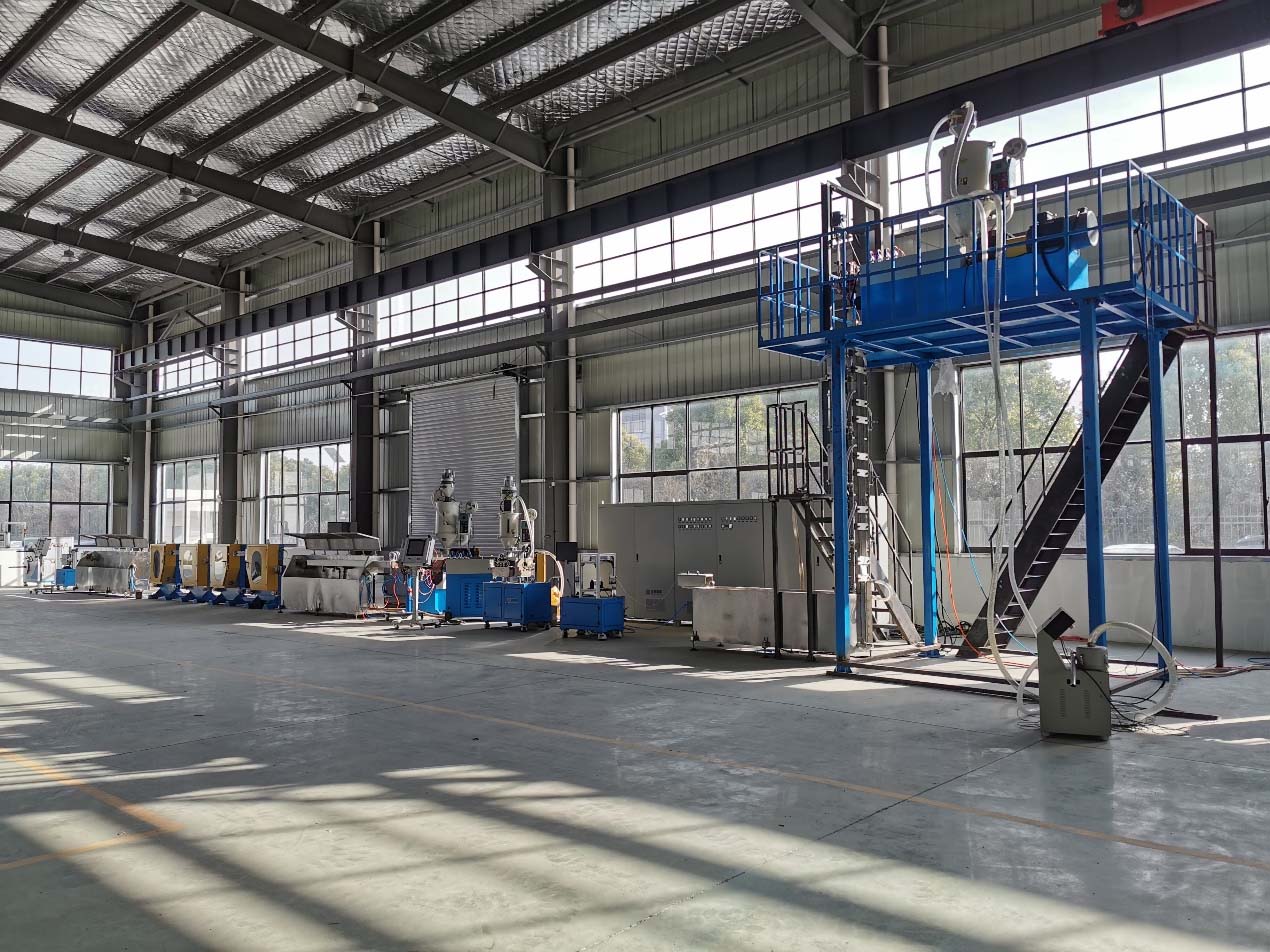
In the controlled environment of a modern industrial facility, a single, hair-thin plastic tube wound onto a reel might seem unremarkable to the untrained eye. However, in sectors ranging from mining and quarrying to large-scale infrastructure demolition, this tube—known...
In the sterile, quiet environment of a modern medical facility, a clinician prepares a complex catheter for a critical procedure. This thin, flexible tube is far more than a simple conduit; internally, it is divided into several microscopic channels, or lumens, each desi...
How do the world's most reputable vehicle manufacturers ensure the absolute integrity of every fuel line, brake hose, and cooling pipe buried deep within a vehicle’s chassis? Why has the shift toward electric and lightweight vehicles made the precision of these small-dia...
As the twilight sun reflects off the sleek, aerodynamic curves of a modern electric vehicle parked in a bustling metropolitan street, few observers notice the quiet, critical components ensuring the cabin remains a sanctuary of silence and temperature control. Behind the...
From April 21–24, CHINAPLAS 2026 was successfully held at the National Exhibition and Convention Center (Shanghai, Hongqiao). BAOD EXTRUSION showcased its latest R&D achievements at Booth 7.1C04, presenting “Smart Extrusion & High-Efficiency Innovation” solutions...
Expert technical answers addressing common questions in global plastic extrusion sourcing and machinery design.
For standard extrusion lines, the manufacturing and integration time typically ranges from 45 to 60 days. Custom complex extrusion lines, multi-layer co-extrusion setups, or custom profile dies require detailed flow simulations, engineering reviews, and testing runs, resulting in a lead time of approximately 75 to 90 days.
We use specialized screw designs (often twin-screw configurations) to prevent material overheating. Our lines feature multi-zone PID temperature controllers and custom-designed vacuum calibration tables that cool the extruded profiles quickly and uniformly, maintaining strict physical dimensions.
Yes. Our specialized extrusion systems, including our UHMWPE profile extrusion line and TPV sealing strip line, feature heavy-duty gearboxes, customized torque controls, and high-performance heating systems. These configurations manage the high melt viscosities of engineering plastics, ensuring stable output rates.
We offer comprehensive installation services globally. Our technicians assist with on-site assembly, system calibration, and operator training. Additionally, we provide remote diagnostics using PLC integration and maintain a stock of spare parts to minimize operational downtime.
Fully integrated components designed to match your specific production requirements.
 Baodie