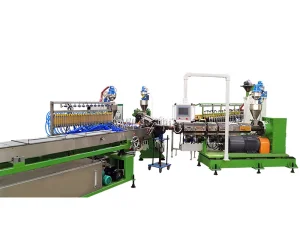
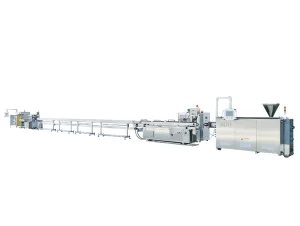
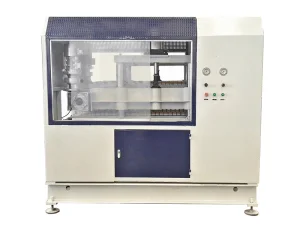
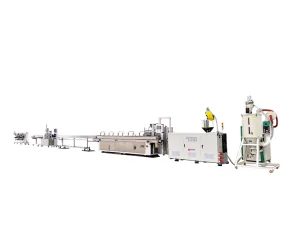
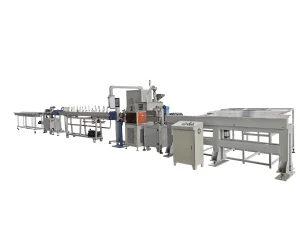
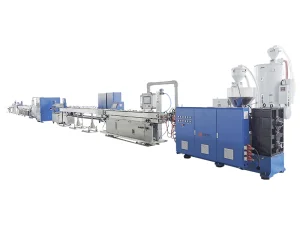
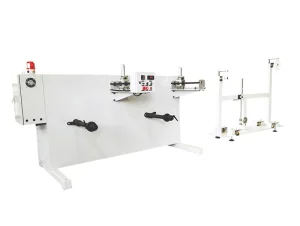
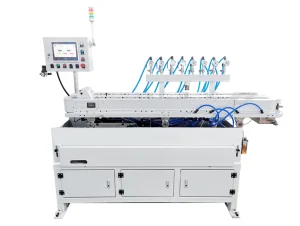
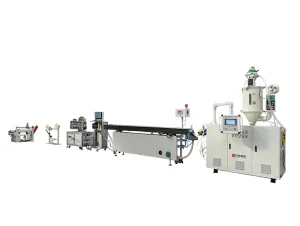
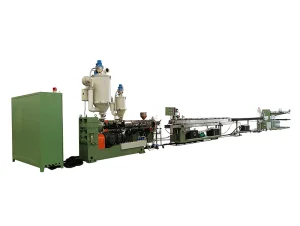
Thermoplastic Polyurethane (TPU) has revolutionized modern industrial fluid mechanics, pneumatic routing, and cable protection systems. Characterized by its unmatched balance between flexibility and mechanical resilience, TPU represents the material of choice for demanding operating environments. The global demand for high-precision polyurethane hose extrusion lines has risen exponentially, driven by the expansion of automation, medical engineering, and the automotive transition toward lightweight thermal management systems.
Unlike standard PVC or Polyethylene, polyurethane exhibits complex rheological behavior during melt-processing. Its shear-sensitive nature and narrow processing temperature window require state-of-the-art machinery capable of maintaining ultra-stable thermodynamic profiles. Raw material preparation is equally critical, as TPU is highly hygroscopic; moisture absorption directly impacts hydrolytic stability and physical properties if the raw material is not dried and processed with consistent volumetric controls. Modern global procurement agents look for engineering systems that deliver stable output, minimal dimensional deviation, and high automated control loops.
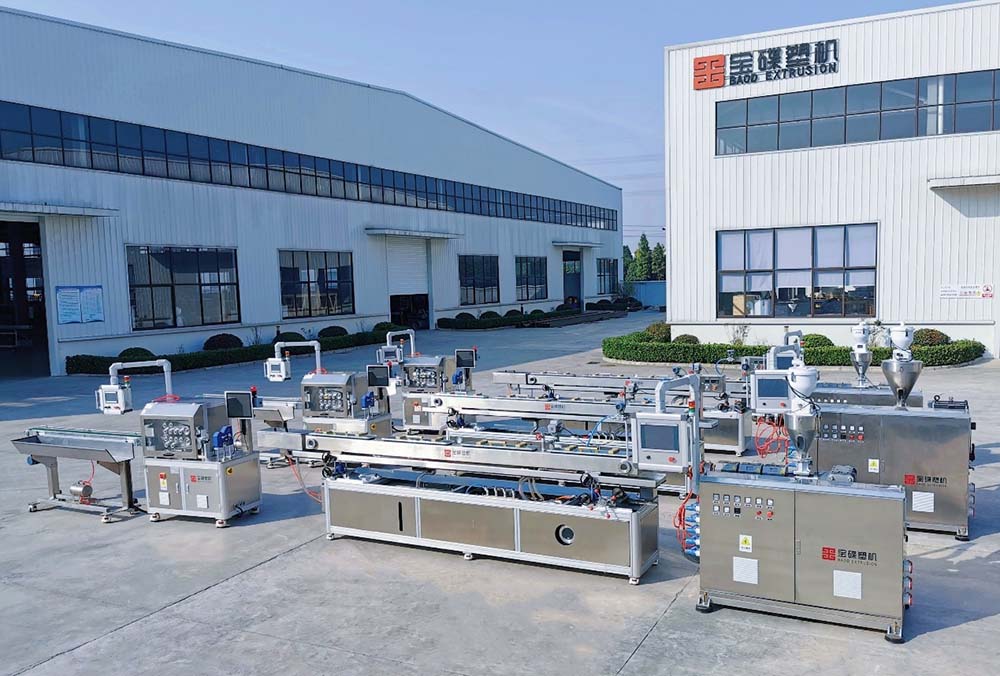
BAOD EXTRUSION (Jiangsu Baodie Automation Equipment Co., Ltd.), founded in 2002, is dedicated to the design, engineering, and manufacturing of premium plastic extrusion equipment. Our engineering pedigree traces back to 18 years of designing and fabricating high-quality machinery in Taiwan under our original parent company, KINGSWEL GROUP, which invested in establishing our main extrusion machinery manufacturing base in Shanghai in 1999.
For a quarter of a century, BAOD has remained committed to a long-term research and development vision focused on precision extrusion, high efficiency, automation, and industrial safety. Operating from our state-of-the-art facility, we serve global buyers seeking advanced, custom-designed extrusion configurations engineered to meet stringent Western standards.
Polyurethane tubing is highly flexible, making it the industry standard for pneumatic control lines, robotic articulated arms, and automated assembly systems. The material's tight bending radius ensures kink-free operation, which is critical for long cycle life in dynamic machinery environments.
Biocompatible TPU formulations are widely used in medical devices like catheters, fluid delivery lines, and respiratory circuits. Extruding medical-grade TPU requires strict micro-dimension control and cleanroom-compliant machinery, which are fields in which BAOD is highly experienced.
Within the automotive sector, hoses must withstand under-hood temperatures, road salts, oil exposure, and vibration. TPU composite and multi-layer hoses produced on BAOD lines ensure safety compliance, fuel impermeability, and high burst pressure capacity.
For decades, European manufacturers dominated the high-end machinery sector. Today, BAOD bridged the performance gap while offering substantial capital efficiency advantages. By integrating precision machining from Taiwan and capitalizing on Shanghai and Jiangsu's robust industrial supply chains, we manufacture advanced extrusion systems that perform on par with international brands.
Our localized research and development cycle allows us to rapidly engineer custom components, from specialized screw geometries to sophisticated control software, providing customers with tailored solutions at a optimized total cost of ownership (TCO).
The core value proposition of BAOD’s Chinese production base lies in our holistic integration of raw design authority and agile manufacturing processes. We utilize high-strength alloys and advanced surface treatments (e.g., bimetallic barrels and specialized plating) to extend the lifespan of components when processing highly abrasive or chemically active TPU compounds.
Additionally, our local manufacturing structure enables cost-effective custom engineering. We specialize in configuring specialized feed sections, high-torque gearboxes, and customizable PLC control systems tailored to our customers' existing factory layouts, all while keeping investment and lead times low.
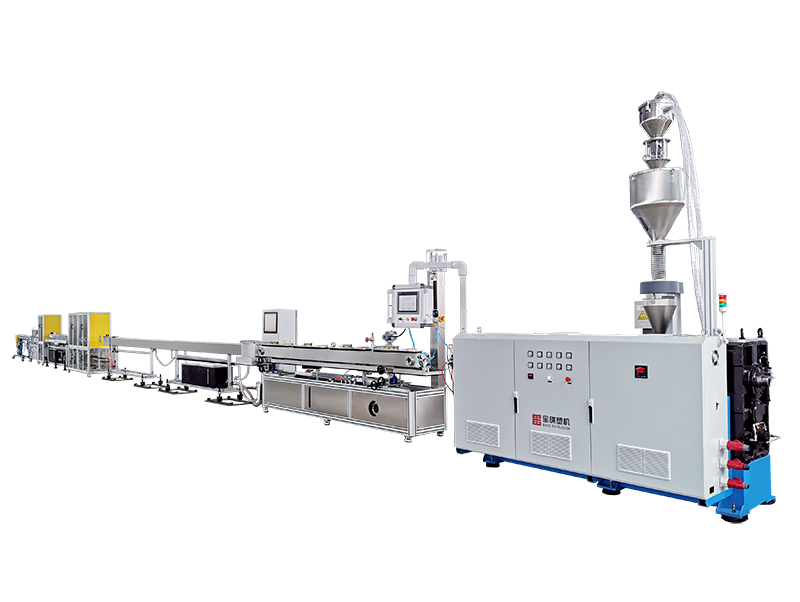
Engineered for micro-tubing applications where dimensional tolerance must be controlled down to the micron level.
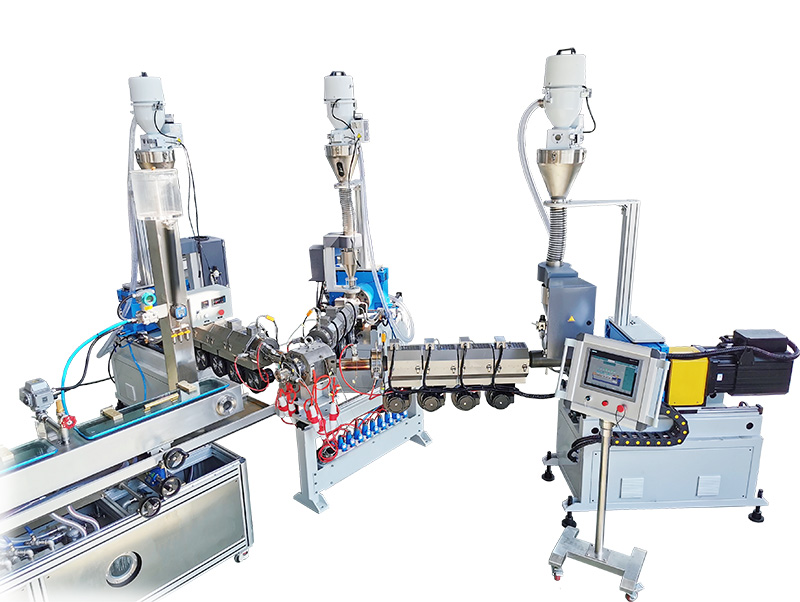
Designed for complex multi-layered structures, providing excellent barrier properties and mechanical stability.
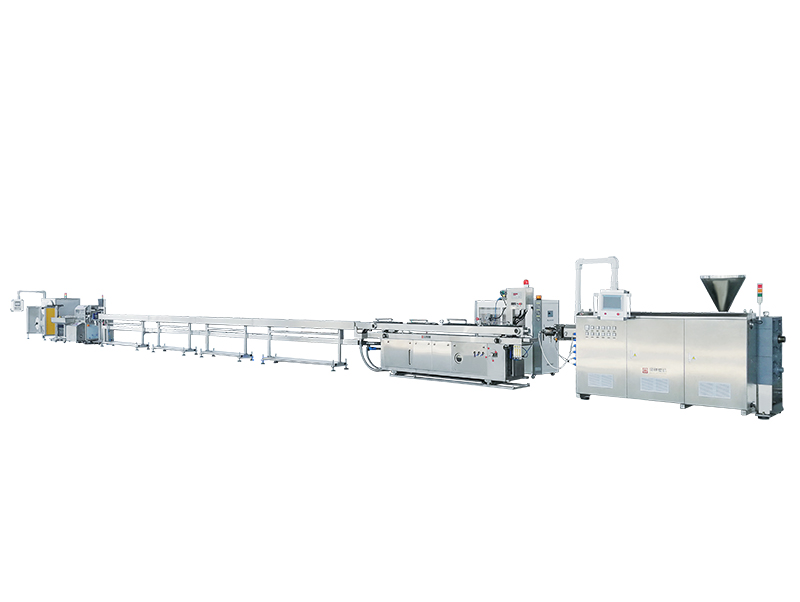
A specialized, high-yield manufacturing system that complies with cleanroom environments and international medical standards.
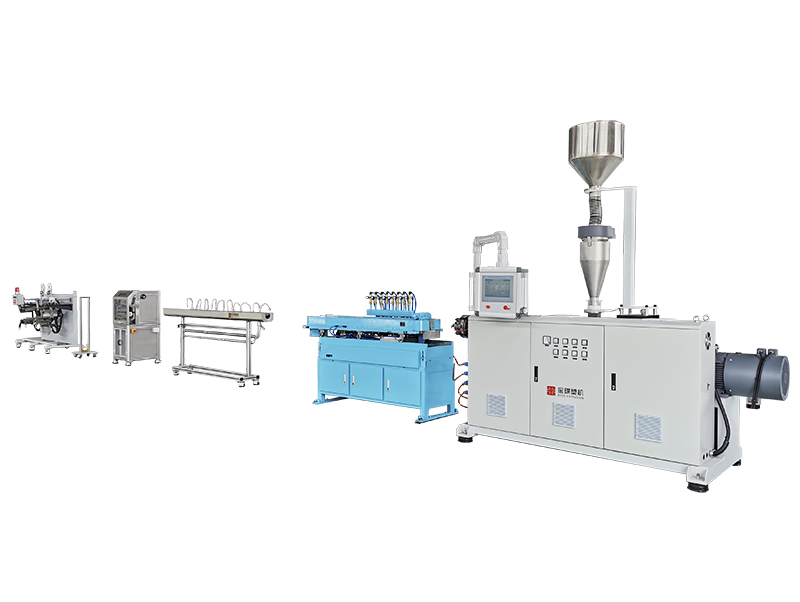
Utilizes advanced forming technology to produce flexible corrugated conduits at high linear speeds.
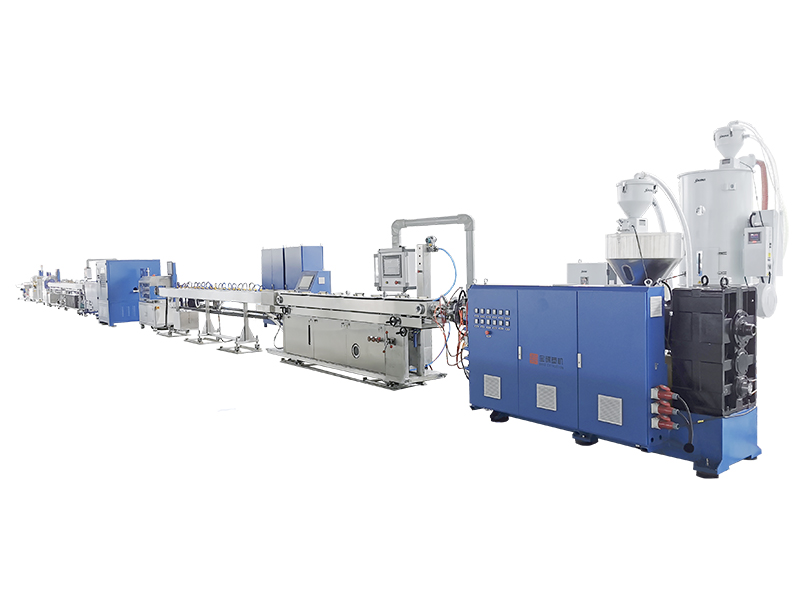
Integrates yarn reinforcement layers within thermoplastic vulcanizates for high-pressure industrial applications.
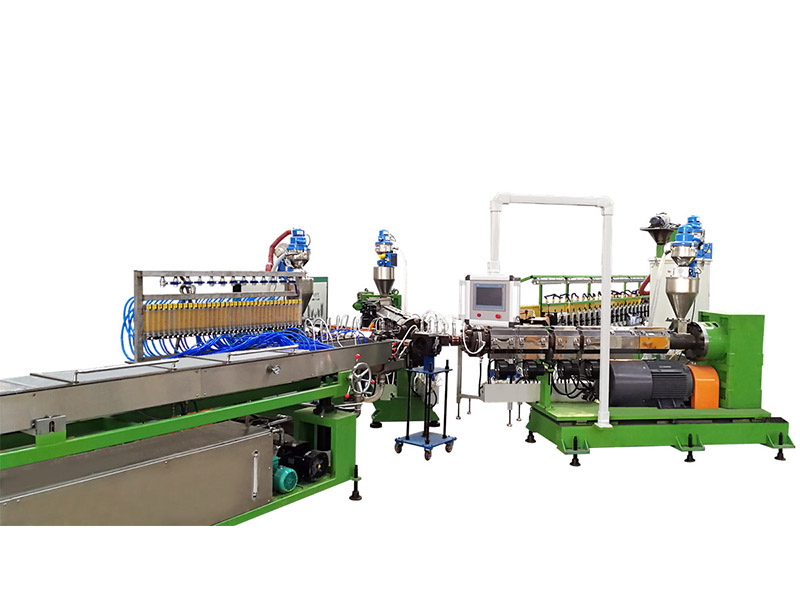
Produces customized profiles for automotive sealing, ensuring excellent ozone resistance and long-lasting sealing performance.
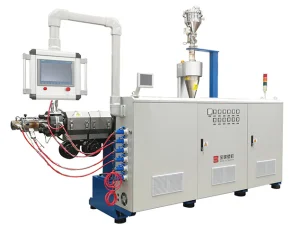
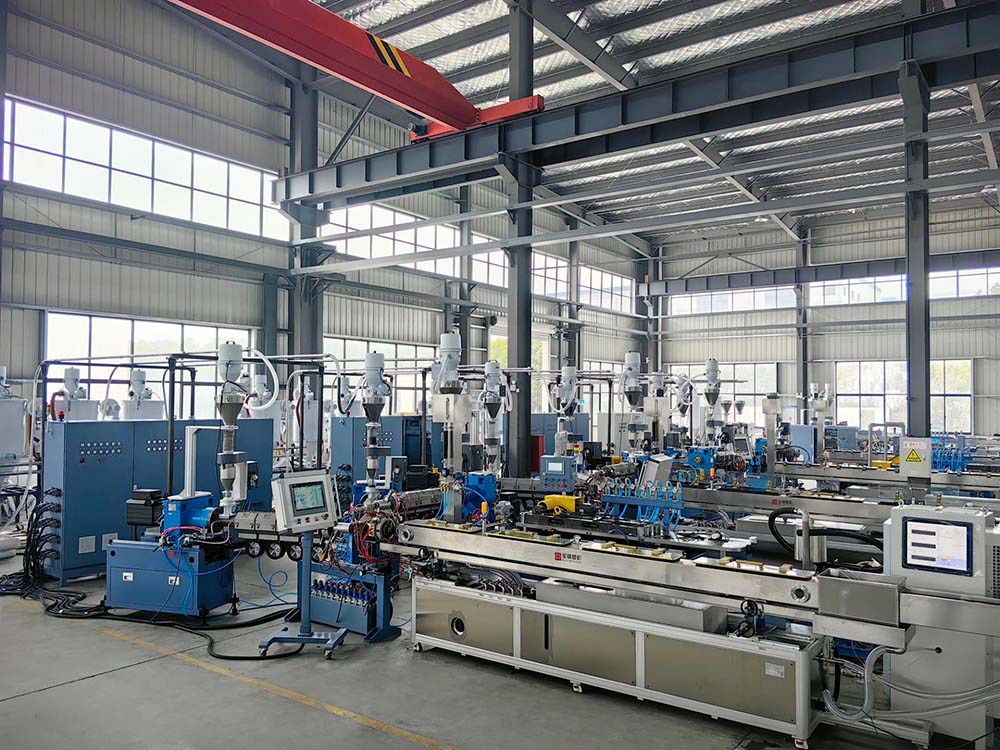
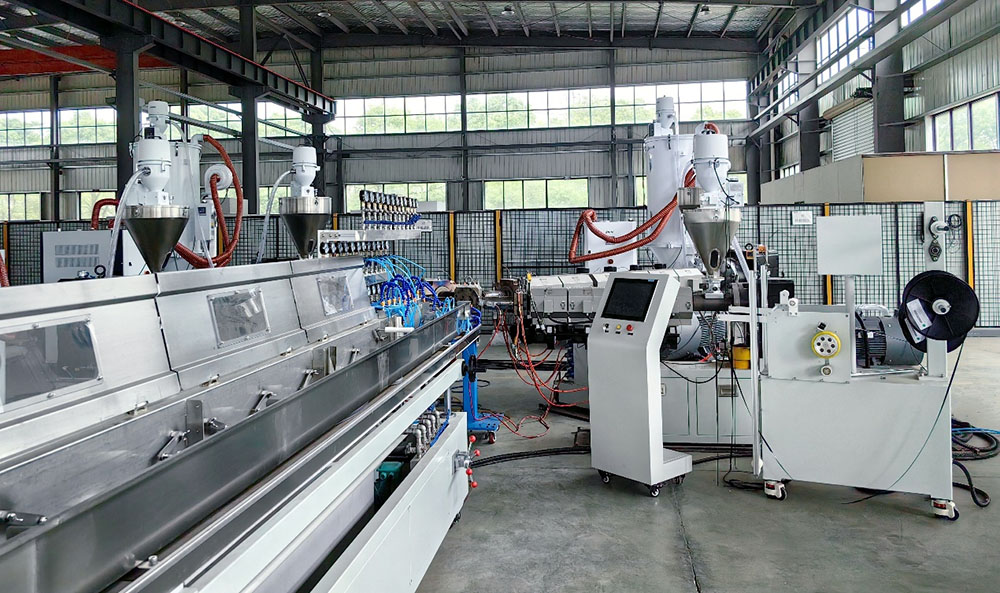
Equipped with customized single-screw geometries (usually L/D ratios of 28:1 to 32:1) that optimize compression ratios and prevent shear-induced overheating of the TPU melt. This ensures uniform plasticization and pressure build-up.
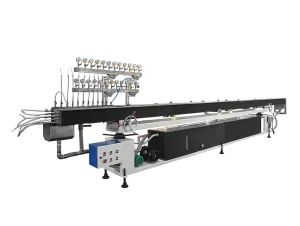
Our vacuum calibration and cooling tanks utilize high-precision vacuum regulation systems. Closed-loop water level and temperature controls prevent physical deformation or thermal stress, ensuring high circularity and dimensional stability.
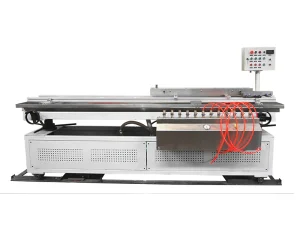
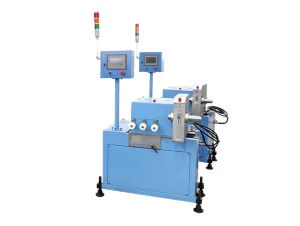
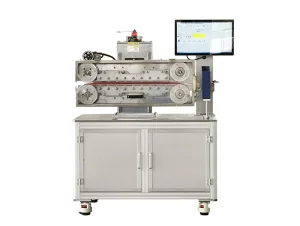
Featuring our TKB series precision belt puller or TKC crawler system, which provide smooth, vibration-free linear tension. Pulling speed is synchronized with the extruder’s screw rotation to prevent wall-thickness variations.
The extrusion sector is shifting rapidly toward digital integration. Historically, operators manually adjusted parameters based on empirical experience. Modern systems, however, rely on smart sensors and real-time closed-loop control algorithms to automate this process. At BAOD, we integrate advanced sensors that continuously monitor critical parameters like melt temperature, die pressure, and outer diameter, dynamically adjusting the screw speed and puller tension in real-time.
This digital evolution is driven by the industry's shift toward high-speed co-extrusion technology. By layering different TPU hardness grades or combining TPU with barrier resins, manufacturers can produce complex hoses tailored for specialized applications, such as chemical-resistant and low-permeability automotive fuel systems.
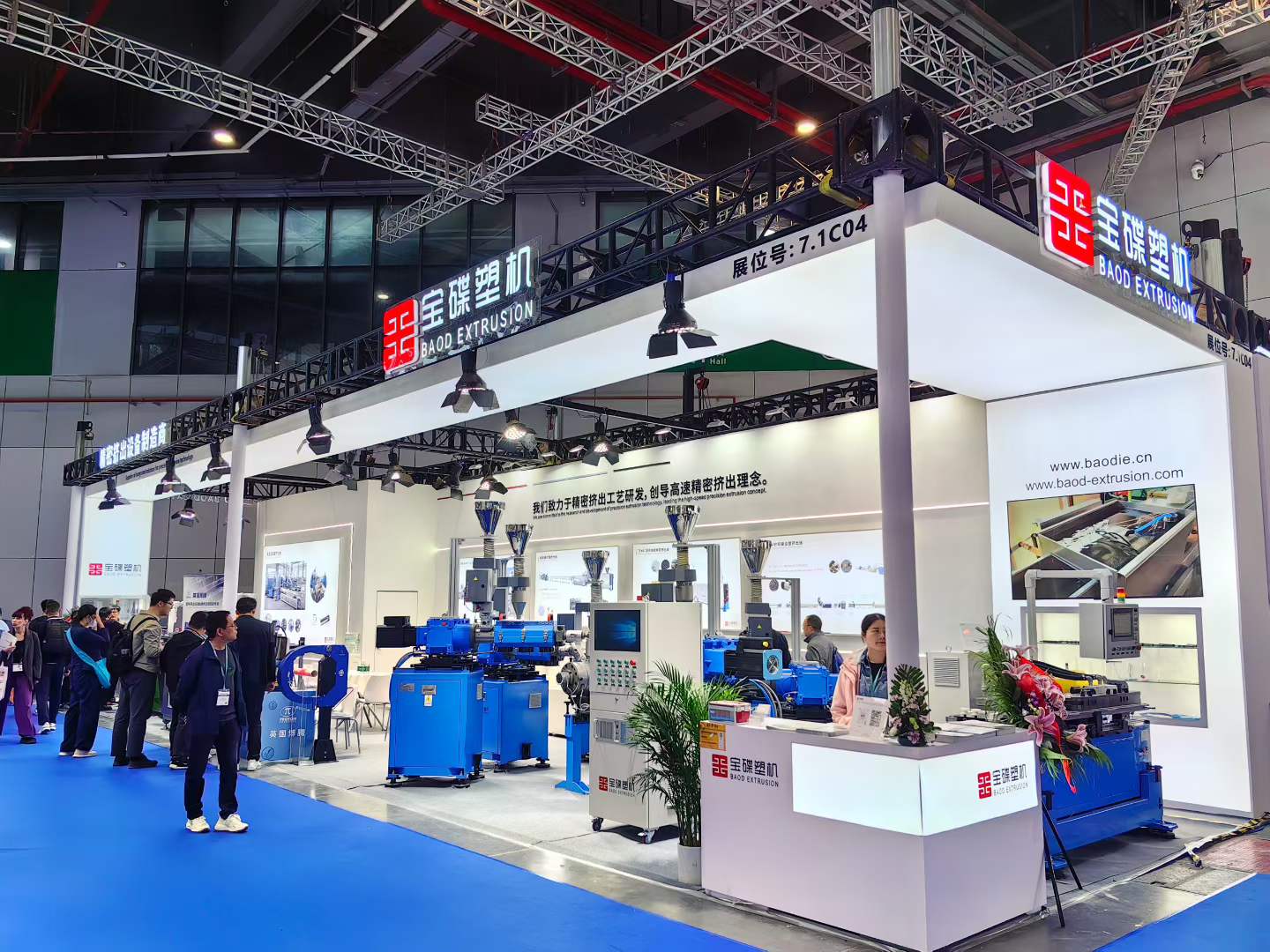
BAOD EXTRUSION showcased its latest R&D achievements, presenting “Smart Extrusion · High-Efficiency Innovation” solutions that captured international interest...
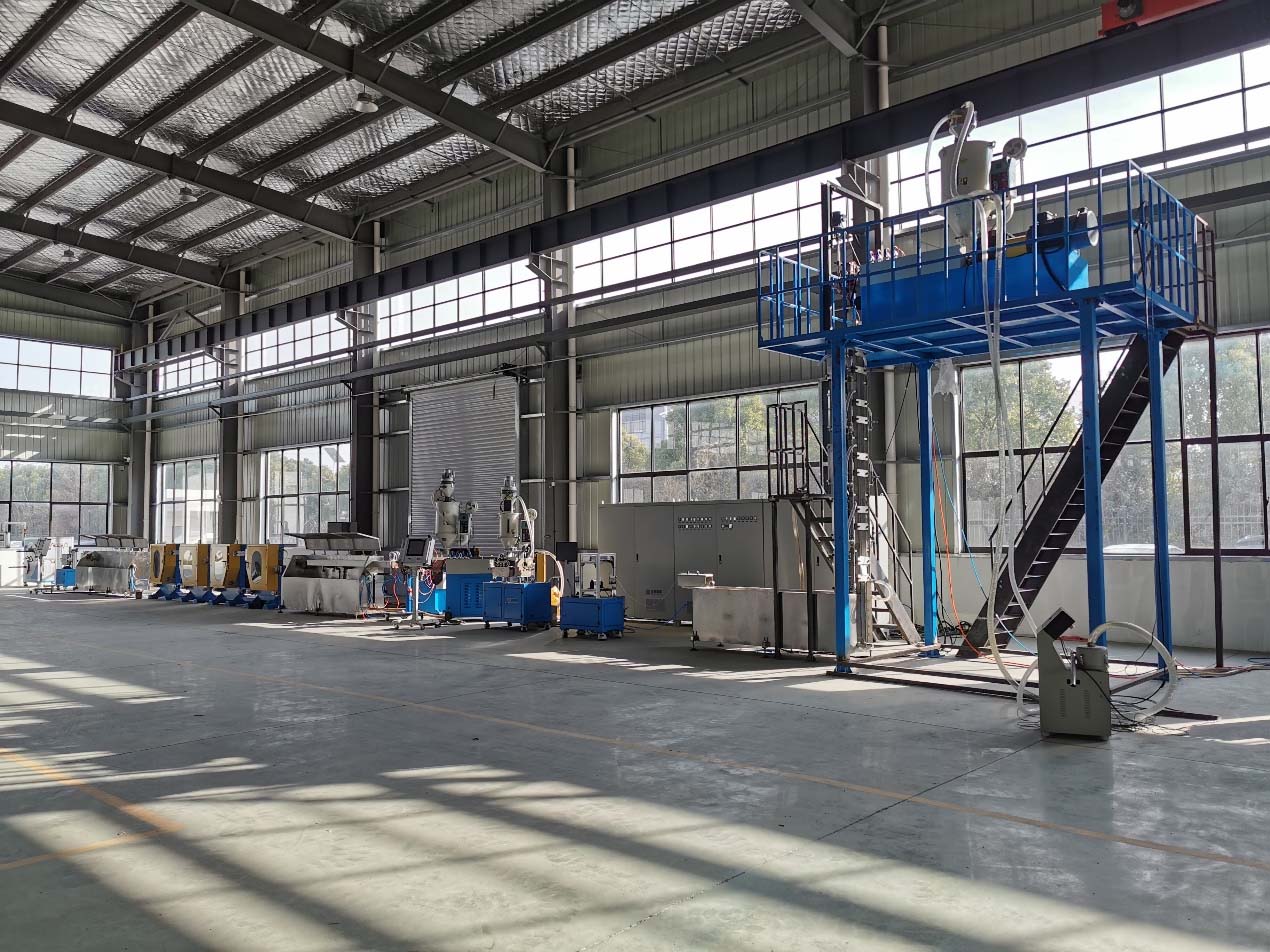
In sectors ranging from mining to infrastructure demolition, the precision of shock tubing is vital. BAOD's customized extrusion setups ensure safety and reliability...
A detailed comparison highlighting how BAOD meets and exceeds European standards for multi-lumen micro-tubing through precision calibration and advanced machinery design...
Exploring our rigorous quality control processes, compliance testing, and hardware configurations that meet the strict standards of the automotive industry...
An inside look at the growing automotive sealing strip market, focusing on the latest innovations in high-efficiency, automated sealing strip production lines...
TPU is highly shear-sensitive and has a narrow melting temperature range. Excessive shear heat can cause thermal degradation, while insufficient heat leads to incomplete melting and surface defects. Additionally, its high elasticity makes size control challenging, requiring precise control over screw geometries, temperature distribution, and pulling speeds.
Our lines integrate closed-loop feedback systems using laser diameter gauges and ultrasonic wall-thickness monitors. The real-time measurement data is processed by the main PLC, which automatically adjusts the puller speed and extruder output to maintain tolerances as tight as ±0.02 mm.
TPU is highly hygroscopic. If it absorbs moisture, the water molecules break the polymer chains at processing temperatures, leading to hydrolytic degradation. This results in bubbles, weak physical properties, and poor surface finishes. We recommend using a desiccant dryer to reduce moisture levels below 0.02% before extrusion.
Yes, we design and manufacture multi-layer co-extrusion die heads and secondary extruders. This allows manufacturers to combine TPU with materials like PA (Polyamide), PVC, or reinforcement layers, producing specialized, high-barrier hoses for industrial and automotive applications.
Our extruders use cast-aluminum heaters paired with high-efficiency cooling fans, or optional electromagnetic induction heating systems. This ensures quick thermal response and precise temperature management within ±1°C, which is critical for processing heat-sensitive polymers.
Our vacuum calibration cooling table uses adjustable water-ring calibrators and highly accurate vacuum pumps. The system maintains a constant, precise vacuum level inside the chamber to support the tube's shape, preventing collapse until the material cools and solidifies.
Lead times vary depending on the line's complexity and customization requirements. Typically, standard lines take 60 to 90 days, while custom multi-layer systems requiring specialized engineering take 90 to 120 days. Contact our team for detailed manufacturing schedules.
Yes. We provide comprehensive technical support, including on-site assembly, electrical integration, recipe fine-tuning, and operator training. Remote diagnostics and video support are also available to assist with ongoing maintenance and troubleshooting.
 Baodie