Explore our top-tier customized manufacturing configurations designed for medical tubing, telecommunication ducts, structural automotive seals, and composite reinforcement lines.
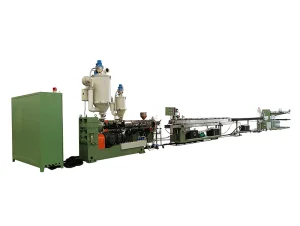
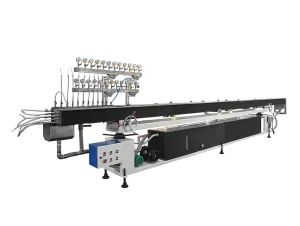
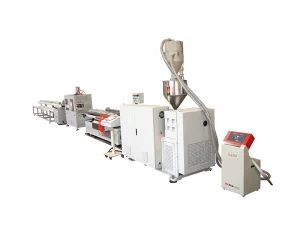
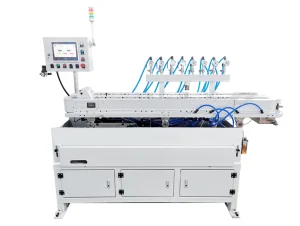
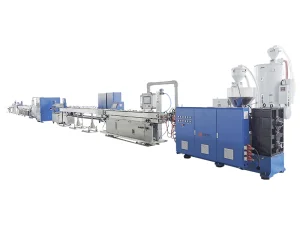
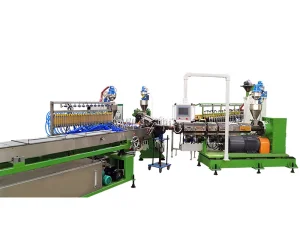
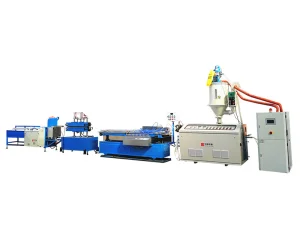
BAOD EXTRUSION (Jiangsu Baodie Automation Equipment Co., Ltd.) is a globally recognized pioneer dedicated to the designing, manufacturing, and international sales of high-performance plastic extrusion machinery. Rooted in deep technical heritage, our journey is supported by 25 years of engineering experience in plastic extrusion design.
Originally originating from the KINGSWEL GROUP, which accumulated 18 years of design and fabrication expertise for high-caliber extrusion machines in Taiwan, the group strategically established its centralized extrusion manufacturing base in Shanghai in 1999. Today, Baod Extrusion integrates Taiwan's meticulous precision philosophies with modern, automated assembly infrastructures to supply global industrial giants with highly reliable co-extrusion technology.
Through continuous iteration, Baod Extrusion has expanded its manufacturing capabilities, ensuring that every extrusion line delivered conforms to demanding global performance indicators.
From high-torque gearboxes and optimized cooling troughs to state-of-the-art pullers and digital computerized winding assemblies, our integrated setups are optimized to eliminate production fluctuations.
Analyzing the shifts in high-performance polymer extrusion, micro-duct systems, and smart factory integrations worldwide.
Precision catheterization systems, dual-bore, and multi-lumen tubing. Engineered using tight tolerance tooling, vacuum sizing chambers, and inline laser detection configurations to comply with Class III medical regulations.
TPV and PVC co-extrusion setups incorporating metal carrier reinforcements. Excellent dimensional control ensures optimal fit for doors, windscreens, and trunk seals on next-generation electric vehicles.
Sub-ducting lines processing HDPE alongside internal silicone core coatings for low friction factor values. Highly reliable structures to withstand pneumatic cable blowing pressures during deployment.
Industrial manufacturing plants in Europe, North America, and parts of Asia require distinct parameter validations. While European standards emphasize CE-compliant structures and high structural shielding against mechanical and thermal fatigue, domestic markets often look for versatile flexibility combined with rapid recipe changeover. BAOD Extrusion addresses this division by providing modular extruder structures that satisfy localized electrical safety codes, pressure regulation certifications, and environmental directives.
Our technology utilizes highly optimized screw geometries to process advanced thermoplastic vulcanizates (TPVs), ultra-high-molecular-weight polyethylenes (UHMWPE), and medical-grade PVC. By utilizing Closed-Loop Melt Temperature Control alongside real-time laser cross-section scanning, BAOD lines deliver sub-micron stability under varying plant operating conditions. This significantly minimizes scrap rates and optimizes raw material consumption.
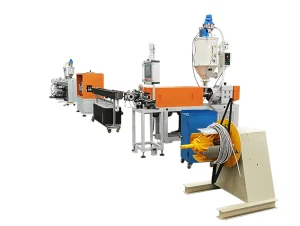
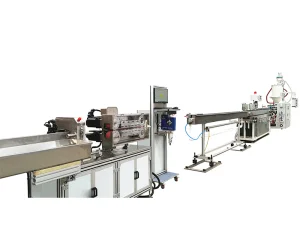
High-speed machinery solutions built by BAOD Extrusion to deliver high performance across diverse polymer types.
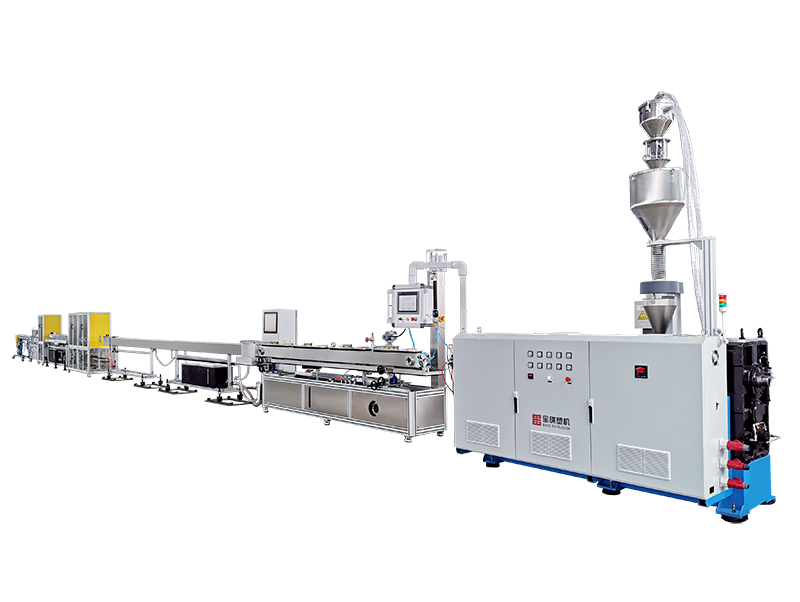
Designed for high-accuracy automotive fuel lines and pneumatic tubing with minimal wall thickness variations.
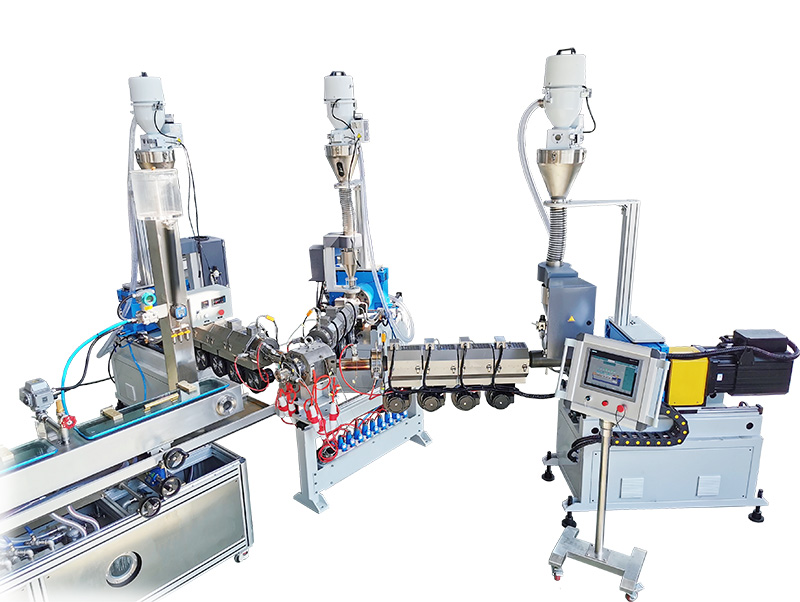
Automated co-extrusion system engineered to handle chemical resistant multi-layer polyamide formulations.
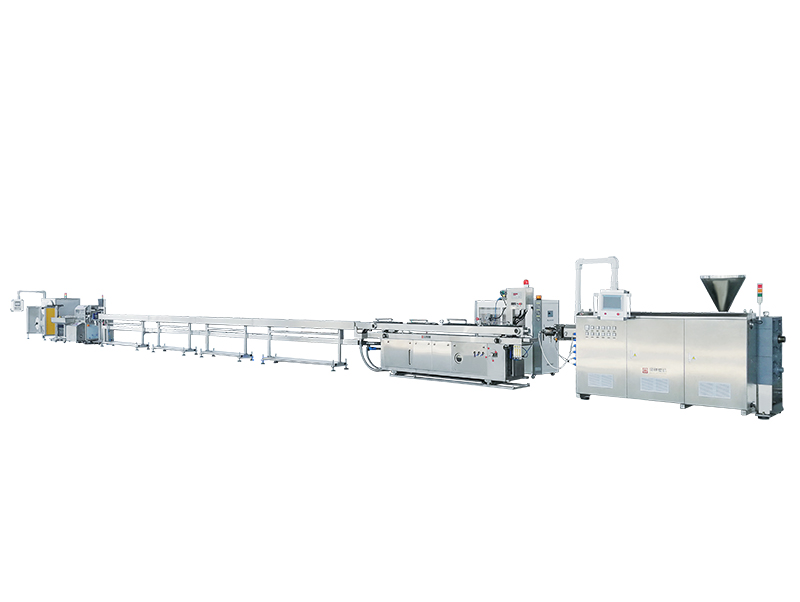
Assembled under sterile room guidelines, featuring high-speed pullers and precision sizing components.
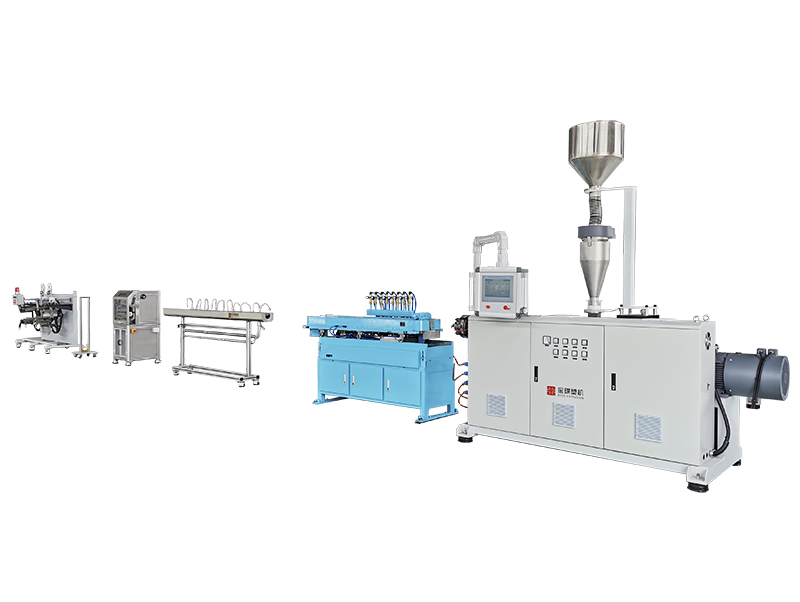
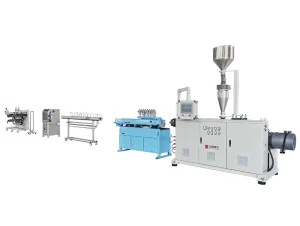
Advanced corrugator block cooling design for high line speeds and consistent profile dimensions.
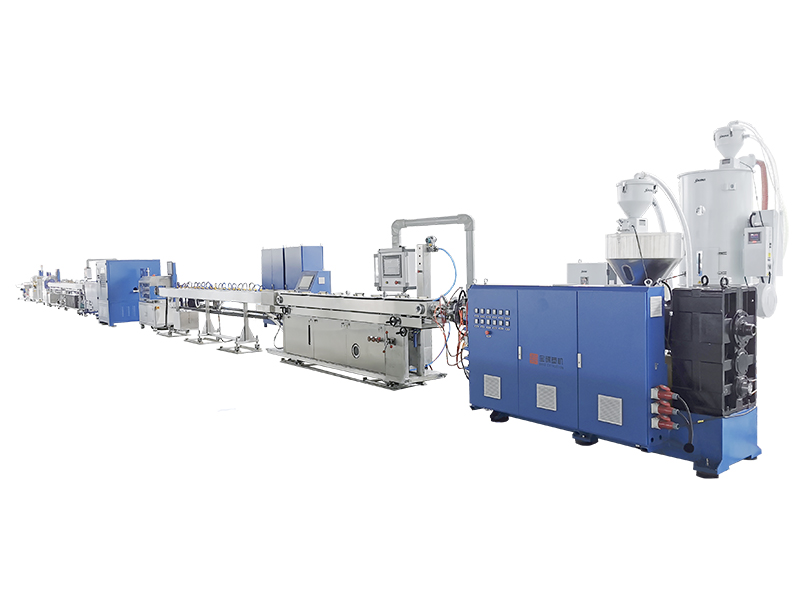
Integrated inline knitting reinforcement for high-pressure fluid delivery applications.

High-automation co-extrusion technology for dynamic glass run channels and vehicle sealing strips.
The global polymer extrusion industry is undergoing a structural shift towards sustainability, smart process controls, and multi-component extrusion technologies. Traditionally, manufacturing stability relied heavily on the operator's experience. However, modern industrial specifications demand real-time diagnostics and sub-micron dimensional adjustments.
At the center of every extrusion system is the screw design. Baod Extrusion utilizes customized L/D ratios (Length-to-Diameter) up to 33:1 or 38:1, optimized according to the processed polymer's specific rheology. For example, processing UHMWPE (Ultra-High-Molecular-Weight Polyethylene) presents melt flow challenges due to its extremely high molecular mass. Our custom UHMWPE profile extrusion lines feature specialized feed zones, cooling controls, and low-friction barrier screws to prevent polymer degradation while achieving uniform plasticization.
In high-speed microduct (HDPE silicone core tube) extrusion, the inner silicone layer must remain uniform without structural distortion. Our vacuum sizing technology features multi-chamber calibration tanks configured with automatic level controls and water bypasses. These prevent cross-sectional collapse under high speeds, ensuring consistent dimensional control. Closed-loop, ultra-sensitive pressure gauges monitor vacuum stability, adjusting water flow rates to accommodate raw material batch variations.
By 2026, BAOD Extrusion's development cycle is integrating the following core innovations:
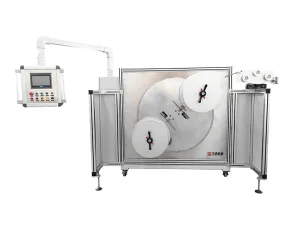
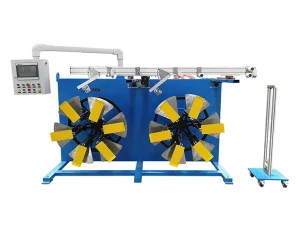
Efficient extrusion lines require advanced downstream winding systems. BAOD’s precise traverse displacement auto-spool winding units handle thin, sensitive medical tubes and high-pressure automotive hoses without introducing ovality or stretch defects. Featuring dual-shaft configurations, electromagnetic tension control, and automatic cutting and transfer mechanisms, these systems allow for seamless continuous operation.
Stay informed with our recent trade show achievements, regulatory compliance analyses, and polymer engineering advancements.
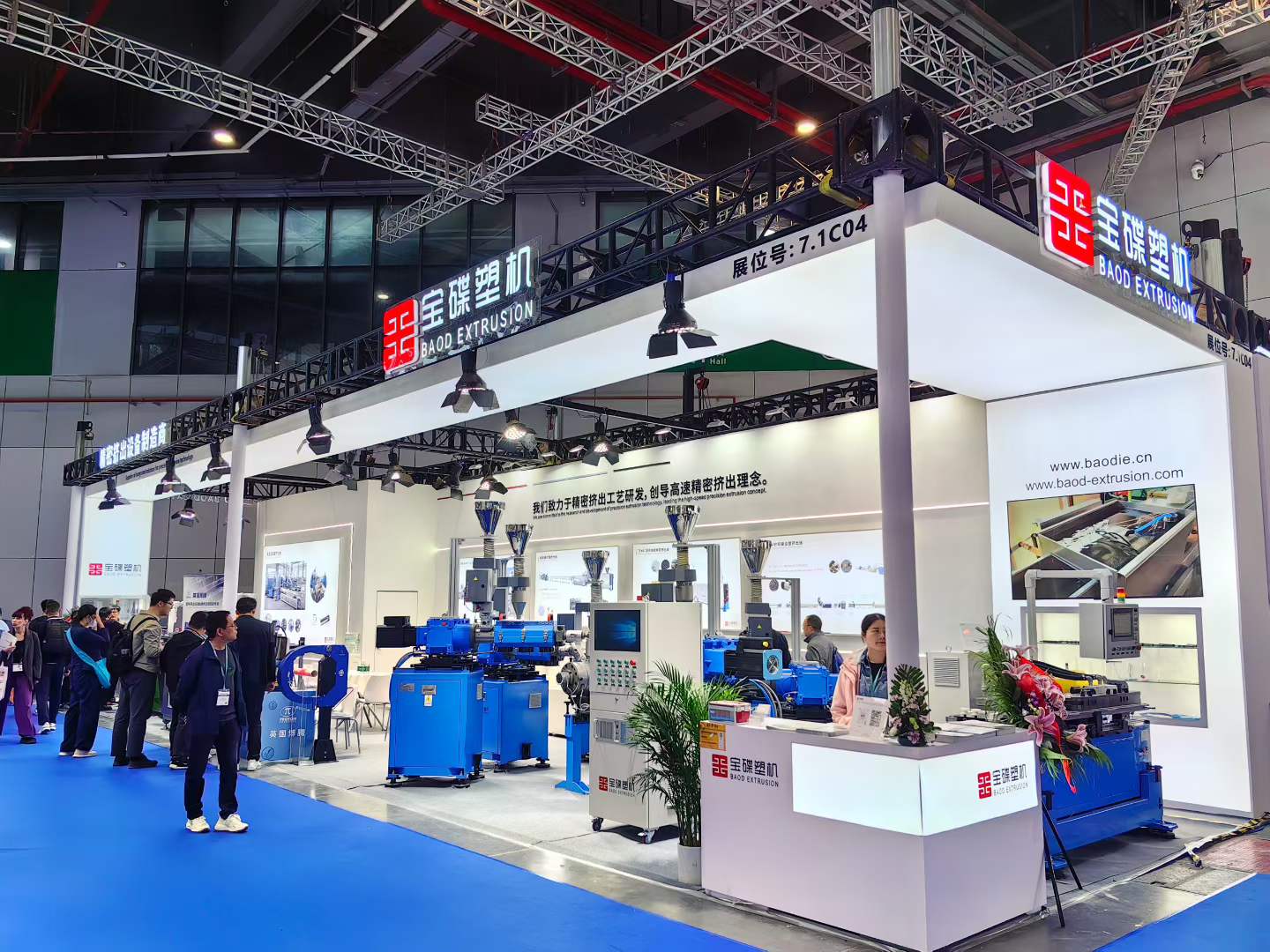
BAOD EXTRUSION presented its latest R&D achievements at Booth 7.1C04, showcasing "Smart Extrusion · High-Efficiency Innovation" solutions for modern global buyers...
Read More
Designed for civil blasting and demolition applications, BAOD's high-speed detonating tube co-extrusion technology delivers exceptional wall-thickness consistency...
Read More
Analyzing the differences in machinery tolerances, cleanroom integration, and gravimetric control loops required to meet European medical standards...
Read More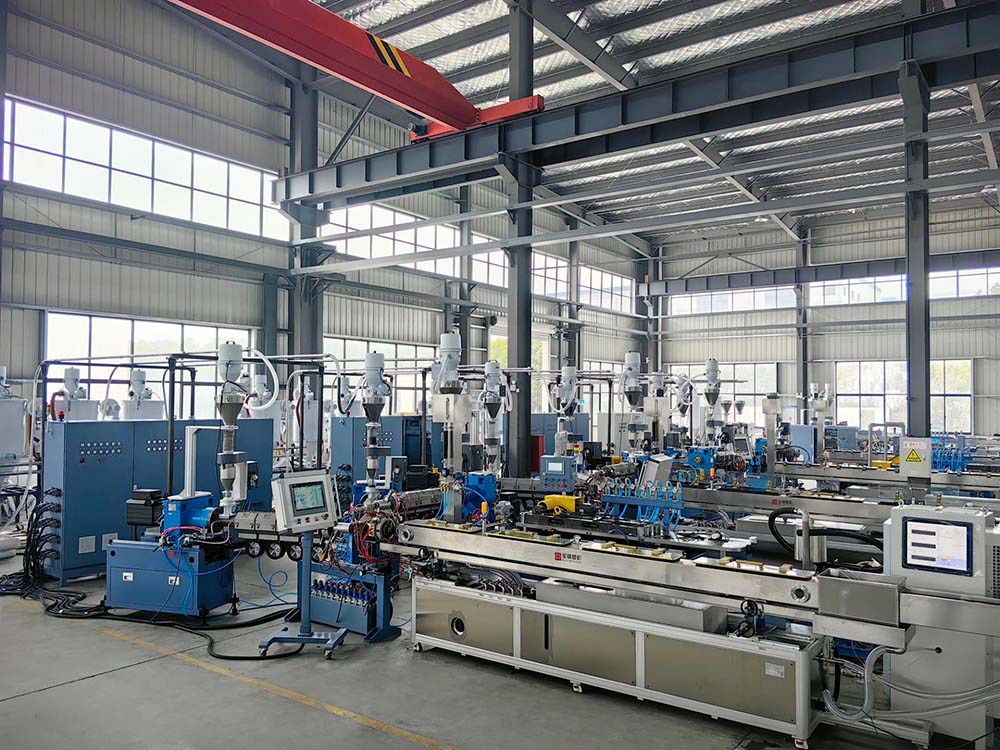
Automotive fluid lines must withstand high pressure and thermal cycling. This article breaks down how BAOD systems maintain compliance through real-time quality logging...
Read More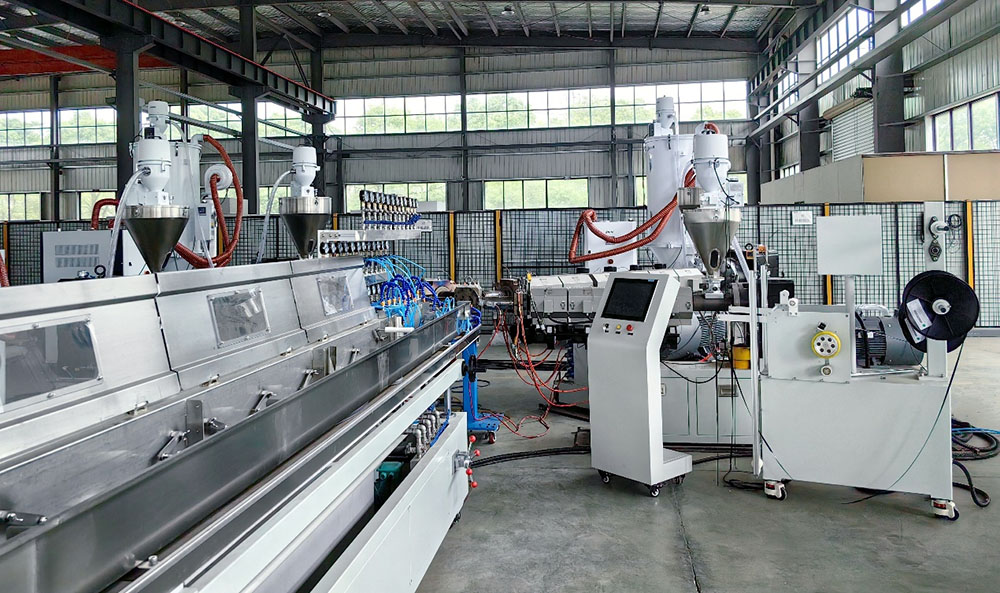
As electric vehicles demand quieter cabins, sealing systems require integrated co-extrusion with metal inserts and online flocking solutions...
Read MoreGet answers to the most common questions regarding custom plastic machinery design, co-extrusion operations, and international service delivery.
Medical tube extrusion requires strict dimensional tolerances (often within ±0.02mm) and cleanroom compatibility. Key components include gravimetric feeding systems, precision vacuum calibration tanks with micro-pressure adjustment, inline outer diameter and wall thickness laser scanners, and medical-grade stainless steel construction to prevent contamination.
The vacuum calibration tank cools the polymer melt while maintaining its roundness. By creating a controlled pressure differential between the inside and outside of the tube, it holds the product shape against the calibrator sleeve. Consistent vacuum level, precise water temperature regulation, and turbulence-free water flow are critical to prevent deformation.
TPV (Thermoplastic Vulcanizate) offers superior long-term elasticity, UV resistance, and ozone weathering performance compared to PVC. It also remains flexible at lower temperatures and is fully recyclable, which aligns with modern automotive sustainability initiatives. However, TPV requires higher processing temperatures and more shear-sensitive screw geometries during extrusion.
We design proprietary co-extrusion die heads with flow channel simulations (using finite element analysis). This ensures different polymer melts meet at matching flow velocities and temperatures, preventing layer delamination and maintaining uniform thickness distribution across all layers.
To process UHMWPE (which has extremely high melt viscosity), operators must use specialized low-shear screws and maintain precise temperature profiles. Regular maintenance includes monitoring heater bands, checking die wear, and ensuring raw materials are dried properly. Custom tooling coatings can also reduce wall friction and prevent surface melt fracture.
Complete your manufacturing configuration with our highly precise cooling systems, tension-controlled winding setups, and coating lines.
 Baodie