Custom Plastic Extrusion Troubleshooting: Defect Matrix, Engineering Optimizations, and Global Manufacturer Strategies

A Comprehensive Technical Whitepaper on Precision Control, Downstream Synchronization, and Zero-Defect Strategies in Modern Extrusion Infrastructure.

Product Line Part I

High-Efficiency Extrusion Line Solutions

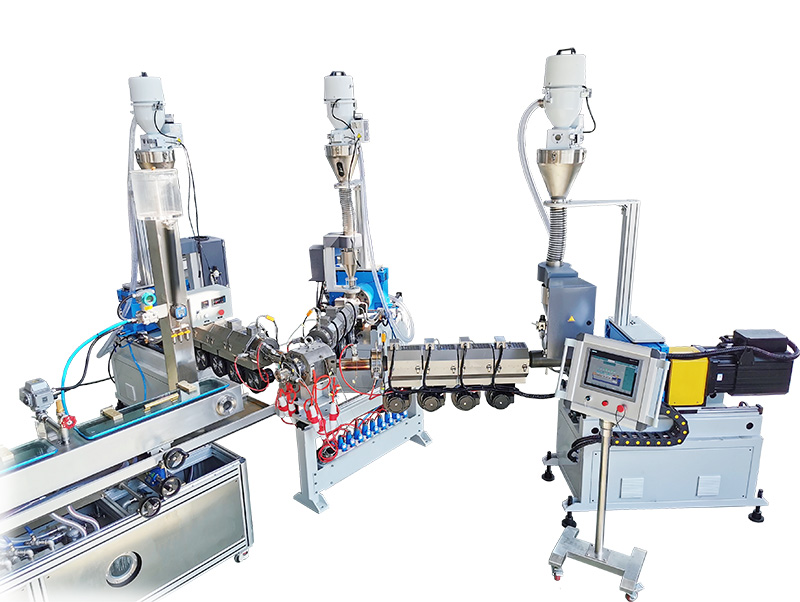
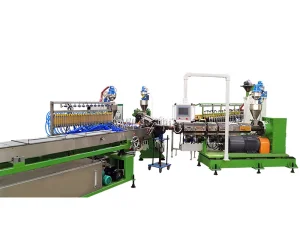
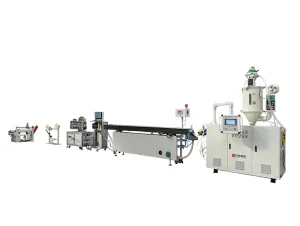
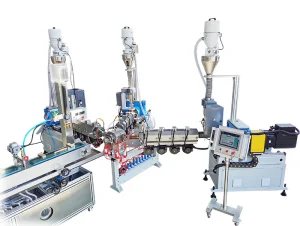
China TPV Knitting Composite Hose Extrusion Line Manufacturer

China TPV Knitting Composite Hose Extrusion Line

Explore Product
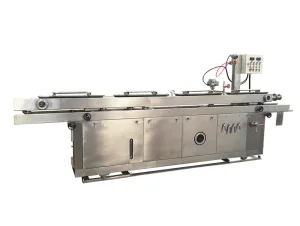
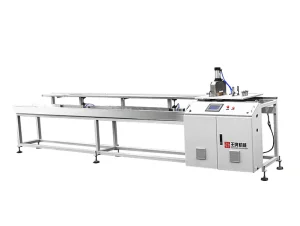
Custom SC Series Follow-Up Saw Blade Cutter Factory

Custom SC Series Follow-Up Saw Blade Cutter

Explore Product
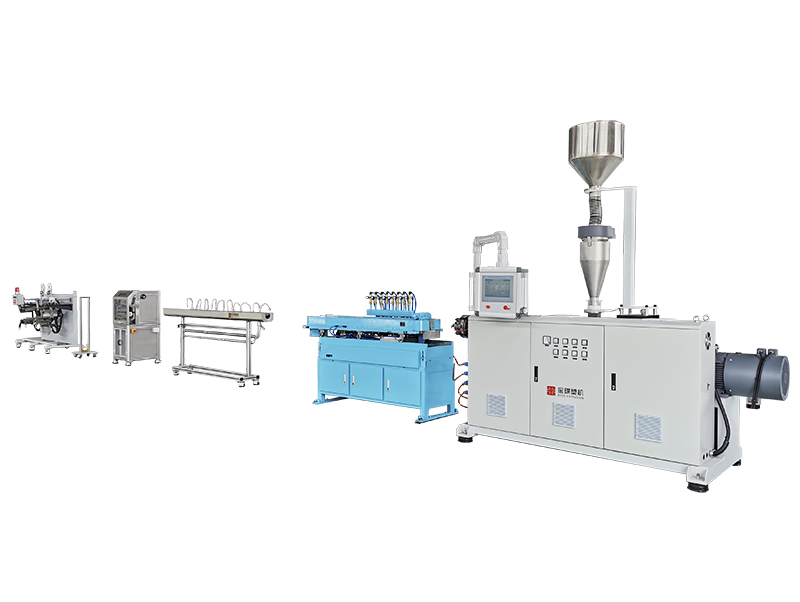
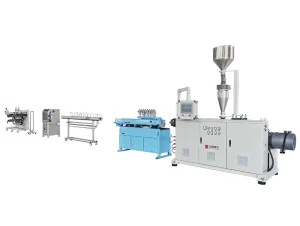
China PA/PE/PP/PVC High Speed Single Wall Corrugated Pipe Extrusion Line Manufacturers

China PA/PE/PP/PVC High Speed Single Wall Corrugated Pipe Extrusion Line

Explore Product
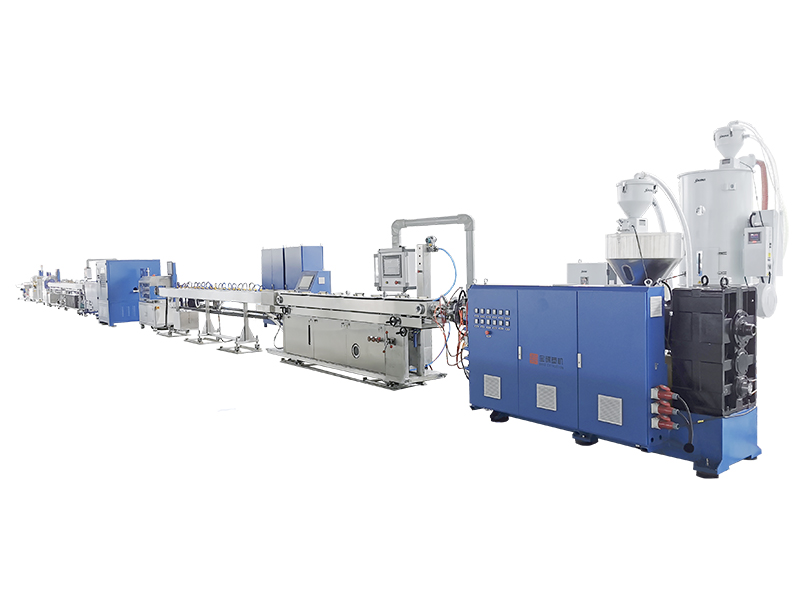
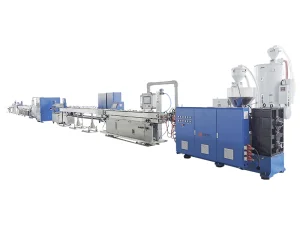
China Multi-Layer PA Smooth / Corrugated Hose/ Tube Extrusion Line Manufacturers

China Multi-Layer PA Smooth / Corrugated Hose/ Tube Extrusion Line

Explore Product
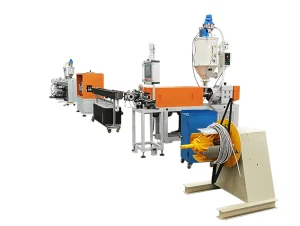
China Steel Wire/ Steel Strand Coating Extrusion Line Manufacturers

China Steel Wire / Steel Strand / Metal Corrugated Pipe Coating Extrusion Line

Explore Product
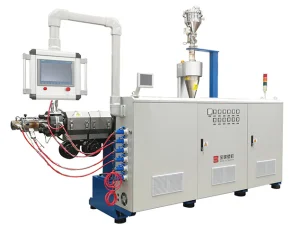
Custom SJ Series Single Screw Extruder Manufacturer

Custom SJ Series Single Screw Extruder

Explore Product
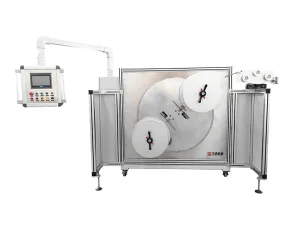
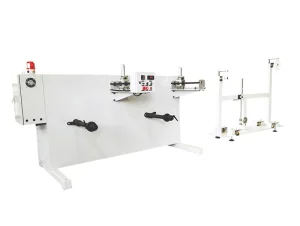
China Shaft Type Winding Machine Factory

China Shaft Type Winding Machine Factory

Explore Product
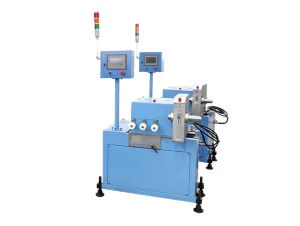
Custom TKB Series Precision High Speed Belt Puller Manufacturer

Custom TKB Series Precision High Speed Belt Puller

Explore Product
Technical Whitepaper

Executive Guide to Plastic Extrusion Diagnostics & System Troubleshooting

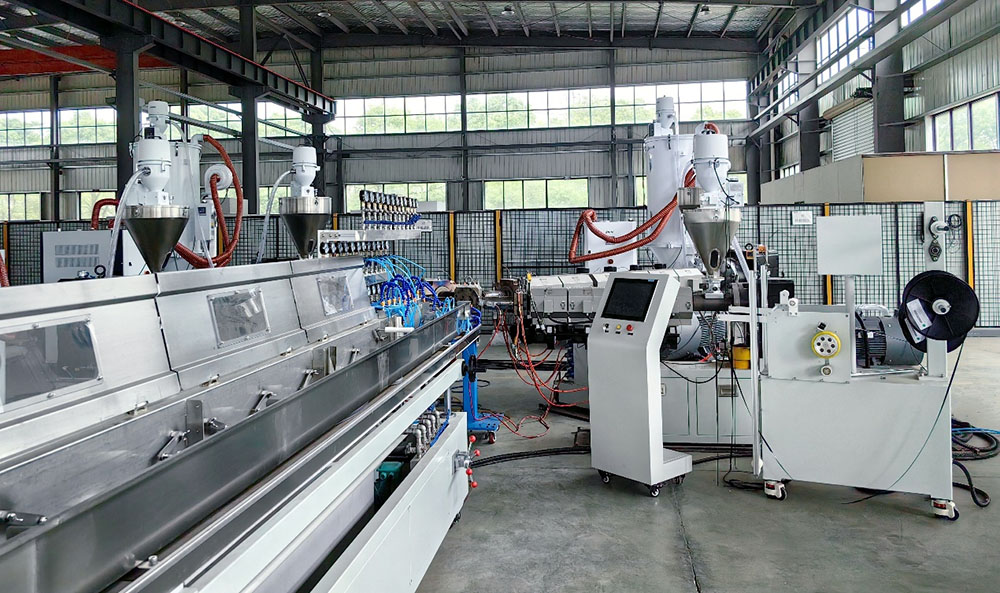
In high-precision manufacturing, the plastic extrusion process stands as a cornerstone of industrial material shaping. However, maintaining thermodynamic stability, rheological consistency, and dimensional alignment remains an active challenge. This guide offers deep diagnostic profiles on extrusion troubleshooting, dissecting engineering faults, mechanical corrections, and supply chain deployment configurations.

1. The Physics of Flow Instabilities: Root Causes of Core Extrusion Defects

During the extrusion of thermoplastic resins (such as Polyamide/Nylon, Thermoplastic Vulcanizates (TPV), Fluoropolymers, or High-Density Polyethylene), the molten polymer undergoes severe shear stress and temperature variations. When these conditions deviate from optimal thermodynamic thresholds, anomalies materialize in the finished profile. Below, we examine the primary structural defects encountered during custom plastic extrusion:

Melt Fracture (Sharkskin or Bambooing)

Mechanics: This surface defect occurs when the shear rate of the polymer melt exceeds its critical shear limit at the exit of the die. The outer skin of the extrudate ruptures as it transitions from the high-stress environment inside the die land to the zero-stress external atmosphere.

Troubleshooting Protocol: 1. Lower the line speed to reduce shear rate. 2. Increase the temperatures of the die lip zone to decrease melt viscosity at the exit boundary. 3. Modify the die land design, expanding the approach angle or utilizing processing aids (fluoropolymer-based additives) to enable slip boundaries at the die wall.

Surging and Output Fluctuations

Mechanics: Surging represents cyclic variation in output and pressure, yielding inconsistent wall thickness and fluctuating profile geometries. It is typically rooted in unstable solid feeding, uneven screw wear, or mismatched feed-zone temperature profiles.

Troubleshooting Protocol: 1. Check the barrel cooling system in the feed throat to prevent premature melting (bridging). 2. Verify the structural integrity of the screw; wear on the flight tips allows polymer backflow. 3. Implement melt pumps or high-accuracy pressure transducers closed-loop tied to screw rpm controllers to stabilize volumetric output.

Die Drool / Die Deposit Accumulation

Mechanics: The gradual buildup of degradation products, low-molecular-weight fractions, and fillers at the exit lip of the die. Eventually, these deposits attach to the moving extrudate, causing cosmetic ruin and surface score marks.

Troubleshooting Protocol: 1. Ensure correct moisture removal (drying protocols) before raw polymer enters the hopper. 2. Adjust die geometry to include a step back or flare at the exit point. 3. Apply specialized coatings (such as chrome plating or nickel-fluoropolymer matrices) to minimize stickiness at the die exit.

2. Downstream Dynamic Alignment: Calibrators, Pullers, and Cutters

Troubleshooting is not restricted to the extruder itself; in fact, more than 50% of dimensional issues originate in the downstream cooling and tensioning systems. Precise calibration requires a holistic understanding of the interactions between vacuum pressure, cooling water flow, puller tension, and cutting impacts.

  • Vacuum Sizing Tanks: Excessive vacuum pressure inside the sizing sleeve can increase friction, leading to chattering marks and cyclic wall variations. Conversely, insufficient vacuum leads to under-sized profiles and wall collapse. Fine-tuning is required using precision digital regulators.
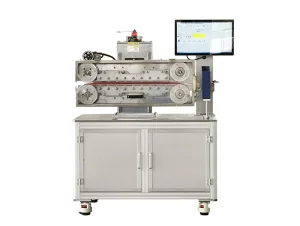
  • Puller Sync (Tension Control): Slippage within the belt puller (such as the TKB Series) creates longitudinal compressive stress, manifesting as buckling or twisting. Correcting this involves matching the belt hardness (durometer) to the polymer profile and setting accurate pneumatic gripping pressures.
  • Precision Cutting Mechanisms: Rotary fly-knives (FQ Series) and follow-up saw cutters (SC Series) must engage cleanly. A dull blade or incorrect timing introduces physical impact stresses that transmit upstream, disrupting the sizing calibration in the vacuum tank.
About BAOD EXTRUSION

Jiangsu Baodie Automation Equipment Co., Ltd.

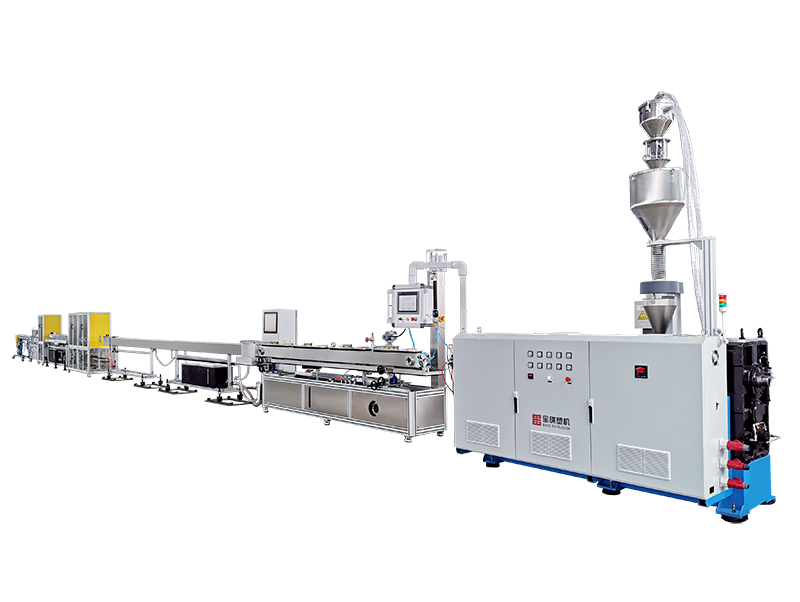
BAOD EXTRUSION (Jiangsu Baodie Automation Equipment Co., Ltd.), founded in 2002, is dedicated to the design, manufacture, and sales of high-performance plastic extrusion equipment. Leveraging over 25 years of experience in designing and fabricating premium machinery in Taiwan and mainland China, the original parent company (KINGSWEL GROUP) invested in Shanghai in 1999, laying down the technical foundations for advanced extrusion systems. Today, we focus our research and development on four main pillars:

  • Precision Extrusion Technology: Achieving sub-millimeter tolerances on medical tubes and automotive seals.
  • High Efficiency Extrusion Systems: Optimizing L/D ratios and screw design for maximum throughput at low energy consumption.
  • Highly Automated Extrusion Process: Integration of PLC networks, automated weight-dosing, and laser gauging.
  • Comprehensive Safety Systems: Advanced interlocking and thermal shields protecting line operators.

Extrusion Engineering Leadership

With strategic alignment across global design practices, BAOD Extrusion implements cutting-edge mechanical modeling and fluid dynamic simulations to build dies and screws tailored to precise polymeric characteristics.

Learn More About Us

25+

Years Manufacturing Experience

16,000 m²

Factory Area

100+

Specialized Employees

3. Localized Applications & Technical Scenarios

Precision extrusion troubleshooting is inherently dependent on the localized application field. Different industries present unique engineering demands:

A. Automotive Fuel and Sealing Profiles

In the automotive sector, PA (Nylon) smooth/corrugated multi-layer tubes and TPV sealing strips represent high-stakes applications. Troubleshooting multi-layer extrusion requires balancing the co-extrusion feedblock temperature. If the melt viscosities of the different polymer layers do not match, interfacial instability occurs, causing internal layer delamination. Proper thermal tuning at the die block and continuous monitoring via inline ultrasonic thickness sensors are crucial.

B. Medical-Grade Multi-Lumen Tubing

Medical tubes require strict compliance with regulatory dimensions. In a multi-lumen setup, the central challenge is air pressure balance inside each lumen. If air pressure fluctuates, internal walls collapse or shift. Solving this requires micro-regulation air valves coupled with high-stability melt flows, utilizing low-pulsation single-screw extruders such as our SJ series.

C. Telecommunications Microduct Systems

For fiber optic paths, HDPE silicone core tubes require a dual-layer configuration with a low-friction internal silicone coating. A typical issue is matching the flow rates of the HDPE shell and the silicone lining. Unsynchronized layer speed results in a rough inner surface, which increases cable-pulling friction. Process optimization must involve fine tuning of the co-extrusion die concentricity and strict control of the internal cooling rate inside the sizing sleeve.

4. Tech Roadmap: The Integration of AI & Industry 4.0 in Extrusion Diagnostics

The future of plastic extrusion diagnostics relies on closed-loop feedback systems powered by AI-assisted control networks. The traditional trial-and-error method is being replaced by real-time optimization frameworks:

  • Digital Twin Simulations: Running live physical simulations of polymer melt behavior inside the die land helps operators anticipate shear-induced melt fractures before they manifest physically on the line.
  • Integrated Gauging Loops: Linking dual-axis laser diameter gauges directly to the puller drive system. If a dimension begins to drift, the puller's speed adjusts dynamically in milliseconds, countering flow variations.
  • Predictive Thermal Control: Machine learning algorithms monitor barrel heater currents and melt pressure profiles to anticipate thermal wear, suggesting maintenance steps before output drops.

5. China Factory Resilience: Supply Chain and Technical Efficiency

Manufacturing in China, particularly through specialized suppliers like BAOD Extrusion, offers distinct operational and cost benefits. By anchoring the fabrication process inside the industrial cluster of Jiangsu, we leverage specialized metallurgy, CNC machining centers, and local material sciences. This proximity enables BAOD to deliver custom solutions in fraction of the time required by traditional European tooling workshops, without compromising on reliability, structural alignments, or CE compliance.

Factory Products

The Products of BAOD Extrusion

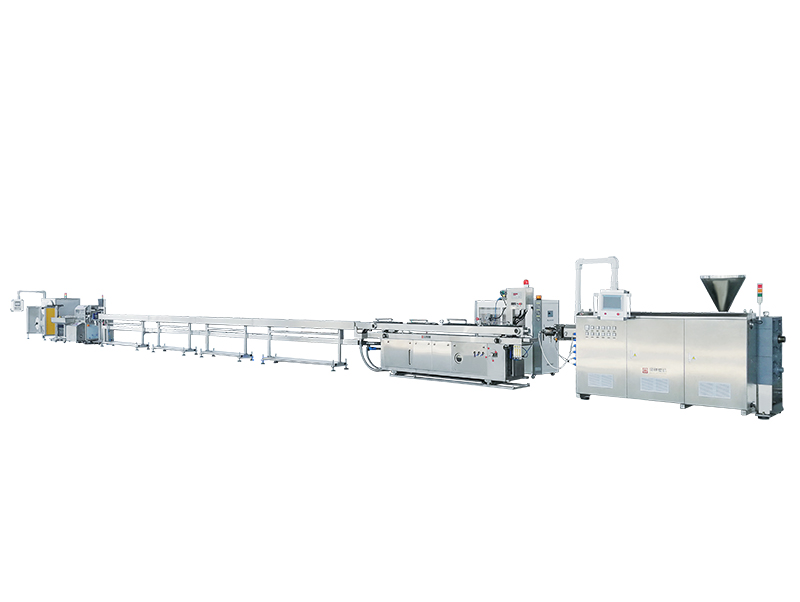
Precision Small Diameter Tube/Pipe Extrusion Line

Precision Small Diameter Tube/Pipe Extrusion Line

View Details
Multi-Layer PA Smooth / Corrugated Hose/ Tube Extrusion Line

Multi-Layer PA Smooth / Corrugated Hose/ Tube Extrusion Line

View Details
High Speed PVC Medical Tube Extrusion Line

High Speed PVC Medical Tube Extrusion Line

View Details
PA/PE/PP/PVC High Speed Single Wall Corrugated Pipe Extrusion Line

PA/PE/PP/PVC High Speed Single Wall Corrugated Pipe Extrusion Line

View Details
TPV Knitting Composite Hose Extrusion Line

TPV Knitting Composite Hose Extrusion Line

View Details
TPV,PVC Automobile Sealing Strip Extrusion Line

TPV,PVC Automobile Sealing Strip Extrusion Line

View Details
Insights & Updates

BAOD Extrusion News Hub

CHINAPLAS 2026
Apr/30/2026

CHINAPLAS 2026 Concludes Successfully, BAOD EXTRUSION Showcases High-Efficiency Innovation

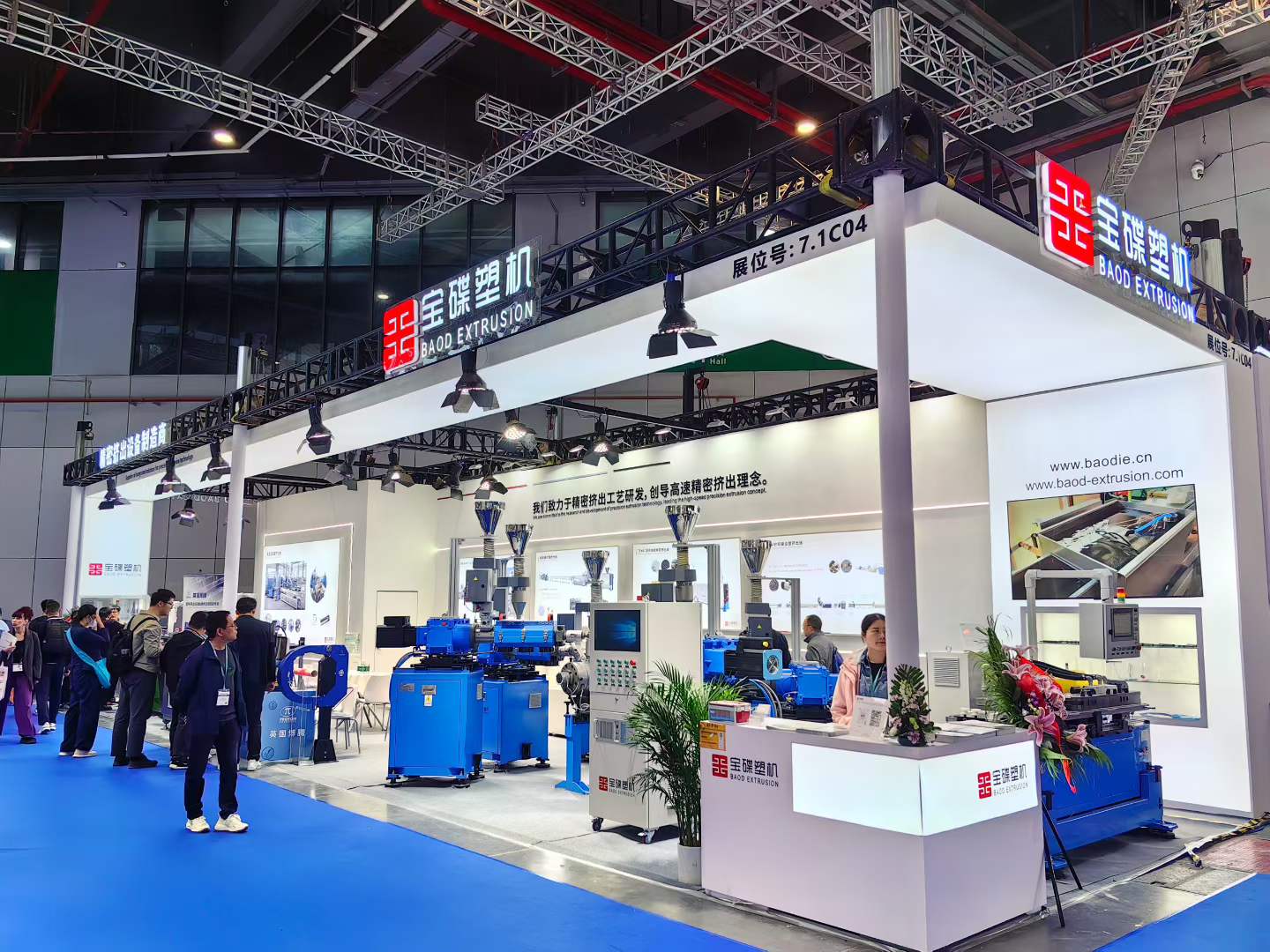
From April 21–24, CHINAPLAS 2026 was successfully held at the National Exhibition and Convention Center (Shanghai, Hongqiao). BAOD EXTRUSION showcased its latest R&D achievements at Booth 7.1C04, presenting “Smart Extrusion · High-Efficiency Innovation” solutions...

Read More +
Detonating Tube Extrusion Line
Mar/26/2026

Innovation and Reliability: BAOD EXTRUSION as Top 10 Customized Detonating Tube Extrusion Line Solution Provider

In the controlled environment of a modern industrial facility, a single, hair-thin plastic tube wound onto a reel might seem unremarkable to the untrained eye. However, in sectors ranging from mining and quarrying to large-scale infrastructure demolition, this tube—known...

Read More +
Multi-Lumen Tube Extrusion
Mar/23/2026

High Precision Multi-Lumen Tube Extrusion Line In China vs European Manufacturing Standards

In the sterile, quiet environment of a modern medical facility, a clinician prepares a complex catheter for a critical procedure. This thin, flexible tube is far more than a simple conduit; internally, it is divided into several microscopic channels, or lumens, each desi...

Read More +
Automotive Tube Compliance
Mar/19/2026

How China Leading OEM Automotive Tube Extrusion Line Supplier BAOD Maintains International Manufacturing Compliance

How do the world's most reputable vehicle manufacturers ensure the absolute integrity of every fuel line, brake hose, and cooling pipe buried deep within a vehicle’s chassis? Why has the shift toward electric and lightweight vehicles made the precision of these small-dia...

Read More +
TPV Automobile Sealing Strip
Mar/17/2026

BAOD – Top Highly Automation TPV, PVC Automobile Sealing Strip Extrusion Line Supplier: Trends for 2026

As the twilight sun reflects off the sleek, aerodynamic curves of a modern electric vehicle parked in a bustling metropolitan street, few observers notice the quiet, critical components ensuring the cabin remains a sanctuary of silence and temperature control. Behind the...

Read More +
Technical FAQ

Plastic Extrusion Troubleshooting & Diagnostics

What is the primary cause of dimension variations in Nylon (PA) tubing?
Fluctuations in dimensions are primarily caused by output instability in the extruder (melt surging) or unequal puller tension downstream. Ensuring steady barrel heating profiles, maintaining correct vacuum sizing pressure, and using a synchronized servo belt puller (like BAOD's TKB series) helps achieve consistent wall thickness.
How do we address interfacial instability in TPV/PVC co-extrusion sealing strip lines?
Interfacial instability occurs when the viscosity ratio of the co-extruded materials is mismatched. This can be resolved by adjusting the temperature zones of the respective co-extruders to match the melt viscosities, ensuring smooth flow geometry in the co-extrusion feedblock, and maintaining precise flow control of the polymer streams.
Why does die drool occur and how can it be optimized?
Die drool is caused by the accumulation of polymer degradation products, volatiles, or additives at the die exit. Mitigations include lower melt temperatures, incorporating a clean step-back in die land designs, chrome plating the tool, and thoroughly pre-drying the polymer compound before extrusion.
How does a closed-loop system improve downstream calibration?
Closed-loop systems monitor extrusion outer dimensions through laser gauges and adjust the puller speed or extruder screw rpm dynamically. This automation maintains consistent wall thickness and product diameter, minimizing human error and scrap rates.
Product Line Part II

Downstream Auxiliaries & Advanced Lines

China PA Nylon Precision Tube Extrusion Line Manufacturer

China PA (Nylon) Precision Tube Extrusion Line

Explore Product
China Lampshade Extrusion Line Manufacturers

China PC, PMMA, PS Lampshade Extrusion Line

Explore Product
Custom HDPE Silicone Core Tube Extrusion Line Manufacturer

Custom HDPE Silicone Core Tube (Micro Duct) Extrusion Line

Explore Product
Custom Precision Auto Vacuum Sizing Tank Factory

Custom Precision Auto Vacuum Sizing Tank

Explore Product
China TPV PVC Automobile Sealing Strip Extrusion Line Factory

China TPV, PVC Automobile Sealing Strip Extrusion Line

Explore Product
Custom FQ Series Rotary Fly Knife Cutter

Custom FQ Series Rotary Fly Knife Cutter

Explore Product
Custom Coiling Machine Manufacturer

Custom Precise Traverse Displacement Auto-Spool Coiling Machine

Explore Product
Custom Precision Fluorine Plastic Tube Extrusion Line Factories

Custom Precision Fluorine Plastic Tube Extrusion Line

Explore Product