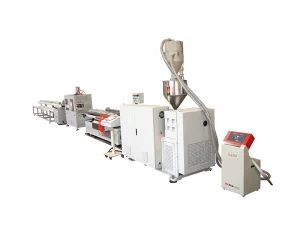
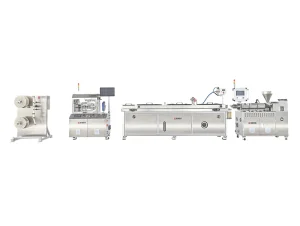
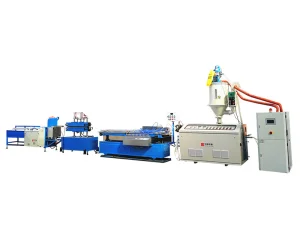
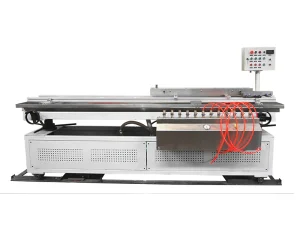
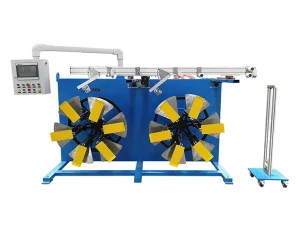
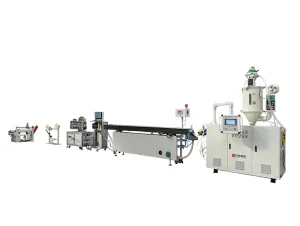
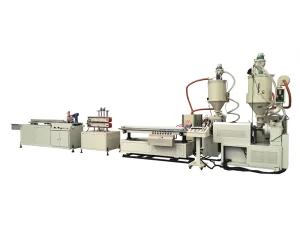
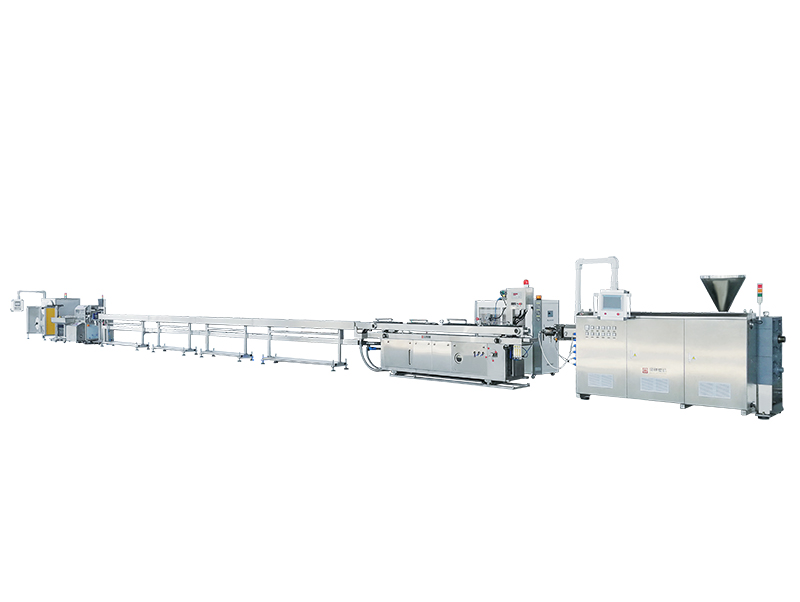
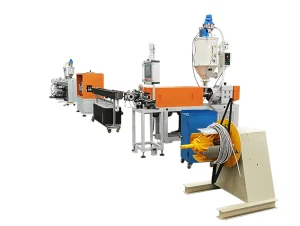
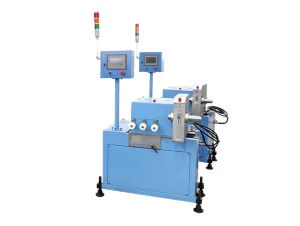
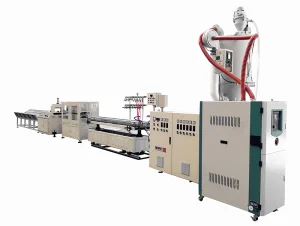
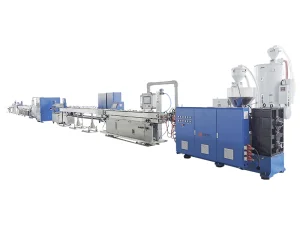
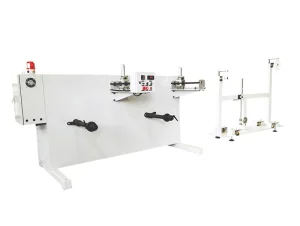
In the highly regulated arena of medical device manufacturing, the demand for precision-engineered tubing has experienced exponential growth. Polyethylene (PE), specifically High-Density Polyethylene (HDPE), Low-Density Polyethylene (LDPE), and Ultra-High-Molecular-Weight Polyethylene (UHMWPE), stands out as a material of choice due to its chemical inertness, biocompatibility, low friction coefficients, and structural reliability. Implementing a custom PE medical tube extrusion line is crucial for production facilities seeking to supply critical components like micro-bore IV catheters, diagnostic tubing, balloon catheter shafts, and multi-lumen endoscopic conduits.
The global shift towards minimally invasive surgeries has forced medical device designers to specify tubes with thinner walls and increasingly complex profiles. Extruding medical-grade PE at tolerances of ±0.01 mm requires highly optimized manufacturing equipment. It is no longer just about standard melting and shaping; it requires deep integration of thermal rheology control, high-resolution closed-loop measurement, dynamic vacuum calibration, and highly stabilized pulling speed.
As catheters probe deeper into coronary and cerebral vasculatures, wall thicknesses are shrinking below 0.05 mm. Custom extruders must prevent melt polymer degradation and guarantee uniform shear stress distribution to eliminate internal stress concentrations.
Modern ISO Class 7/8 cleanrooms demand compact, highly modular extrusion lines. Minimizing physical footprint while eliminating oil mist, particulate shedding, and thermal radiation is a key focal point for global design engineers.
Multilayer architectures (e.g., HDPE core with soft TPU outer skin and hydrophilic coatings) allow developers to balance column strength, pushability, kink resistance, and biocompatibility in a single composite pipe profile.
Purchasing managers and validation engineers from top-tier medical device manufacturers in North America, Europe, and Asia face complex challenges when sourcing custom extrusion machinery. The stakes are incredibly high: a variance of 5 microns in a catheter wall can lead to failure during a critical interventional cardiology procedure.
A major procurement challenge is finding manufacturers capable of delivering system stability that conforms to rigorous IQ/OQ/PQ validation processes. The equipment must produce consistently across long production runs without drift in dimensions. In addition, integration with industrial communication protocols (such as OPC UA) is now mandatory for real-time trace data storage, enabling manufacturers to log extrusion parameters for every millimeter of tubing produced.
| Procurement Requirement | Technical Bottleneck | Baod Extrusion Custom Solution |
|---|---|---|
| Ultra-Precise Tolerance (±0.01-0.02mm) | Melt pressure oscillation & raw material batch fluctuations. | Closed-loop feedback control tying laser diameter gauges to extruder RPM and puller tension. |
| Cleanroom Compatibility (ISO Class 8) | Oil leaks, static charge buildup, and carbon dust from standard motors. | Stainless steel structure, direct-drive PMSM motors, and specialized particulate capture systems. |
| Material Versatility (HDPE, LDPE, UHMWPE) | Vastly different polymer melt indexes and high viscosity (UHMWPE). | Custom-designed barrier screws with L/D ratios optimized for low-temperature, high-torque plasticization. |
| High Line Speed Output | Wall thinning, cooling capacity failure, and high water drag. | High-speed vacuum sizing tables with integrated micro-adjustments and dual-chamber vacuum systems. |
As global logistics face shifting geopolitical paradigms, Chinese high-end equipment manufacturers have evolved from simple machinery suppliers into strategic technology partners. Under the banners of automation, digitalization, and localized engineering expertise, Jiangsu Baodie Automation Equipment Co., Ltd. (BAOD EXTRUSION) has become an industry pioneer.
With a 16,000m² specialized production plant and more than 100 experienced professionals, BAOD integrates Taiwanese high-precision machine building heritage (originally rooted in KINGSWEL GROUP Shanghai since 1999) with modern Industrial IoT solutions. The result is a cost-effective, high-reliability platform that delivers European-level manufacturing standards at a competitive cost structure. This enables global manufacturers to rapidly scale up cleanroom production lines while maintaining strict compliance with FDA and CE criteria.
Extruded from HDPE or LDPE to provide optimal stiffness, pushability, and tracking force. These tubes form the structural backbone of complex guide catheters and introducer sheaths used in neurovascular interventional access systems.
Integrating 2 to 7 parallel channels within a single sub-millimeter outer diameter. Crucial for advanced endoscopy, anesthesia delivery, and dynamic fluid flushing applications where cross-contamination between lumens must be completely prevented.
High-wear orthotic parts and surgical implant components require precise, stress-free profile extrusion. These profiles must be free of voiding and internal crystal defects, retaining maximum mechanical properties of the ultra-high molecular weight polymer.
Melt fracture, commonly called "sharkskin," is caused by high shear stress at the die exit. In our custom medical extrusion lines, we address this through three main factors: optimizing the screw shear geometry to lower melt pressure fluctuations, utilizing dedicated die land designs with chrome/nickel mirror-plated flow channels, and integrating precise heating zones to carefully regulate the die tip temperature. These optimizations keep surface roughness (Ra) below 0.1 microns.
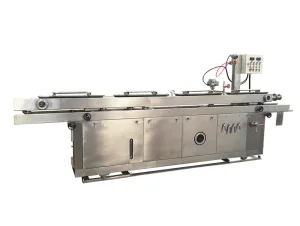
Once medical PE leaves the die, it is highly sensitive to gravity and water pressure fluctuations. The vacuum calibration system acts as the sizing guide. By maintaining negative pressure inside the closed sizing chamber, we force the soft tube to hug the calibration sleeve. Our systems feature closed-loop vacuum control valves with micro-actuators that adapt dynamically to maintain uniform outer diameter sizing to within microns.
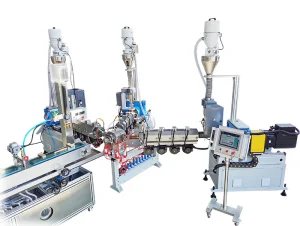
Our co-extrusion crossheads are engineered with CFD-modeled melt distribution channels. This permits distinct extruders (for example, one processing PE for chemical resistance and another processing TPU for flexibility) to feed a single die head. The polymer melt streams meet just before the die land, fusing together under high pressure to create a strong mechanical bond without the need for adhesives.
We provide full verification documentation, supporting the standard Installation Qualification (IQ) and Operational Qualification (OQ). Our control systems integrate with industrial networks, allowing automated audit trails, recipe management, and process variable data-logging to ensure full traceability under CFR Title 21 Part 11.
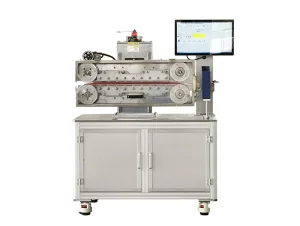
The puller must maintain a highly consistent linear speed. Any micro-slippage or speed variation directly impacts the wall thickness (causing a wave effect). Our TKB series precision belt pullers utilize high-dynamic servo motors paired with high-precision gearboxes. They run on a closed-loop encoder feedback cycle, eliminating speed fluctuations down to less than 0.05% of the target speed.
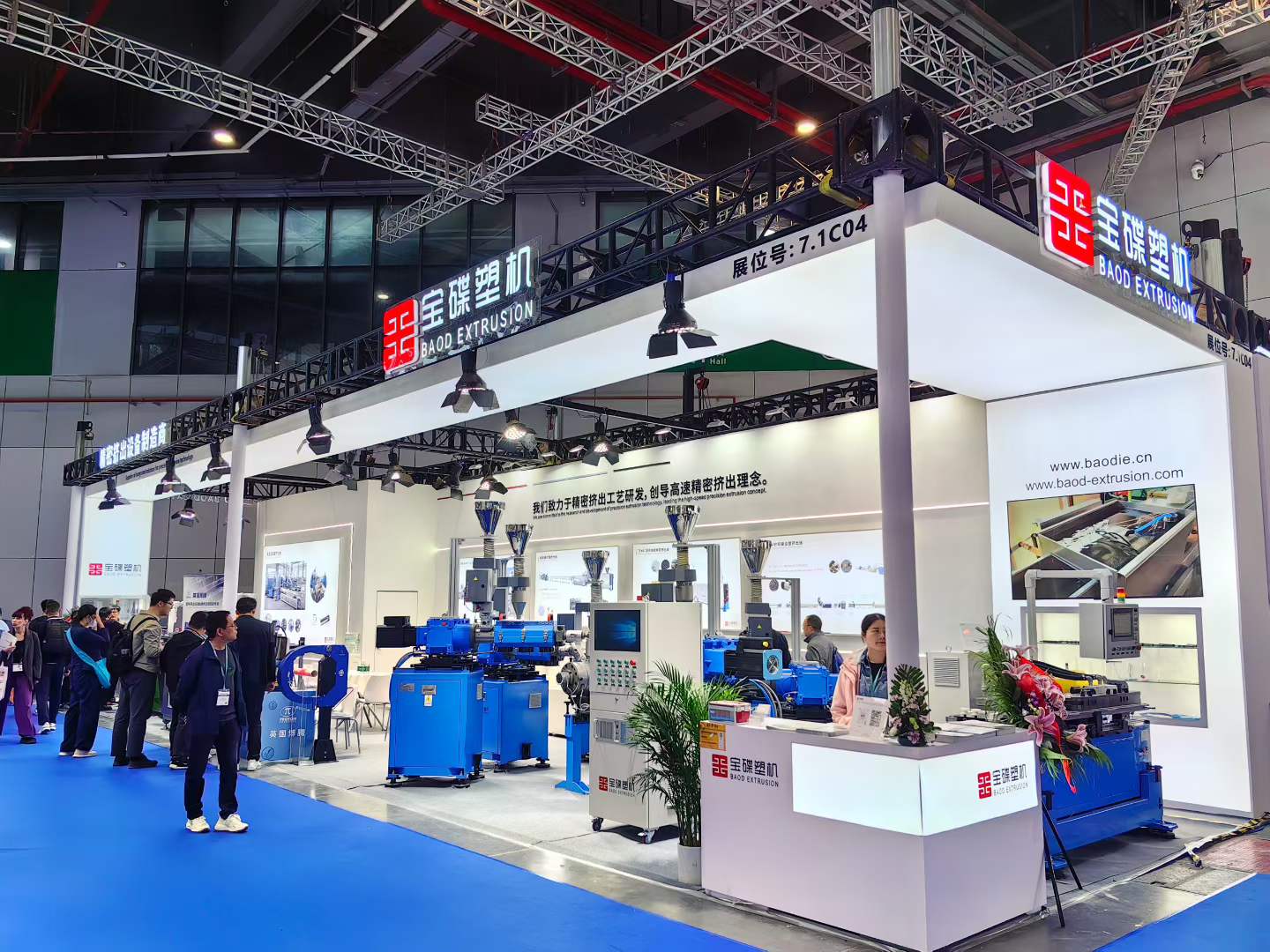
BAOD EXTRUSION showcased its latest R&D achievements at Booth 7.1C04, presenting "Smart Extrusion · High-Efficiency Innovation" solutions that address precision manufacturing challenges.
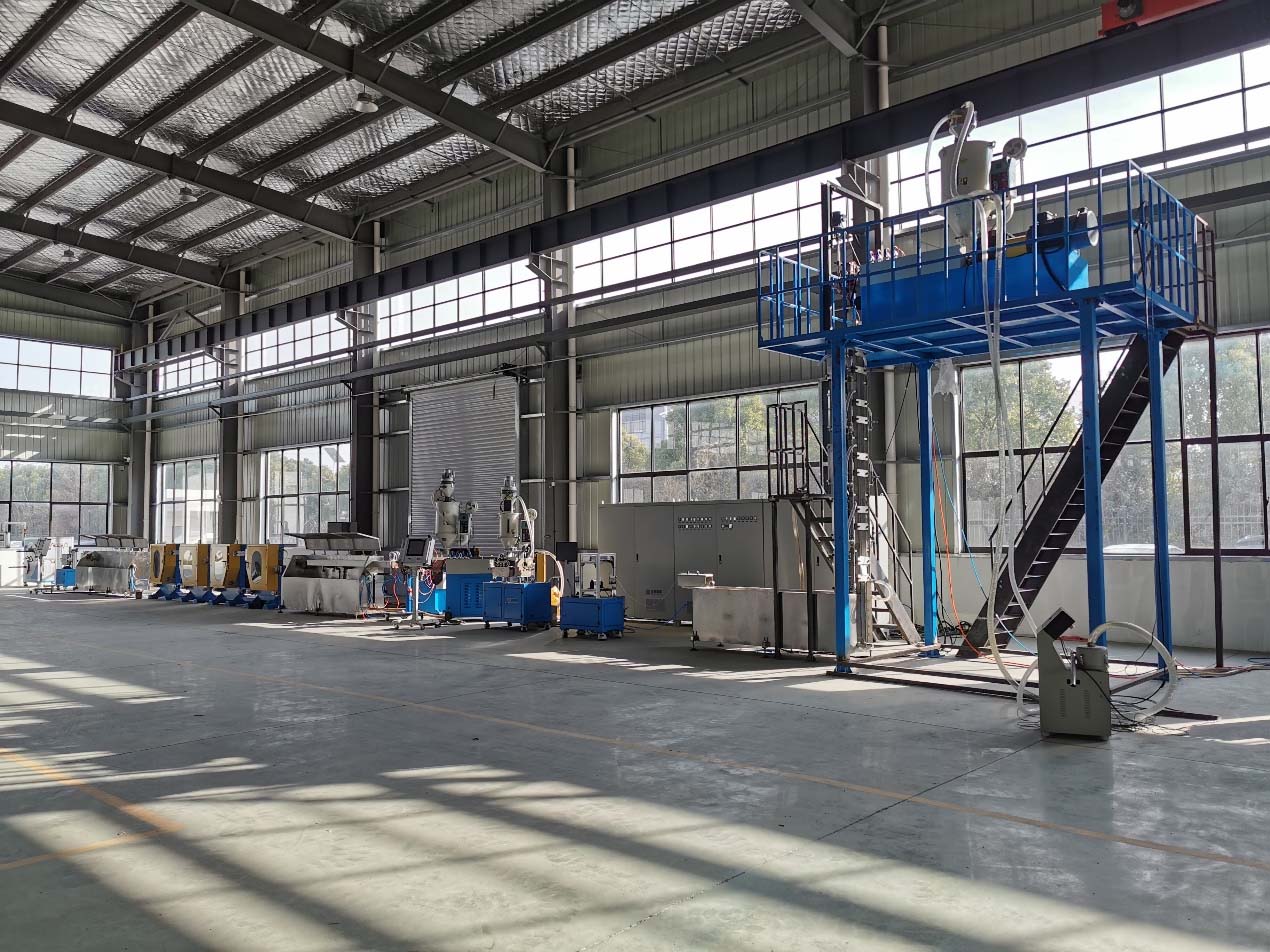
In the controlled environment of a modern industrial facility, a single, hair-thin plastic tube wound onto a reel might seem unremarkable, but it represents the peak of customized high-speed extrusion engineering.
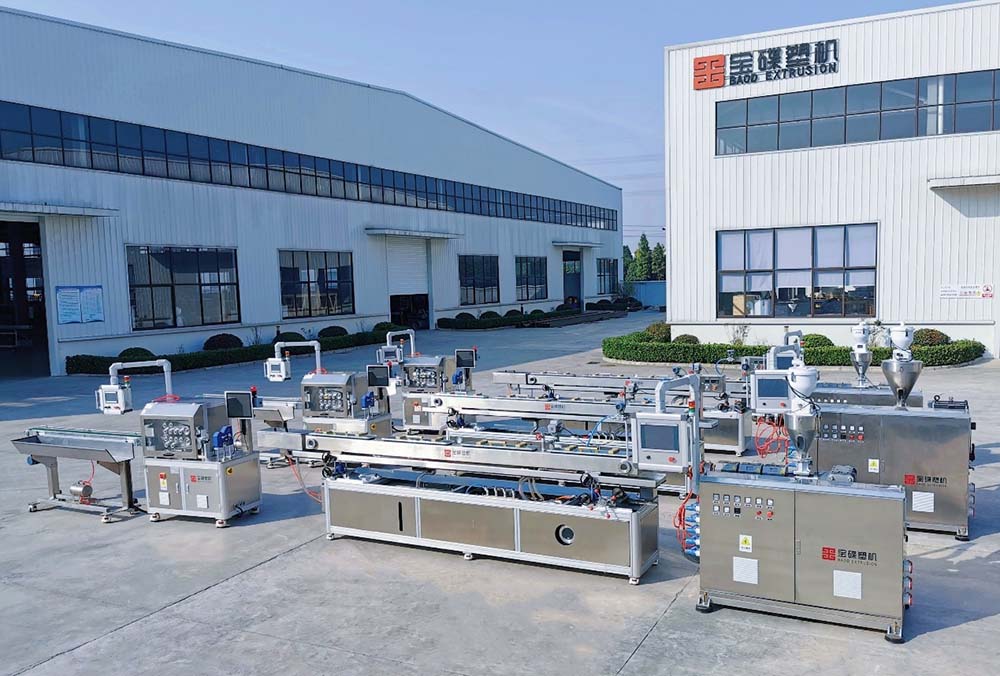
In the sterile, quiet environment of a modern medical facility, a clinician prepares a complex catheter. Learn how BAOD achieves European standards in multi-lumen output.
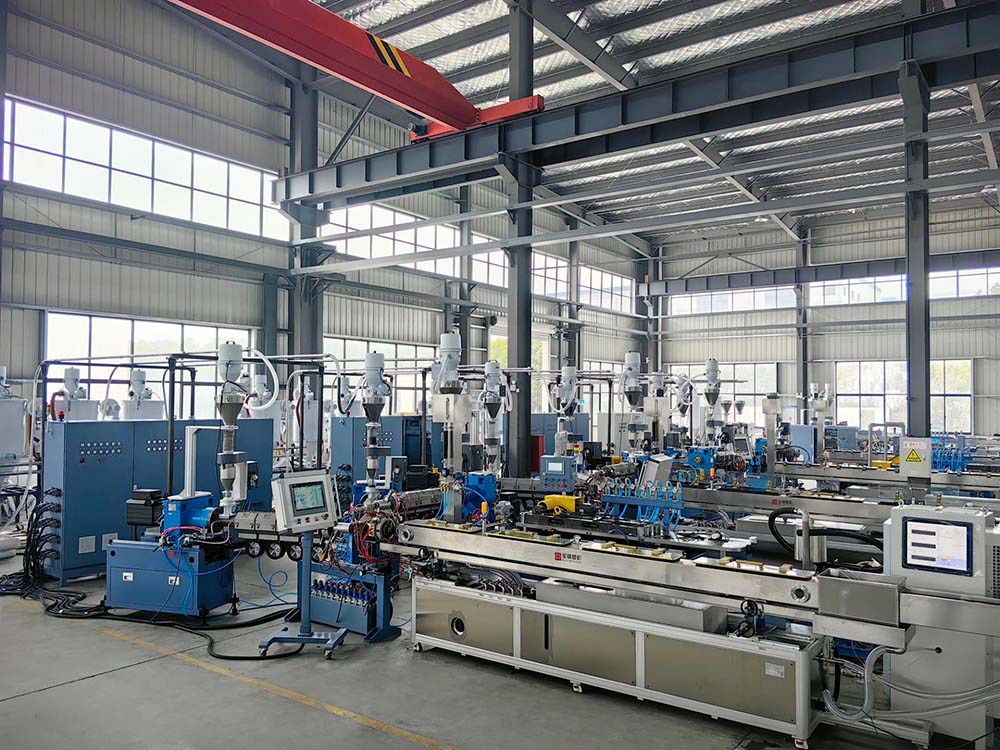
Discover how BAOD ensures high-precision standards for automotive fluid transfer tubes, matching top international quality frameworks.
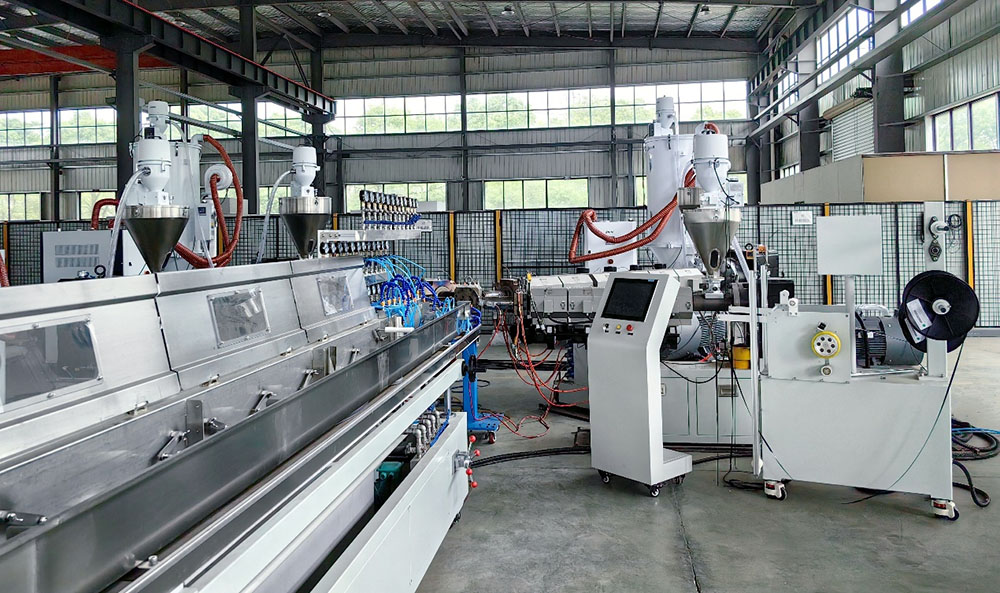
Exploring 2026 industry trends in highly automated sealing strip systems designed for electric vehicles and architectural insulation.
BAOD EXTRUSION (Jiangsu Baodie Automation Equipment Co., Ltd.), founded in 2002, is dedicated to designing, manufacturing, and sales of high-performance plastic extrusion equipment. Based on 18 years of design and fabrication experience in Taiwan, our original parent company (KINGSWEL GROUP) invested in establishing our primary manufacturing base in Shanghai in 1999.
With 25 years of specialized design and manufacturing experience, our research and development remains focused on precision extrusion technology, high-efficiency machinery, advanced process automation, and equipment safety systems. Our custom configurations are trusted by medical, automotive, and industrial firms worldwide.
 Baodie