Explore our advanced precision sizing, cutting, and extrusion equipment customized for critical industrial setups.
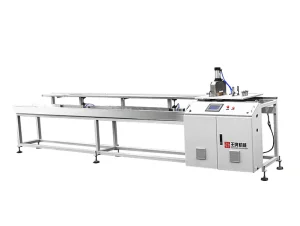
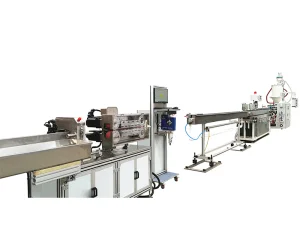
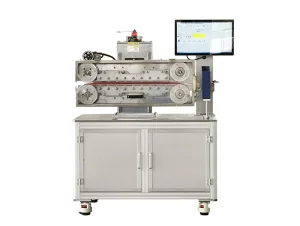
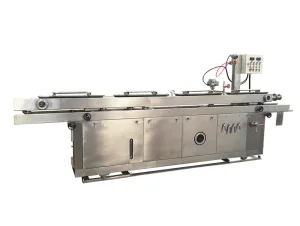
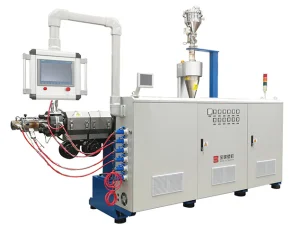
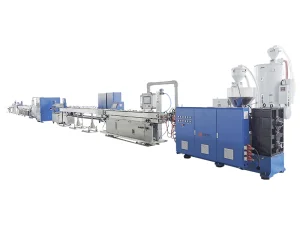
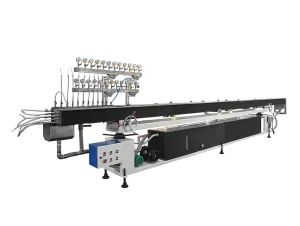
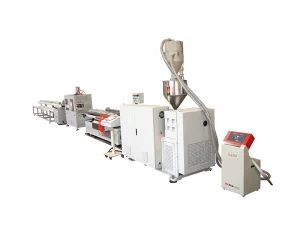
Founded in 2002, BAOD EXTRUSION (Jiangsu Baodie Automation Equipment Co., Ltd.) has dedicated over two decades to the design, manufacturing, and global sales of premium plastic extrusion equipment. Driven by our roots in high-performance engineering from the Kingswel Group (established in Taiwan and expanded to Shanghai in 1999), BAOD has emerged as an industry leader in high-precision extrusion technologies.
Our strategic focus centers on precision medicine and advanced industrial solutions. We develop and optimize precision medical extrusion lines designed to process complex micro-bore tubes, single-lumen catheters, and sophisticated multi-lumen tubing options that form the critical backbone of today's minimally invasive surgery (MIS) therapies.
Core Engineering Focus & R&D Priorities:
We deploy ultra-precise tooling and vacuum calibration techniques to yield tight-tolerance tubes, meeting the strict demands of European and American medical device giants.
Capable of processing critical polymers including TPU (polyurethane), Pebax, FEP, PTFE, PEEK, and medical-grade PVC, matching diverse clinical requirements.
Multi-lumen tubing is an engineering masterpiece of modern clinical science. Unlike standard single-channel tubes, a multi-lumen tube contains multiple separate passages (lumens) running parallel down the length of a single outer tube wall. This complex configuration allows interventional cardiologists and surgeons to perform multiple tasks simultaneously—such as inflating balloons, delivering medication, passing guide-wires, flushing fluids, or running fiber-optic cameras—all within a single micro-diameter catheter shaft.
Developing these multi-lumen structures requires exceptional precision in tool-and-die design, polymer rheology, and real-time process monitoring. The extrusion must occur within tight tolerances, where deviations of even a few microns can lead to lumen collapse, wall-thickness variations, or material failure inside the patient.
Multi-lumen configurations range from simple double-lumen styles to ultra-complex, asymmetrical 9-lumen geometries, requiring individual air pressure controls for each path.
Using co-extruded elements or composite braided layers, manufacturers ensure high torque transmission and kink resistance, preventing channel blockage.
Critical polymers are chosen based on biocompatibility, lubricity, hardness, and thermal profile to optimize the extrusion line parameters.
The global medical device market is shifting towards increasingly localized and minimally invasive medical interventions. Catheter-based procedures in structural heart therapies, neurovascular intervention, and oncology demand increasingly thin-walled, multi-lumen tubes. Below, we examine the trends driving this industry:
Surgeons require smaller device access points to reduce patient recovery times. Consequently, multi-lumen tubes must feature walls as thin as 0.05 mm while maintaining structural integrity. Sourcing departments prioritize manufacturers that leverage advanced automated vacuum sizing systems and gravimetric controls to guarantee absolute wall uniformity.
A key trend involves combining multiple durometers (hardness levels) along the length of a single tube or adding radiopaque stripes for visibility under X-ray imaging. This requires dual-extruder or multi-extruder systems feeding into a single, high-precision crosshead die. Sourcing agents seek factories with experienced tooling teams capable of fluid-flow simulation.
Under the EU Medical Device Regulation (MDR) and US FDA guidelines, medical device OEMs must secure complete traceability of all raw materials and manufacturing machinery. Companies look for partners operating ISO Class 7/8 cleanrooms, employing statistical process control (SPC), and utilizing reliable machinery with automated recipe management.
With environmental policies tightening around fluoropolymers, medical brands are exploring next-generation TPU composites and specialty polyolefins. The flexibility of extrusion lines to adapt quickly to new, challenging materials with complex melting temperatures is a critical asset.
The Chinese manufacturing ecosystem has evolved from a high-volume assembly base into an epicenter of intelligent, high-precision automation. By integrating Industry 4.0 principles, BAOD EXTRUSION provides robust medical tubing solutions characterized by unmatched efficiency and repeatability:
Our extrusion lines feature integrated online laser diameter measuring devices. Data is continuously fed back to the puller and extruder to adjust speeds dynamically.
Using HMI interfaces with PLC systems, operators monitor melt pressure, temperature curves, and energy consumption, securing optimal repeatability.
Comprehensive operational data logging enables manufacturers to download batch profiles, complying with global medical validation standards (IQ/OQ/PQ).
| Material Type | Common Applications | Processing Temperature (°C) | Key Process Focus |
|---|---|---|---|
| Pebax® / TPU | Cardiovascular shafts, steerable catheters | 170 - 210 | Moisture control, precise temperature regulation, accurate sizing under tension. |
| Medical Grade PVC | IV administration, fluid drainage, oxygen therapy | 160 - 190 | Plasticizer stability, high speed cooling, and shear stress reduction. |
| FEP / PTFE | Endoscopic liners, low friction channels | 320 - 380 | High corrosion resistance of screws/barrels, specialized hot runner dies. |
| HDPE / LDPE | Diagnostic catheters, guide-wires outer jacket | 180 - 230 | Shrinkage management, high crystallization, precise vacuum calibration. |
Jiangsu Baodie Automation Equipment Co., Ltd. designs extrusion setups optimized for specific clinical environments. Every system is built around performance, reliability, and precision:
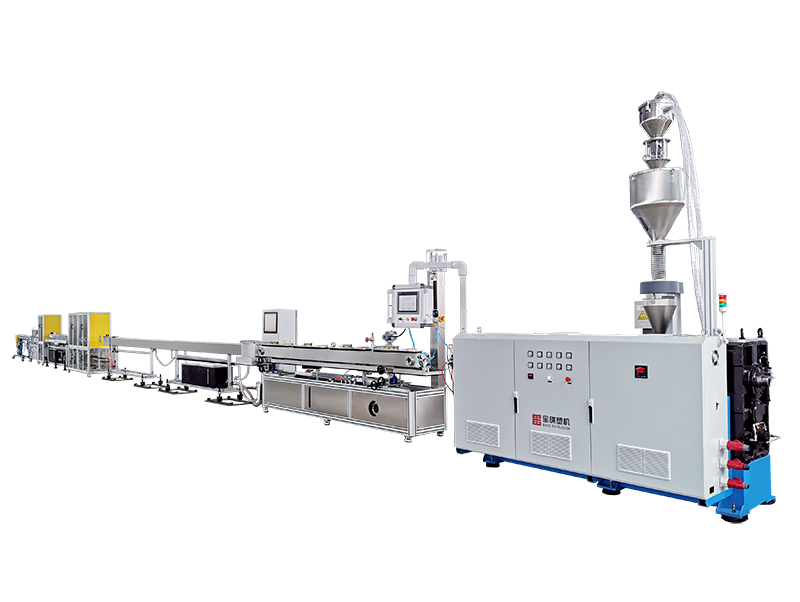
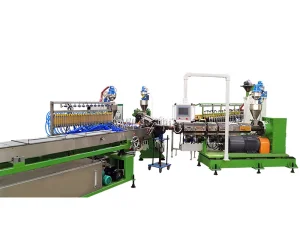
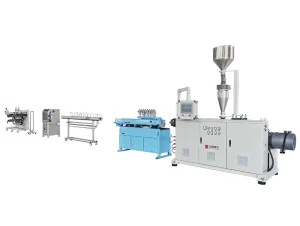
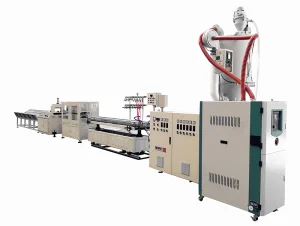
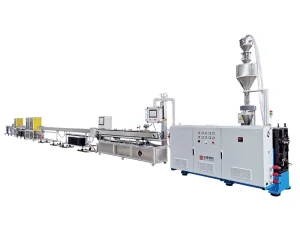
Engineered specifically for micro-bore, medical-grade tubes. This line guarantees ultra-low tolerance levels and maintains stable melt output under continuous operation.
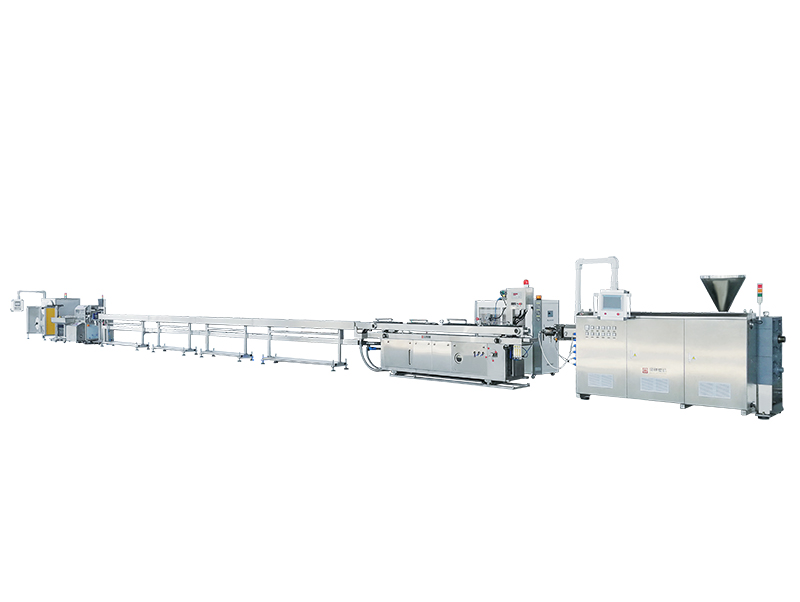
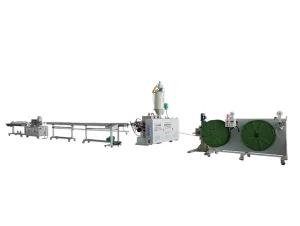
Optimized for high-yield throughput without compromising product roundness and wall consistency. Fully integrated with automated cutting systems.
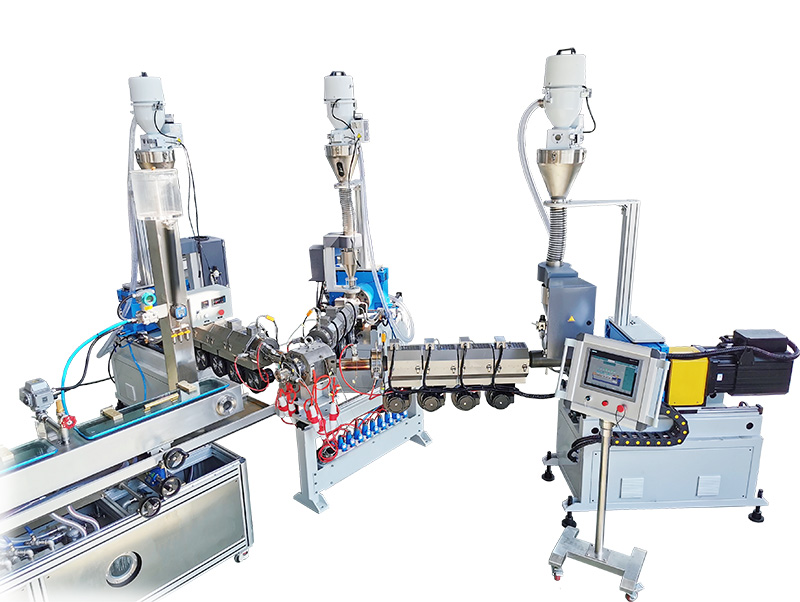
Capable of producing multi-layer hoses with different properties per layer (e.g., barrier layers or anti-friction liners) in smooth or corrugated profiles.
As a trusted medical manufacturing partner, we address critical engineering and sourcing questions regarding multi-lumen custom extrusion designs:
The main parameters include die concentricity, air flow pressure regulation inside each lumen, take-off puller speed stability, and polymer viscosity index. Our state-of-the-art SJ single screw extruders use micro-fine pressure regulation valves and dynamic vacuum calibration to control the internal lumen shapes within a tolerance range of ±0.01 mm to ±0.02 mm.
Lumen deformation is prevented using specialized vacuum calibration techniques. Precise, low-pressure air is continuously injected into each individual lumen while the tube enters the water-bath cooling tanks. This pressure balances the external vacuum, ensuring the tube retains its round or complex geometry without collapsing or distorting.
Yes. While BAOD manufactures the extrusion line machinery, we design the polymer flow channels (including the feed throat, screw, barrel, and extrusion crosshead) using medical-grade SUS316L, titanium alloys, or specialized tool steel. This prevents contamination, ensuring the final extruded tubes satisfy FDA and USP Class VI medical compliance standards.
Yes, our high-end PLC control panels support custom programmable recipes. Through servo-controlled tooling valves, the extrusion line can adjust the internal core pins and air pressure dynamically, enabling specialized catheter shafts that require variable geometry profiles along their physical length.
Stay informed with the latest updates on advanced extrusion line development, global expos, and manufacturing technology breakthroughs.
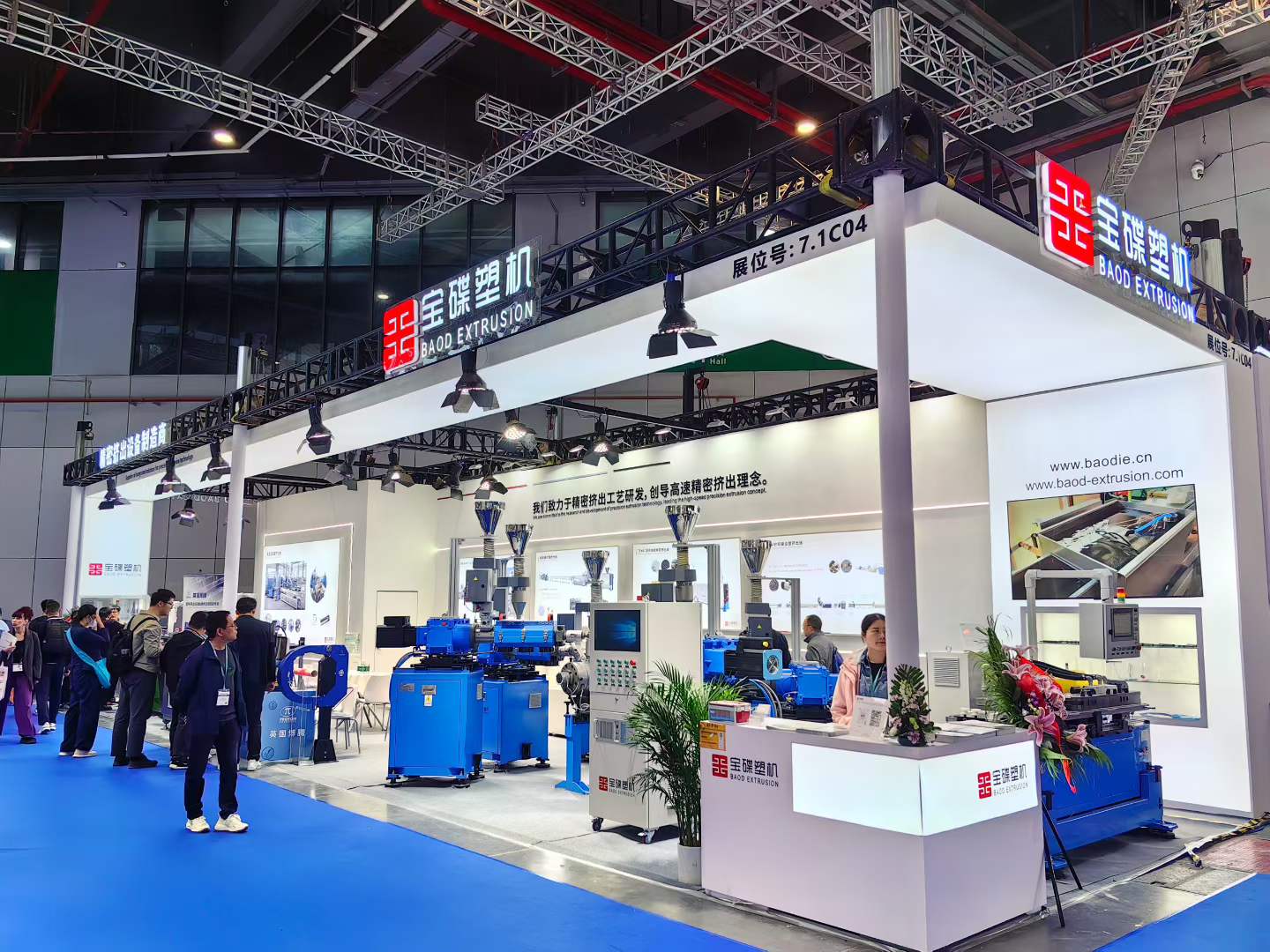
BAOD EXTRUSION presented "Smart Extrusion & High-Efficiency Innovation" solutions at Booth 7.1C04, driving advanced process optimization for industrial and automotive applications.
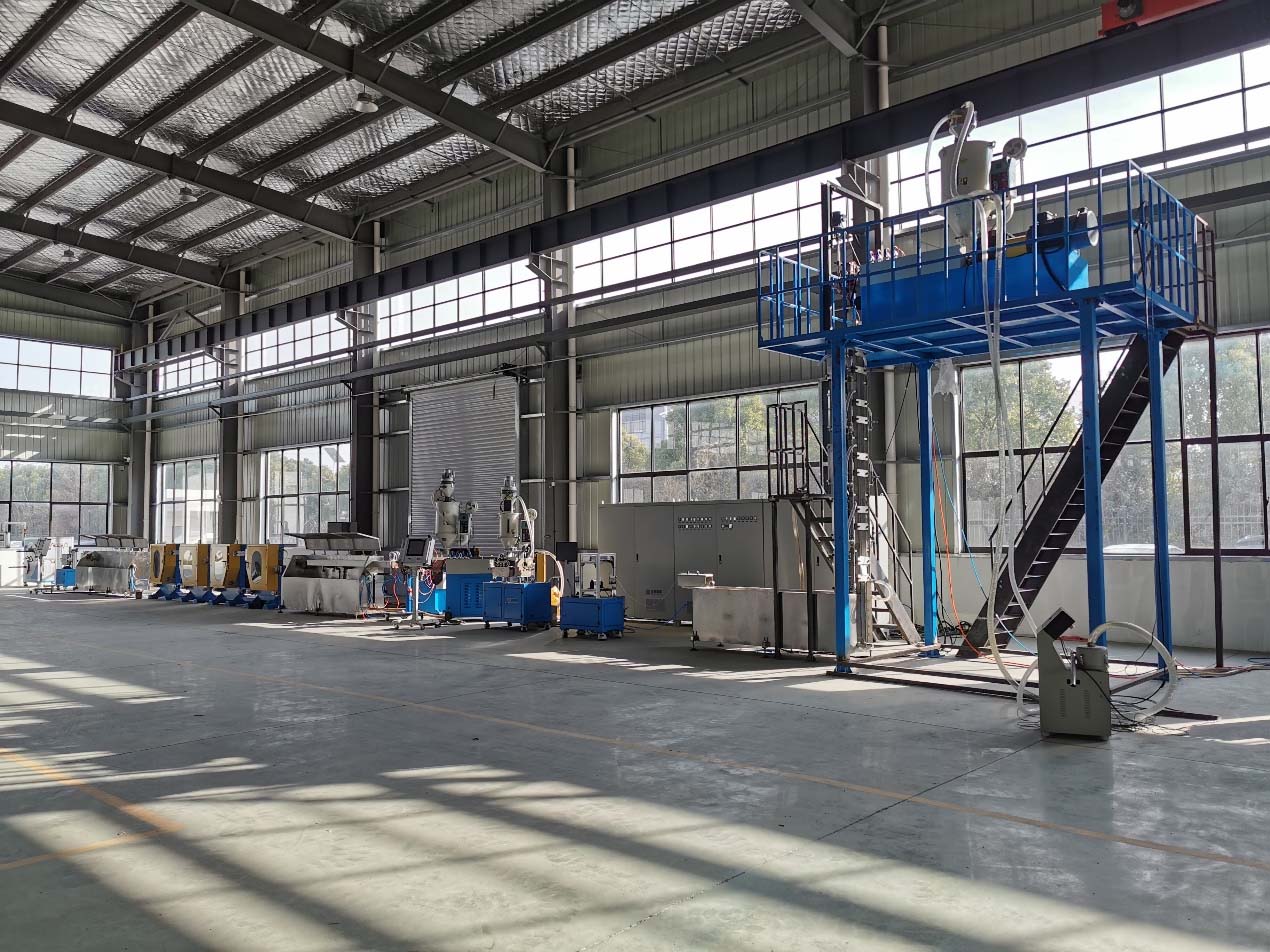
Discover how we develop custom, high-precision detonating tubes for mining and infrastructure projects requiring zero failure tolerances.
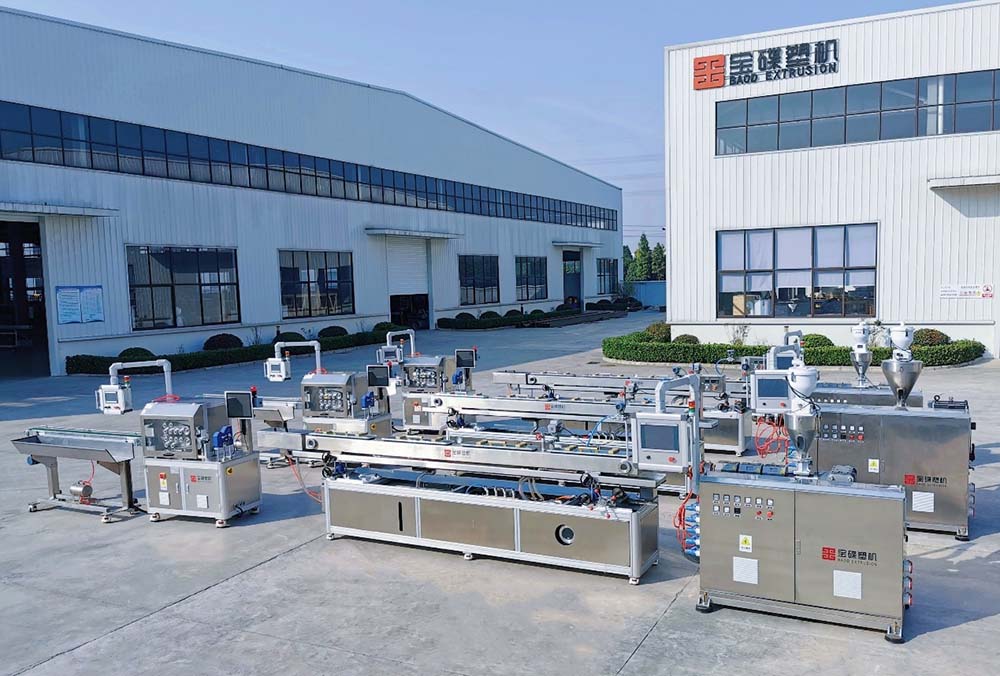
A detailed comparison highlighting how China-based automated lines are meeting or exceeding European precision benchmarks in catheter tubing manufacturing.
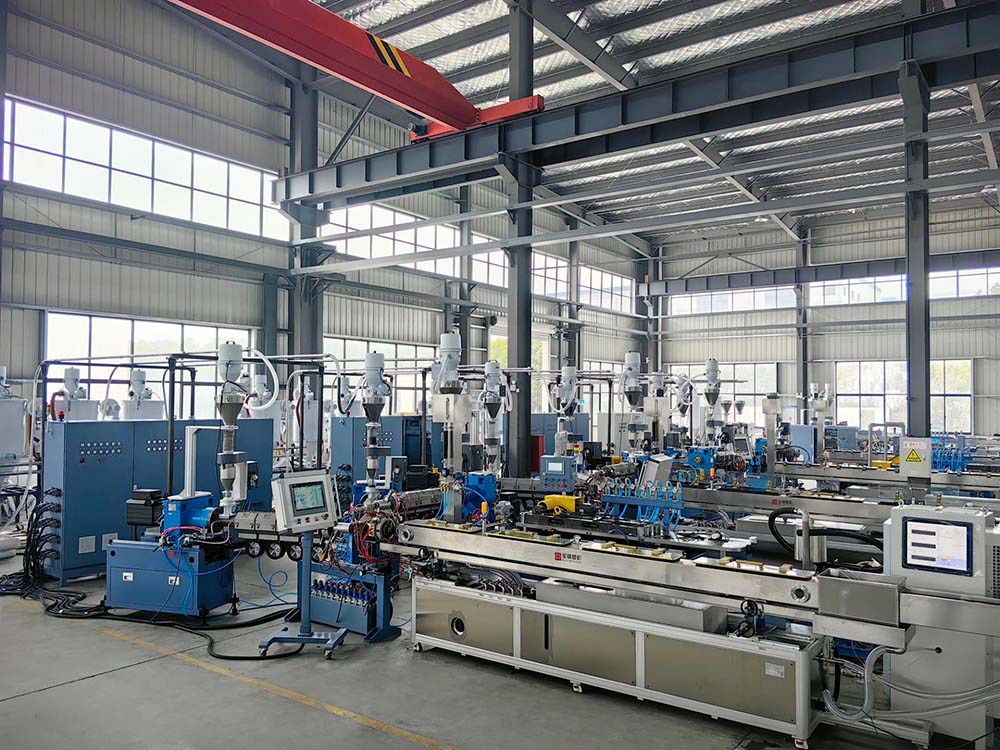
A deep dive into regulatory compliance, safety testing, and automated tracking systems deployed across automotive hose manufacture.
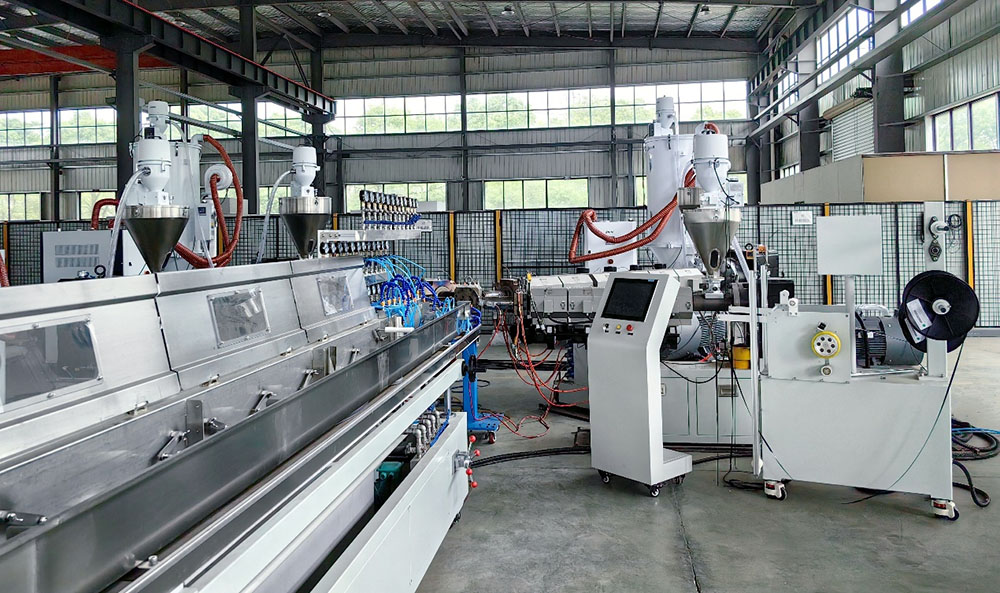
Reviewing structural automotive sealing profiles, co-extrusion technology, and how EV demands are reshaping the strip design landscape.
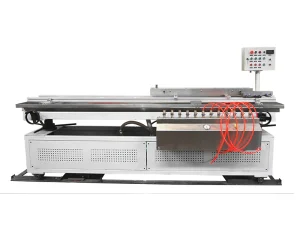
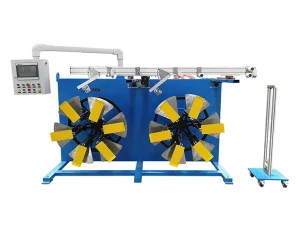
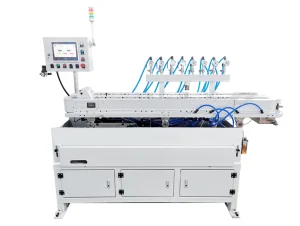
Our comprehensive line of high-speed pullers, vacuum tables, winding coilers, and forming systems.
 Baodie