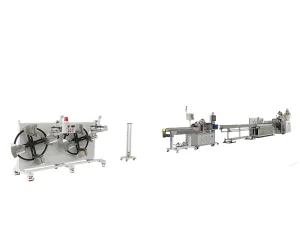
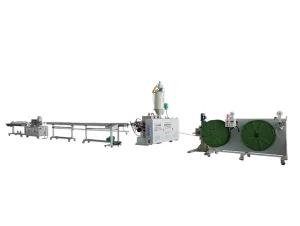
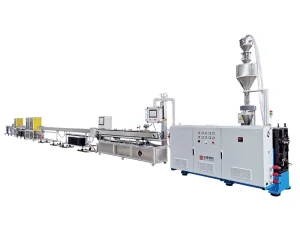
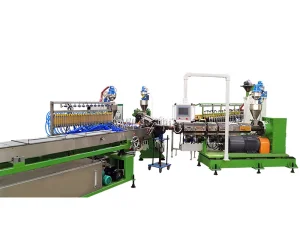
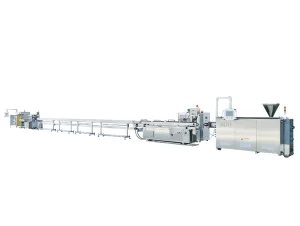
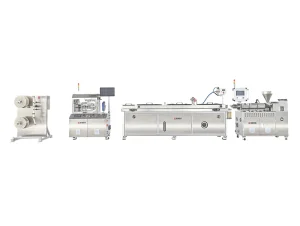
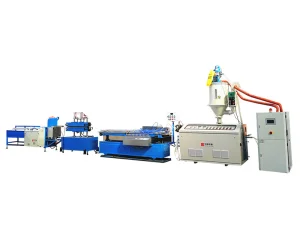
Explore our state-of-the-art engineering systems designed for high-tolerance tube, profile, and composite materials extrusion.
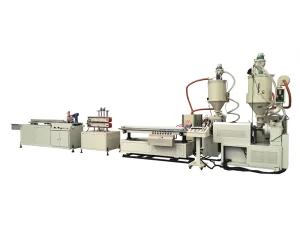
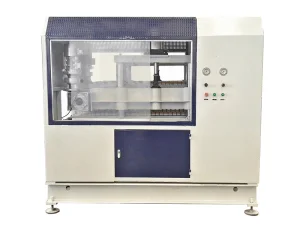
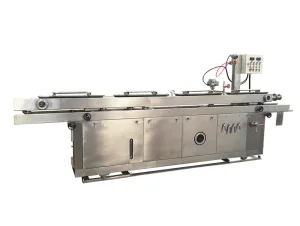
BAOD EXTRUSION (Jiangsu Baodie Automation Equipment Co., Ltd.), established in 2002, is a premier designer, manufacturer, and global exporter of high-precision plastic extrusion equipment. Our deep engineering heritage traces back to 1999 when our parent group, KINGSWEL GROUP, leveraged 18 years of high-performance Taiwanese design and fabrication principles to set up our core manufacturing hub in Shanghai.
With an unwavering focus on technological advancement, BAOD has spent decades optimizing precision melt controls, energy-efficient processing, automation systems, and failsafe operator safety protections. By designing custom solutions for complex engineering plastics, we enable manufacturers around the globe to meet the most stringent specifications required by modern automotive, medical, and industrial sectors.
Synthetic monofilaments represent a vital segment of the global polymer processing industry. Unlike multi-filaments or staple fibers, a monofilament is a single, continuous strand of polymer extruded through a spinneret, cooled, and subsequently stretched to align its molecular structure. Today, the global monofilament market is undergoing a significant transition, driven by material science breakthroughs, eco-friendly imperatives, and high-performance applications across agriculture, shipping, healthcare, and advanced manufacturing.
In terms of production capacity, key manufacturing clusters in East Asia, Europe, and North America are transitioning from basic commodities (such as low-cost PE fishing lines) to high-margin, engineered monofilaments utilizing PA66, PET, PVDF, PEEK, and PPS. These materials find critical applications in paper-machine clothing (PMC), architectural membranes, industrial filtration fabrics, medical grade sutures, and 3D printing filaments. As industrial buyers demand lower diameter variations (typically under ±0.01mm) and higher tensile strengths, the reliance on advanced, automated monofilament extruder machines has never been higher.
“Industry 4.0 integration in monofilament extrusion is not just about automation; it is about real-time viscosity tracking, closed-loop tension control, and dynamic heat-setting adjustments that guarantee product consistency over millions of meters.”
Furthermore, regional shifts show that while North America and Europe continue to dominate high-spec applications like surgical sutures and aerospace protective sleeving, developing industrial hubs in Southeast Asia and Latin America are rapidly upgrading their extrusion lines. Manufacturers in these areas seek custom machinery that offers dual benefits: high throughput to lower operational expenses (OPEX) and modular design to switch processing materials with minimal downtime.
We address key manufacturing challenges through advanced mechanical design and intelligent process control systems.
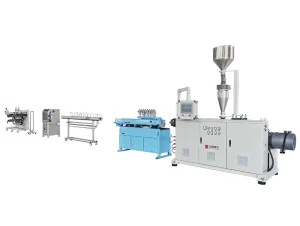
Our extruders integrate high-torque AC servo drives, highly efficient L/D ratio screws (typically 28:1 or 30:1), and custom melt pumps. This layout guarantees pressure stability within ±0.5 bar, minimizing diameter fluctuations at high production speeds.
Multi-zone ceramic heating bands coupled with high-efficiency cooling fans maintain precision temperatures across the barrel. Quenching tanks utilize water temperature controls with variations kept under ±0.2°C to prevent crystalline structure defects.
Advanced drawing units (Godets) with heated rolls feature individual motor controls and synchronized speed regulation, allowing operators to fine-tune raw polymer orientation and maximize tensile properties.
Different regions and markets demand localized configurations to support their processing plants. To accommodate these differences, BAOD customizes extrusion setups according to mechanical requirements, floor space, raw materials availability, and regional power supplies.
Developed specifically for coastal regions and intensive agricultural zones. These monofilaments require high ultraviolet (UV) stabilization and extreme tensile strength. Our co-extrusion technologies allow for the infusion of specialized UV inhibitors in the outer sheath of the filament while retaining a tough polymer core, lowering chemical additive costs.
Surgical sutures (often composed of PLA, PGA, or medical-grade nylon) demand strict cleanroom configurations. BAOD medical-grade lines feature stainless-steel structural elements, oil-free cooling chambers, and integrated laser measurement devices that continuously verify tolerances, logging the production data to ensure full compliance with FDA and CE medical standards.
Heavy duty filtration applications require high dimensional stability under varying temperatures. By deploying high-accuracy drawing ovens and multi-zone annealing systems, our monofilaments remain completely straight and dimensionally stable, eliminating shrinkage issues during downstream weaving processes.
With the expansion of 3D printing, the demand for precision filament (PLA, ABS, PETG, PEEK) has surged. Out-of-roundness or diameter variations can jam printer nozzles. Our customized extrusion lines solve this issue using dual-axis laser diameter monitoring gauges that communicate directly with the puller speed control system, ensuring circularity within 0.02 mm.
The next decade of monofilament extrusion is defined by three main pillars: circular economy compatibility, smart sensory feedback, and hyper-speed processing. Our research and development roadmap focuses on integrating advanced sensors along the entire melt channel, allowing the extrusion control system to adapt on-the-fly to varying melt viscosities caused by recycled polymer flake blends (e.g., rPET, rPA).
Additionally, we are exploring cloud-connected manufacturing paradigms where equipment performance can be monitored remotely. Machine learning algorithms analyze wear patterns on the screw and barrel, notifying facility managers of necessary maintenance periods before any operational downtime occurs. This proactive approach significantly increases overall equipment effectiveness (OEE) for continuous industrial plants.
Discover how our research team is driving innovations in precision tube, automotive sealing, and medical extrusion technologies worldwide.
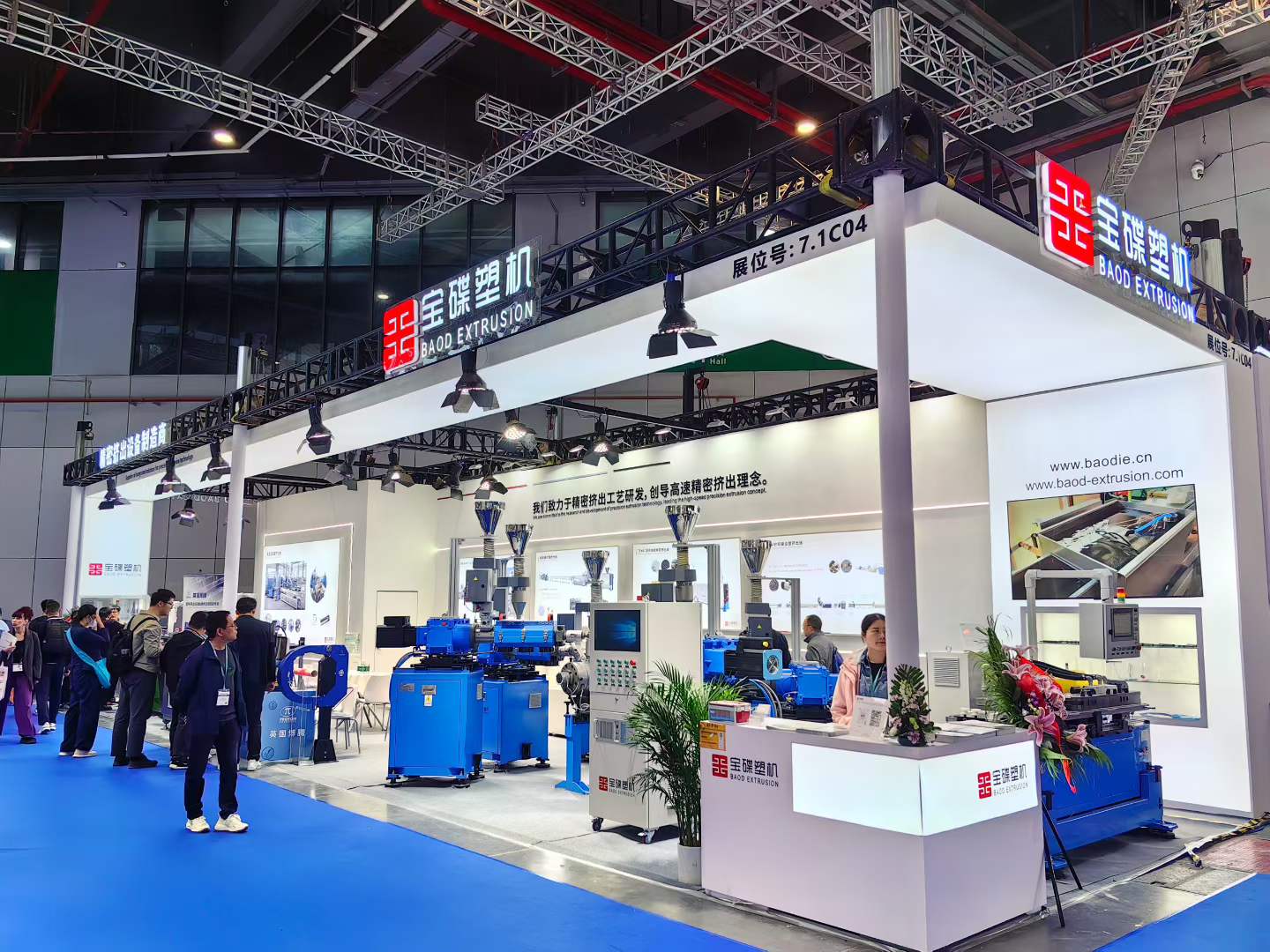
BAOD showcased its latest R&D achievements at Booth 7.1C04, presenting “Smart Extrusion · High-Efficiency Innovation” solutions designed for advanced manufacturing.
Read Article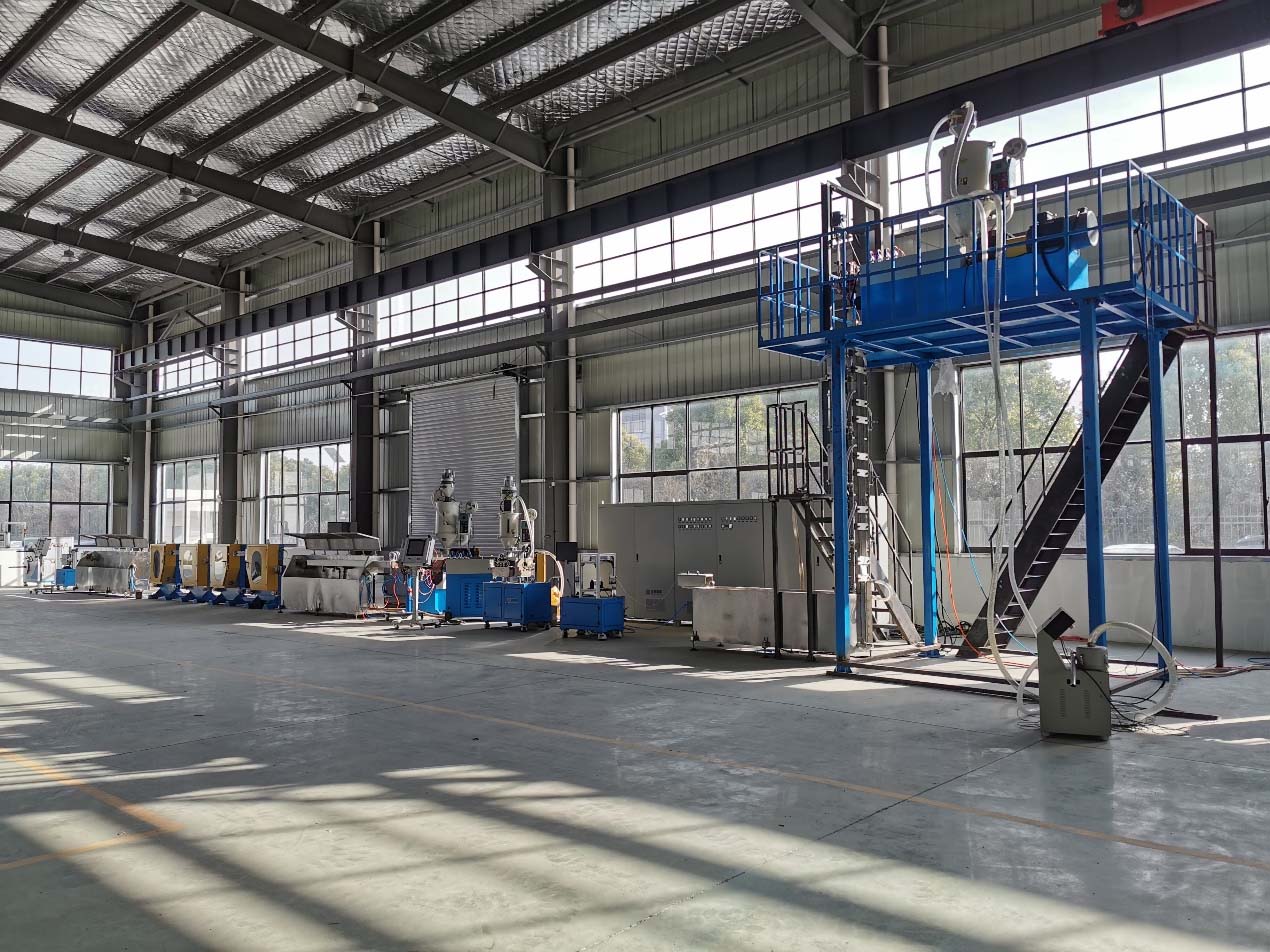
In sectors ranging from mining to infrastructure demolition, the precision of shock tubing is paramount. Explore our specialized, high-security production technologies.
Read Article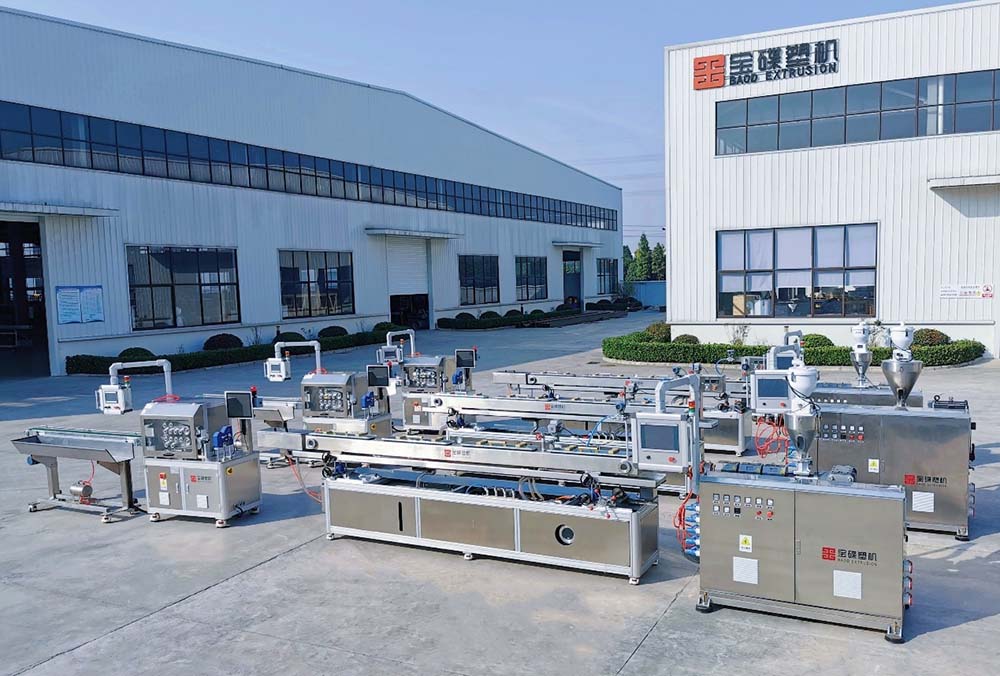
Delve into a technical comparison between European manufacturing rules and Chinese precision engineering for medical catheters featuring multiple micro-lumens.
Read Article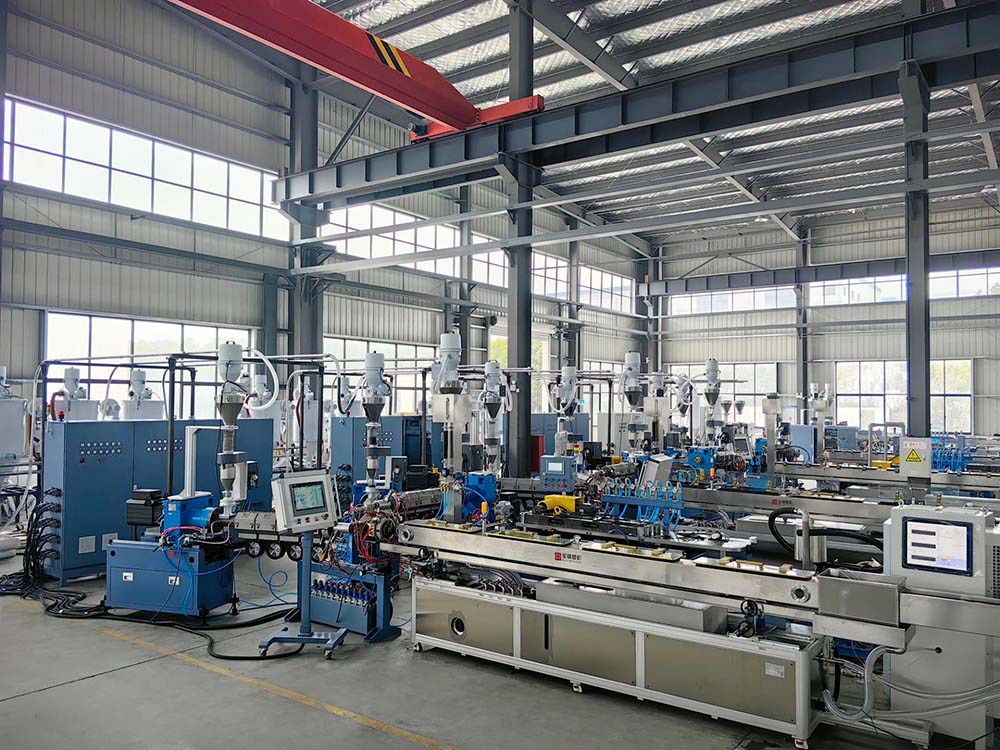
With the automotive shift towards electric drivetrains, precision small-diameter tubing must meet rigorous pressure, thermal, and chemical stress profiles.
Read Article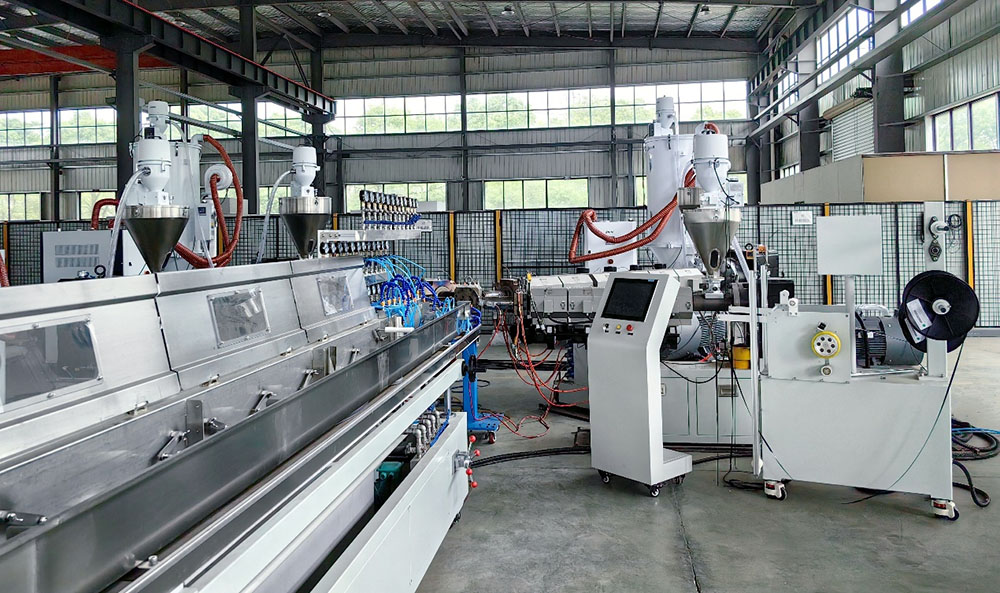
Learn how modern aerodynamics and electric vehicle noise dampening targets are altering the profiles and compositions of automotive rubber seals.
Read ArticleOur engineering division is available to design lines according to your custom polymers and space constraints.
Contact Our TeamGet detailed technical answers to key questions about polymer processing, crystallization, tension controls, and line configurations.
The tensile strength of a monofilament is primarily determined by its polymer draw ratio, crystallization rate, and orientation. Drawing aligns the amorphous polymer chains parallel to the fiber axis. The mechanical layout of the draw zones, including hot-air oven heating efficiency and Godet roll temperature settings, dictates how uniformly the orientation is achieved without breaking the strands.
We utilize high-resolution closed-loop control systems. These systems integrate continuous laser diameter gauges that monitor the extruded profile instantly after sizing. If deviation occurs, feedforward signals adjust either the screw rotation speed or the puller draw velocity to return tolerances within the pre-set ±0.01mm bounds.
The melt pump acts as a positive displacement device that isolates the die head from the pressure variations of the extruder screw. By ensuring a steady volumetric flow rate of molten polymer through the spinneret, it limits surging and keeps diameter consistency stable over long shifts.
If the cooling water in the quenching tank is too cold, the polymer forms a brittle amorphous skin while the core remains unsolidified, resulting in micro-voids. If the water is too warm, premature crystallization occurs, which prevents the filament from stretching correctly in the subsequent draw stages.
Annealing involves reheating the oriented monofilament under controlled tension. This process relieves internal mechanical stresses and permits molecular crystals to lock into place. Proper annealing reduces post-production shrinkage, ensuring the monofilaments stay straight and keep their shape during high-speed industrial weaving.
Explore our specialized industrial solutions covering metal coating, corrugated pipes, medical-grade tubes, and structural profiles.
 Baodie