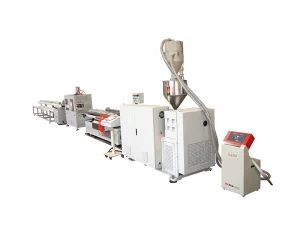
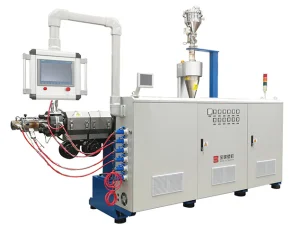
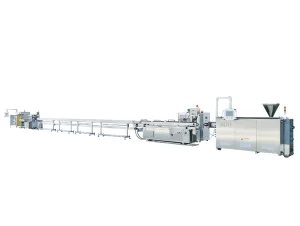
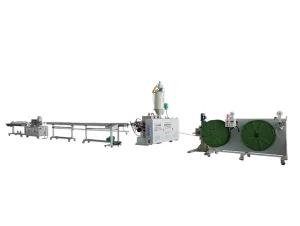
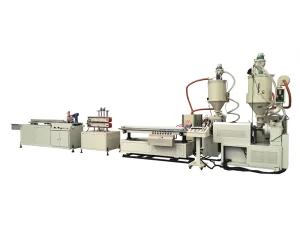
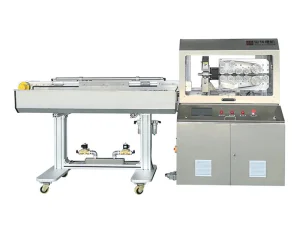
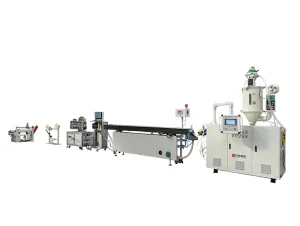
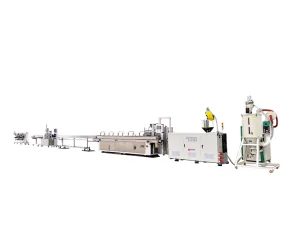
Explore our industrial-grade components and micro-extrusion configurations customized for global manufacturers.
In the modern manufacturing paradigm, the push toward miniaturization is transforming medical devices, electronics, and automotive engineering. A custom mini plastic extrusion machine acts as the mechanical core of this shift. No longer limited to pilot plants or academic laboratories, mini extrusion systems are now integrated directly into high-precision production floors worldwide.
The demand for mini plastic extruders has seen massive growth across North America, Europe, and East Asia. Key drivers include the need to reduce material waste during startup phases and the imperative to process expensive, medical-grade, or high-performance engineering polymers (like PEEK, Fluoroplastics, and bio-absorbables). Traditional large-scale extruders process too much material at once, leading to thermal degradation of sensitive resins. In contrast, the mini plastic extruder minimizes residence time in the barrel, preserving the structural integrity of high-value polymers.
As regulatory frameworks become stricter, particularly in the medical and aerospace sectors, the ability to control tolerance limits down to the micrometer level is essential. Modern mini extrusion systems utilize close-tolerance melt pumps and precision single-screw geometries to maintain linear stability. This stability enables the production of micro-tubing, thin-walled multi-lumen profiles, and co-extruded polymers with minimal geometric variation.
Processes under 1 kg of material per hour, significantly reducing testing waste of high-cost engineering polymers like fluoropolymers and PEEK.
Achieves dimensional tolerances of ±0.01 to ±0.02 mm, satisfying the strict requirements of medical-grade catheters and multi-lumen tubing.
Years of Manufacturing Experience
Advanced Production Facility Area
Dedicated Engineering Experts
BAOD EXTRUSION (Jiangsu Baodie Automation Equipment Co., Ltd.) was established in 2002, building on over two decades of experience in designing, engineering, and manufacturing advanced plastic extrusion systems. Drawing on the precision manufacturing standards developed by our original parent group (KINGSWEL GROUP) in Taiwan, we established our mainland production base in Shanghai in 1999, subsequently centralizing our advanced manufacturing operations in Jiangsu.
With 25 years of engineering experience behind our processes, BAOD has focused on key advancements in mini and precision extrusion technology. Our commitment lies in providing clean, reliable, and highly automated machinery tailored for high-specification operations globally.
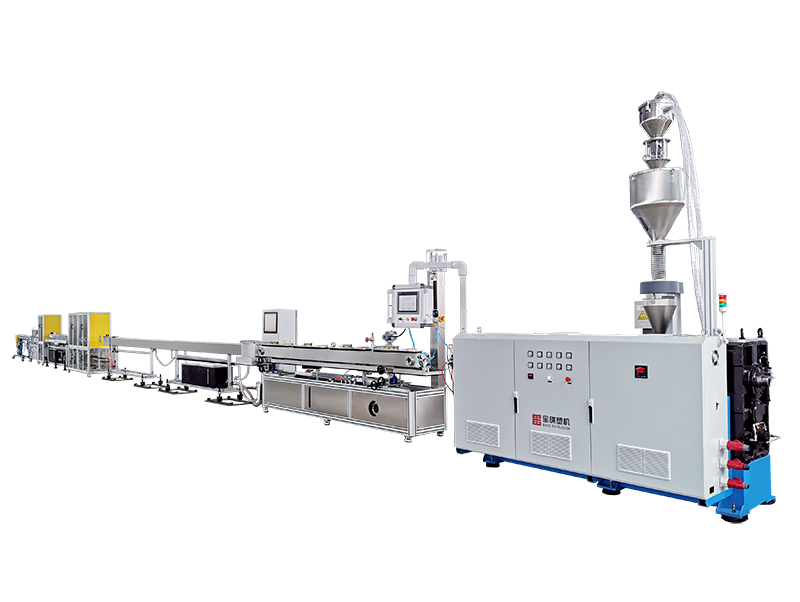
Designing a mini plastic extrusion line is not simply a matter of scaling down a standard-sized extruder. As screw diameters decrease (typically between 12mm and 25mm), the physical laws governing melt dynamics, heat transfer, and shear force change.
1. L/D Ratios and Screw Geometry: For micro-scale extrusion, L/D (length-to-diameter) ratios generally range between 25:1 and 30:1. The feed zone must be designed to prevent premature melting of the pellets, which can cause feed throat blockage. The compression zone requires precise shear rate control to melt the polymer without overheating it. The metering zone must provide stable pressure to minimize output pulsations.
2. Temperature Profile & Shear Stress: In a small barrel, the surface-area-to-volume ratio is high, making the melt sensitive to heat from the barrel heaters. If the screw speed is too high, friction can generate excessive shear heat, leading to polymer degradation. Our custom mini extruders address this issue through precision PID temperature control loops coupled with air-cooling systems for each heating zone.
3. Material Adaptability: High-performance plastics require specialized barrel materials. For fluoroplastics (such as FEP, PFA, and PVDF), the barrel and screw must be fabricated from corrosion-resistant alloys like Hastelloy or Xaloy. For abrasive materials like glass-filled polymers or UHMWPE, wear-resistant bimetallic liners are utilized.
Designed to provide adequate residency time for polymer melting while avoiding material degradation.
Incorporates Hastelloy and bimetallic alloys to enable the safe processing of high-temperature fluoroplastics.
Utilizes multi-zone PID controllers and air cooling to control melt temperatures within ±0.5°C.
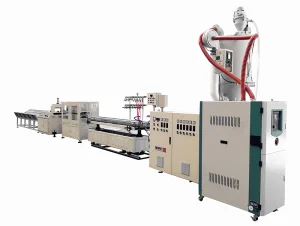
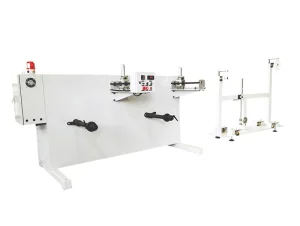
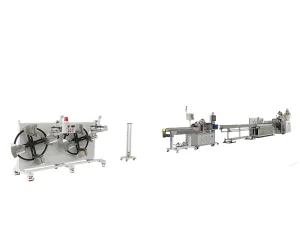
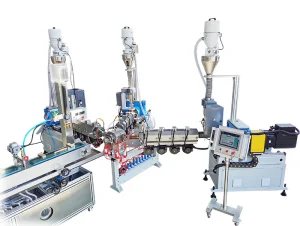
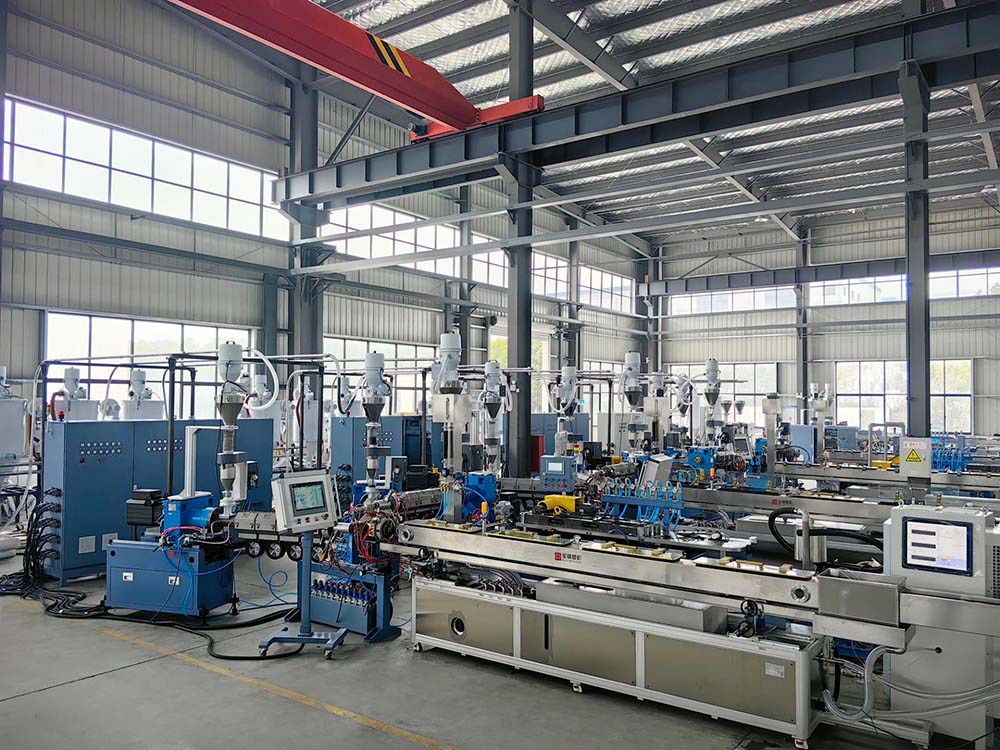
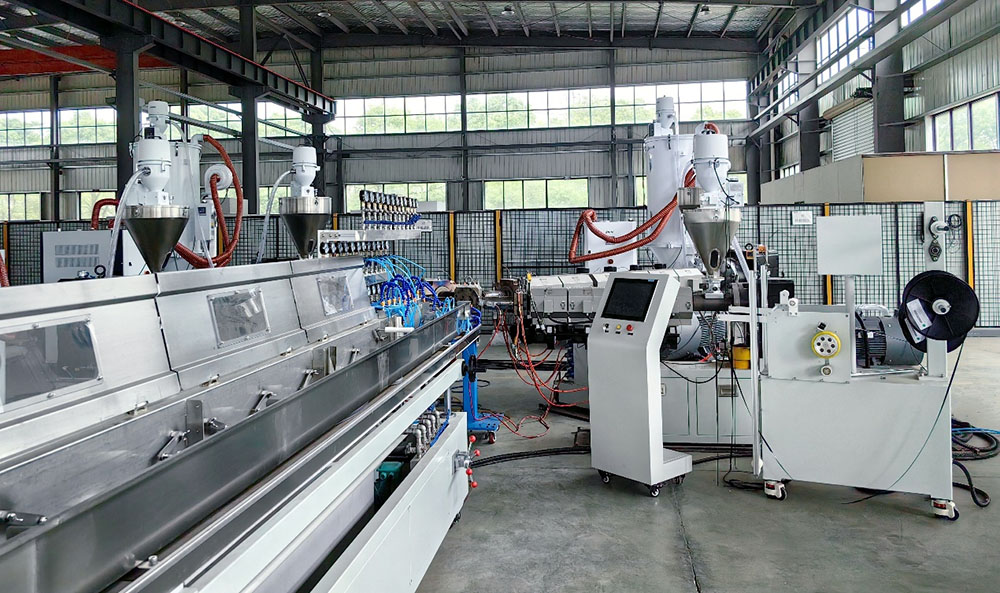
Our core manufacturing programs cover a wide range of industrial applications, from micro-tubes to multi-layer corrugated lines.
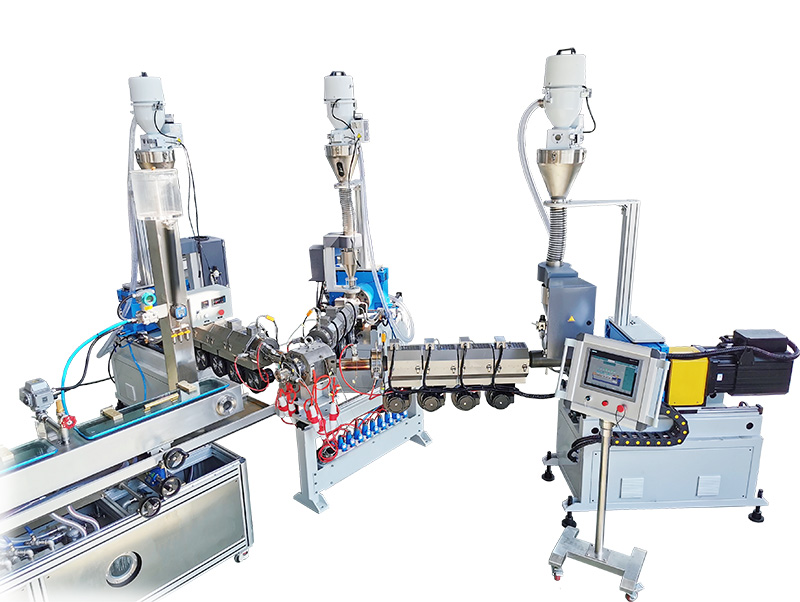
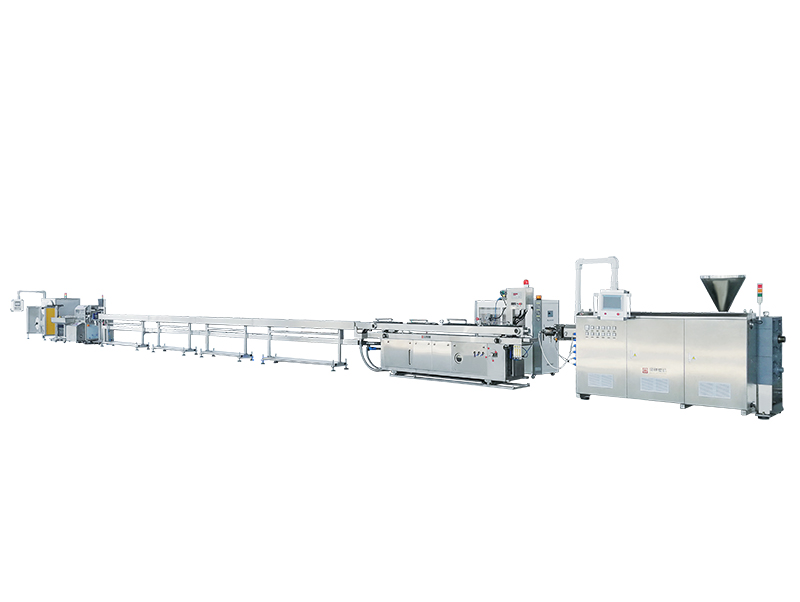
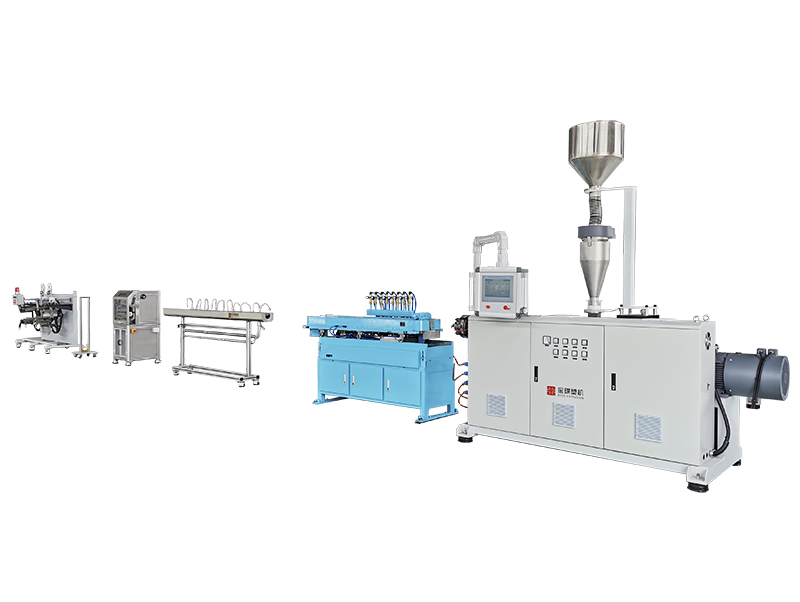
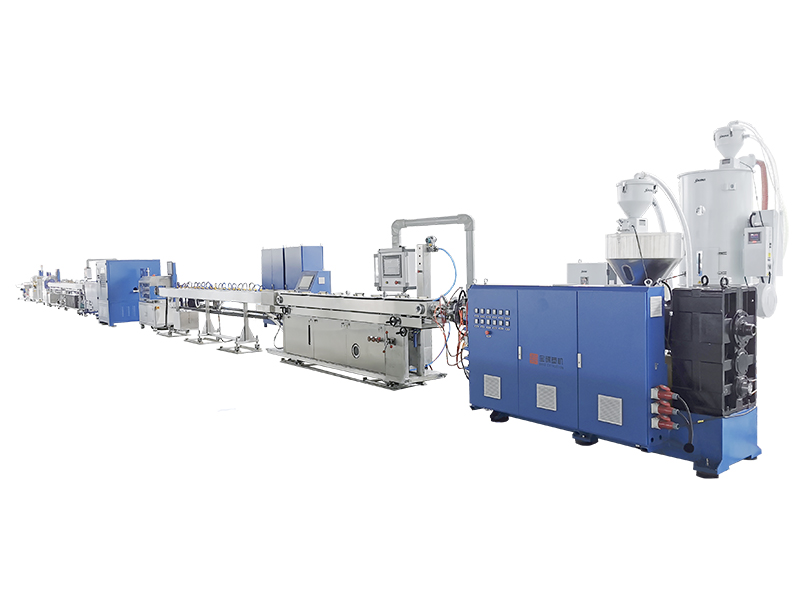
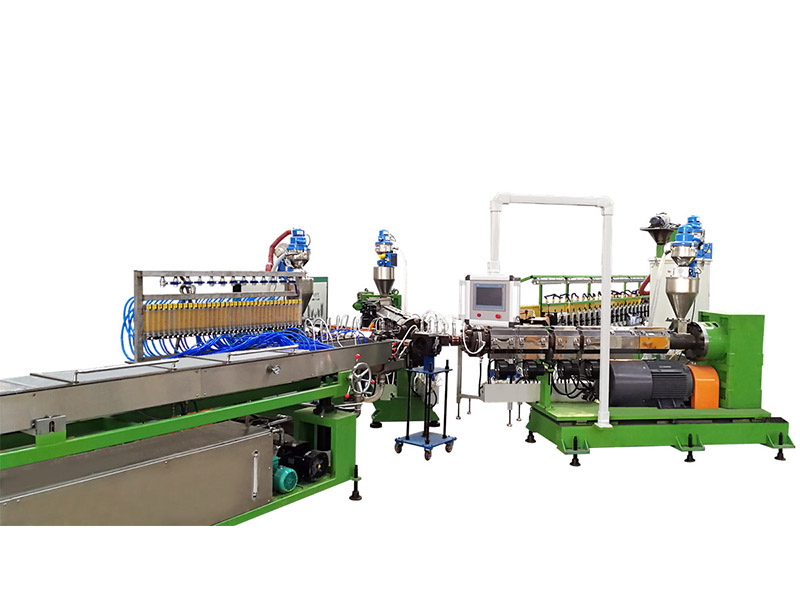
Miniature extrusion machinery serves a vital role across multiple demanding industries, delivering specialized solutions for diverse applications:
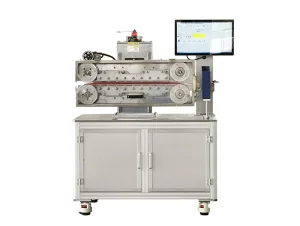
Medical Catheters & Multi-Lumen Tubing: In medical contexts, dimensional accuracy is paramount. Mini medical extrusion systems are designed to process materials like thermoplastic polyurethanes (TPU) and polyamides under cleanroom conditions. These machines produce complex multi-lumen tubes (often containing 3 to 9 internal channels) used in cardiovascular catheters and endoscopy devices. High-speed belt pullers and closed-loop OD/ID gauging units ensure these tubes meet stringent tolerances.
Automotive Subsystems & Fuel Lines: Modern vehicles rely on multi-layer PA (Nylon) or fluoroplastic tubes to transport fuels, fluids, and gases safely. These tubes require multi-layer extrusion co-extrusion technology. A combination of mini extruders feeds different polymer layers (such as inner chemical barriers and outer protective jackets) into a single co-extrusion die, producing high-performance tubing that meets strict emission standards.
Specialized Industrial Profiles & Detonating Cord: In mining and infrastructure development, precision plastic tubing is used as detonator housing. These lines demand reliable, continuous extrusion to ensure uniform wall thickness, which is critical for consistent performance.
Keep up with the latest technological developments, compliance standards, and trade show highlights from the BAOD engineering team.
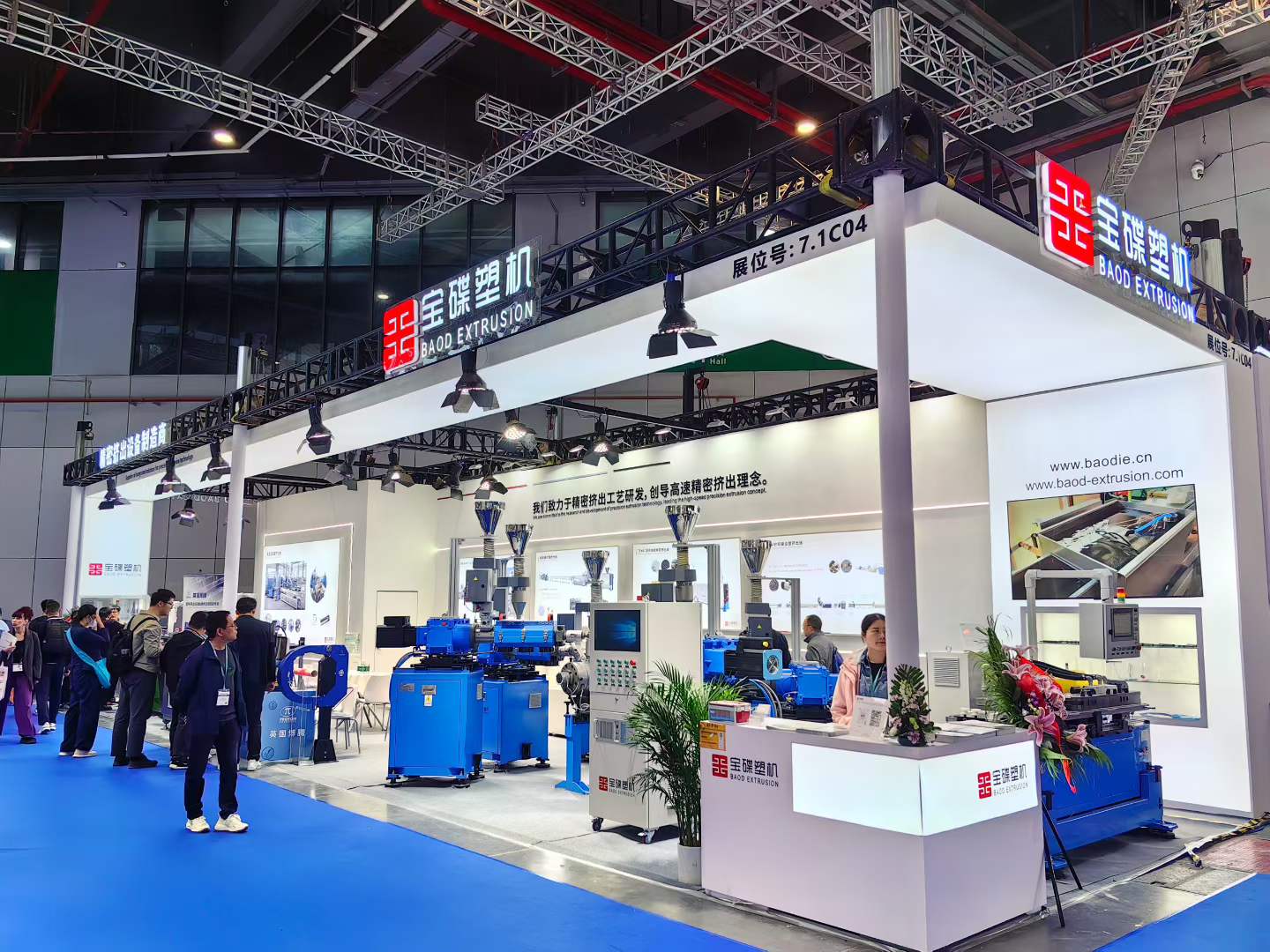
BAOD EXTRUSION presented its latest R&D achievements, focusing on "Smart Extrusion · High-Efficiency Innovation" at the National Exhibition and Convention Center in Shanghai.
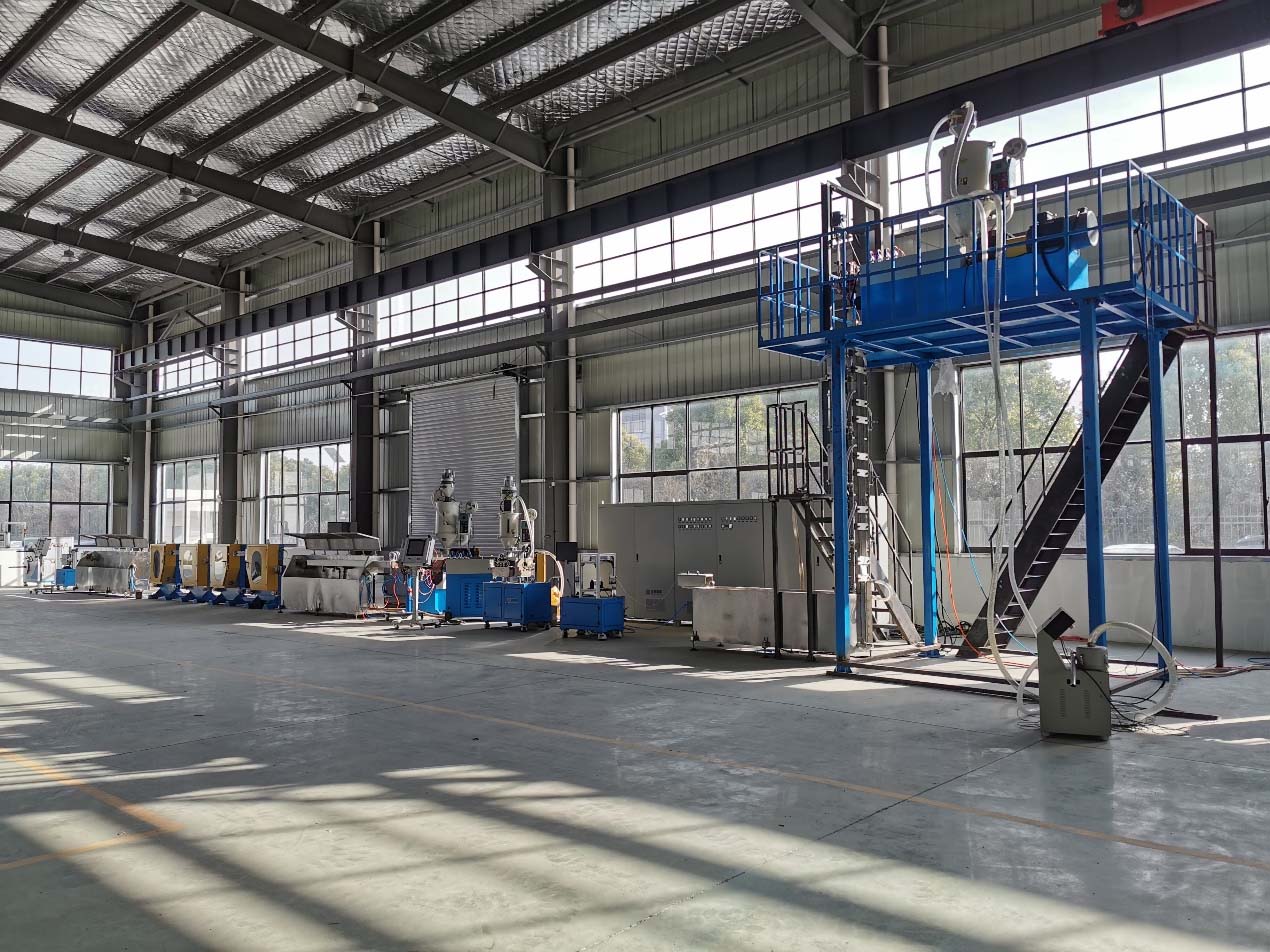
Exploring the engineering and design considerations involved in producing small-diameter shock-resistant plastic tubing for the global mining and infrastructure sectors.
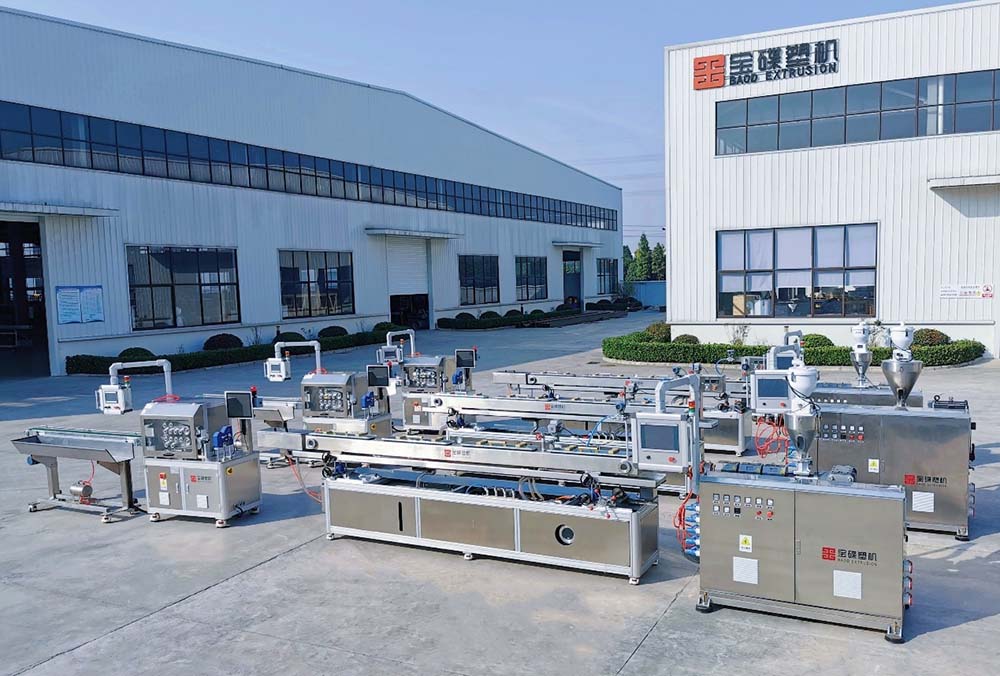
A technical comparison of dimensional tolerance controls, melt-pump integration, and validation protocols between Chinese manufacturing and European norms.
How modern mini and multi-layer extrusion systems meet the complex thermal and chemical resistance criteria required for electric vehicle cooling loops.
An analysis of the transition toward highly automated co-extrusion systems designed for sealing systems, improving NVH performance in modern vehicles.
The future of miniature plastic extrusion lies in smart systems and automation. As manufacturers adopt Industry 4.0 standards, mini extrusion lines are increasingly equipped with advanced sensors that capture barrel pressure, motor load, melt temperature, and line speed in real time.
Closed-Loop Control: In precision operations, a laser micrometer measures the outer diameter (OD) of the tube immediately after cooling. The controller uses this data to adjust the speed of the puller or the melt pump, compensating for any process variation and keeping dimensions stable.
Processing Biodegradable & Recycled Resins: With the industry focusing on sustainability, mini extruders are being adapted to process bio-resins (like PLA and PHA) and recycled engineering plastics. The lower barrel volumes of mini systems help prevent thermal degradation, which is a common challenge with recycled materials.
Answers to common engineering and commercial questions regarding mini plastic extrusion systems.
Depending on screw diameter and material density, output ranges from 0.1 kg/h to 15 kg/h. System configurations can be tailored to balance low output requirements with stable pressure and quality.
Yes. By using specialized ceramic band heaters and corrosion-resistant alloys (such as Hastelloy screws and bimetallic barrels), our systems can operate reliably at temperatures up to 400°C to 450°C.
A melt pump isolates the die from pressure fluctuations caused by the screw. This ensures a consistent, pulseless flow of material to the die, which is essential for maintaining strict dimensional tolerances.
Our equipment is designed to comply with CE and international industrial standards. We offer remote diagnostics, digital PLC support, and dispatch engineers for on-site commissioning and training when needed.
For medical-grade tubing, our lines achieve tolerances within ±0.01 mm. This is enabled by integrated laser diameter controls and precise speed regulation of our pullers and coilers.
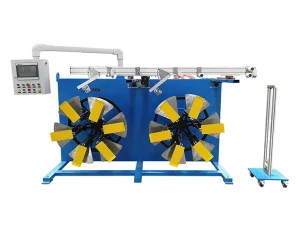
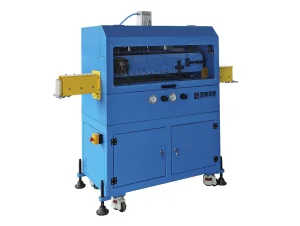
Complete your production ecosystem with pullers, winding systems, and specialized co-extrusion technology.
 Baodie