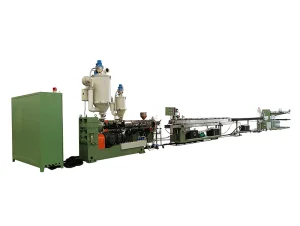
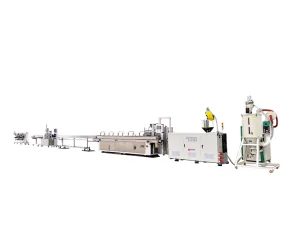
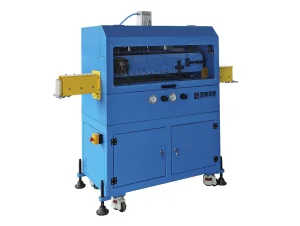
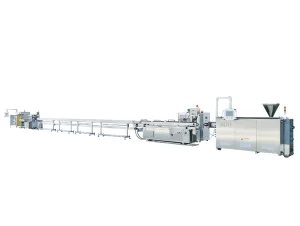
The global automotive industry is undergoing an unprecedented transformation. Electrification, lightweighting, and the pursuit of thermal efficiency have shifted the requirements for fluid and gas transfer systems. Traditional rubber and low-performance plastic conduits are being aggressively replaced by high-performance engineering polymers including Polyamide (PA), Thermoplastic Vulcanizates (TPV), Polyphenylene Sulfide (PPS), Polyphthalamide (PPA), Thermoplastic Polyester Elastomer (TPEE), and Polyurethane (PUR).
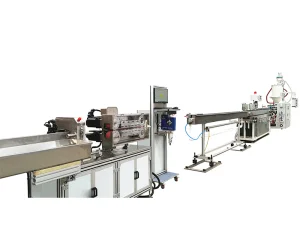
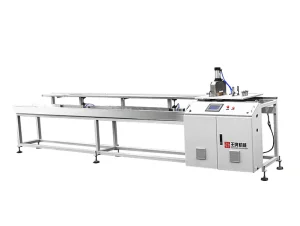
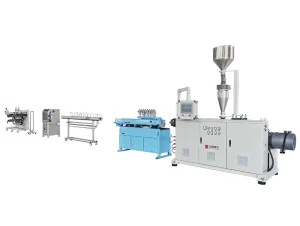
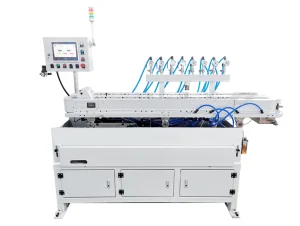
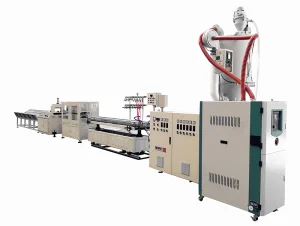
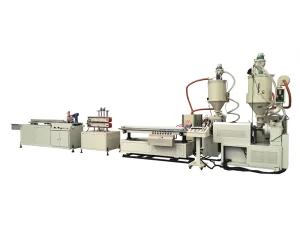
Manufacturing lines capable of extruding these polymers demand meticulous thermal profiling, ultra-precise mechanical tolerances, and multi-layer co-extrusion technology. As a premier automotive tube extrusion line manufacturer, BAOD Extrusion offers customized turnkey plants that meet the rigid standards of OEM tier-1 suppliers globally. This white paper highlights how advanced screw configurations, state-of-the-art die geometries, and closed-loop control systems converge to produce automotive-grade tubing with exceptional wall thickness consistency and inter-layer adhesion.
Under-the-hood temperatures, chemical corrosion from modern engine coolants, bio-fuels, and refrigerants require high-barrier, heat-stabilized materials. Electric Vehicles (EVs) present unique challenges: complex battery pack cooling loops require flexible, flame-retardant, and low-density tubing. Let us analyze the distinct applications of these high-performance materials in the automotive domain:
Technical Insight: Reducing vehicle weight by 10% can improve fuel economy by 6-8% in traditional ICE vehicles, and significantly extend battery range in Electric Vehicles. The replacement of heavy metal tubes and thick rubber hoses with thin-walled, multi-layer PA/PPS/TPV micro-tubes is a fundamental pillar of modern vehicle design.
| Polymer Class | Melt Temp Range (°C) | Target Application | Key Extrusion Control Parameters | Calibrator Type Required |
|---|---|---|---|---|
| PA11 / PA12 | 220 - 260 | Fuel Line, SCR, Air Brake Hoses | Precise moisture control, L/D 30:1, low shear screw | Vacuum calibration sleeve with water jacket |
| TPV | 190 - 225 | Automotive Sealing, Coolant Hose | Shear sensitivity control, customized die head flow | Water spray tank with disk calibrators |
| PPS | 300 - 345 | High-Temp Coolant Pipes | High-temp heating bands, corrosion resistant barrel | Specialized hot-water vacuum calibrator |
| PPA | 310 - 350 | Engine Room Conduits, Turbo Tubes | Ultra-high thermal profiling, special bimetallic screw | High-pressure water sizing sleeve |
| TPEE | 210 - 240 | Air Intake Pipes, CVJ Boots | Strict melt pressure control, rapid cooling set | Dual-chamber vacuum tank with sizing plate |
| PUR | 180 - 210 | Pneumatic Tubing, Cable Sleeves | Short residence time, high shear protection | Direct contact vacuum tank with cooling rings |
Automobile fluid-carrying systems are rarely single-layered. In many instances, modern regulations for fuel evaporative emission control require multi-layer configurations (such as 3-layer, 5-layer, or 7-layer tubes). The design of a co-extrusion line involves complex fluid dynamics. If the flow velocities of the adjacent polymer melts do not match at the die exit, interlayer shear stress causes interfacial instability, leading to variations in wall thickness and structural failure.
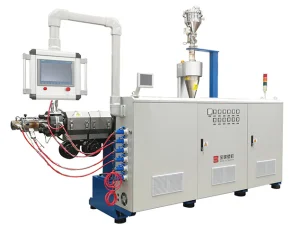
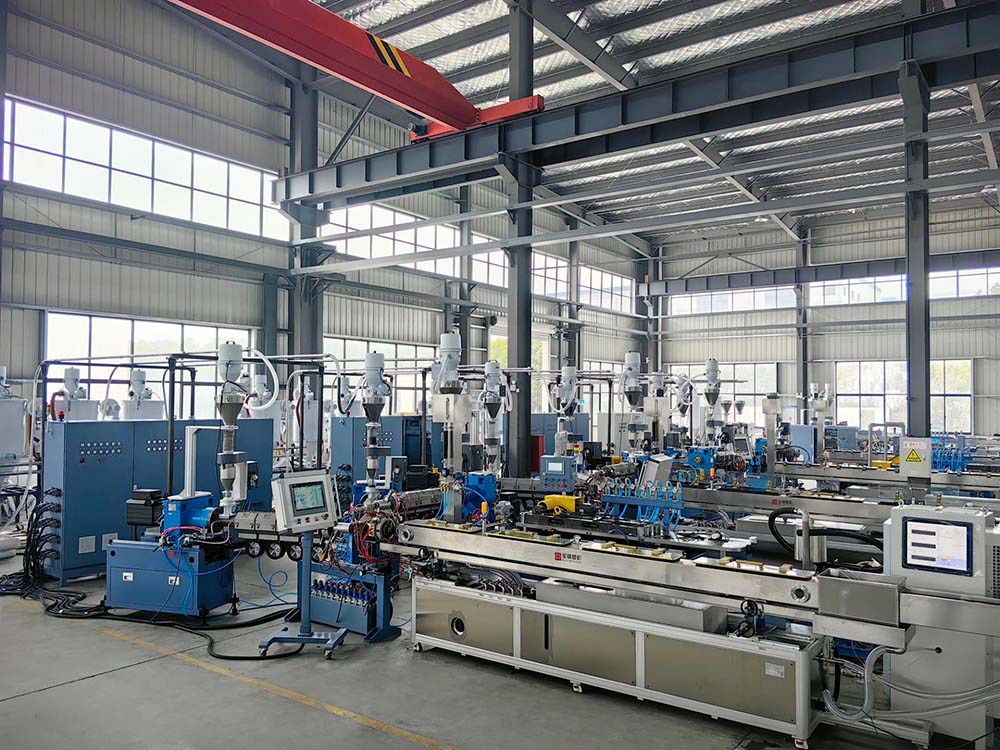
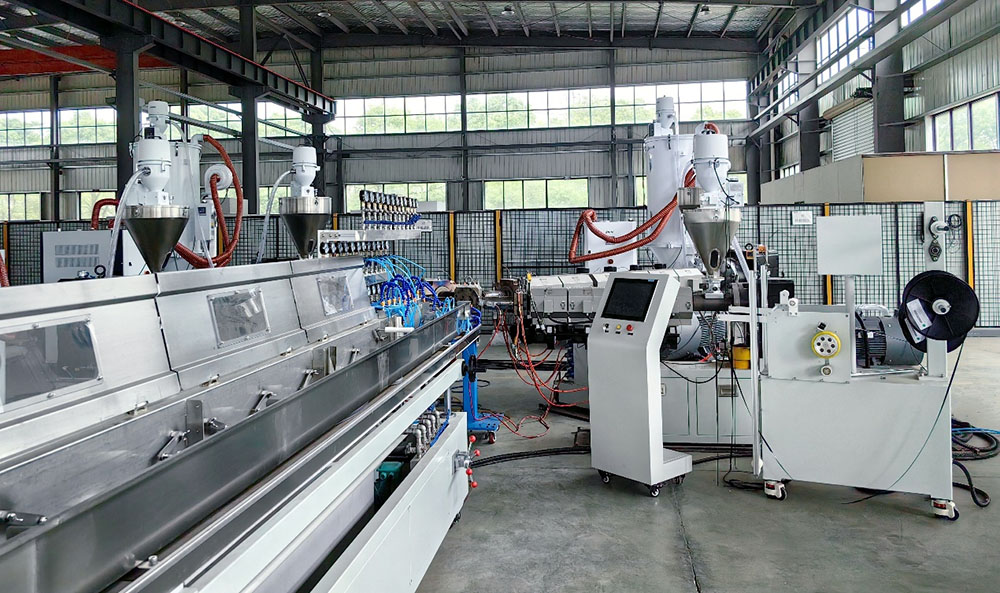
The extruder serves as the heart of the system. BAOD Extrusion uses high-efficiency single screw extruders equipped with barrier screws and mixing heads designed specifically for the varying viscosity profiles of PA, TPV, and high-temp plastics like PPS. For highly corrosive fluoropolymer layers or PPA processing, the extruder screw and barrel are constructed from premium bimetallic alloys (such as nickel-based alloys) to guarantee longevity and prevent thermal degradation.
Developing a crosshead die for multi-layer hoses requires precise channel geometry calculations. Flow distribution channels within the die head are optimized using computerized Finite Element Method (FEM) software. This ensures that the shear rates of all layers are balanced, preventing delamination. The die features independent temperature zones, allowing the PPS layer to remain at 320°C while the adjacent tie layer is kept at a lower temperature to prevent thermal degradation.
Extruded tubes must maintain strict outer diameter (OD) tolerances and roundness to ensure leak-proof push-to-connect fitting installations in automotive assembly plants. The vacuum sizing system utilizes high-accuracy water rings, continuous vacuum pressure control, and specialized sizing sleeves. Water temperatures are kept constant within ±0.5°C using automatic heat exchangers and PID control loops. A dual-chamber vacuum tank design allows the primary chamber to form the tube under vacuum while the second chamber finishes cooling under stabilized atmospheric pressure, eliminating micro-cracking.
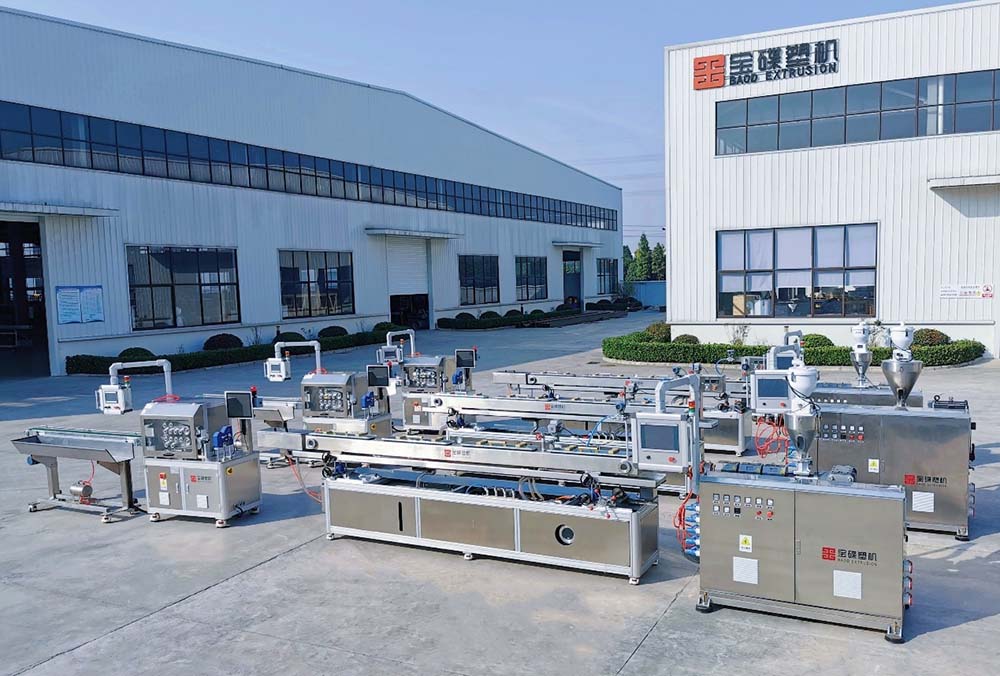
BAOD EXTRUSION (Jiangsu Baodie Automation Equipment Co., Ltd.) founded in 2002, dedicated to designing, manufacturing and sales of plastic extrusion equipment. Based on 18 years experience of designing and fabricating high quality machines in Taiwan, the original parent company (KINGSWEL GROUP) invested in establishing extrusion machines manufacturing base in Shanghai in 1999.
Currently, BAOD operates from a state-of-the-art 16,000 square meter facility utilizing international engineering principles to supply global markets with high-precision manufacturing solutions.
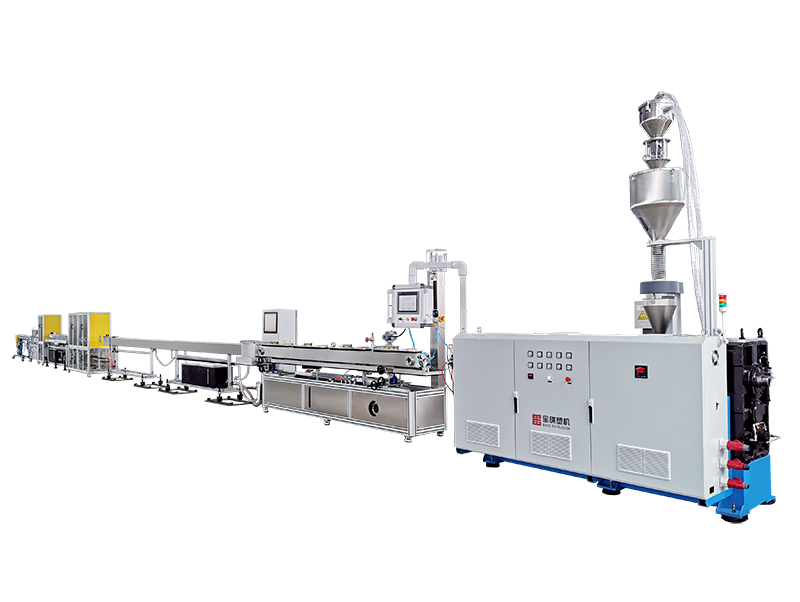
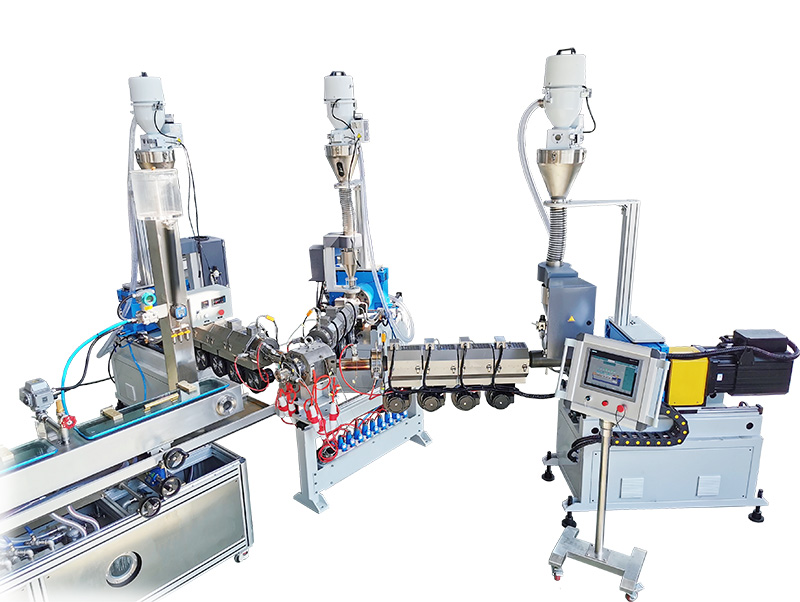
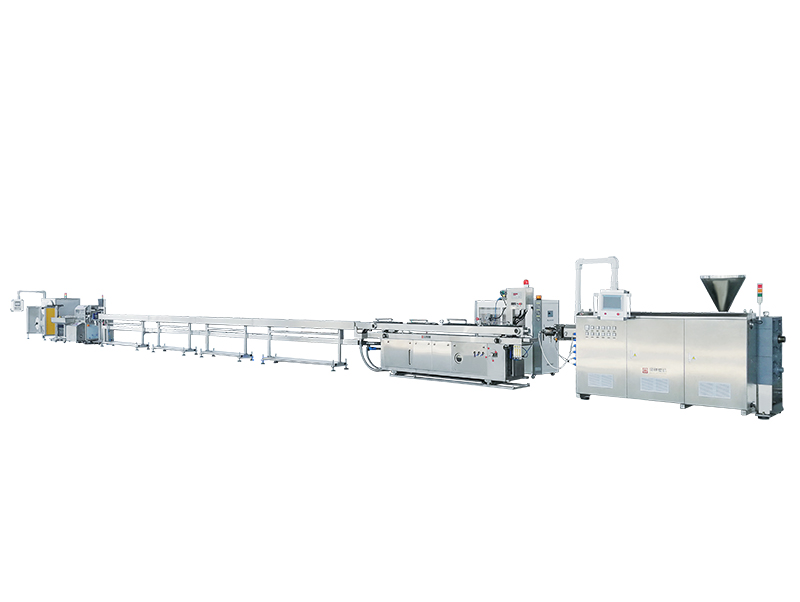
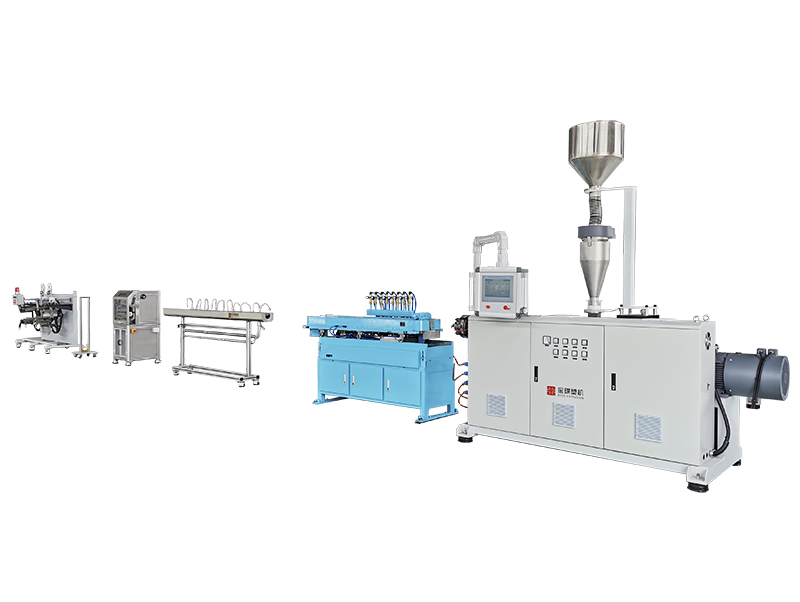
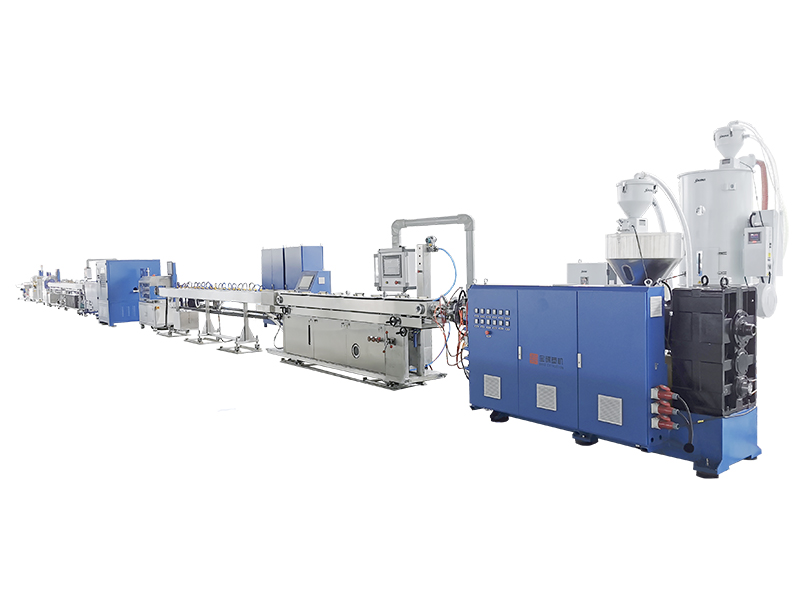
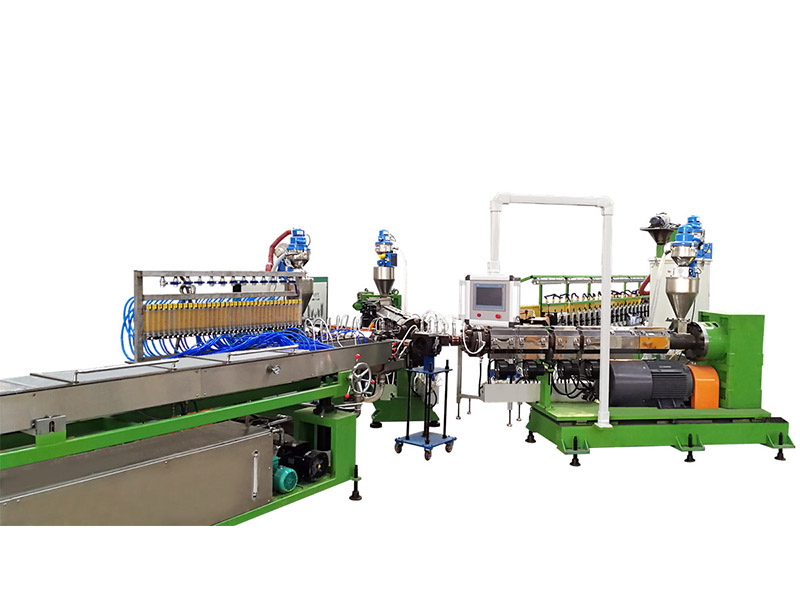
Automobile tier-1 procurement managers evaluate capital equipment through a rigorous matrix analyzing Overall Equipment Effectiveness (OEE), maintenance costs, compliance, and technological future-proofing. BAOD Extrusion guarantees compliance with international production standards, which is a major factor in driving successful procurement cycles.
Automotive fluid conduits are tightly regulated under strict guidelines, such as DIN 73379 for rubber/plastic fuel lines and SAE J2260 for non-metallic fuel system piping. To pass automotive safety audits, the extrusion process must record online dimensional data in real-time. Our extrusion lines come equipped with built-in quality control loops that feature laser outer-diameter measuring modules, ultrasonic wall thickness monitors, and gravimetric dosing feedback loops. These loops automatically adjust extruder screw speed and puller velocity to keep outer-diameter and thickness tolerances within ±0.03mm.
In modern manufacturing, downtime is exceptionally expensive. BAOD’s integrated automation control system features Ethernet connectivity, permitting engineers in our central support office to remotely troubleshoot plc modules, modify parameters, and download system updates. With localized mechanical parts inventories, backup component distribution hubs, and qualified on-site commissioning engineers, BAOD ensures that our clients' extrusion plants remain operational 24/7, anywhere in the world.
The future of plastic extrusion lies in the integration of Artificial Intelligence (AI) and machine learning. As a visionary manufacturer, BAOD Extrusion has introduced preliminary self-correcting algorithms into the extruder control software. By analyzing thermal anomalies, pressure fluctuations, and laser-metered results, the system can predict product defects before they occur. This predictive capability enables the line to make automated micro-adjustments to screw temperatures and vacuum pressure levels without operator intervention.
Global environmental mandates are pushing automotive manufacturers to incorporate circular polymers and bio-sourced resins (e.g., bio-based PA11 derived from castor oil, or recycled PET elastomers). Processing these bio-resins requires highly adaptive heating patterns and specialized flight depths on the screw to prevent molecular shear degradation. BAOD is leading this research, continuously testing and upgrading our screw designs to process PCR (Post-Consumer Recycled) polymers safely, without compromising physical properties, wall stability, or interlayer adhesion.
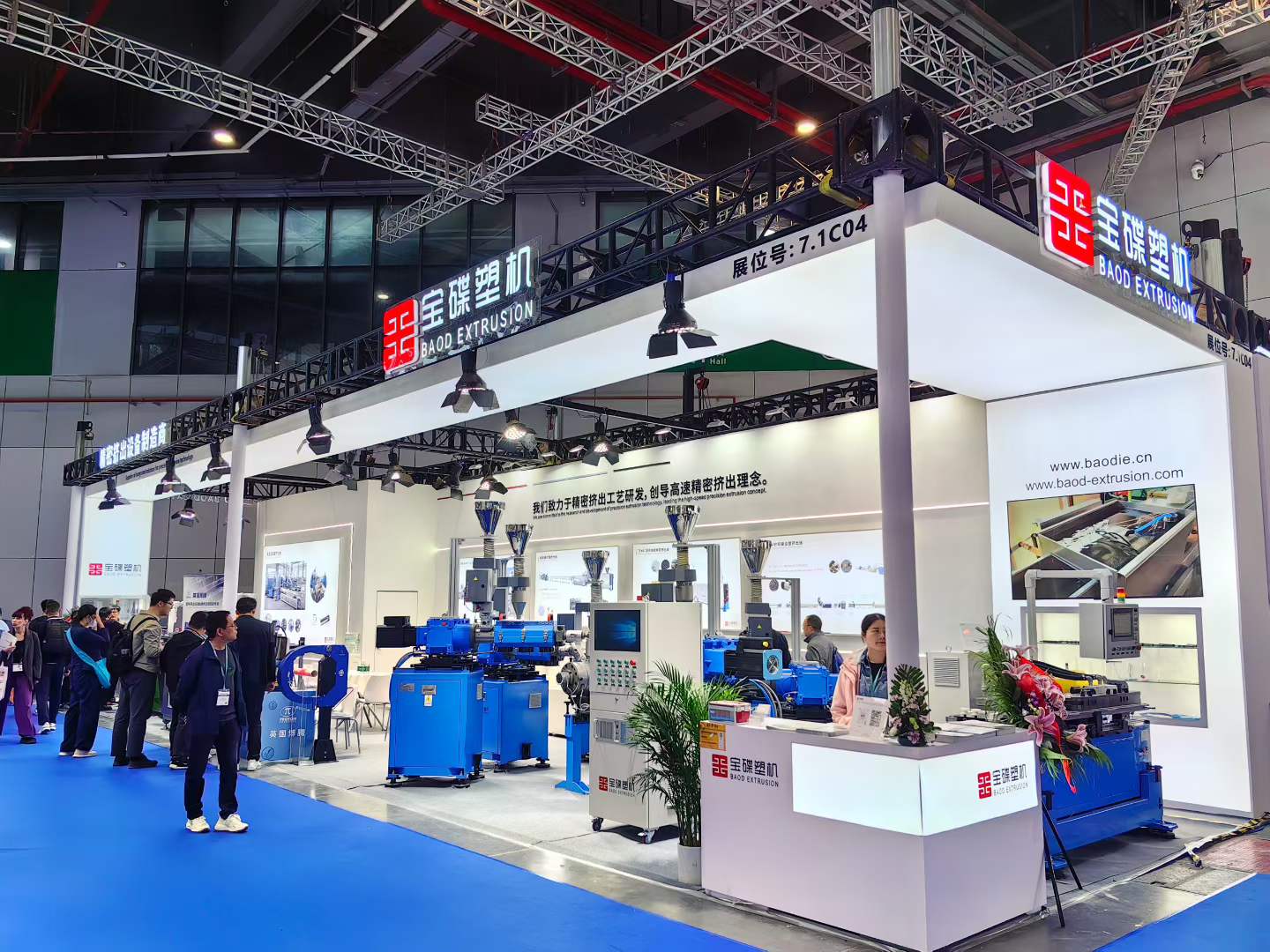
From April 21–24, CHINAPLAS 2026 was successfully held at the National Exhibition and Convention Center (Shanghai, Hongqiao). BAOD EXTRUSION showcased its latest R&D achievements at Booth 7.1C04...
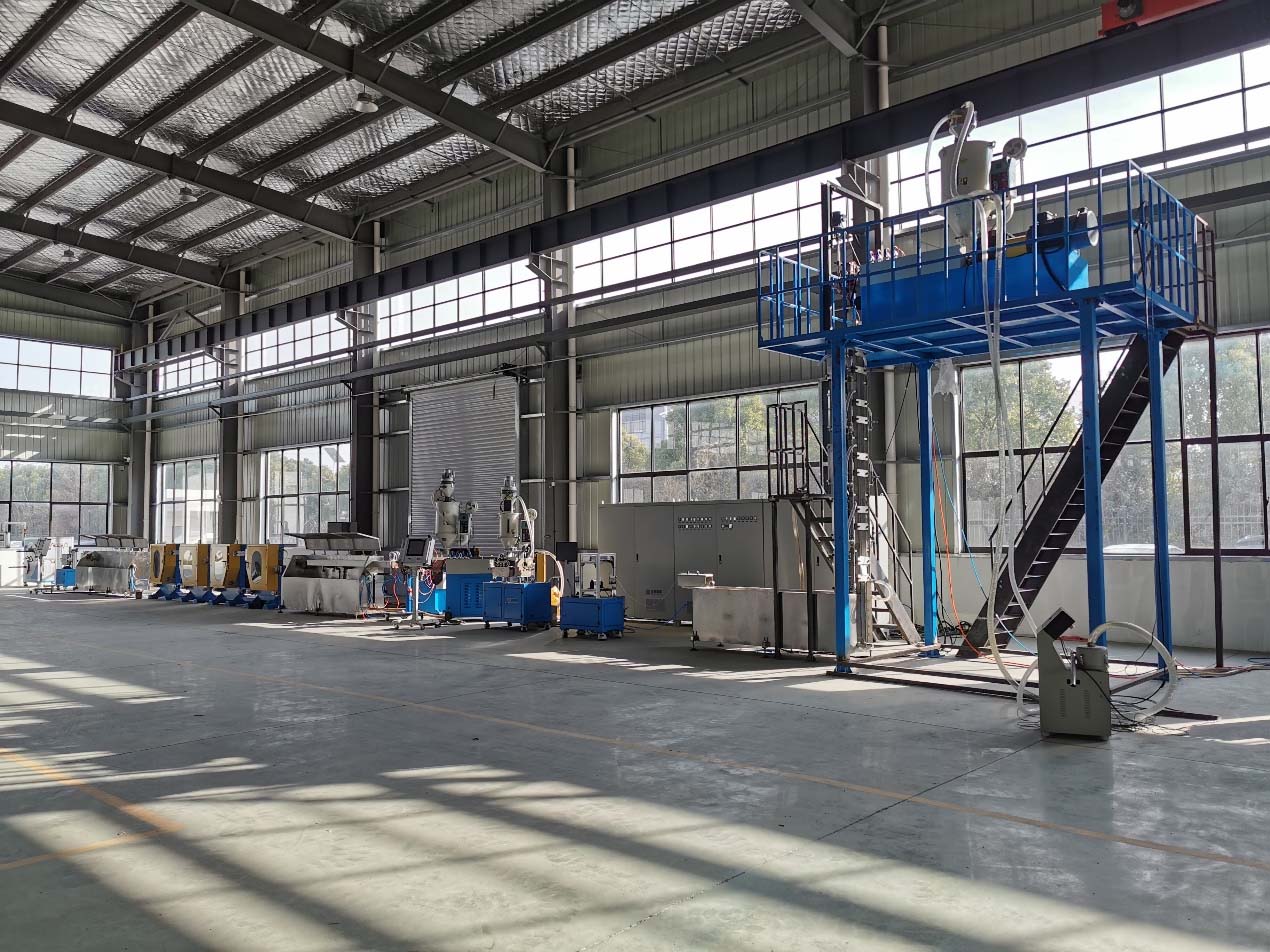
In the controlled environment of a modern industrial facility, a single, hair-thin plastic tube wound onto a reel might seem unremarkable to the untrained eye. However, in sectors ranging from mining to infrastructure demolition...
In the sterile, quiet environment of a modern medical facility, a clinician prepares a complex catheter. This thin, flexible tube is internally divided into several microscopic channels, or lumens...
How do the world's most reputable vehicle manufacturers ensure the absolute integrity of every fuel line, brake hose, and cooling pipe? Why has the shift toward electric and lightweight vehicles made precision critical...
As the twilight sun reflects off the sleek, aerodynamic curves of a modern electric vehicle parked in a bustling metropolitan street, few observers notice the quiet, critical sealing systems that keep the cabin quiet...
 Baodie