Engineered for absolute dimensional accuracy, high thermal stability, and integrated workflow automation
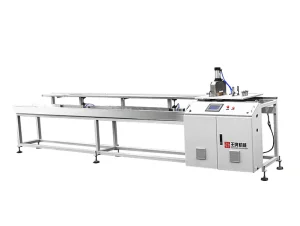
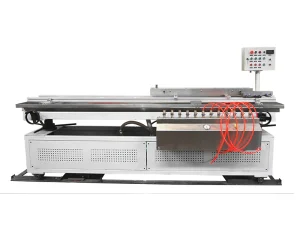
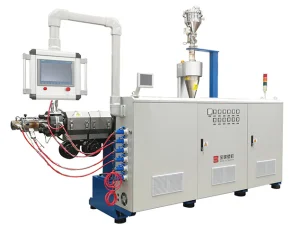
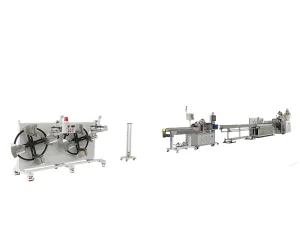
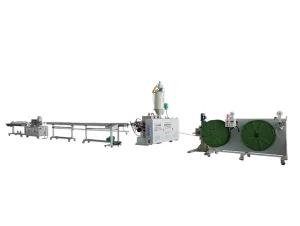
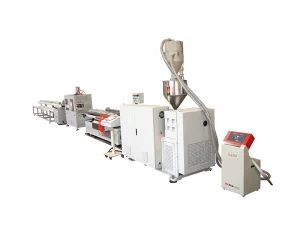
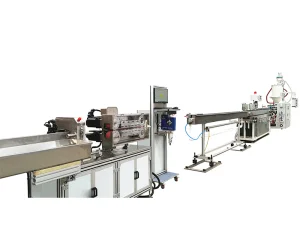
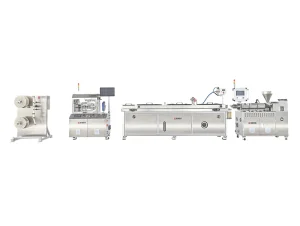
Founded in 2002, BAOD EXTRUSION is an internationally recognized leader dedicated to designing, manufacturing, and servicing high-end plastic extrusion machinery. Leveraging over 25 years of engineering experience originating from Taiwan-designed, high-precision extrusion systems, the parent organization (KINGSWEL GROUP) established its foundational manufacturing operations in Shanghai in 1999. Today, we stand as a premier provider of automated solutions for TPU tube extrusion, medical tubing systems, and precision automotive line systems.
By focusing heavily on technological integration, digital synchronization, and precision raw material handling, BAOD EXTRUSION ensures that worldwide industrial operators gain access to reliable machinery that delivers a competitive advantage through superior design engineering and process consistency.
Analyzing market drivers, material complexities, and the transition to high-precision automation systems
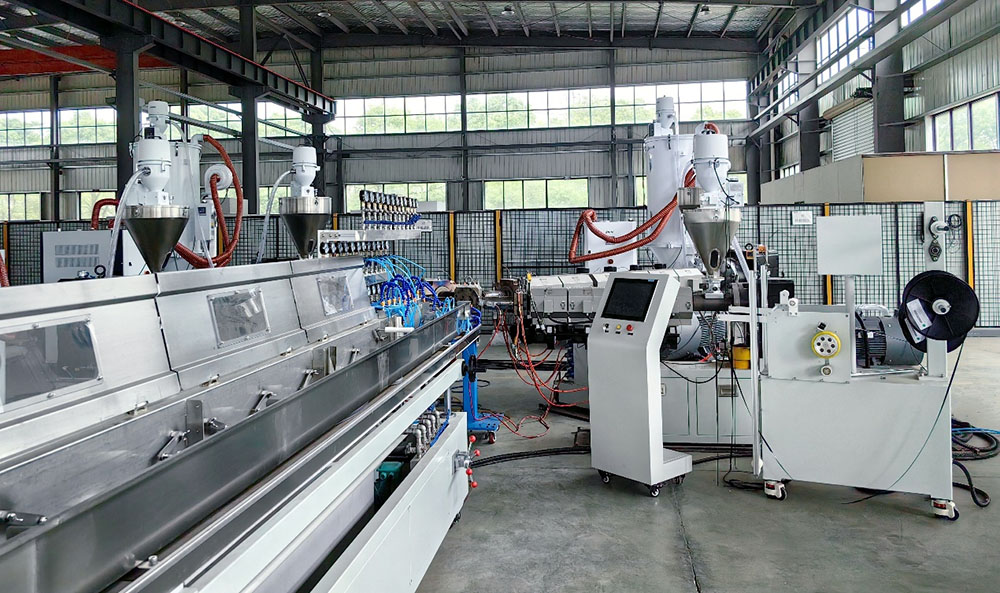
Thermoplastic Polyurethane (TPU) tubes have become crucial in modern automotive, medical, and aerospace engineering. Valued for their exceptional abrasion resistance, flexibility across wide temperature ranges, and chemical inertness, they are progressively replacing traditional PVC and rubber formulations globally. As environmental standards tighten, the demand for non-plasticized, recyclable TPU solutions has increased dramatically, presenting significant manufacturing challenges that demand specialized processing equipment.
TPU is highly shear-sensitive and hygroscopic. Standard single-screw setups often yield output variation, structural degradation, and gel formations due to improper thermal management. Managing these material quirks requires precision-engineered screw profiles, dedicated drying auxiliary systems, and multi-zone closed-loop temperature control units. Achieving a stable extrusion run requires mitigating temperature spikes that could break down polyurethane chains.
Automotive and medical applications demand dimensional tolerances as tight as ±0.02 to 0.05 mm. Standard extrusion systems struggle to maintain such tolerances due to melt pressure variations. Our advanced lines utilize highly precise melt pumps paired with integrated laser outer-diameter gauge feedback systems. This ensures that the puller speeds adapt dynamically to fluctuations, guaranteeing high-performance yields and minimizing raw material waste.
For industrial buyers, research queries extend beyond finding a manufacturer; they target solutions for issues like melt fracture in high-hardness TPU, concentricity control in co-extruded tubes, and maintaining constant output rates at low speeds. In modern semantic search engines, content authority depends on demonstrating a deep understanding of these challenges. BAOD EXTRUSION stands out by offering specialized solutions that combine advanced thermal dynamics with robust mechanical control, addressing these critical operational pain points directly.
By refining screw geometer designs, optimizing compression ratios (specifically using 2.5:1 to 3.0:1 profiles designed for TPU), and using high-wear bimetallic barrels, our lines ensure consistent raw polymer melting. This high level of control reduces visual defects, limits polymer oxidation, and avoids inner-channel blockages, ensuring that production meets the strict regulatory requirements of both medical and automotive manufacturing.
The path to next-generation extrusion operations, highlighting key milestones in digital and mechanical innovation
Integrating real-time laser measurement systems with puller speeds and screw rotations to adjust automatically for thermal changes, reducing waste by up to 45% during startup runs.
Developing specialized extrusion lines capable of processing bio-based and recycled TPUs, using modified screw configurations to maintain high mechanical properties in finished tubes.
Employing smart sensors on extruder barrels, gearboxes, and cutters to analyze vibration and heat signatures, helping operators schedule maintenance before breakdowns occur.
Fully enclosing calibration systems in clean-room compatible setups, featuring automated micro-lumen die adjustments to ensure consistent dimensions down to ±0.01mm.
How BAOD systems are configured to solve unique challenges in critical target industries
In medical applications, maintaining absolute cleanliness and extreme precision is critical. Our medical lines process medical-grade TPU within Class 10,000 cleanrooms. The inclusion of vacuum calibration tables and ultra-precise sizing sleeves enables the production of multi-lumen catheters. These multi-channel configurations allow for simultaneous fluid delivery, pressure monitoring, and surgical tool access during complex clinical procedures.
Modern vehicles demand robust tubes for pneumatic control, fluid transfer, and sealing profiles. BAOD's co-extrusion technology enables the production of multi-layer hoses (incorporating PA, TPU, and TPV). These composite structures are designed to withstand chemical exposure, pressure fluctuations, and vibration, ensuring durable performance under the hood of both conventional and electric vehicles.
Industrial automation systems rely on flexible, kink-resistant pneumatic tubes to deliver clean air pressure to actuators. Our braided composite hose extrusion lines place a textile core between TPU layers, balancing high pressure resistance with flexibility. The resulting products are ideal for dynamic automation setups, robotic arms, and high-frequency movement environments.
Key technical breakthroughs and industry observations direct from our engineering teams
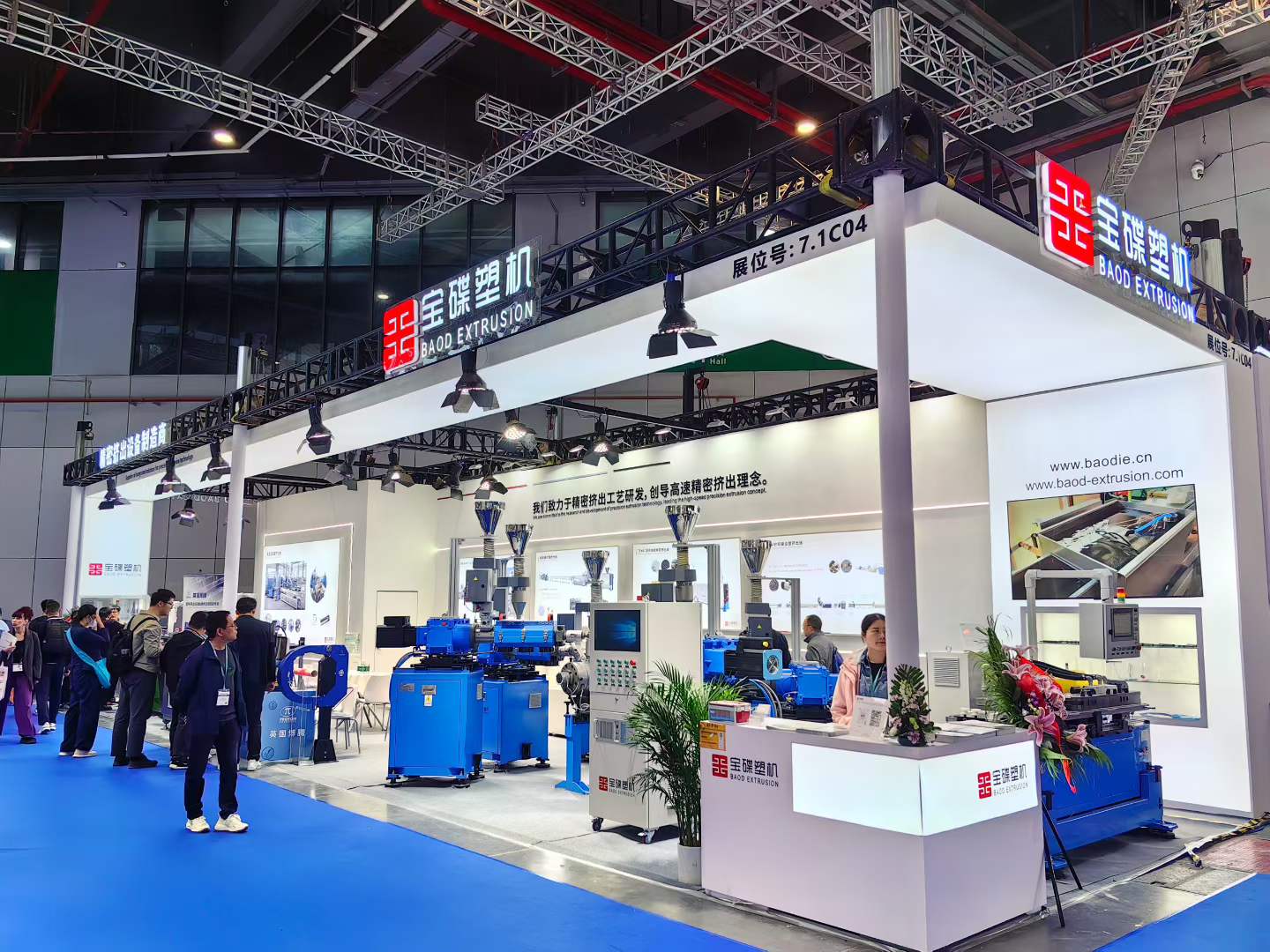
At CHINAPLAS 2026, BAOD EXTRUSION showcased its latest R&D achievements, presenting "Smart Extrusion · High-Efficiency Innovation" solutions that address precision challenges in modern TPU processing.
Delivering customized lines for specialized mining and demolition applications. We outline the strict safety features, line control modifications, and material requirements necessary for detonating tube production.
A detailed comparison focusing on calibration accuracy, polymer consistency, and production efficiency, highlighting BAOD's commitment to European-standard compliance.
Explaining the QA frameworks, laser measuring setups, and documentation practices used by BAOD to satisfy demanding automotive quality management audits.
Exploring the shift toward lightweight sealing strips in electric vehicles and the co-extrusion technology needed to support high-efficiency sealing systems.
Practical engineering answers to help buyers select equipment and optimize their production setups
TPU is highly shear-sensitive and thermal-sensitive. Melt degradation typically occurs when the polymer experiences excessive friction inside the barrel, leading to chain scission, discoloration, and a drop in mechanical properties. To prevent this, BAOD designs screws with optimized compression ratios (typically between 2.5:1 and 3.0:1) and uses gentle transition profiles. Combined with multi-point PID barrel cooling and bimetallic construction, these systems maintain processing temperatures below the degradation point.
TPU is highly hygroscopic, absorbing moisture from the surrounding environment. Processing wet material leads to hydrolytic degradation, causing surface bubbling, inner voids, and dimensional fluctuations. Standard hop-dryers are often insufficient for TPU. We recommend using desiccant dryers that maintain a dew point below -40°C, reducing moisture content to less than 0.02% before the material enters the extruder feed zone.
We achieve tight tolerances (down to ±0.02mm) by integrating precise melt pumps with high-speed laser diameter gauges. The melt pump ensures a stable output by isolating the die head from pressure fluctuations in the extruder. The laser gauge continuously measures the tubing's outer diameter, and a feedback system automatically adjusts the puller speed to correct for any minor variations.
Co-extrusion allows manufacturers to combine multiple materials into a single tube structure. For example, a tube can feature an inner layer of chemical-resistant polyamide (PA) and an outer protective layer of flexible, abrasion-resistant TPU. Our co-extrusion crossheads are engineered to distribute each material layer evenly, ensuring strong bonding and consistent thickness.
Regular maintenance should focus on barrel cleaning, gearbox lubrication, and temperature sensor calibration. Cleaning the screw after every production run is essential to prevent leftover TPU from degrading and clogging the flow channels. Periodically inspecting the bimetallic barrel and screw for wear helps prevent clearances that could compromise extrusion stability.
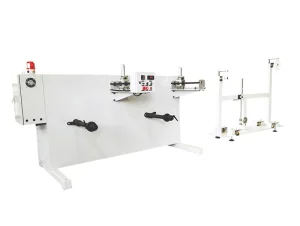
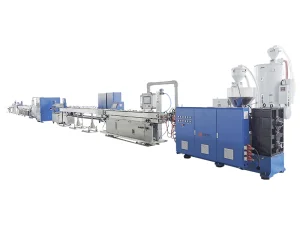
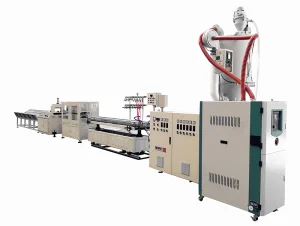
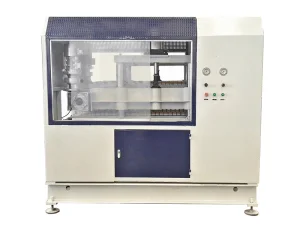
Complete your production lines with specialized downstream processing equipment and precision winders
 Baodie