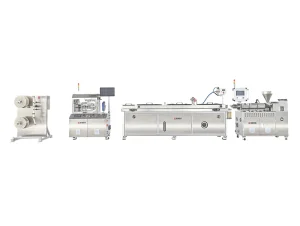
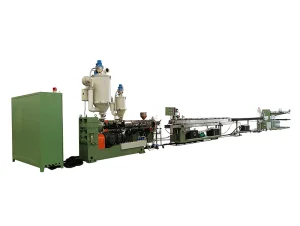
Explore our leading machinery ranges designed for high-tolerance tube, profile, and co-extruded composite seal manufacturing.


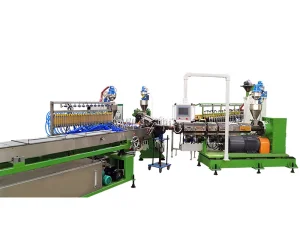
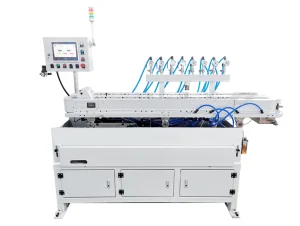
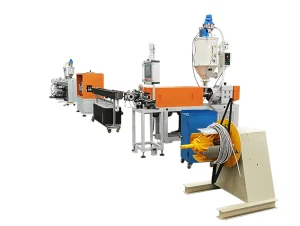
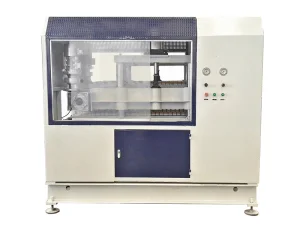
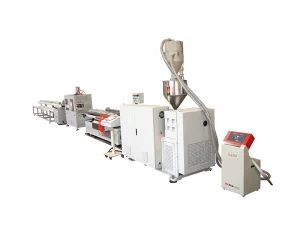
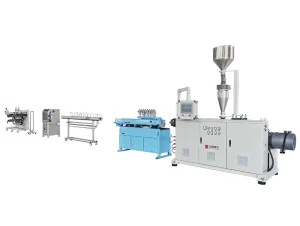
In modern sealing system engineering, the transition from conventional thermoset EPDM (Ethylene Propylene Diene Monomer) rubber to advanced Thermoplastic Elastomers (TPE/TPV) represents a major paradigm shift. Thermoplastic vulcanizates (TPV) and thermoplastic polyester elastomers (TPE-E) offer significant environmental and processing advantages. They deliver high elasticity, excellent weather resistance, and low compression set characteristics while remaining fully recyclable.
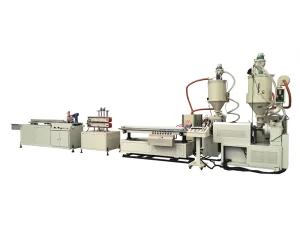
Co-extrusion technology enables the production of sealing strips that combine multiple material properties in a single pass. A typical automotive weatherstrip or architectural seal requires a rigid base component (usually PP, PVC, or hard TPE) to provide structural anchoring and slip resistance within the retaining channel. At the same time, it needs an extremely soft, flexible lip or bulb component (soft TPE/TPV, often foamed/micro-cellular) to ensure optimal compression, noise isolation (NVH), and fluid resistance.
Modern co-extrusion processing lines rely on precise, multi-manifold extrusion dies. In these systems, the molten polymers are merged just prior to the land area of the die under tightly controlled temperature and pressure profiles. This approach prevents delamination and yields clear-cut boundary lines between the hard and soft phases.
Global procurement divisions in the automotive, construction, and high-end industrial machinery sectors face strict quality requirements. Selecting a supplier for TPE co-extrusion machinery goes beyond simple machinery costs (CAPEX). It involves assessing long-term performance indicators like Overall Equipment Effectiveness (OEE), scrap rates during start-up, and consistent wall-thickness distribution under continuous, high-speed runs.
In the automotive tier-1 supply chain, sealing profiles must meet rigid tolerances. Dimensions must often remain within ±0.05 mm to prevent water ingress and wind noise at highway speeds. For industrial buyers, the key criteria include:
Screws must be designed to process materials with different melting points and shear viscosities without degrading the polymers.
Integrating outer-diameter laser gauges with puller speed controls allows for real-time dimension corrections, minimizing human error.
Precise temperature control at the die-head is critical. Variations must not exceed ±1°C to avoid melt fracture and flow lines.
BAOD EXTRUSION (Jiangsu Baodie Automation Equipment Co., Ltd.), founded in 2002, specializes in designing, manufacturing, and supporting high-precision plastic extrusion systems. Leveraging 18 years of experience in high-quality machine design in Taiwan, the original parent company (KINGSWEL GROUP) established the extrusion machinery base in Shanghai in 1999.
Today, our facility focuses on technological breakthroughs in precision extrusion, energy-efficient production, high-speed line automation, and advanced operator safety systems.
The modern industrial manufacturing landscape in China has transitioned from high-volume assembly to precision engineering and smart automation. Under the "Factory 4.0" framework, companies like Jiangsu Baodie combine robust manufacturing ecosystems with high-end control technologies to deliver reliable equipment at a competitive total cost of ownership.
China's manufacturing advantages stem from a dense, highly specialized supply chain. Major sub-assembly systems—such as high-torque gearboxes, nitride-hardened bimetallic screws, vacuum pumps, heating systems, and electrical controllers—are sourced within a tight geographical radius. This integrated network helps shorten R&D cycles, streamline engineering customisation, and reduce lead times.
Additionally, this model incorporates international standards. By integrating Siemens PLC control units, Omron temperature regulators, and French Schneider contactors into a unified Chinese-manufactured mechanical base, the resulting systems offer high-precision control, user-friendly operation, and easy sourcing of spare parts globally.
TPE co-extrusion technology is used in several key industries, with configuration choices tailored to specific application demands.
Designed for manufacturing windshield surrounds, glass run channels, and dynamic door seals. Our systems process hard PP carriers, soft TPV sealing lips, and optional internal metal reinforcing clips in a single, high-speed line.
Used to produce high-performance seals for window frames, curtain walls, and expansion joints. These profiles must withstand UV exposure, severe temperature fluctuations, and ozone aging, requiring tight material-distribution controls.
Supports the extrusion of multi-material refrigerator door seals, dishwasher gaskets, and vacuum system seals. The extrusion line provides clean processing to meet FDA-grade requirements for contact materials.
In-depth, engineering-focused answers to common technical and procurement questions regarding TPE composite extrusion systems.
Stay up to date with the latest technical developments, industry events, and corporate news from our engineering teams.
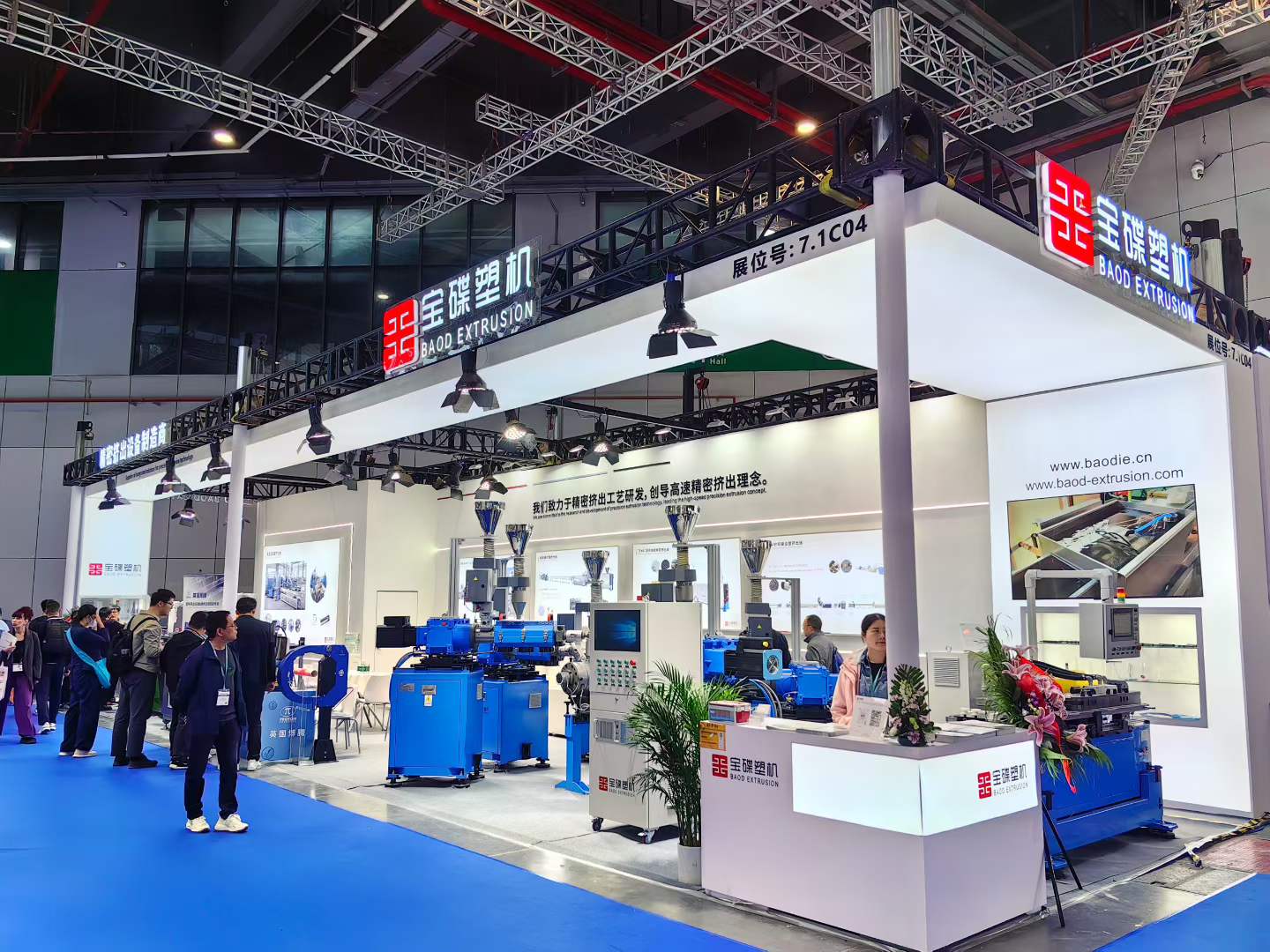
From April 21–24, CHINAPLAS 2026 was successfully held at the National Exhibition and Convention Center (Shanghai, Hongqiao). BAOD EXTRUSION showcased its latest R&D achievements at Booth 7.1C04, presenting “Smart Extrusion · High-Efficiency Innovation” solutions...
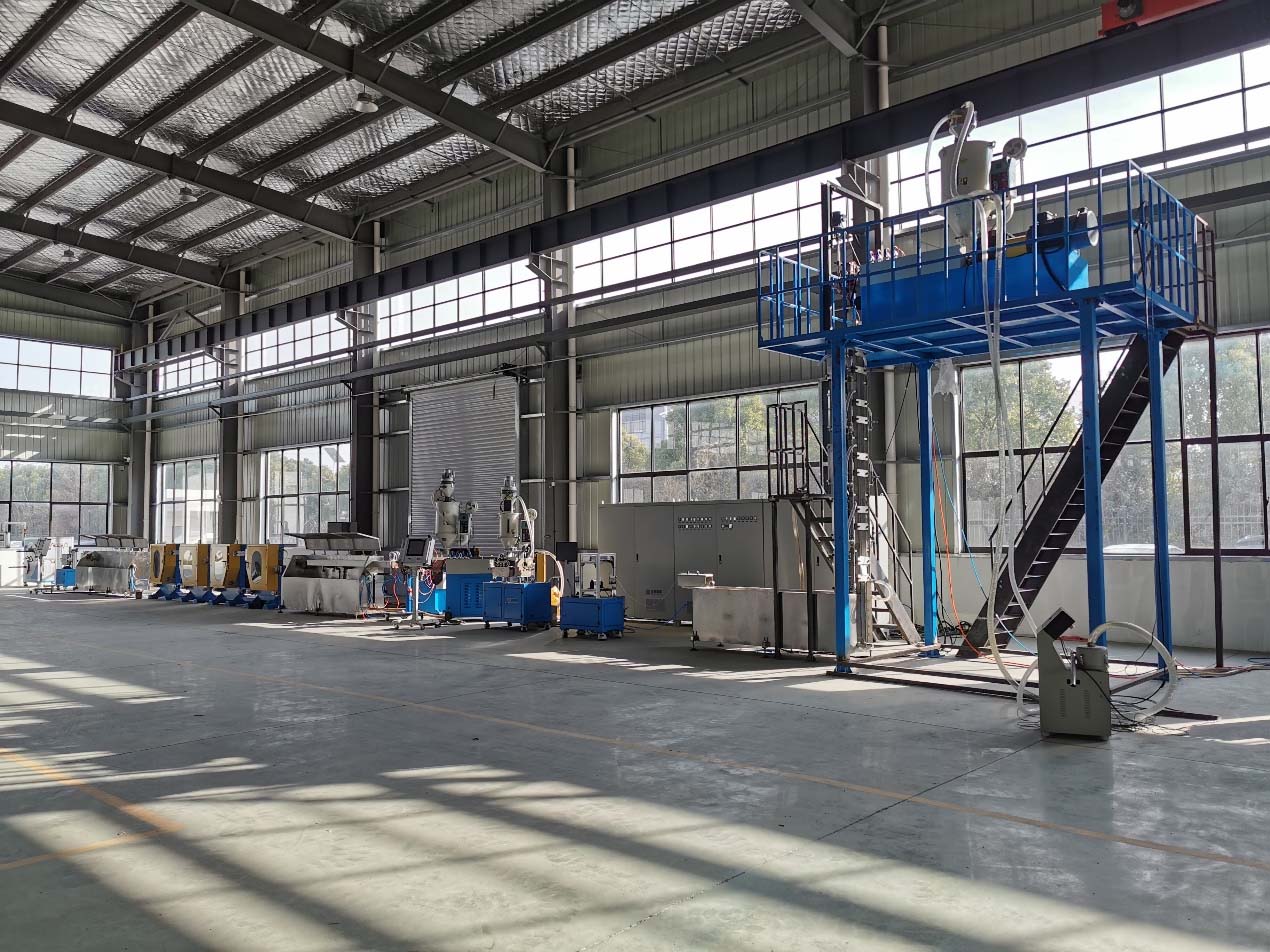
In the controlled environment of a modern industrial facility, a single, hair-thin plastic tube wound onto a reel might seem unremarkable to the untrained eye. However, in sectors ranging from mining and quarrying to large-scale infrastructure demolition, this tube...
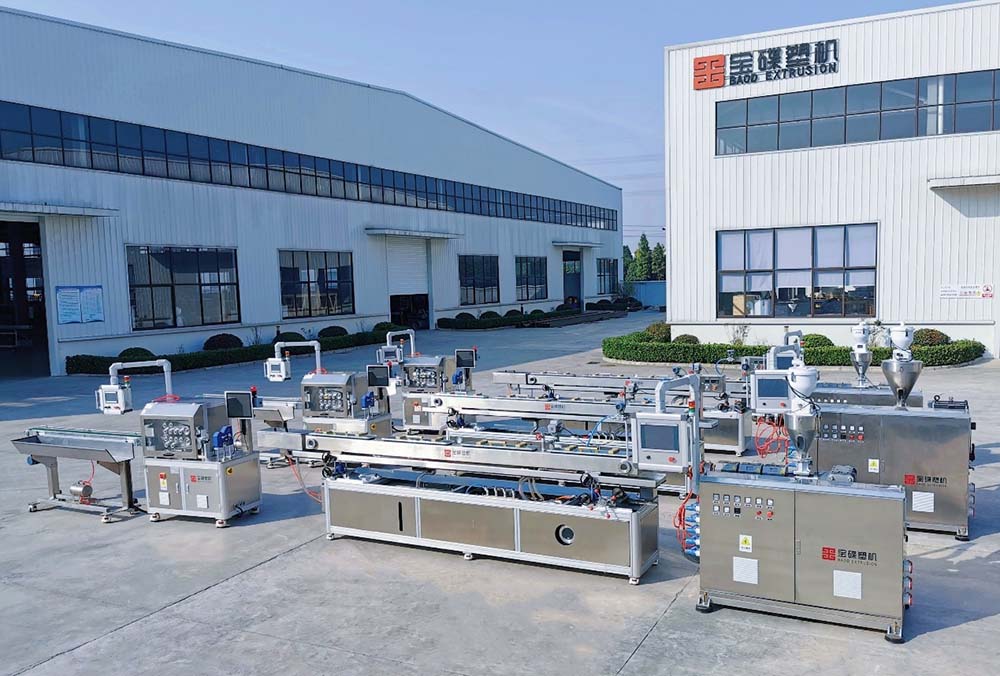
In the sterile, quiet environment of a modern medical facility, a clinician prepares a complex catheter for a critical procedure. This thin, flexible tube is far more than a simple conduit; internally, it is divided into several microscopic channels, or lumens, each...
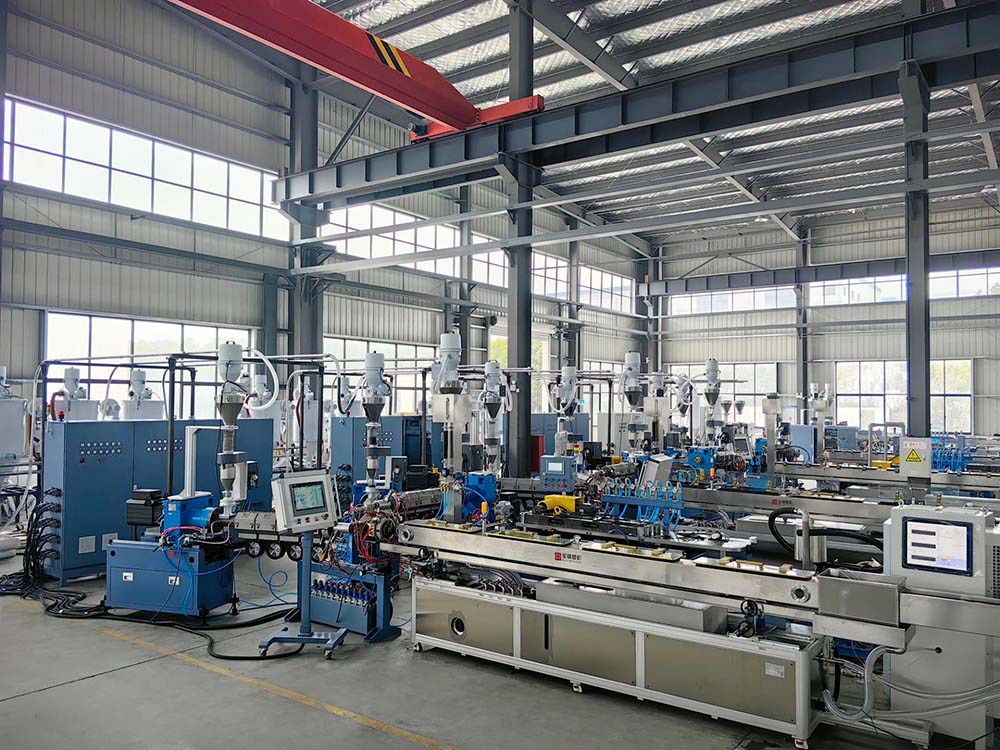
How do the world's most reputable vehicle manufacturers ensure the absolute integrity of every fuel line, brake hose, and cooling pipe buried deep within a vehicle’s chassis? Why has the shift toward electric and lightweight vehicles made the precision of these...
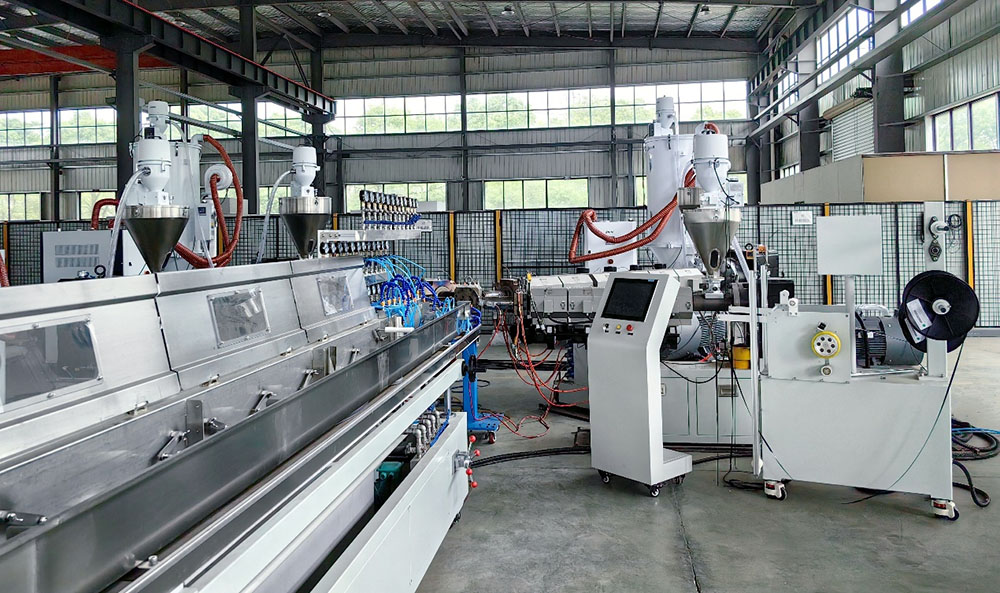
As the twilight sun reflects off the sleek, aerodynamic curves of a modern electric vehicle parked in a bustling metropolitan street, few observers notice the quiet, critical components ensuring the cabin remains a sanctuary of silence and temperature...
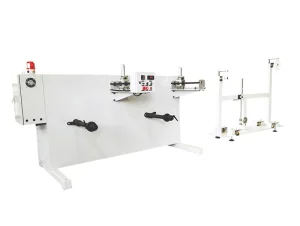
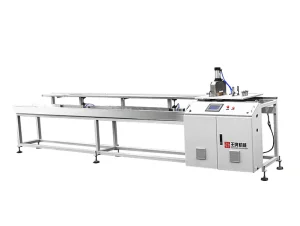
Explore our specialized downstream equipment, high-speed winding modules, and custom calibration systems.
 Baodie