Explore our core technological offerings designed for high-performance precision manufacturing and global quality compliance.
In the high-stakes domain of medical device manufacturing, PVC (Polyvinyl Chloride) Intravenous (IV) tubing represents a foundational element of patient care. Millions of meters of tubing are utilized daily across intensive care units, emergency rooms, surgical wards, and oncology centers worldwide. The production of medical tubing demands strict adherence to rigorous engineering, chemical safety, and cleanliness protocols. Modern systems require compliance with strict regulatory frameworks, such as the European Union Medical Device Regulation (EU MDR) and the United States Food and Drug Administration (FDA) guidelines, to ensure patient safety and product efficacy.
China has established itself as a major center for both raw medical-grade material processing and high-precision extrusion machinery. High-speed medical extrusion systems from China are designed to balance cost efficiency with dimensional precision. To maintain competitiveness in the global market, manufacturers rely on technical innovations, including multi-lumen co-extrusion, closed-loop diameter feedback controls, and cleanroom-integrated winding systems. This whitepaper analyzes the technology, commercial landscape, material science, and manufacturing protocols driving the modern medical PVC tubing sector.
"Precision is not merely a manufacturing standard in medical extrusion—it is a critical safety parameter. A minor deviation of 0.02mm in wall thickness can alter fluid dynamics, potentially impacting the dosage accuracy of life-critical drug delivery systems."
The global market for medical-grade tubing continues to expand, driven by an aging population, increasing surgical volume, and the expansion of healthcare infrastructure in developing economies. PVC remains a dominant material due to its flexibility, chemical stability, sterilization capability, and cost-effectiveness. In terms of commercial volume, intravenous therapies account for the majority of production, followed by blood transfusion sets, enteral nutrition bags, and oxygen delivery systems.
Geopolitically, the production landscape is divided into raw material suppliers, component assemblers, and extrusion machinery innovators. Chinese manufacturing has shifted from low-cost assembly to high-precision engineering. Advanced domestic producers now provide turnkey lines that match or exceed European standards for consistency, speed, and automation. By manufacturing extrusion lines locally in regions like Jiangsu and Shanghai, companies like Jiangsu Baodie Automation Equipment Co., Ltd. (BAOD EXTRUSION) supply globally competitive equipment to medical device manufacturers in the Americas, Europe, and Asia-Pacific.
Furthermore, global supply chains require that PVC IV tubing production lines adapt to varying international standards. This requires machinery that can easily pivot between processing standard PVC formulations and alternative materials like Thermoplastic Elastomers (TPE) or Polyurethane (TPU). This adaptability is essential as hospital procurement protocols seek out DEHP-free products to mitigate the risks of chemical leaching in sensitive patient groups.
Regulatory shifts to non-phthalate plasticizers like TOTM and DINCH to reduce chemical toxicity.
Strict adherence to USP Class VI, ISO 10993, and international medical device compliance guidelines.
Developing multi-layer tubes (PVC/PE/TPU) to prevent drug absorption and preserve chemical stability.
The extrusion of medical-grade PVC differs significantly from standard industrial pipe production. Because the tubing directly contacts blood, saline, and pharmacological agents, the extrusion process must operate under cleanroom conditions, typically ISO Class 7 or Class 8. This environment limits the types of machinery designs that can be used, requiring configurations that minimize particle generation, static buildup, and oil leakage.
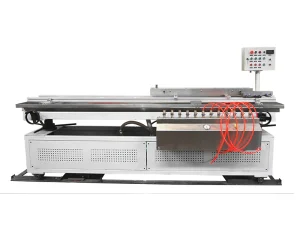
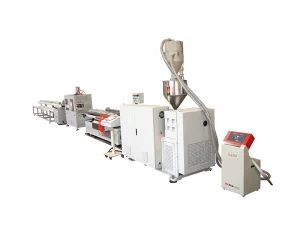
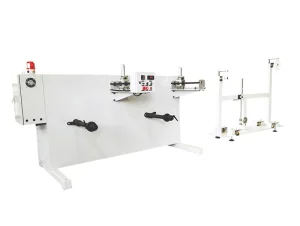
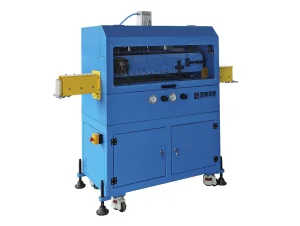
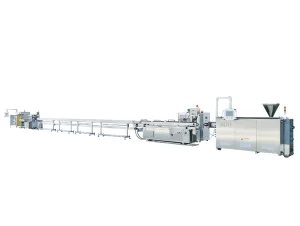
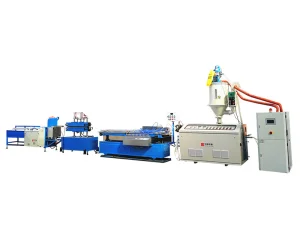
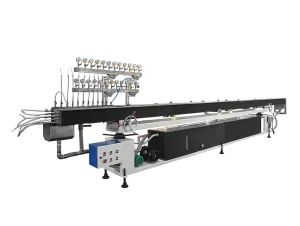
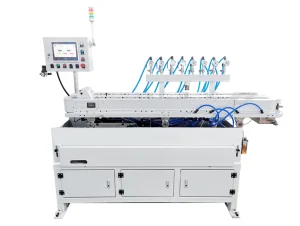
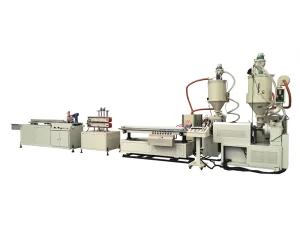
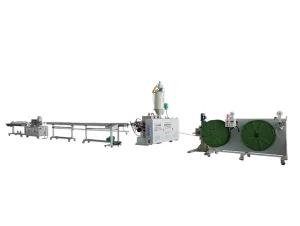
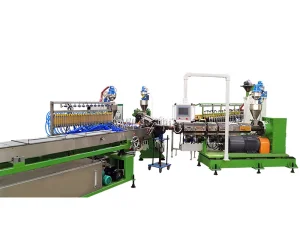
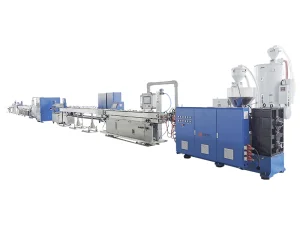
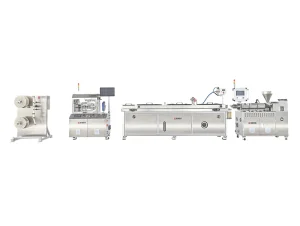
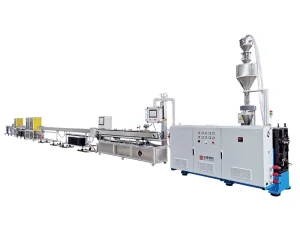
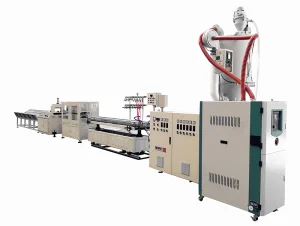
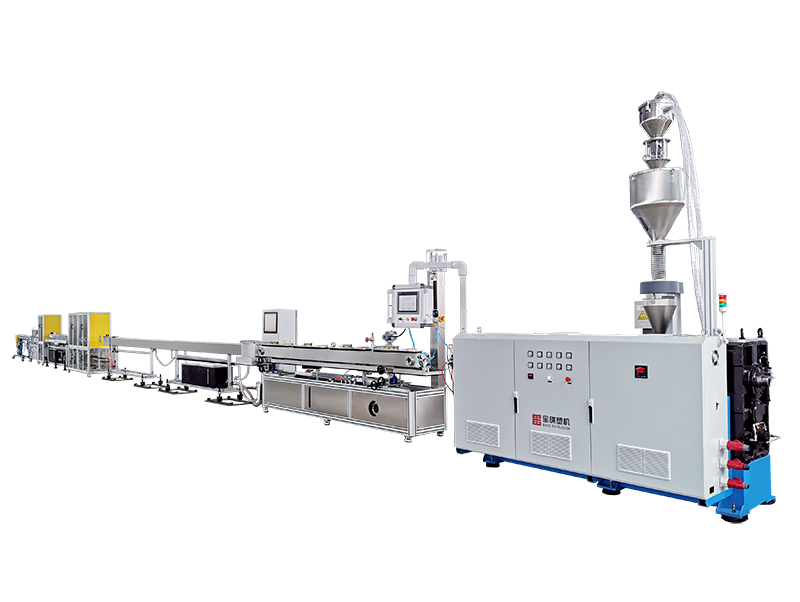
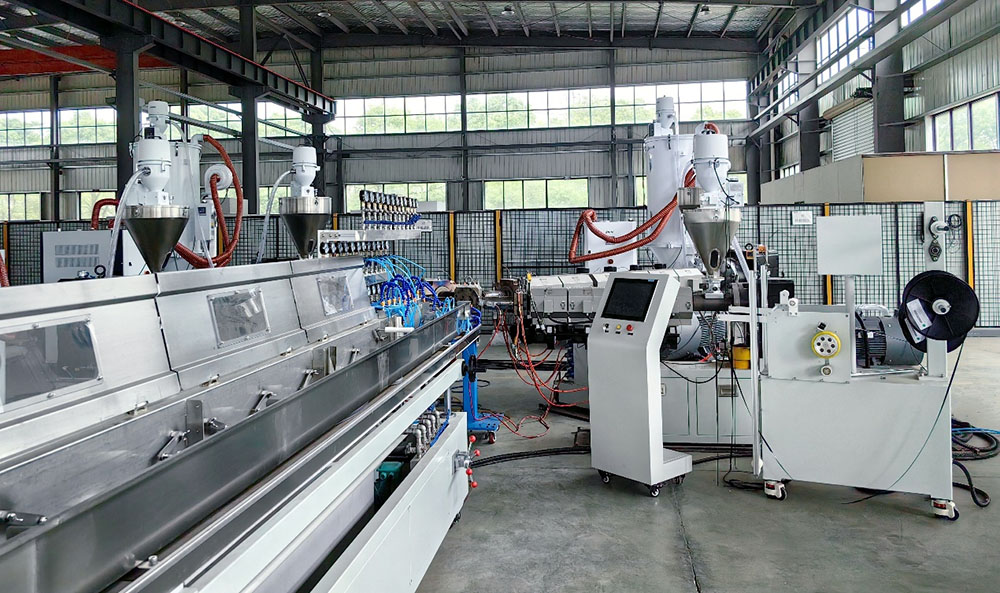
The technical roadmap for high-speed PVC medical tube extrusion lines highlights the integration of several core sub-assemblies:
Historically, Di(2-ethylhexyl) phthalate (DEHP) was the primary plasticizer used to render PVC flexible. However, clinical studies demonstrating that DEHP can leach out during lipid infusions led to strict regulatory warnings. Consequently, the medical sector has transitioned toward safer alternatives. Today's premium PVC IV tubing utilizes plasticizers such as Trioctyl Trimellitate (TOTM) or 1,2-Cyclohexane dicarboxylic acid diisononyl ester (DINCH). These alternatives offer high thermal stability and lower migration rates, ensuring safer delivery of sensitive therapeutic agents.
Beyond single-material extrusion, modern oncology treatments require multi-layer co-extrusion technology. When running paclitaxel, nitroglycerin, or insulin, standard PVC can absorb the active pharmaceutical ingredients (APIs), reducing the dosage that reaches the patient. Multi-layer tubes feature a drug-contacting inner layer made of Polyethylene (PE) or Thermoplastic Polyurethane (TPU), an outer protective layer of flexible PVC, and an intermediate tie layer. This co-extrusion structure preserves the mechanical flexibility of PVC on the outside while maintaining chemical inertness on the inside.
Founded in 2002, BAOD EXTRUSION (Jiangsu Baodie Automation Equipment Co., Ltd.) specializes in the design, manufacture, and sales of high-performance plastic extrusion equipment. The company's engineering roots trace back to Taiwan, where its parent group (KINGSWEL GROUP) accumulated 18 years of design and fabrication experience before establishing a manufacturing base in Shanghai in 1999.
With 25 years of experience in plastic extrusion engineering, BAOD EXTRUSION maintains a focus on research and development, specifically targeting:
Explore our industrial range of precision profile and medical-grade extrusion lines engineered for high output and stability.
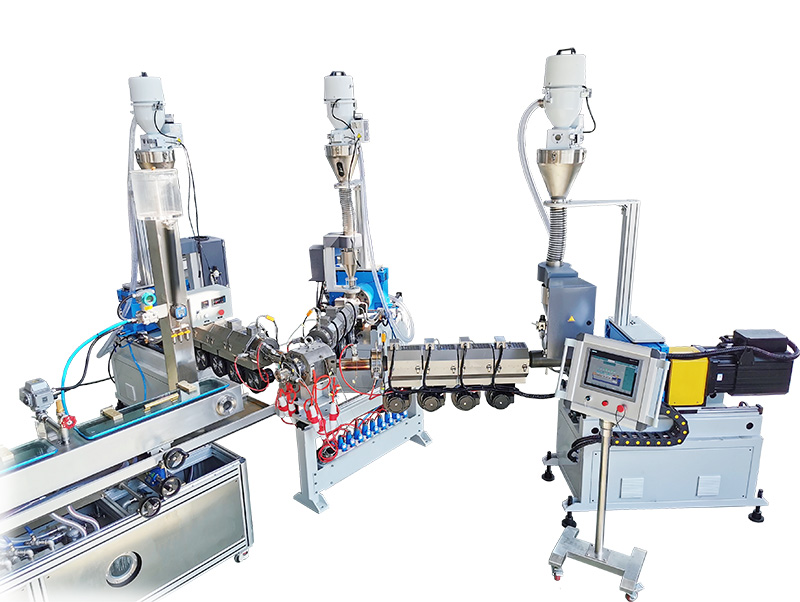
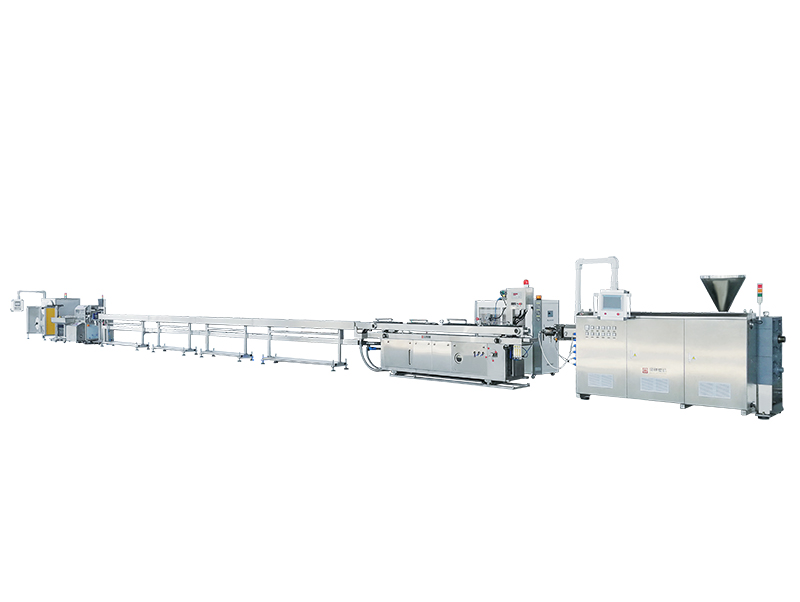
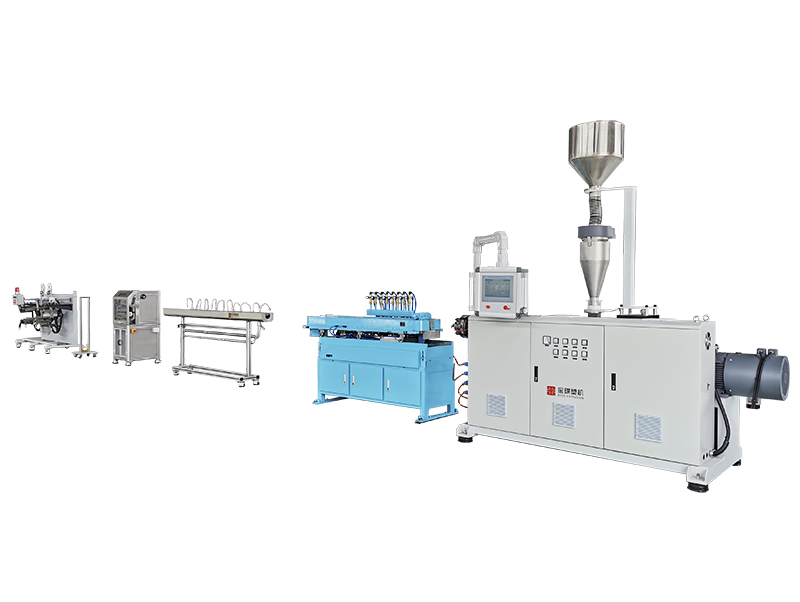
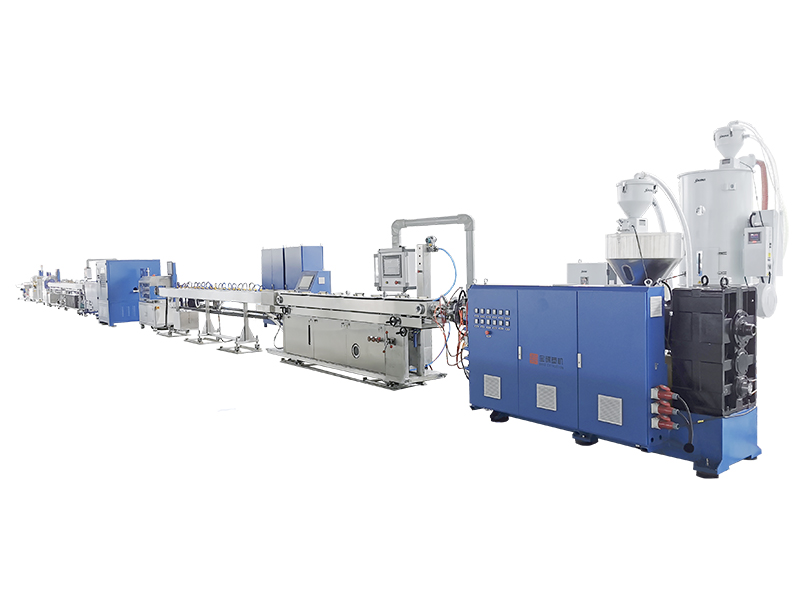

Expert insights addressing key challenges, material alternatives, and precision controls in medical PVC extrusion.
For standard single-lumen IV infusion tubing, the outer diameter (OD) and inner diameter (ID) tolerances are typically maintained within ±0.02mm to ±0.03mm. On advanced, high-speed lines integrated with laser feedback calibration, tolerances can be tightened to ±0.01mm. This precision is necessary to maintain consistent flow rates and secure fittings on roller clamps and luer connectors.
Different plasticizers alter the polymer’s rheological behavior. Non-DEHP plasticizers like TOTM require slightly higher extrusion temperatures and specific screw designs to prevent excessive shear heat. Proper temperature profiling across the barrel is essential to maintain plasticizer dispersion and prevent micro-gel formation in the tube wall.
Multi-layer co-extrusion allows manufacturers to combine the mechanical flexibility of PVC with the chemical resistance of other materials. For example, a three-layer tube might have a PE or TPU inner layer to prevent drug adsorption, a middle tie-layer, and a PVC outer layer to retain elasticity and kink resistance, providing a balanced solution for drug delivery.
BAOD designs its medical lines using stainless steel covers, oil-free vacuum pumps, and specialized low-dust traction belts. Heat-generating zones are insulated, and electrical cabinets are isolated or clean-room ventilated to minimize dust emission, helping the system meet ISO Class 7/8 standards.
Stay updated with our technical breakthroughs, exhibition announcements, and manufacturing compliance guidelines.
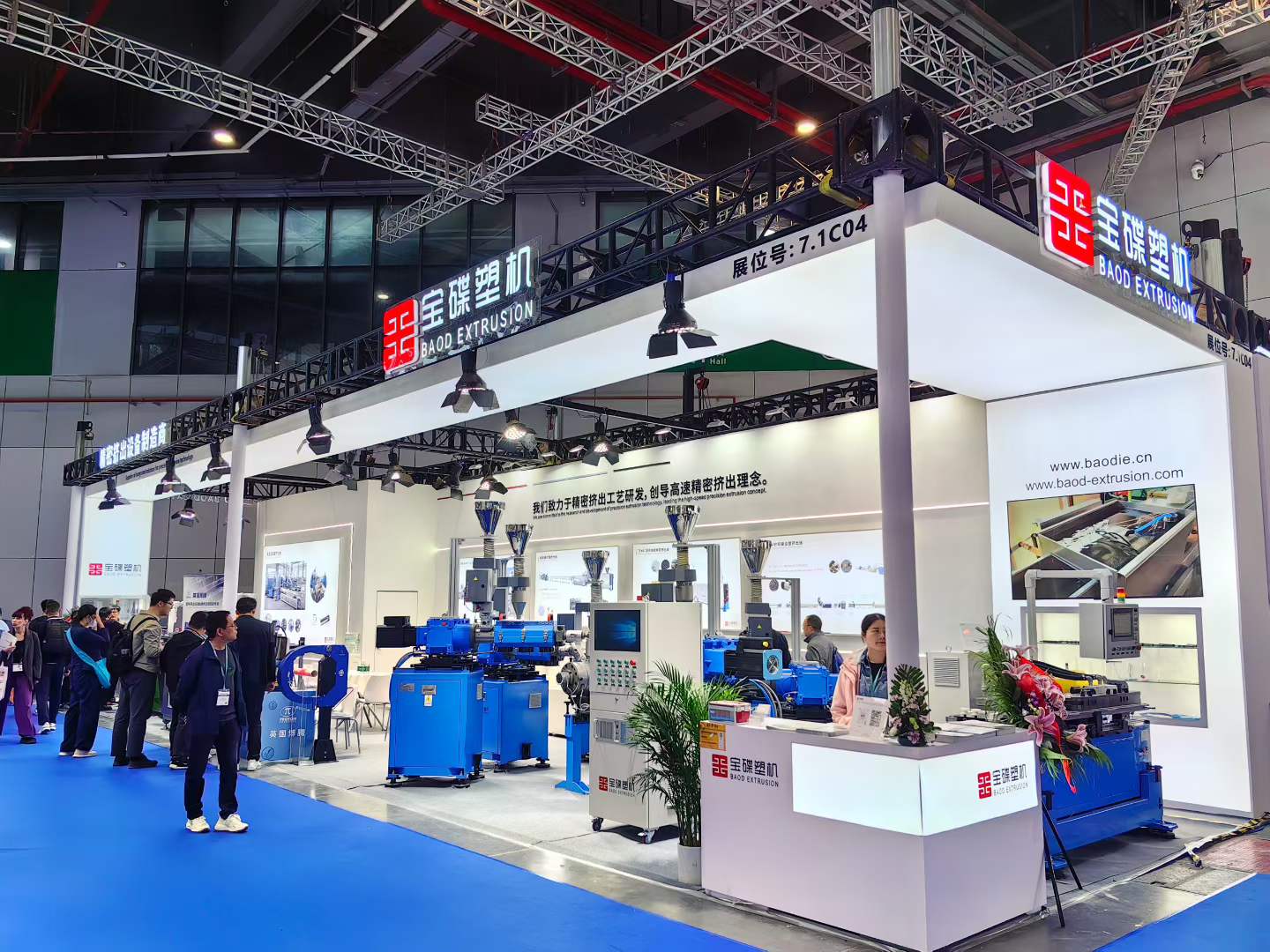
From April 21–24, CHINAPLAS 2026 was successfully held at the National Exhibition and Convention Center (Shanghai, Hongqiao). BAOD EXTRUSION showcased its latest R&D achievements at Booth 7.1C04, presenting “Smart Extrusion & High-Efficiency Innovation” solutions...
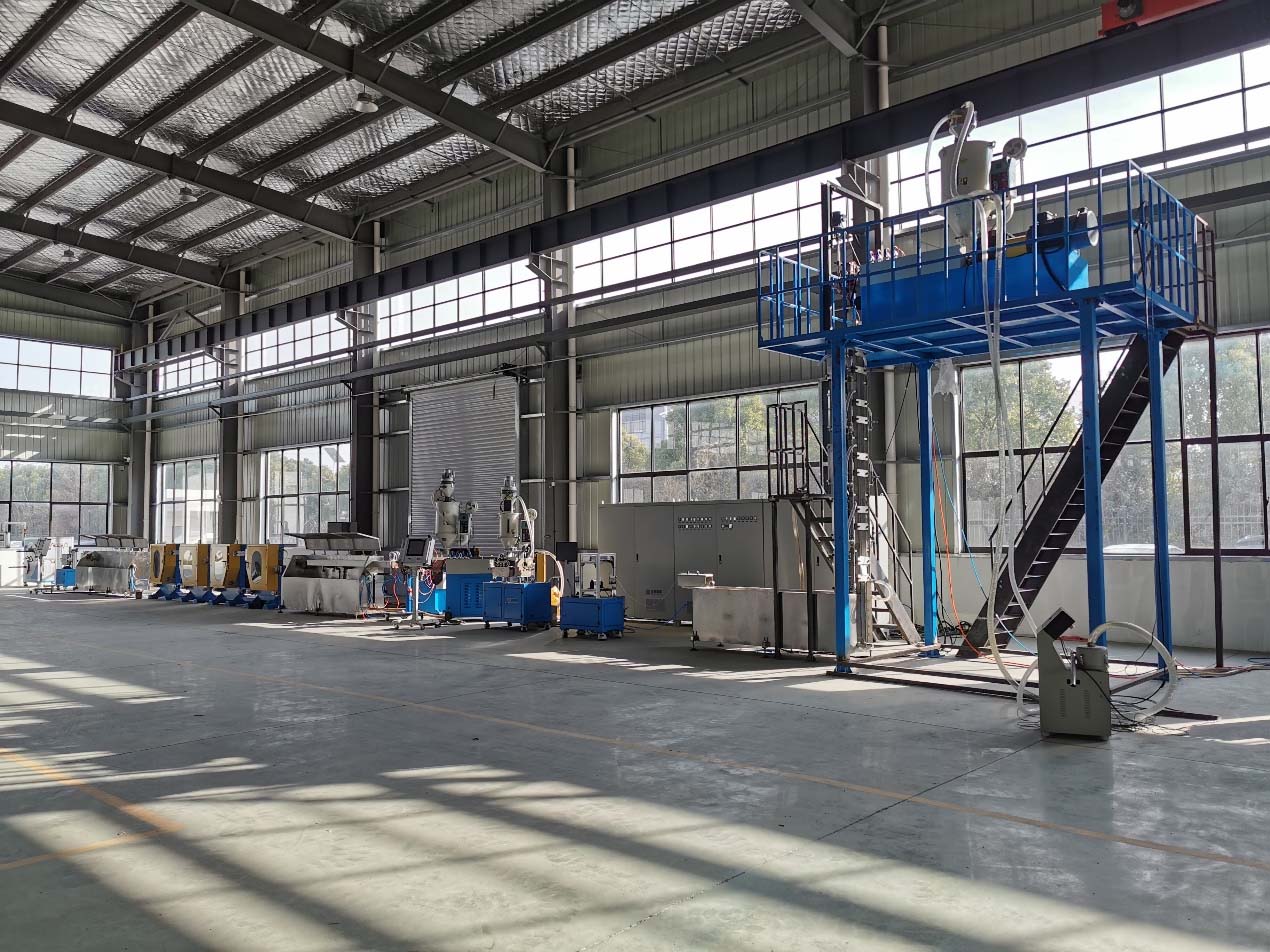
In the controlled environment of a modern industrial facility, a single, hair-thin plastic tube wound onto a reel might seem unremarkable to the untrained eye. However, in sectors ranging from mining and quarrying to large-scale infrastructure demolition, this tube—known...
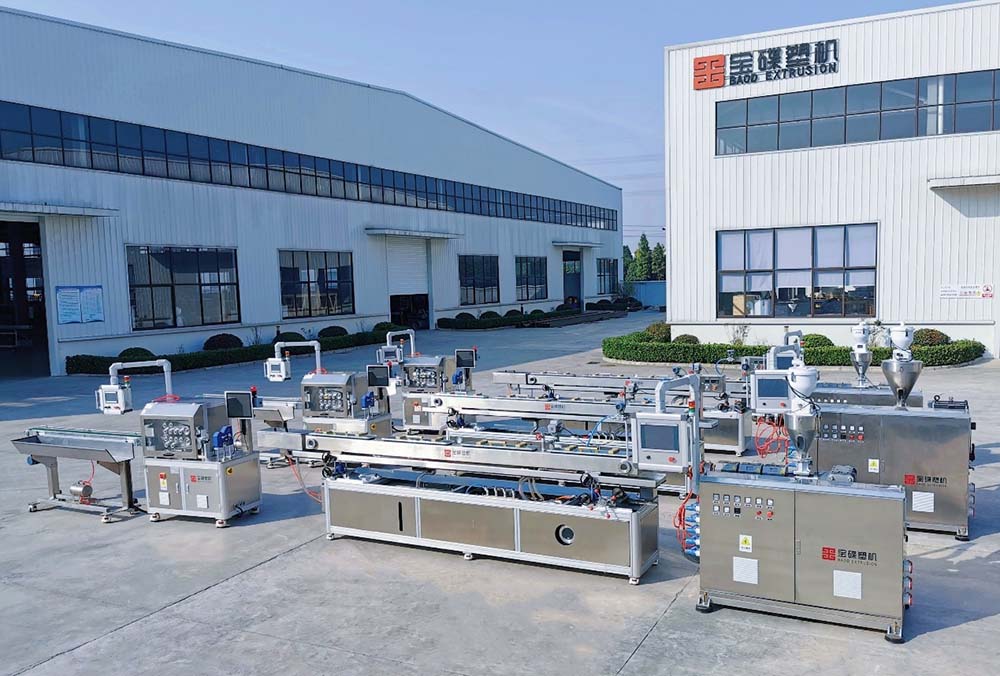
In the sterile, quiet environment of a modern medical facility, a clinician prepares a complex catheter for a critical procedure. This thin, flexible tube is far more than a simple conduit; internally, it is divided into several microscopic channels, or lumens, each desi...
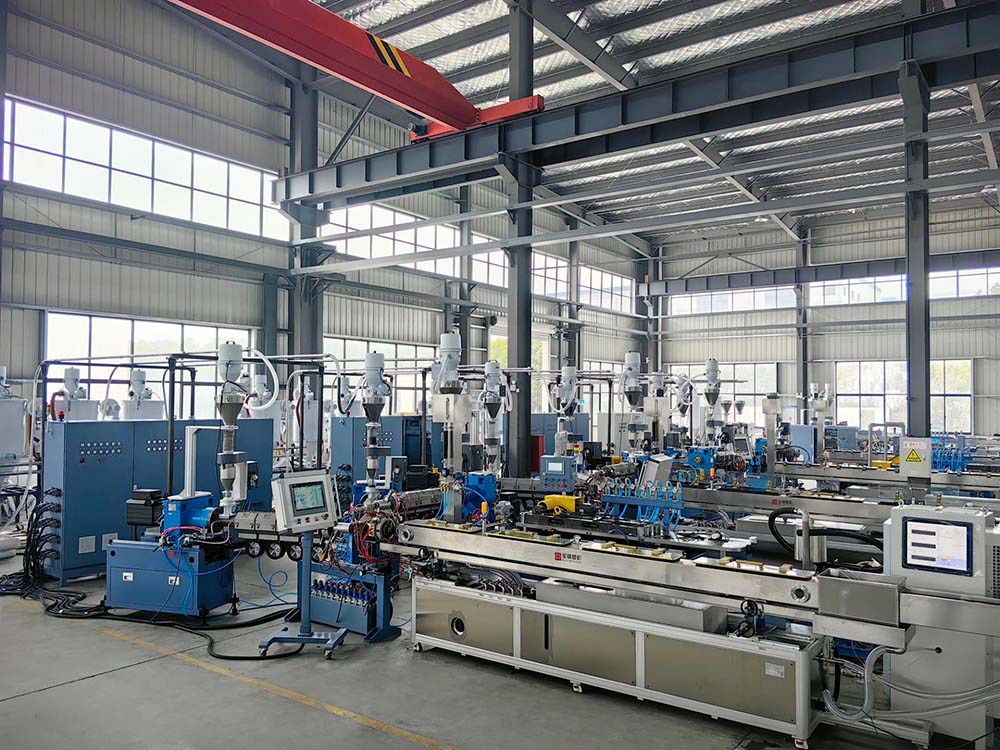
How do the world's most reputable vehicle manufacturers ensure the absolute integrity of every fuel line, brake hose, and cooling pipe buried deep within a vehicle’s chassis? Why has the shift toward electric and lightweight vehicles made the precision of these small-dia...
As the twilight sun reflects off the sleek, aerodynamic curves of a modern electric vehicle parked in a bustling metropolitan street, few observers notice the quiet, critical components ensuring the cabin remains a sanctuary of silence and temperature control. Behind the...
Explore our specialized range of high-performance polymer extrusion machinery and auxiliary winding equipment.
 Baodie