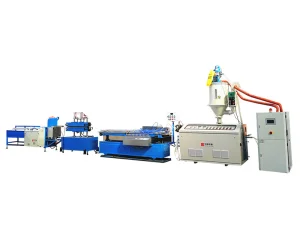
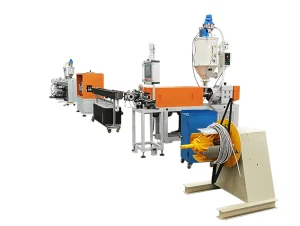
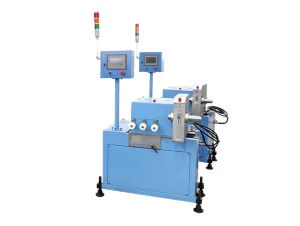
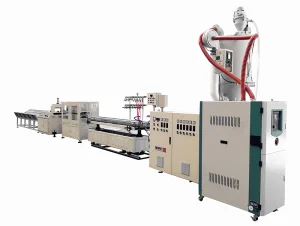
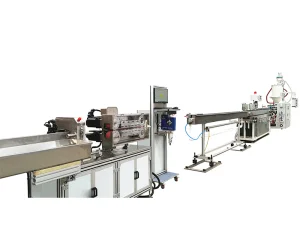
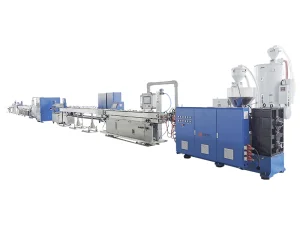
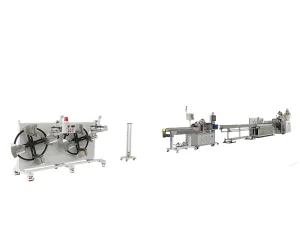
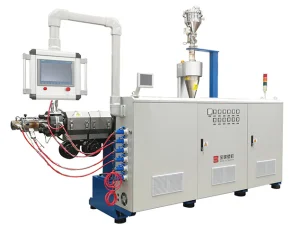
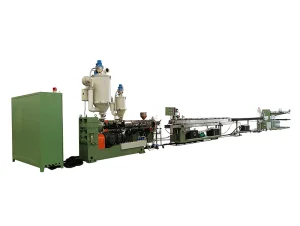
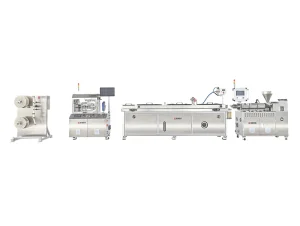
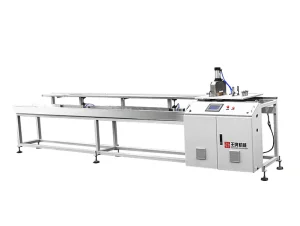
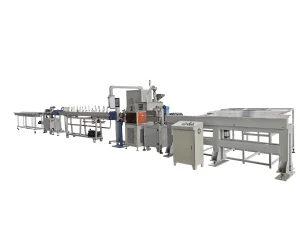
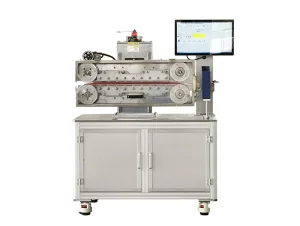
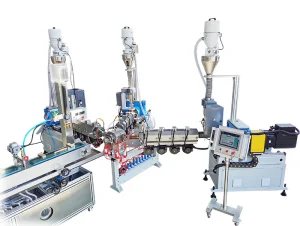
Explore our engineering capabilities across customized high-precision extrusion systems, coating setups, and downstream rotary cutting modules.
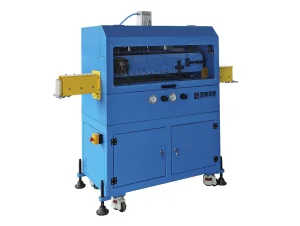
In the modern healthcare environment, the demand for precision medical tubing is growing rapidly. From micro-bore multi-lumen catheters used in minimally invasive cardiac surgeries to multi-layer co-extruded tubes for controlled drug delivery, the engineering standards are strict.
A medical tube extrusion line is not merely a plastic processing unit; it is a highly integrated scientific instrument. Tolerances are measured in microns (frequently within ±0.01mm to ±0.02mm). Achieving this consistently requires cutting-edge melt pump designs, advanced vacuum calibration systems, gravimetric dosing control, and real-time closed-loop laser gauge monitoring.
A comprehensive examination of global commercial requirements, emerging polymers, and high-precision downstream integration.
The industry is transitioning from standard medical-grade PVC to more demanding materials, including Thermoplastic Polyurethane (TPU), Polyether Block Amide (Pebax), fluoropolymers (FEP, PTFE), and PEEK. Processing these requires dedicated screw geometries (L/D ratios ranging from 25:1 to 30:1), specialized anti-corrosion barrel coatings, and high-precision temperature control systems operating within ±0.5°C.
Modern minimally invasive devices require tubes featuring up to 9 or more distinct lumens. Precision tooling design is essential for maintaining lumen shape and wall thickness. Furthermore, co-extrusion technologies enable the integration of radiopaque stripes or the production of multi-layer structures, combining a low-friction inner liner (e.g., HDPE) with a soft outer cover (e.g., Pebax).
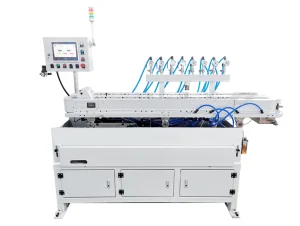
To eliminate downstream tension variations that lead to dimensional fluctuations, we utilize servo-driven, high-speed belt pullers. When paired with high-performance rotary fly knife cutters, these systems deliver clean, burr-free cuts at speeds exceeding 100 meters per minute. The system operates on a closed-loop feedback design, adjusting line speed dynamically based on real-time laser outer-diameter data.
Information Gain Trend Note: Industry 4.0 integration has shifted from a luxury to an absolute necessity. Modern pharmaceutical and medical device manufacturers demand comprehensive, continuous dataset logging for every produced batch. Our extrusion controls capture barrel pressures, melt temperatures, puller tensions, and dimensional coordinates, storing them for complete process validation and compliance tracking (DQ, IQ, OQ, PQ).
BAOD EXTRUSION (Jiangsu Baodie Automation Equipment Co., Ltd.), founded in 2002, is dedicated to designing, manufacturing, and selling high-end plastic extrusion equipment. Our engineering foundation is backed by 18 years of design and manufacturing experience in Taiwan under the original parent company, KINGSWEL GROUP, which invested in establishing our mainland Shanghai manufacturing base in 1999.
For over two decades, BAOD has remained focused on research and development, specializing in precision extrusion technologies, high-efficiency output processes, advanced automation systems, and complete equipment safety protections. Our machines deliver European-grade performance at an competitive total cost of ownership.
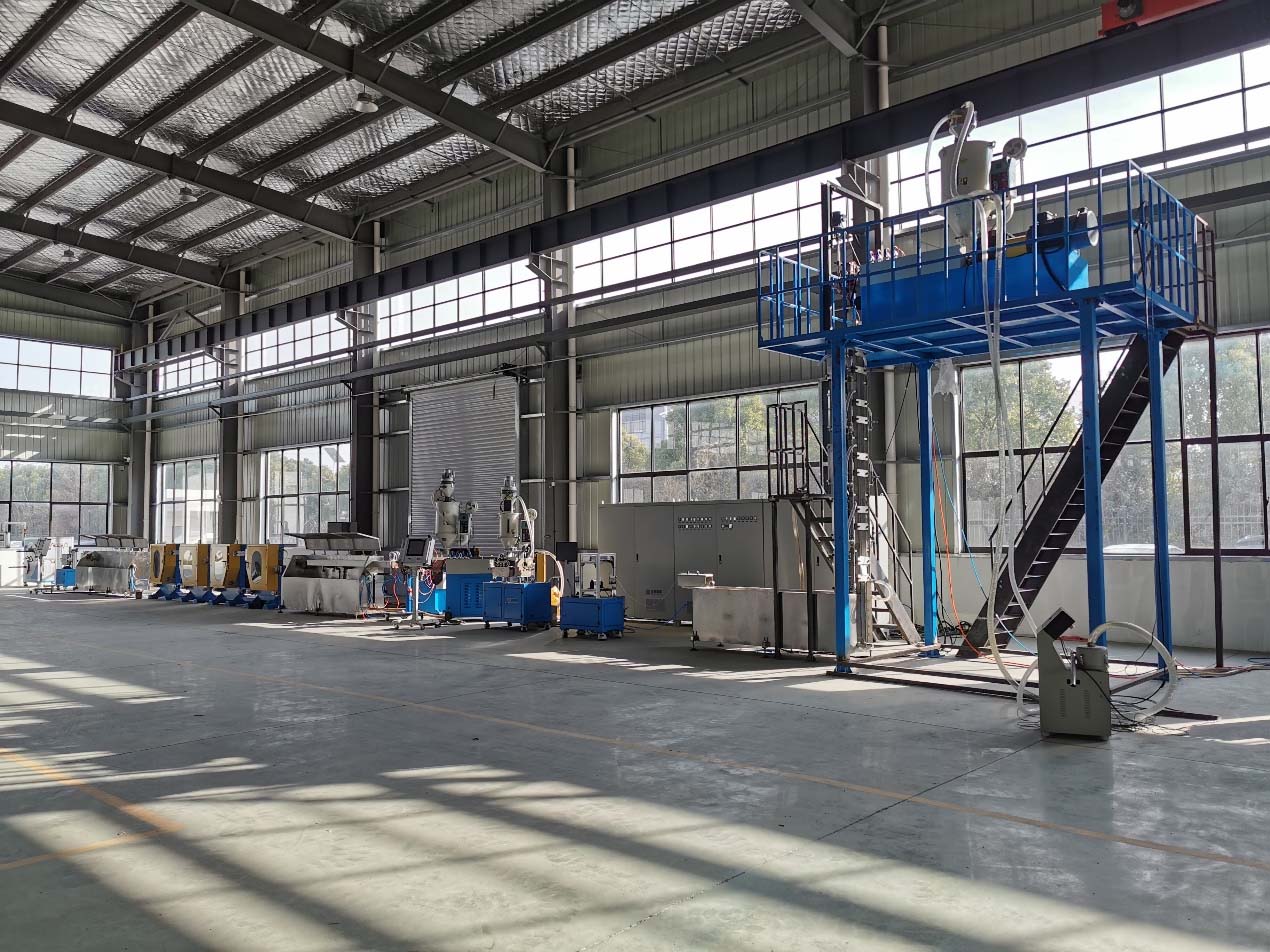
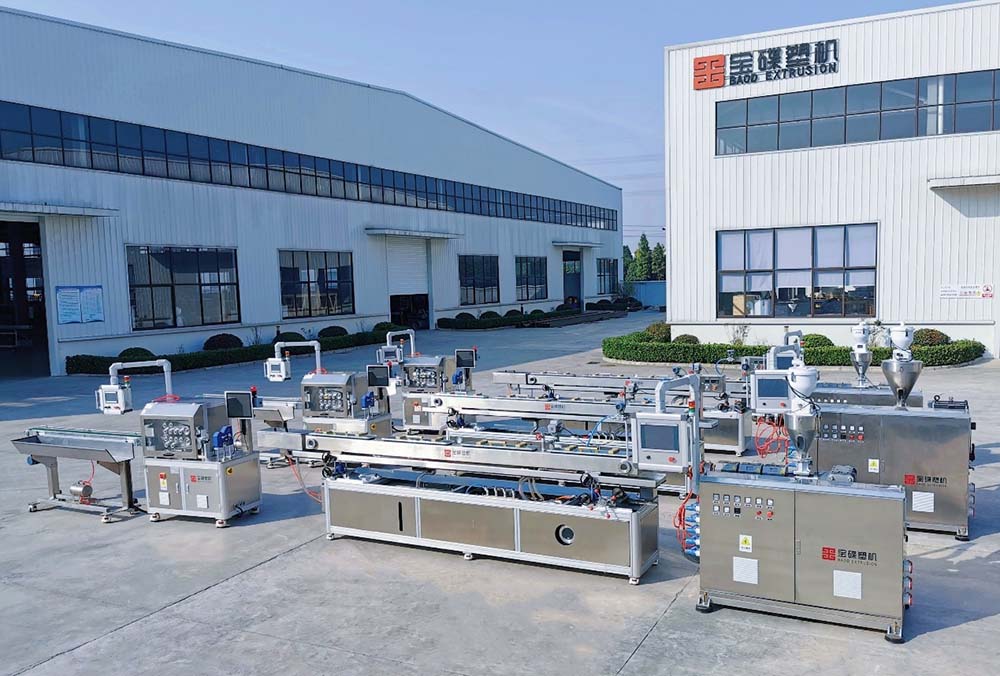
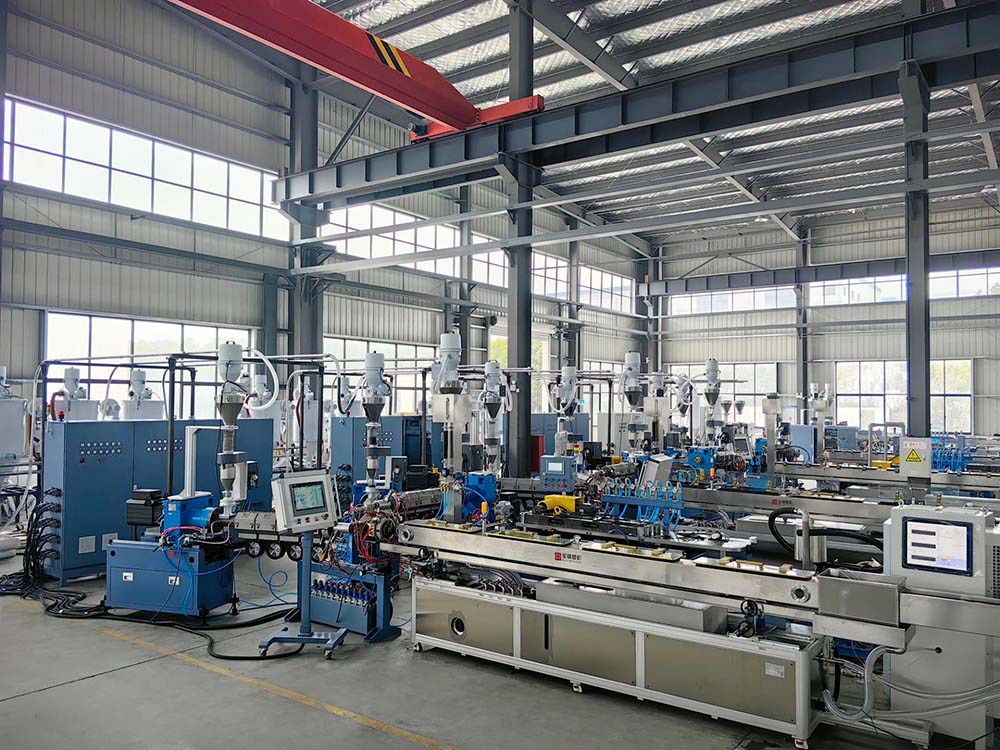
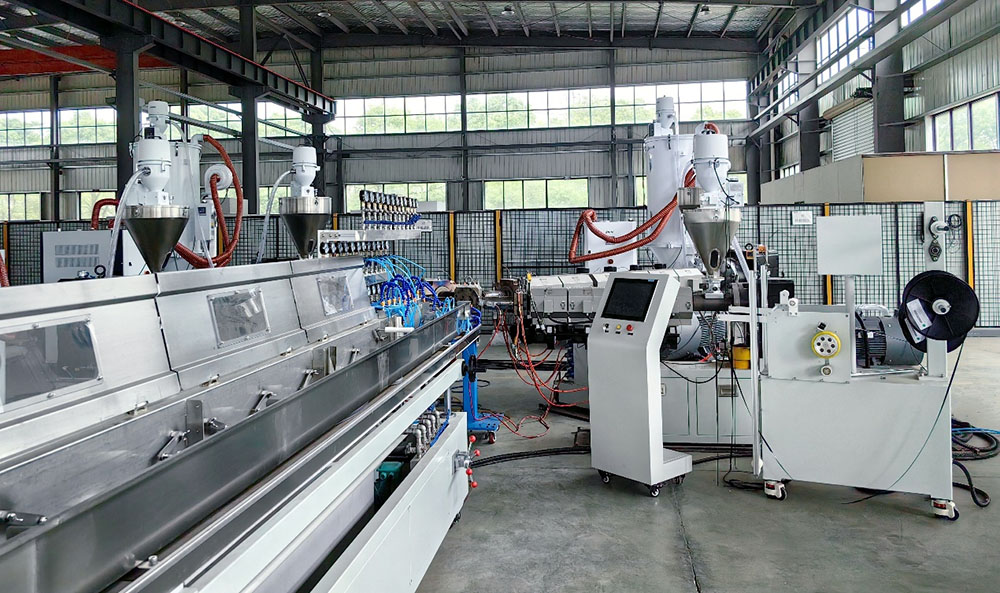
Direct from our manufacturing facility: engineered to meet the demanding requirements of medical, automotive, and industrial engineering applications.
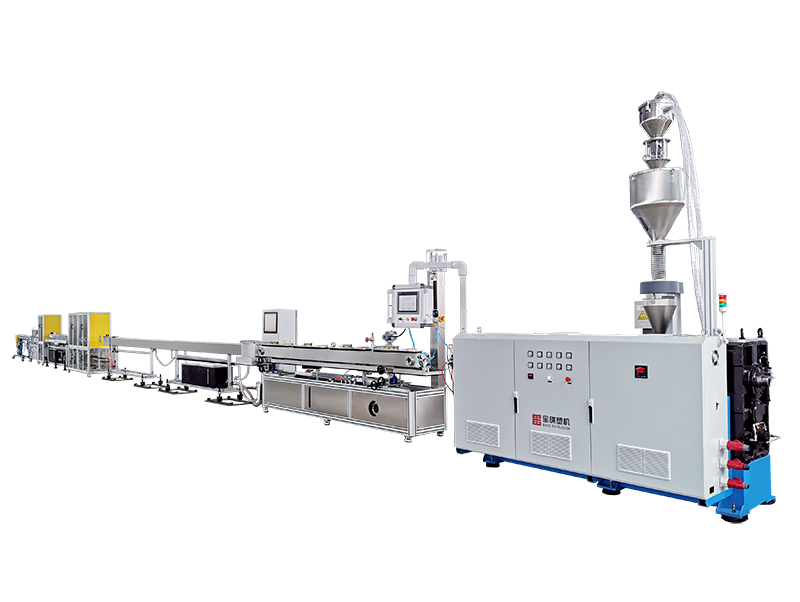
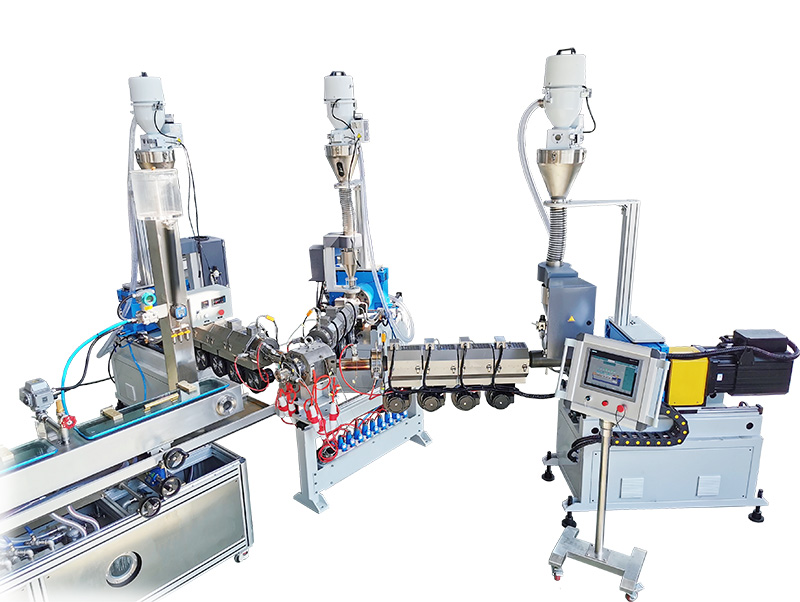
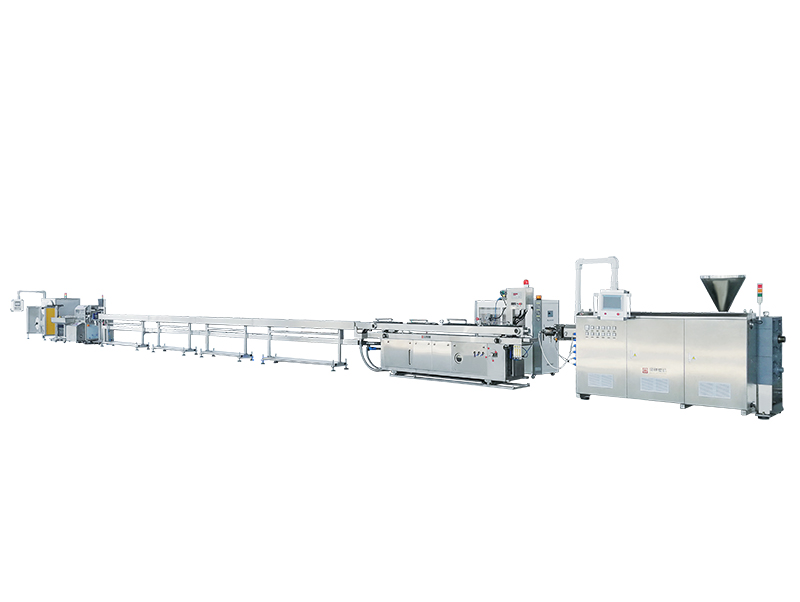
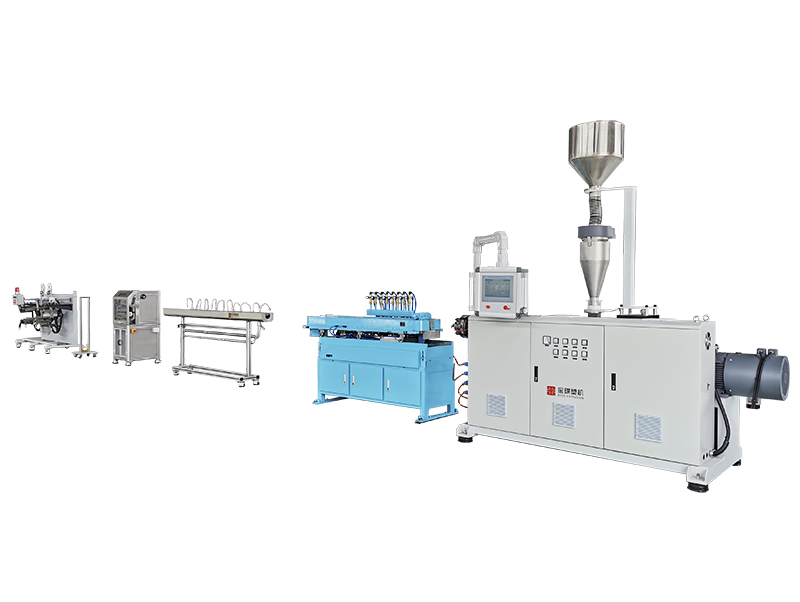
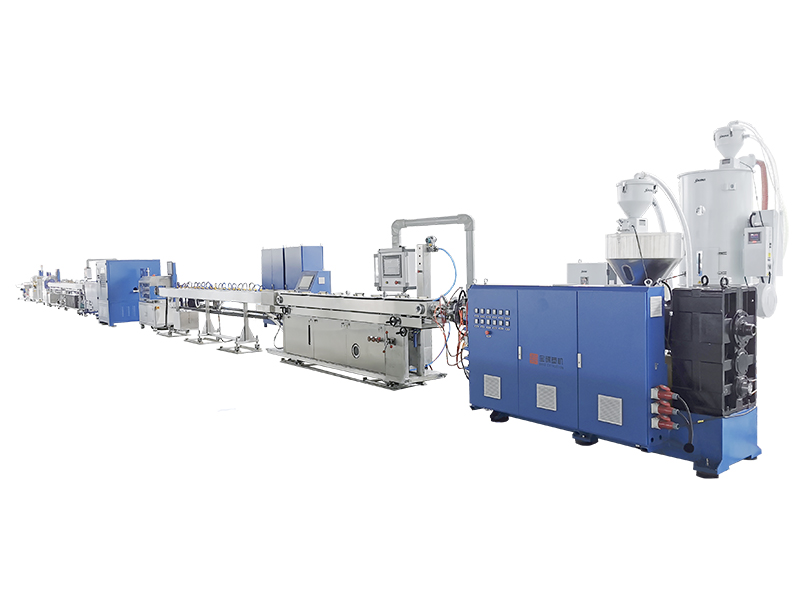

How BAOD Extrusion combines regional industrial clusters, precision component sourcing, and smart manufacturing methodologies.
Our strategic location in Jiangsu Province places us at the center of the world's most advanced mechanical engineering cluster. We source premium auxiliary components, such as Siemens motors, Omron PID controllers, and Barber-Colman pressure transducers, through optimized regional channels. This enables rapid assembly and reliable, long-term parts availability.
By managing precision machining, barrel nitriding, and screw flight polishing in-house, we maintain complete control over the manufacturing timeline and quality standards. This vertical integration protects our clients from supply chain disruptions, allowing us to deliver bespoke, high-tolerance lines on tight schedules.
Every machine line leaving our factory floor is fully tested and run under production conditions using our clients' raw materials. We compile comprehensive FAT (Factory Acceptance Test) reports, ensuring the equipment meets all CE, FDA cleanroom, and GMP standards before shipping.
Stay informed with the latest updates from our engineering department, international exhibitions, and comparison studies.
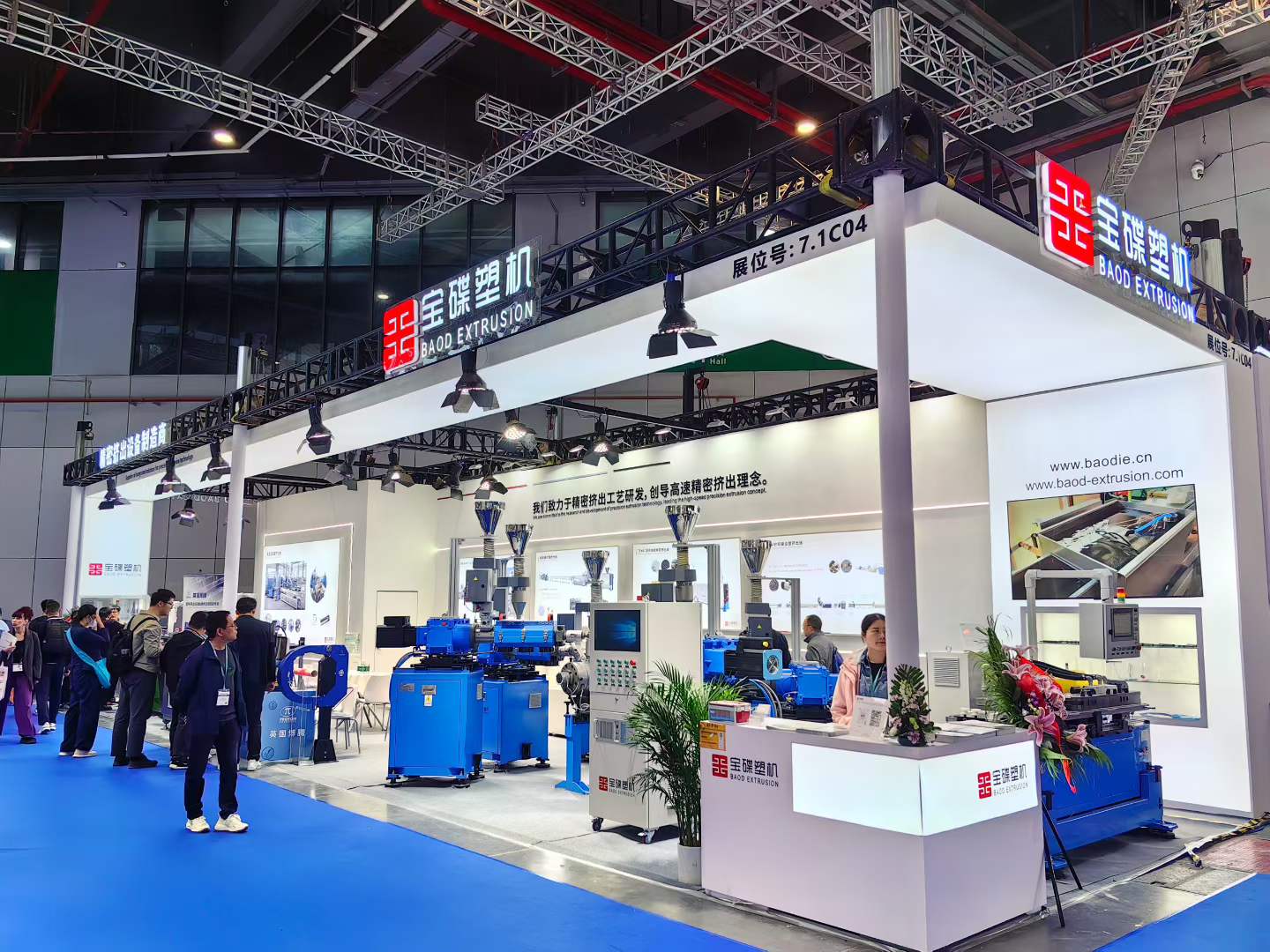
From April 21–24, CHINAPLAS 2026 was successfully held at the National Exhibition and Convention Center (Shanghai, Hongqiao). BAOD EXTRUSION showcased its latest R&D achievements at Booth 7.1C04, presenting “Smart Extrusion · High-Efficiency Innovation” solutions that attracted clients globally.
In the controlled environment of a modern industrial facility, a single, hair-thin plastic tube wound onto a reel might seem unremarkable. However, in sectors ranging from mining to infrastructure demolition, this detonating tube requires absolute consistency. BAOD ranks as a top-tier global system supplier.
In the sterile environment of a modern medical facility, clinician catheters require multiple internal micro-lumens. In this technical comparison, we examine how BAOD's precision tooling and closed-loop melt management achieve tolerances comparable to European manufacturers at a competitive cost.
Why has the transition toward electric vehicles increased the precision requirements for under-chassis fuel, cooling, and brake fluid lines? We look at how BAOD meets strict OEM requirements through automated multi-layer co-extrusion technology.
With electric vehicle cabins emphasizing noise reduction, automotive sealing strips require precise co-extrusion of diverse materials. Explore BAOD's high-speed sealing strip production lines, which integrate steel matrix insertion and online flocking systems.
Detailed technical answers addressing standard questions encountered during the design, procurement, and validation phases.
Our medical-grade extrusion systems consistently maintain tolerances within ±0.01mm to ±0.03mm, depending on raw materials (such as TPU, Pebax, or medical-grade PVC) and product dimensions. This is achieved through melt pump integration, precise vacuum water tank calibration, and closed-loop control systems connected to online laser measurement devices.
We design our medical lines specifically for ISO Class 7 and 8 cleanrooms. The extruders feature dust-free shields, stainless steel surfaces, closed-loop water circulation to prevent airborne mist, and centralized electrical cabinets positioned outside the cleanroom wall to minimize thermal load and particulate emissions.
Yes. We configure specialized single-screw extruders featuring high-temperature ceramic heater bands, specialized screw geometry designs, and corrosion-resistant alloys (such as Hastelloy or Xaloy liners). This enables reliable processing of fluoropolymers (FEP, ETFE, PVDF) and PEEK for medical applications.
We perform comprehensive Factory Acceptance Testing (FAT) with raw materials. Additionally, we provide documentation packages that include electrical schematics, component certificates, calibration logs, and step-by-step verification protocols to support our customers' IQ/OQ validation processes.
Browse our selection of multi-layer tube extruders, corrugated pipe lines, single-screw modules, and heavy-duty precision cutters.
 Baodie