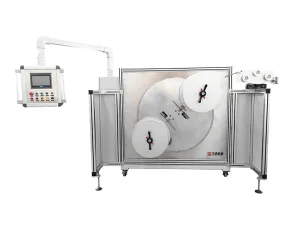
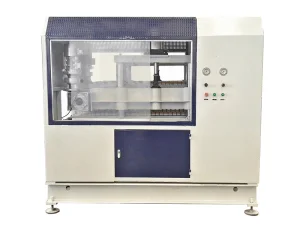
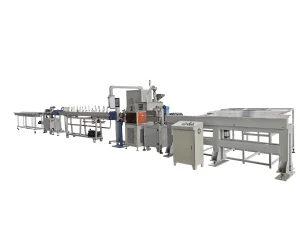
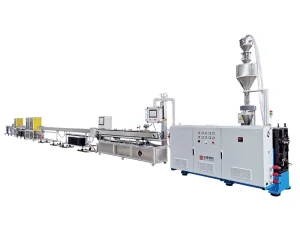
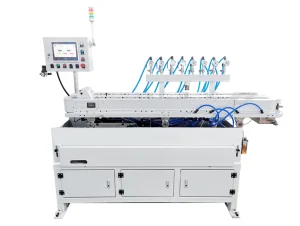
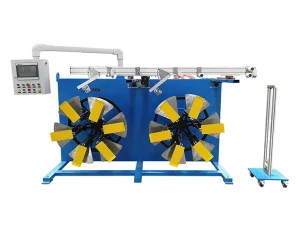
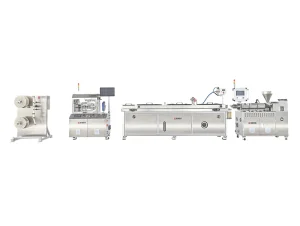
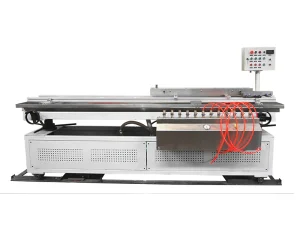
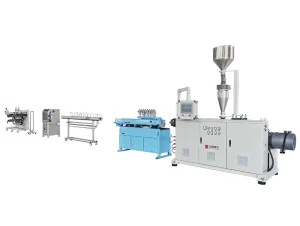
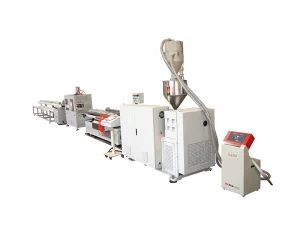
Low-Density Polyethylene (LDPE) is one of the most versatile polymers utilized in modern manufacturing. Because of its unique combination of flexibility, chemical resistance, toughness, and barrier properties, processing it demands exact machinery standards. Selecting a high-caliber China LDPE Extruder Manufacturer & Factory is no longer just about optimizing production costs; it is about partnering with a systems integrator that can guarantee high structural integrity, exact dimensional tolerances, and high-efficiency automation.
This technical document highlights the parameters that govern successful LDPE extrusion. It highlights manufacturing improvements in Jiangsu Baodie Automation Equipment Co., Ltd. (BAOD EXTRUSION), detailing why modern polymer companies rely on engineering from China to stay competitive globally.
Core Concept: High-efficiency LDPE extrusion relies on balanced shear rates, precise temperature zone containment, and consistent pressure control at the die head. Without these parameters, polymer chain degradation compromises downstream mechanical performance.
LDPE exhibits a branched molecular structure that differentiates it from High-Density Polyethylene (HDPE) or Linear Low-Density Polyethylene (LLDPE). This long-chain branching results in unique shear-thinning characteristics under pressure. At low shear rates, LDPE has a high melt viscosity, which transitions to lower viscosity under increased shear.
To extrude this polymer without shear-induced thermal degradation, the design of the extruder screw must be carefully tuned. We use a Length-to-Diameter (L/D) ratio of 28:1 to 33:1, combined with customized barrier screw designs. This configuration provides complete melting and consistent output without overheating the polymer matrix.
| Processing Parameter | Standard Specification | BAOD Advanced System Capabilities |
|---|---|---|
| Screw L/D Ratio | 25:1 to 28:1 | 28:1 to 33:1 (Optimized for specific melt indexing) |
| Tolerance Control | ±0.10 mm | ±0.03 mm (High-precision closed-loop puller feedback) |
| Automation Interface | Manual / Semi-Auto PLC | Full Smart Ethernet/IP & Siemens S7-1500 Integration |
| Thermal Regulation | Cast Iron Heaters | Ceramic heating elements with dual-channel blower cooling |
Over the past two decades, Chinese extrusion machinery has transitioned from entry-level manufacturing to high-end automation engineering. Industry hubs in Jiangsu and Shanghai, such as the 16,000 m² modern manufacturing facility operated by BAOD EXTRUSION, represent this transition. The advantages of selecting a specialized manufacturer in China include:
Advanced LDPE extrusion systems support several critical industries:
Medical Tubing: Medical applications demand cleanroom-compatible setups, quick material changes, and high tolerance control. BAOD’s precision extrusion lines manufacture multi-lumen tubing and micro-diameter catheters with high consistency.
Automotive Fluid Systems: Modern vehicles rely on multi-layer PA, PE, and TPV hoses for emissions control, fuel delivery, and cooling systems. Advanced co-extrusion crossheads allow manufacturers to apply outer protective layers over LDPE cores, ensuring structural adhesion and chemical resistance.
Fiber Optic Infrastructure: Telecom microducts, especially HDPE/LDPE silicone core tubes, require specialized co-extrusion lines. The low-friction inner silicone layer is co-extruded with the outer protective jacket to allow long fiber runs during pneumatic installation.
The plastic extrusion industry is moving toward higher automation, improved energy efficiency, and sustainability. Key trends include:
For pure LDPE extrusion, a Length-to-Diameter (L/D) ratio of 28:1 to 30:1 is optimal, providing sufficient residence time for uniform thermal mixing without causing polymer degradation. If LLDPE is blended, we recommend extending the L/D ratio to 33:1 to improve shear distribution and melt homogenization.
We integrate closed-loop feedback systems using online laser diameter gauges linked directly with our servo-driven pullers (TKC Series) and extruder drives. If a deviation is detected, the puller speed or extruder RPM adjusts dynamically, keeping outer diameter tolerances within ±0.03 mm.
LDPE exhibits high melt strength and elasticity, which can lead to swell at the die exit. We counter this by optimizing our die geometry with longer land lengths and custom-engineered compression ratios. This relieves internal stresses in the polymer melt stream before it exits the die.
A standard precision extrusion line takes approximately 60 to 75 days to build, test, and package. Highly customized multi-layer lines or systems featuring complex downstream automation (like auto-spool winding machines) require 90 to 120 days.
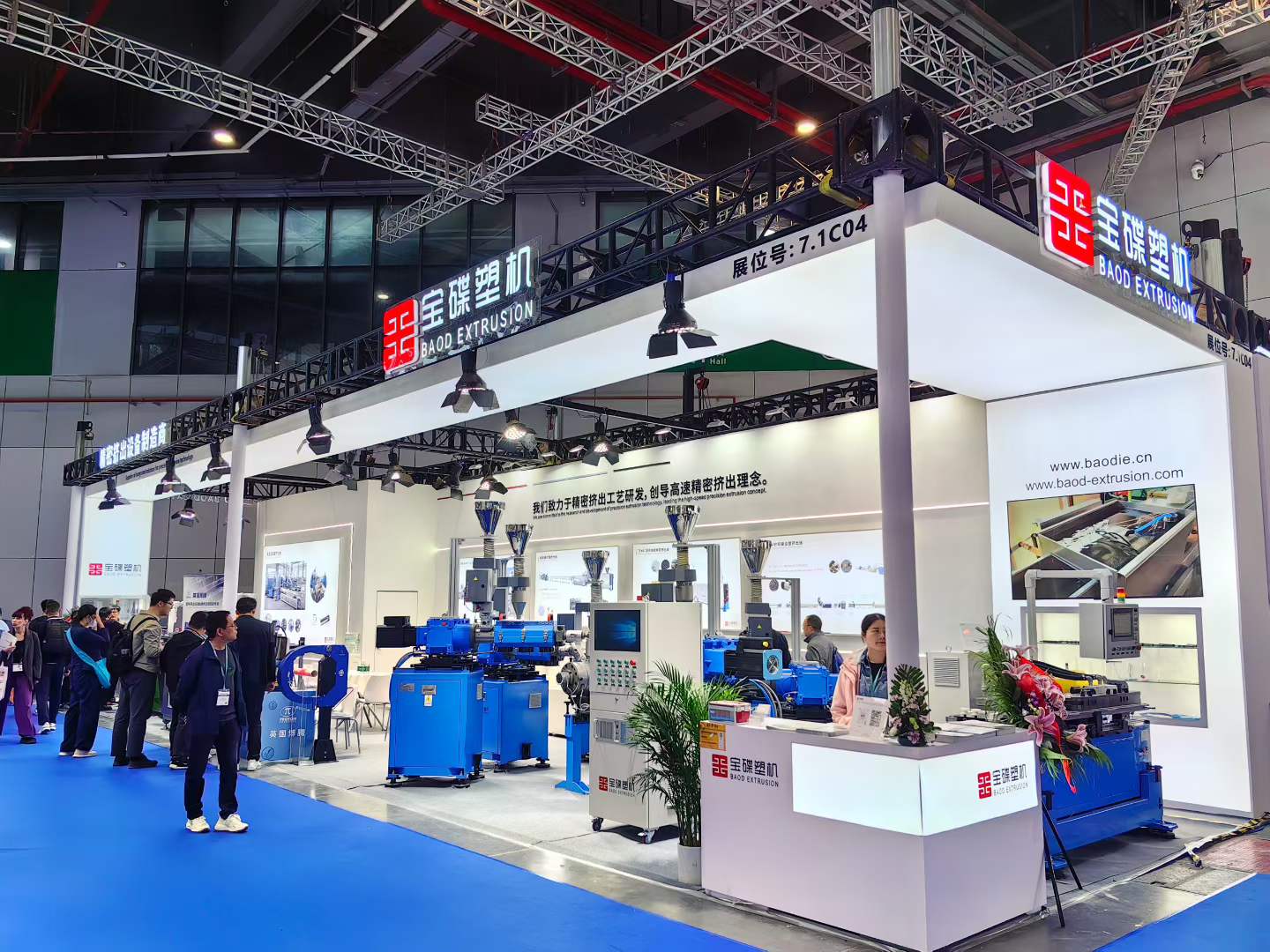
BAOD EXTRUSION presented "Smart Extrusion & High-Efficiency Innovation" solutions, highlighting advances in low-energy consumption drives and precision co-extrusion setups.
Read Article +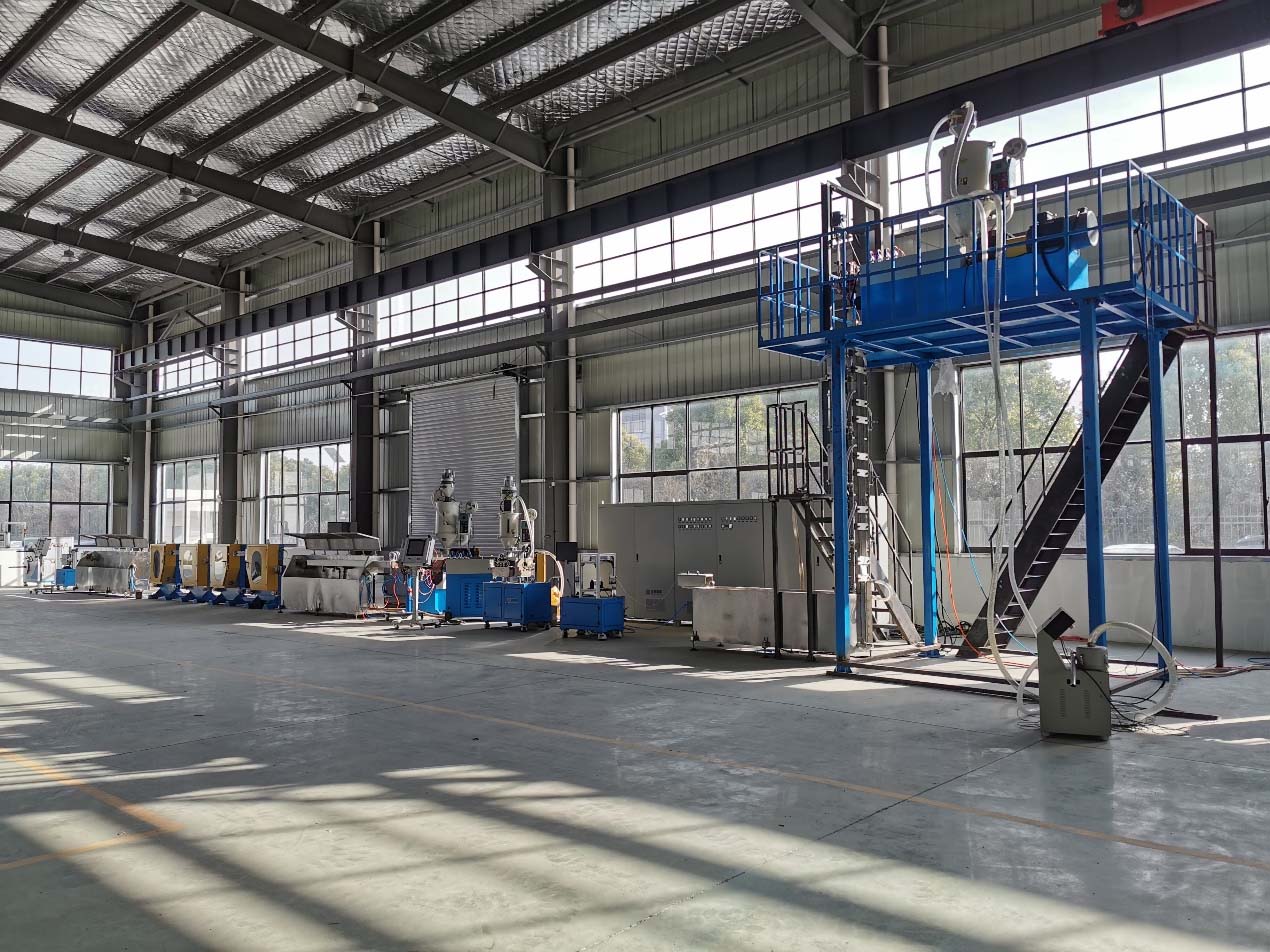
Exploring our high-reliability manufacturing setups for infrastructure, mining, and demolition detonating tubes that demand micro-tolerances.
Read Article +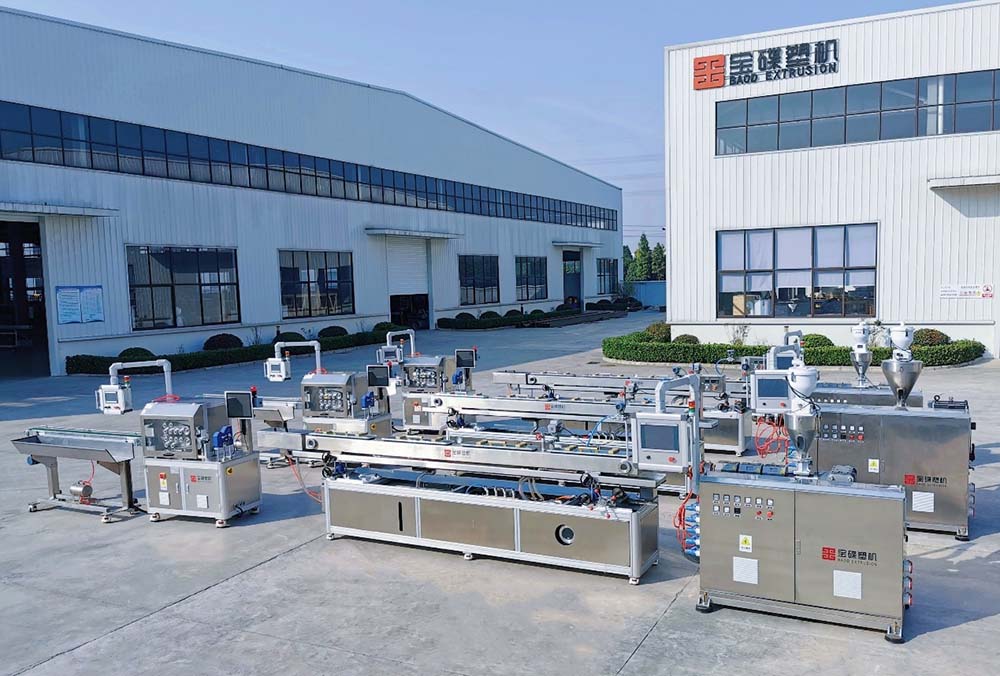
A side-by-side analysis of geometric compliance, melt stability, and automation setups required to meet stringent medical manufacturing regulations.
Read Article +
 Baodie