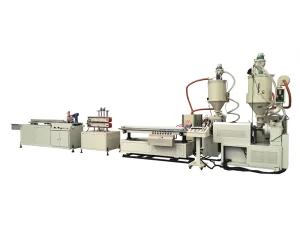
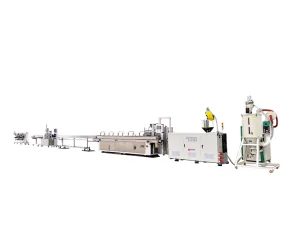
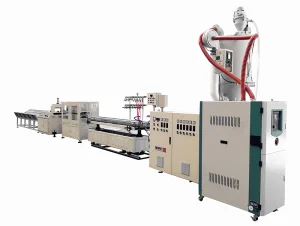
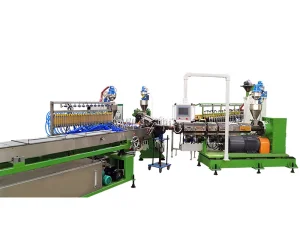
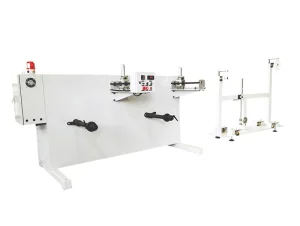
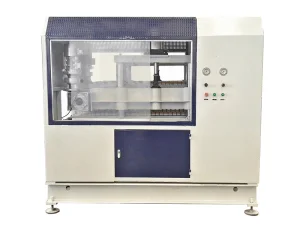
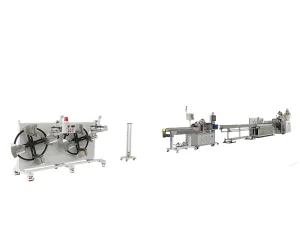
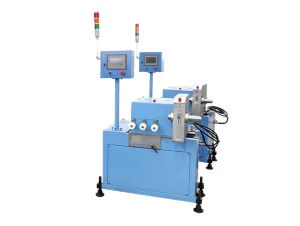
The Engineering Paradigm of Medical Dialysis Tubing Extrusion
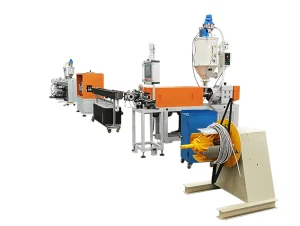
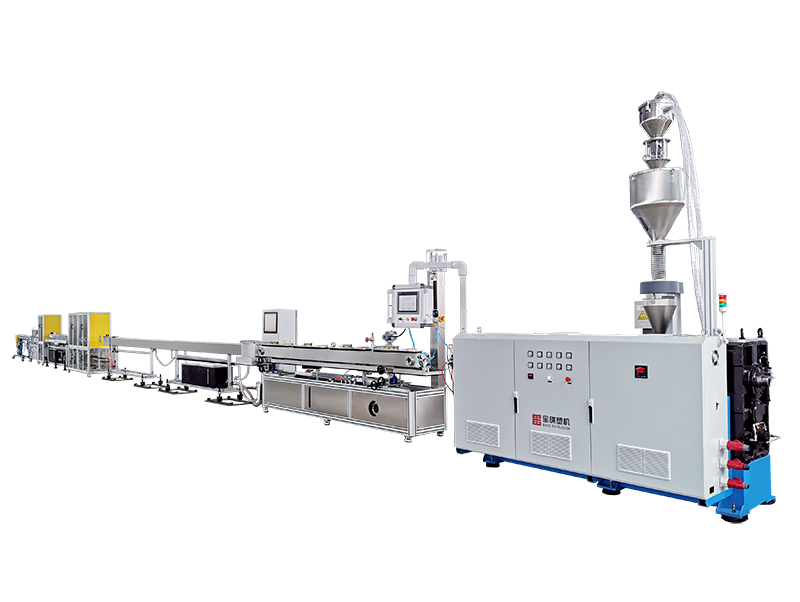
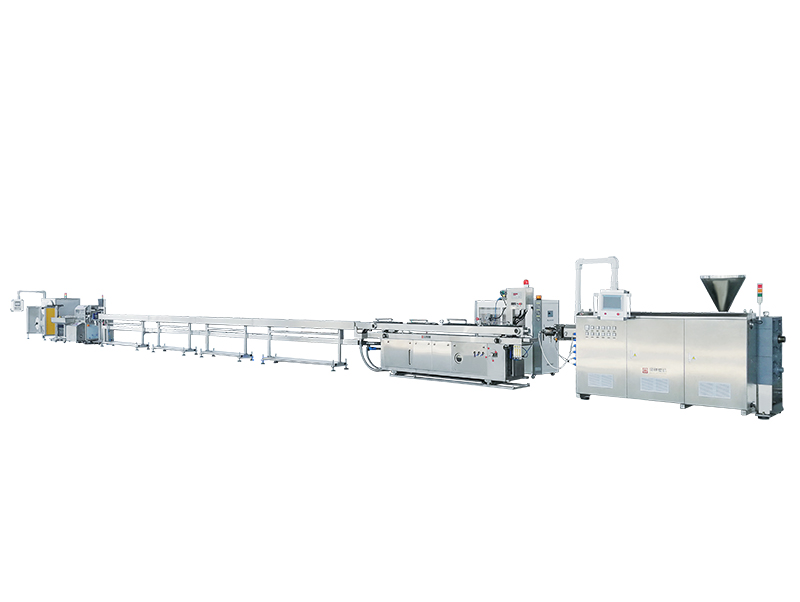
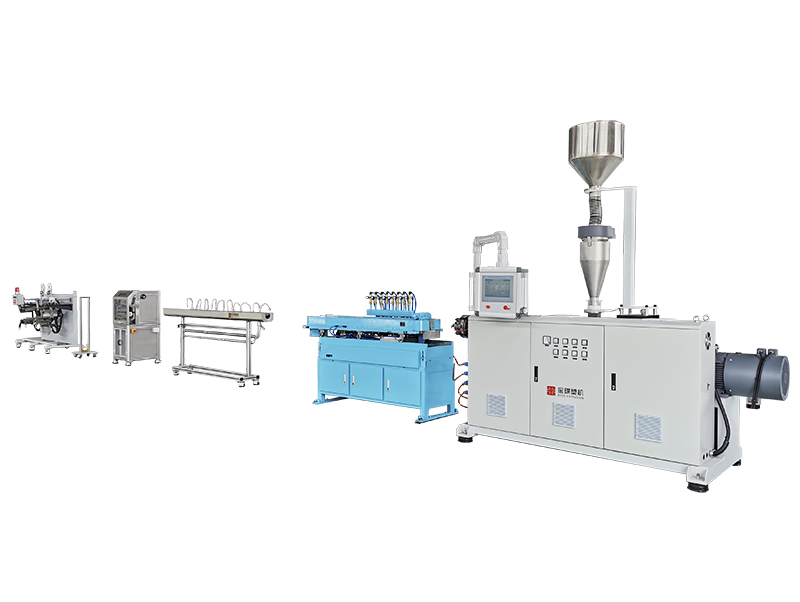
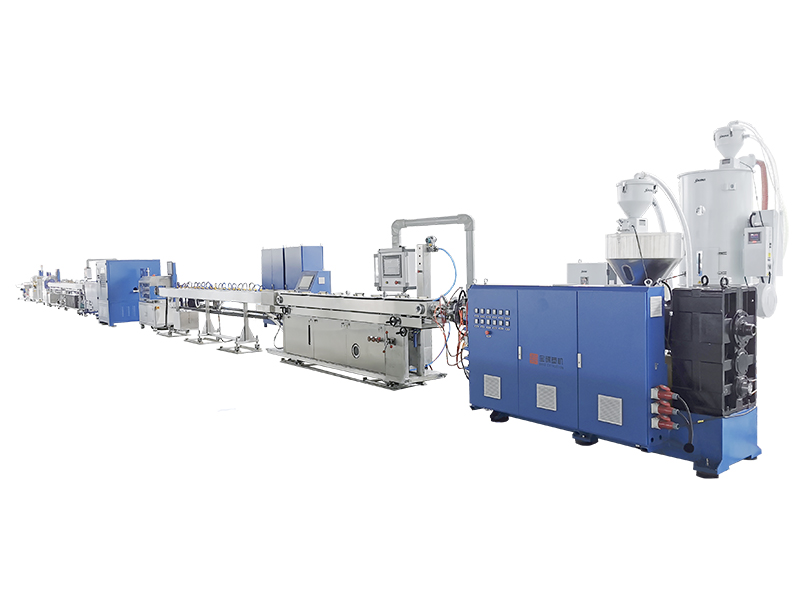
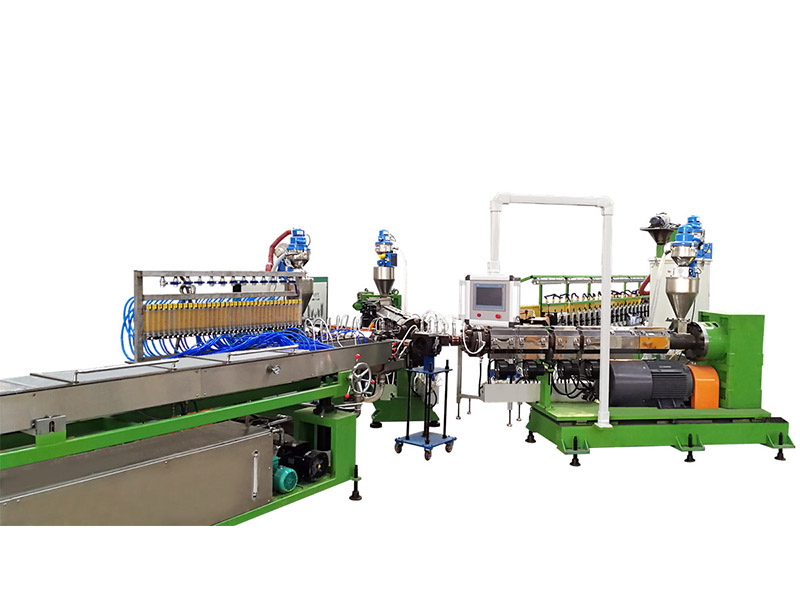
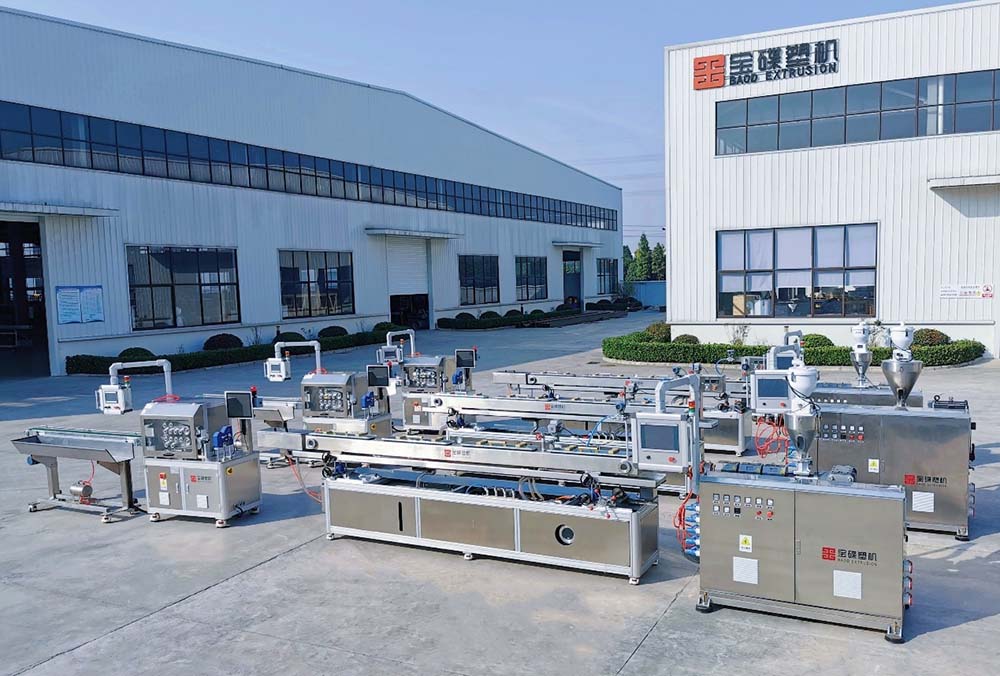
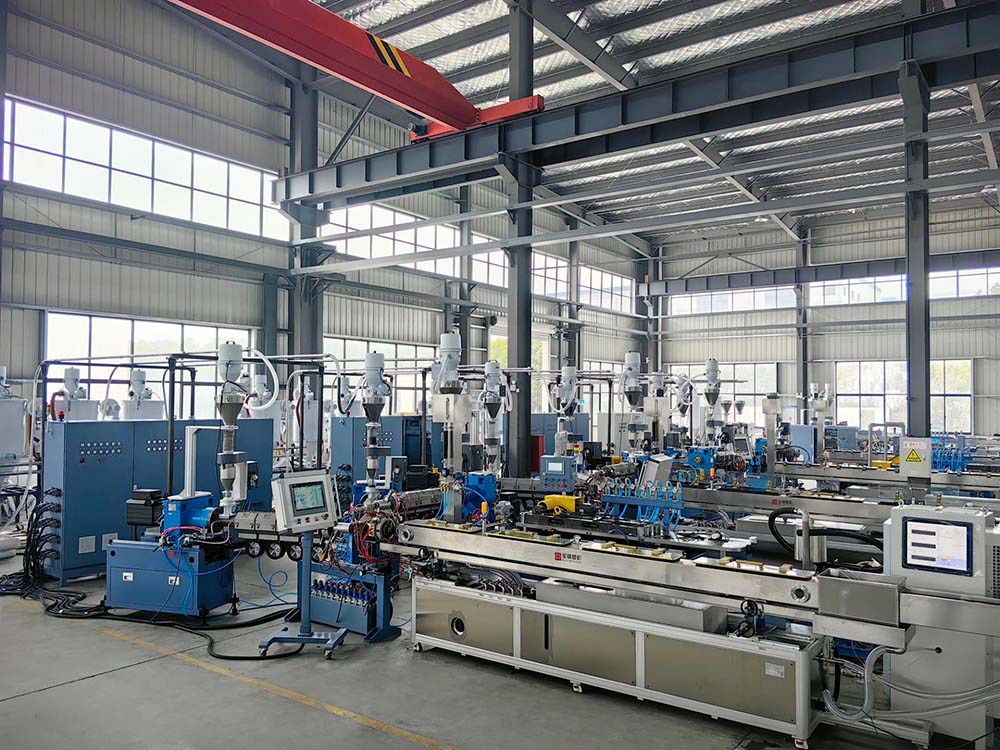
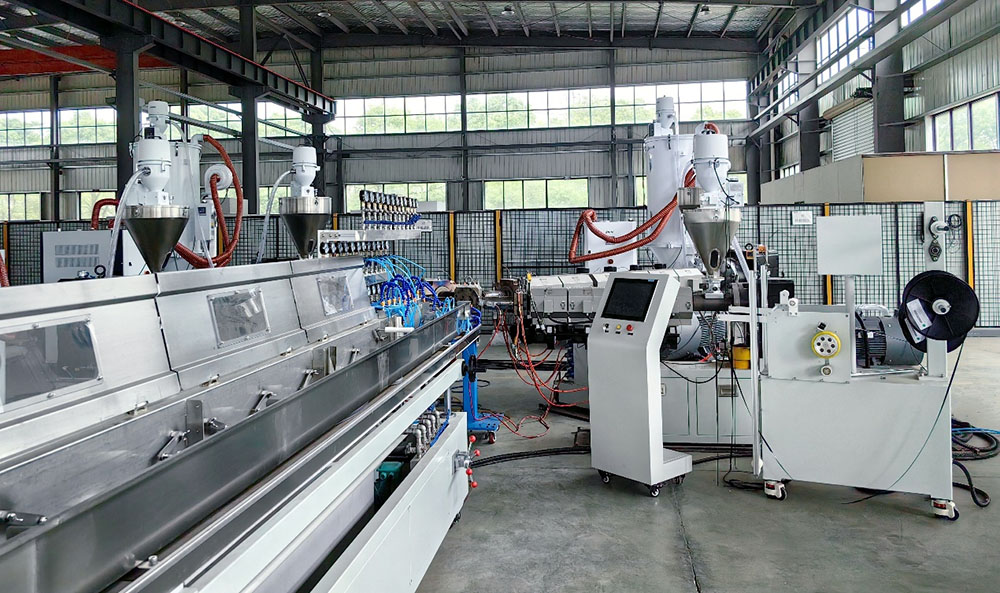
In modern medicine, hemodialysis acts as a life-sustaining process for millions of patients with end-stage renal disease. The interface between the patient and the dialysis machine is a complex network of medical tubing, often referred to as the bloodline set. These tubes are not simple plastic straws; they are highly specialized medical devices with strict demands for biocompatibility, dimensional consistency, and structural integrity. To manufacture such tubing, a highly specialized medical extrusion system is required.
“Precision is not a metric; it is a clinical requirement. In dialysis tube manufacturing, an outer diameter variation of just 15 microns can lead to turbulent blood flow, hemolysis, or inconsistent pressure readings in the dialysis circuit.”
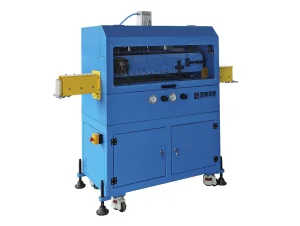
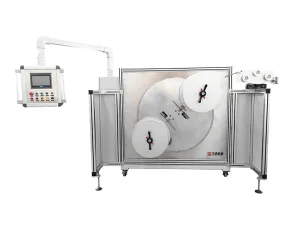
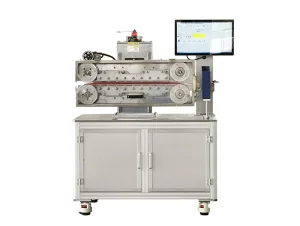
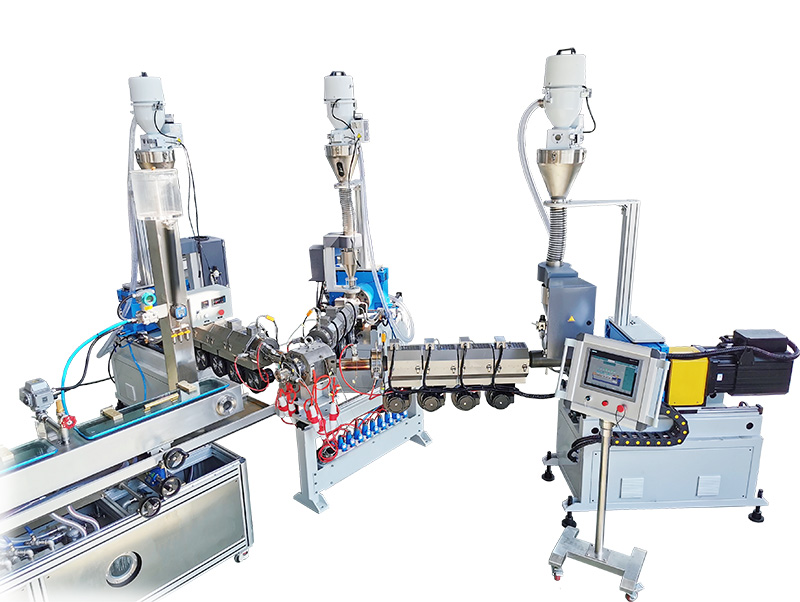
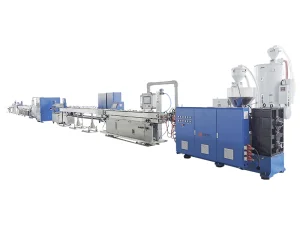
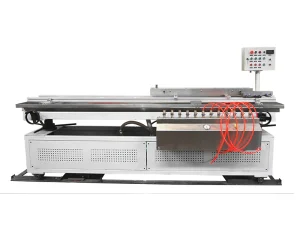
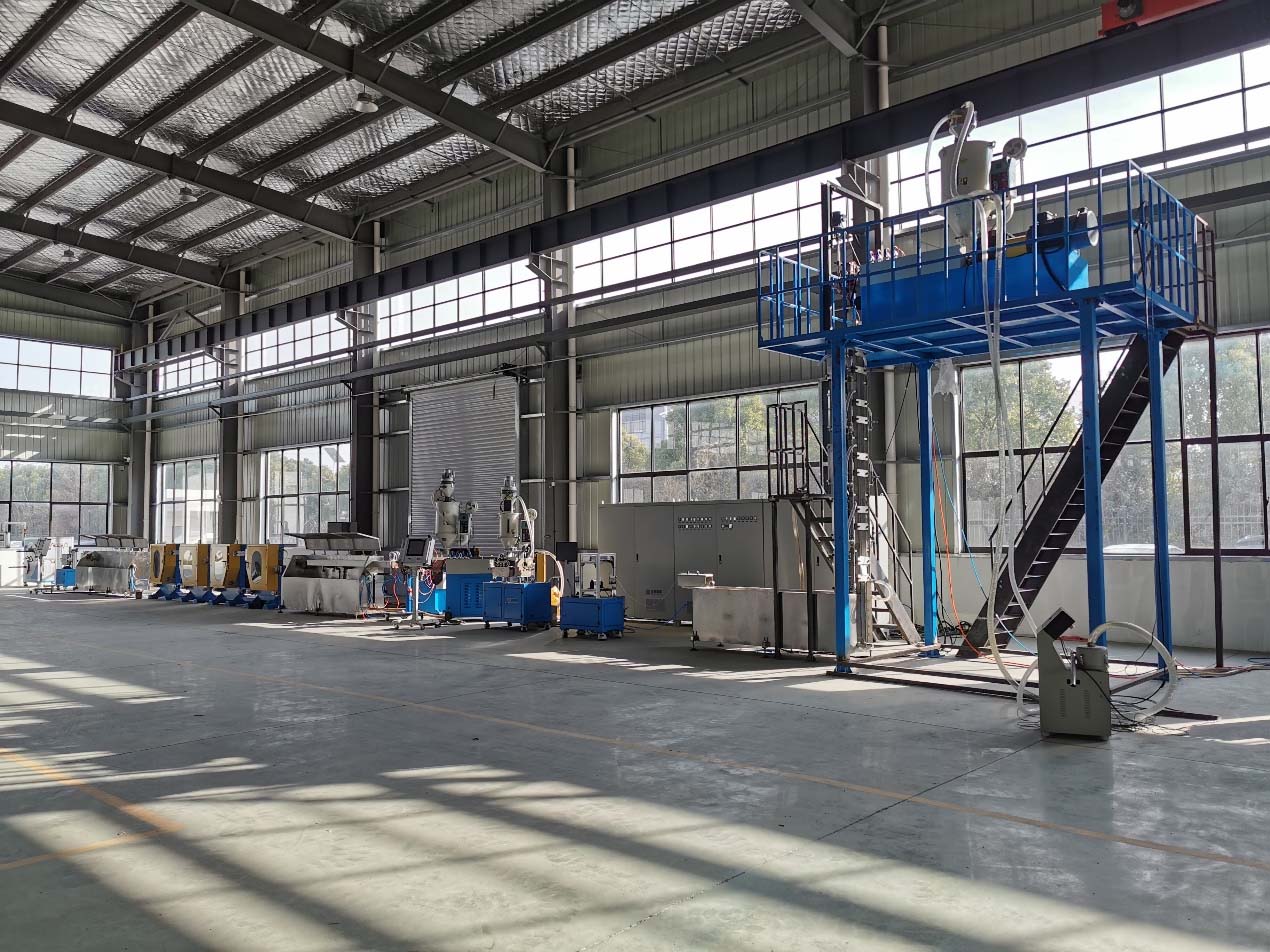
A professional dialysis tube extrusion line must control several parameters simultaneously: melt temperature uniformity, precise multi-lumen geometric structures, puller speed synchronization, and real-time wall thickness verification. Any variation in raw material rheology or screw speed can lead to out-of-tolerance tubing, resulting in high scrap rates. As a result, global medical device companies look to specialized manufacturers who can deliver stable, automated, and cleanroom-compliant extrusion systems.
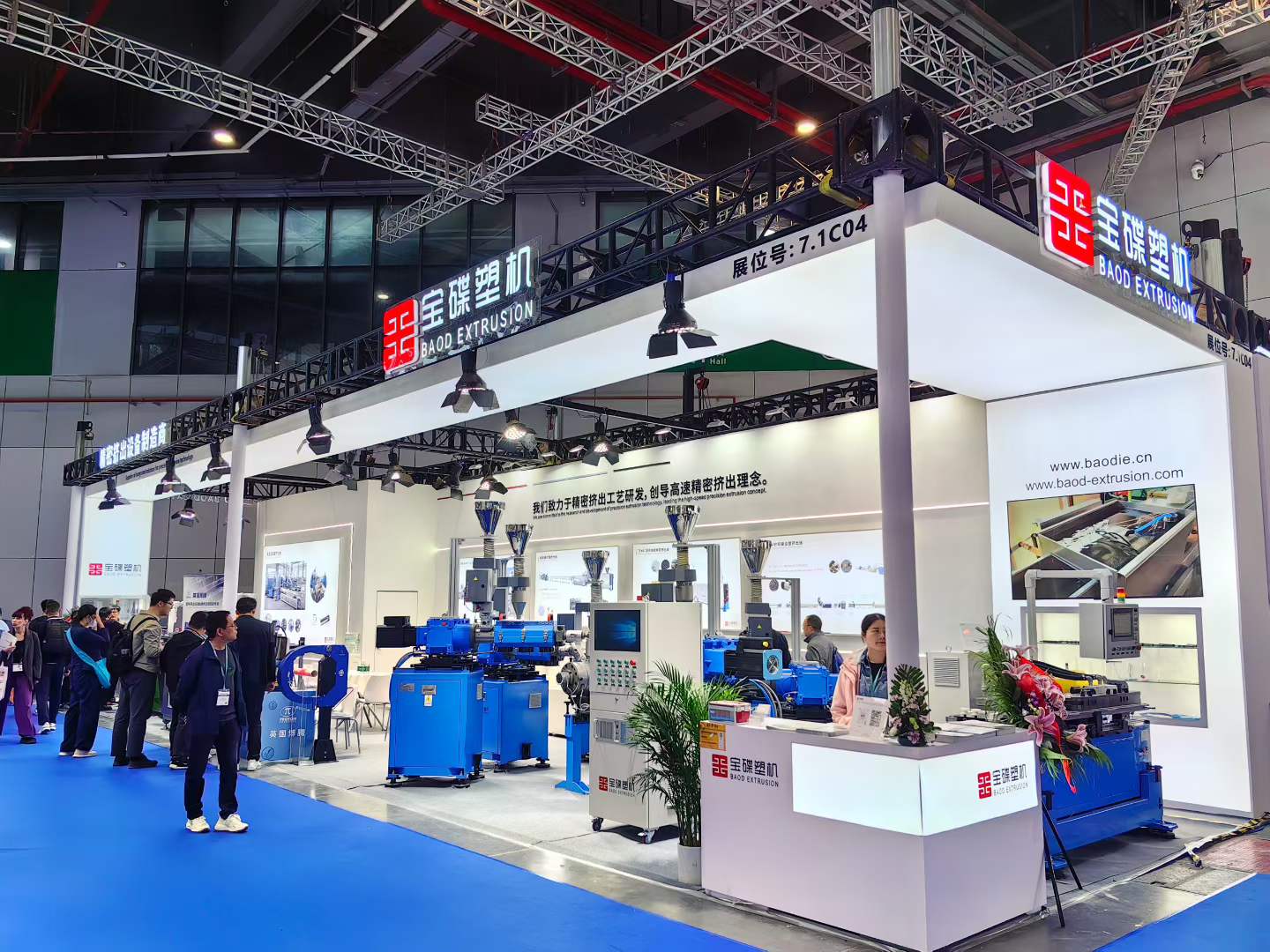
 Baodie