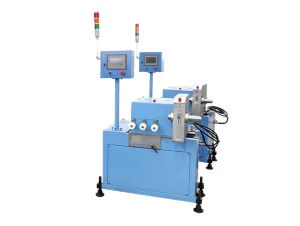
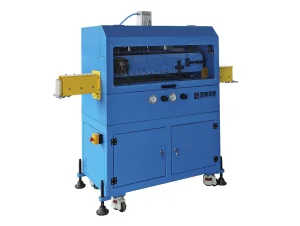
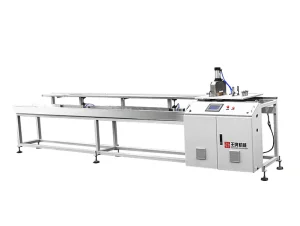
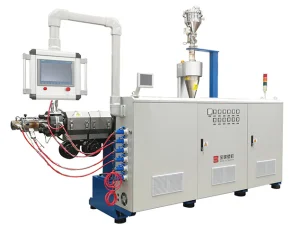
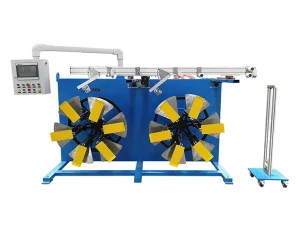
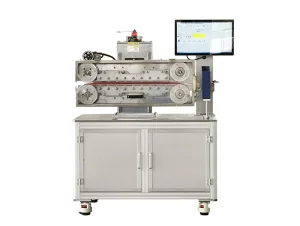
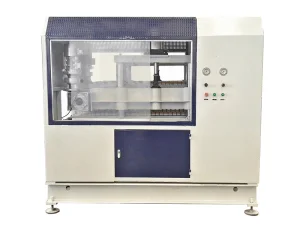
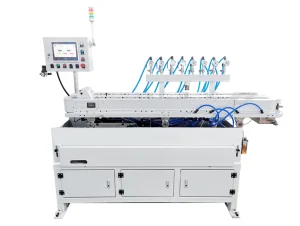
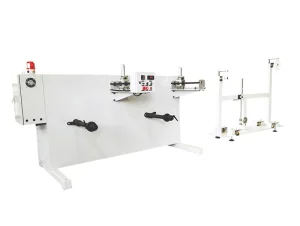
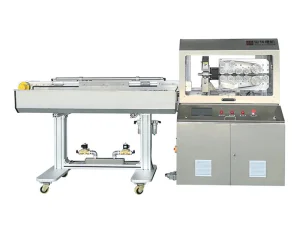
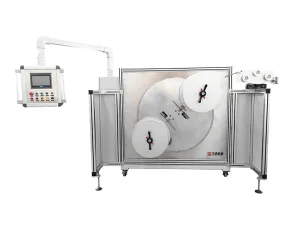
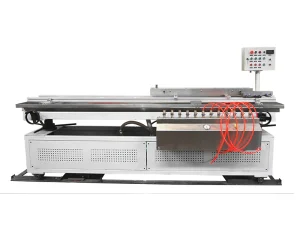
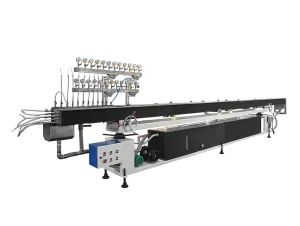
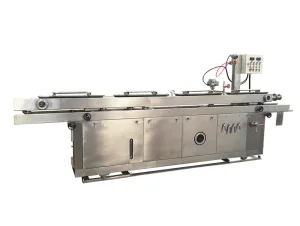
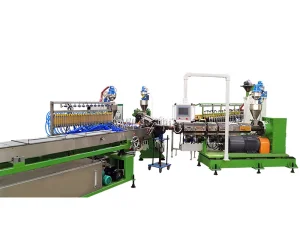
Engineered to withstand continuous high-throughput cycles with tight tolerance thresholds.
Analyzing the strict regulatory, accuracy, and efficiency demands of the Korean peninsula's manufacturing sectors.
The manufacturing sector of South Korea is globally recognized for its hyper-focus on high-tech integration, structural reliability, and lean operational performance. Spanning industrial corridors from the automotive hubs of Ulsan and Gwangju to the semiconductor and medical biotechnology clusters in Gyeonggi Province and Incheon Songdo, South Korean enterprises demand machinery that conforms to strict precision benchmarks. Standard plastic extrusion components no longer meet these expectations. Modern processors in Korea require highly specialized, modular units of extrusion lines that integrate seamlessly with local cyber-physical systems (CPS) and industrial automation frameworks.
Whether processing high-performance fluoropolymers for electronics or medical-grade polyvinyl chloride (PVC) and thermoplastic vulcanizates (TPV) for automotive seals, every downstream module must deliver perfect synchronization. Tolerances under ±0.05 mm are standard in Korean medical tube production, necessitating puller units and cutter systems that operate with minimal vibration and instant micro-adjustments. Consequently, modern procurement managers in Korea prioritize suppliers offering specialized machinery configurations designed for rapid tool-less changeovers and smart data tracking.
The worldwide plastic extrusion industry is undergoing a digital transformation. With the rise of Industry 4.0 standards, global manufacturing ecosystems are moving away from manual, mechanical operations to unified PLC-driven lines. Major manufacturing centers across North America, Europe, and East Asia are standardizing communications via protocols such as OPC UA. This allows individual units of extrusion lines, such as vacuum calibration cooling tables, caterpillar pullers, and rotary fly knife cutters, to communicate directly with MES (Manufacturing Execution Systems).
Additionally, global compliance requires adherence to strict safety standards, such as CE marking in the European Economic Area, UL/CSA standards in North America, and KC (Korea Certification) and S-Mark safety verifications in South Korea. These safety frameworks require features like comprehensive interlocking enclosures, dual-channel emergency stop circuits, and low-voltage control cabinets. Equipment manufacturers must configure their control platforms to conform to these regulations, ensuring reliable operation without compromising worker safety.
Combining design methodologies from Taiwan and Germany with the rapid execution and supply chain efficiencies of our mainland China manufacturing base.
As an established pioneer in high-precision plastic extrusion systems, BAOD EXTRUSION (Jiangsu Baodie Automation Equipment Co., Ltd.) offers a unique combination of performance, quality, and cost efficiency. Established in 2002 and inheriting 18 years of design expertise from the Kingswel Group in Taiwan, BAOD has optimized its production workflows within its 16,000 m² mainland factory. This setup provides localized cost efficiencies while maintaining strict quality control.
By maintaining a focused in-house R&D department, BAOD has developed proprietary screw designs and precise vacuum calibration technologies. This allows us to offer customized co-extrusion configurations that compete with European brands, but with significantly shorter lead times and a lower total cost of ownership (TCO) for our Korean and global customers.
The application of BAOD extrusion lines across the South Korean industrial sector covers several high-performance fields:
Looking forward, the extrusion sector is driven by automation, material recycling, and precision control. Key developments include:
1. Closed-Loop AI Adjustments: Integrating inline laser scanners and ultrasonic wall-thickness gauges with the extruder's PLC. When a dimensional variance is detected downstream, the controller automatically adjusts screw speed or puller tension to keep the product within spec.
2. High-Performance Multi-Layer Co-Extrusion: Utilizing advanced feedblocks to extrude five, seven, or nine layers simultaneously. This allows processors to combine barrier resins (such as EVOH or PA) with structural polymers, optimizing material performance and reducing costs.
When purchasing individual extrusion modules or entire lines for international or Korean use, procurement managers should evaluate the following criteria to ensure high ROI and smooth operation:
Ensure that screws, barrels, and calibration dies are made from premium high-wear alloys (such as bimetallic steel) to extend service life when processing abrasive materials.
Ensure the PLC control units use open, standardized protocols (like EtherCAT or Modbus TCP) to allow integration with your plant's data systems.
Verify that your machinery supplier provides remote diagnostic support, fast component replacement options, and onsite commissioning help.
Addressing the technical, material, and mechanical questions of process engineers and procurement officers.
A comprehensive lineup of high-durability downstream machinery designed for integration into modern, smart manufacturing plants in South Korea.
Ensuring structural integrity and profile stabilization before cutting and collection.
BAOD EXTRUSION (Jiangsu Baodie Automation Equipment Co., Ltd.), founded in 2002, is dedicated to the design, manufacture, and sales of high-performance plastic extrusion equipment. Leveraging over 25 years of engineering experience originating from the design practices in Taiwan, our company (originally part of the KINGSWEL GROUP) established its modern manufacturing base in mainland China in 1999 to better serve international processing factories.
Stay updated with our latest technology showcases, trade show reviews, and design breakthroughs.
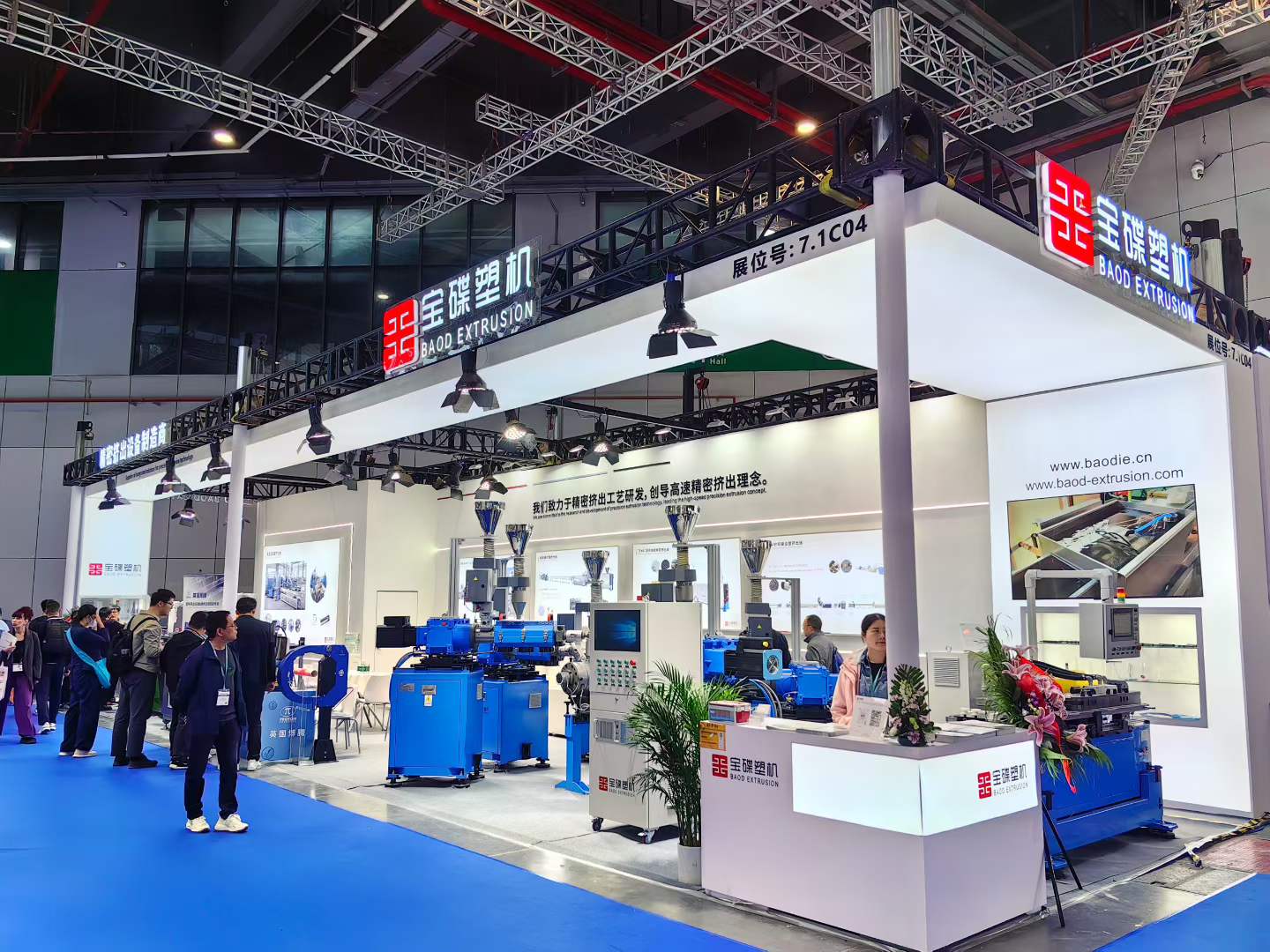
At Booth 7.1C04, BAOD EXTRUSION presented its latest "Smart Extrusion & High-Efficiency Innovation" solutions, designed to optimize manufacturing performance.
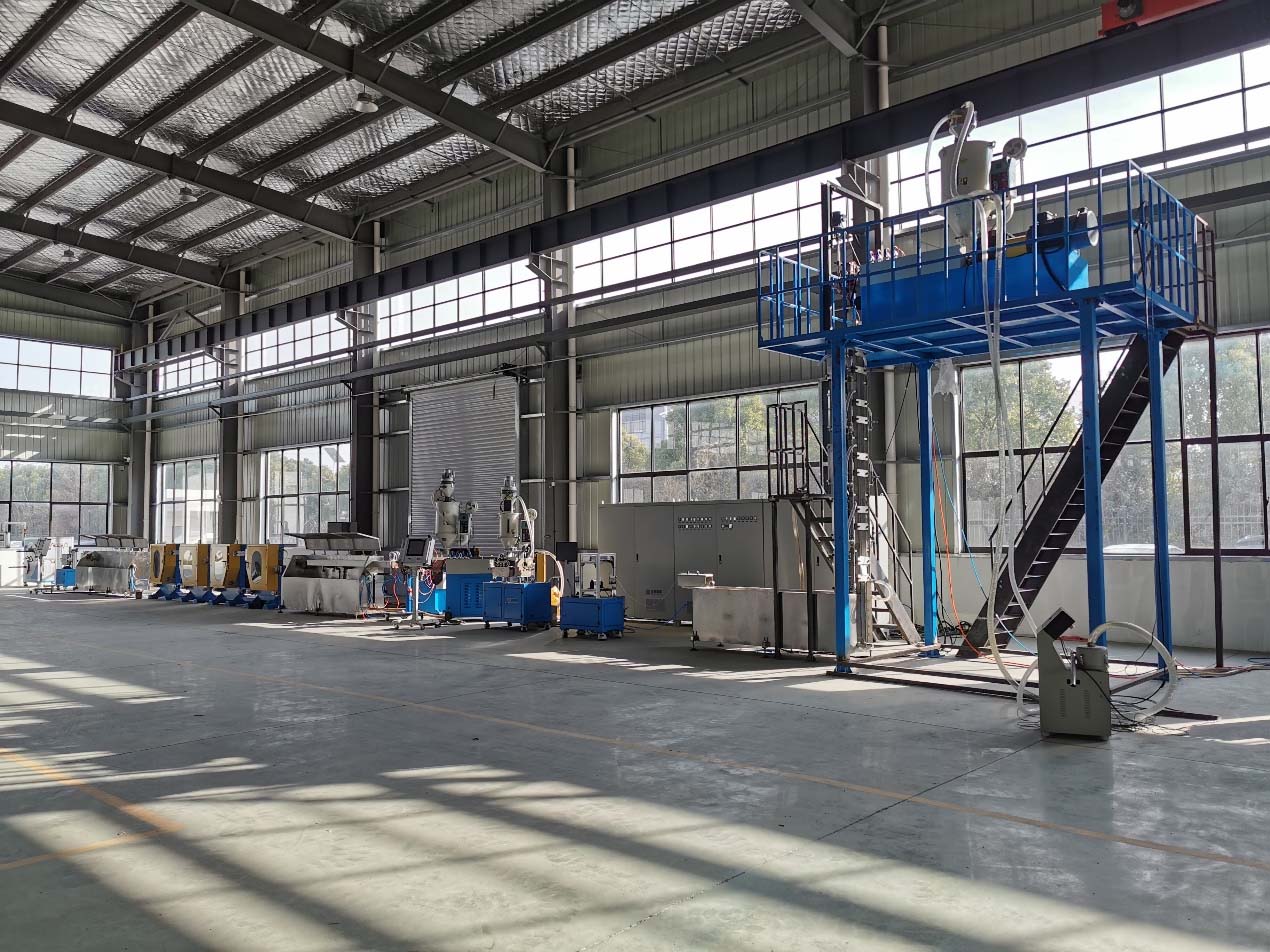
For mining, quarrying, and demolition operations, BAOD’s precision-engineered plastic tube extrusion systems deliver consistent dimensional tolerances.
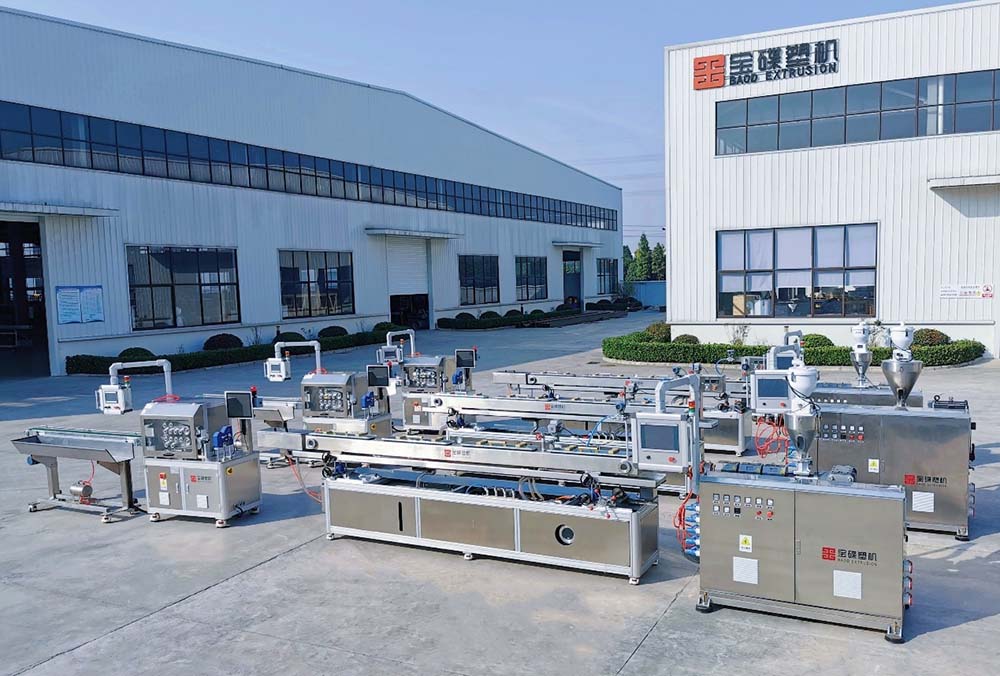
A detailed comparison highlighting how BAOD achieves precision alignment for medical catheters, meeting global safety standards.
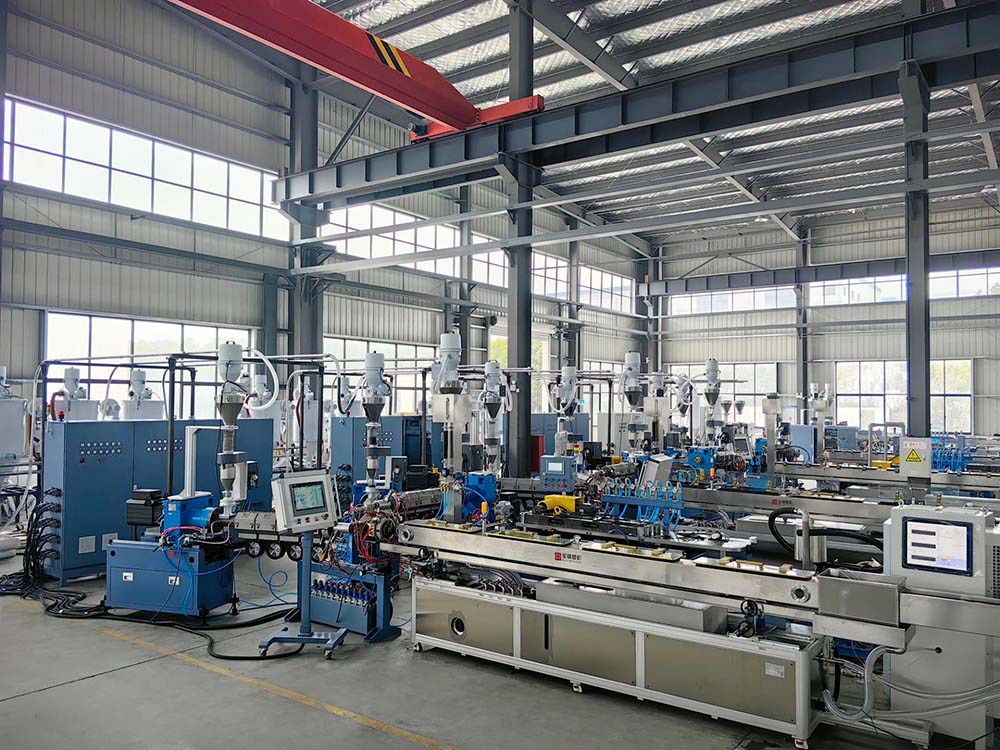
Analyzing quality control procedures for high-pressure fuel lines, cooling channels, and braking system tubing.
Partner with Jiangsu Baodie Automation Equipment Co., Ltd. for custom extrusion line components designed to meet the strict quality standards of the South Korean and international markets.
 Baodie