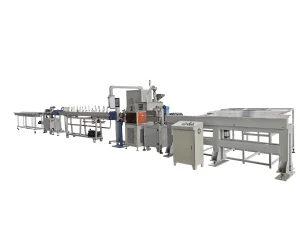
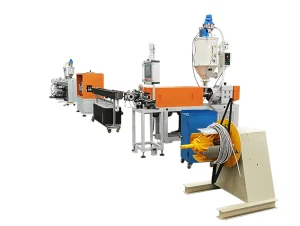
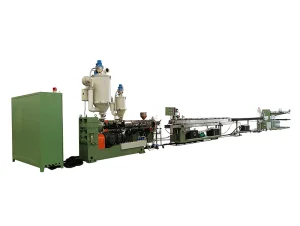
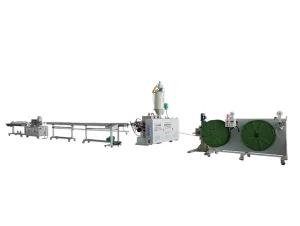
Peru’s industrial sector is experiencing a rapid structural upgrade, driven by key projects in high-elevation mining operations, expanded marine logistics, and extensive municipal agricultural pipelines. In these environments, metal components face severe structural threats due to acidic slurry transport, high salinity, and intense UV conditions. Implementing high-efficiency, multi-layer coating extrusion machinery is crucial to local manufacturing survival and optimization.
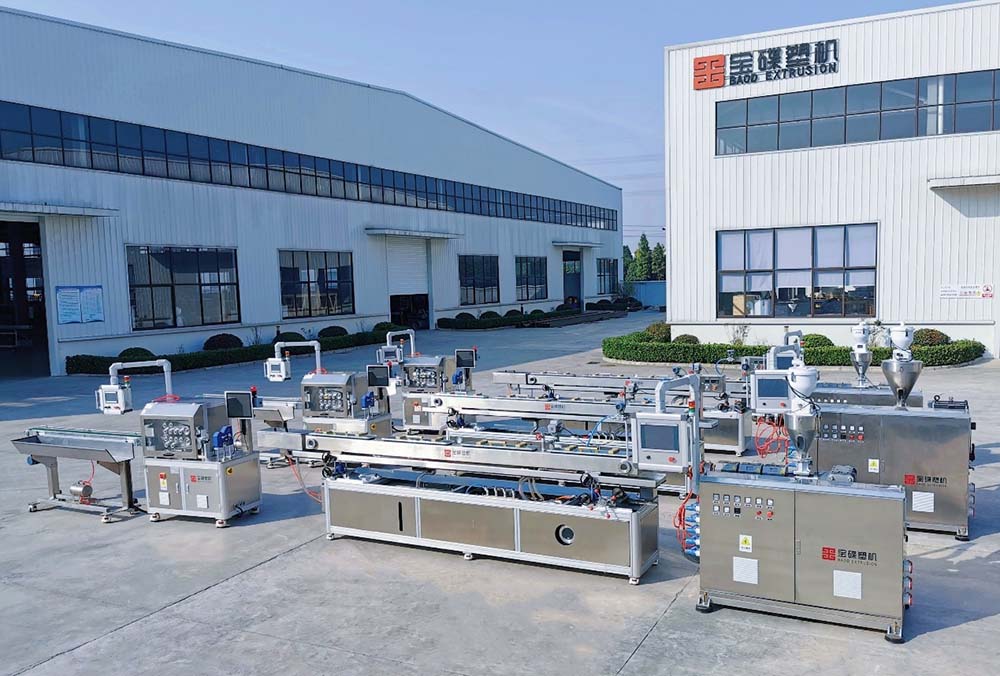
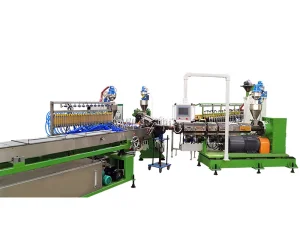
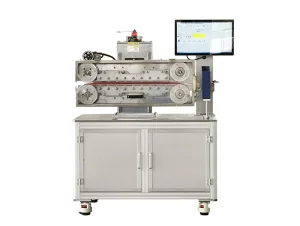
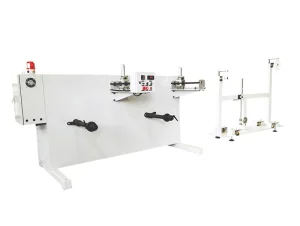
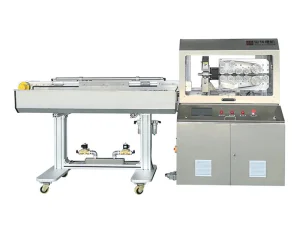
As leading manufacturers, BAOD EXTRUSION (Jiangsu Baodie Automation Equipment Co., Ltd.) provides high-automation precision coating lines designed to run complex polymers like TPV, TPU, HDPE, and PVC. These materials are dynamically applied over substrates including steel wire strands, metal pipes, and fiber-reinforced braided tubes to provide advanced engineering properties suited for the Andean geography.
By transitioning from importing prefabricated coated structures to operating in-house coating extrusion lines, Peruvian developers, mining contractors, and pipe manufacturers can achieve substantial logistical efficiency. Integrating automated precision control ensures that materials survive extreme environments, keeping scrap rates below 1%.
Across the globe, the plastic extrusion machinery market is adopting intelligent, closed-loop feedback systems powered by IoT diagnostics. In South America, and specifically in Peru, procurement is shifting from low-cost machinery toward systems that reduce carbon emissions, lower power requirements, and utilize advanced automation. This shift is critical given local energy tariffs and remote operating conditions.
For example, in the Peruvian mining hubs of Cajamarca, Arequipa, and Moquegua, transport lines for abrasive slurries and highly corrosive tailing compounds demand steel pipes wrapped in heavy-duty HDPE or PP coats. Traditional manual coating is no longer viable. The modern standard demands automated, continuous, high-output crosshead extrusion. This process applies thick anti-corrosion jackets over metal substrates in a single pass, ensuring long-term adhesion without delamination under varying operating temperatures.
Our engineering team at BAOD has perfected the mechanical balance between substrate pre-heating and polymer melt temperature. In wire and strand coating applications, insufficient pre-heating causes thermal shock in the polymer, leading to micro-voids that trigger corrosion under high humidity. BAOD coating lines feature induction pre-heating arrays that raise metal core temperatures to match the melt point of the polymer (typically 190°C to 230°C). This process ensures a uniform, void-free layer that resists high tensile stress.
BAOD EXTRUSION, established in 2002, focuses on designing, engineering, and manufacturing advanced plastic extrusion equipment. Leveraging over 25 years of engineering experience developed across Taiwan and Shanghai (via the original parent company, KINGSWEL GROUP, established in 1999), BAOD has grown into a leading developer of smart, high-performance extrusion machinery.
Our development efforts are centered on four main pillars: Precision extrusion technology, High efficiency operations, Process automation, and Active equipment safety protection.
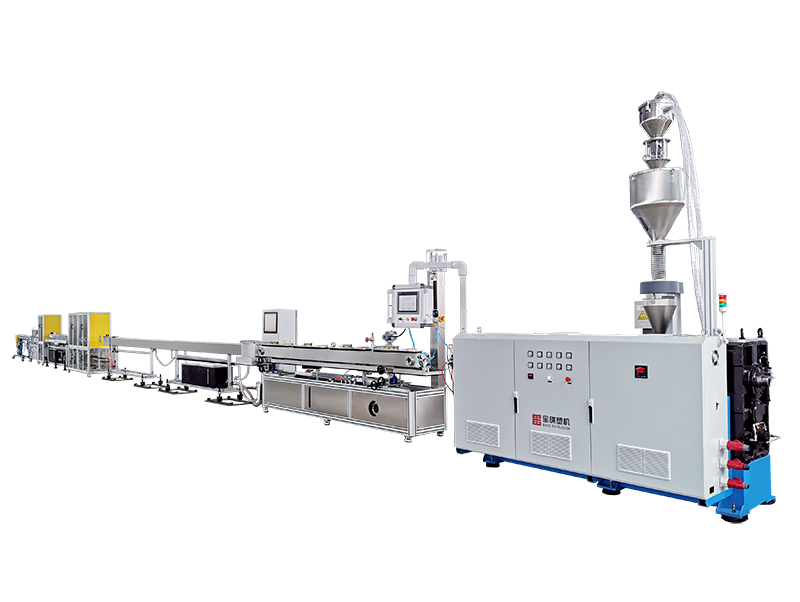
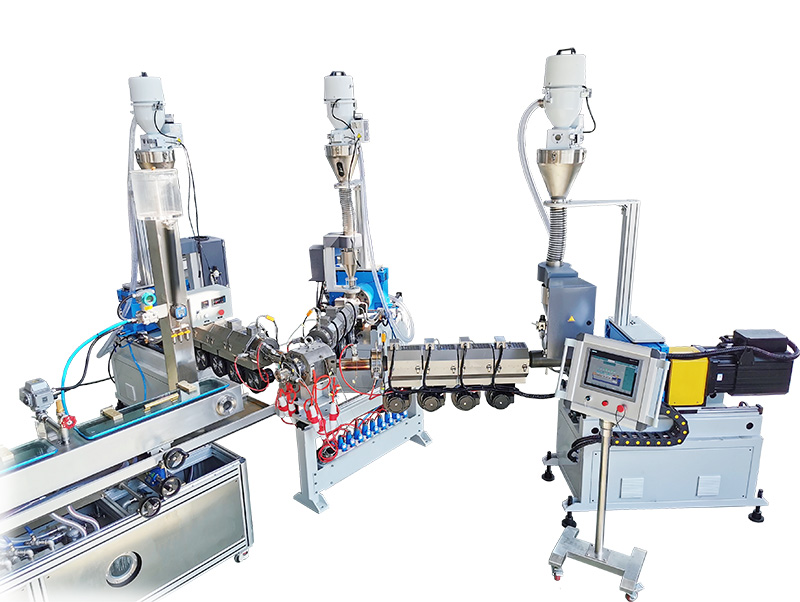
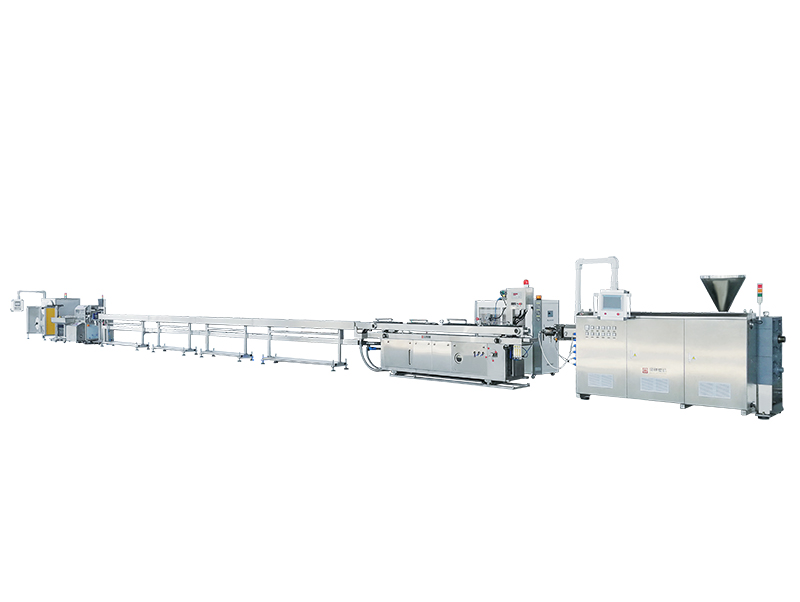
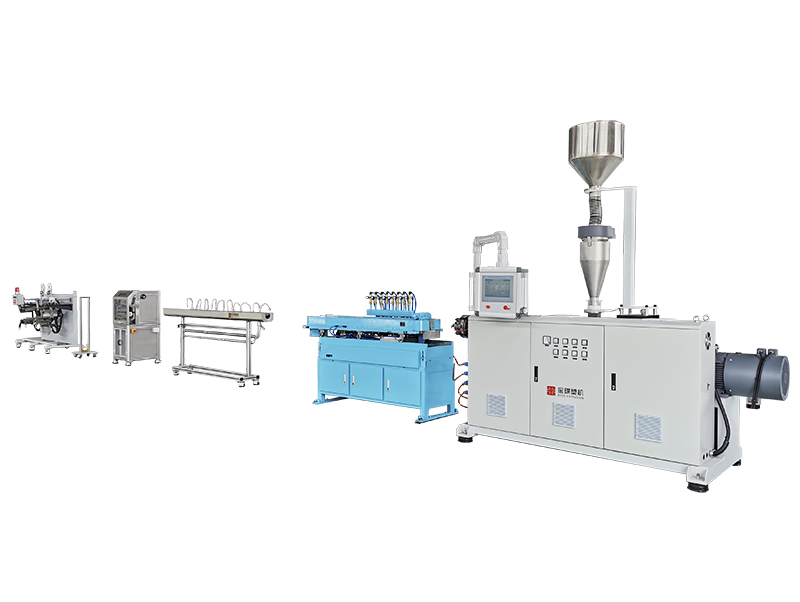
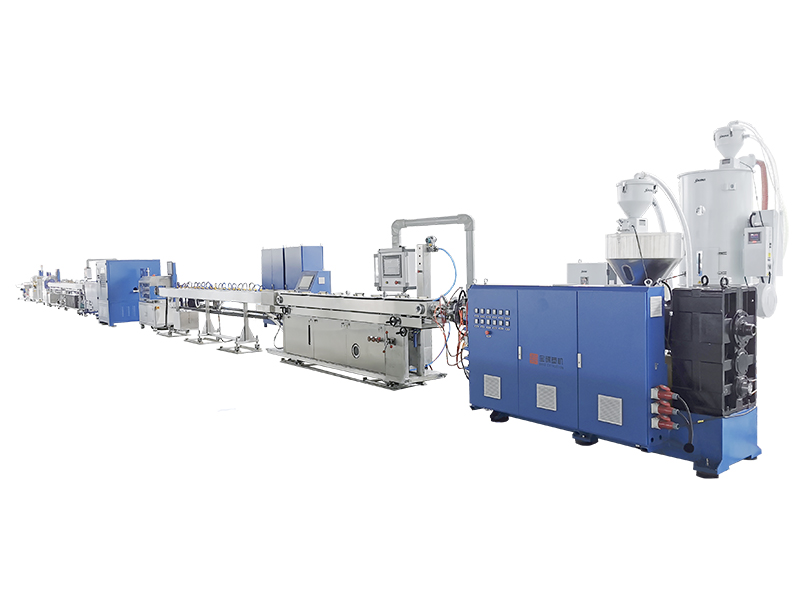
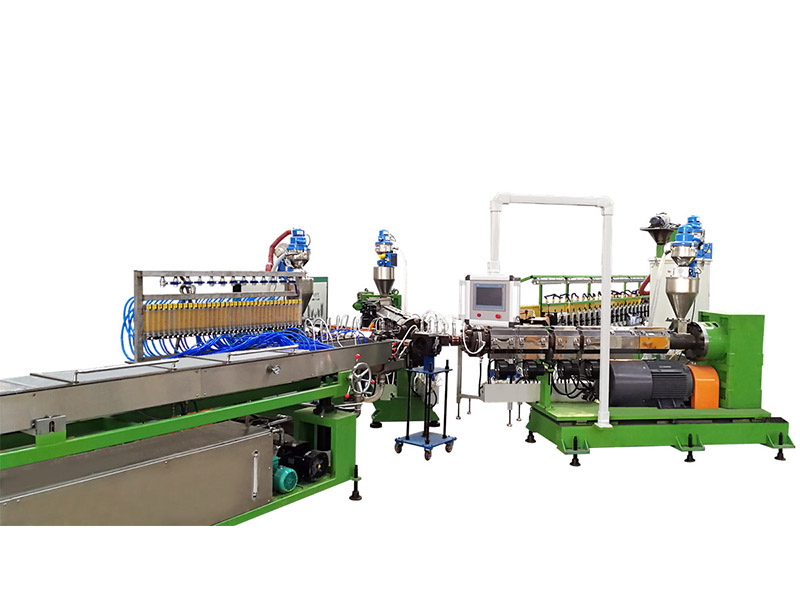
Standard cooling tanks can suffer from pressure imbalances at high elevations. Our machines use PID-controlled pressure stabilization valves to maintain consistent vacuum calibration in mountain environments like Cajamarca or Arequipa.
Our co-extrusion technology provides uniform, defect-free polymer layering over steel cables and copper wire cores, eliminating internal air pockets that lead to premature wear under physical strain.
Equipped with permanent magnet synchronous motors (PMSM) and variable-frequency drives, our machinery reduces operational electricity costs by up to 30% compared to legacy induction systems.
At high elevations (exceeding 2,500m above sea level), reduced atmospheric pressure changes the boiling point of water and reduces vacuum pump efficiency. BAOD designs custom vacuum calibration systems for Peruvian mining customers. These systems feature larger vacuum pumps and automated electronic regulators to maintain a consistent vacuum profile, ensuring accurate diameter control and roundness for extruded tubes and coated pipes.
Our crosshead coating dies are compatible with a wide range of engineering polymers, including Polyethylene (HDPE, MDPE, LDPE), Polypropylene (PP), Polyvinyl Chloride (PVC), Thermoplastic Vulcanizates (TPV), Polyurethane (TPU), and fluoropolymers. Screw geometries are optimized for each material to prevent degradation and ensure a uniform melt flow.
High-quality adhesion requires proper substrate preparation. BAOD extrusion lines incorporate online pre-heating (induction or infrared) alongside localized drying systems. This removes moisture and oil residues from steel wires or tubes prior to coating. Pre-heating also reduces thermal stress, preventing the polymer melt from shrinking away from the core metal.
Yes. By pairing our extrusion lines with specialized forming blocks, our systems produce single-wall or double-wall corrugated tubes, as well as fiber-reinforced flexible composite hoses. These are widely used in Peru for underground optical fiber protective ducts and hydraulic fluid transport.
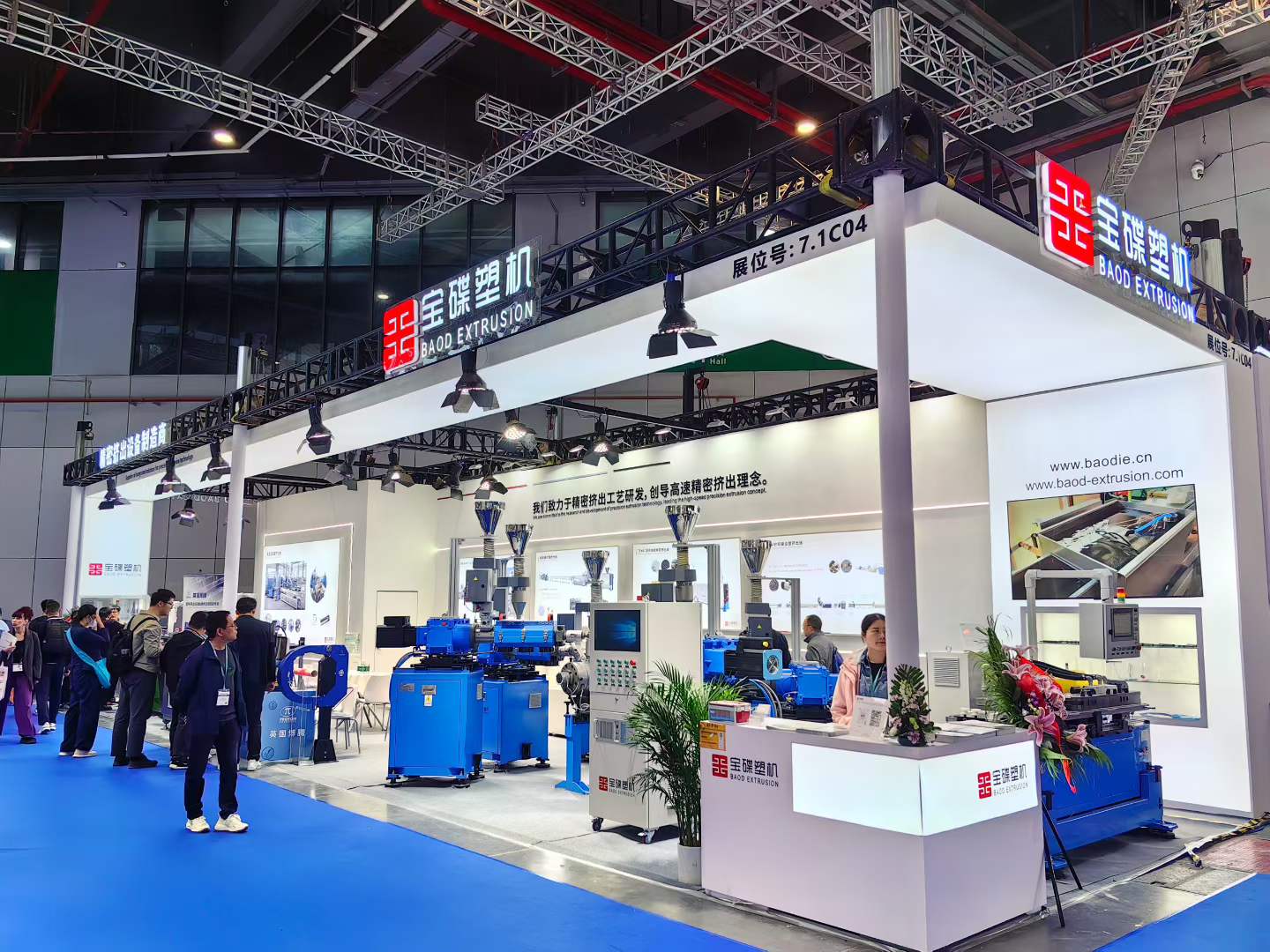
BAOD EXTRUSION presented "Smart Extrusion & High-Efficiency Innovation" systems, highlighting new co-extrusion technologies for global markets.
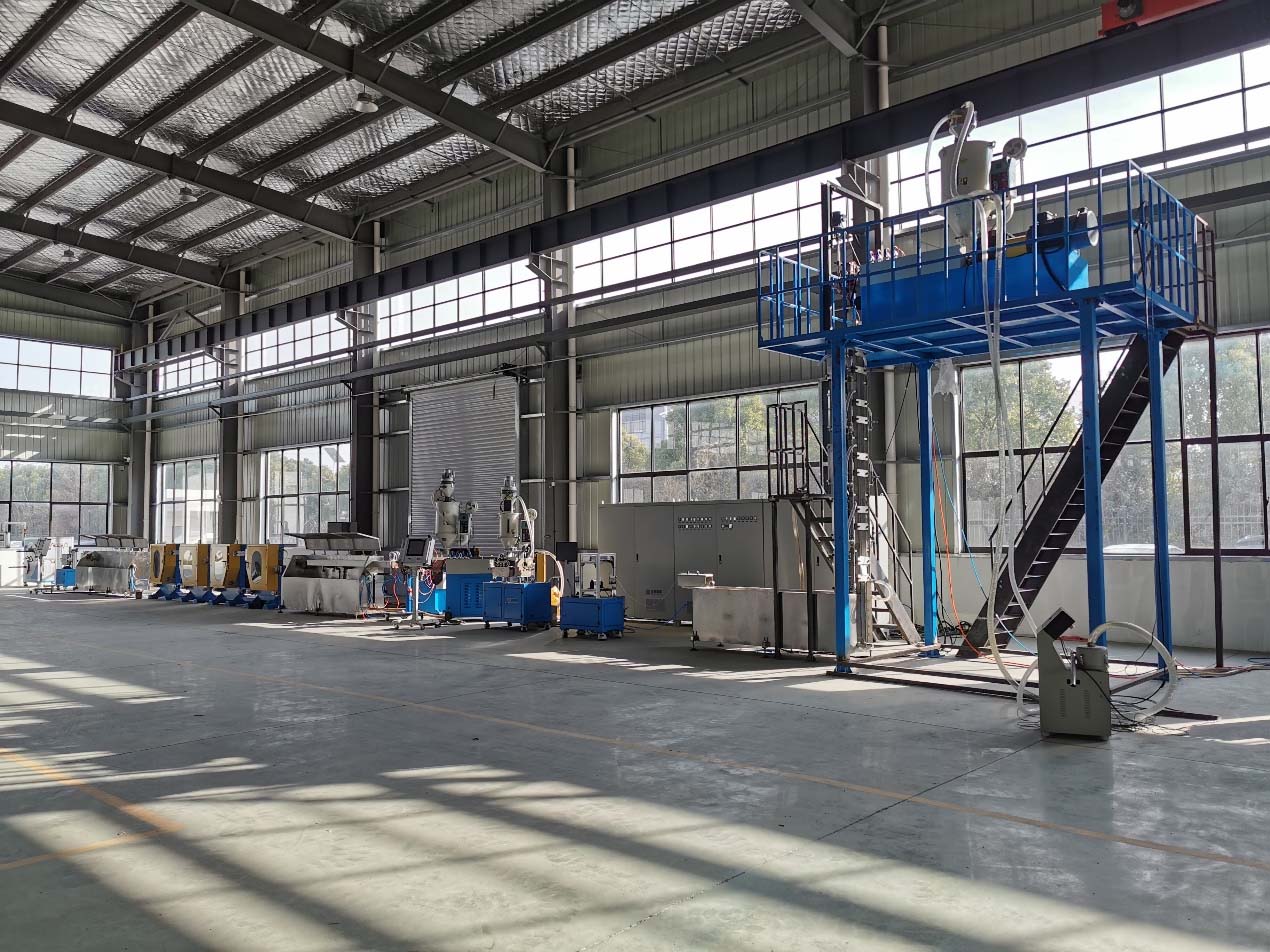
A technical overview of precision-engineered, ultra-thin polymer tubes used in mining and controlled structural demolition.
Comparing medical production standards between Asian and European manufacturers, focusing on tolerance controls down to the micron level.
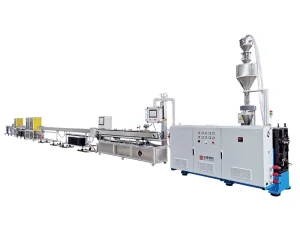
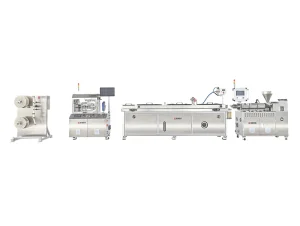
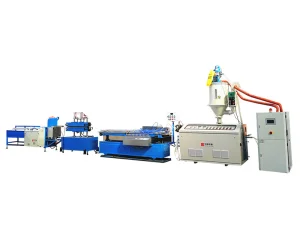
Contact our technical engineering team for customized configurations, detailed line layouts, and commissioning support engineered specifically for Peru's industrial operating environments.
 Baodie