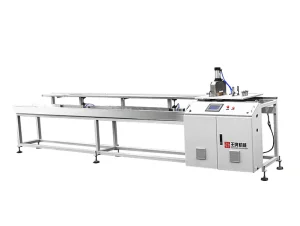
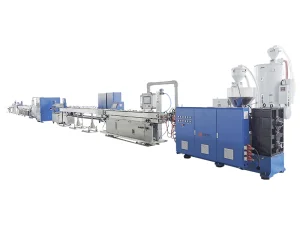
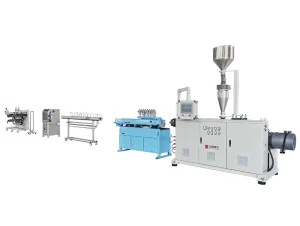
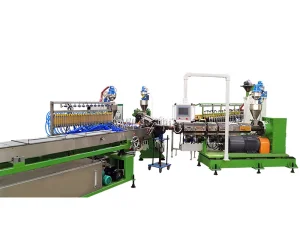
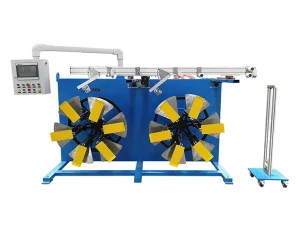
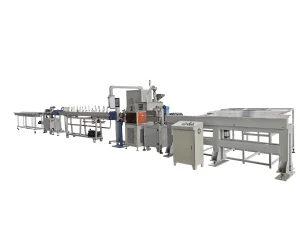
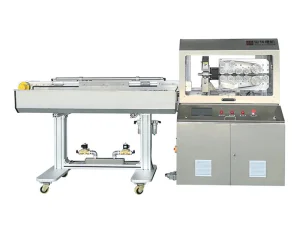
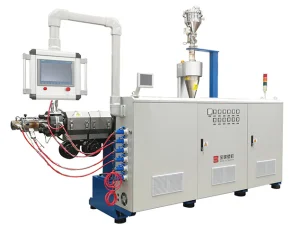
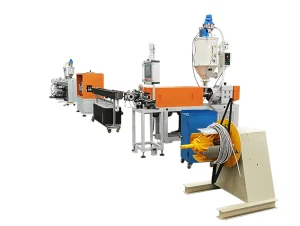
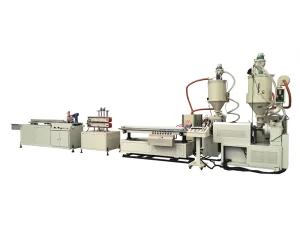
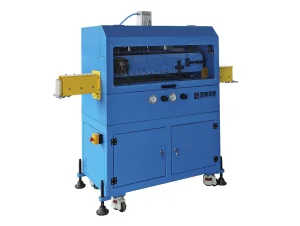
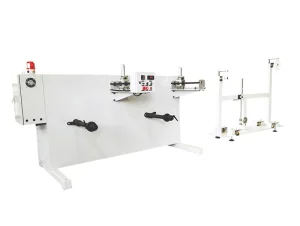
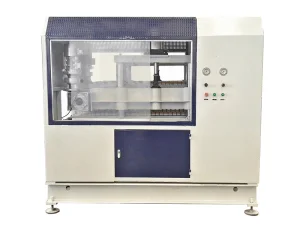
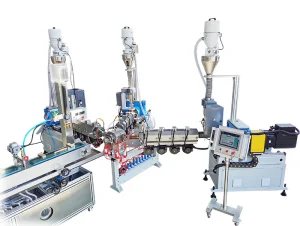
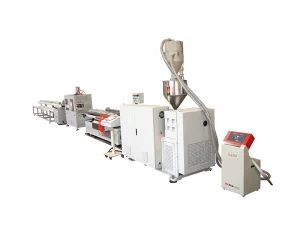
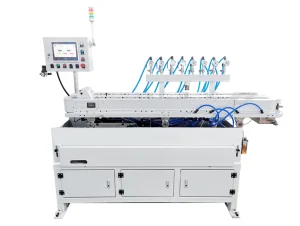
Explore our top-tier manufacturing lines and component machineries designed for industrial performance.
The backbone of optical fiber deployment and smart infrastructure networks worldwide.
The global demand for high-density polyethylene (HDPE) silicone core tubes has skyrocketed with the acceleration of global 5G network expansion, smart grid setups, and optical fiber backbone networks (FTTH). Unlike traditional protective pipes, HDPE silicone core tubes feature a solid-lubricant lining co-extruded onto the inner wall. This drastically reduces the friction coefficient (typically ≤ 0.15), allowing optical cables to be blown through distances of up to 1,000–2,000 meters in a single continuous run.
Currently, the market is shifting toward micro-duct configurations. Telecommunication giants and municipal infrastructure authorities require multi-lumen microduct solutions to maximize utility in underground conduits. As a result, extrusion manufacturers must scale production with higher dimensional precision, automated wall-thickness correction, and advanced co-extrusion control systems to meet international quality standards such as ASTM D3485 and EN 12201.
Urban micro-trenching and long-haul underground telecom channels drive massive demands for high-density silicone core lines in North America, Europe, and Asia-Pacific.
Three-layer co-extrusion technology embeds the permanent silicone lubricant layer permanently into the HDPE outer matrix, ensuring it never runs dry or degrades.
Designing high-output, reliable extrusion configurations that deliver optimal mechanical integrity.
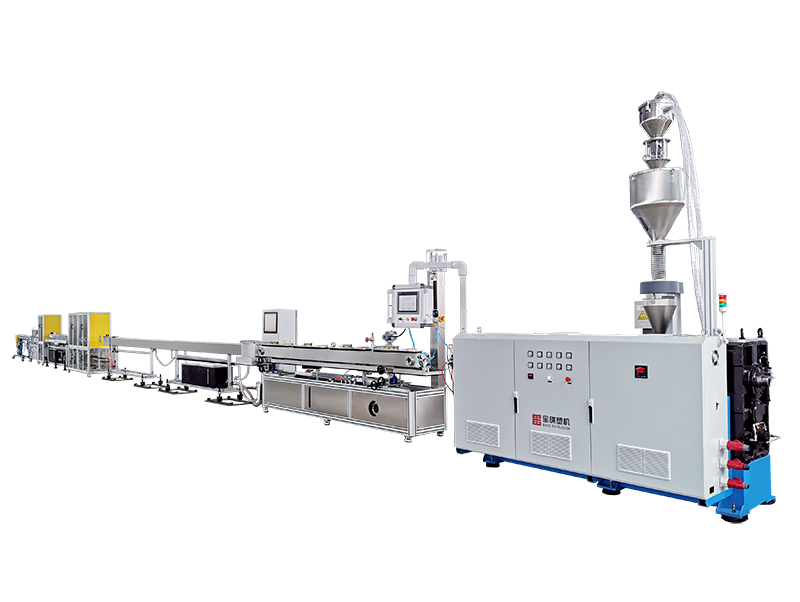
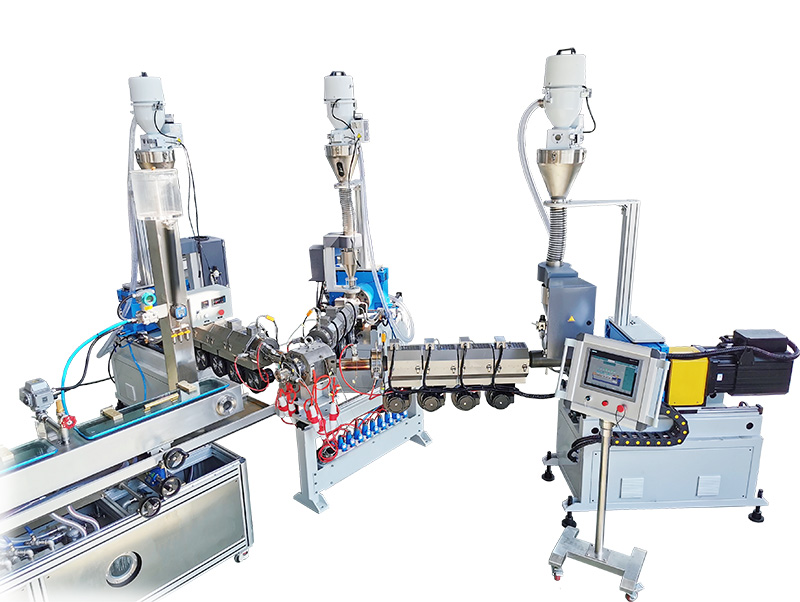
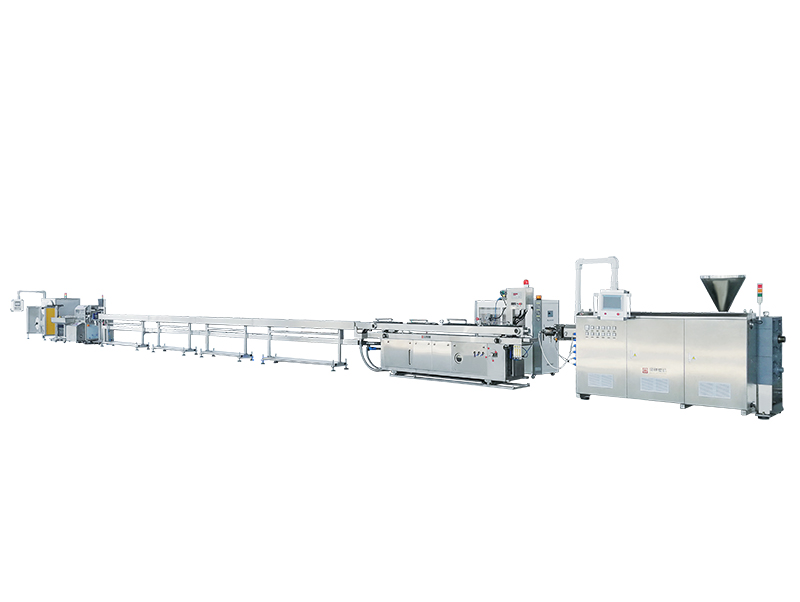
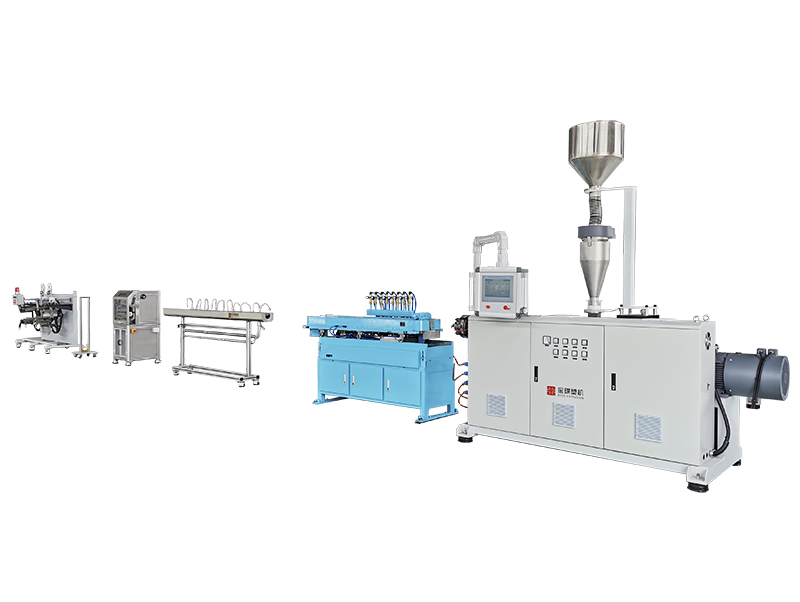
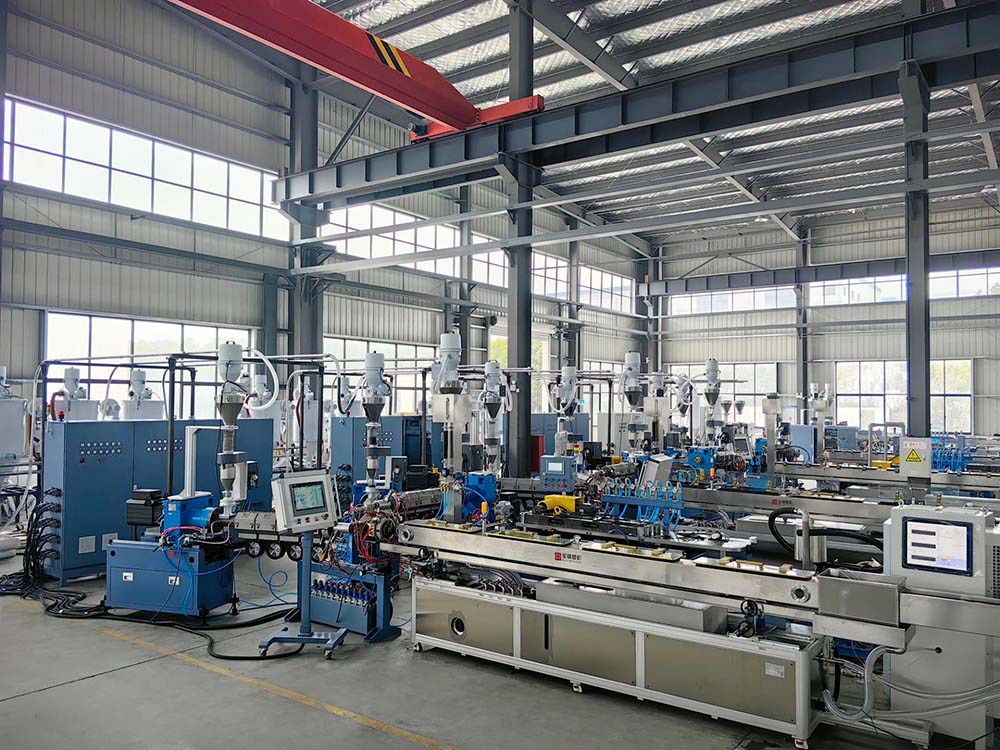
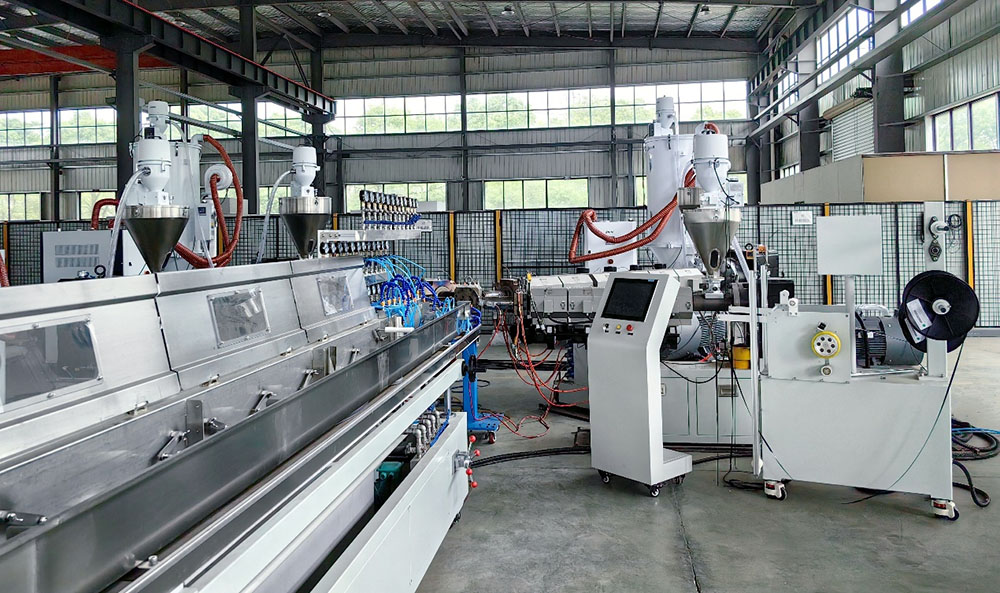
High L/D ratio (30:1 up to 33:1) single-screw extruders ensure consistent plasticization, processing HDPE compounds under lower melt temperatures to prevent material degradation.
Maintains precise wall thickness and exact concentricity for outer, intermediate, and inner silicone lubricating layers, preventing weld-line variations during high-speed runs.
Integrates highly-accurate material feeders to synchronize extrusion output, matching material throughput with linear speed to control pipe dimensional tolerances strictly.
BAOD EXTRUSION (Jiangsu Baodie Automation Equipment Co., Ltd.) founded in 2002, is dedicated to the design, manufacturing, and sales of high-performance plastic extrusion equipment. Leveraging over 25 years of design and fabrication experience of top-tier extrusion systems, the company builds upon foundations laid by the parent group (KINGSWEL GROUP) in Shanghai since 1999.
Premium precision lines designed to optimize polymer extrusion throughput and consistency.
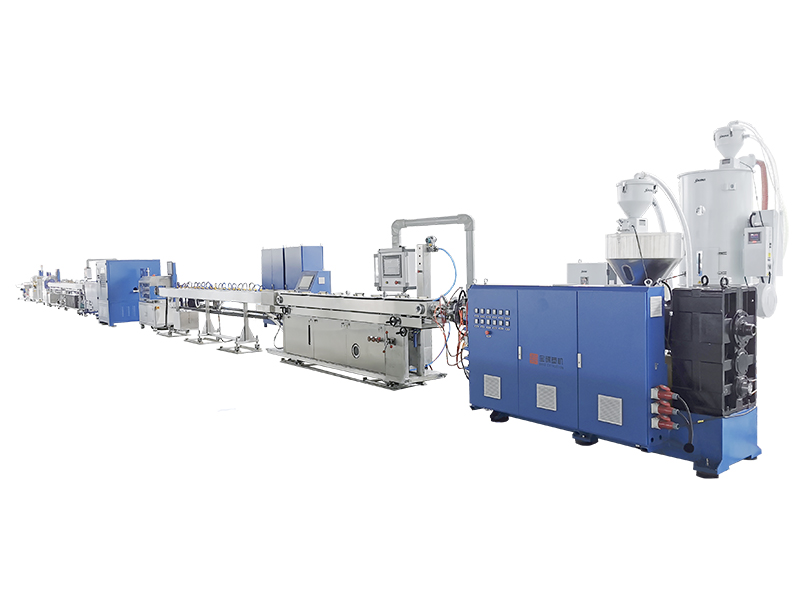

How modern processing standards are changing the landscape of high-performance HDPE extrusion.
A major advancement in silicone core tube manufacturing is the integration of high-dispersion liquid or solid-state silicone compound. In the extrusion die head, the silicone layer is integrated molecularly with the HDPE carrier layer. This design ensures that the internal lubricant is permanent, maintaining its low-friction index despite decades of installation age, ambient temperature shifts, or exposure to moisture.
High-speed internet rollouts demand thin-walled microducts (e.g., 10/8mm or 7/5.5mm). A tiny deviation in wall thickness can cause the pipe to rupture under fiber-blowing pressures of up to 15-20 bars. Current state-of-the-art lines feature ultrasonic thickness scanners that continuously measure concentricity and automatically adjust die-head positioning pins to eliminate human error.
Operators frequently prefer bundle solutions where multiple microducts are grouped under a single sheath. The extrusion line must support synchronized pay-offs for multiple small ducts and co-extrude an outer HDPE protective jacket. This configuration demands high tension stability and precise temperature control in the vacuum tank to prevent thermal shrinkage from affecting inner tubes.
Next-generation lines integrate AC variable frequency motors, high-efficiency ceramic heaters, and energy recovery systems on vacuum pumps. These improvements enable BAOD systems to operate at optimal efficiency with minimal carbon footprints, satisfying environmental requirements across European and North American markets.
Stay updated with the latest technological developments and trade show events from BAOD.
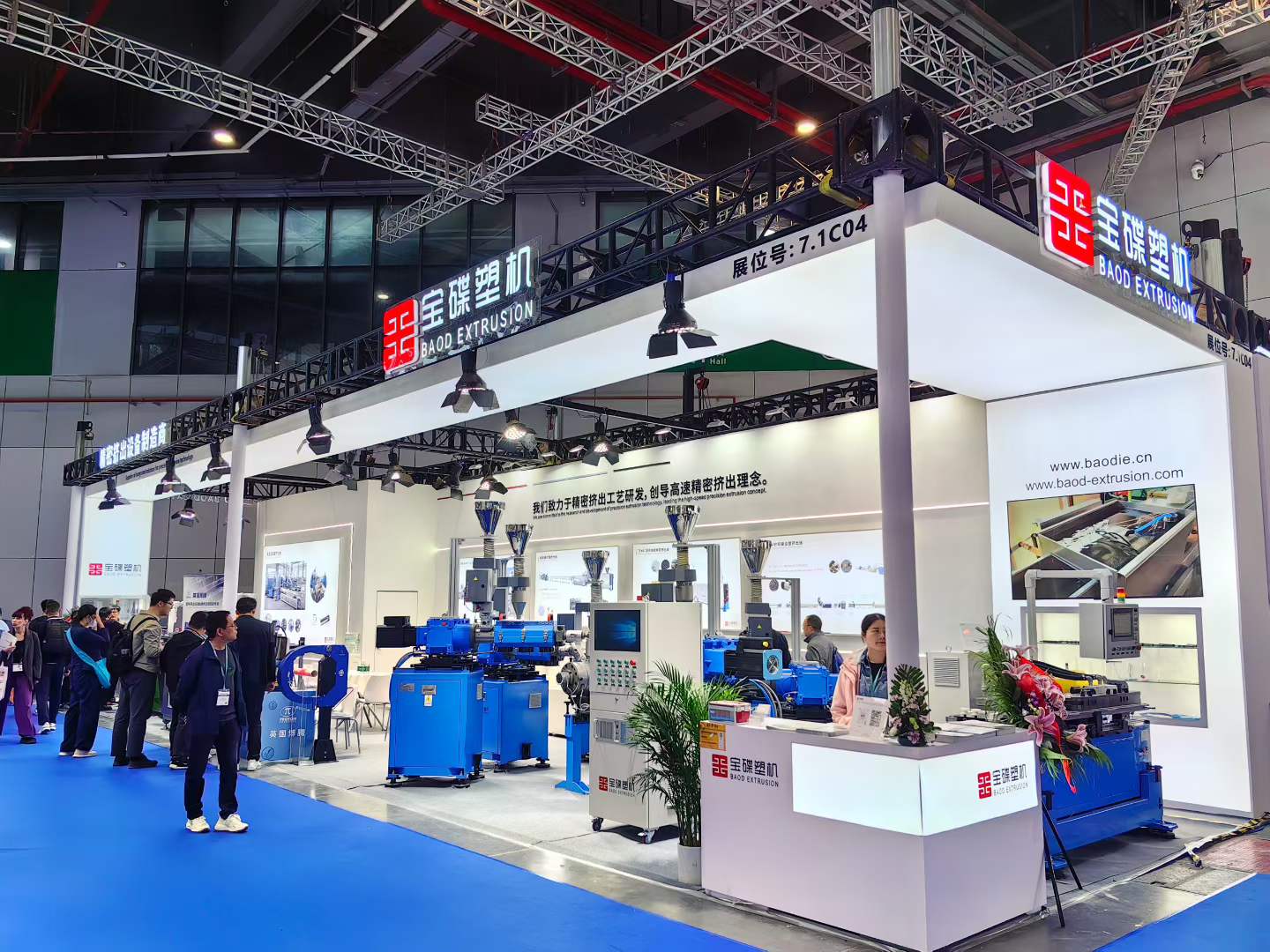
From April 21–24, CHINAPLAS 2026 was successfully held at the National Exhibition and Convention Center (Shanghai, Hongqiao). BAOD EXTRUSION showcased its latest R&D achievements at Booth 7.1C04, presenting "Smart Extrusion • High-Efficiency Innovation" solutions that...
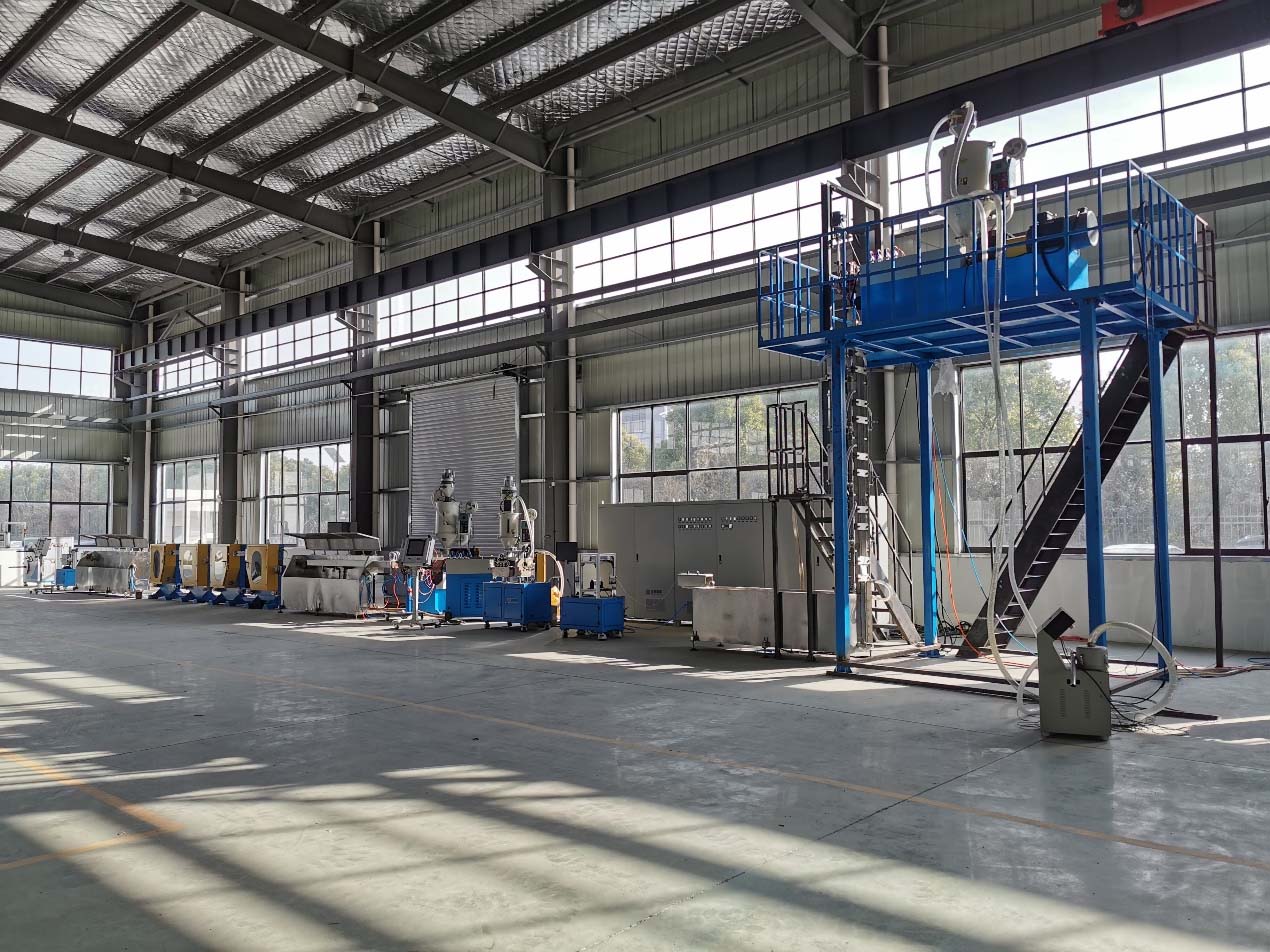
In the controlled environment of a modern industrial facility, a single, hair-thin plastic tube wound onto a reel might seem unremarkable to the untrained eye. However, in sectors ranging from mining and quarrying to large-scale infrastructure demolition, this tube—known...
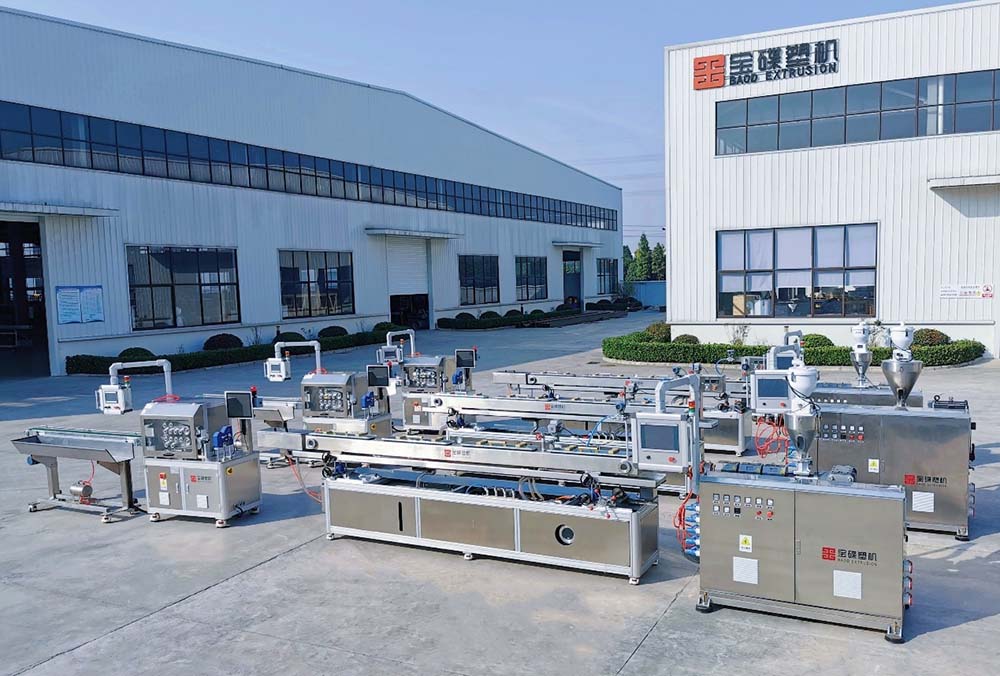
In the sterile, quiet environment of a modern medical facility, a clinician prepares a complex catheter for a critical procedure. This thin, flexible tube is far more than a simple conduit; internally, it is divided into several microscopic channels, or lumens, each desi...
How do the world's most reputable vehicle manufacturers ensure the absolute integrity of every fuel line, brake hose, and cooling pipe buried deep within a vehicle's chassis? Why has the shift toward electric and lightweight vehicles made the precision of these small-dia...
As the twilight sun reflects off the sleek, aerodynamic curves of a modern electric vehicle parked in a bustling metropolitan street, few observers notice the quiet, critical components ensuring the cabin remains a sanctuary of silence and temperature control. Behind the...
Detailed technical answers to common questions about co-extrusion technology, tolerances, and operation.
Reliable component equipment and extrusion lines engineered for global telecom and industrial applications.
 Baodie