Explore our engineering capabilities in polymer precision sizing, automated forming, and high-speed tube extrusion lines.
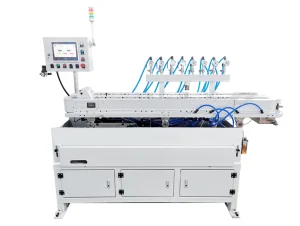
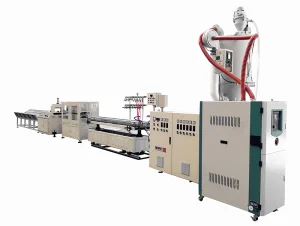
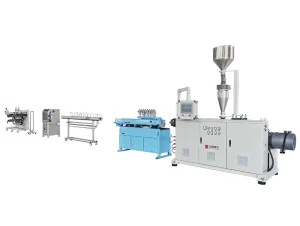
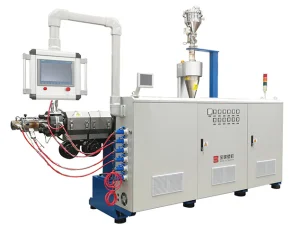
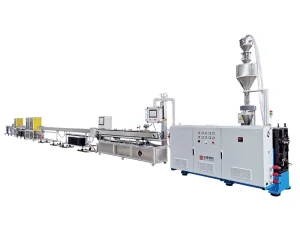
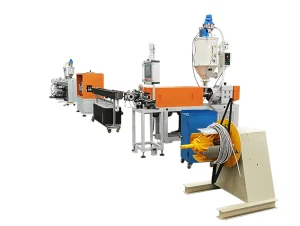
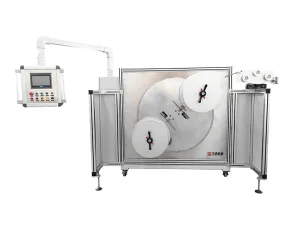
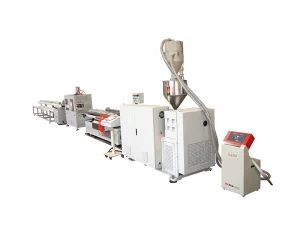
High-Density Polyethylene (HDPE) remains the material of choice for clean municipal water distributions, high-hazard chemical transport, mining slurries, and microduct telecom routing. The continuous rise of global infrastructure spending has dramatically intensified demand for reliable, long-lifecycle HDPE piping systems. Central to this reliability is the extrusion process integrity and subsequent jointing/welding security. High-quality pipelines require precise dimensional control, consistent polymer crystallite structure, and robust welding tolerances.
As standard fusion systems reach physical limitations on larger or custom-profile shapes, precision extrusion technology bridges the performance gap. Highly automated systems, like those manufactured by BAOD Extrusion, ensure that outer-diameter deviations are minimized down to the micrometer level. This structural integrity guarantees that when field operators deploy hand-held extrusion welders or automatic orbital fusion mechanisms, the pipe interfaces mate with seamless structural consistency, eliminating weak points prone to environmental stress cracking (ESC).
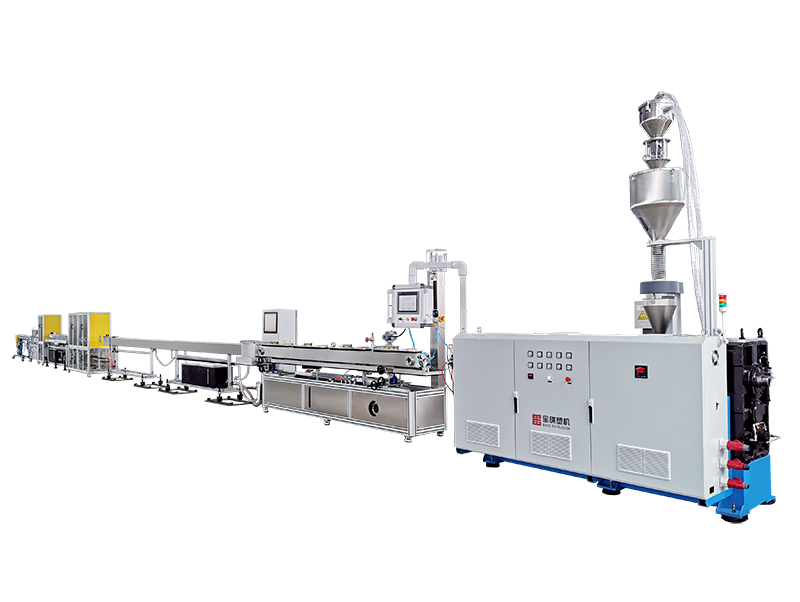
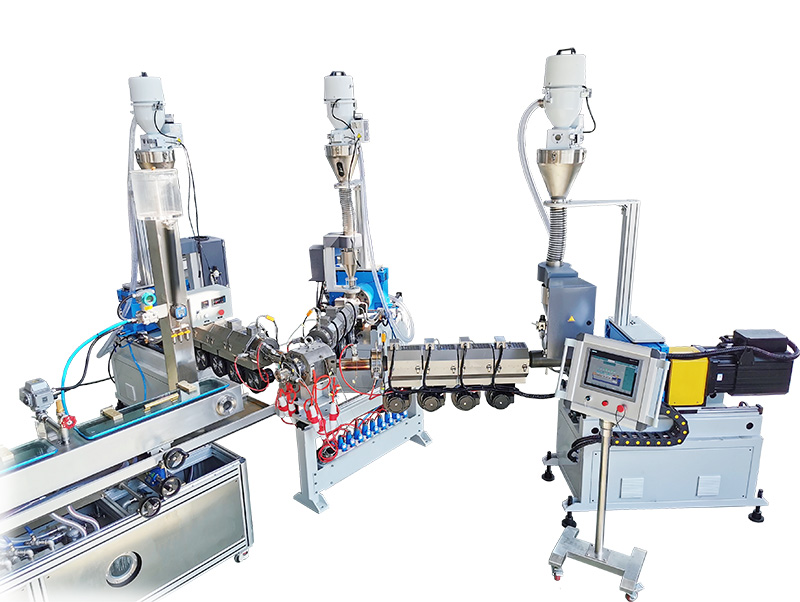
BAOD EXTRUSION (Jiangsu Baodie Automation Equipment Co., Ltd.), founded in 2002, is an industry-leading enterprise dedicated to the design, custom development, and manufacture of plastic extrusion machinery. Leveraging 18 years of design and fabrication expertise from the original parent organization (KINGSWEL GROUP) in Taiwan—which established its main extrusion manufacturing base in Shanghai in 1999—BAOD has established itself at the forefront of global polymer processing technology.
For more than 25 years, our engineering team has committed to pushing boundaries in:
Achieving high mechanical reliability in extruded HDPE products through systematic melt thermal stabilization.
High-Density Polyethylene has a highly linear molecular structure. Excess shear heat degrades the polymer chains, reducing structural elasticity. Our custom SJ single-screw series delivers uniform melt distribution, low mechanical stress, and precise thermal control across all heating zones.
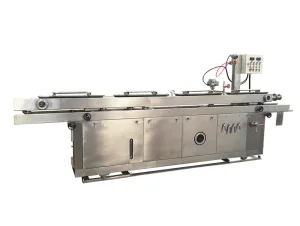
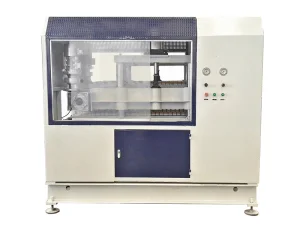
Without rapid, uniform cooling, HDPE undergoes asymmetrical recrystallization, resulting in ovality defects. Our automated vacuum sizing tanks ensure consistent water-ring distribution and pressure integrity to yield flawless round profiles ready for high-compliance applications.
Modern telecom conduits require low-friction inner layers, while automotive hoses demand chemical barrier properties. BAOD co-extrusion cross-heads allow simultaneous layering of functional polymers (like PA, EVOH, and silicone core) inside high-rigidity HDPE shells.
Global procurement teams face a constant challenge: balancing capital expenditure with strict European or American quality compliance. China's advanced manufacturing sector, led by experienced builders like BAOD, offers a decisive advantage. The depth of the localized industrial supply chain ensures immediate access to premium steel, high-precision machining centers, and Siemens/Omron automation components at reduced lead times.
Furthermore, BAOD bridges the gap with European machinery standards. By integrating Taiwan's rigorous quality control philosophy with mainland China's optimized component logistics, we build machinery that runs continuously under heavy industrial loads while reducing overall acquisition costs by up to 40% compared to Western counterparts. This efficiency enables us to customize feed screws, cooling tanks, and puller dynamics to match local raw material variations in target markets across Europe, North America, and Southeast Asia.
Common Local Application Scenarios:
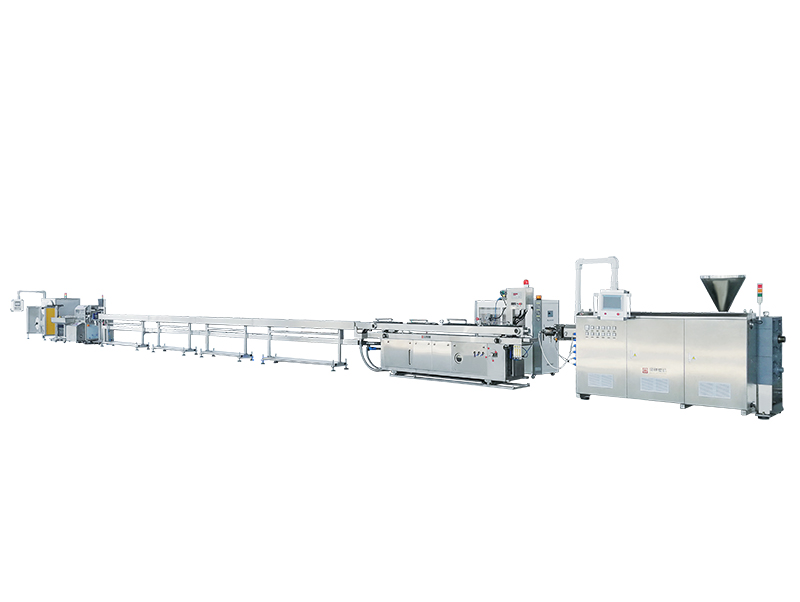
Understanding shifting regulatory standards, material innovations, and the global demand for sustainable polymer manufacturing.
Global regulations are mandating the integration of post-consumer recycled (PCR) plastics. Sourcing agents look for extrusion equipment that handles MFI variations in recycled HDPE without causing thickness fluctuations or mechanical vulnerability in the final pipes.
Modern production facilities demand data tracking. Modern BAOD extrusion lines are integrated with cloud-based SCADA links, displaying real-time parameters (die pressure, melt temperature, line speed) to reduce manual supervision and trace production anomalies.
In aerospace, automotive, and medical fields, single-channel lines are no longer sufficient. Precision multi-lumen profiles require highly advanced tooling and air-pressure balancing systems to prevent internal walls from collapsing during rapid cooling cycles.
Stay informed on global exhibitions, technological innovations, and cross-border project completions.
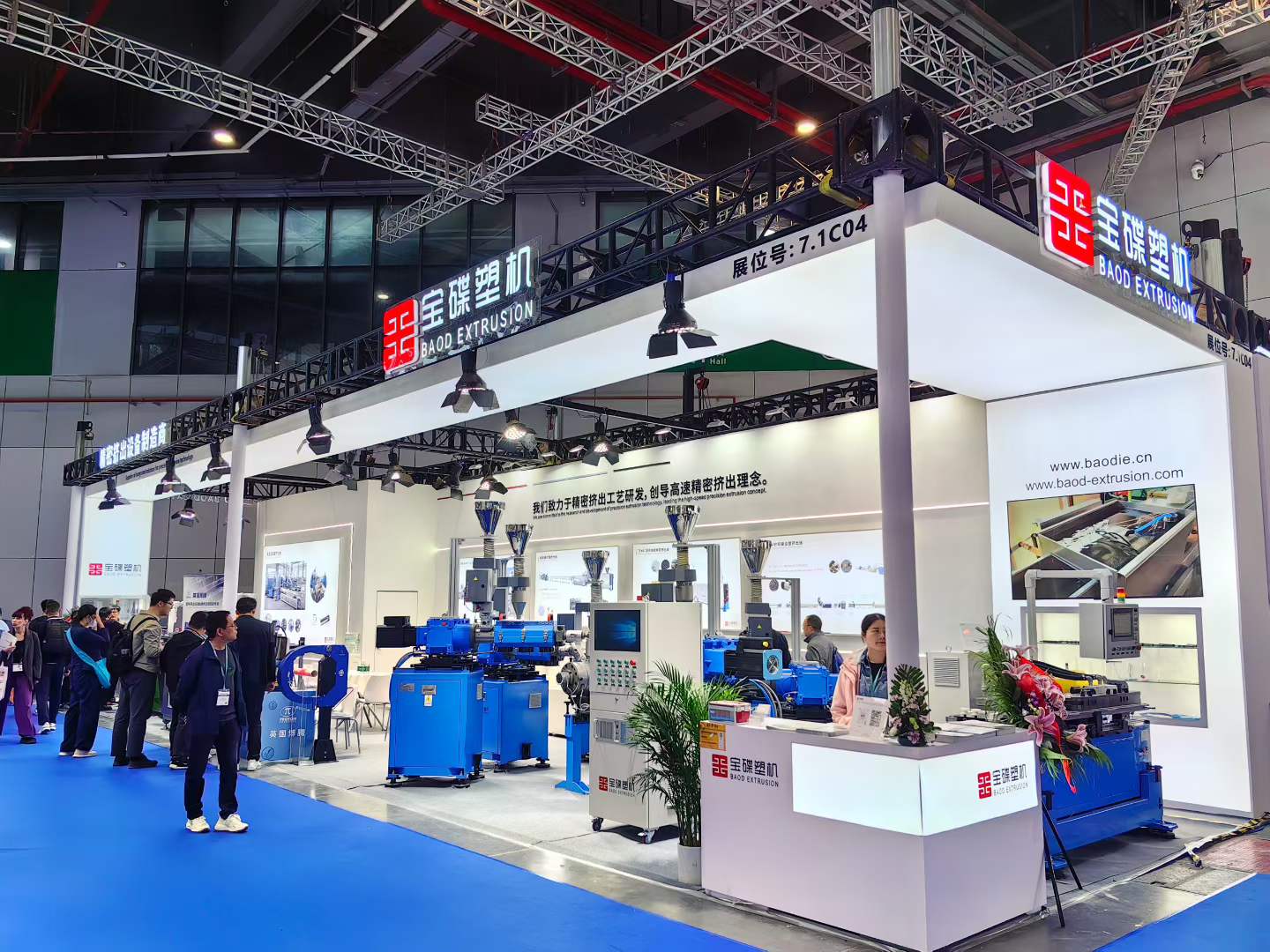
From April 21–24, CHINAPLAS 2026 was successfully held in Shanghai. BAOD showcased its smart extrusion solutions at Booth 7.1C04, driving cost reduction and efficiency gains...
Read More +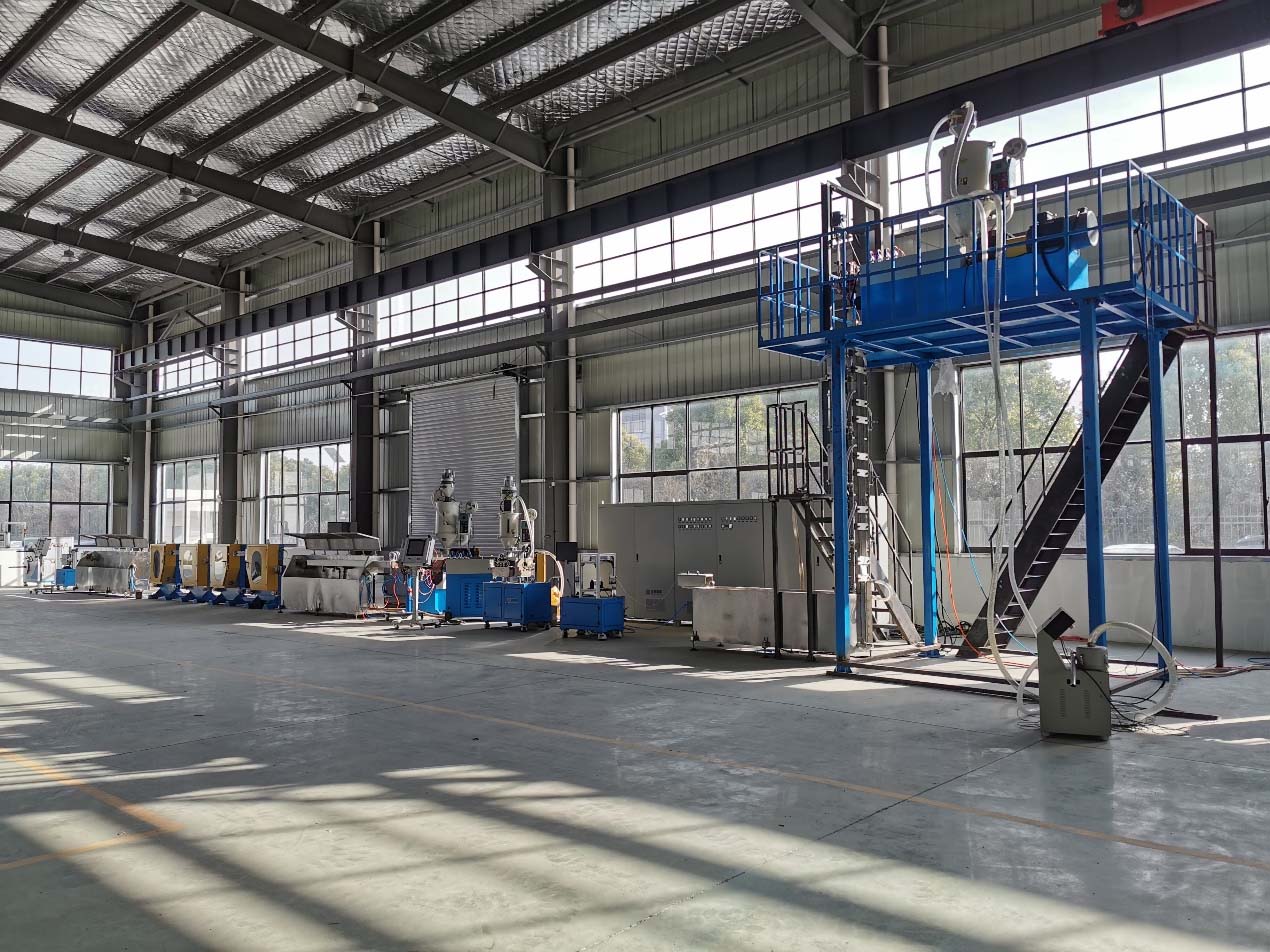
In sectors like mining, infrastructure, and controlled demolition, precise tube diameters are vital. Learn how BAOD ensures high reliability and safety compliance...
Read More +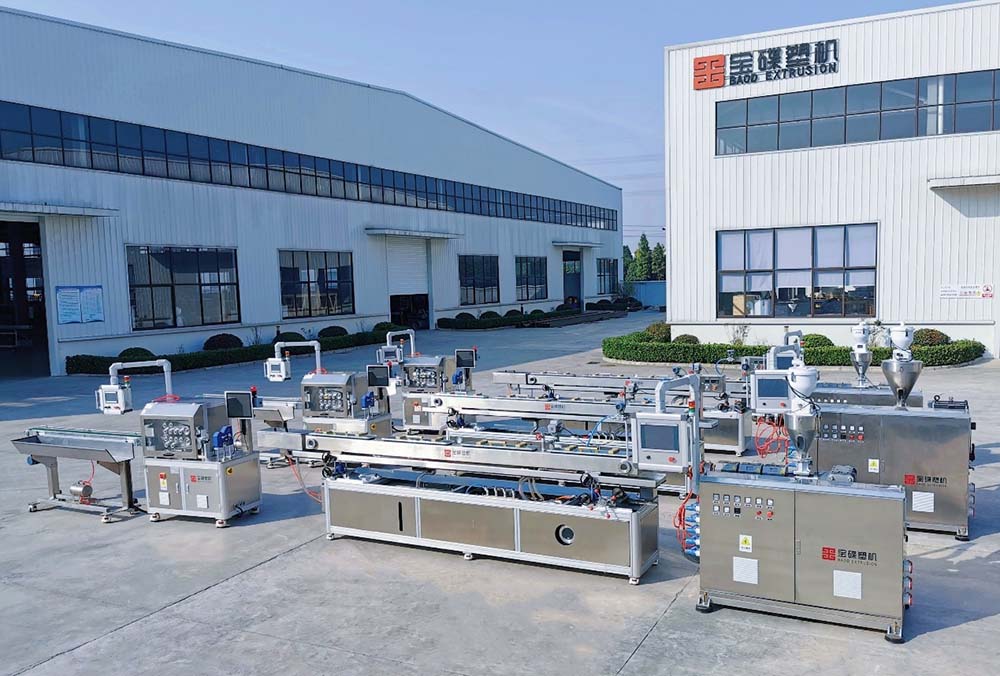
An in-depth analysis comparing wall thickness tolerances, design variations, and cost ratios between Chinese and European machinery manufacturers...
Read More +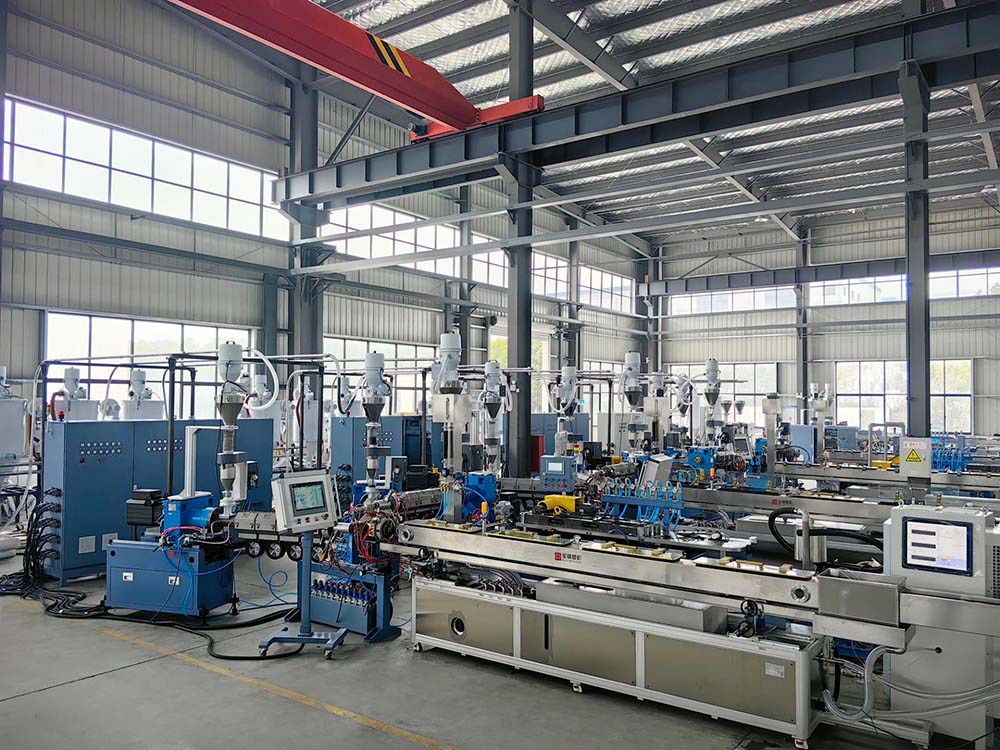
Exploring the quality controls and performance certifications required by global automotive manufacturers for fuel lines, brake systems, and cooling hoses...
Read More +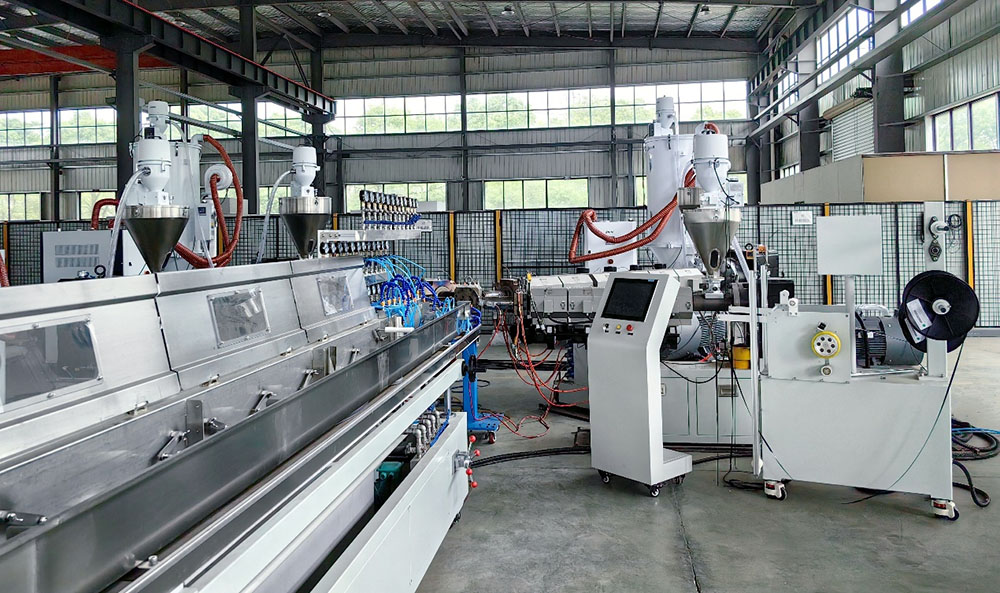
Analyzing the impact of electric vehicle growth on high-end vehicle noise isolation, aerodynamic seal designs, and new material processing pipelines...
Read More +Direct, professional answers to common technical queries about High-Density Polyethylene extrusion processing, tolerance parameters, and jointing methods.
For typical HDPE grades, melt temperatures should be tightly controlled between 190°C and 230°C. If temperatures run too high, the polymer structure begins to degrade and split chains. If the melt is too cool, un-molten crystalline nodes can create mechanical stress cracks in the tube, weakening any future extrusion welding points.
The vacuum sizing tank dictates outer diameter accuracy and ovality. Consistent dimensional geometry ensures that when pipes are aligned in the field for extrusion butt welding, the jointing pressure is distributed uniformly. High dimensional variance leads to asymmetrical welds, resulting in pipeline failures under high pressure.
Single-screw extruders offer superior pressure stability and steady melt flow rate (MFR) control for polyolefin materials like HDPE. A high-efficiency single screw provides consistent pressure push to the die head, which is crucial for continuous tube wall uniform thickness, unlike twin screws which are better suited for compounding and mixing dry powder blends like PVC.
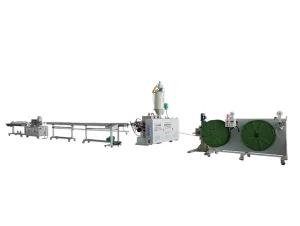
We offer custom extruder screw lengths, L/D ratios, multi-channel co-extrusion die-heads, specialized traction pullers (crawler-type or belt-type), and automatic spool changers tailored to specialized lines like HDPE silicone microducts, corrugated pipelines, or steel reinforced composite tubes.
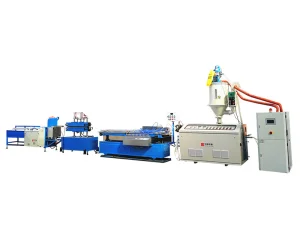
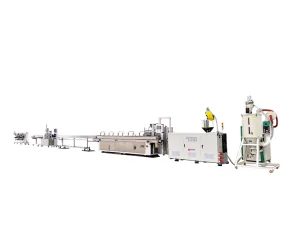
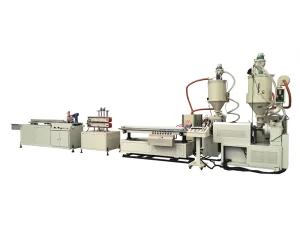
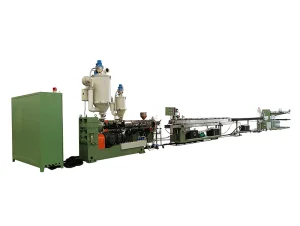
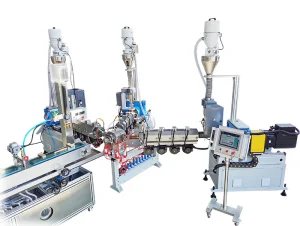
Explore the full processing array from vacuum calibration tanks to high-speed automotive and multi-layer pipe lines.
 Baodie