Explore our cutting-edge machinery portfolio designed to meet the strict quality thresholds of contemporary engineering and automotive standards.
BAOD EXTRUSION (Jiangsu Baodie Automation Equipment Co., Ltd.), established in 2002, is dedicated to the comprehensive engineering design, advanced manufacturing, and global sales of premium plastic extrusion machinery. Leveraging over 25 years of engineering experience in designing and fabricating high-quality machinery, our foundations were established through the investment of our parent group (KINGSWEL GROUP) in forming our specialized extrusion manufacturing base in Shanghai in 1999, which later expanded to Jiangsu.
Our long-term engineering development focus remains centered on precision extrusion technology, high-efficiency system configurations, process automation, and integrated fail-safe safety protocols to protect operating crews and maintain continuous operational uptime.
Years Experience
Factory Area
Specialized Staff
An in-depth analysis of high-precision dynamic vulcanization co-extrusion technology, raw material characteristics, and system engineering requirements.
Thermoplastic Vulcanizates (TPV) are high-performance elastomeric compounds consisting of a highly cross-linked rubber phase (typically EPDM) dynamically dispersed inside a continuous thermoplastic matrix (typically Polypropylene, PP). This specific micro-structure provides TPV with the physical elasticity of vulcanized rubber alongside the fluid processing convenience of thermoplastics.
For automotive sealing applications, TPV delivers remarkable resistance to environmental weathering, ozone exposure, and UV radiation. Key benefits include:
Achieving dimensional tolerances of ±0.05 mm on intricate weatherstrip profiles requires a high level of control over temperature, melt pressure, and speed synchronization. An industrial-grade TPV sealing strip extrusion line must incorporate several technical modules:
Utilizes customized L/D ratios (typically 28:1 to 33:1) and specialized screw profiles to prevent shear degradation while ensuring homogeneous plasticization of the polymer melt.
Specially designed to merge up to 4 different streams (e.g., hard base TPV, soft sponge TPV, slip coating, and metal/fiber reinforcement) with balanced flow velocities.
Dual-chamber vacuum calibration tanks coupled with precise water temperature regulation circuits to freeze dimensions quickly and prevent warp deformation.
Precision melt pumps are integrated directly after the extruder barrel to isolate the die head from upstream pressure fluctuations. By maintaining a constant melt flow, the system minimizes gauge variation, ensuring the finished weatherstrip meets critical automotive clearances.
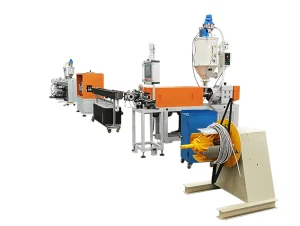
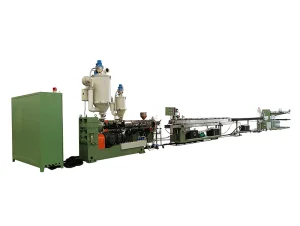
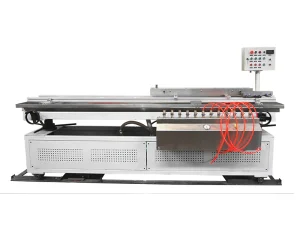
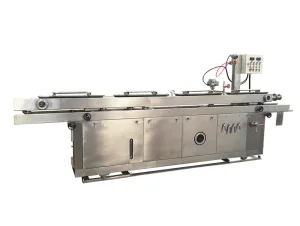
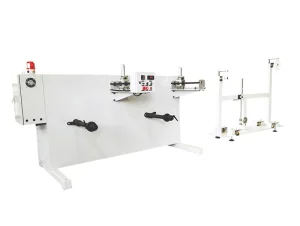
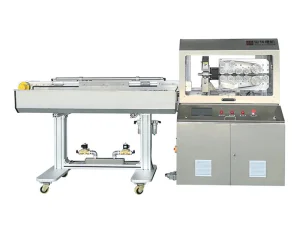
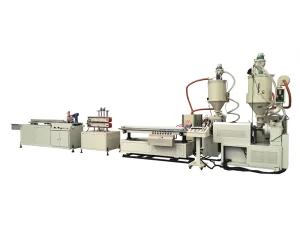
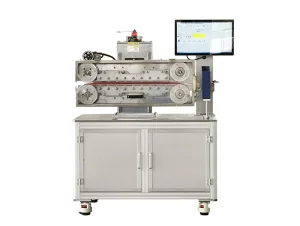
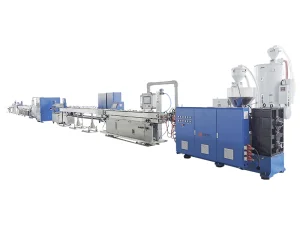
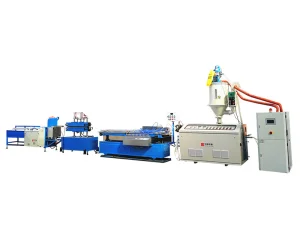
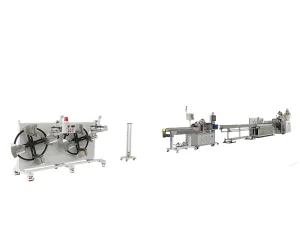
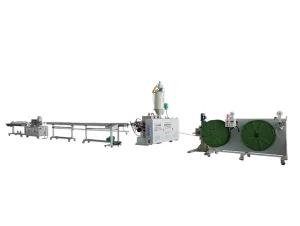
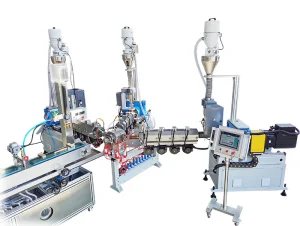
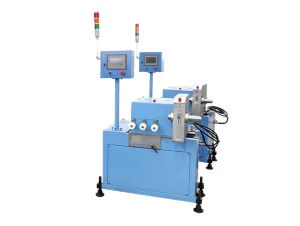
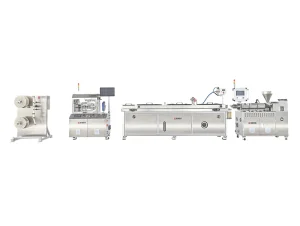
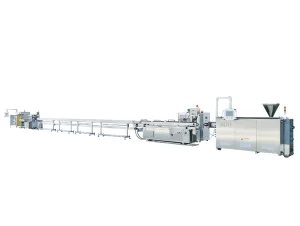
High-efficiency machinery developed by BAOD, engineered to deliver tight tolerances, long service lifetimes, and continuous automated operations.
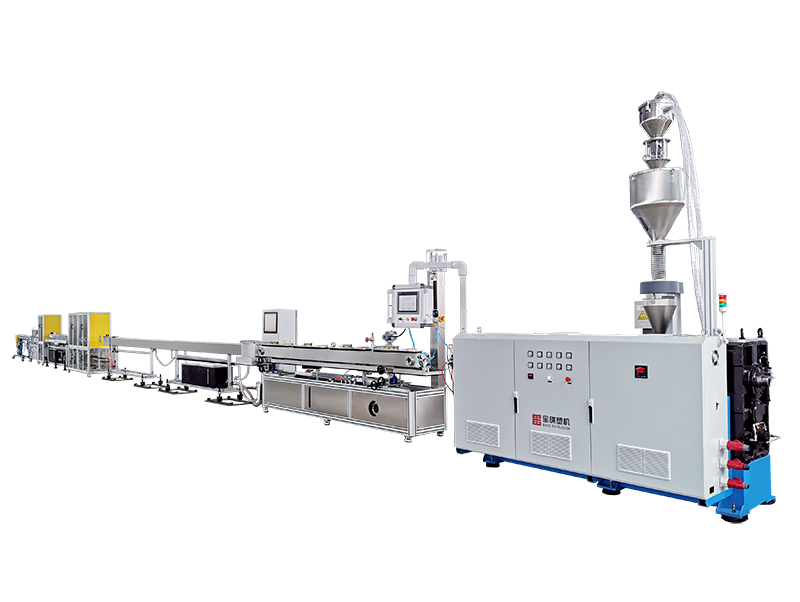
Engineered for high-tolerance medical, automotive, and industrial tubing. Delivers stable, high-speed output with precise diameter controls.
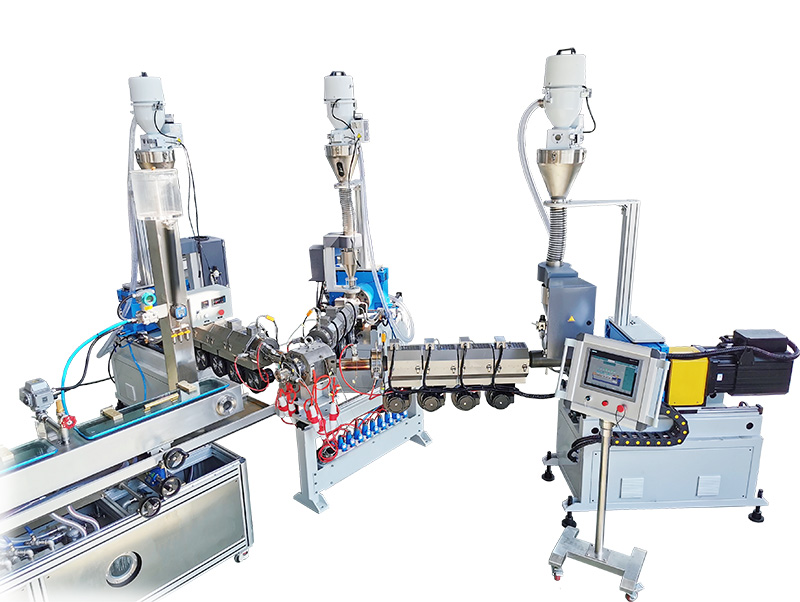
Designed for automotive fuel lines, brake systems, and cooling tubes requiring multi-layer chemical and structural barriers.
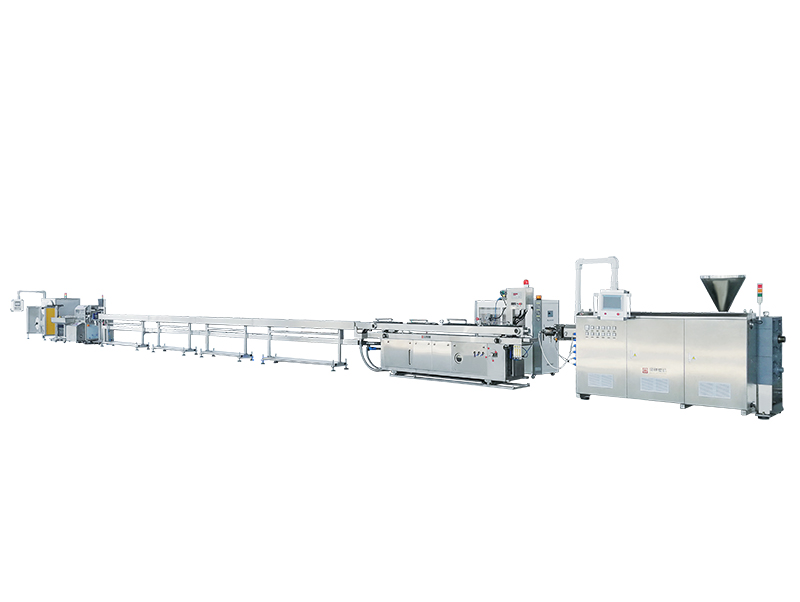
Ultra-hygienic design meeting ISO 13485 cleanroom requirements. Reaches extreme speeds with automated dimensional feedback loops.
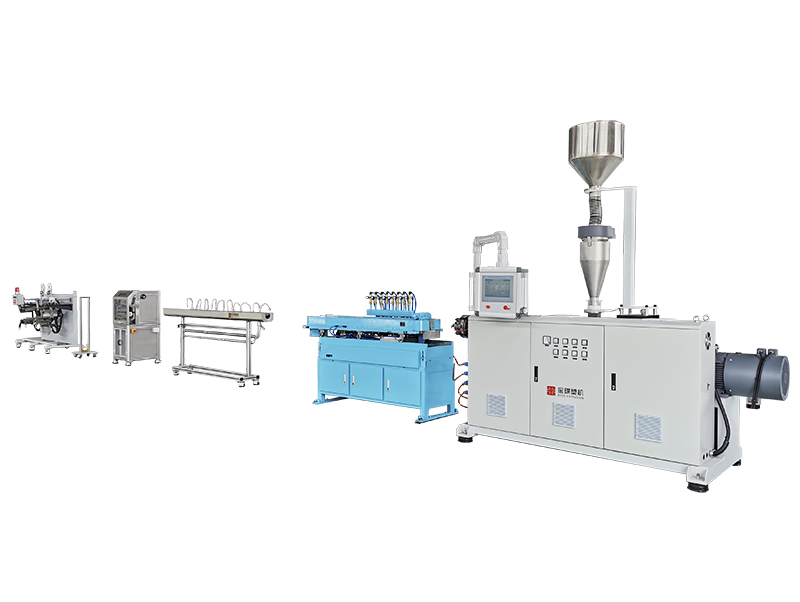
High-capacity machinery for industrial cable shielding and automotive wiring harness conduit systems.
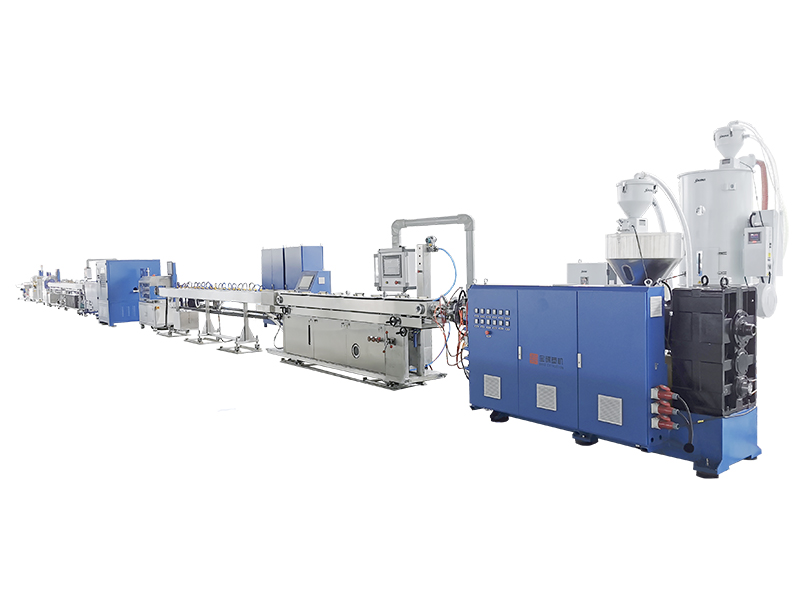
High-end composite hose line incorporating high-strength fiber knitting layers with raw TPV inner/outer protective shells.
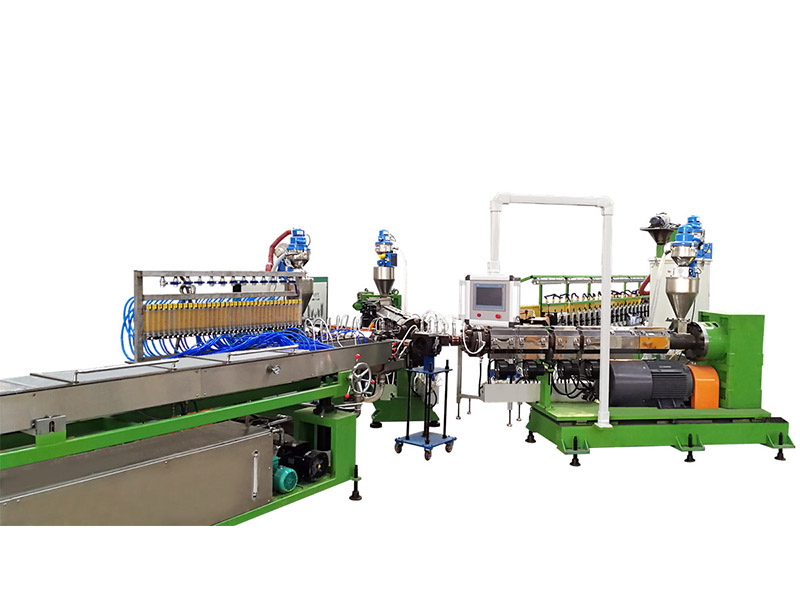
Our flagship solution for complex automotive weatherstripping. Fully integrates metal insertion, co-extrusion, and online surface treatment.
Over the last decade, China has transitioned from a high-volume manufacturer to a global engineering hub for plastic extrusion machinery. For multinational automotive tier-1 suppliers, sourcing sealing strip extrusion lines from leading Chinese factories like BAOD EXTRUSION offers several advantages:
When purchasing capital equipment from a China TPV automotive sealing strip extrusion line factory, global procurement officers look for adherence to international quality and safety standards. At BAOD EXTRUSION, we build our machinery to conform with the following compliance checklists:
To eliminate operational downtime risk, BAOD has developed a robust global localization and customer support network. This ensures that purchasing a machine from China translates into local operational security anywhere in the world:
Commissioning & Installation: Our senior field engineers travel to the customer's facility to direct machine leveling, electrical connections, water/air line integrations, and initial test runs. We perform strict calibration tests under full load conditions to confirm maximum production parameters.
Staff Training & Technology Transfer: Comprehensive training programs are provided to local operators. Topics covered include extruder safety, die adjustment, temperature profile settings for different TPV grades, and basic troubleshooting procedures for automated cut-off and puller systems.
Remote Diagnostic Capability: Using integrated secure VPN portals, our engineers in Jiangsu can log directly into the machine's PLC. This allows real-time troubleshooting, sensor calibrations, and system software updates without requiring onsite travel.
Stay up to date with the latest innovations, trade show highlights, and research developments from BAOD EXTRUSION.
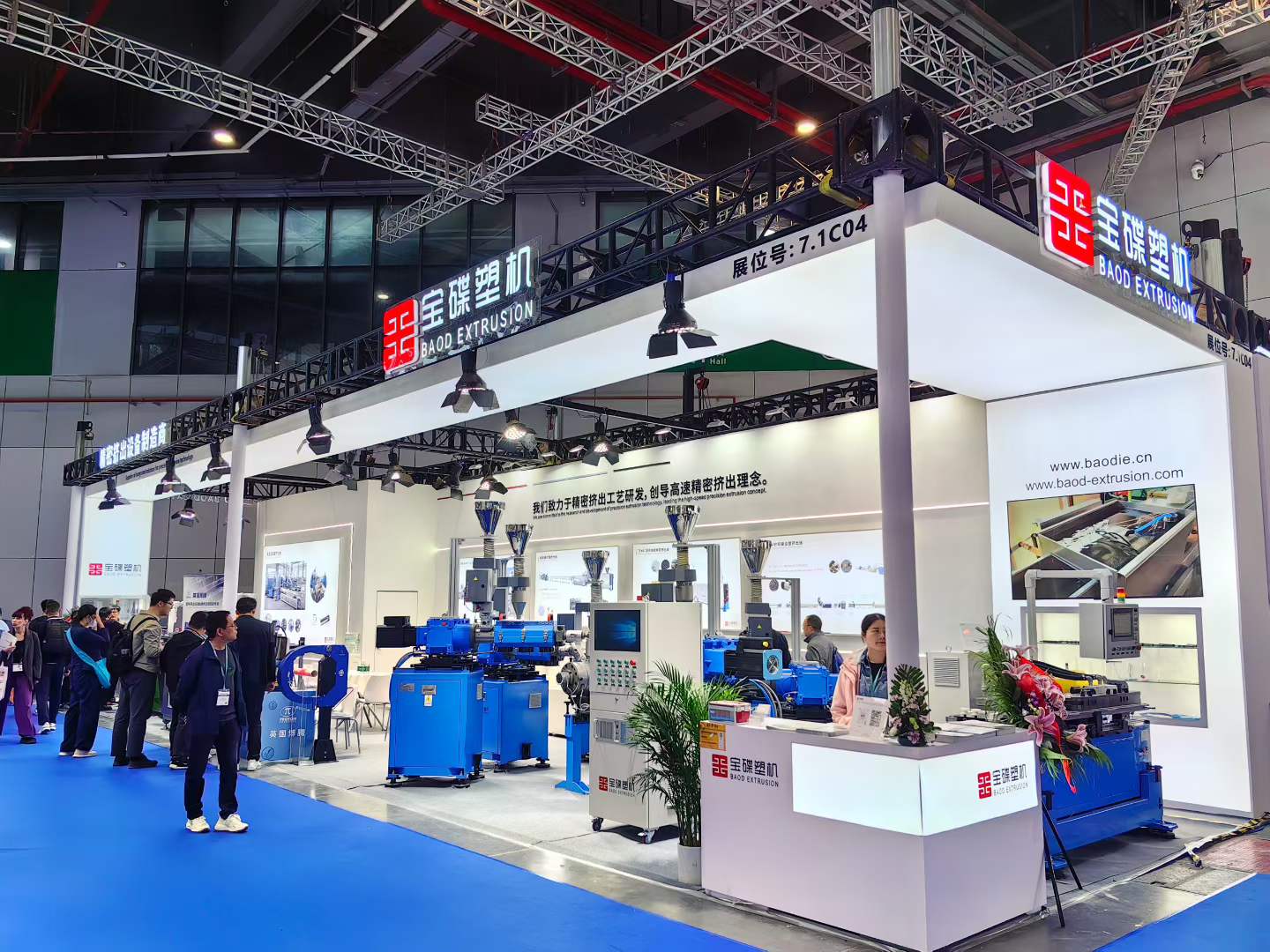
BAOD EXTRUSION showcased its latest R&D achievements at Booth 7.1C04, presenting “Smart Extrusion · High-Efficiency Innovation” solutions that address modern environmental standards...
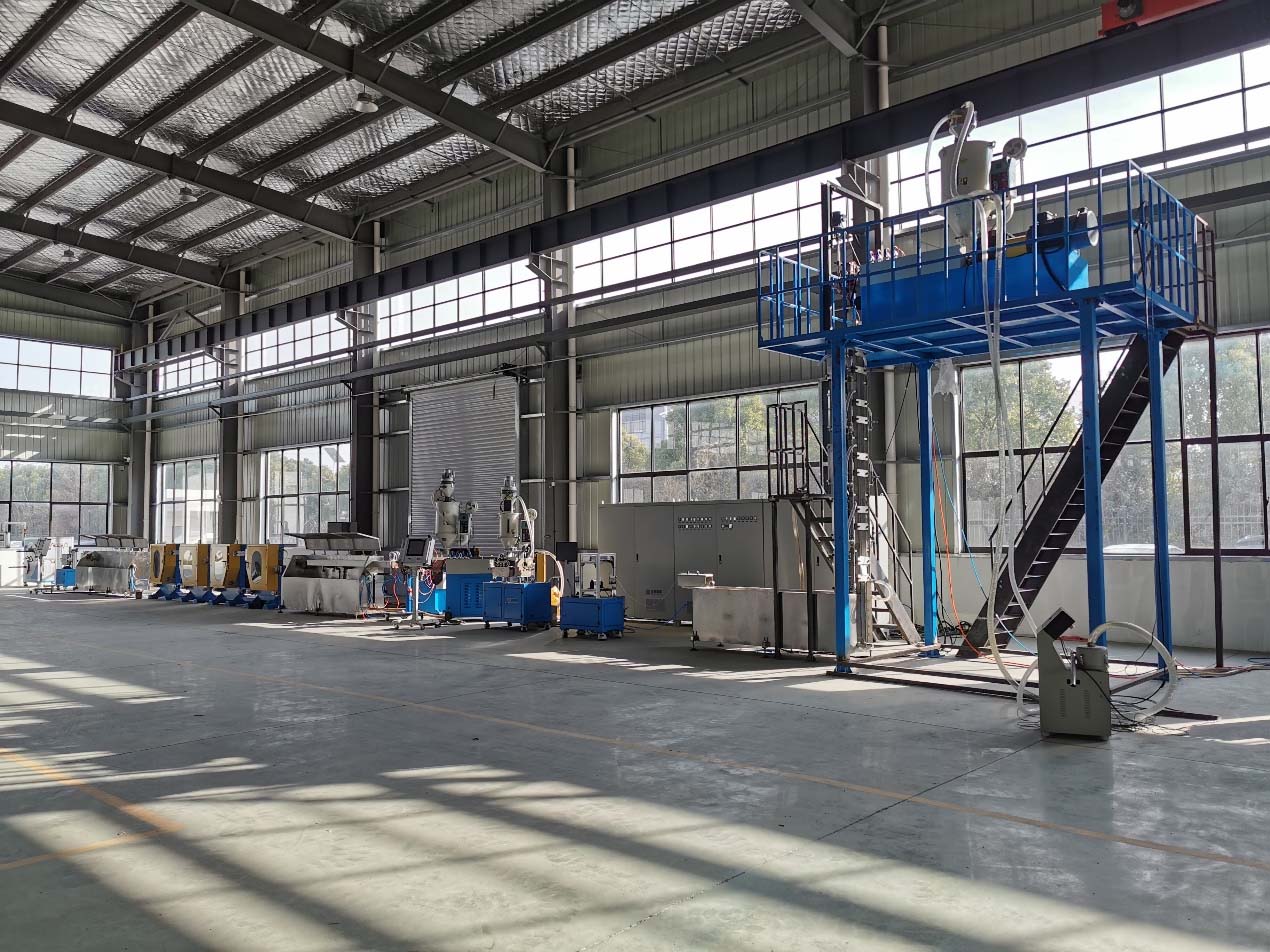
In modern industrial facilities, single, hair-thin plastic tubes wound onto reels might seem unremarkable. However, in mining, quarrying, and demolition, these detonating tubes demand absolute precision...
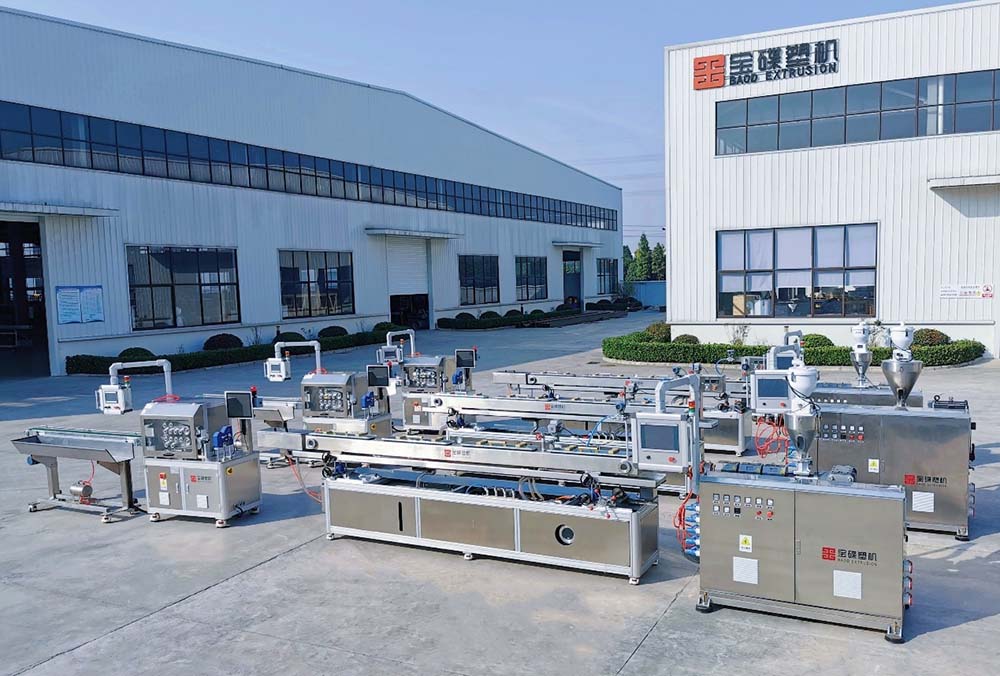
In sterile medical environments, a catheter is far more than a simple tube. Internally, it is divided into microscopic channels. We analyze how China-made lines stack up against European counterparts...
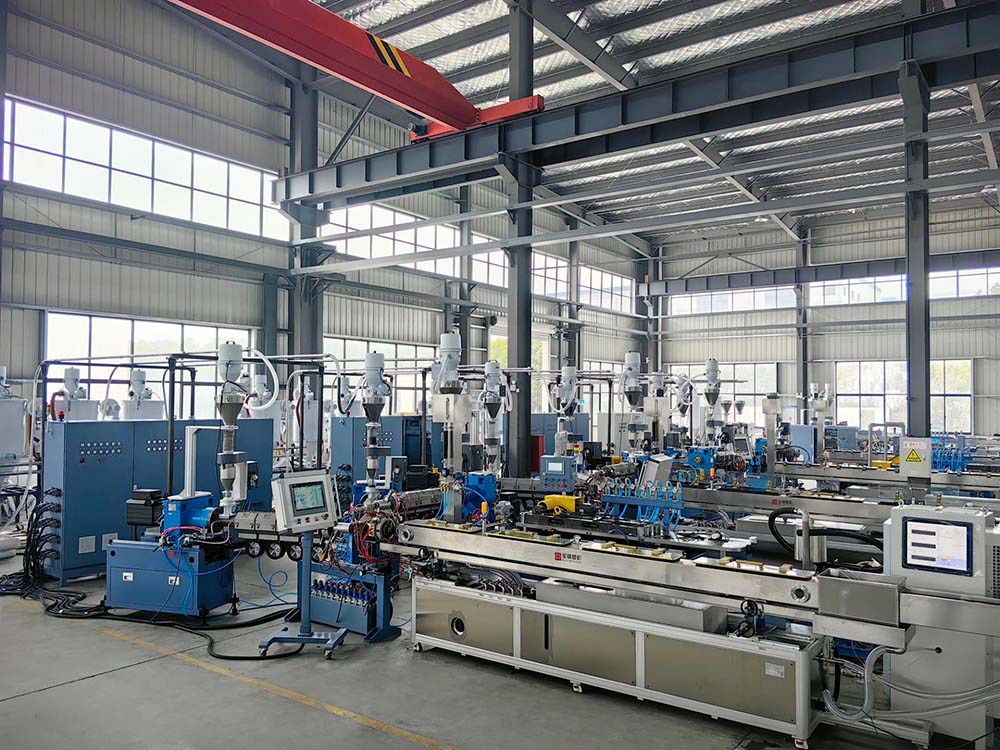
Why has the shift toward electric and lightweight vehicles made the precision of small-diameter tubes so critical? Learn how BAOD maintains international safety compliance across global markets...
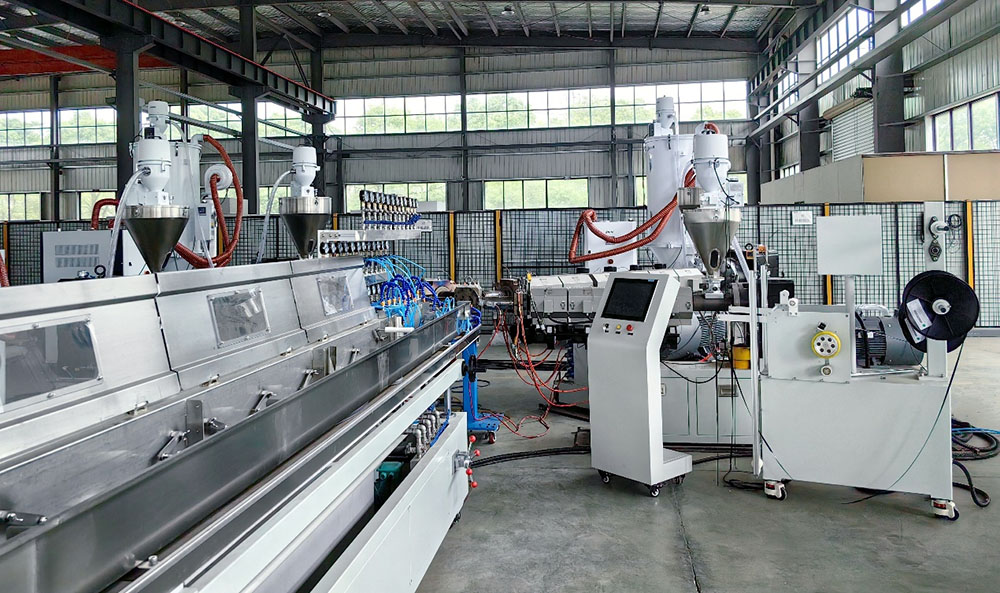
As the twilight sun reflects off modern electric vehicles, few notice the quiet components keeping cabins silent. Behind the scenes, automated extrusion lines are changing the industry...
Our engineering department is ready to design systems tailored specifically to your localized plant requirements.
Get Technical QuoteModern passenger and commercial vehicles rely on various sealing profiles to protect the interior from wind, rain, dust, and acoustic noise. BAOD's extrusion machinery is configured to manufacture profiles for these specific applications:
Multi-durometer profiles combining a rigid TPV channel base for structural retention, soft sealing lips for flexibility, and a low-friction slip coating to allow smooth glass movement without squeaking.
Profiles featuring a co-extruded hollow bulb structure made of soft sponge TPV. This provides high compression capacity, sealing off the engine compartment and luggage space from water ingress.
Exterior and interior waistline seals that scrape water off the side windows. Often co-extruded with metal clips or steel stamping carriers to hold the seal securely on the door metal flange.
By adjusting the screw design, head tooling, and downstream calibration units, a single BAOD extrusion line can switch between these profiles with minimal changeover time, maximizing production line utilization rates.
Find answers to common questions regarding technical features, material compatibility, and global service options.
Under stable operating conditions and using high-quality raw materials, our lines achieve cross-sectional dimensional tolerances down to ±0.05 mm. This precision is maintained by integrating closed-loop laser gauge feedback systems directly with the extruder screw speed and puller controls.
Yes. Our advanced co-extrusion crossheads allow the integration of up to four distinct components: rigid structural TPV, highly flexible sponge TPV, low-friction surface slip coatings, and metal/steel wire carriers, all formed in a single continuous process pass.
Our PLC cabinets are equipped with secure VPN routers. With the customer's permission, our technicians can remotely diagnose sensor faults, adjust software calibration profiles, and troubleshoot programming errors, saving time and travel costs.
Yes. For lines destined for the US and Canada, we build electrical cabinets to meet UL/NFPA79 standards using UL-listed components (Siemens, ABB, Allen-Bradley). The machines are also fitted with safety gates and interlocks matching international safety standards.
Generally, a complete extrusion line with custom-designed die heads and downstream cooling tables takes between 90 to 120 days from initial approval of engineering drawings to factory acceptance testing (FAT) at our facility in Jiangsu.
Yes. TPV is hygroscopic and absorbs ambient moisture. To prevent surface defects, voids, or foaming in solid sections, we integrate high-performance desiccant drying systems and gravimetric feeding hoppers to dry the material below 0.05% moisture content prior to extrusion.
A comprehensive selection of our customized machinery systems, engineered to support global industrial infrastructure projects and manufacturing facilities.
 Baodie