Explore our high-performance manufacturing lines designed for extreme precision and structural durability.
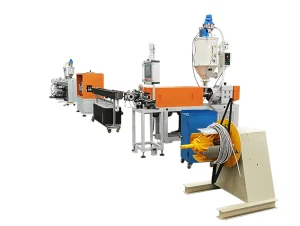
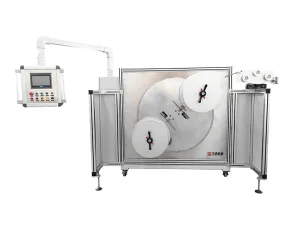
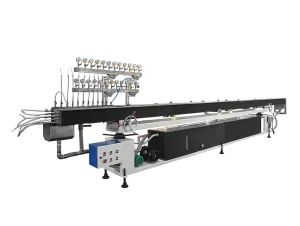
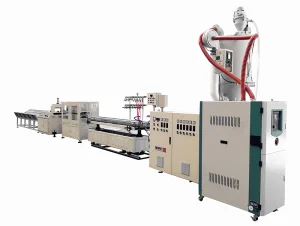
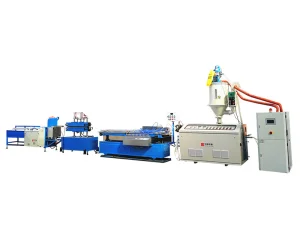
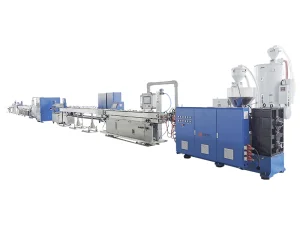
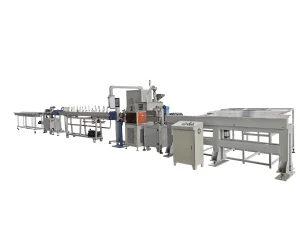
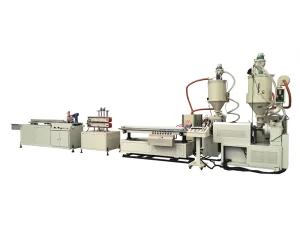
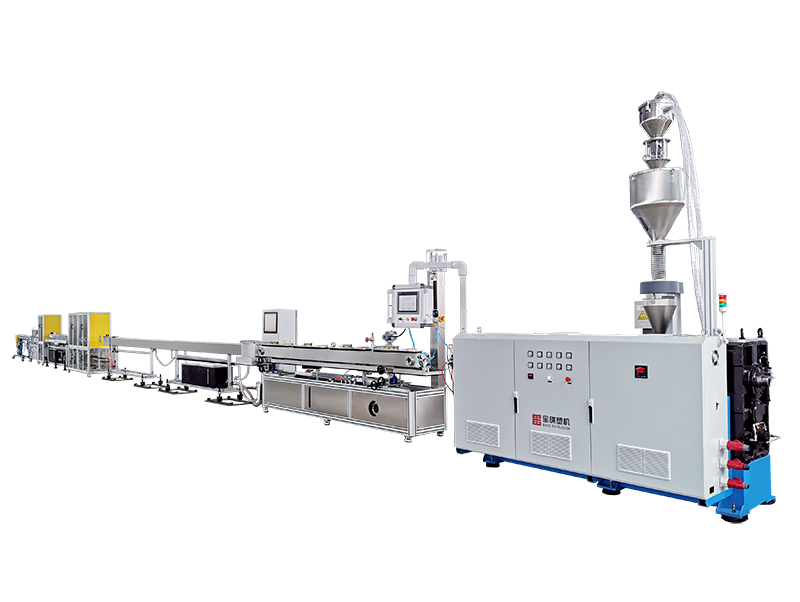
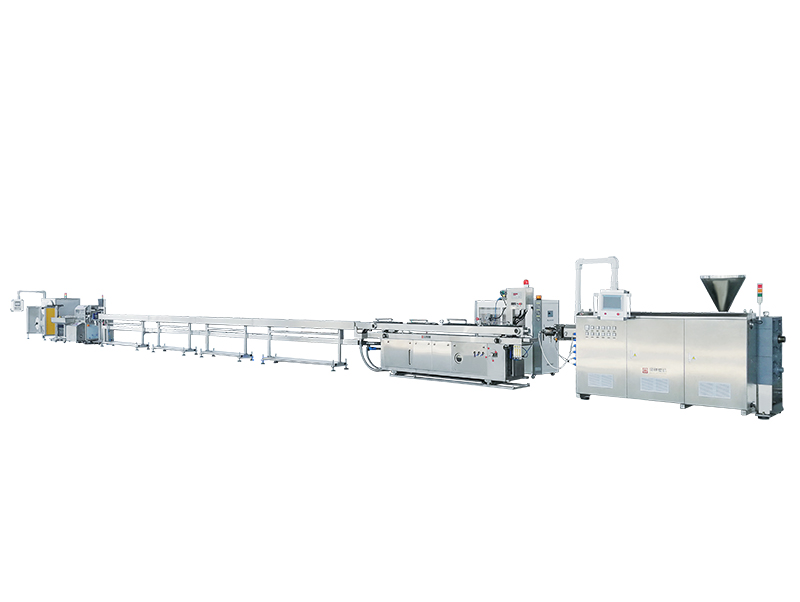
Rigid Polyvinyl Chloride (uPVC or PVCR) has established itself as the cornerstone material for architectural, electrical, and industrial structural applications globally. Unlike its plasticized counterpart, rigid PVC contains minimal plasticizers, preserving its innate high tensile strength, exceptional flexural modulus, and outstanding chemical resistance. The global landscape of rigid PVC profile and pipe manufacturing requires absolute processing accuracy to achieve clean physical profiles and structural stability.
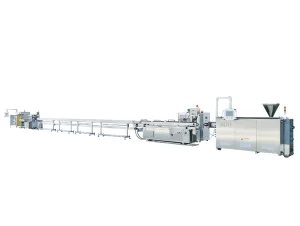
Jiangsu Baodie Automation Equipment Co., Ltd. (operating as BAOD EXTRUSION) addresses these critical requirements. By blending Taiwan-based engineering methodologies developed since the late 1990s with modern automated control technologies, we provide highly productive, efficient, and reliable rigid PVC profile extrusion lines. Our configurations focus on melt homogenization, precise wall-thickness control, and optimized throughput speeds.
Manufacturing Experiences (Since 1999)
Modern Industrial Facility Area
Highly Skilled Engineers & Specialists
An in-depth look at screw geometries, cooling dynamics, and structural stabilization within rigid profile manufacturing.
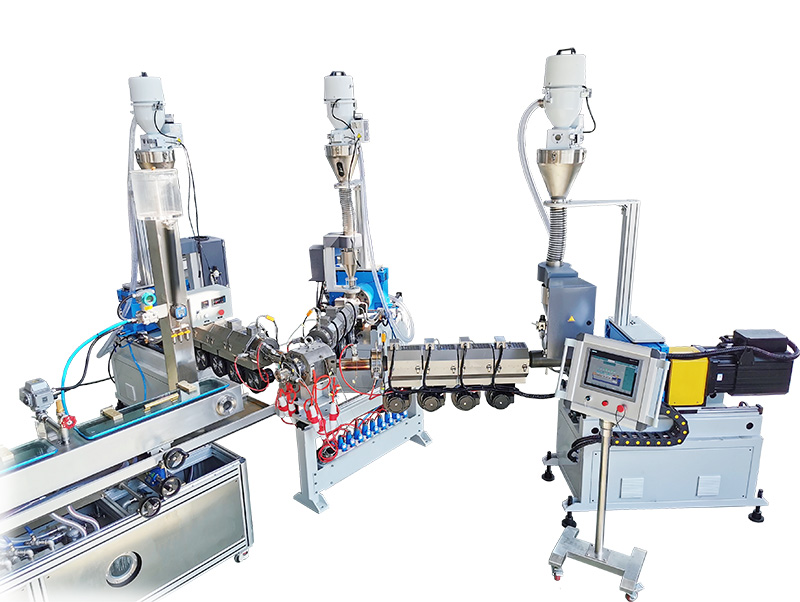
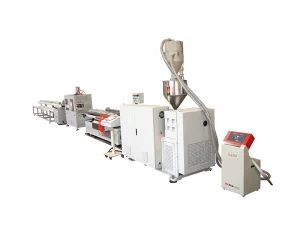
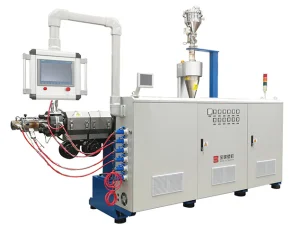
uPVC has high melt viscosity and is sensitive to shear force. Our parallel and conical twin-screw extruders are configured with specialized screw flights and internal temperature-regulating oil systems. This guarantees uniform gelatinization and prevents localized overheating, even at high outputs.
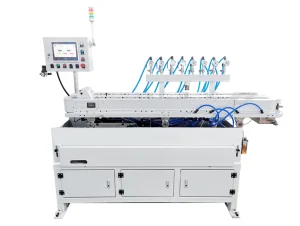
Our vacuum calibration tables utilize precise, multi-zone water spraying systems. The vacuum tanks are constructed from SUS304 stainless steel to resist corrosion from residual chlorine compounds. This helps preserve tight structural tolerances on profiles, window frames, and conduit piping.
Each rigid extrusion line integrates centralized PLC control systems with real-time gravimetric feeding, closed-loop pressure feedback, and dynamic line-speed synchronization. This reduces wall thickness variations and minimizes scrap rates during production startups.
Founded in 2002, Jiangsu Baodie Automation Equipment Co., Ltd. (BAOD EXTRUSION) is dedicated to the design, manufacturing, and sales of high-end plastic extrusion machinery. Leveraging 18 years of experience in high-quality machinery design and fabrication in Taiwan, our original parent company (KINGSWEL GROUP) established our core manufacturing base in Shanghai in 1999.
Today, with a 16,000m² manufacturing facility and a team of over 100 dedicated employees, we focus on four core research pillars:
How China's leading manufacturing plants adapt custom machinery for international structural and environmental regulations.
Different regions face distinct environmental constraints. For example, European regulations strictly mandate Lead-free uPVC formulations (stabilized via Calcium-Zinc or Tin systems), whereas parts of North America demand high impact resistance under extreme temperature swings (meeting ASTM D1784 standards). Furthermore, UV exposure in Middle Eastern installations necessitates high titanium dioxide (TiO₂) loading in PVC blends.
BAOD EXTRUSION customizes screw profiles, chrome plating thickness, and nitrided barrel depths to match these complex abrasive blends. By choosing the right metallurgy (such as high-grade bimetallic barrels), our extrusion systems resist chemical degradation from free chlorine ions, extending production run-times without maintenance shutdowns.
Rigid PVC has high thermal sensitivity. Our systems resolve this challenge using copper-finned air cooling jackets combined with internal screw oil circulation. This design maintains the processing zone within ±1°C of the target temperature, preventing surface discoloration, carbonization, or structural weaknesses in the final profile.
Our profile lines are calibrated to meet global dimensional standards for PVC conduit, window profiles, and drainage channels (including DIN 18055 and ASTM D4216).
By upgrading our motors to IE4/IE5 permanent magnet synchronous designs and using infrared barrel heaters, we help reduce electricity consumption by up to 25% compared to legacy setups.
Leveraging 25 years of engineering experience under the Kingswel Group framework, our equipment balances robust physical engineering with affordable manufacturing costs.
From micro-lumen medical tubes to high-strength industrial structures, we adapt our machinery for specific target markets.
Our hybrid TPV/PVC co-extrusion setups combine rigid PVC inserts with soft sealing outer coatings. These lines are widely used to manufacture complex automotive window run channels, door seals, and engine bay gaskets.
Equipped with micro-bore dies, our medical tube lines produce multi-lumen pediatric catheters and PVC surgical tubing, maintaining tight tolerances down to ±0.02 mm.
Designed for heavy mechanical environments, these lines produce corrugated plastic conduit systems to shield high-voltage cables from physical damage and water ingress.
As sustainability regulations tighten and labor costs rise, plastic extrusion is moving toward closed-loop automated control. BAOD EXTRUSION is actively developing technologies across several areas:
Stay informed about global trade shows, technical compliance, and product innovations at BAOD EXTRUSION.
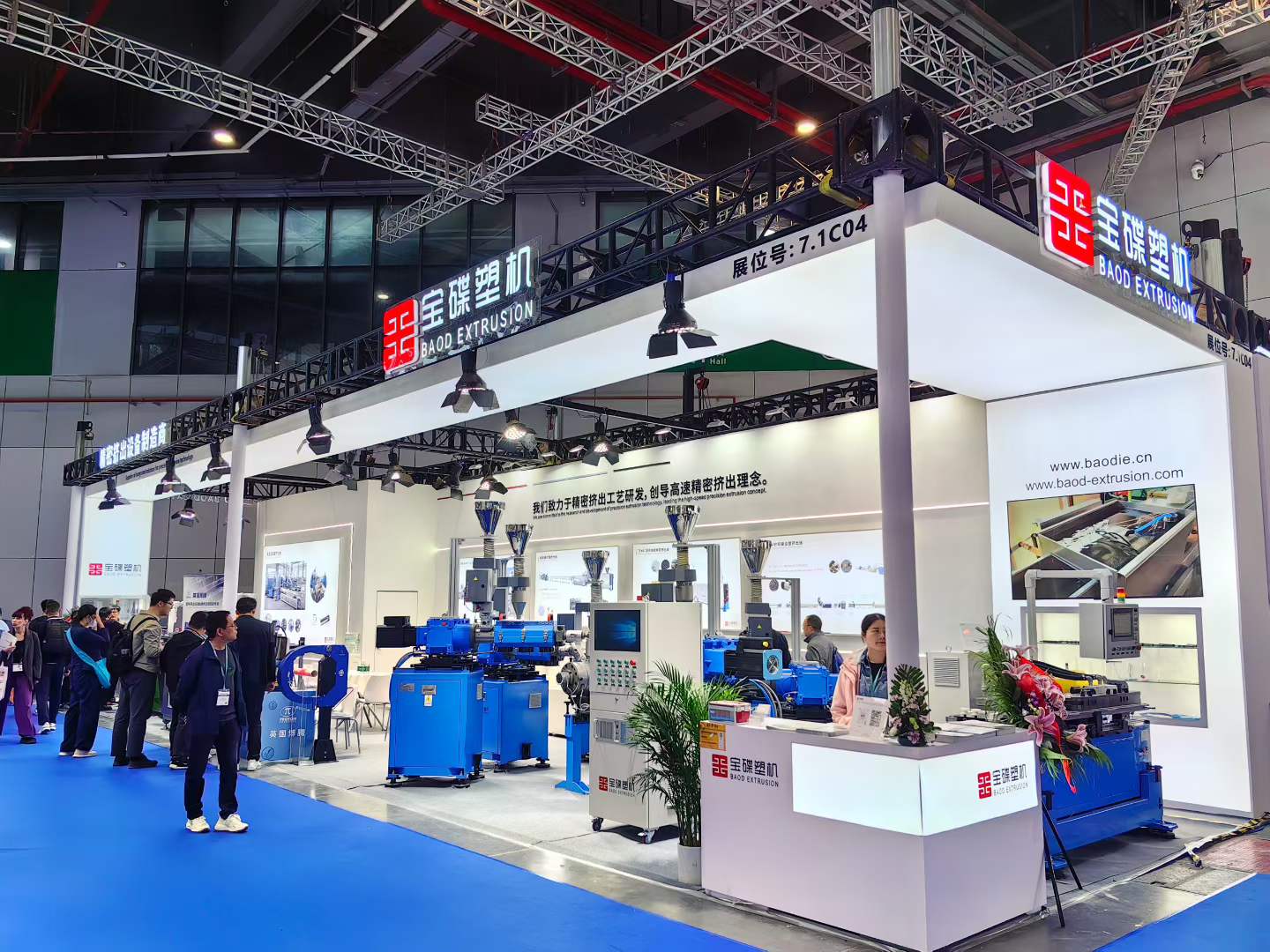
From April 21–24, CHINAPLAS 2026 was successfully held at the National Exhibition and Convention Center (Shanghai, Hongqiao). BAOD EXTRUSION showcased its latest R&D achievements at Booth 7.1C04, presenting “Smart Extrusion · High-Efficiency Innovation” solutions that attracted international buyers.
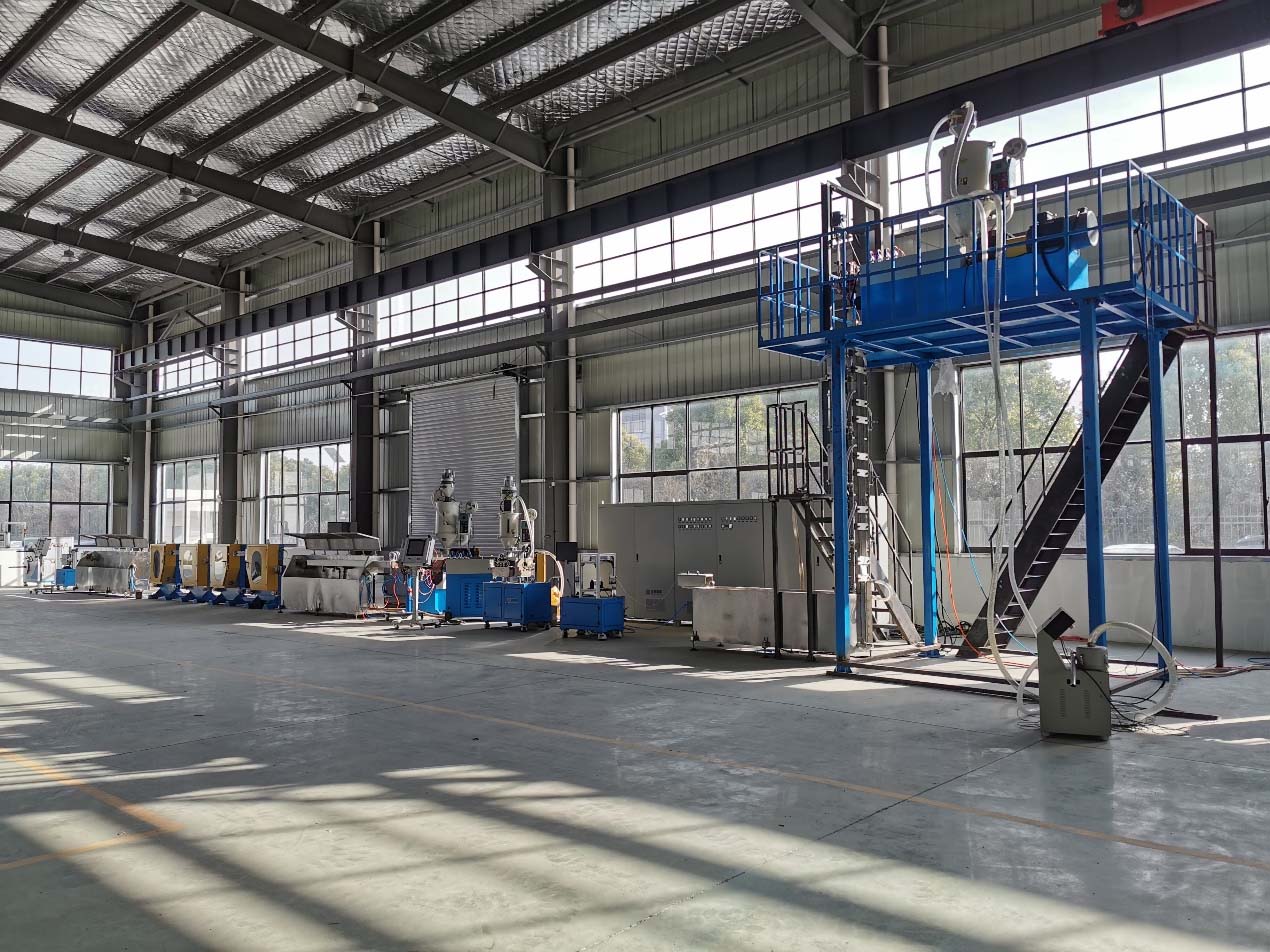
In the controlled environment of a modern industrial facility, a single, hair-thin plastic tube wound onto a reel might seem unremarkable to the untrained eye. However, in sectors ranging from mining and quarrying to large-scale infrastructure demolition, this tube—known as a detonating tube—plays a critical role.
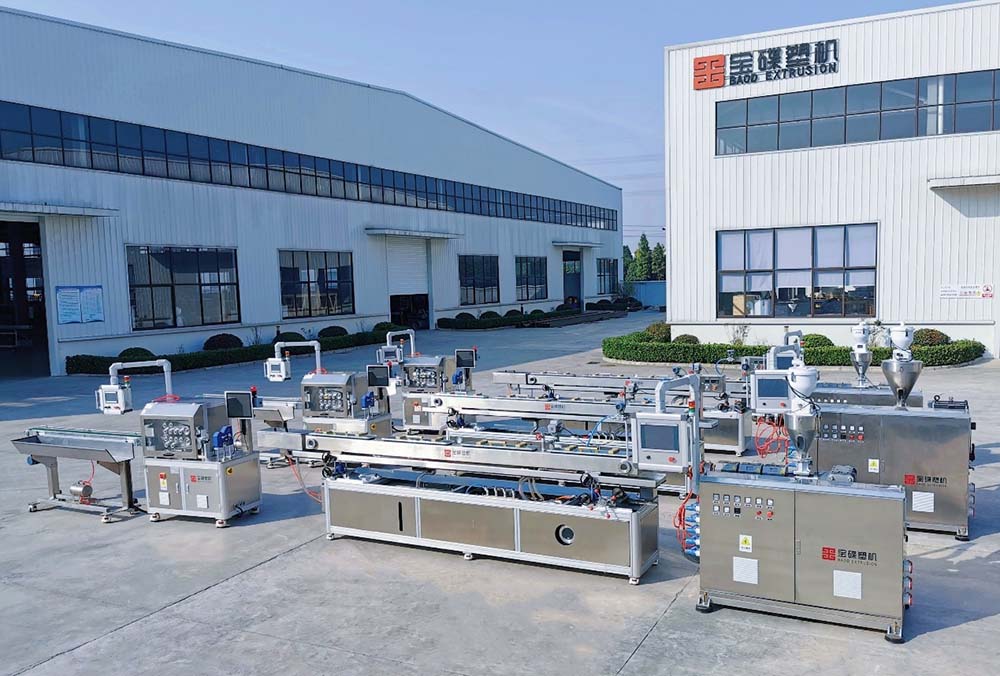
In the sterile, quiet environment of a modern medical facility, a clinician prepares a complex catheter for a critical procedure. Internally, it is divided into several microscopic channels, or lumens, each designed to perform a unique function. BAOD compares domestic precision with European standards.
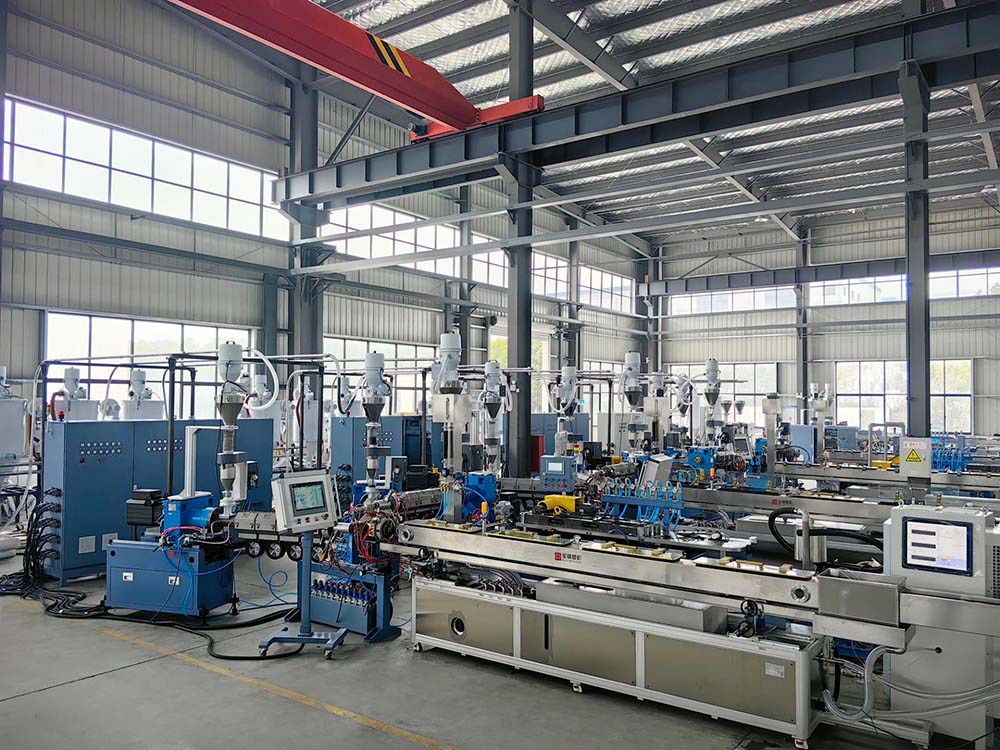
How do the world's most reputable vehicle manufacturers ensure the absolute integrity of every fuel line, brake hose, and cooling pipe buried deep within a vehicle’s chassis? Why has the shift toward electric and lightweight vehicles made the precision of these small-diameter tubes more critical than ever?
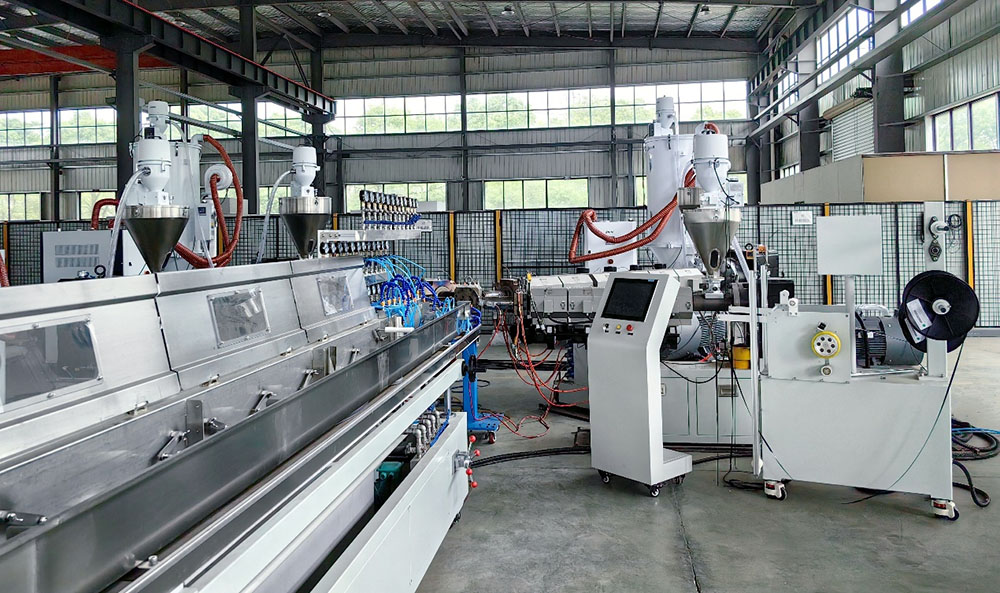
As the twilight sun reflects off the sleek, aerodynamic curves of a modern electric vehicle, few observers notice the quiet, critical components ensuring the cabin remains quiet and temperature-controlled. BAOD presents highly automated TPV and PVC automotive sealing strip lines.
Answering common engineering and operating questions regarding rigid PVC profile manufacturing.
Unplasticized PVC (uPVC) lacks softeners, which results in high melt viscosity and high friction during processing. It requires precise temperature management and optimized screw geometry (specifically designed shear zones) to prevent thermal degradation and chemical breakdown.
Twin-screw extruders provide positive displacement conveying, lower heat generation through controlled shear, and superior mixing capabilities. Conical twin-screw extruders are particularly suited for high-pressure profile extrusion because their larger rear screw diameter allows for efficient melting of dry blends, while the smaller front diameter delivers high pressure to the die.
We combine high-tolerance vacuum calibration sleeves, multi-stage water cooling systems, and automated pullers. The vacuum calibration table uses close-loop vacuum level control to shape the profile before it cools, ensuring wall thicknesses and external shapes remain consistent.
Under standard operating conditions with clean uPVC blends, our bimetallic barrels and nitrided screws are designed to operate for 15,000 to 20,000 production hours before requiring wear inspection.
Yes. Our customized screw designs can process regrind or post-consumer recyclate (PCR). Depending on the percentage of recycled material, we adjust the feeding section and vacuum venting capacity to handle any additional moisture or impurities.
We provide full installation support, on-site commissioning, operator training, and remote PLC diagnostic support via secure industrial network connections.
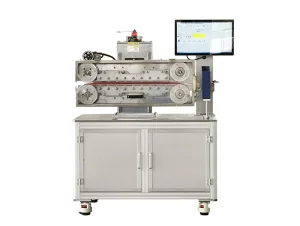
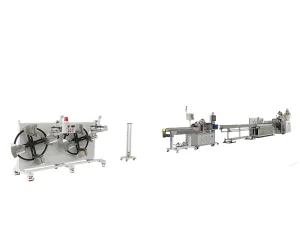
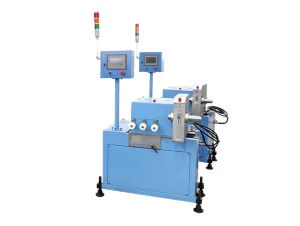
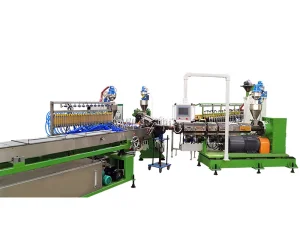
Explore our additional specialized plastic processing lines, downstream pullers, and rotary cutters.
 Baodie