Explore our highly-specialized engineering systems, custom configured for performance, safety, and energy efficiency.
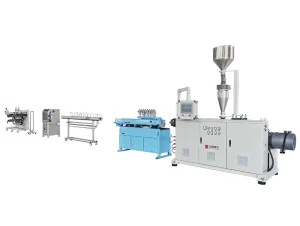
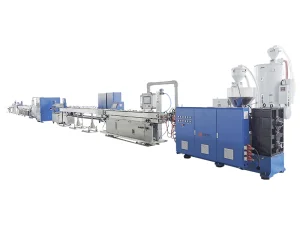
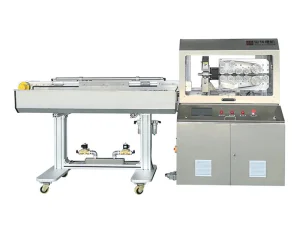
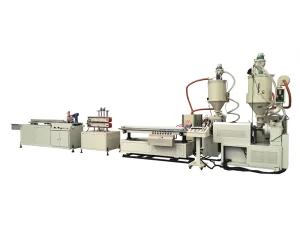
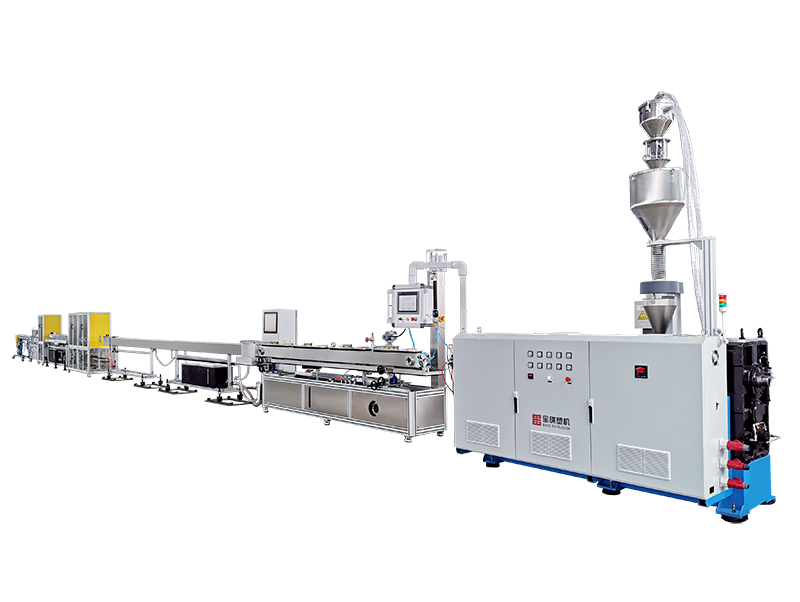
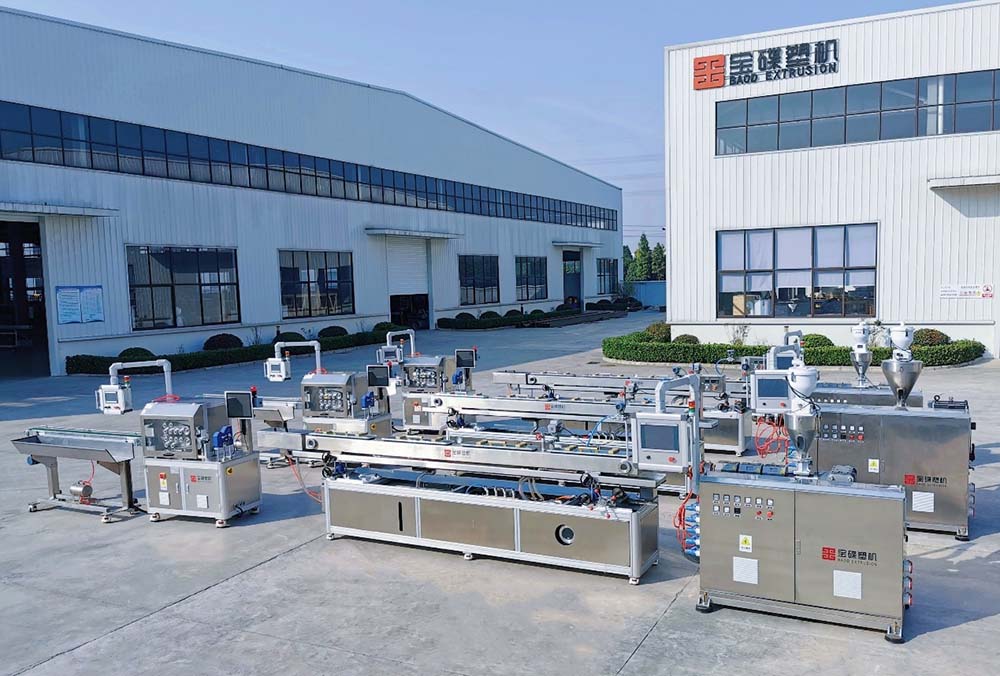
Founded in 2002, BAOD EXTRUSION (Jiangsu Baodie Automation Equipment Co., Ltd.) is a pioneer dedicated to the design, research, development, and manufacturing of high-end plastic extrusion machinery. Leveraging over 18 years of technical design and manufacturing foundations from our original parent group (KINGSWEL GROUP) in Taiwan, we relocated and consolidated our core manufacturing base to Shanghai in 1999, subsequently moving to our modern industrial facility in Jiangsu to scale up production and research capabilities.
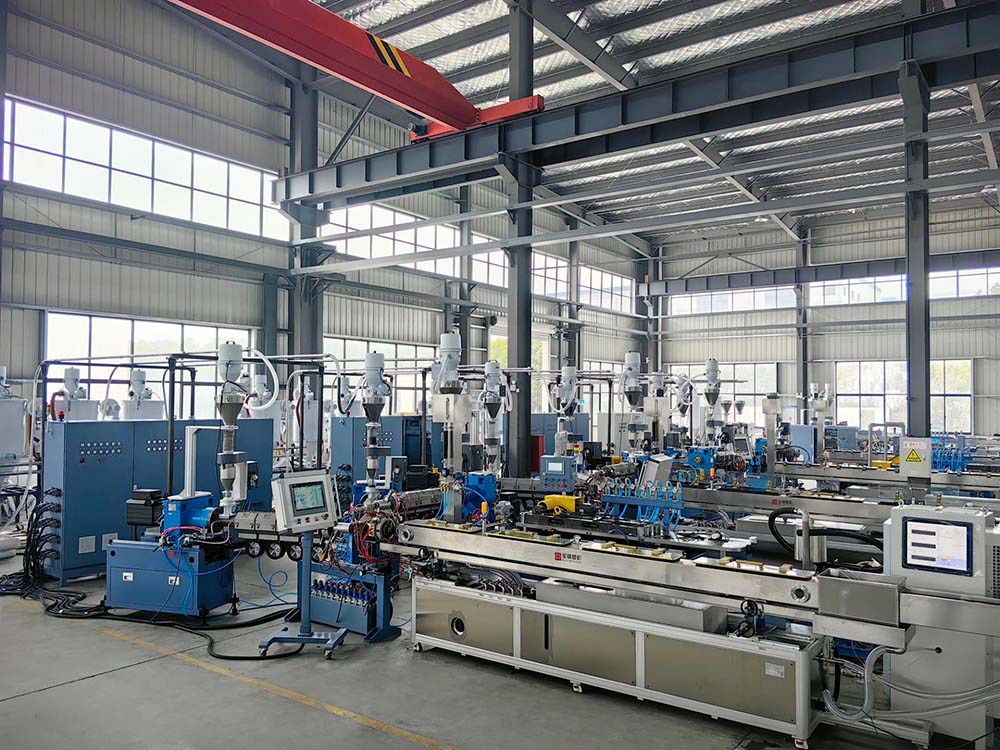
Our long-term developmental blueprint focuses heavily on four fundamental technological aspects: precision extrusion technology, high-efficiency material processing, highly integrated smart automation systems, and comprehensive safety protection mechanisms for extrusion equipment.
An in-depth analysis of polymer processing, advanced calibration systems, and the macroeconomics of modern extrusion lines.
The global demand for high-performance plastic profiles is undergoing a paradigm shift. Historically, extrusion was dominated by standard PVC window and door framing. However, the rise of electric vehicles (EVs), medical technology miniaturization, green architectural standards, and complex aerospace engineering has catalyzed the need for specialty polymers (e.g., TPV, PC, PMMA, PA11/12, and fluoropolymers). Today's extrusion manufacturers must produce profiles with tighter dimensional tolerances, higher structural integrity, and multi-functional layers.
In this landscape, Chinese manufacturers have transitioned from low-cost machinery suppliers to high-end engineering partners. This shift is characterized by heavy investments in computer-aided simulation (such as CFD for polymer flow within the die), precision vacuum calibration tables, and advanced down-stream automation components. Today's global buyers look for suppliers that comply with both domestic efficiency metrics and international safety and environmental benchmarks (such as CE compliance, UL listings, and cleanroom compatibility for medical applications).
Key Insight: Modern profile extrusion is no longer just about volume. The metric for success lies in the line's ability to maintain high dimensional stability (Cpk ≥ 1.67) at higher linear speeds while reducing energy consumption by up to 30% through intelligent motor controls and optimized barrel heating profiles.
Extruding complex profiles requires a deep understanding of polymer rheology. When molten plastic is forced through a profile die, it exhibits non-Newtonian flow behavior. Variables such as shear rate, temperature-dependent viscosity, and swell ratio dictate the final shape of the profile as it exits the die. If the flow channel within the die is not meticulously balanced, material will flow faster in thicker sections, causing warping, internal stresses, and dimensional deviation.
At BAOD Extrusion, we combat this through advanced flow-simulation software. The geometry of our extrusion dies is optimized to ensure uniform velocity distribution across the entire cross-section of the profile. This is particularly vital for co-extrusion, where multiple materials (such as rigid and flexible TPV/PVC, or light-diffusing and clear PC) are joined in a single profile. Correctly managing the interface pressure and thermal compatibility of these materials is crucial to prevent delamination.
Our screws feature barrier designs and mixing elements that homogenize the polymer melt without overheating, preventing polymer degradation in materials like PVC and PMMA.
High-vacuum calibration tanks maintain precise dimensions and surface finish by instantly freezing the outer layer of the profile as it exits the die.
Caterpillar and belt pullers run on servo drives, providing smooth, jitter-free tension control to prevent pulling marks and longitudinal deformation.
The extrusion plant of the future is fully automated and connected. Our technical roadmap highlights the transition from manual, operator-dependent machinery to smart, self-optimizing extrusion cells. Key pillars of this transformation include:
Original manufacturing solutions representing our primary technological breakthroughs in precision extrusion engineering.
High stability micro-bore extrusion for automotive and medical application.
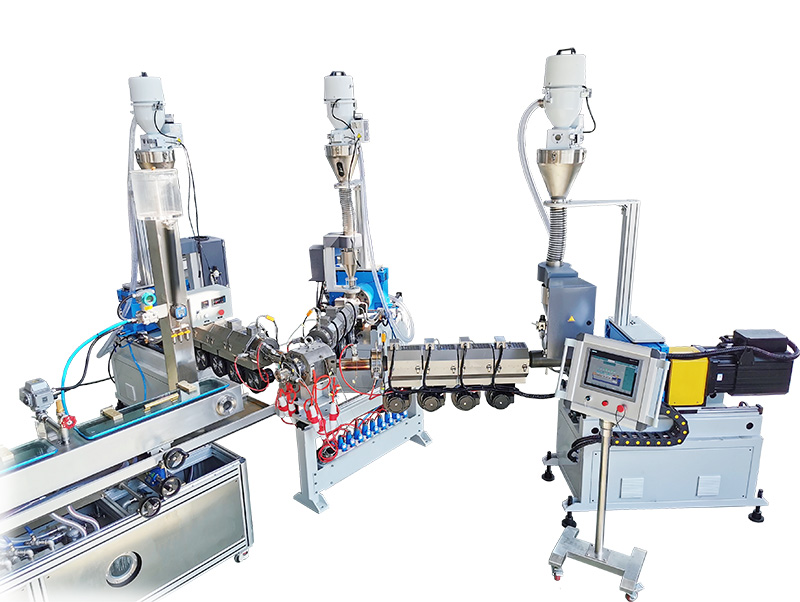
Advanced multi-layer co-extrusion for auto fuel and hydraulic systems.
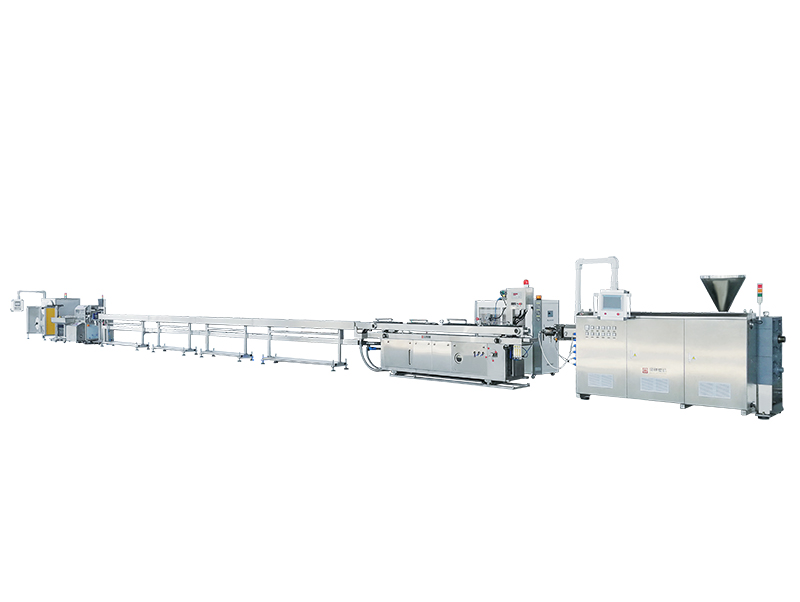
Class 10,000 cleanroom compatible medical tube manufacturing systems.
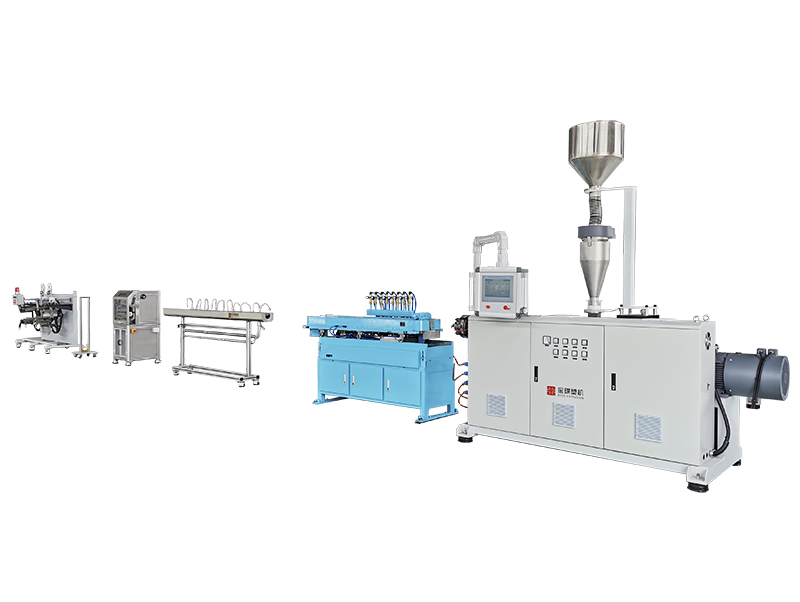
High speed molding blocks with closed-loop cooling design.
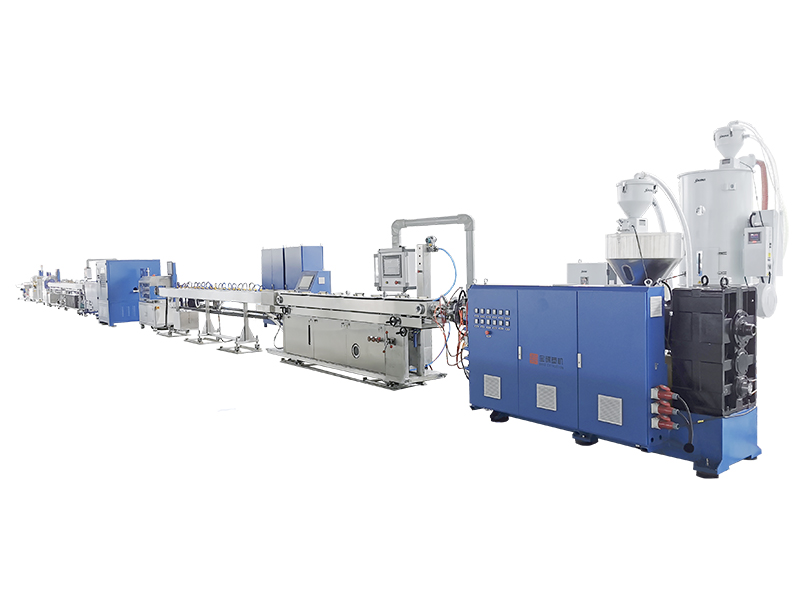
Cross-braided and knitted reinforced pressure hoses for harsh environments.
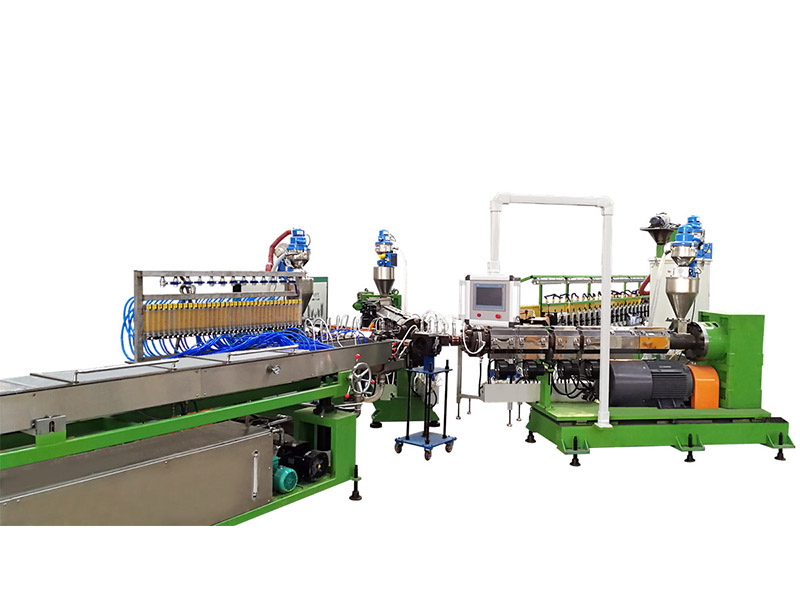
Automotive-grade sealing strip extrusion with metal insert options.
How BAOD Extrusion designs and deploys custom industrial systems to satisfy rigid sectoral compliance and performance demands.
Automobile manufacturers face immense pressure to lighten vehicle weights while improving structural seals and thermal management. Our multi-layer PA (nylon) corrugated hose lines and TPV automobile profile systems produce extremely robust, heat-resistant fluid-conduction pipes and weatherstrips. These systems allow EV manufacturers to replace heavy rubber or metal components, contributing significantly to range extension and noise-vibration-harshness (NVH) control.
Medical tubing requires absolute bio-compatibility and extremely low dimensional tolerance (often deviation is held below ±0.02mm). BAOD's precision medical extrusion lines are engineered with pharmaceutical-grade stainless steel downstreams, closed-loop PLC vacuum control, and ultrasonic wall monitoring. This guarantees high yield rates for multi-lumen and micro-bore catheters used in cardiac, neurological, and general drainage procedures.
Extruding PMMA or Polycarbonate (PC) for LED lampshades or architectural profiles requires exceptional surface clarity and a total absence of thermal degradation lines. BAOD lines utilize specialized low-shear screw geometries to process these highly sensitive materials, coupled with slow, controlled cooling configurations that prevent internal stress build-up and preserve optical properties.
Stay informed with technical insights, exhibition summaries, and advanced engineering reports directly from our labs.
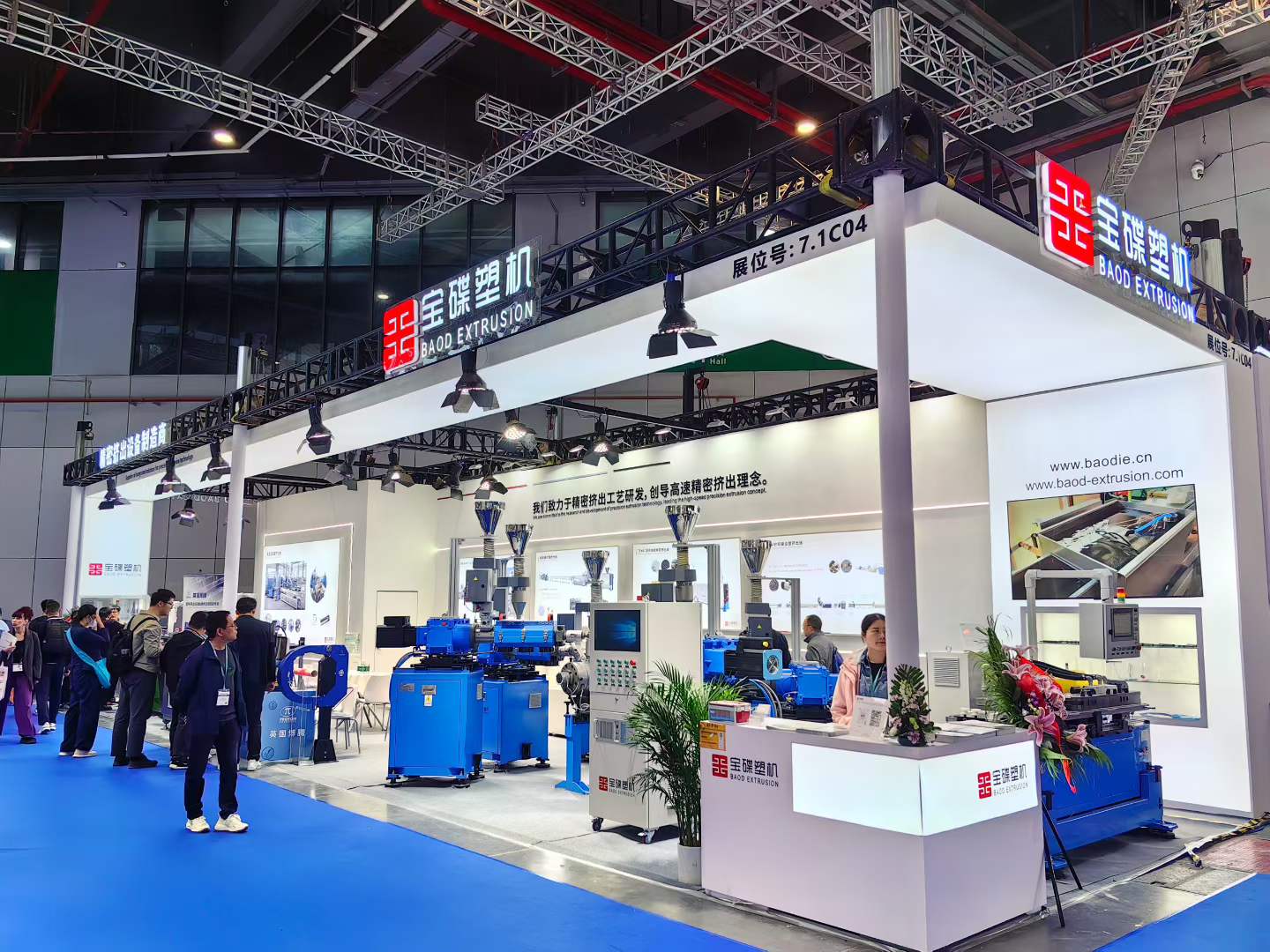
At the National Exhibition and Convention Center, BAOD presented "Smart Extrusion & High-Efficiency Innovation" solutions, drawing international attention for automated profile extrusion.
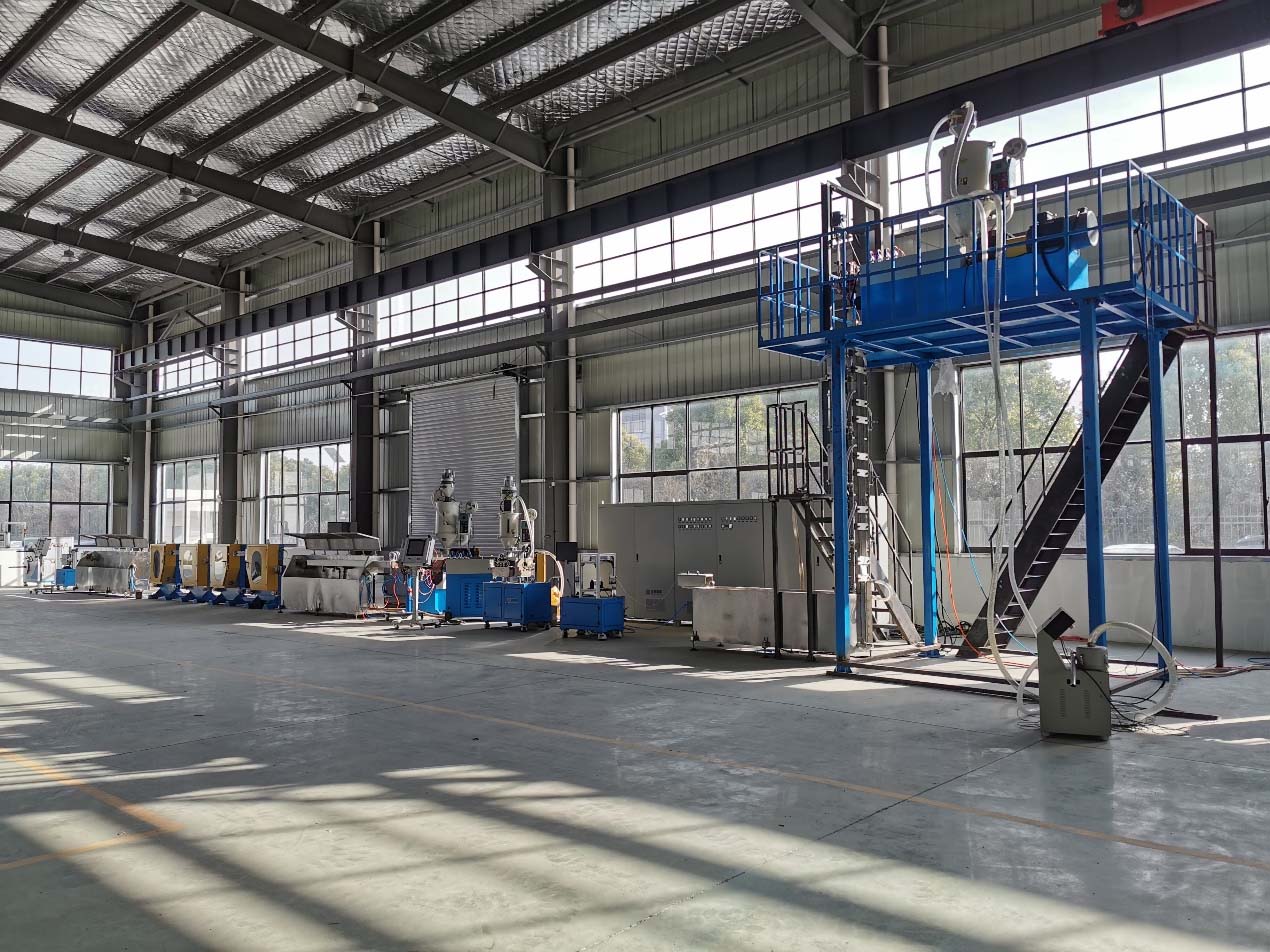
Examining BAOD's performance as a top global provider of high-precision shock tube and safety detonating tube extrusion systems for infrastructure demolition and quarrying.
A comprehensive technical comparison exploring wall thickness consistency, inner-die pressure balances, and cost-to-performance metrics in medical catheter manufacturing.
An inside look at our QA/QC protocols for international compliance, ensuring zero-defect manufacturing of critical fuel and coolant lines for major automotive brands.
As electric vehicles and green buildings demand superior environmental seals, we break down the technological shift toward in-line metal insert embedding, corner welding compatibility, and continuous co-extrusion technology for hybrid compound materials.
Addressing the critical engineering, layout, and raw material questions raised by procurement managers and process engineers.
Dimensional deviation is primarily driven by melt pressure fluctuations inside the extruder barrel, inconsistent cooling rates in the vacuum tank, and varying pulling speeds down the line. A high-quality line must feature precise servo-drive synchronization, highly responsive heating/cooling PID algorithms, and stabilized melt pumps if necessary to isolate extrusion barrel pulsations.
We build our lines matching rigorous medical standards (e.g. ISO 13485 cleanroom compatibility) using medical-grade stainless steel parts and grease-free vacuum calibration designs. For the automotive industry, our systems are pre-calibrated to support the high Cpk values required by OEM audits, with raw materials and tooling engineered to withstand high continuous running speeds without drift.
Yes. Our co-extrusion technology enables the blending of multiple materials (rigid and soft PVC, PMMA/PC, TPV with metal reinforcement strands) by using independent extruders connected to a single, highly specialized co-extrusion die. The flow channels are meticulously engineered to ensure thermal and chemical compatibility at the joining interface.
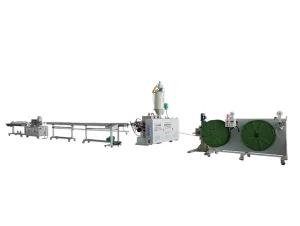
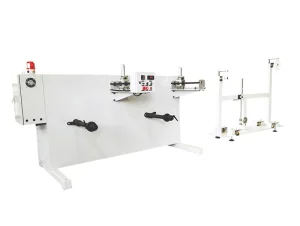
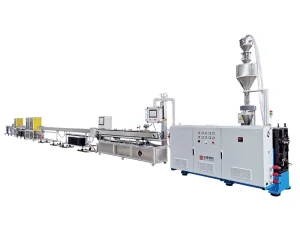
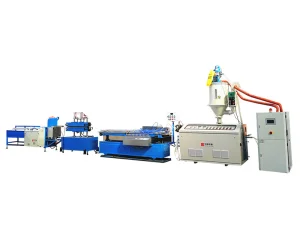
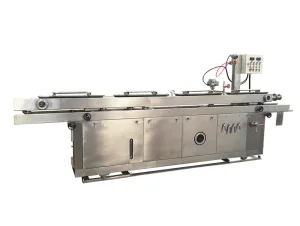
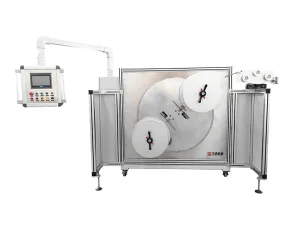
Examine our specialized auxiliary downstream systems, sizing tanks, and automation winding equipment.
 Baodie