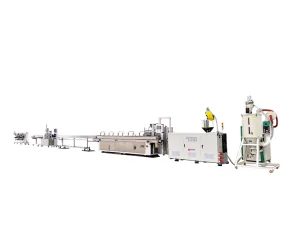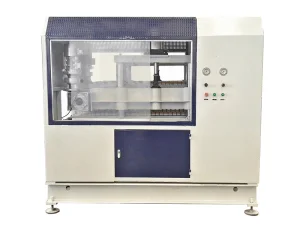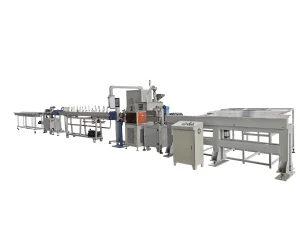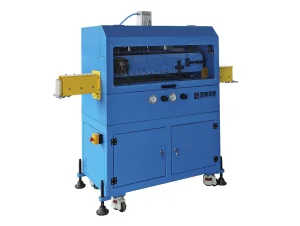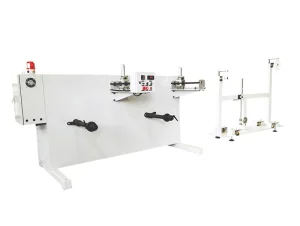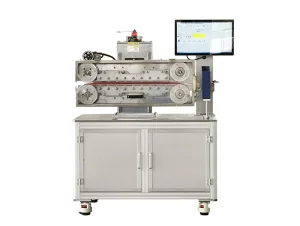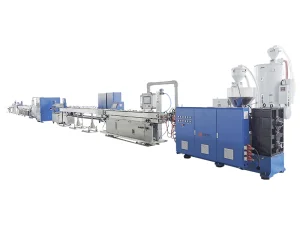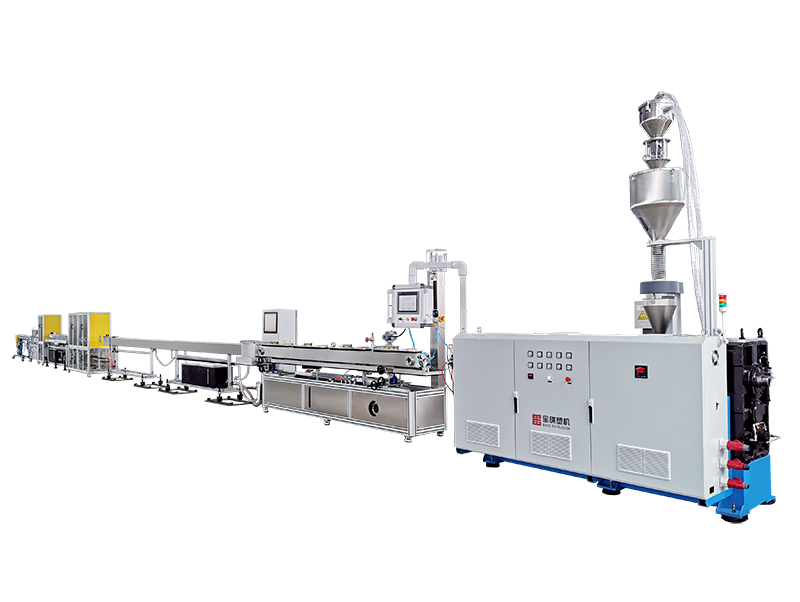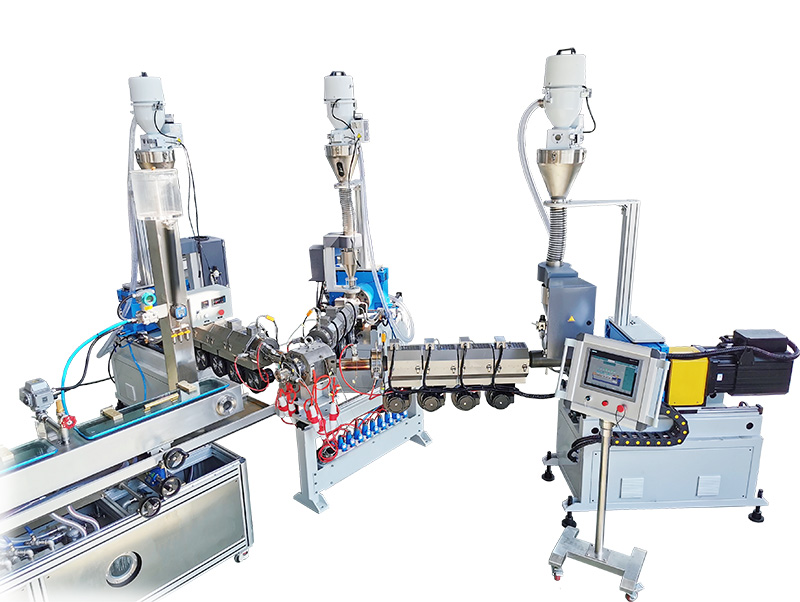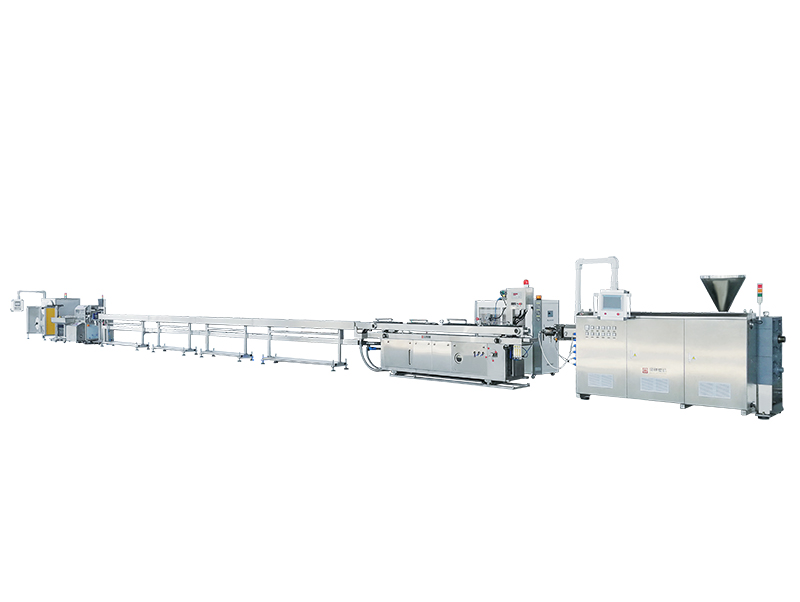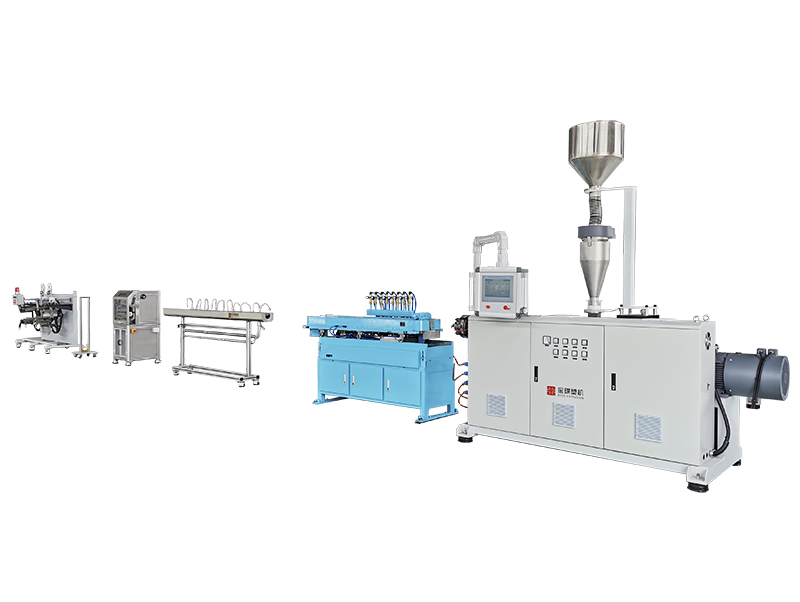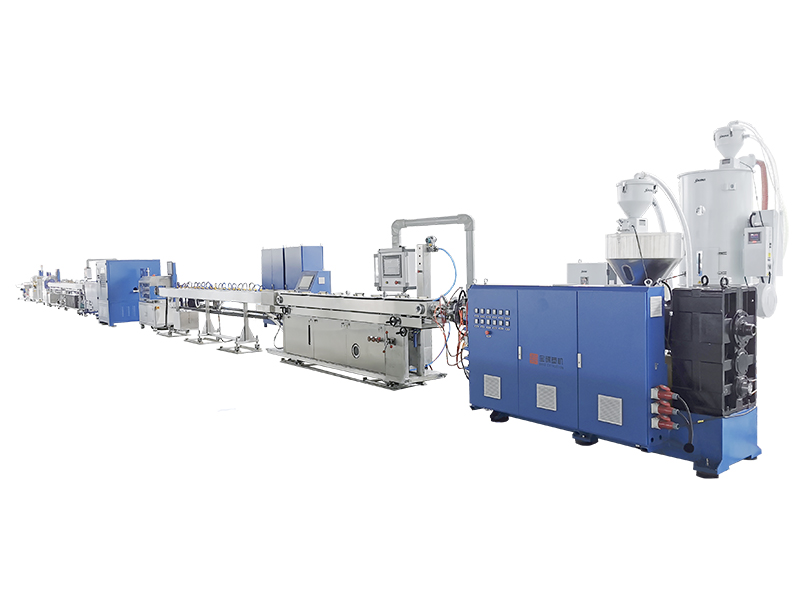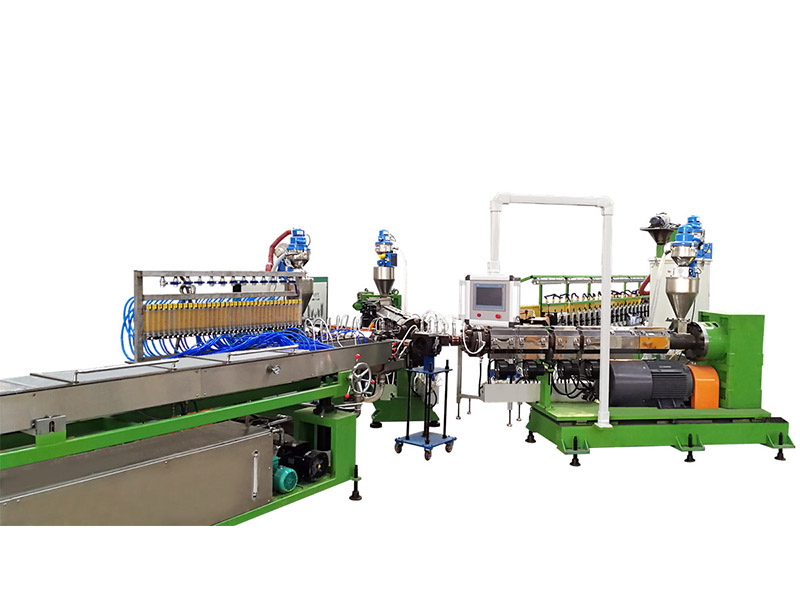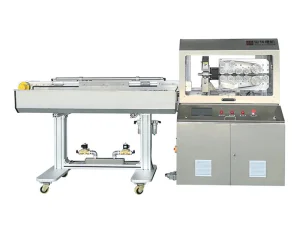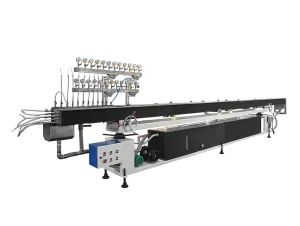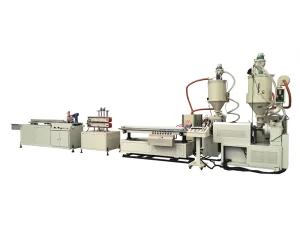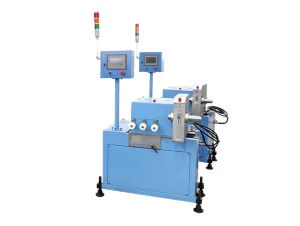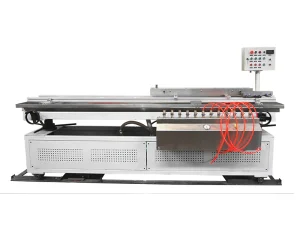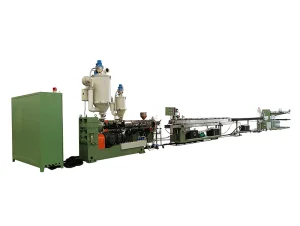
Pebax® (Polyether Block Amide) stands at the pinnacle of high-performance thermoplastic elastomers (TPE). Extruding this material into micro-bore tubing requires an exceptional level of precision control, specialized screw design, and advanced thermal management to satisfy the rigorous specifications of global medical device manufacturers and high-tech industrial buyers.
In the contemporary advanced manufacturing ecosystem, Pebax® has emerged as the definitive material of choice for demanding applications that require a complex, fine-tuned balance of rigidity and flexibility. Characterized by its block copolymer structure composed of linear chains of hard polyamide blocks interspersed with soft polyether blocks, Pebax allows engineers to tailor mechanical properties by adjusting block ratios. Because of this unique chemistry, extruded Pebax tubes demonstrate outstanding torque transmission, flex fatigue resistance, low hysteresis, and high chemical resistance.
Globally, the market for Pebax tube extrusion is experiencing double-digit growth, heavily driven by the medical device sector. As minimally invasive surgeries (MIS) become the baseline standard of global healthcare, the demand for high-performance catheter systems—such as steerable guide catheters, balloon angioplasty shafts, and neurovascular micro-catheters—has surged. Outside the clinical arena, Pebax is highly valued in high-end sports equipment (such as ski boot hinges and specialized footwear elements), aerospace wiring harnesses, and premium automotive fluid delivery systems. The stringent quality control demands of these sectors mean that traditional extrusion technologies are no longer sufficient; they require high-precision extrusion machinery designed specifically to handle the narrow thermal windows and moisture sensitivity of Polyether Block Amide.
Historically, the high-precision extrusion sector was dominated by European and North American equipment builders. However, China’s industrial shift toward high-value advanced manufacturing has repositioned top-tier Chinese factories as global leaders. The efficiency advantages of sourcing and collaborating with a specialized manufacturer in China like BAOD EXTRUSION are multi-faceted:
Pebax tubing undergoes highly tailored processing depending on the localized operational environment. The table below represents the core application verticals and their demanding specifications:
| Application Vertical | Pebax Shore Hardness Range | Critical Mechanical Properties Required | Typical Dimensional Tolerance |
|---|---|---|---|
| Neurovascular Catheters | 25D to 40D (Soft distal tips) | High flexibility, kink resistance, hydrophilic coating compatibility | ± 0.010 mm |
| Cardiovascular Sheaths | 55D to 72D (Proximal shaft) | Excellent column strength, high torque transfer, pressure burst resistance | ± 0.015 mm |
| Sports Performance Wear | 40D to 70D | Low-temperature impact strength, dynamic energy return, UV stability | ± 0.050 mm |
| Automotive/Industrial Liners | 70D to 74D | Chemical resistance, hydrocarbon barrier properties, high-temperature stability | ± 0.080 mm |
As industry standards tighten, three major trends are defining the future of Pebax extrusion technology:
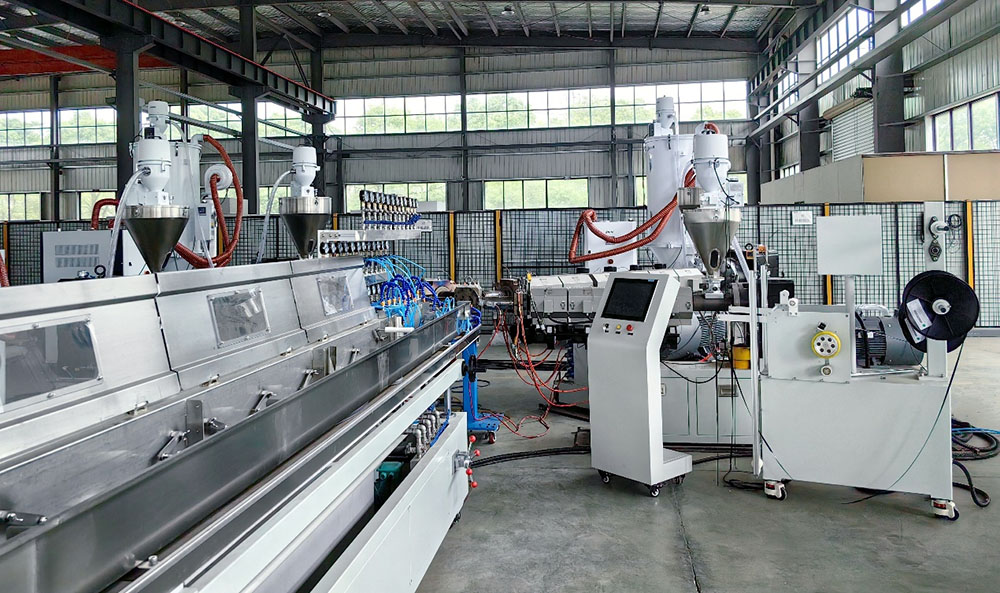
1. Multi-Layer and Co-Extrusion Architectures: Modern medical systems rarely rely on a single material layer. Co-extrusion lines now manufacture three- to five-layer tubes, utilizing a very thin inner layer of PTFE or HDPE for lubricity, a middle layer of Pebax for structural integrity and braiding compatibility, and an outer layer of Pebax of varying hardness to match therapeutic delivery requirements. Our customized multi-layer extrusion systems are designed precisely to feed polymers through a co-extrusion crosshead while maintaining uniform wall thickness.
2. Smart Closed-Loop Control Systems: Integration of laser diameter gauges, ultrasonic wall thickness measurement devices, and automated tension pullers has enabled real-time compensation feedback loops. The system constantly monitors the outer diameter (OD) and inner diameter (ID), auto-adjusting the puller speed or melt pump output to prevent deviations before they occur.
3. Low-Impact Vacuum Calibration: Unlike standard cooling systems, delicate micro-bore tubing requires highly precise vacuum sizing tables. Our advanced vacuum calibration cooling tables utilize micro-adjustable negative pressure chambers to stabilize the molten profile without causing surface defects or inner-wall deformation.
BAOD EXTRUSION (Jiangsu Baodie Automation Equipment Co., Ltd.) founded in 2002, is dedicated to the designing, manufacturing, and sales of high-performance plastic extrusion equipment. Based on 18 years of experience in designing and fabricating high-quality machinery in Taiwan, our original parent company (KINGSWEL GROUP) invested in establishing our primary extrusion machines manufacturing base in Shanghai in 1999.
Today, our engineering team boasts 25 years of experience in plastic extrusion designing and manufacturing, with a long-term focus on research and development in:
Our machinery has been exported worldwide, helping global enterprises establish robust, high-yield production facilities for medical-grade catheters, automotive fuel lines, industrial hoses, and micro-duct technologies.
Years Design & Manufacturing Experience
Modern Plant Production Area
Highly Skilled Extrusion Specialists
Years of Manufacturing Experience
Factory Area
Employees
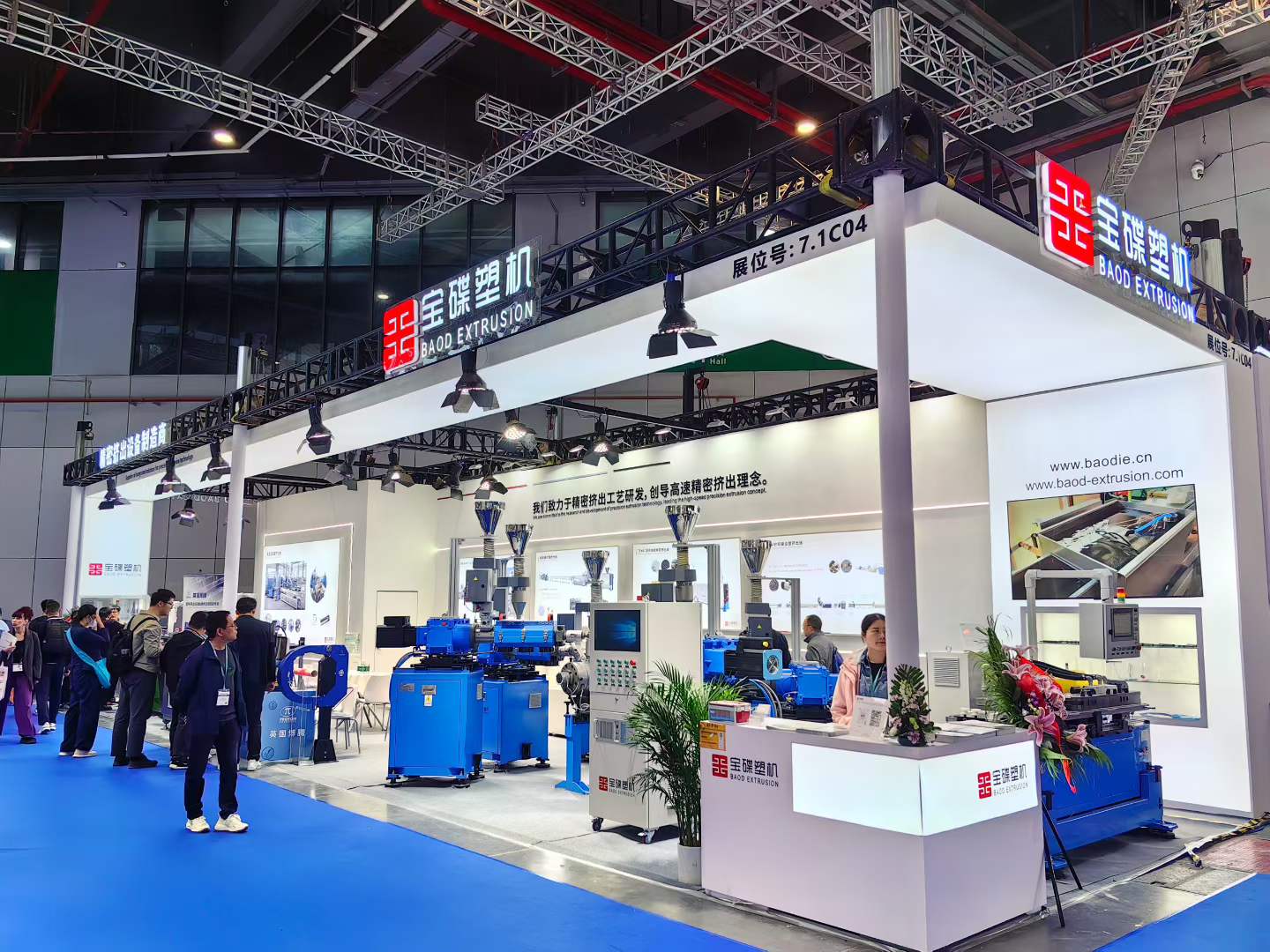
BAOD EXTRUSION showcased its latest R&D achievements, presenting “Smart Extrusion · High-Efficiency Innovation” solutions that captured global interest...
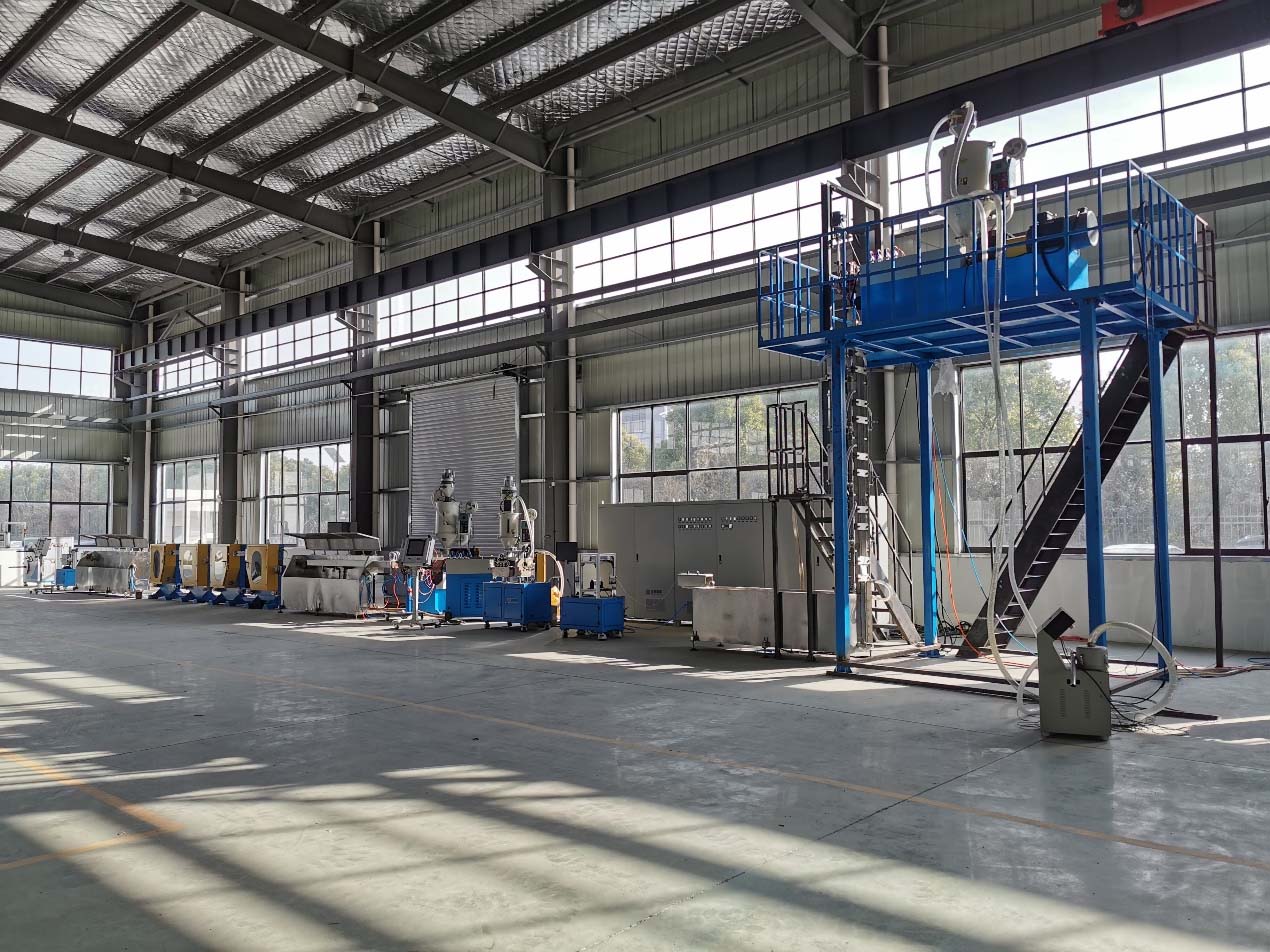
In infrastructure demolition, mining, and quarrying, the detonating tube requires specialized precision. Learn how BAOD designs highly stable processing lines...
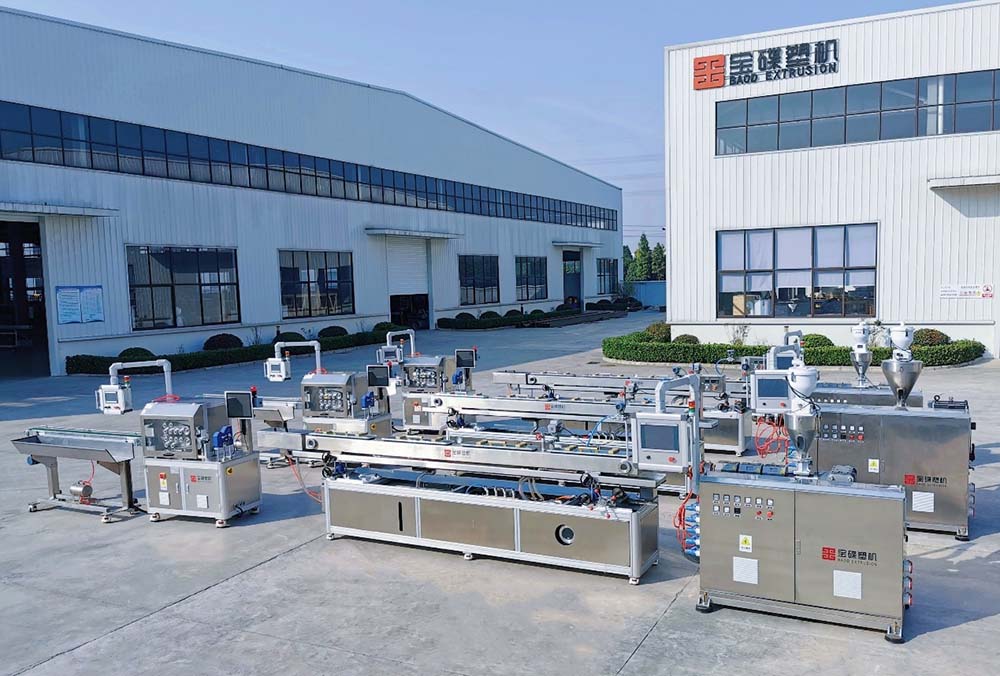
A breakdown of mechanical differences, vacuum stabilization, and software control architecture between Chinese equipment and traditional European manufacturers...
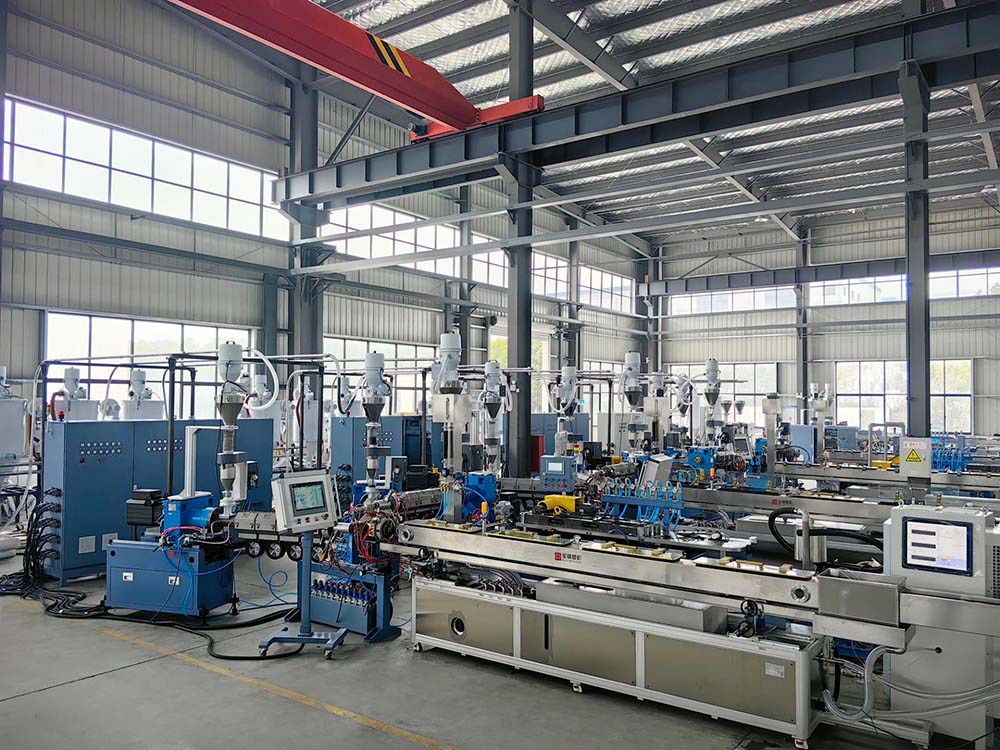
Analyzing compliance benchmarks, ISO regulations, and structural designs to ensure absolute reliability of fuel pipes and braking systems in modern EVs...
Discover advanced sealing solutions designed for electric vehicles where acoustic seals and weight reduction are changing structural profiles...
 Baodie