Polyamide (PA) corrugated tubes—commonly engineered from PA6, PA12, or specialized heat-stabilized PA612 polymers—have emerged as the gold standard for dynamic wiring harness protection, fuel lines, fluid management systems, and high-voltage cable protection in automotive, aerospace, mass transit, and automated industrial plants. Historically dominated by rigid metal conduits and heavier rubber hoses, modern engineering demands lightweight, chemically inert materials capable of withstanding cyclic mechanical stress, prolonged thermal exposure up to 150°C, and exposure to corrosive petrochemical fluids.
In the global industrial arena, the transition to Electric Vehicles (EVs) has accelerated the demand for high-performance PA corrugated tubes. EV battery systems, electric drive motors, and onboard charger systems require extensive protective routing systems that resist flame propagation (UL94 V-0 ratings) and offer superior shock absorption. Furthermore, automated manufacturing environments demand high flexible-fatigue resistance, where industrial robotic arms execute millions of bending cycles daily without conduit structural failure.
The transition from traditional PVC/PE corrugated tubing to specialized engineering plastics (PA6 and PA12) is driven by the strict automotive testing standards (such as LV 312 and FMVSS 302). Leading engineering teams specify PA corrugated tubes for their robust mechanical properties, resistance to oil, fuel, and solvents, and exceptional resistance to UV aging and weather extremes.
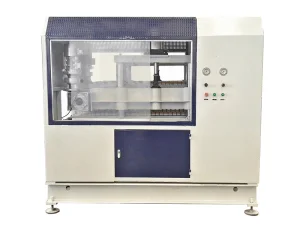
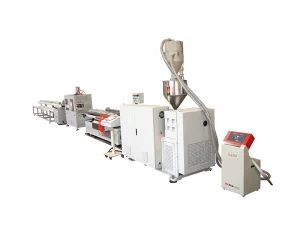
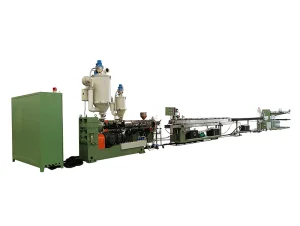
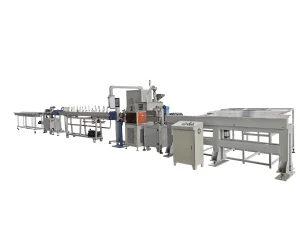
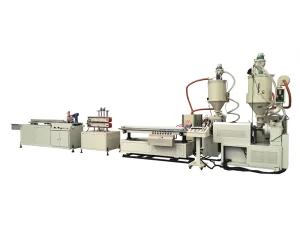
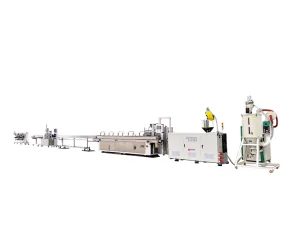
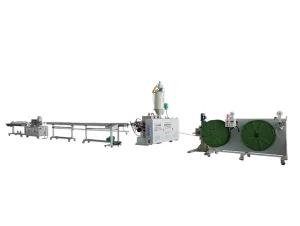
To produce these high-specification corrugated pipelines with dimensional accuracy and structural integrity, specialized manufacturing lines are necessary. A PA corrugated tube extrusion line is not merely a plastic melter; it is an integrated engineering system designed to master the thermodynamic properties of polyamide materials, which present sharp melting points, high viscosity indexes, and significant moisture absorption behavior.
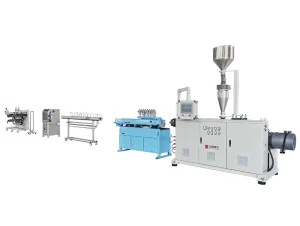
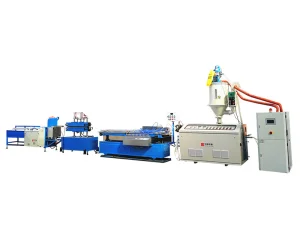
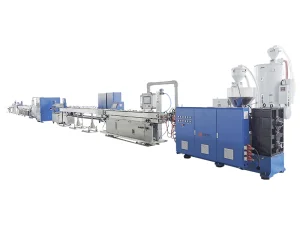
Manufacturing high-quality polyamide corrugated tubes requires an extrusion line capable of precise plasticization, thermal control, forming velocity coordination, and real-time Quality Assurance (QA). A high-speed single-wall corrugator system handles these demanding process parameters step-by-step:
Polyamide polymers possess unique melting characteristics—they transition quickly from solid states to low-viscosity melts. Standard PE/PP single-flight screws fail to process PA without high shear heat, causing polymer degradation and mechanical property loss.
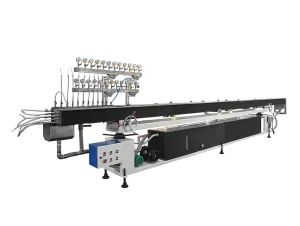
The core of the line is the corrugator machine. Unlike PE drainage pipe lines, PA automotive tubing requires clean, precise geometry with wall thicknesses often below 0.3mm.
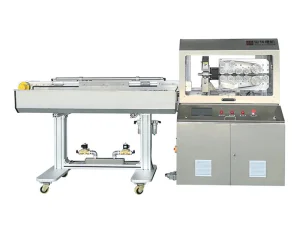
Integrated laser diameter measuring systems feed real-time outer dimension data back to the line's PLC, automatically adjusting crawler puller speeds to compensate for dimensional variations.
Mold blocks are crafted from high-grade alloy steel, heat-treated and nitrided to prevent wear during continuous high-temperature manufacturing cycles, ensuring over 10 million runtime cycles.
Upgrading to multi-layer crossheads allows the production of multi-layer PA smooth/corrugated hoses, combining structural wear resistance, chemical barriers, and soft inner coatings.
Looking towards Industry 4.0, the technical roadmap for PA corrugated line manufacturing focuses on digital integration. Real-time torque monitoring, remote cloud-based equipment diagnostics, and automated mold-block alignment tracking are transitioning from experimental features to standard setups. Extrusion lines increasingly deploy "Digital Twin" simulations, enabling operators to predict mechanical fatigue in mold tracks and calculate optimum extrusion rates before starting production runs.
BAOD EXTRUSION (Jiangsu Baodie Automation Equipment Co., Ltd.) founded in 2002, is dedicated to the design, manufacture, and sales of premium plastic extrusion equipment. Based on 18 years of experience designing and fabricating high-quality machinery in Taiwan, the original parent company (KINGSWEL GROUP) invested in establishing our primary manufacturing base in Shanghai in 1999.
Today, with over 25 years of experience in plastic extrusion design and manufacturing, BAOD Extrusion operates out of a state-of-the-art 16,000 m² facility staffed by more than 100 dedicated manufacturing professionals, engineers, and service technicians. Our continuous focus remains on bringing high-efficiency, precision, and automation to plastic processing facilities worldwide.
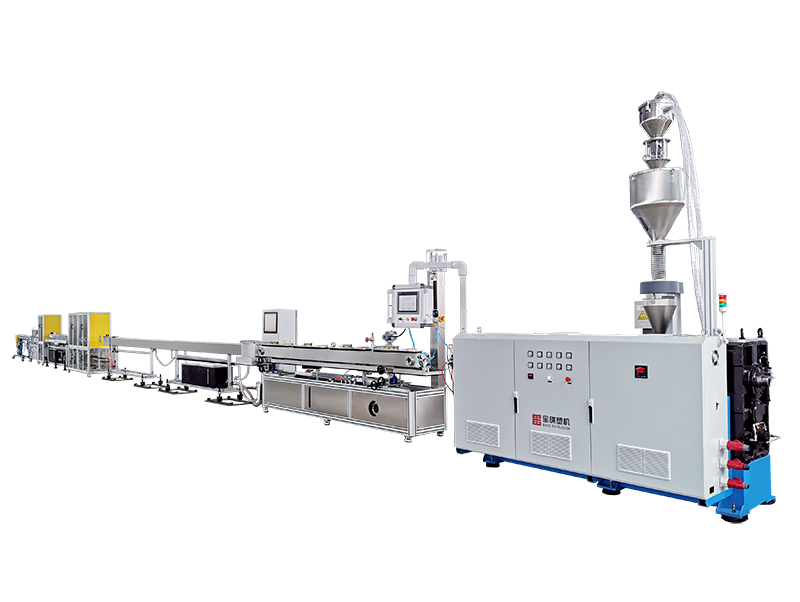
The design requirements for a PA corrugated pipe line vary significantly depending on regional industrial demands. Adapting to localized engineering applications ensures consistent line efficiency and compliance with regional standards:
In highly regulated automotive manufacturing hubs across North America and Europe, engine bay operating temperatures frequently exceed 125°C. To satisfy OEM specifications (e.g., Ford WSS, Volkswagen TL), companies deploy PA6 heat-stabilized, flame-retardant corrugated tubes. Our machinery delivers thin-wall, tight-tolerance tubes that fit into engine compartment layouts without kinking or breaking.
With China, South Korea, and Germany driving global Electric Vehicle engineering, multi-layer PA12 tubing is essential for battery cooling assemblies. PA12 provides high dimensional stability and chemical resistance to glycol-based coolants. Extrusion lines engineered for these regions feature multi-layer co-extrusion technology to combine barrier layers, preventing moisture permeation and coolant loss over the vehicle's operational lifespan.
In manufacturing facilities utilizing robotic arms, pneumatic controls, and CNC machinery, cables and conduits undergo continuous flexing. The PA12 corrugated pipes produced on our lines undergo rigorous flex-fatigue tests. They protect power cables, sensor lines, and hydraulic pipes from mechanical abrasion, hot weld spatter, and chemical solvents.
By designing modular corrugator cassettes, BAOD Extrusion allows factories to switch between fine-pitch automotive wire harness profiles and heavy industrial conduit profiles in under 3 hours, maximizing machinery utilization.
When choosing an extrusion line partner, global manufacturers evaluate supply chain resilience, mechanical component sourcing, and cost-to-performance ratios. Eastern China's manufacturing clusters, particularly in the Jiangsu and Shanghai industrial corridors, offer distinct operational advantages:
The Yangtze River Delta houses the world's most dense cluster of mechanical component manufacturers. From high-hardness nitrided barrels and screws (produced in Zhoushan) to precision vacuum pumps, servo motors, and electronic drive components, all supply chain components are sourced within a 200km radius. This geographic proximity speeds up product assembly and reduces component lead times.
Chinese extrusion lines deliver cost efficiencies compared to their European counterparts while matching output performance. This is achieved through engineering optimization, automated internal manufacturing processes, and access to skilled technicians. Manufacturers receive high-output lines equipped with internationally supported electrics (Siemens PLC, Omron temperature controls, ABB motors) at a competitive capital expenditure (CAPEX) rate.
With in-house CNC machining centers and design departments, Jiangsu Baodie can customize pullers, corrugators, and cooling systems based on specific client specifications. Whether integrating specialized co-extrusion crossheads, configuring custom voltage systems (e.g., 480V/60Hz for North America), or developing custom corrugated mold designs, our engineering team executes modifications faster than manufacturers with outsourced production structures.
Commissioning complex, high-output industrial lines internationally requires strict regulatory compliance and structured technical support. BAOD Extrusion guarantees global operational readiness through:
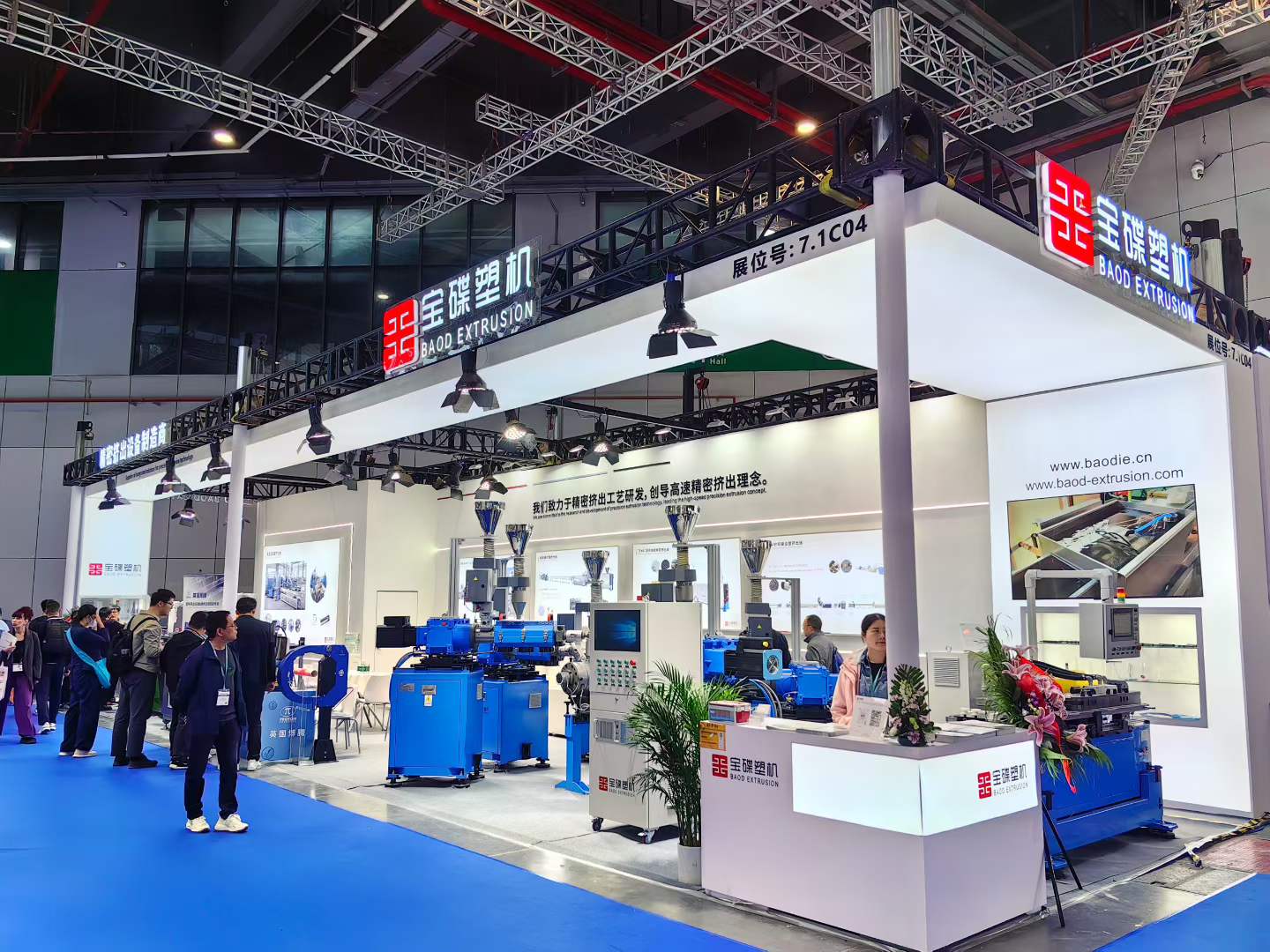
From April 21–24, CHINAPLAS 2026 was successfully held at the National Exhibition and Convention Center (Shanghai, Hongqiao). BAOD EXTRUSION showcased its latest R&D achievements at Booth 7.1C04, presenting "Smart Extrusion & High-Efficiency Innovation" solutions...
Read More +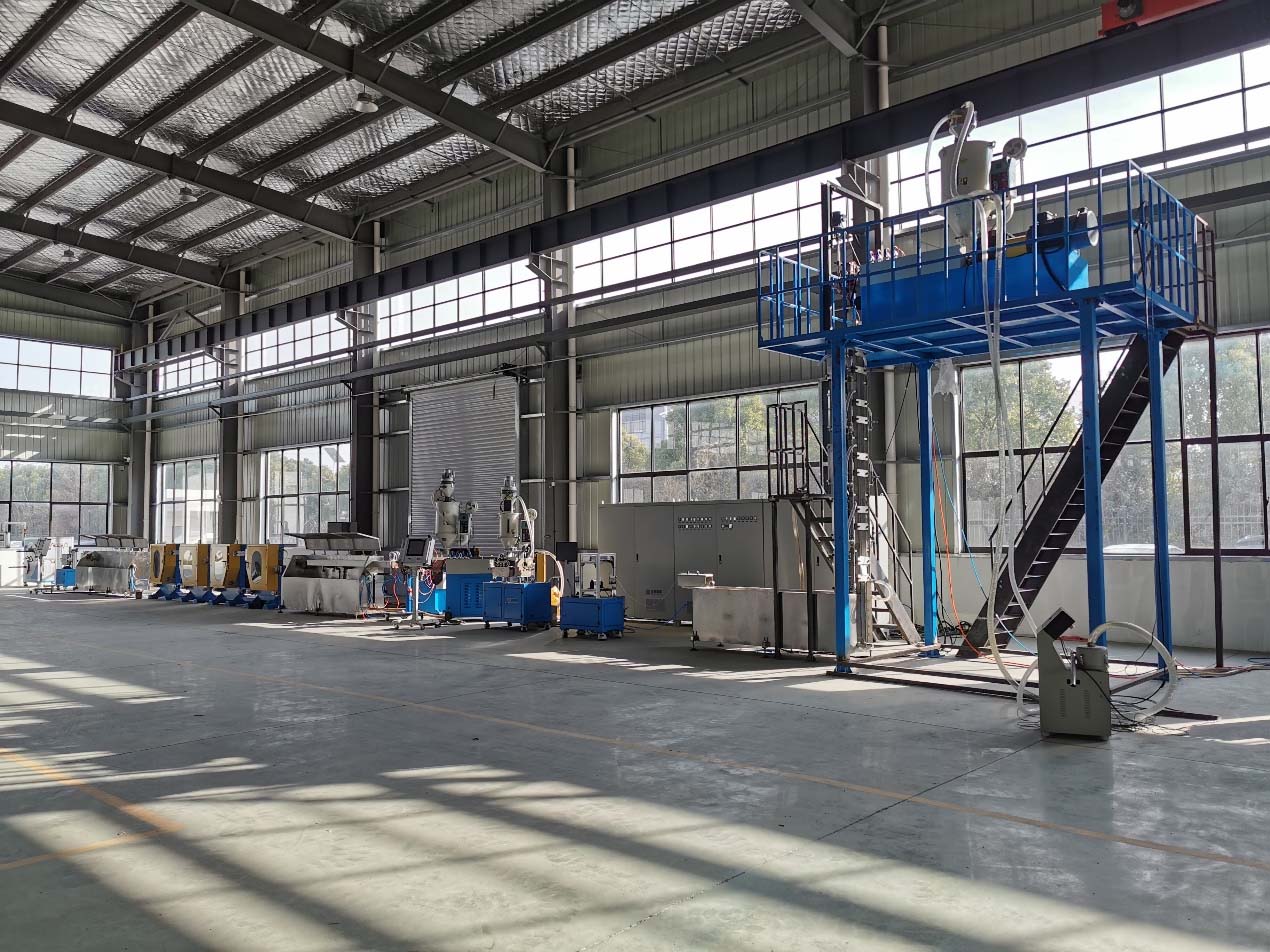
In the controlled environment of a modern industrial facility, a single, hair-thin plastic tube wound onto a reel might seem unremarkable to the untrained eye. However, in sectors ranging from mining and quarrying to large-scale infrastructure demolition, this tube—known...
Read More +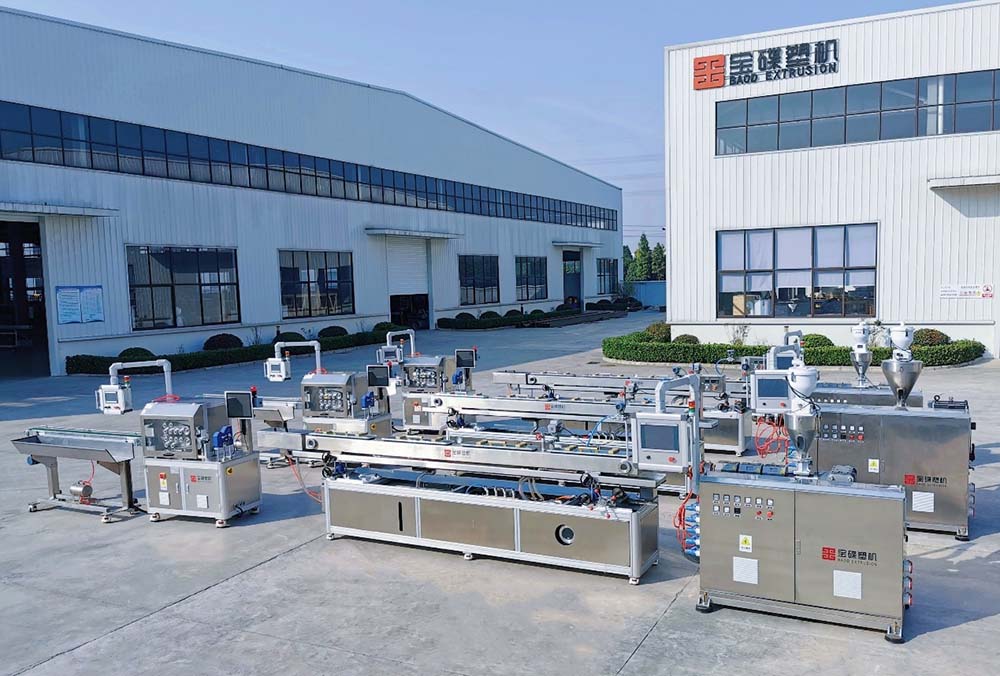
In the sterile, quiet environment of a modern medical facility, a clinician prepares a complex catheter for a critical procedure. This thin, flexible tube is far more than a simple conduit; internally, it is divided into several microscopic channels, or lumens, each desi...
Read More +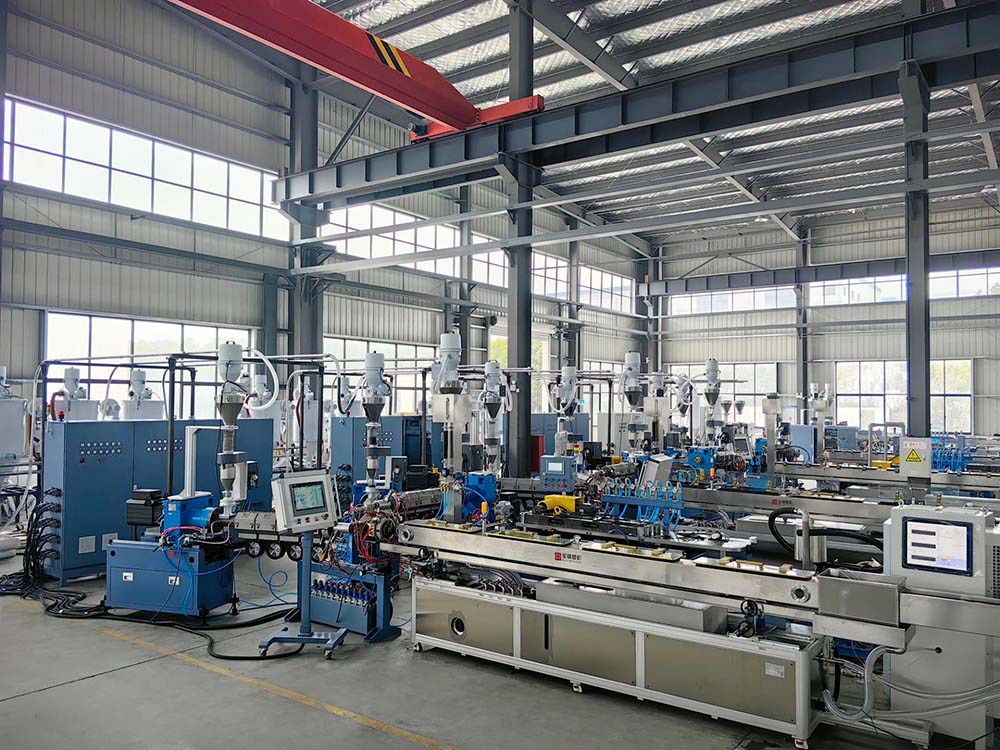
How do the world's most reputable vehicle manufacturers ensure the absolute integrity of every fuel line, brake hose, and cooling pipe buried deep within a vehicle’s chassis? Why has the shift toward electric and lightweight vehicles made the precision of these small-dia...
Read More +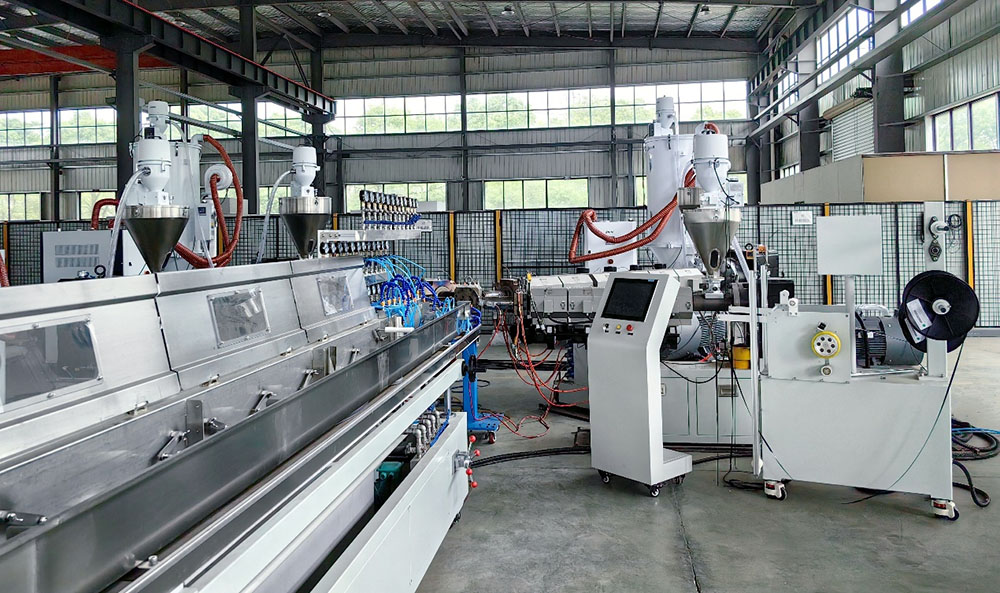
As the twilight sun reflects off the sleek, aerodynamic curves of a modern electric vehicle parked in a bustling metropolitan street, few observers notice the quiet, critical components ensuring the cabin remains a sanctuary of silence and temperature control. Behind the...
Read More +
 Baodie